CargoBeamer starts Rostock-Kaldenkirchen service

CargoBeamer, the operator of rail connections for non-craneable semi-trailers in Europe, is expanding its network. Since October, the Kaldenkirchen-Rostock route adds to the portfolio as the first line operating exclusively in Germany. On a total of six round-trips per week, CargoBeamer enables the transport of craneable and non-craneable semi-trailers as well as P400, refrigerated, silo, and container units by train.

On average, the transit time between Kaldenkirchen and Rostock is 18 hours. Per transported unit, 64% of CO2 emissions are saved compared to road transport, with the remaining 36% being compensated by CO2 certificates, enabling CargoBeamer to operate the line entirely carbon neutral. HSL Logistik GmbH serves as the traction partner.

Connections to Scandinavia and Southern Europe

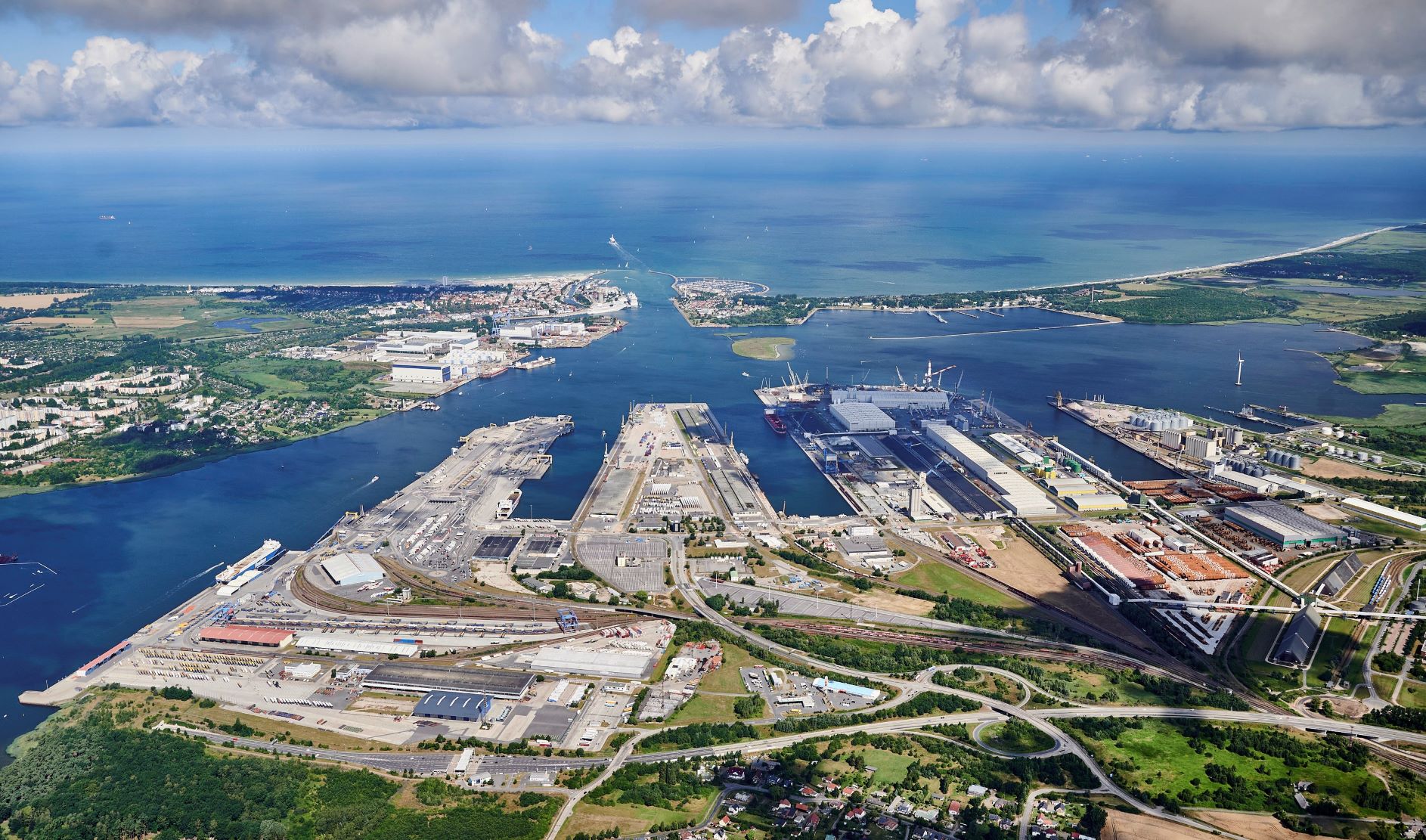
The line runs between the rail terminal in Kaldenkirchen and the port of Rostock. From the latter, there are connections by ferry to various locations in Denmark, Finland, Lithuania, and Sweden, with semi-trailers also transported without the accompaniment of a driver or tractor unit. In a southerly direction, CargoBeamer offers gateway connections via Kaldenkirchen to Perpignan in southern France and Domodossola in northern Italy.

Boris Timm, Chief Operating Officer of CargoBeamer, says: “The addition of Kaldenkirchen-Rostock is the first step in our plans to expand CargoBeamers’ network with numerous new lines by the end of 2023. With unaccompanied long-distance transport from the Baltic Sea via western Germany to Italy or the French-Spanish border, we are creating a new, attractive offer for our customers.

“On the historically strong axis from the Iberian Peninsula via Central Europe to Scandinavia, this will provide a new opportunity to shift from road to rail, which will realise further CO2 savings.”
UK logistics sector remains resilient

Take-up of UK logistics space totalled 7.67m sq ft for Q3 2022, according to the latest research* from global real estate advisor CBRE. The aggregate for the first nine months of 2022 stands at 30.25m sq ft, which equates to 95.8% of 2021 and 92.1% of the record-breaking year of 2020 for the same period, signalling the sector’s resilience.

This represents a decrease of 30% compared with Q3 2021, which saw take-up reach 10.9m sq ft. A total of 29 deals have completed this quarter, a decrease of 25.6% compared with Q3 2021, which saw 39 deals complete. Speculative schemes accounted for almost half of total take-up at 46.9%, followed by build-to-suit at 34.7% and second-hand accounting for the remaining 18.4%.

Third-party logistics dominated at a sector level, accounting for 56.3% of total take-up for the quarter. This was followed by retail at 21.3%. The remaining 22.4% was split across supermarkets, manufacturing, motor and other, demonstrating that demand for logistics space is wide-ranging and that competition for units remains strong.

Take-up was widespread across the regions for the quarter. Yorkshire & North East led the way at 27.1%. This was followed by West Midlands at 20.7%, East Midlands at 19%, South East at 16.3%, North West at 9.3% and the South West at 7.5%.

Vacant available space increased from 5.73m sq ft at Q2 2022 to 6.51m at Q3 2022. This was due to a number of speculative buildings reaching practical completion during the quarter. However, with only 21 built speculative units available, there remains a significant under supply. The increase in completed units resulted in the UK vacancy rate increasing fractionally from 1.18% to 1.32%.

Jonathan Compton, Senior Director, UK Logistics at CBRE, said: “Despite the ongoing economic uncertainty, the logistics occupational market remains strong with a wide range of occupiers securing space across the country. The decrease in take-up this quarter points to a degree of normalisation in the market following a prolonged period of record-breaking numbers, however the under-offer pipeline signals towards another robust year for the sector.”

Annabel Nash, Senior Analyst, UK Logistics Research at CBRE, added: “We have seen a significant shift in the type of occupier taking space following a dominant display from online retail. Third-party logistics providers are now leading the pack, accounting for more than a third of total take-up year-to-date. Ongoing supply chain and shipping disruptions are resulting in longer lead times, driving retailers to extend their stock profile in the UK. Therefore, companies that do not have the sufficient infrastructure are turning to third-party logistics providers for fulfilment on their behalf.”

* CBRE tracks all warehouses in excess of 100,000 sq ft in size and with an eaves height of more than 10 metres. The UK vacancy rate refers to the buildings that are physically built and standing, capable of being utilised by an occupier immediately.


Demonstrations and innovations at WABCOWÜRTH web events

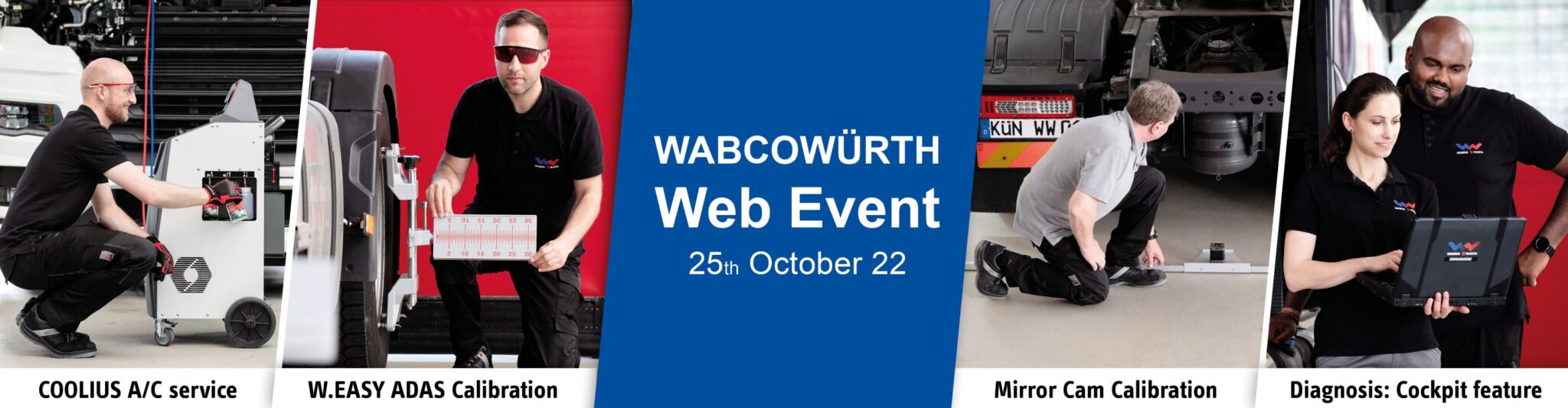
With its Web Events, WABCOWÜRTH offers customers and interested parties an informative service about its products and the opportunity to ask questions live. The next free web events will be offered in German on October 24th, 2022 from 09:30 to 12:30, and in English on October 25th, 2022. The areas of application of the COOLIUS Trailer and application examples for the W.EASY ADAS Calibration as well as the Mirror Cam Calibration will be discussed. In addition, the new Cockpit function in the W.EASY diagnostic software will be presented.

“Our Web Events are public events to which anyone interested is invited,” says Ralf Niklaus, product trainer from WABCOWÜRTH Workshop Services GmbH. “The Web Events have always been well received in the past and will be continued as a service offer in the future.”

The COOLIUS trailer from WABCOWÜRTH combines innovative technical equipment with a new design and makes air conditioning service even more mobile. In addition to its technical features, its possible areas of application on agricultural and construction machinery as well as in the cargo sector will be presented at the web event.

With W.EASY ADAS Calibration, WABCOWÜRTH has implemented a cross-vehicle mobile solution for the calibration of assistance systems such as rain sensors, lane departure warning and emergency brake assistants. A new target for the radar on VOLVO/Volkswagen and similar vehicle groups will be presented as well as the use and extension of the basic tool. The new Cockpit function in the W.EASY diagnostics software will also be presented, with which actual values are displayed in the form of an intuitively readable graphic.

The new Mirror Cam Calibration tool enables simple and precise alignment for the mirror camera calibration. The innovative, time-saving solution, which can be applied by just one person, is exemplified on the Mercedes Benz Actros V.

The participants of the event can ask their individual questions about the presented products and solutions live in the chat.

CLICK HERE to register to attend.

Dimensioning solutions from Bizerba and Metrilus

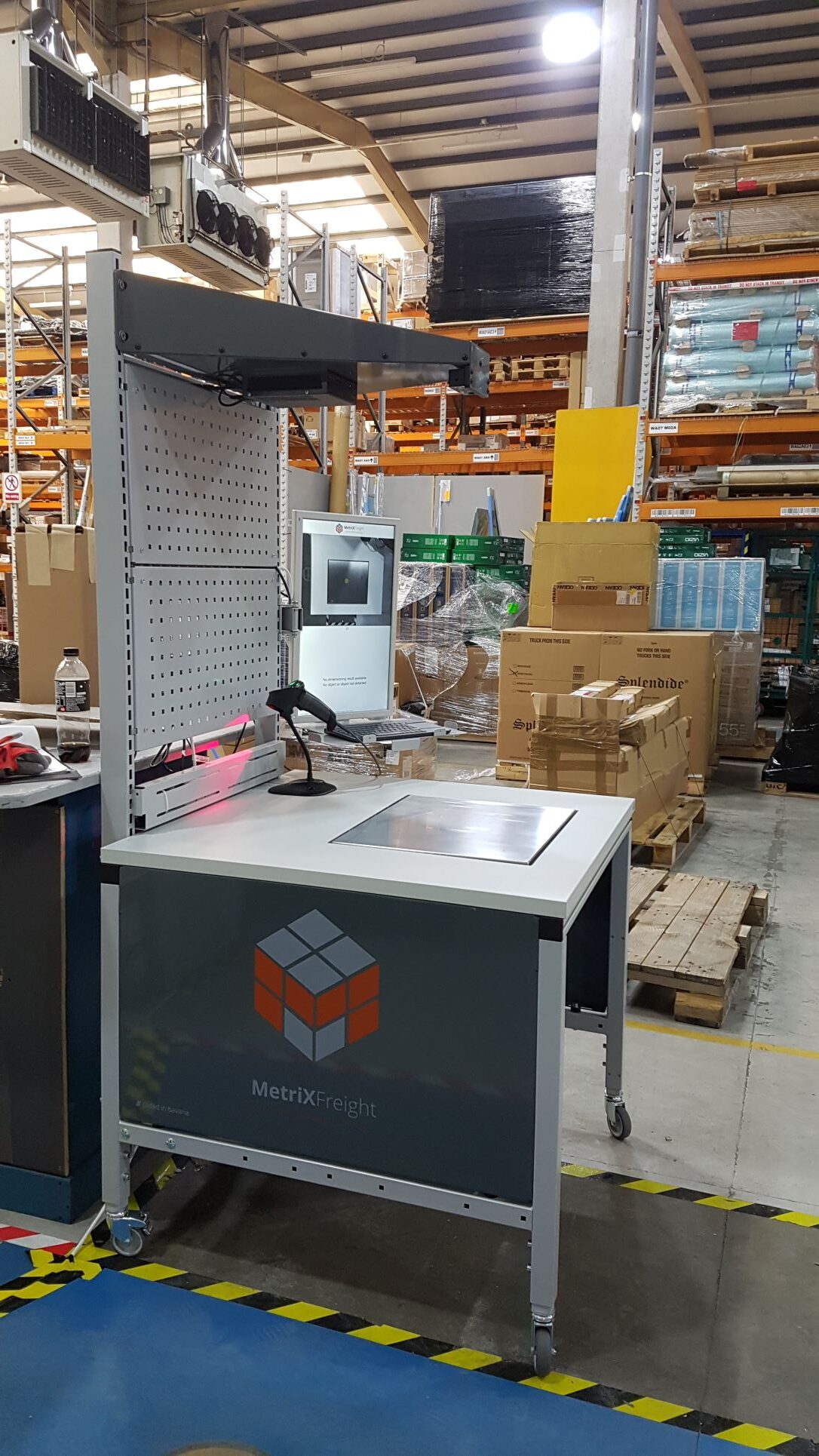
Metrilus is a German supplier of logistics systems for dimensioning solutions, based on the highly innovative computer vision technology MetriXFreight. By successfully collaborating with weighing technology specialist Bizerba, customers can now benefit from a complete MetriXFreight DWS (Dimensioning and Weighing System) family of products. Applications include, for example, floor scales, roller conveyor scales, and table scales from Bizerba.

At the upcoming Parcel + Post Expo in Frankfurt, the mobile table system S110 will be exhibited at the Bizerba stand representing the MetriXFreight product line. It will showcase the high measuring speeds and user-friendly handling in daily operations.

Dimensioning solutions

The MetriXFreight product family includes pallet, parcel, and free-form item dimensioning systems for inbound, outbound, and CEP applications. Throughput is up to 750 pieces per hour. All systems feature visual documentation of measured freight, automatic data transfer to the customer’s IT network (TMS, WMS, ERP, etc.), predictive maintenance, and remote service as standard.

All MetriXFreight DWS products are also integrated into the Bizerba Brain2 Global Shipping Software, enabling optimised shipping processes.

similar news

All-in-One DWS System for Logistics Launched


Sustainable home delivery is a win-win

Focusing on sustainable home delivery will generate greater sales and more profitable operations, explains Chris Jones, EVP, Descartes.

Two seemingly conflicting trends are coming together that, if addressed correctly, could provide retailers with a competitive advantage and make them more profitable. First, consumers are increasingly concerned about the environment and are more willing than ever to act to protect it. Second, the pandemic kicked online buying and home delivery into “high gear” as many consumers embraced its convenience and dramatically expanded the scope of their online purchasing.

So, how can these two trends be mutually beneficial? Isn’t home delivery supposed to be the antithesis of sustainability? Since neither trend is going away, harnessing both represents an excellent opportunity for retailers to improve their competitive position and profitability while helping the environment.

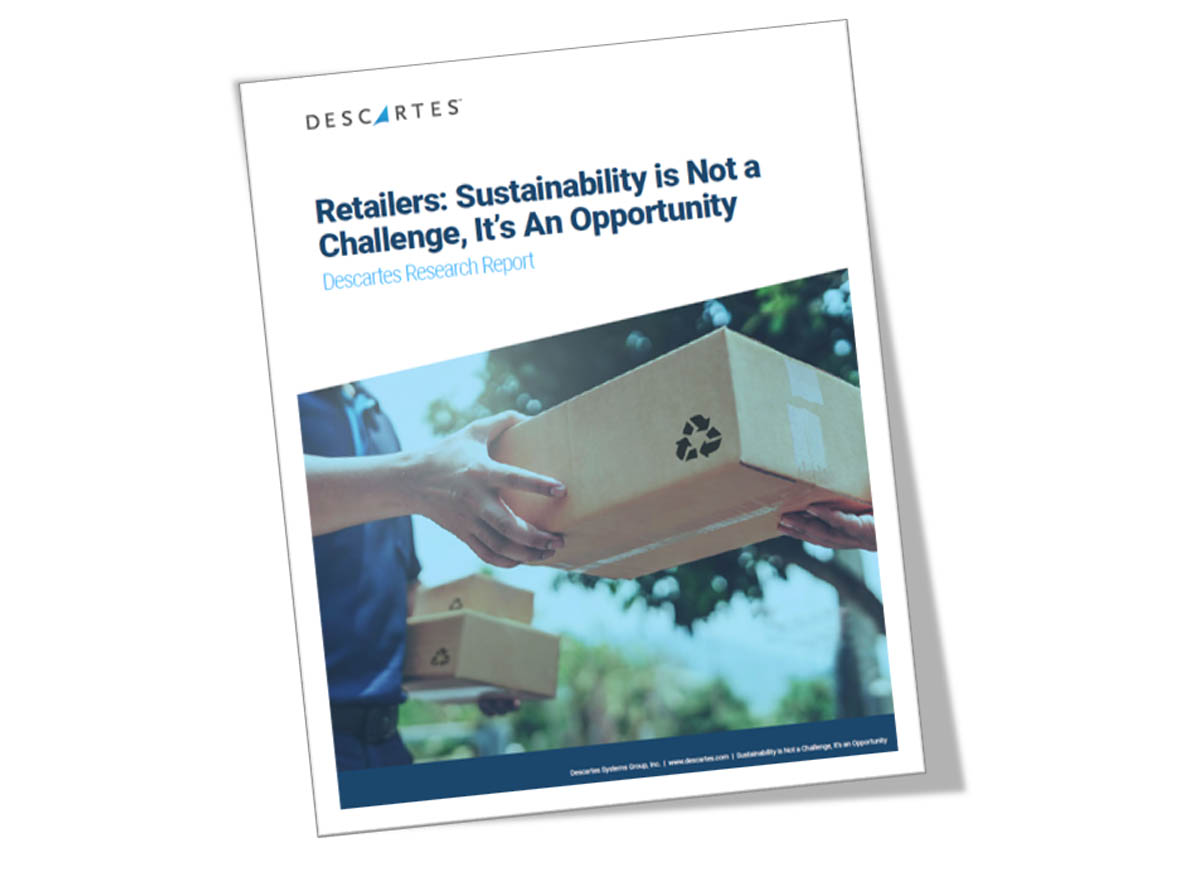
That’s exactly what the recent study “Retailers: Sustainability is Not a Challenge, It’s an Opportunity” concluded. Conducted by Descartes and SAPIO Research, the study surveyed over 8,000 consumers in Europe and North America for their perspectives on retailers’ sustainability practices around delivery operations. Here are five points that paint a compelling picture of why retailers need to adjust their delivery practices to take advantage of consumer environmental concerns.

Consumers are making purchasing decisions based upon environmental impact. The study found that overall, 39% of consumers do consider the environmental impact of a product and company when making purchasing decisions. This number rises to 42% for respondents aged 25 – 34. Interestingly, only 11% said they never made a purchasing decision based upon the environment.

There’s plenty of room to differentiate with sustainable delivery. The study found that only 38% of consumers thought retailers were doing a good job of using sustainable delivery practices. This means that consumers are paying attention to retailer delivery practices and many retailers are not performing well in this area. In the case of grocery and apparel purchases, 40% and 39% respectively said that they would buy more from those retailers whose delivery practices were more sustainable than the competition.

Consumers want sustainable delivery options. Half (50%) of the respondents were quite/very interested in environmentally friendly delivery options. Even more (54%) said that they would be willing to accept longer lead times for environmentally friendly deliveries.

Consumers are more flexible than retailers think. Half (50%) of the respondents thought the ability to combine orders was quite/very important. Almost half (48%) said that they were quite/very interested in having retailers recommend the most environmentally friendly delivery option. In fact, three of the top four options involved combining orders or having the retailer select the most sustainable delivery option.

Sustainable home delivery options result in lower costs to the retailer. Options from increasing lead times to grouping orders to providing eco-friendly time windows help retailers lower both their carbon footprint and their delivery costs. Longer lead times decrease delivery costs through better delivery planning and mode selection. Order consolidation means fewer trips to the customer and higher delivery density. Eco-friendly deliveries also create greater delivery density, which reduces distance per delivery. These concepts apply to multiple delivery modes including private/dedicated fleet, LTL and parcel.

Instead of thinking that sustainable home delivery is a challenge, retailers need to see it for the opportunity it presents. It is clear that consumers are increasingly interested in more sustainable home delivery. These trends are an opportunity to create a win-win-win situation. Sustainable home delivery makes consumers happier and more loyal, lowers delivery costs and helps the environment. Not every consumer will care, but the numbers are significant enough to easily justify offering sustainable delivery options. Better for the environment is better for your business. What are your sustainable delivery strategies?

CLICK HERE to read the report “Retailers: Sustainability is Not a Challenge, It’s an Opportunity”

Panduro increases picking capacity by 20%

Panduro, a market leader in hobby materials in Europe, has successfully implemented ZetesMedea Warehouse Execution System to help improve market responsiveness and agility, whilst ensuring that sales are maximised, and delays minimised. The new system was fully operational in less than three months, and speed was a critical requirement as growing surge in demand was putting a mounting pressure on the retailer to fulfil more orders efficiently.

Panduro has 96 stores distributed throughout six European countries. With a total assortment of 10,000 items, distributed through a hybrid retail model, the rapidly expanding organisation was seeking to replace existing outdated voice picking system with a next generation solution to meet rapidly growing market demands.

Ensuring capacity matches demand

Panduro has faced a significant growth in demand in recent years, which the pandemic accelerated. To stretch and align capacity to meet customer demand, it needed to ensure maximum utilisation of its  warehouse operations, without expanding warehouse space. But operating on a legacy system, based on outdated technology, it was not possible to increase efficiency levels.

Panduro was therefore looking for a new solution that needed to meet certain specific requirements; it had to be a next-generation cloud-based solution, capable of being properly integrated into modern structures, and able to reduce operators’ workload whilst increasing productivity. It was also crucial that productivity would not decrease during the implementation stage. Panduro found all this in ZetesMedea’s voice picking solution.

Implementation in less than three months

The new cutting-edge technology from Zetes has allowed Panduro to increase the number of orders executed every day, reaching up to 18,000 order lines per day. A critical factor to meet increasing order volumes and support the company’s continued growth.

User acceptance and uninterrupted productivity was a key reason in implementing the ZetesMedea voice system. Smooth, efficient onboarding of both permanent and seasonal associates is critical to consistently fulfilling order demand throughout the year. This is enabled through the intuitive ‘untrained’ features of the new voice picking technology, ensuring rapid system familiarity and productivity. In addition, less management attention is required to manage onboarding, releasing time for more added value operational focus.

Finally, the speed of implementation was also of significant importance. From first discussion to implementation, the solution was fully operational in less than three months.

Cutting-edge technology

Many companies face the need to upgrade outdated equipment in order to keep up with logistics advancements and avoid risks. In conjunction with ZetesMedea software, Panduro opted to equip its warehouse pickers with cutting-edge Android technology from Panasonic Toughbook. Operating on the FZ-N1 handheld device and headset, the system simply instructs warehouse operators in their tasks and picked items are registered immediately. Panduro can easily access real-time order status updates, performance intelligence reports and track critical operational KPI’s to gain full visibility into operations.

“Thanks to ZetesMedea, we have increased our picking productivity by nearly 20%, reaching up to 18,000 order lines per day. In less than three months from start to finish, we are now processing more order per picker and day than ever before,” said Fia Collin, Warehouse and Production Manager at Panduro.

Abbey CEO moves to Executive Chairman

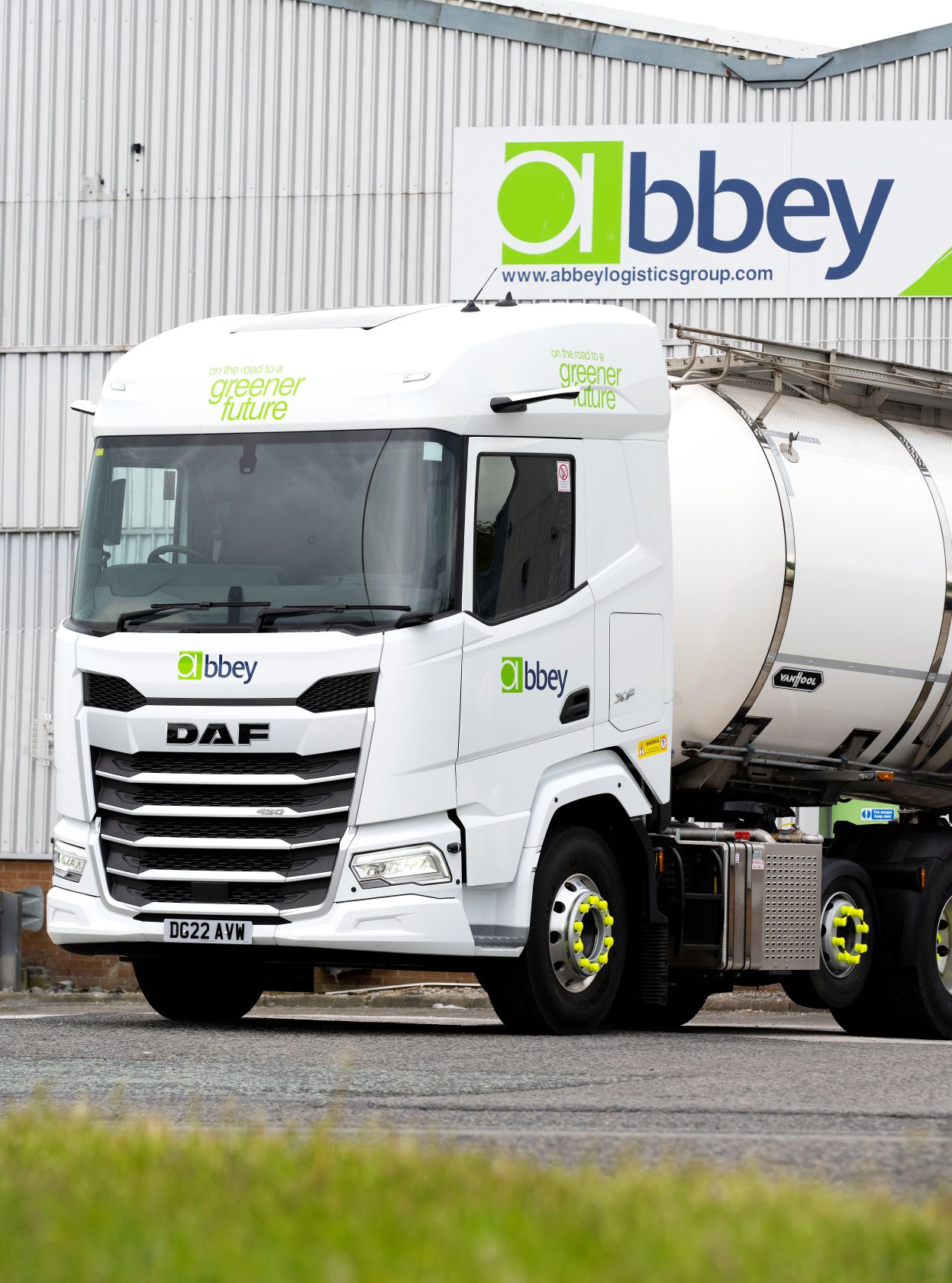
Steve Granite, the long-serving CEO of Abbey Logistics Group – the UK’s largest food tanker business – has moved from his role as CEO to take up a new position as Executive Chairman.

Granite joined the business as a 15-year-old apprentice in 1995 and held various positions including Finance Director, before being named successor to majority shareholder Stephen Lucy in 2009 as Managing Director. During that period, Granite grew revenues from £18m in 2009 to close to £70m in year ending June 2022.

In 2016 he led a management buy-out from the Lucy family, backed by NorthEdge Capital, and has steered the company to record revenues and profits in recent years. Since 2020, Steve has reduced his time in Abbey to enable him to focus on another investment he holds outside of the logistics sector. This led to the appointment of the existing Group Managing Director, David Patten as a successor for Granite.

As part of the changes, existing Non-Executive Chairman Julian Maturi will move to a Non-Executive Director role and Josette Saville will become a statutory Director in her existing role as Sales Director.

Granite said: “Now that we have a robust, experienced, and well-balanced management team in place, I’m able to move into this new role as Executive Chairman. Moving forward I will spend more of my time nurturing the leadership team, being an ambassador for the company, especially in attracting more young people into the sector and supporting the overall strategic planning and execution of the business.

Dave and his team have shown over the past two years that they can lead the day-to-day running of the business successfully and this is seen in consistent financial and customer service results. I am proud of what we have achieved at Abbey since taking over as Managing Director in 2009 then CEO in 2016 and very much look forward to this next chapter in my new role, supporting the board and the wider management team.

For the past few years, the business has been back to profitability and is healthy and ready for further growth towards £100m sales.”

Cycle challenge double-header raises £230,000 for Transaid

A team of 40 riders drawn from the transport and logistics industry have completed a 505km cycle challenge across southern Malawi in soaring temperatures, pedalling through the spectacular Liwonde National Park to raise more than £205,000 towards Transaid’s projects in sub-Saharan Africa.

The remarkable sum of money adds to the £25,000 raised by the 16 riders who took on Hadrian’s Cycleway over two days in September. Combined, the non-restricted funds will be used by Transaid to focus on improving road safety and increasing access to healthcare in rural communities.

Florence Bearman, Head of Fundraising at Transaid, says: “It was incredible to complete the challenges with so many friends from across the sector who are committed to supporting Transaid’s life-saving work. To everyone who jumped in the saddle or sponsored a friend, family member or colleague, we are hugely grateful.”

Commenting on her experience in Malawi, she adds: “The anticipation ahead of Malawi was huge; for many of us it had been three years since we signed up for the original 2020 dates, and we were all eager to reach the tranquil shores of Lake Malawi. The experience didn’t disappoint – not even the longest 135km section on day three when temperatures reached 38 degrees Celsius, nor the steep climb up the Zomba Plateau on day four, dampened anyone’s enthusiasm!”

Tom Southall, Policy Director at the Cold Chain Federation, was one of the riders in Malawi and explains: “This was an incredible journey with an amazing group of people, and humbling too to experience the warmth and friendliness of the Malawians.

“The value of Transaid’s work is incalculable in these communities, building road safety awareness as well as programmes to support better standards of emergency transportation. I can’t overstate how much of an incredible experience this was and would recommend getting involved with future Transaid events and challenges!”

Cycle Malawi 2022 was backed by Gold-sponsor UKWA, and saw the riders tackle the full route over five days in the saddle. It marked a return to the country which hosted Transaid’s first ever cycle challenge in 2006.

Over the years Transaid has worked on both access to health care and driver training programmes in Malawi, the most recent of which involved bicycle ambulances, which have long proven to be a highly effective lifesaving mode of transport in rural Africa.

The riders who took part in Cycle Malawi represented 24 firms from across the industry, including ABE Ledbury, BigChange, Burton’s Biscuit Company, CAM Systems, Capex Commercial Partners, Cold Chain Federation, Clubbly, Cross Acre, Dalessi International Transport, EV Cargo, FloPlast, GRS Building Products, GXO Logistics, Hankook, Hoyer Petrolog, Innovate 360, LDH La Doria, MAN Truck & Bus, Marks & Spencer, Microlise, PF Whitehead Logistics, Problems Solved, Scala and TRS Tyres.

Last month’s Hadrian’s Cycleway saw riders taking part from companies including Alpine Travel, Backhouse Jones, Blue Cube, Boughey Distribution, Dawson Group plc, EORI (UK), Idris Logistics and Sworder Belcher Holt.

Latest global shipping crisis report released

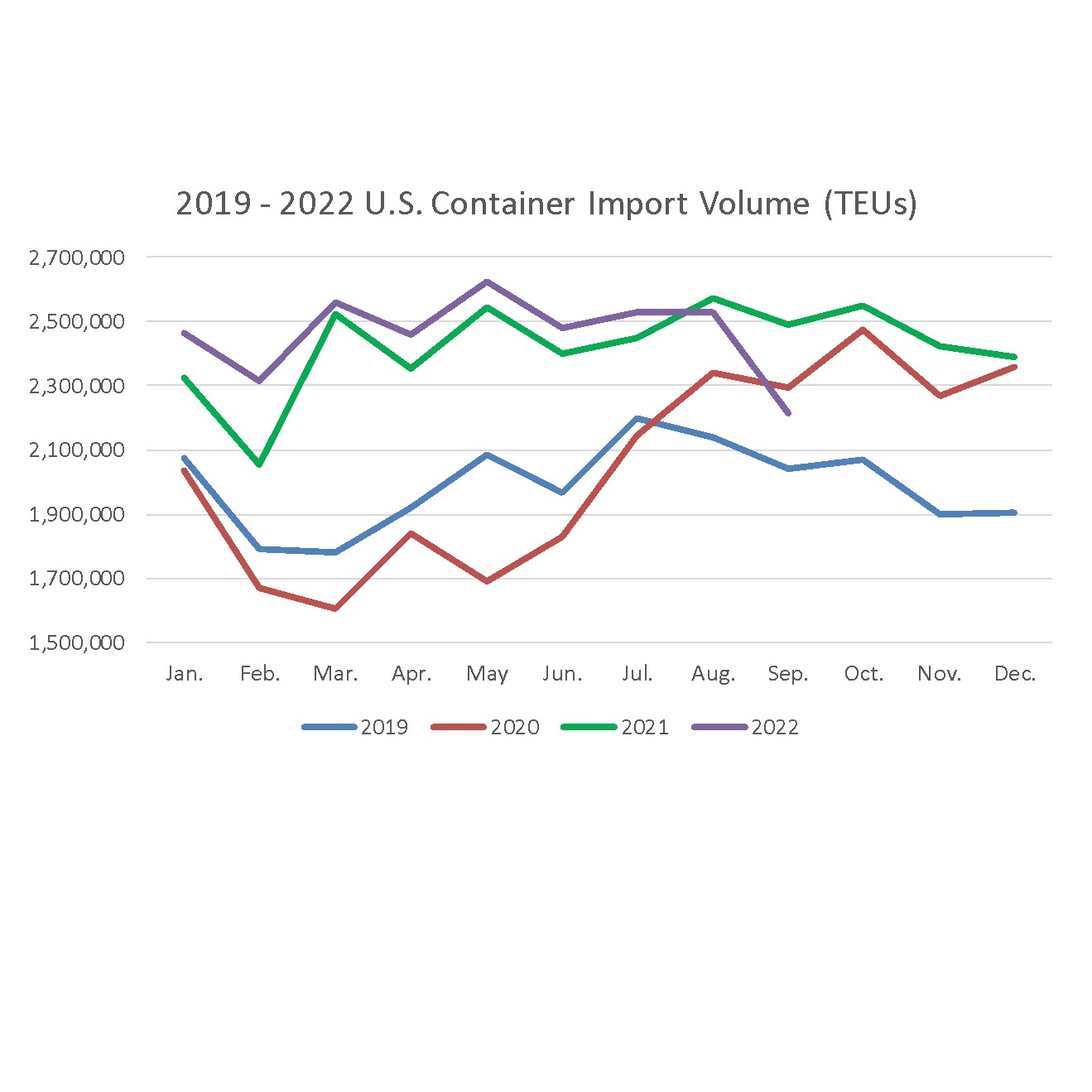
Descartes Systems Group, a global leader in uniting logistics-intensive businesses in commerce, has released its October report on the ongoing global shipping crisis and analysis for logistics and supply chain professionals. The report shows that a slowing economy, retailers reducing purchases, inflation and high fuel costs are finally making an impact on US container imports. The decrease in September import volumes did not, however, have a measurable impact on port delays, especially for East and Gulf Coast ports, which continues to point to congested and challenging global supply chain performance for the rest of 2022.

Container imports into the US in September retreated 11.0% versus September 2021 to 2,215,731 TEUs, though volume was still up 9% from pre-pandemic September 2019. September 2022 volume was also down significantly versus August 2022 with a 12.4% decline (see image). China was a significant contributor to the decline as Chinese imports in September were down 18.3% to 820,329 TEUs compared to August 2022 and down 22.7% versus September 2021.

“This is the first month that US container import volumes are seeing the effects of market headwinds, but we haven’t yet seen a similar reduction in port waiting times, which would help improve global supply chain performance,” said Chris Jones, EVP Industry & Services at Descartes. “The decline in Chinese imports was the greatest driver of the overall decrease in US imports and was felt the most on West Coast ports as most East and Gulf Ports continued operating at higher overall volumes.”

Note: Descartes’ definition of port delay is the difference as measured in days between the Estimated Arrival Date, which is initially declared on the bill of lading, and the date when Descartes receives the CBP-processed bill of lading.

similar news

Tech to Navigate the Aftermath of Supply Chain Crisis


BlockMaster takes centre stage at BAUMA

B&B Attachments and partner KAUP are exhibiting together at the 33rd edition of the world’s leading construction trade fair BAUMA 2022. The globally renown exhibition will be held at the Messe München convention centre from the 24th – 30th October.

The show has yet again sold out, booking 200,000 sq m of indoor space and 400,000 sq m outdoor to more than 3,000 exhibitors from 60 countries.

The two material handling specialists will be on stand B5 304 exhibiting a range of attachments designed specially to improve material handing in the construction industry.

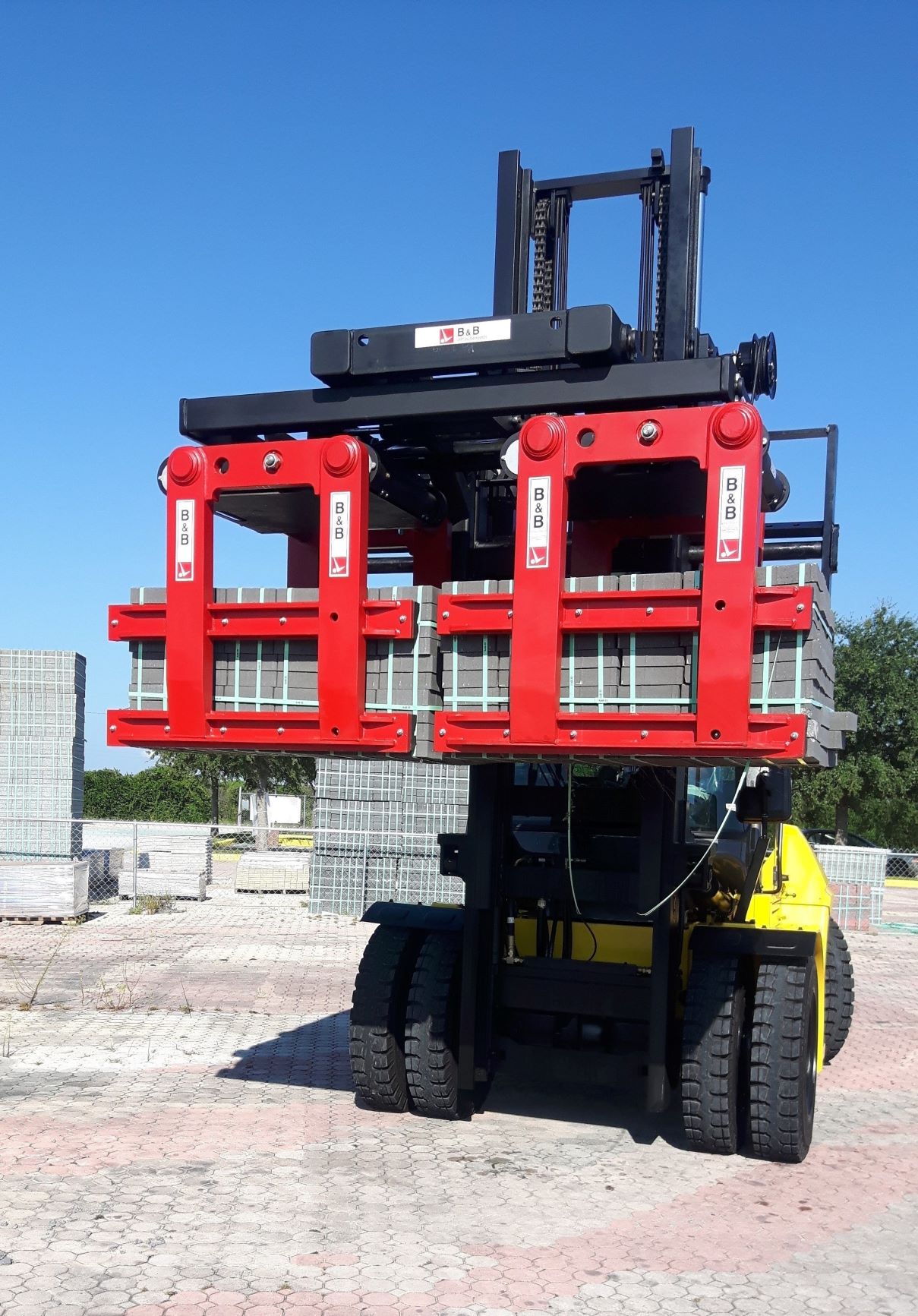
KAUP and B&B Attachments have worked together in attachment development since 1980. Together, their shared knowledge and expertise continue to advance the material handling industry. Bauma is the perfect platform for both industry giants to show their latest innovations. This includes the K320, which is part of B&B’s BlockMaster range (pictured), made uniquely for specialist applications within the construction industry. The range is designed to assist with the complex task of safely moving bricks, blocks and tiles.

B&B Attachments will also exhibit its Beam Grab. This attachment has been manufactured by B&B to assist in the unloading process of pre-cast concrete floor beams. Designed to fit crane delivery vehicles, the beam grab can lift varying sized beams and profiles and handle up to six beams in one single lift.

KAUP will be exhibiting its T413 heavy duty bale clamp. This attachment can be used to handle waste bales in the recycling industry. It is an example of how KAUP attachments can easily be fitted to many different types and styles of vehicles throughout many different industry sectors. The variety and range of attachments ensure that the correct handling solution can be offered for many different applications.

“We are delighted to be exhibiting at this year’s Bauma. The exhibition is the construction industry’s largest event, and its return has created quite a buzz. The team are looking forward to meeting with customers and showing our products to a global audience,” comments Mike Barton, Managing Director at B&B Attachments.

Subscribe

Get notified about New Episodes of our Podcast, New Magazine Issues and stay updated with our Weekly Newsletter.