Fashion Brand Improves Fulfilment Productivity

Descartes Systems Group, announced that U.K.-based fashion retailer LOVALL, formerly known as Love Leggings, is using Descartes’ ecommerce warehouse management system (WMS) to improve productivity by automating fulfilment and optimizing the use of existing warehouse space to hold three times as much inventory. The solution has enabled LOVALL to meet rising ecommerce order volumes without needing to hire additional resources, even during peak periods like this past November when order volumes increased by 28% compared to the same time the previous year. 

“Our business has scaled from an Amazon marketplace that used manual- and paper-based systems to pick and pack orders weekly to a growing online fashion brand that fulfils orders daily with almost 100% accuracy using the Descartes solution,” said Chris Brian, Co-Founder of LOVALL. “Descartes has a strong track record of success in our industry with other high growth fashion brands. Its ecommerce WMS gives us a reliable and trusted technology foundation that can easily keep pace with our expanding business.”

Descartes Warehouse

Part of Descartes’ ecommerce solution suite, Descartes’ ecommerce WMS helps direct-to-consumer brands and ecommerce retailers drive significant efficiencies across order fulfilment processes to provide a remarkable customer experience. The solution helps ensure retailers can ship on time, ship the right items, not oversell existing inventory, and have transparency into warehouse operations. Order information is automatically available to be executed via mobile-driven, multi-order pick-and-pack strategies and then fed into Descartes and third-party parcel shipment systems. The solution integrates with ecommerce platforms such as Shopify Plus, Brightpearl by Sage, NetSuite, Linnworks, Loop Returns and others, to accelerate implementation and time to value.

“We’re pleased that our ecommerce WMS is playing an important role in LOVALL’s growth and success,” said Johannes Panzer, Head of Industry Solutions for Ecommerce at Descartes. “The ecommerce market is fast-paced and demanding, and our warehouse and shipping solutions are designed to help companies at all stages of growth drive efficiencies and cost-savings in their fulfilment operations, easily flex to support peak and off-peak order volumes and achieve overall higher standards of customer service.”

Learn more about how LOVALL has scaled its fulfilment operations using Descartes’ ecommerce WMS in this Descartes Customer Success Story.

Read Similar Stories…

WMS Partners with Supply Chain Advisor

IAG Cargo restarts services to Abu Dhabi

IAG Cargo, the cargo division of International Airlines Group (IAG), is announcing the start of its summer schedule which will see an increase in services between its core hubs in London, Madrid, Barcelona and Dublin to key destinations across the world.

  • Restarted services between London and Abu Dhabi for the first time in four years
  • Increased services to the Middle East and Latin America as part of the new summer schedule

As part of the new schedule, services between London Heathrow (LHR) and Abu Dhabi (AUH) will return on the 20th April following a four-year hiatus. This route will benefit from the use of a Boeing 787-9 widebody aircraft and forms part of a 19% increase in weekly rotations to Africa and the Middle East.

Key transatlantic routes will also see a boost in capacity, with a 9% increase in services to Latin America and the Caribbean. This includes an additional three services per week to Buenos Aires (EZE) and up to four services per week to Sao Paulo (GRU) out of Madrid. Furthermore, there will be a doubling of weekly services between London Heathrow and San Diego (SAN), and an extra seven flights per week to Chicago (ORD). IAG Cargo has also launched a new service between Barcelona and Miami (MIA).

Camilo Garcia Cervera, Chief Sales and Marketing Officer at IAG Cargo, said: “The new summer schedule will offer enhanced capacity and greater flexibility for our customers. We are particularly pleased to expand our offering in Africa and the Middle East, including the resumption of operations in Abu Dhabi after a four-year absence from our schedule. Abu Dhabi International Airport is emerging as an increasingly important regional logistics hub with state-of-the-art facilities and we are excited to contribute towards its further growth.

Out of London, IAG Cargo offers capacity to six continents with over 600 weekly wide-body services. Additionally, Dublin serves as a gateway to North America, boasting over 80 weekly wide-body rotations. The business now offers over 240 weekly wide-body services connecting Madrid and Barcelona with destinations across North America, Latin America and the Caribbean.

Other Recent Schedule Changes Include:

  • Barcelona – San Francisco – restarted on 31st March
  • Madrid – San Francisco – restarted on 2nd April
  • Madrid – Washington – Restarted 2nd April
  • Increased capacity from London to Cincinnati, Chicago, Haneda, San Diego and Vancouver
  • Increased capacity from Madrid to Buenos Aires, Boston, Dallas, Los Angeles, Rio de Janeiro and Sao Paulo.

Read Similar Stories…

Logistics Boost at Abu Dhabi International Airport

Farm to Fork Efficiency by Labelling

Today, consumers across the UK are facing a cost of living crisis. As a result, many retailers and supermarkets are striving to keep their costs down, so that they can avoid passing these onto shoppers. Within this, one area that is increasingly under scrutiny for many organisations surrounds how to improve supply chain efficiency. This is taking place at all levels across the supply chain – from “Farm to Fork”. Additionally, farmers, fresh produce producers and the large multiples are all facing increasing pressure to improve their food provenance tracking and traceability efforts, as they manage the sale and distribution of goods to consumers.

Across the world, there are effective systems for labelling that have been created to encourage this to take place. Today the responsibility for implementing these, including label printing, falls predominantly with the grower or supplier. Neil Baker, Head of Auto ID Sales for Northern Europe, BIXOLON Europe GmbH provides his insights about how farmers and fresh produce suppliers can work more effectively with supermarkets to improve efficiency throughout this entire process.

Protecting farmers, producers – and supermarkets 

In 2018 British supermarkets faced scrutiny from the UK’s Grocery Code Adjudicator for profiteering at the expense of their suppliers. At the highest level, supermarkets were reportedly fining suppliers for several reasons, including barcodes that were not compliant with their own systems. Since then, the UK Grocery Code Adjudicator stepped in to protect these producers and suppliers, and has encouraged the likes of Tesco, Asda, Morrisons and the Co-Op to improve their understanding of the Groceries Supply Code of Practice (GSCoP).

Fast forward to 2023, 10 Downing Street hosted a UK Farm to Fork Summit. During this summit, the UK government announced that £12.5 million is being made available to support research projects that promote environmental sustainability and resilience on farms – and a working group to bring together plant breeders, food manufacturers and retailers, to agree an approach that enables products to reach consumer shelves. It also pointed out that many farmers are taking advantage of an available £168m million grant funding, that supports investments in productivity, animal health and welfare and the environment (Section 3). Further, it announced that farmers should be paid a fairer price for produce, and new powers have been introduced through the Agriculture Act 2022 to support the sector further (Section 4).

Additionally, it has decided to further endorse the important role of the Groceries Code Adjudicator (GCA) and its efforts in ensuring fairness in the UK food supply chain (Section 4). This role sees the GCA act as an independent regulator, ensuring that designated retailers and supermarkets treat their direct suppliers lawfully and fairly – while ensuring compliance with its Groceries Supply Code of Practice. This has many goals, and is trying to combat variations in supply agreements, supply chain procedures, and ensure faster and fairer payments for all. Ultimately, while much of its code serves suppliers, all parties concerned would benefit from familiarising themselves with it, as it would ensure that everyone operates cohesively too.

Enabling transparency and traceability

Another important piece for all parties to consider, as they strive to work together effectively, is how to enable the supply chain efficiency and transparency that is required to achieve the traceability and tracking requirements that supermarkets and various governments require today. This is where working with the likes of standards bodies, like GS1, to implement GS1 Standards can help. GS1’s standards, frameworks and coding systems enable retailers, farmers and fresh produce suppliers to track and record all the necessary information that enables traceability to occur accurately and digitally. While they are not technology providers, they provide the knowledge and framework for how to standardise on a system that works.

Take this scenario, a farmer delivers a pallet of apples to a large supermarket chain. As part of a commitment to label produce effectively, the farmer places a 1D code – a barcode – on the pallet. This label links back to a digital, backend infrastructure that contains essential tracking and traceability information about the provenance of his apples. When linked effectively between suppliers – through a GS1 framework, for instance – supply chain transparency and traceability across the board becomes powerful. Farmers, fresh produce suppliers, retailers and supermarkets alike are increasingly appreciating the value of this.

Assuming the label on the pallet hasn’t been compromised and is legible, it can be scanned by warehouse operatives who can ensure the pallet moves to the next phase in its journey to the store shelf. Along each stage, labels and their barcodes are used to carry and convey information, and direct the flow of goods towards the shelf – and, eventually, the consumer’s shopping basket. Therefore it is crucial that the entire value chain adopts an appropriate digital system, that standardises around a proven framework, such as that proposed by GS1.

Producing labels and barcodes of a high quality

Naturally it stands to reason that an appropriate digital backend infrastructure underpins this entire process for farmers, fresh produce firms and retailers alike – and, all tied to an important barcode. However, it’s no good if a label that is printed with a code on it – be it a 1D or a 2D code – is not of sufficient quality. While the GCA has clamped down on previously poor practices by supermarkets, it is important for all parties concerned to strive for operational excellence. For some parties, this might involve improving their supply chain, packaging and labelling policies, and for others it might just be that they need to familiarise themselves further with these policies when working with various organisations across the value chain. What is clear, though, is that when it comes to the printing of labels by suppliers, it is important that industrial label printing technologies print high quality legible labels. Moreover, do they appreciate their responsibilities and the policies set by supermarkets?

While there are many printing technology providers available in the market, it’s important to really consider a long-term investment in proven technology here. Often organisations make the mistake of buying “cheap”. They buy cheap printers, cheap media and cheap consumables (e.g. inks). Buying like this often leads to equipment failure, and the consumables are often generally faulty. A better approach to consider is to work with a printing technology provider that has a proven track record with providing consulting and printers in this space, designed for the fresh produce or grocery sector. Typically thermal transfer industrial label printers are often more robust, and vendors that have been established for several years come with better aftersales support, and access to consumables more quickly and cost effectively too.

Farm to Fork

Six months on from the Farm to Fork Summit, the National Farmers’ Union (NFU) went on record to say, “I have urged the new Secretary of State to ensure Defra’s supply chain reviews within the dairy, horticulture and poultry sectors deliver much-needed improvements to the operation, fairness and transparency for all farmers and growers, so we can continue what we do best – provide high-quality, climate-friendly food for the nation.” Based on this statement, and the work that the GCA and the likes of the GS1 are doing, all parties are trying to pull in the right direction to achieve greater supply chain transparency and traceability.

This can only be successful long-term if farmers, fresh produce providers, retailers and supermarkets work more effectively together. This needs to be underpinned by digitisation and effective thermal transfer industrial label printing technology. Clearly labels and barcode printing have an important role to play too – however, without the right kinds of printers in place to print and share vital label information correctly, to a high quality standard, across the value chain, these labels will fail to do the communication job that they are required to do. Why bother going to all that trouble to set up a traceability and supply chain transparency framework up, only to be let down at the last minute by a poorly printed barcode? By embracing these solutions, stakeholders across the supply chain are poised to usher in a new era of efficiency and accountability, safeguarding the integrity of the “Farm to Fork” journey.

Continue reading “Farm to Fork Efficiency by Labelling”

Improve Supply Chain Resilience in Infrastructure Project Delivery

Major infrastructure projects rely on supply chains being resilient in the face of unexpected challenges. A UK Office for National Statistics (ONS) report revealed that around 10% of businesses with ten or more employees experienced disruptions to the global supply chain.

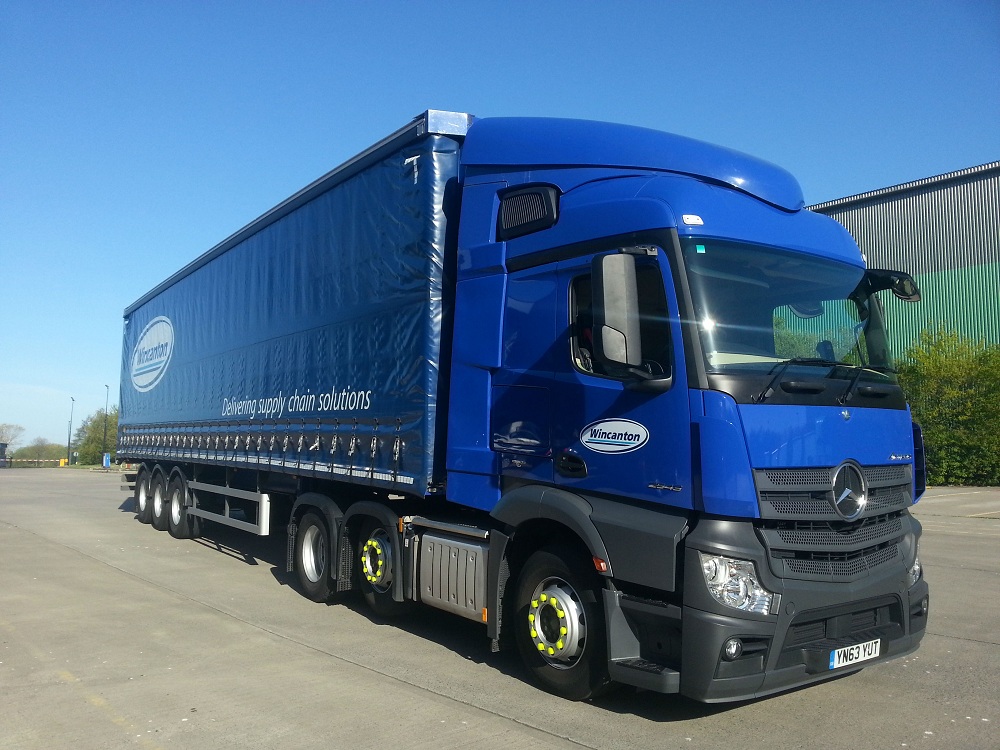
A disrupted supply chain can result in delays and increased costs, so strengthening it is crucial to delivery. Wincanton, a leading logistics partner that provides solutions for the infrastructure sector, offers expert insight into how incorporating emerging technology into processes can help add more resilience and how seamless they can make infrastructure projects.

Visibility of materials: real-time updates and visibility

Many components are involved in the infrastructure industry, especially when it comes to the logistics and availability of materials. Having real-time updates and visibility to track where they are and their estimated time of arrival (ETAs) can help keep projects on track for delivery, which prevents going over budget or delaying timelines.

This technology is one part of a wider digital transport solution for tracking and reporting to boost supply chain resilience. The concept involves using multiple devices within a single network for a greater sense of transparency throughout. Project managers and stakeholders alike can then monitor the locations and conditions of the materials to keep everything on track.

As a result, strategic planning can be done using data-driven decisions, as all the information is collected in one place and is easily accessible. Not only can this mean that reporting, reordering, or returning materials or equipment is made easier, but you can also ensure that the resources being ordered are of the quality you need.

Supplier coordination

Infrastructure projects often involve coordinating with many different suppliers to ensure that everything is delivered in a timely fashion. This means finding ways of fostering more collaboration between these suppliers can help ensure seamless procedures, and the advancements in technology and their accessibility can offer lots to the industry.

Collaborative software and cloud-based tech and platforms offer real-time connection and communication between businesses that can improve synchronicity. These systems also open possibilities through data sharing, so new plans or invoices can be sent, signed, and returned in good time, subsequently reducing delays from admin.

Impacts to the environment: tracking and management

One area that infrastructure as an industry must continue to focus on making improvements is within the tracking of emissions and waste created during projects. Sustainability, consciousness, and accountability surrounding environmental practices are becoming more prevalent, particularly around how responsible they respond to it and the measures taken to improve and manage it.

Utilising technology can simplify measuring and tracking the emissions produced by a project while also enabling the retrieval of relevant data. By introducing sensors and systems to monitor carbon emissions, tech can manage emissions and waste more effectively. These tools can also track how the materials used are contributing to the overall carbon footprint in order to reduce the amount of waste generated. Not only does this help keep projects running on-time, on-budget and within regulatory frameworks, enhancing the reputation of the sector for project delivery.

Much like many other elements of the infrastructure industry, implementing technology into the supply chain is pertinent to improving its resilience. The benefits it provides offer infrastructure projects of all sizes more transparency and connectivity, so no matter how complex they are, the supply chain will be resilient enough to withstand their demands.

read more

How to Overcome Supply Chain Crises


Delivery of 60 New Trailers to Transport Firm

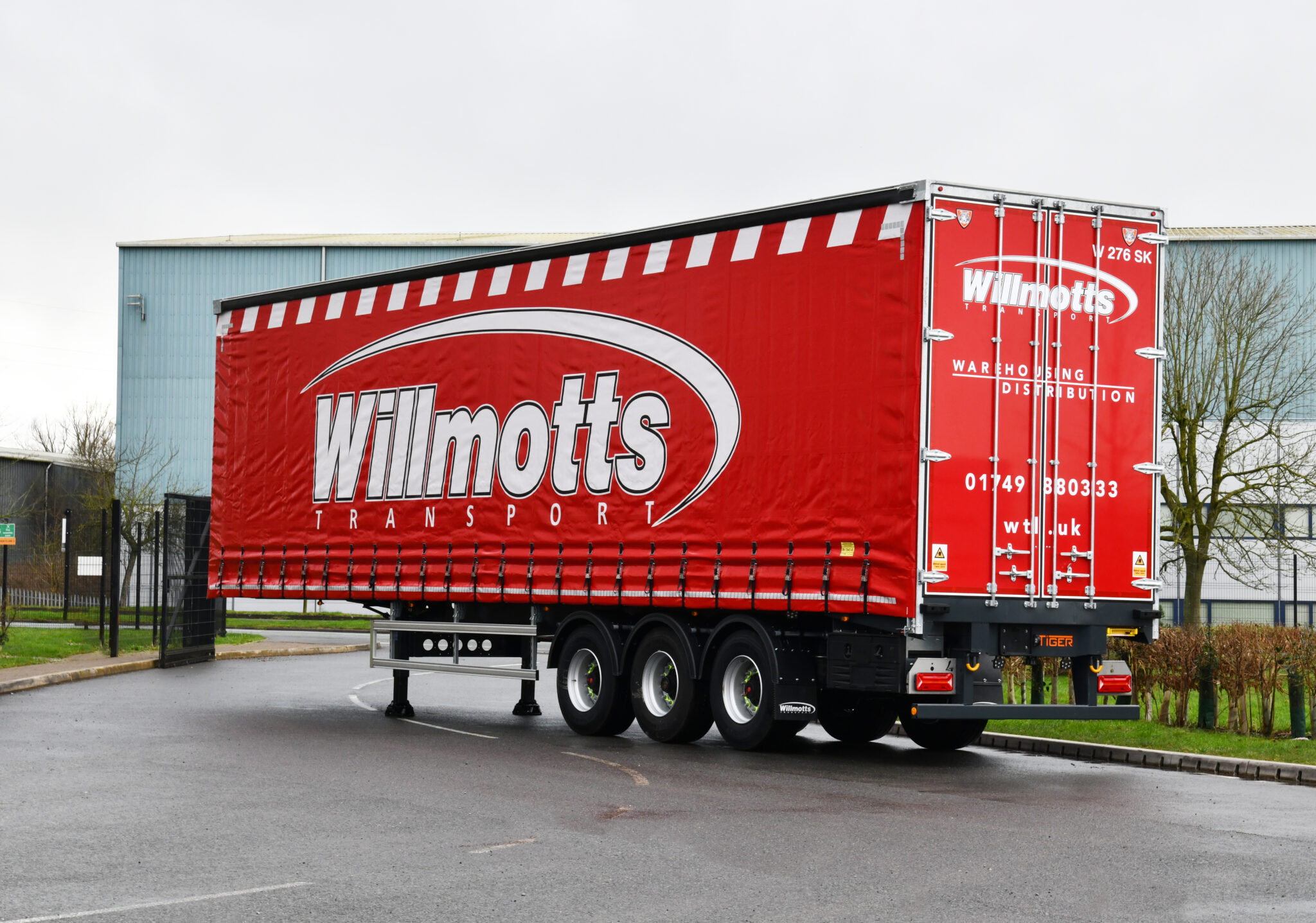
South-west Britain warehousing and distribution specialist Willmotts Transport Ltd has taken delivery of 60 new Tiger curtainsiders to support the continued expansion of the business, bringing the company’s fleet to over 250 trailers, eighty percent supplied by the Cheshire-based manufacturer over the last five years.

The securing of a new transport contract for a corrugated cardboard manufacturer meant that they required an additional 60 trailers within a short space of time, which Tiger facilitated as a long-standing supplier for Willmotts. Whilst half of this batch are standard-height curtainsiders, the others come in at 4.7 metres, to cater for the end user’s variable cargo sizes.

Group Managing Director, Andy Stott said, “they will look really striking out on the road and provide first-class representation when delivering for our customers. Our BRCGS certification extends to our own fleet, so it is important for our customers to know that their goods are being carried in clean, new vehicles by a reliable supply chain partner. Our trailers demonstrate a strong brand and the partnership we have developed over many years with Tiger Trailers is one we value.”

Willmotts’ Managing Director, Dan Gray added, “These new Tiger trailers are a high-specification addition to our portfolio, built and delivered by Tiger within the agreed timescales.”

The trailers’ specification includes Wabco’s EBS braking system, Axcsend’s BPMS, a reversing camera, two LED reversing lamps, and a branch guard fitted to the header. The trailers were delivered from Cheshire to the West Country by Ambassador Motor Company.

Steve Pollock, Business Development Director at Tiger Trailers commented, “We have had a close working relationship with Wilmotts for many years, and are proud to partner with such an esteemed company in the industry. Working closely with Andy and Dan, we were pleased to turn around the 60 bespoke curtainsiders to join their existing fleet. We look forward to continuing to develop this well-established partnership for years to come.”

Willmotts Transport supplies storage and distribution services to a variety of companies, from SME’s to blue-chip companies locally, nationally and internationally from its base at Waterlip, near Shepton Mallet. The company operates over 500,000 sq ft of warehousing across 7 strategically located depots with a focus on the food, drink and packaging sectors. The company continues to invest in vehicles, IT and warehousing resources to strengthen its logistics offering to manufacturers and importers. Willmotts Transport is part of Stotts Group, which also comprises Parker Transport Ltd and S&B Transport Services Ltd, employing in total more than 300 members of staff.

Based in Cheshire, Tiger Trailers is a leading UK manufacturer of box vans, curtainsiders, double decks and temperature-controlled trailers, along with rigid bodywork and demount boxes. Celebrating its 10th anniversary in 2024, the company prides itself on efficient manufacturing processes and innovation. Increasingly known in the sector for its CSR activities, Tiger works with The Prince’s Trust and various other charities, promotes Women in Transport as a member, and teaches road safety in schools.

read more

Tiger supplies 100 curtainsiders to Maritime


Subscribe

Get notified about New Episodes of our Podcast, New Magazine Issues and stay updated with our Weekly Newsletter.