Compact and Scalable Sorting System

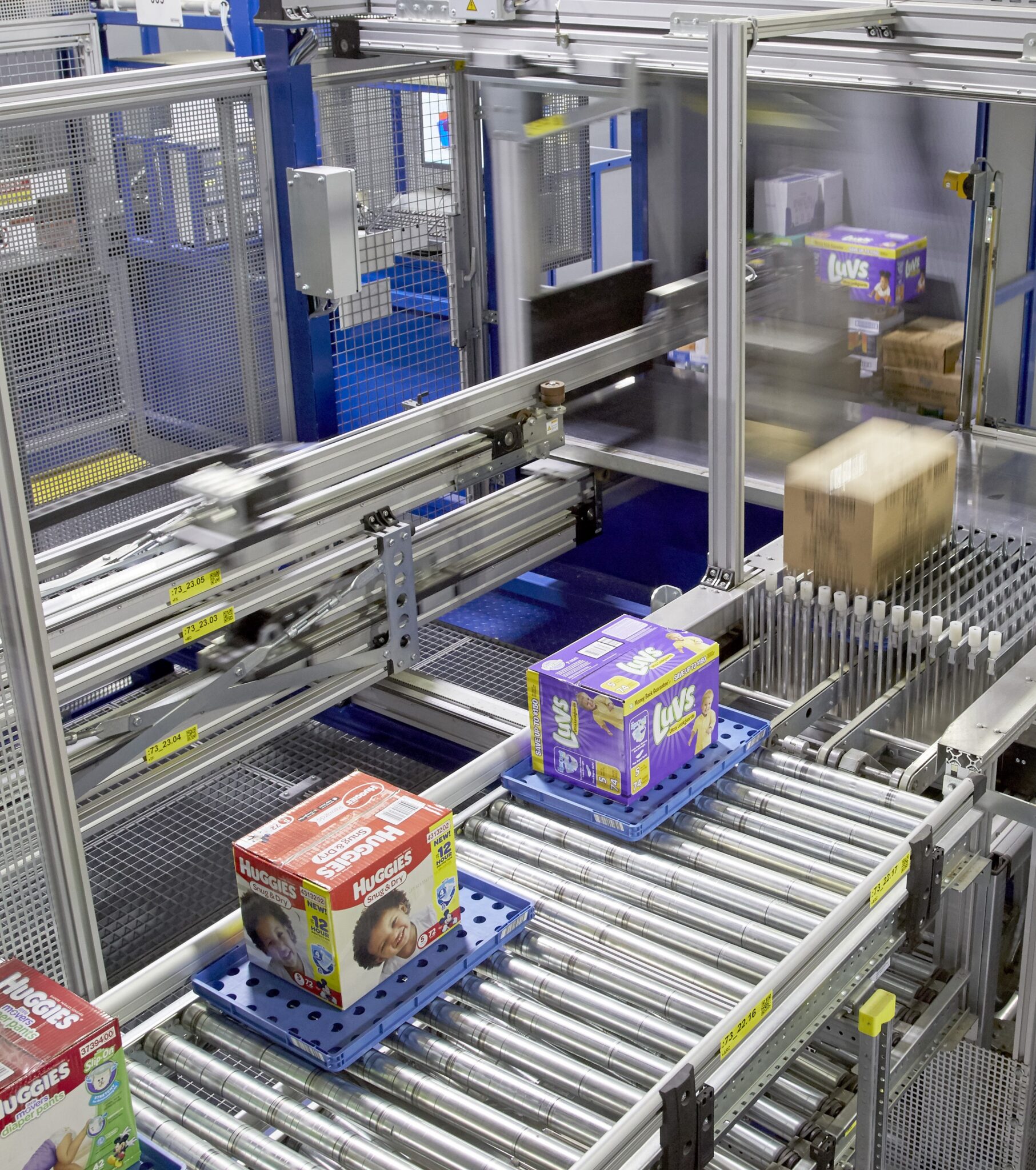
At the end of last year, Collo-X, an innovative company based in the Netherlands, launched a new sorting system: the MicroSorter. This compact sorting system is capable of sorting up to 1,500 products per hour per unit, with a maximum number of outputs in a very small area. The system is versatile and can process a wide range of products including clothing, shoe boxes, accessories, office supplies, Post and Parcels.

FarmaSort and Collo-X

The company from Wijchen is part of FarmaSort, a producer of sorting solutions for the pharmaceutical industry, with a special focus on pharmacies. Since its founding in 2017, FarmaSort has launched a series of innovative products, including EasyFilling, RotoFilling, and SpeedFilling. With about 100 implemented sorting solutions, FarmaSort supports around 300 pharmacies across the Netherlands in sorting medications down to prescription level. This has firmly positioned the company as a market leader in sorting solutions for the pharmaceutical sector in the Netherlands.

Key Figures of the MicroSorter

The MicroSorter, a compact and scalable sorting system, is specifically designed to efficiently and systematically handle orders and Parcels. Each MicroSorter unit, depending on the configuration, can process up to 1,500 items per hour to a maximum number of outputs on a very small area. The types of outputs that can be sorted to are diverse, including bags, roll containers, bins/crates, carton boxes, gravity rollers, conveyors, and chutes.

The MicroSorter can handle products from 75 x 50 x 5 mm to 575 x 375 x 300 mm, with the maximum weight of the items being sorted at 10 kg. The MicroSorter can be operated as a standalone unit or can be linked with Pusher-, Shoe-, and Crossbelt Sorters for secondary sorting.

After the successful introduction of the MicroSorter at LogiMat 2024 in Stuttgart, the MicroSorter has proven to be suitable for a wide range of companies – from webshops and logistics fulfillment centres to any company involved in post and parcel sorting.

read more

Scalable, Safe and Reliable Racking


Net Hiring Intent for Transport and Logistics

The latest data from Manpower Group reveals that the net hiring intent for businesses in the UK’s Transport and Logistics sector is +21% (for this current business quarter – Q2 2024). Notably, 35% of all those businesses surveyed and planning to hire in this quarter say they will be recruiting ten or more employees. Furthermore, when asked about the reasons for hiring, 18% of those businesses say they are looking to enhance their Diversity, Equity, Inclusion and Belonging (DEIB) measures to better address issues such as shifting age demographics, youth engagement and bringing more women into the sector.

“This is encouraging news for a sector that is characterised, and often criticised, for its gender imbalance in which women account for only around 23% of the workforce, with over half of them in non-transport roles,” says Rachel Campbell (pictured), Director of Logistics at Manpower Group.

The push to bring more women into the sector comes at an exciting time for the industry, with the introduction of automation and new technology in logistical data and distribution systems, meaning that many new roles demand greater skills and expertise – and therefore higher pay and long-term career prospects. Examples of new Transport and Logistics roles that have emerged in recent years include transport software engineers, drone operators and AI analysts.

Hiring Intent

“It’s not just the highly-skilled roles that are driving demand, however,” adds Campbell. “There’s opportunity for all levels of experience and knowhow as the industry continues to adapt. For example, as many drivers now take on more of a customer-facing and service role in areas such as ride hailing and ride sharing, courier services and self-employed ‘pay per drop’ roles, they are becoming the new face of businesses, applying many interpersonal and organisational skills that had previously been less intensive or simply overlooked.

“This is opening up more opportunity for individuals who may not have thought the transport and logistics sector was for them. It’s certainly something for employers to bear in mind when considering their hiring processes.”

read more

Drone Operator Wanted: apply within?


Pallet Reuse Incentive is a must

The Timber Packaging & Pallet Confederation (TIMCON) says discussions with the UK’s DEFRA (department for environment & farming) on the implementation of a reuse incentive scheme for wooden packaging have been “extremely positive”.

The organisation, together with other wood product associations, have been campaigning for a reuse initiative with two central aims: to maximise the reuse of wooden pallets and packaging in supply chains and support the development of a circular economy.

The Scottish government this week cancelled its target of reducing greenhouse gases by 75 per cent by 2030, having missed eight of its last 12 annual climate goals. It is the latest organisation to soften flagship environmental objectives, with both the Conservative and Labour party having made U-turns on key policies in the past year.

TIMCON President John Dye said incentivising reuse was now a must to help maintaining progress towards net zero and sending out the positive messages to the UK public.

TIMCON has collaborated with other wood-based sectors and submitted a proposal to DEFRA to introduce a workable reuse framework as part of a Proposed Reuse Incentive Scheme document. The document has two goals: to maximise the number of times wooden packaging is reused before, ultimately, it is recycled; and to increase the use of wooden transport tools – including pallets, cases, crates, cable reels, and so on – in domestic and international supply chains.

The reuse framework includes information on how reuse should be incentivised, measured, and recorded; how supply chain users can recognise a reuseable pallet; how to ensure pallets are recycled at the end of their useful life; where obligations for reuse lie; and several other recommendations.

Pallet Reuse Incentive

Dye said: “In our proposed Reuse Incentive Scheme we have set out a workable framework for reusing wooden pallets and packaging and shown how this can be implemented. We are strongly recommending that government progresses this straightforward, easy-to-implement initiative to support its plans to reduce greenhouse gases by 100 per cent by 2050. Our recent discussions with DEFRA on when and how such a scheme can be implemented have been extremely positive.

“Wood packaging material (WPM) manufacturing and repair businesses are inherently founded on principles of circularity. They manufacture products from sustainably managed trees, which means for every one that is harvested, more are grown in their place. They then repair and reuse pallets until they are ready to be recycled into other products – from chipboard to animal bedding. Their business model is sustainable from start to finish. Encouraging these industries will, in turn, boost demand for tree planting, provide a solid foundation for our circular economy, and make a sizeable contribution to achieving the government’s 2050 targets.”

read more

CHEP in ‘Share and Reuse’ Circular Economy Push


Intelligent 3D Sorter Released

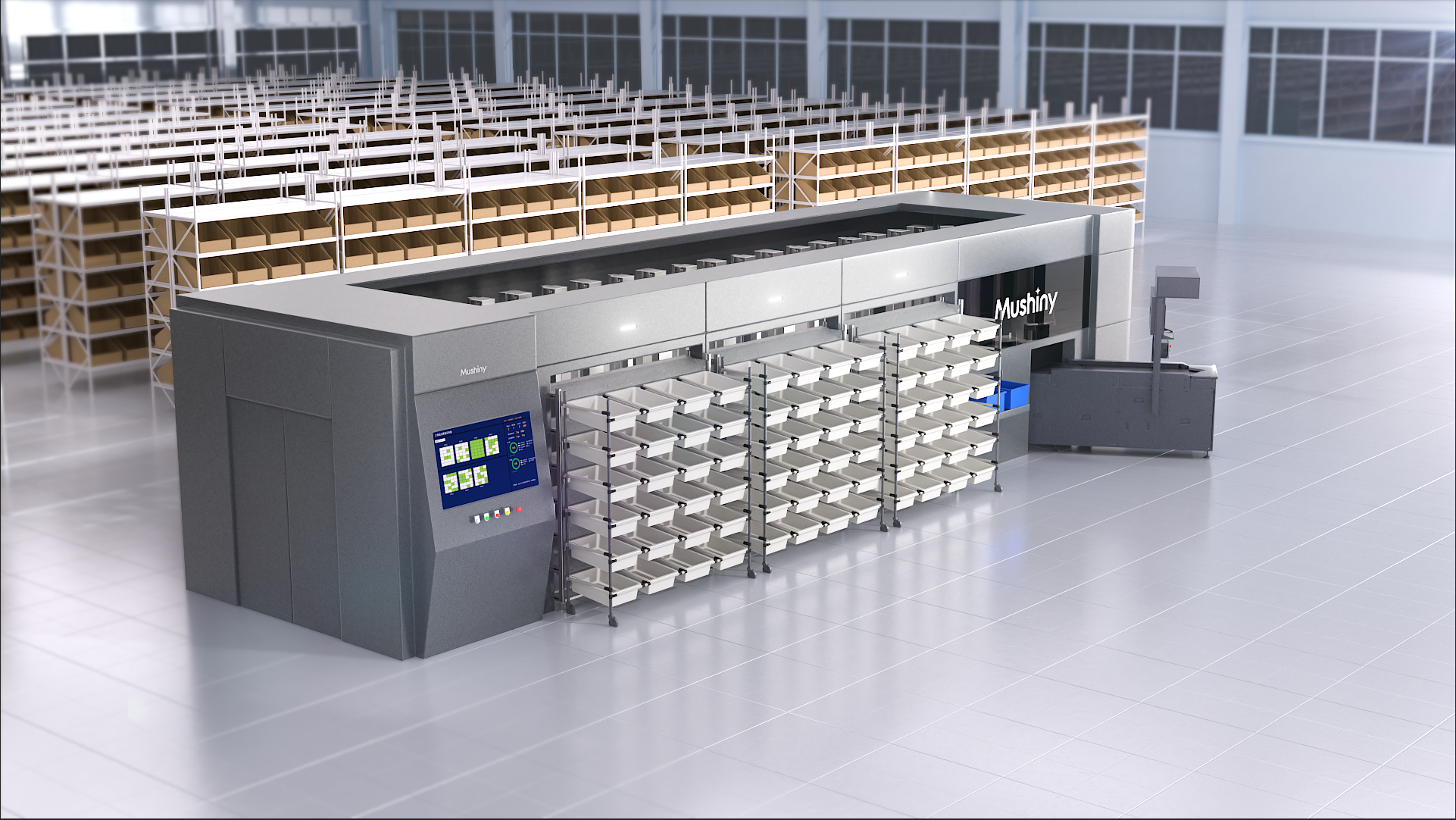
Mushiny, a global supplier of intelligent logistics automation systems, has launched a groundbreaking and highly efficient logistics sortation solution – the intelligent 3D Sorter.

The introduction of the intelligent 3D Sorter tackles numerous challenges unmet by traditional methods of sorting and fulfilling orders, where operators manually allocate items to specific bins or compartments on a wall-like structure, or by other automated processes.

The Mushiny 3D Sorter allows operations to increase their batch or wave size dramatically without the need to manually sort orders via a putwall or any other means. By automating the put (picking) process, the 3D sorter compliments both manual operations and automated systems. Combining the 3D Sorter with existing Mushiny Robotic solutions improves the performance of each robot by substantially increasing the amount of order lines picked per POD or tote presentation. As a result the 3D sorter basically pays for itself through the reduction of required robots in each solution.

The innovative contributions of the 3D Sorter to the industry are primarily evident in three aspects: elevated sorting efficiency, optimal ROI, and a high degree of flexibility. The enhancement in sorting efficiency is substantial, with peak efficiency surpassing 10,000 pph.

“This product is an innovative product that disrupts the internal logistics industry,” said Zhiming Huang, CTO of Mushiny Intelligence.

A typical use case would be a fashion company with an extensive product range (SKU count) adopting the 3D Sorter to accommodate a very large batch size to fulfill many orders concurrently. The picking density per SKU will increase dramatically, yielding a significant productivity gain over existing automated solutions, and many times that compared to manual operations. Robots will continuously transfer completed orders and buffer them if desirable prior to dispatching. The solution can process retail and e-commerce orders concurrently and can efficiently process returns.

Founded in 2016, Mushiny Intelligence is a world-leading expert in intelligent systems for logistics robots. At present, Mushiny has approximately 200 employees and operates across more than 20 developed countries and regions, with overseas markets making up 50% of its business.

Mushiny Intelligence is segmented into two business divisions: The Intelligent Warehousing Division offers clients bespoke intelligent intralogistics solutions and guarantees 60-day rapid delivery worldwide. The Standard Products Division specializes in customizing robot chassis, delivering a range of software and hardware services to partners and clients with development capabilities. Adhering to an “open, cooperative, win-win” business model, Mushiny Intelligence empowers global partners and users.

Read Similar…

Mushiny Robotics Gains European Presence


Advance Container Shipping Digitalisation

Pacific International Lines (PIL) has joined the non-profit organisation, Digital Container Shipping Association (DCSA), to drive standardisation and digital innovation in the container shipping industry.

DCSA’s founding members consist ofs 9 of the 10 largest container shipping companies worldwide and represent approximately 70% of global container trade. The association was founded to accelerate digitalisation by streamlining and harmonising data standards, thereby creating an interoperable framework with reduced friction, cost and a better customer experience.

PIL and DCSA will collaborate on the development, alignment, and validation of digitalisation standards to increase adoption across the industry.

DCSA standards aim to address needs such as paperless trade, cargo visibility, port call optimisation and equipment management. Having common and interoperable data standards and legislative conditions across international jurisdictions and platforms will significantly enhance delivery schedules. They will also improve the ease of communications and transactions across regulators, banks, insurers, carriers, customers, and stakeholders involved in an international trade transaction.

PIL has been embarking on a wide range of digitalisation initiatives, including the implementation of an electronic bill of lading (eBL) to decrease delivery times, increase efficiency of operations and provide customers with a seamless experience. An eBL makes document creation, approval, distribution and tracking easier, while reducing potential fraud and eliminating the risk of paper documents being lost in transit.

Lars Kastrup, CEO of PIL said, “PIL has been actively undertaking digitalisation initiatives and we are pleased to join DCSA to accelerate our journey while growing the industry’s digitalisation capabilities. Digitalisation not only increases efficiency and reduces costs, it also cuts down on our carbon footprint and simplifies transactions for all stakeholders. Complementing our participation in DCSA, PIL has also been working to incorporate standardisation and governance in our data and processes to enhance the way we work and optimise efficiency. For digitalisation to succeed, we need to work together for industry-wide adoption. These comprehensive digital capabilities will help equip international shipping to be more sustainable and future-ready.”

Container Shipping Digitalisation

Thomas Bagge, CEO Of DCSA said ‘We are thrilled to welcome PIL to DCSA. As we continue our collaboration with industry partners to advance digitalisation of the container shipping industry, PIL’s participation represents another significant milestone. Over the past five years, DCSA and its members have created a digital foundation that allow for industry to improve the customer experience, reduce cost and help the industry shift towards a more sustainable future. We are looking forward to continuing our work with PIL and our other partners to help realise our vision of a fully digitised supply chain”.

DCSA endeavours to foster sustainability practices, promote interoperability and efficiency across the industry, enhance customer experiences, and unlock valuable insights from data. DCSA’s goal is to achieve this by producing standards that are beneficial to all parties involved in international trade and to achieve the widest possible adoption of those standards.

Switching away from the transfer of physical paper bills of lading could save $6.5 billion in direct costs for stakeholders, enable $30-40 billion in annual global trade growth and ensure the long-term sustainability of international trade.

read more

Study raises hopes for increasing digitalisation


How to Build Cyber Resilience in Logistics

Ian Cairns (pictured), Sales Director at TalkTalk Business discusses why a resilient network is essential for logistics businesses to mitigate cybersecurity risks.

The logistics sector is embracing new, innovative technologies every day. This digital transformation is providing new opportunities for growth and transformation, but it also opens new opportunities for cyber-attackers to target businesses.

Logistics organisations make for particularly tempting targets for hackers. Vast amounts of data, including banking and payment data, move through the average logistics business daily. This wealth of sensitive information about both the logistics business itself and its clients means that the impact of an attack on a logistics organisation is felt far and wide.

According to TalkTalk’s own research, conducted in collaboration with Don’t Be Shy, 85% of senior IT leaders in logistics businesses view cybersecurity as the most important factor in building supply-chain resilience over the next decade. As such, it’s vital that the logistics sector is equipped to deal with the threat of cyber hacking, and that a business has the infrastructure in place to protect its data.

Here are five tips that business decision makers should consider when looking to improving cyber resilience:

1. DO: Supply-chain audits

We know that logistics businesses are complicated machines, vulnerable to the risks of a supply-chain attack. The SolarWinds hack of 2020 is a prime example of this. Nobelium, a professional hacking group, gained access to SolarWinds’ Orion software and used it to exploit data from more than 30,000 public and private SolarWinds customers, including the US government. It only takes one weak link to open a business up to risk. Forensic auditing is well worth the time and effort it takes to mitigate the risks of cyber-attacks on supply chains.

2. DON’T: Rely on outdated cybersecurity

Castle-and-moat cybersecurity is a system in which a business’s data is contained in a single data centre (a ‘castle’) and protected by firewalls (the ‘moat’). However, many logistics businesses are becoming increasingly reliant on cloud-based applications for their operations – especially in the age of remote working and automation. In this new era of cloud computing, castle-and-moat cybersecurity might not provide the best line of defence against attacks.

Embracing solutions such as Secure Access Service Edge (SASE) can help logistics businesses to extend their networking and security capabilities. Providing a cloud architecture model that allows network and security to function as a single service, unified SASE solutions provide rich visibility, proactive insights and comprehensive control over policy, access and identity. This allows logistics businesses to make informed decisions about cyber-threats and risks to operations.

Solutions such as SASE can provide business leaders with the confidence that their supply chain is protected from disruption, no matter how reliant on cloud technology it might be.

3. DO: Embrace zero-trust

Zero-trust security, sometimes known as perimeter-less security – is one of the most anticipated concepts in modern IT. It offers a deep and multifaceted approach to cybersecurity , through a framework that requires all users inside and outside of a business’ network to be fully authenticated and continually validated to gain and retain access to data. By embracing zero-trust, logistics businesses can ensure that their supply-chain remains resilient to attacks.

4. DON’T: Assume colleagues are phishing-attack-proof

The majority of breaches by hackers targeting the logistics industry are attempted via emails that play on human emotion. Phishing attacks – where hackers convincingly pose as clients or colleagues – account for 33% of these attempts.

Whilst many people are now alert to unknown links or scam emails, phishing emails are becoming increasingly sophisticated. It only takes one colleague to unthinkingly click a link to open a whole business up to the risk of a cyber-attack. As such, all-staff reminder emails, highlighting the dangers of lax email cybersecurity, can go a long way in protecting business.

5. DON’T: Forget about robots

Many logistics businesses have already adopted automation and AI technology into supply chains. Whilst this can improve efficiencies, it can also open prime points of attack for hackers.

Hackers may not be able to retrieve valuable banking details from a team of robots or sensors, but they can still bring that team of robots to a standstill in costly and damaging ways. Often, this is followed by a monetary demand – the endgame of any ransomware attack.

6. DO: Prepare for Denial-of-service attacks

Denial-of-service (DoS) attacks are a form of cyber-attack which aims to make a network service or resource – such as a paywall or website unavailable to its users . A distributed denial-of-service attack (DDoS) involves multiple sources of traffic (from a network of compromised systems) flooding the target resource and preventing any genuine traffic or users from accessing the system .

For an unprotected logistics business, DDoS attacks can render systems and applications useless, acting like a wrench in a supply-chains operations. This can come at a huge cost, both in time lost to inefficiency as well as reputational damage .

With so much at stake, preparation and protection against DDoS attacks is something that businesses in the logistics sector need to consider. Investing in network security solutions, such as DDoS mitigation services, might just be the thing to save a supply chain from experiencing significant disruption down the line.

Getting ready for resilience

Today’s cybersecurity threats demand a steadfast response from businesses. As the logistics sector continues to embrace new and innovative technologies, having network solutions which provide centralised control and built-in security at scale is now a necessity for successful operations. By adopting solutions such as SASE, logistics managers will be able to identify cases where malware begins exploring and attacking infrastructure, setting up for a safer and more secure future.

With this in place, the logistics sector can ensure it remains safe from the growing threat of cyber criminals, whilst staying efficient and competitive in the market.

read more

Safeguard Systems from Cybercrime

 

Mercadona Awards Witron 16th Automated DC

At the end of December 2023, MERCADONA awarded the WITRON Group with the construction of a new 15,000 square meter dry goods distribution centre in Guadix (Granada) in southern Spain. This is already the 16th automated logistics centre that WITRON designs and realizes for MERCADONA – with a total of 203 COM machines in the dry, fresh, and frozen food sector.

Starting in 2026, the highly automated facility will supply more than 90 stores of the Spanish food retailer with 4,000+ items. Since the beginning of 2021, MERCADONA has been operating a modern frozen food logistics centre at the Guadix site, which was also designed and implemented by WITRON.

As a general contractor, WITRON is responsible for the design and implementation of all IT and mechanical components. All conveyor system elements and stacker cranes are designed and manufactured by WITRON.

Picking capacity for more than 120,000 cases per day

The store-friendly and error-free picking of up to 120,600 cases daily onto customer pallets is done by a WITRON OPM system with 12 COM machines. A 4-aisle automated pallet high bay warehouse with 5,600 storage locations as well as an automated tray warehouse with 24 miniloads and 143,200 storage locations are installed in front of the OPM.

Efficient real-time logistics network

All material flow processes are optimized by a high-performance WITRON warehouse management system. This web-based software suite stands for holistic networking and transparency. Both vertically between all system levels and horizontally within the entire supply chain. The result is a high level of “warehouse intelligence”, which means the creation of a real-time logistics network that connects all “players” directly with each other allowing changes to flow dynamically and seamlessly into the logistics process. In addition, the software suite guarantees a high degree of usability and user experience, individually adapted to the tasks of the respective workers.

Proud of 20 years successful partnership

The signing of the contract for the dry goods logistics center in Guadix marks the 16th highly automated logistics project to be jointly implemented. “The fact that a demanding customer like MERCADONA has trusted WITRON as a lifetime partner for 20 years makes us very proud. MERCADONA places high expectations on the store service, cost-efficiency, availability, ergonomics, and sustainability of our solutions. In addition, MERCADONA consistently lives by the same values as WITRON: being credible and keeping promises – to customers and employees. The new order is an incentive to remain an innovative and reliable partner for MERCADONA in the future. Because credibility is crucial for long-term cooperation – between people and companies”, explains Alberto Garcia Pardo, Key Account Manager at WITRON.

read more

Witron to Build Frozen Food Logistics Centre for Spain’s Mercadona


Tests for Emission-free Heavy Goods Transport

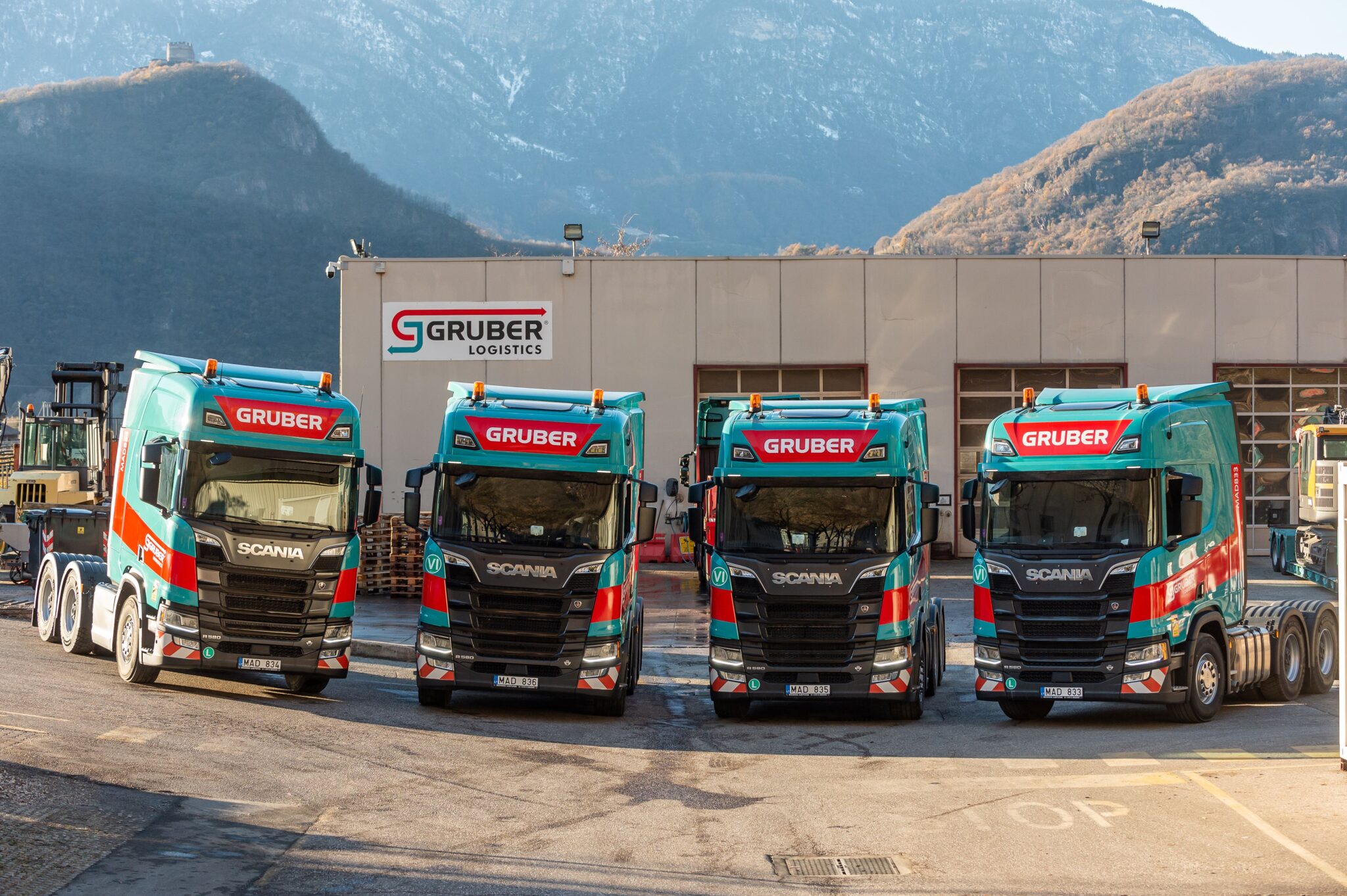
By 2050, Europe should be the first CO2-neutral continent – that is the goal of the “Green Deal”. In order to achieve this, there is more to be done, particularly in the transport sector. Electrification of vehicles is most likely the most important driver. The EU-funded project “ZEFES” project (Zero Emissions flexible vehicle platforms with modular powertrains serving the long-haul Freight Eco System) is researching the possibilities for long-distance heavy goods transport in order to achieve the objectives of the “Green Deal”. In a first step, the transport company Gruber Logistics, one of the project partners, is now collecting data: Under real conditions, how many stops does a vehicle make in long-distance transport today, how often does it brake or when and where does it reach which speed?

With a total budget of almost €40 million 40 partners from 14 different nations are working on the project and carrying out various tests with Battery Electric Trucks and Fuel Cell Electric Trucks.

Gruber Logistics has been collecting data for FCEVs on a defined route Verona to southern Germany via the Brenner Pass since the end of February. Initially, no FCEVs will be used here, but tests with diesel vehicles will be carried out in order to define a baseline for future tests with real FCEVs.

The tests are being carried out in cooperation with the Fraunhofer Institute, which has developed a device plus API for this purpose, as well as the companies RICARDO, TNO and Scania. This broad expertise makes it possible to record and analyze data with high precision and frequency using the device installed in the truck. In this case, this means in fractions of a second. In comparison to other tests that obtain data via Fleet Management Systems, for example, or where connection-susceptible mobile communications are used for data transmission, the Gruber Logistics test can be expected to produce high quality data. Efficiency improvements, mass production capabilities and the use of technologies in daily use were defined as the test criteria.

Emission-free Heavy Goods Transport

The results of the test phase will subsequently be doubly valuable: on the one hand, the suitability of FCEVs in real-life operation can be better assessed and, on the other, the acceptance of zero-emission vehicles should be brought forward. ZEFES was launched in January 2023 and is scheduled to end in 2026. Even though it will still take some time until then, the first expected results can already be recorded: For example, the use of modular vehicles will result in both cost savings and the creation of new business cases for logistics companies. In cooperation with Scania, Gruber Logistics will also use the collected data for the real prototypes that are already running and will be used in the future.

“Gruber Logistics is pursuing a sustainable, future-orientated strategy. We are convinced that the entire transport sector will and must move in this direction, and we want to help drive this development forward. ZEFES shows a new paradigm where transport companies are not just a final user but are called to be co-designers of new electric and hydrogen vehicles. To optimize such vehicles, we need new logistics models, therefore it is necessary that the vehicles are designed in relation to new utilization. We need a different kind of logistics,” says Martin Gruber, Managing Director of Gruber Logistics.

read more

Emission-free Truck Fleet


How to Anticipate Supply Chain Issues

Every industry, from retail to construction, relies on its supply chain for processes and operations to be successful. But with so many moving parts throughout, challenges arising can have a huge impact on the flow of deliveries. This is why it’s important to identify challenges before they grow into a much larger issue.

Wincanton, experts in infrastructure logistics, have provided insight into how to anticipate issues within the supply chain. This means that industries can be proactive about appropriately preparing and addressing them.

The early signs of disruptions

There are many ways that disruptions can occur in supply chains, like natural disasters. With some of the more common disruptions, there are warning signs that you can recognise early with key indicators:

Demand fluctuations

When there are unexpected and fast changes in demands from consumers, clients, or partners for a product or service, it can massively impact stock and delivery schedules throughout the supply chain. This can result from a particular seasonal demand or an emerging trend encouraging more investment.

Unstable suppliers

Supplier stability can be a massive issue throughout supply chains, with financial concerns such as missed payments. Another indicator can be breakdowns in communication with said suppliers.

Transport delays

Whether it’s traffic and route issues that are key to logistics, or lead times increasing, there are plenty of red flags that you can catch early. These disruptions can have a huge impact later down the supply chain.

Geopolitics

Politics can have a significant impact on supply chains, with relationships between countries and their trading and regulations massively affecting transport across borders and markets.

Proactively assessing the risks

Taking risk assessment seriously and proactively by implementing technologies and insights into supply chain processes can help stay ahead of disruptions and concerns with data-driven decision making.

Predictive analytics

Many companies may not realise they have existing data from within their industry of trends, fluctuations, and disruptions that regularly occur. By analysing that data for where particular sticking points are, businesses can make informed decisions and set up adaptable strategies that can flex according to needs.

Collaborative technology

Cloud-based systems have opened the doors of collaborative technologies that provide instant communication tools and offer transparency throughout the supply chain. Making the appropriate investments in collaborative tech can provide seamless communication as well as data and file sharing between businesses, stakeholders, and partners.

Visibility

Knowing where products and materials are within your supply chain relies on end-to-end visibility, which can be solved through effective tracking and monitoring. This can help identify where orders are and adjust to any challenges, thus preventing escalation.

Supply chain resilience, Diversifying

By diversifying the suppliers used and worked with, as well as optimising transport routes, it cuts down on the reliance on a singular source or region. This offers an alternative in the face of challenges that weren’t forecast.

Rolling monitoring

Through monitoring systems being incorporated, more accurate data on performance, trends, and the health of the supplier is produced. Having up-to-date information on the supply chain, as well as regular updates, helps keep strategies ready for change and evolution.

Flexible response strategies

A flexible response strategy is important for dealing with supply chain disruptions, as many issues can still occur despite analysis of the market and trends that occur. Having plans in place that can respond quickly and effectively can make a world of difference. The importance of anticipating and reacting to supply chain disruptions cannot be overstated, which is why proactive analysis and risk management should be prioritised to identify and prevent any stalling.

read more

Industry View: Secure Your Supply Chain Now to Beat Disruption


Powerful Motor Driven Roller Launched

Less complexity, fewer variants, more efficiency, more power and simpler, faster commissioning, and maintenance. Lenze is driving the future of conveyance with a revolutionary new magnetic motor driven roller (MDR) to support intralogistics customers. The o450 MDR will integrate directly into existing conveyor systems and deliver an output of 115 watts, making it more than twice as powerful as comparable systems on the market. Thanks to the vernier principle, the MDR is pleasantly quiet in operation. With energy savings of 30 percent compared to conventional motor driven rollers, it also impresses in terms of sustainability. Visitors to LogiMat in Stuttgart saw this product in action.

Due to the unique design, this motor has significantly lower copper and iron losses overall, which means that less heat is generated within the roller. This results in a positive effect regarding efficiency as cooler copper windings have lower resistance (and therefore lower copper losses). The cooler magnets have a higher magnetic flux linkage and can therefore achieve the same torque with a lower current. Depending on the speed, the MDR would therefore fulfill efficiency classes IE7 – IE9 and the customer saves up to 30 percent energy compared to conventional systems. An example: in a logistics centre with 20 km of conveyor line and 20,000 motor driven rollers from Lenze in use, savings of up to 335 MWh of electricity or 145 t of CO2 would be possible.

The o450 from Lenze can handle up to 30kg. Even at low speeds, it offers the full nominal torque, which is hugely advantageous for accelerating conveyed goods.

Motor driven roller with 24 V or 48 V

The motor transfers its rotational energy via its rotor directly to the conveyed goods or the conveyor belt. The motor is based on the Vernier principle and combines a 3-phase AC motor with a loss-free magnetic gearbox. The advantage over a conventional drive system is that the motor roller operates at 24 V or 48 V, which means non-electricians can replace, maintain, or install the roller. As there are no moving parts apart from the bearings and the usual gearbox noises are eliminated, the o450 is exceptionally quiet. This also increases the attractiveness of working in a warehouse.

Variances are also reduced by 85 percent with this gearless MDR. This minimizes design resources while minimizing excess inventory in a warehouse. Competitors currently have up to ten different gear ratios in their portfolio, according to Lenze.

In addition, the cabling effort is also significantly reduced. While comparable products require cables for speed and temperature monitoring in addition to the power connection, the latter two are integrated into the roller of the Lenze o450.

read more

Rollers for Energy Efficiency


Subscribe

Get notified about New Episodes of our Podcast, New Magazine Issues and stay updated with our Weekly Newsletter.