Singapore Port Mitigates Supply Chain Disruption

PSA Singapore (PSA), a major global transhipment hub, has significantly ramped up its capabilities to support increased activity and mitigate the impact of global supply chain disruptions since the beginning of 2024. This includes reinforcing its frontline capacity, commissioning new berths at Tuas Port, and reactivating berths and yard space at Keppel Terminal. As a result, the average wait time at the port in recent weeks has been reduced to two days or less. As the various disruptions, including the Red Sea situation are still ongoing, the supply chain demand and impact remain volatile. PSA remains committed to work alongside its customers during these uncertain times.

Since the start of 2024, PSA has faced strong berth demand as well as off-schedule vessel arrivals, resulting in high concentrations of vessels arriving during certain days of the week, causing a significant increase in waiting times despite maxing out all of PSA’s berths. Larger call sizes have required vessels to stay longer, with lengthier transhipment container dwell. This has arisen from a confluence of various factors, including the Red Sea situation (which has indirectly reduced overall global shipping capacity), upstream and downstream ports congestion, and port omissions by shipping lines to recover their schedules, giving rise to substantial changes in vessel arrival patterns and call sizes.

Mr Ong Kim Pong, Group CEO of PSA International said, “As the flagship project for the Group, PSA Singapore remains committed to meet the challenges of ongoing volatility and ensure the port’s development and handling capacity align with our customers’ needs. The Red Sea crisis has significantly disrupted global shipping and trade and we anticipate this challenging situation to persist for a prolonged period, potentially extending port congestion from Asia to Europe. PSA is building partnerships with like-minded customers and stakeholders on a series of Node-to-Network initiatives to better coordinate between upstream and downstream ports so as to uplift shipping schedule reliability and overall network efficiency. At the same time, we are also constantly on the lookout to expand our fabric of port networks and port ecosystems so as to grow our global presence in locations which can add value and enhance cargo flows. By leveraging our port facilities, supply chain capabilities and especially our people, we remain steadfast in enhancing collaboration with our customers to address their bespoke needs amidst the ever-changing global landscape.”

Singapore’s port has seen about 90% of container vessels arriving off-schedule, compared to an average of about 77% in 2023. In addition, vessel port stays at PSA have also increased by 22% compared to the same period last year. This is due to more containers being handled per vessel call due to higher demand and container re-handling, where some containers are unloaded from the vessel to make way for other containers in consideration of port of discharge, weight and vessel stability. Unloaded containers are then loaded back to the vessel again.

PSA’s new berths at Tuas Port

Container re-handlings on mega vessels berthed at PSA have increased by 8% in the first half of 2024, compared to the previous year. This is due to high vessel utilisation caused by the Red Sea situation that results in shipping lines leveraging more on PSA to optimise the stowage of containers on board their vessels, and to ensure safety at sea, especially now when most mega vessels are taking the longer route around the Cape of Good Hope. This in turn has led to extended vessel port stays and will affect the berthing time for incoming vessels, even while PSA upkeeps its productivity.

Nevertheless, PSA’s proactive efforts and close communications with the shipping lines and the various stakeholders thus far have helped mitigate the impact of the disruptions to a large extent. The PSA Singapore Management team has been collaborating closely with the Unions and receiving strong support from the Maritime and Port Authority and Ministry of Transport of Singapore, ensuring that the port ecosystem is working seamlessly.

Market Comment

“The congestion that we see today across many ports in the region is likely to be temporary. Singapore port operators are looking to mitigate the situation, which was unexpected and created by an extensive change in shipping routes due to the Red Sea crisis. Singapore remains an important node to assist the liners in managing the supply chain disruptions. Our Ports Performance database is showing shorter waiting times in June as compared to May,” commented Chris Rogers, Head of Supply Chain Research, S&P Global Market Intelligence.

PSA says it will continue its efforts to play a pivotal role in helping shipping lines navigate service disruptions and optimise their network configurations, which has helped alleviate berth waiting times and mitigated any other impact of the ongoing disruptions, including vessel call diversions from port congestions elsewhere in the region. PSA moved 7% more container volumes in the first half of 2024, compared to the same period last year. Amid this prolonged period of business unusual and market volatility, PSA remains committed to pursuing long-term strategies. These include enhancing capacity and capabilities through automation and smart technologies.

In addition to the reactivation of some berths and yard space at Keppel Terminal, PSA’s Tuas Port currently operates nine berths and will add two more by the end of this year. Looking ahead, we plan to further expand Tuas Port and continue hiring frontline workers across all our terminals. In 2024 alone, PSA hired nearly 1,500 frontline workers to enhance our operational capabilities and capacity.

Amidst the global supply chain disruptions, PSA has also been supporting beneficial cargo owners and logistics service providers with a series of value-added services which help to enhance supply chain visibility and expedite handling to mitigate the impact of delayed shipments. By leveraging port assets and supply chain capabilities, initiatives such as priority discharge, expedited delivery, fast connection management help the supply chain stakeholders to tailor bespoke solutions to meet their unique pain points.

Regardless of the challenges, PSA remains committed to collaborating with all stakeholders, including government authorities, to enhance the standards of service excellence, reliability, and efficiency as it scales-up operations in the future.

read more
Singapore Port Group’s Container Throughput


Gregory Distribution Scales Up Operations with Manhattan

As supply chains and logistics becomes ever-more complex, companies increasingly need agile technology providers that can help them navigate challenges and meet the continuously evolving expectations of the end customer.

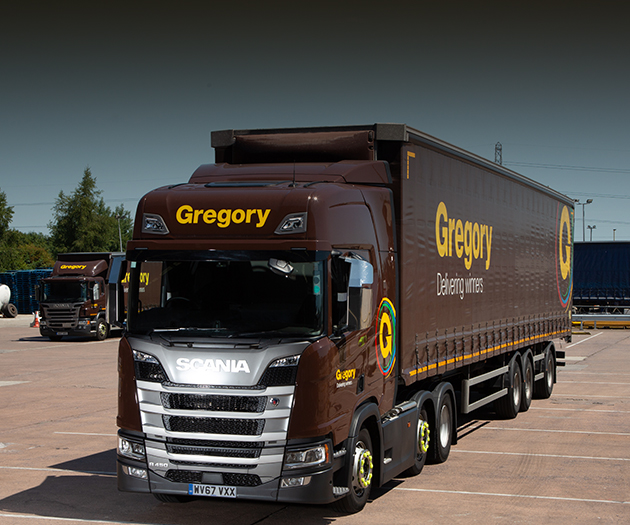
To meet the soaring demand for bespoke customer experiences, Gregory Distribution, one of the UK’s top independent logistics businesses, has chosen Manhattan SCALE, from Manhattan Associates, to optimise its warehouse operations and deliver improved satisfaction to its 400+ customers.

Renowned for its comprehensive range of transport, warehousing, and 3PL services across the Southwest and throughout the entire country, Gregory sought a solution that could match its commitment to growth and innovation with its customers. Manhattan’s flexible, configurable SCALE solution proved to be the ideal fit, enabling Gregory to adapt instantly to evolving customer needs, delivering personalised services that set the company apart in a competitive market.

It also allowed the company to operate with unparalleled efficiency through seamless integration. Manhattan’s SCALE solution blends effortlessly into Gregory’s existing ecosystem, creating a streamlined, feature-rich experience the end-user. Gregory has also been able to prioritise growth. With technology taken care of the team can focus on what matters most: driving business expansion by delivering exceptional logistics outcomes for its customers.

Liam Jordan-Martin, Head of Technology at Gregory Group says, “Our recent business growth demanded a scalable solution and a partner with proven expertise. Manhattan Associates exceeded our expectations, offering both a robust platform and leading industry knowledge. Manhattan SCALE’s configurability empowers our teams to respond swiftly to customer needs, while seamless integration with our existing systems ensures ongoing operational harmony. With Manhattan’s support, we’re confident in our ability to adapt, innovate and continue exceeding customer expectations.”

“Our technology provides the agility needed to thrive in today’s demanding market and we are thrilled to be part of Gregory Distribution’s ongoing journey towards logistics excellence,” commented Craig Summers, MD UK/VP Northern Europe & MEA, at Manhattan Associates. “With our 90-day innovation cycles, SCALE will continue to deliver on the exacting requirements of Liam’s team and their customers, long into the future.”

read more

Gregory Distribution acquires Shepton Mallet distribution company


Biomethane Lorries for DHL’s Tesco Ireland Network

As part of its ongoing partnership with DHL Supply Chain, Tesco Ireland has taken delivery of 50 state-of-the-art biomethane fuelled trucks which will operate across its country-wide distribution network.

The trucks will immediately replace 50 diesel units, cutting down tailpipe carbon emissions by up to 90%. The biomethane fleet will be operated by DHL and used to transport produce to stores from Tesco’s distribution centres in Dublin. The new biomethane trucks are being introduced as part of Tesco’s comprehensive strategy to reduce its carbon footprint and enhance the environmental sustainability of its operations, while aligning with DHL’s own overarching strategy to reduce carbon emissions across its supply chains.

The renewable fuel for the trucks will come from Irish and European anaerobic digestion plants, and the trucks will refuel at the newly opened BioCNG refuelling station operated by Flogas at nearby St Margaret’s in north Dublin.

Each truck has a range capacity of 700 kms on a full tank of Biomethane Gas, which allows the Tesco business to reach any of its 177 stores and return without refuelling. Each tractor unit will complete an average of 15 to 20 truckloads of store deliveries across the country each week from Letterkenny to Kerry to Dublin.

DHL Supply Chain’s David O’Neill said: “This is such an important project to demonstrate the role biomethane can play in Irish commercial transport and a significant step towards decarbonising Tesco’s fleet. Our partnership with Tesco shows what can be achieved through a shared commitment to sustainability and we’re looking forward to continuing this journey together. DHL is fundamentally decarbonising a significant proportion of the retail transport sector in Ireland, and this partnership with Tesco Ireland is a big part of that story. This project is a great example of our Green Transport Policy, guiding the transition of 30% of our own fleet to a green alternative by the end of 2026, an important enabler in achieving our sustainability goals.”

Speaking about the switch to biomethane, Tesco Ireland Retail & Distribution Director Ger Counihan said: “Our network is one of the most sophisticated distribution networks in the country. More than 1,800 journeys are made from our distribution centres every week to our 177 stores. We have worked hard with DHL to prepare for the switch from diesel to biomethane trucks, and this move to cleaner energy will reduce the carbon emissions created by this fleet considerably.”

Tesco Ireland, Head of Sustainability Andy McGregor said: “This is a significant moment in our journey towards decarbonising our business. Transitioning to biomethane from diesel will significantly reduce our transport emissions and is an important step towards reaching our goal of net zero emissions across scopes 1, 2 and 3 by 2050.”

Speaking from Tesco’s Distribution Centre in Donabate, Darragh O’Brien, Minister for Housing, Local Government & Heritage said: “The commitment by Tesco to introduce 50 biomethane trucks into their national fleet is very welcome news. Ireland’s road haulage sector makes up 20% of the total road transport emissions in Ireland, so it is incumbent on companies like Tesco with their partners DHL, to play their part in helping to drive down our overall carbon emissions.”

read more

Biomethane used in Irish Truck Network


Pre-Seed Funding for Berlin Supply Chain SaaS Firm

Berlin-based startup Northbound has successfully closed a pre-seed financing round of €1.3 million to expand its software-as-a-service solution. The company is developing a SaaS platform to streamline operational control within the container supply chain. Northbound optimizes the flow of goods from the port to the warehouse, considering penalty fees (e.g. demurrage and detention,
“D&D”), capacities, and delivery promises. The solution protects companies from inefficiencies and errors, such as multi-million-euro container D&D charges and late deliveries that frustrate customers.

The round was led by Apex Black and included participation from id4 ventures, IBB Ventures, Schenker Ventures, MVP Factory and several prominent business angels. Northbound was founded by Andreas Canel and Rahul Yadav (pictured) and received initial backing and acceleration from global logistics service provider DB Schenker and MVP Factory. The funding will be used to expand the platform’s AI capabilities, grow the team with key hires in go-to-market and software engineering and acquire additional customers.

Up to 40 percent of containers remain in port terminals or storage locations for too long, resulting in up to multiple thousand Euros in penalty costs per container. Northbound offers businesses an intuitive dashboard that provides real-time data on the location, status and impending D&D charges of containers. This enables prioritized and coordinated control of container shipments, optimized flows of goods and fulfilled delivery promises.

“International importers frequently incur millions in D&D penalties without having real control over them. Major shipping lines profit from these fees and have little incentive to change. Our vision is to empower importers to independently prevent these fees through active control and automated optimization of container flows,” explains Canel, co-founder and CEO of Northbound.

Enhanced AI-Driven Decision Making

Northbound has already successfully validated its software with various pilot customers, including a leading German sporting goods manufacturer. It was proven that over 90 percent of D&D costs within a two-month period could have been avoided through the increased cost transparency and optimized control that the AI solution offers. Northbound’s AI algorithm automatically flags incorrect invoices, enabling disputes on up to 20 percent of all invoices and preventing unjustified payments.

According to DB Schenker and numerous customer interviews, oftentime the majority of D&D fees can be avoided. Without a solution, these costs are commonly caused by a lack of awareness and suboptimal planning.

“Northbound’s innovative approach to optimizing the container supply chain, including the reduction of demurrage and detention charges, addresses a critical need in the market. The technology empowers importers with real-time cost transparency and intelligence, enabling precise and timely decision-making and significant cost savings,” said Rani Saad, Founding Partner at Apex Black.

Validation through Startup and Domain Expertise

In the early stages of the company, Northbound collaborated closely with DB Schenker to validate and test its idea and solution.“ Northbound’s strength lies in its ability to address a highly relevant customer problem today, while simultaneously paving the way for autonomous, fully automated logistics processes of tomorrow. A robust solution combined with a strong vision,” says Patric Hoffmann, SVP Global Ventures & Innovation, DB Schenker. This partnership ensured that Northbound was addressing a significant and relevant industry problem.

In addition to the collaboration with DB Schenker, Northbound benefited early on from its partnership with MVP Factory, which offers a strong network and valuable company-building expertise: “Northbound impressively demonstrates how the collaboration of DB Schenker and MVP Factory creates sustainable added value for the industry. We combine outstanding founding teams and renowned VCs with the network and domain expertise of a leading global logistics group to successfully develop and scale these solutions,” says Johannes Simon, Managing Partner of MVP Factory.

read more

Samskip Makes Changes to North Sea and Baltic Reefer Services


Strategic Partnership to revolutionise Packaging on Demand

CMC Packaging Automation, a leading supplier of fully automated, right-sized packaging solutions that is a proud partner of KKR’s Global Impact team and backed by Amazon’s Climate Pledge Fund, and Antalis, a part of the Kokusai Pulp & Paper group, a worldwide leader in papers, packaging and visual communication distribution, are thrilled to announce a strategic partnership aimed at delivering innovative, efficient and sustainable packaging solutions for web shops, retailers, 3PLs and logistics companies in Scandinavia.

This partnership brings together the complementary strengths of both companies. CMC Packaging Automation is renowned for its innovative on-demand packaging technology and automation expertise, while Antalis boasts an extensive distribution network and a deep understanding of customer needs across various industries. By combining forces, CMC and Antalis will offer integrated packaging solutions that meet the evolving demands of the Scandinavian market and create a one-stop shop for all packaging needs, providing tailored solutions that drive customer satisfaction and loyalty.

Automated packaging solutions from CMC will help Antalis’ customers reduce labour costs, minimise material waste and optimise packaging and shipping processes. Additionally, the partnership will enhance customer services and offer comprehensive support, including installation, training, maintenance and technical assistance, resulting in faster and reliable service.

Both companies share a commitment to innovation and sustainability. By collaborating, CMC and Antalis will develop and promote eco-friendly packaging solutions that align with the growing demand for sustainable business practices. The partnership will leverage shared technological advancements to create cutting-edge packaging solutions that benefit from the combined expertise of both companies.

“We are incredibly proud of this partnership with Antalis. Together, we can provide tailored advice and services that meet the specific needs of our customers across different industries, while advancing market demands,” said Francesco Ponti, CEO of CMC Packaging Automation.

“By uniting our innovative on-demand packaging technology with Antalis’ expansive distribution network and deep industry insight, we are setting a new standard for efficient, sustainable packaging solutions in Scandinavia. This partnership underscores our shared commitment to driving customer satisfaction and loyalty through cutting-edge advancements and eco-friendly practices so to help clients achieve their sustainable supply chain targets and meet their ESG criteria,” added Luigi Russo, General Manager of CMC Packaging Automation.

Commenting on the partnership, Jacob Ejlskov Andersen, Sector Director for Antalis Packaging in Scandinavia, said: “We are excited about this partnership as it represents a significant step forward in the development of our business within automation as well as our focus on addressing the increasing need for sustainable packaging solutions.”

“By combining the innovative CMC Packaging Automation machinery with our deep know-how in the packaging industry, we are well-positioned to deliver comprehensive automation solutions and services to support our customers’ needs, ensuring compliance with upcoming regulations such as, Empty Space Ratio, and driving sustainable initiatives,” Jacob Ejlskov Andersen concludes.

read more

Antalis to present its latest packaging solutions to achieve operational excellence throughout the packaging supply chain


Podcast: Enhancing Customer Experience by System-Driven Fulfilment

Enhancing Customer Experience Through System-Driven Fulfilment is the latest episode of our Podcast service, ‘Logistics Business Conversations’. It is now available to listen to on Spotify, Acast, Apple Podcasts, Amazon Audible and other podcast distribution platforms – just search for ‘Logistics Business Conversations’.

Peter MacLeod speaks with Smitha Raphael, Chief Product and Delivery Officer at SnapFulfil about enhancing customer experience. Raphael details four key recommendations for businesses to take today to help improve the customer experience and keep the consumer happy: Don’t be afraid of systems and automation; any system should have order accuracy as the main focus; third party logistics operators should provide visibility via data; find new automation that best fits your business.

Enhancing Customer Experience

By focusing on the key areas mentioned in this episode, companies can significantly enhance their customer experience, ensuring satisfaction and loyalty through efficient, accurate, and responsive fulfillment processes. Learn about System-Driven Fulfilment, Transforming Fulfillment Operations, Improving Order Accuracy, Speeding Up Delivery Times, Real-Time Inventory Management, Seamless Customer Communication, Personalized Customer Experience, Scalability and Flexibility, and Building Customer Trust and Loyalty.

Listen to any of our Podcast episodes here.

Brought to you by Synergy Logistics, SnapFulfil delivers a warehouse management solution to customers in a range of industries including retail and e-commerce, third party logistics (3PL), manufacturing, food and beverage and more. Synergy is currently one of just a handful of companies in the world to be positioned in the Gartner® Magic QuadrantTM for Warehouse Management Systems which recognises our completeness of vision and ability to execute.

Logistics Business Conversations, are monthly, topical and exclusive talks with key informative spokespeople from the supply chain industry. Contact us if you would like to appear as a guest or to discuss a bespoke episode for your company. Previous episodes include: Warehouse Automation: Can you afford not to?; Fleet Insurance: Strategies to control costs; the Future of high-density, high-performance solutions; the future of your warehouse; Energy usage and carbon neutral supply chains; transport management: data and delivery; the future of the supply chain.

Read more:

Podcast: Automation: The Future of Your Warehouse


AI Demand Forecasting Works

Despite the widely reported benefits of AI, particularly adaptive AI, some businesses may still be hesitant to adopt AI or machine learning (ML) technologies due to perceived concerns, such as fear of job loss, privacy concerns, and uncertainty about the reliability of AI predictions, write Dr. Nicholas Wegman, Senior Director – AI Scientist, and Alex Barnes, Senior Director of Product Management, Zebra Technologies.

One common fear heard among employees is that AI will replace jobs. However, research shows that while AI may automate certain tasks, it is unlikely to replace entire jobs, especially when it comes to supply chain planning, inventory management and more.

According to a study by the World Economic Forum (WEF), while AI is expected to displace some jobs, it is also expected to create new jobs and transform existing ones. The WEF’s Future of Jobs report states that by 2025, AI and automation will lead to a net increase of 12 million jobs globally.

Rather than replacing humans, AI is expected to augment human capabilities and improve productivity, allowing employees to focus on higher-level tasks that require creativity and critical thinking which are absolutely required when actioning the demand forecasts and inventory plans.

Business leaders can assuage these fears by providing employees with the necessary training and support to effectively integrate AI into their workflows. By involving employees in the AI adoption process and demonstrating the benefits of these technologies, businesses can help employees feel more comfortable with AI and view it as a tool that can enhance their work rather than a threat to their job security.

Another common concern with AI adoption is privacy. As AI systems analyse vast amounts of data, businesses must ensure that they are protecting customer and employee privacy – as they would with the use of any other technology. This may involve developing strong data security policies and protocols and obtaining the necessary consent from customers and employees for data collection and use – which, again, shouldn’t be much different than what they’re already doing today.

Finally, we know businesses may be hesitant to adopt AI due to uncertainty about the reliability of AI predictions. However, as noted earlier, AI has been shown to provide more accurate predictions than traditional methods, particularly when analysing large datasets. By carefully selecting AI models and continuously monitoring their performance, businesses can ensure the accuracy and reliability of their AI predictions.


To illustrate the benefits of AI in retail and consumer packaged goods (CPG) companies, let’s look at a few real-world examples of how retailers and CPG companies are already leveraging AI for stronger business outcomes.

PacSun, a leading retailer of lifestyle clothing, used AI-powered demand forecasting for allocation and fulfillment, to improve inventory accuracy and reduce stockouts. The system helped the company double its ship completes, forecast and allocate omnichannel demand, and balance inventory between stores, distribution centre (DC), and web-depot locations for in-store and online sales.

In another example, Bimbo Bakeries worked with an AI demand forecasting team to collaboratively tailor an AI-powered demand forecasting and predictive ordering platform to support different front-line workers via custom user interfaces (UIs). Everyone from operations managers to DSD drivers can now open their respective UI to right-size production and localised delivery plans down to a SKU/store/week level factoring seasonality, local events, promotions, and other outside influences that may not be considered with human-led demand forecasting and inventory planning models.

While so many CPG companies – and competing bakery companies – struggled with supply chains and logistics for months on end during the pandemic, the Bimbo team was able to adapt its forecasting and production in less than a month to meet the heightened demand for their baked goods as more consumers started to eat at home amid restaurant closures. In just a few weeks, AI enabled them to right-size their production volumes, adjust delivery routes to avoid out-of-stocks, and properly staff production lines, loading docks and trucks to meet the skyrocketing demand.

Another consumer packaged goods company was required to react and adjust more quickly to inventory planning and order fulfillment to counteract skyrocketing consumer demand for food and consumable products during the pandemic. To optimise business performance in those market conditions, this multi-billion-dollar global company launched a strategy focusing on a competitive advantage by investing in data and analytics. One critical area that promised significant business benefits was order processing and available-to-promise (ATP). The system helped them achieve a 4-5% improvement in case fill rate for strategic customers, and 10x return on investment (ROI) from increased revenue and reduced on-time in-full (OTIF) penalties.

Ready to Improve Margins?

AI offers the potential to revolutionise the retail and CPG industries by optimising demand forecasting, inventory planning, and pricing and promotions. However, businesses must ensure they have the right integration, adoption, and execution strategies in place to fully realise the benefits of AI. By addressing perceived concerns, involving employees in the adoption process, and highlighting various successes, they can overcome barriers and unlock the full potential of AI like Bimbo and PacSun have to optimise margins and gain a competitive edge in the market.

read more

Supply Chain 2024 Predictions


New Vertical Automated Warehouse Products

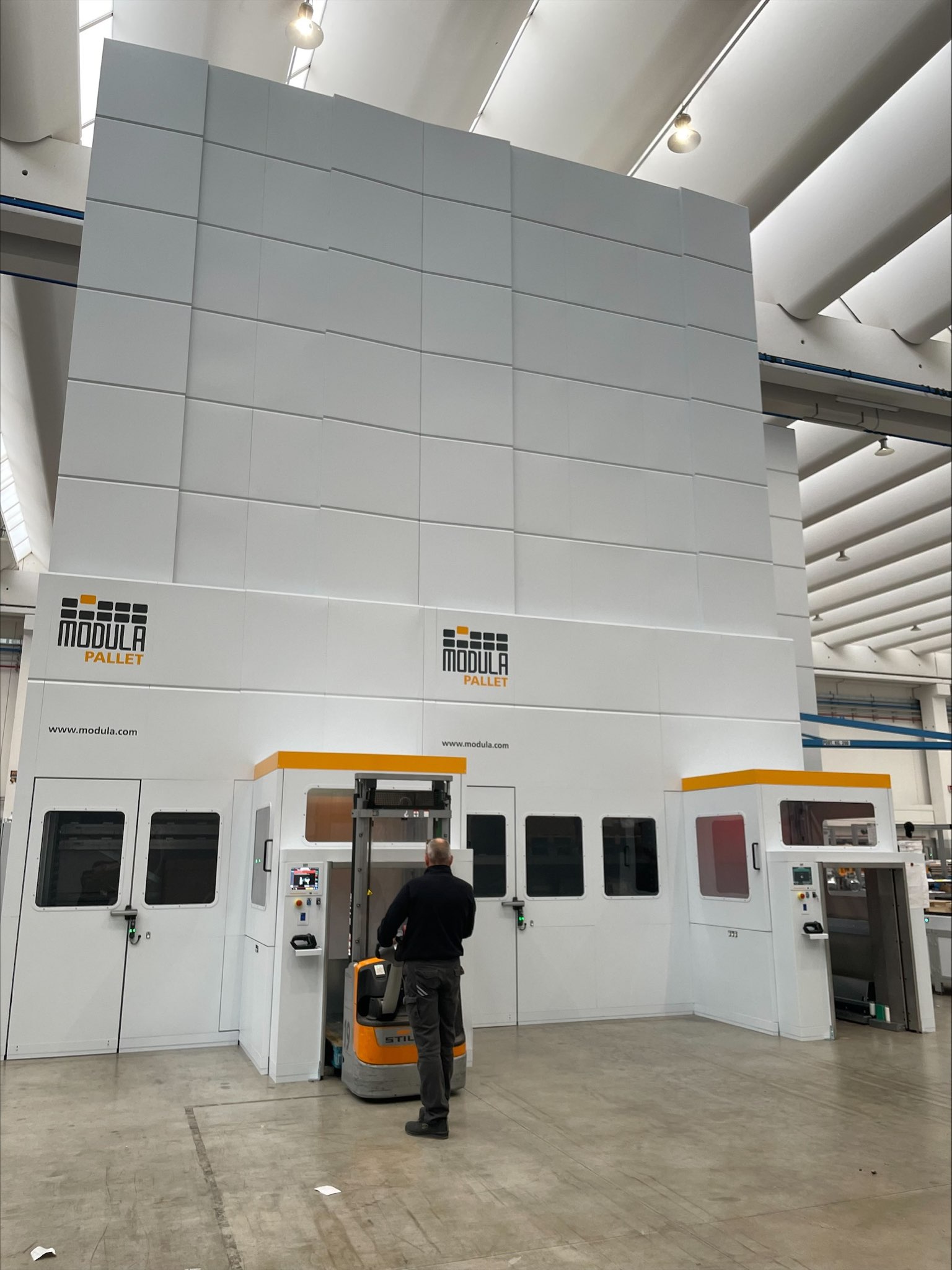
Modula, a leading company in the field of vertical automated warehouses, ideal for saving time, space, and reducing picking errors, introduces two new products with lift features but new applications.

The first is Modula Pallet, groundbreaking automatic vertical solution, revolutionizing the way businesses handle 1200×800 mm pallets. Designed to operate seamlessly without the need for traditional forklifts, this innovative system streamlines warehouse operations and enhances efficiency.

The key feature of Modula Pallet is its ability to handle pallets directly from the ground, eliminating the reliance on forklifts for elevation. The load is smoothly transported on the ground and then efficiently loaded into the warehouse responsible for the lifting process. This not only ensures a more straightforward workflow but also relieves operators from the challenges associated with handling materials at heights.

Moreover, Modula Pallet enables the strategic storage of pallets at elevated positions while ensuring convenient ground-level delivery. The use of a pallet jack or manual forklift suffices for internal warehouse movements, simplifying the overall logistics process. This makes it the optimal solution for businesses dealing with a moderate number of pallets, ranging from a few tens to a few hundred, aiming to maximize warehouse organization by capitalizing on vertical storage space.

A notable feature of Modula Pallet is its facilitation of piece picking, allowing operators to access individual items directly through the picking window without the need to move the entire pallet. This represents a significant innovation, enhancing speed, precision, and ergonomic considerations in the picking process.

In the ever-evolving landscape of warehouse automation, Modula also developed Modula Next emerges as a game-changer, not just as a conventional lift system, but as a versatile vending machine catering to diverse industry needs.

Modula Next (pictured below) operates like a lift but thinks like a vending machine. Thanks to a system of movable windows, managed by dedicated software, only the compartment where the operation needs to be performed becomes available to the picking operator.

This has two advantages:
1. the operator cannot make a mistake in retrieval even among similar items,
2. every movement is tracked, and it is known exactly who took what and when, with no margin for error.

One innovative application of Modula Next is its capability to function as a vending machine, facilitating the one-to-one distribution of personal protective equipment or personal effects. This feature makes it an invaluable asset for companies keen on optimizing the management of individualized items.

Consider the scenario of companies supplying parts or components to other businesses. By strategically placing a fully stocked Modula Next unit at the client’s facility, the client can efficiently retrieve spare parts or components only when necessary and in the required quantities. This approach brings numerous advantages, including the elimination of time wasted on excess inventory, meticulous inventory control, and the ability to trace every withdrawal. Most notably, for the supplying company, it becomes a guarantee that the client exclusively purchases its products, eliminating the need to explore alternatives from competitors.

The utilization of Modula Next in this manner represents a paradigm shift in inventory management, providing businesses with a level of precision and efficiency that was previously hard to achieve. As industries continue to seek innovative solutions for their logistical challenges, Modula stands out as a reliable and adaptable tool, reshaping the way companies approach inventory distribution and ensuring a seamless and streamlined process for clients and suppliers alike.

read more

Bonfiglioli and System Logistics S.p.A partner on Modula


Versatile Pallet Stackers for Warehouses

With the Linde L10 – L16 B pallet stacker, Linde Material Handling (MH) is launching a new, extremely compact pedestrian truck. Offering load capacities of 1.0 to 1.6 tons and lift heights of up to 5.47 meters, the models are designed for a very wide range of handling tasks in warehouses and production environments. Their compact design also makes them ideal helpers when it comes to handling goods in narrow aisles and loading zones. Two other models are capable of moving pallets with closed bases and various types of small containers.

“Hardly any other product group in the warehouse equipment segment is as versatile as the manual electric pallet stackers,” says Marc Castro, Portfolio Manager Warehouse Trucks at Linde Material Handling. These proven all-rounders cover a wide range of warehouse applications: They stack and move pallets in staging areas and in buffer zones and transport materials to production lines, they store and retrieve goods and help with replenishment in supermarkets, and they can also be used as work bench. Whatever the application, the manoeuvrability of the vehicles is critical because space is almost always an issue – whether in marshalling areas, in narrow aisles or at the assembly line. “Each centimeter reduction in truck length helps the driver get the load to its destination more quickly and safely,” explains product expert Castro.

Flexible application options

For this reason, special attention was paid to the dimensions of the Linde electric pallet stacker series. “They are among the most compact models in the entire competitive environment,” emphasizes Castro. The shortest version of the Linde L10 B, equipped with an integrated lithium-ion battery and a simplex mast, measures just 568 millimeters from the chassis to the fork carriage (l2 dimension), with a turning radius of 1,420 millimeters. The model series is also available with a battery tray and lead-acid batteries with rated capacities of 200Ah and 250Ah as well as lithium-ion batteries with capacities from 3kWh to 6kWh. In addition to a variety of different chargers, the vehicles can optionally be equipped with an integrated charger, which enables intermediate charging at any power outlet.

But that’s not all. “The new Linde pallet stackers are designed with the overarching goal of being one truck for all conceivable requirements,” emphasizes Castro. To achieve this, five different mast types are available to adapt the trucks to individual conditions in the customer’s company. In addition, there is a wide range of equipment options to ensure that sales consultants can configure the trucks for every application: The initial lift provides more ground clearance when negotiating uneven surfaces and driving over ramps while the double-decker function, for example, allows the simultaneous transport of two pallets over longer distances. The Linde L10 – L12 AS straddle stackers with 1.0 and 1.2 ton load capacity are available for handling pallets with closed bases or special load carriers.

Safety, ergonomics and fleet management offer multiple advantages

Two key elements are essential for achieving productivity: maximum operating comfort and tailored safety equipment that protects the operator, the load and the warehouse infrastructure. The Linde-typical asymmetric tiller head proves its worth in this respect, automatically keeping the operator within the truck contours. Additionally, the long tiller arm ensures that the operator is at a safe distance from the truck when it is in motion, traveling at speeds of up to 6 km/h. The deep-drawn chassis also enhances safety by preventing the operator’s feet from being trapped under the low steel skirt. The active foot bumper is a new equipment option. It senses contact and automatically brakes the truck in response. Another variant actively moves the truck away from the operator in the event of contact.

The Linde Load Management system is available in two versions. In the standard variant, the system determines the load weight on the forks. The advanced version additionally monitors the remaining load capacity in real time and alerts the operator to critical conditions with visual and audible warnings. If the load weight exceeds the maximum load capacity, the system blocks the lift function, preventing further lifting. Travel speed and acceleration are also controlled based on lift height, load weight and steering angle. Another important feature is networking with two-way data transmission: This allows software upgrades and remote diagnostics ‘over the air’, increasing vehicle uptime.

read more

New Stackers to Handle Over Loading Plates or Uneven Ground


Enterprise-Grade Asset Tag Provides Increased Visibility

Samsara Inc. has announced the industry’s first enterprise-grade Asset Tag designed to meet customer demand for tracking and managing small, high-value assets. This new device leverages the Samsara Network to offer increased visibility into the location of mission-critical equipment and tools. As a result, organizations can minimize downtime spent searching for lost or stolen items, reduce associated costs, and simplify inventory management.

The industries that power our global economy – like transportation, oil and gas, and construction – have complex operations that rely on specialized assets to get their work done each day. These assets include toolboxes, jackhammers, chemical totes, and more. Due to manual inventory processes and a lack of connected systems, the recurring loss or theft of these materials can cost organizations millions of dollars every year.

But as sensors get more compact, sophisticated, and easier to install, they can track anything – big or small. Samsara’s Asset Tag (pictured below) was built around this opportunity: to provide unprecedented access and visibility into valuable assets at scale. By connecting critical assets to the cloud for the first time, customers can now easily capture and analyze location insights to significantly improve operational efficiency.

The Pike Corporation is a leading provider of infrastructure solutions for electric and gas utility companies within the United States. Pike uses the Samsara platform across Vehicle Telematics, Video-Based Safety, and Asset Tracking to connect their operations. Most recently, Pike has begun testing Samsara’s Asset Tag to help recover misplaced or lost tools and equipment and accurately track safety PPE to comply with annual OSHA testing requirements.

“We have several high-value assets like service gloves and electrical grounds that don’t have serial numbers, but still need to be tracked, managed, and inspected to remain compliant,” said James Banner, Senior Vice President of Administration at Pike Electric. “Previously misplaced equipment would take us weeks to locate and if lost entirely, cost up to a million dollars to replace annually. With Samsara’s Asset Tags, we are hoping to minimize this downtime, cut costs, and digitize manual inspection processes – all while keeping our employees safe and efficient. We’re just getting started with this technology and I look forward to seeing what else it can do.”

With the Samsara Asset Tag, organizations can expect to:
● Prevent loss and recover stolen assets: with advanced location tracking technology powered by Samsara’s vast network of gateways.
● Reduce downtime and boost productivity: by sharing asset locations with technicians in the field via the Samsara Driver App and avoid service disruptions with Inventory Filtering, which pulls a summary of assets and applies filters to identify which tools are in close proximity.
● Better manage inventory: and increase operational efficiency with a consolidated dashboard and easy-to-use reporting.

Powerful location tracking capabilities within the Asset Tag are enabled by the Samsara Network, made up of millions of IoT devices worldwide. This network coverage powered by Samsara devices leverages industrial-grade BLE technology and offers enterprise reliability designed to withstand the ruggedized, complex environments of physical operations.

“About a year ago, the Asset Tag was born from a radical idea that we could use the millions of Samsara Gateways we have out in the field to create a network, enabling ‘tags’ to ping off those devices. With this, we’d unlock a level of asset tracking that was previously impossible and solve even more real-world problems for our customers,” explained David Gal, Vice President, Product and Engineering at Samsara. “After months of rigorous testing and customer feedback, I’m excited to see this vision become a reality. As we further connect every aspect of physical operations, we can turn massive amounts of data into valuable insights and drive real results.”

Asset Tag is shipping now to customers across North America and Europe.

read more

Samsara Unveils New Solutions at Beyond ’24


Subscribe

Get notified about New Episodes of our Podcast, New Magazine Issues and stay updated with our Weekly Newsletter.