First Anniversary for UK Warehouse

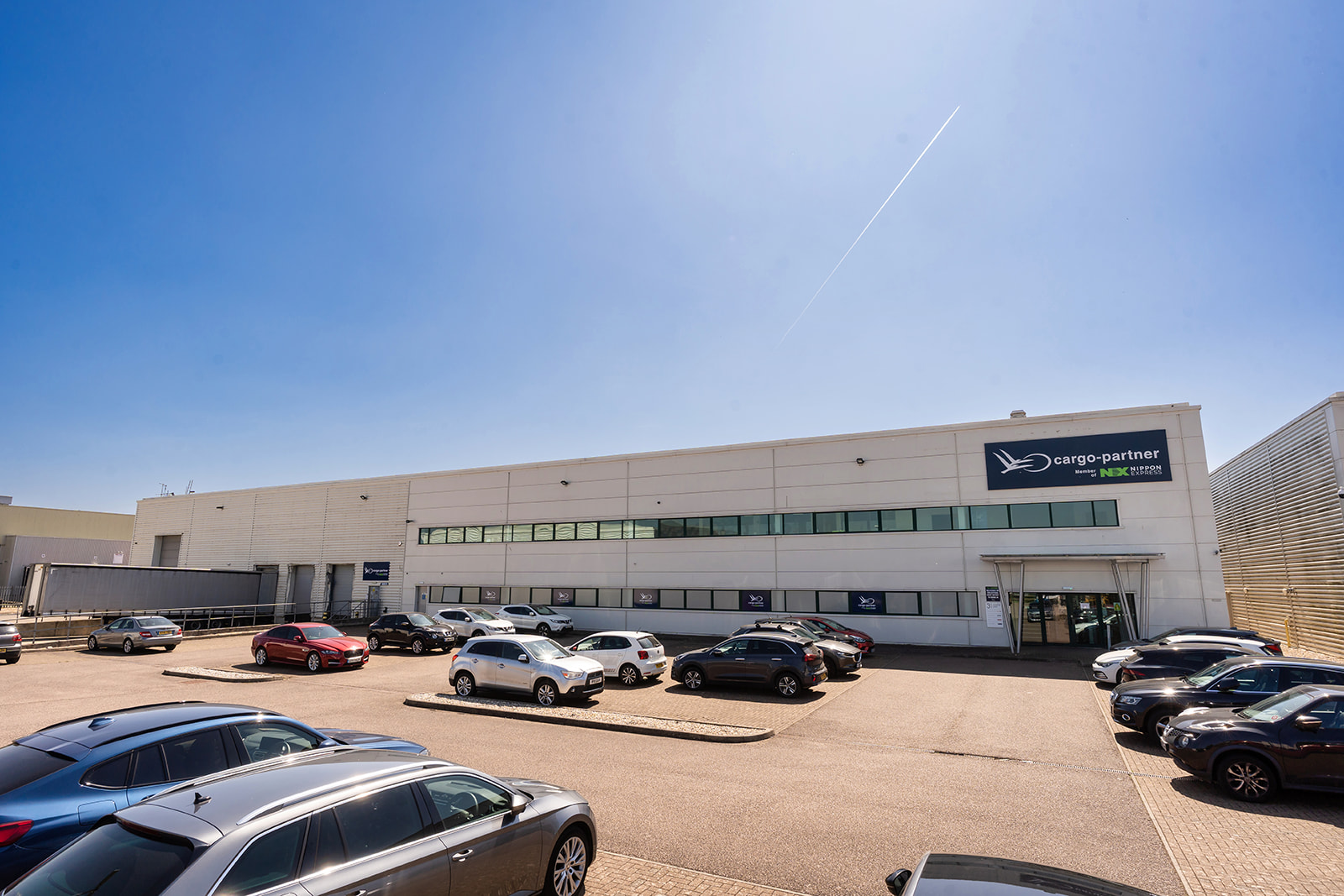
cargo-partner, a group company of Nippon Express Holdings, is celebrating a year of transformation at its Basildon, Essex warehouse.

Since cargo-partner acquired the warehouse in April 2024, the facility has evolved into a key logistics and distribution hub serving both the UK and continental Europe. Over the past 12 months, cargo-partner has expanded its team, upskilled its workforce, and broadened its service offerings, solidifying Basildon as a strategic asset in the company’s global operations. Located in a prime position for logistics operations, the Basildon facility now serves as a fully-fledged road and warehouse hub, offering a comprehensive range of solutions designed to support businesses, retailers, and industries across the UK and Europe.

To mark one year since cargo-partner took over the warehouse – and to recognize the synergies and partnership between the cargo-partner and Nippon Express teams in the UK – an anniversary celebration was held at the Basildon site. Attendees included all local cargo-partner colleagues, along with Fergal Keenan, Managing Director of cargo-partner UK & Ireland; Thomas Peklar, Corporate Director Product Management Contract Logistics at cargo-partner; and Steve Williams, Managing Director of Nippon Express UK & Ireland.

Fergal Keenan, Managing Director of cargo-partner UK & Ireland, said: “We’re incredibly proud of the progress we’ve made at our Basildon facility over the past year. The site has transformed into a pivotal logistics hub, playing a crucial role in connecting the UK and continental Europe. It was great to recognize this milestone with colleagues from both cargo-partner and Nippon Express and we’re excited to continue to grow our services, delivering innovative, efficient solutions for our customers.”

A strategic location for efficient operations

The Basildon warehouse, covering 4,460 m², is perfectly positioned to serve as a critical junction for road transport and logistics across the UK and Europe. With easy access to key transport routes and proximity to major ports, it is ideally situated to optimize both local and cross-border supply chains. cargo-partner has implemented a range of new value-added services, making Basildon the go-to hub for companies looking for dependable logistics solutions.

Services and solutions offered at Basildon include:
• Warehouse & Storage Solutions: The 4,460 m² warehouse offers diverse storage options, including dedicated pallet storage, block storage, and small parts storage. With a full-service picking and packing operation, the facility streamlines fulfilment processes for businesses in a range of industries.

• Fulfilment & Distribution: Basildon now plays an integral role in cargo-partner’s UK distribution network, offering nationwide delivery with optimised lead times, specialised services for high-demand areas such as Amazon fulfilment and inner London post codes, as well as full-service fulfilment for e-commerce and retail orders.

• European Gateway: With cargo-partner’s established pan-European network, the Basildon warehouse facilitates seamless import and export services across Europe, including groupage, part load, full load, and express van services.

• Value-Added Services: Basildon has become a one-stop solution for clients with value-added services such as re-packing, re-labelling, customized packaging, assembly, transshipping, cross-docking, and customs clearance. Additionally, the SPOT platform offers real-time tracking and inventory management, providing full transparency and visibility for customers.

similar news

Completion of cargo-partner Acquisition

IMHX Visitor Registration Now Open

Visitor registration is now open for the International Materials Handling Exhibition (IMHX) 2025, the UK’s leading trade event for warehouse and intralogistics professionals. After a three-year hiatus, the exhibition returns to the NEC Birmingham from 9-11th September 2025.

IMHX 2025 is expected to welcome approximately 10,000 attendees and over 300 exhibitors showcasing the latest innovations in warehouse technology, automation, robotics and supply chain solutions. Industry leaders including Crown, Toyota Material Handling, Körber, Combilift, AutoStore, Exotec and Swisslog are among the major names already confirmed on the floorplan.

“We’re pleased to announce that registration is now open for IMHX 2025,” said Chris Morley, Group Director – Maritime & Logistics at Informa. “The sector has evolved significantly since IMHX 2022, driven by widespread automation, AI adoption and an increased focus on sustainability. IMHX 2025 will provide the perfect platform to explore these developments firsthand.”

New for 2025 is the Future Zone, presented in partnership with SEC Storage. This interactive area will feature cutting-edge technologies and solutions demonstrating the future of warehousing with a focus on renewables and solar, warehouse optimisation and eco tech. The event will also offer a comprehensive free seminar programme covering three key themes: smart technologies, environmental responsibility and operational excellence.

Returns to Birmingham NEC

IMHX is co-owned by the UK Material Handling Association (UKMHA), while supported by key industry associations including the Automated Material Handling Systems Association (AMHSA) and the UK Warehousing Association (UKWA).

Rob Fisher, Chief Executive Officer at the UKMHA commented: “The material handling industry is a vital pillar of the UK economy, and IMHX is uniquely positioned to support and showcase its continued evolution. Bringing together a broad spectrum of solutions, innovations, and operational advancements, IMHX is the must-attend exhibition for business leaders across logistics, transport and distribution. As co-owners of the event, UKMHA is eagerly anticipating what promises to be a dynamic and engaging edition this September. We’ll soon be unveiling our own unique visitor experience, and this year’s prestigious Archies Awards will take place during the show.”

Professionals from warehousing, distribution, supply chain, e-commerce, retail and manufacturing sectors can register for free entry at www.imhx.net

similar news

Green Shoots Return to Events Sector as IMHX 2021 Starts Countdown


Trusted Perimeter Protection Solutions

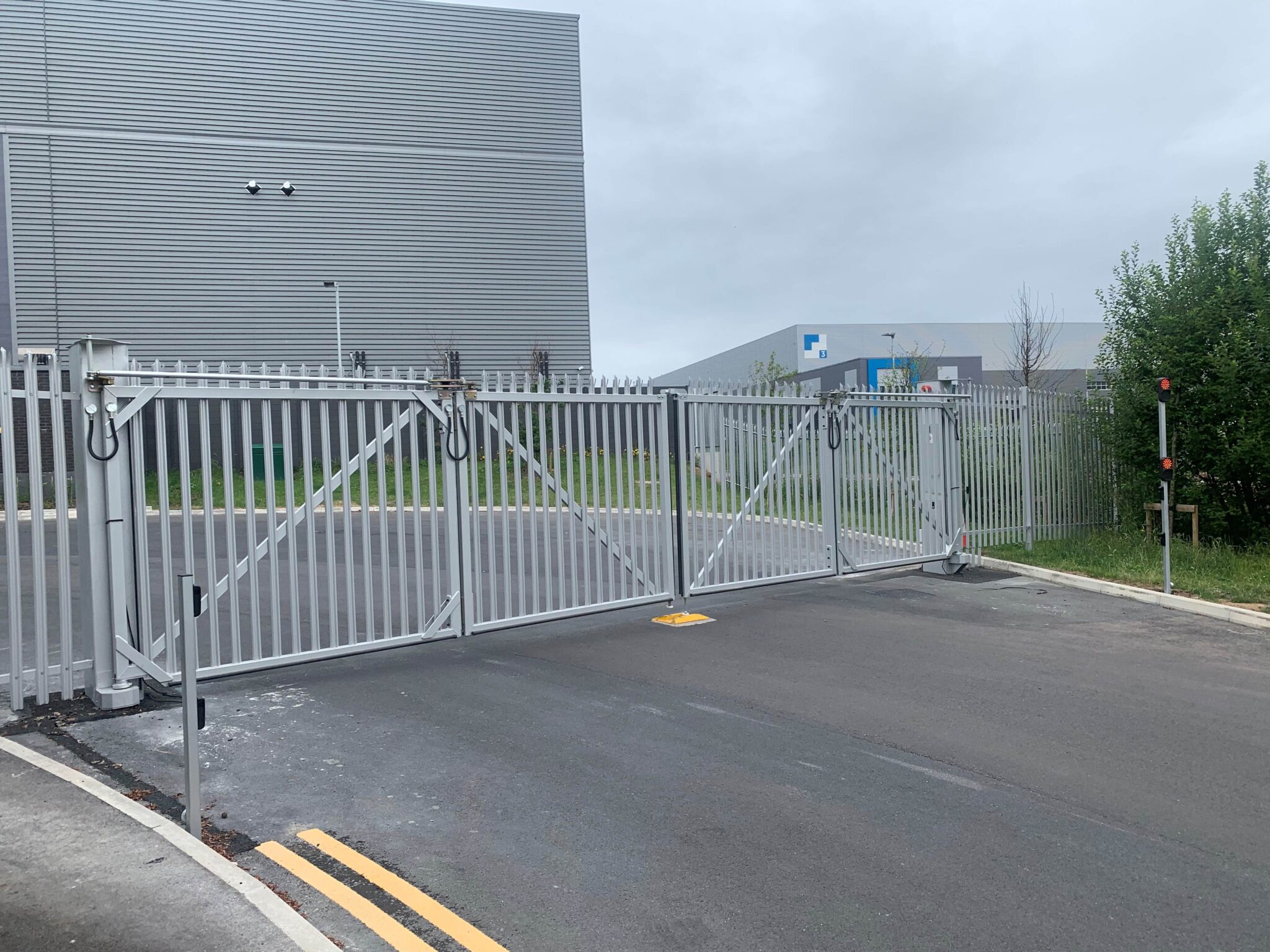
With more than 15 years of expertise in the supply, installation, and maintenance of perimeter protection systems, FBS Hörmann has built a strong reputation for delivering turnkey solutions to the industrial warehouse, logistics, and retail sectors. Whether for new builds or refurbishment projects, the company provides a comprehensive portfolio of high-quality products, including security gates, barriers, bollards, fencing, and advanced access control systems.

A dedicated Perimeter Protection Division is led by experienced project managers who offer practical guidance on selecting the most suitable systems for each site. From the initial consultation through to final handover and commissioning, clients benefit from a fully managed service. This includes all electrical and civil engineering works, carried out by a skilled in-house team of installation engineers, through to the final project hand-over and commissioning.

Security Gates

FBS Hörmann offers a comprehensive selection of security gates known for their performance, reliability, and design. Options include tracked and cantilevered sliding gates, pedestrian access gates, swing and bi-fold gates. A wide variety of infills ensures suitability for most applications, and bespoke solutions are available for projects requiring a unique design. Manufactured from heavy-duty steel, the barriers are available as both manual and fully automated versions. Designed for durability and operational integrity, they feature safety edges, photocell protection, and induction loop vehicle detection. Access barriers are ideal for high-traffic environments and are fully compliant with the latest safety standards.

Access control

For fast and secure access, FBS Hörmann supplies a wide range of access control solutions, including ANPR systems, intercoms, and automatic open/close via the advanced Hörmann BiSecur radio system. These systems offer enhanced convenience and security for a variety of site requirements.

Designed to meet various levels of security FBS Hörmann provides a versatile selection of bollards and road blockers. From fixed and fully automated bollards to high-security solutions like OktaBlock, systems can be tailored to meet specific operational, and protection needs. Clients benefit from aftercare and maintenance services, delivered by a network of over 140 fully qualified service engineers.

similar news

Patented Dock Gate Range Offers Loading Bay Protection


Rewriting Rules of Delivery at Last Mile Leaders

Last Mile Leaders Europe, hosted by FarEye, returns to centre stage on May 14th in Amsterdam, uniting more than 80 influential voices from across the continent’s logistics, retail, and supply chain sectors. This high-impact gathering is more than just an event — it’s a bold industry moment where technology, innovation, and collaboration converge to reshape the final leg of delivery. Logistics Business Editor Peter MacLeod will be attending and appearing as a panellist.

Signaling the industry’s global momentum, the Amsterdam edition will convene CIOs, Chief Supply Chain Officers, Heads of Sustainability, Logistics and Last-Mile Leaders, D2C Business Leaders, Heads of Customer Experience, Fleet & Fulfillment Managers, and Digital Transformation Executives from some of the world’s top logistics and retail brands — reflecting a shared urgency to transform last-mile delivery for a faster, greener, and more resilient future. Their presence underscores the increasing cross-functional commitment to building smarter, more agile, and sustainable last-mile ecosystems.

Kushal Nahata, Co-founder and CEO of FarEye, and the man behind the Last Mile Leaders (LML) platform, said: “Europe’s last-mile priorities are shifting fast — cost, speed, and sustainability are no longer trade-offs but simultaneous imperatives. From smarter routing and AI-driven automation to greener fleets and reverse logistics, innovation is rewriting the rules. The last mile isn’t just a delivery — it’s the moment where customer promise meets operational excellence.” He continued: “Amsterdam will be where ambition meets action — where startups, enterprises, and experts come together to shape a faster, cleaner, and more intelligent future for delivery.”

Setting the tone for industry transformation, the launch of Eye on the Last Mile 4.0 will offer an essential roadmap for what’s next — delivering strategic insights from senior logistics leaders across Europe and beyond. This year’s edition uncovers the key forces reshaping last-mile delivery, from cost and infrastructure challenges in urban environments to the accelerating role of AI and automation in defining operational models for 2025. It also highlights the growing business case for sustainable and circular logistics networks. The report is expected to serve as both a mirror and a map for decision-makers navigating an increasingly complex, competitive, and customer-driven landscape.

Europe’s own last-mile startup ecosystem is surging forward with intensity. As of 2024, the region is home to more than 200 last-mile delivery startups, addressing challenges like congestion, emissions, and last-yard complexity through breakthrough innovations in autonomous vehicles, robotics, AI-based routing, and sustainable urban logistics. In just the first half of 2024, these startups attracted a record $4.5 billion across 312 deals, cementing Europe’s position as a global hub for logistics innovation and investment.

Key Highlights

Startup Landscape & Investment Momentum: With over 200 startups addressing last-mile challenges — from congestion to emissions — Europe’s logistics innovation ecosystem secured a record €4.5B across 312 deals in H1 2024, reflecting strong investor confidence.
Last-Mile Nexus: Championing the future of delivery in Europe, the Nexus promotes breakthrough solutions in electric vehicles, drone logistics, and AI-powered operations—offering selected startups a live platform to unlock enterprise access, visibility, and funding opportunities.
Industry Participation: Global leaders from DHL, Dyson, DPD IKEA, Beko, JB HI FI, Electrolux, Heineken, Philips, Postnord, Slovenia Post, Wayfair and many more will join to shape the future of smarter, greener delivery.
Eye on the Last Mile 4.0: The Last Mile Industry Report unveils key 2025 trends shaping Europe’s logistics landscape — spotlighting investment priorities, evolving customer expectations, and technology innovations across ultra-fast delivery, urban logistics, and AI-powered operations.

Last Mile Leaders
Fireside Chat


Tapping directly into this momentum, the event will host the Last-Mile Nexus — a pitch platform spotlighting some of Europe’s most disruptive early- and growth-stage startups. After a highly competitive selection process, three standout ventures have been shortlisted to present their innovations live before a distinguished jury of industry leaders:

ClearQuote – an AI-powered platform helping last-mile fleets automate damage detection, speed up inspections, and boost operational efficiency.
Jedsy – a pioneering drone logistics company redefining last-mile delivery in healthcare with emission-free drones that land directly at windows for unmatched accessibility.
Datakrew Private Limited – a deep tech company using IoT and edge AI to enable safer, smarter, and more sustainable electric mobility through predictive EV analytics.

Commenting on the role of startups in driving this evolution, Bernhard Bukovc, Founder at connect2posts and a jury member for the Nexus, shared: “Startups are the driving force behind the future of supply chain and logistics. Supporting their founders accelerates innovation, introducing much-needed agility and advanced technology into a highly competitive market. Europe’s logistics startup ecosystem is entering a period of significant growth, fueled by sustainability objectives, automation, and the increasing need for resilient, AI-enabled, and circular supply chains. Platforms like Last Mile Nexus, which spotlight these ventures, play a critical role in fostering collaboration and advancing the industry. I look forward to joining the jury at the upcoming Nexus Europe chapter in Amsterdam.”

This event marks a pivotal moment in redefining the future of last-mile delivery in Europe. What began as a focused initiative to spotlight the challenges and opportunities of the final leg of logistics, LML has grown into a cross-continental movement — uniting executives, entrepreneurs, technologists, and investors across Asia, Africa and now Europe. With every edition, the platform advances its mission: to unlock profitable, sustainable, and customer-centric last-mile ecosystems through bold ideas, deep collaboration, and visionary leadership.

Last Mile Leaders is a global platform powered by FarEye, dedicated to reimagining the future of delivery. It brings together supply chain leaders, retail innovators, logistics experts, and emerging startups to solve the most pressing challenges in last-mile logistics. With editions across Asia, Africa, and now Europe, LML blends research, real-world solutions, and executive insights to drive conversations that matter. From high-impact panels and roundtables to live startup showcases and industry reports, LML is where the next era of logistics is being shaped — collaboratively, boldly, and sustainably. Where research, solutions, and last mile leaders drive the next era of logistics.

similar news

Industry View: Focus on the First Mile, Not the Last


Four Myths About AI in Transport and Logistics

AI’s transformative influence on the transport and logistics industry is significant, but there are still many misconceptions that need addressing, writes Bernhard Schmaldienst (pictured), Senior Director Transport Execution and Visibility Products, Transporeon (a Trimble company).

This is common for new technology. Change can be challenging, and while it is an incredible tool that has helped businesses streamline operations, cut costs, and improve efficiency, it will take time before all AI myths are debunked.

Time is running so let us get to work so we can speed the process up. Myths and misinformation about AI lead to resistance, slowing the adoption process down, meaning the supply chain industry will lag behind and miss out on the real benefits AI has to offer. So, let’s tackle four common myths and set the record straight with real-world insights and evidence.

Myth 1: AI-powered transportation is expensive and doesn’t deliver measurable savings

The reality: Like any tool, AI-powered transportation solutions have a cost to start with, but they deliver rapid returns, often within weeks. By leaning on automation and data-driven decision-making, AI cuts costs and makes the whole operation significantly more efficient. The proof: Companies using AI-driven freight procurement solutions have achieved measurable savings. AI-driven autonomous procurement tools integrate seamlessly with existing transport management systems, and for a leading FMCG customer, they have been proven to reduce freight costs by more than 10% while simultaneously cutting down on manual workloads by 80%. One global food and beverages company reported securing lower spot rates while reallocating team resources to higher-value tasks.

Myth 2: AI-powered transportation requires big internal changes

The reality: Quite the contrary. Over the past five years, the logistics and supply chain industry has seen a lot of changes, and AI has been a big part of that. Earlier-stage AI-powered solutions required time to adapt, though now they are designed to integrate seamlessly with existing systems for easy adoption. The proof: Many businesses have implemented AI solutions without overhauling their existing processes. Autonomous procurement solutions, for example, can connect via APIs, facilitating quick adoption with minimal disruption. The ‘big internal change’ in this instance would then be that the team spends less time on simple activities like accepting offers and more time on value-adding, strategic tasks. In other words, there is a degree of internal change – but it’s beneficial, not disruptive.

Myth 3: AI-powered transportation adds little value and can’t actively perform critical tasks

The reality: AI isn’t purely about automation anymore. It now actively improves decision-making, helping people optimize procurement, pricing, and carrier selection, resulting in better and faster decisions. The proof: AI earned its place as an established tool in logistics. For instance, AI-driven procurement solutions identify the best transportation capacity at the most competitive rates, lowering cost and increasing efficiency. A logistics company using AI-powered tools saw a 7–12% reduction in freight expenses while increasing automation, letting their teams focus on important negotiations instead of day-to-day transactions.

Myth 4: AI-powered transportation damages relationships with carrier partners

The reality: It’s the other way around. AI actually strengthens relationships with carriers by ensuring transparency, in-market pricing, and efficiency. It doesn’t replace human interactions – it strengthens them. The proof: Many AI-powered procurement platforms provide carriers with instant visibility into available shipments and instant pricing. With features like ‘buy-it-now’ options, carriers can accept shipments with confidence. One logistics leader noted that AI freed time up for the team to build stronger partnerships instead of being bogged down by manual negotiations and coordination activities.

Conclusion? AI is a strategic asset, not a liability

Companies in the transportation and logistics industry are under constant pressure to cut costs, improve efficiency, and adapt to shifting market dynamics. AI-powered solutions are not just another tech trend, they’re a tried and tested approach. Companies that embrace AI are already seeing considerable cost savings, streamlined operations, and strengthened relationships with carriers and partners. Rather than fearing AI, businesses should see it as a tool that complements human expertise, automates routine tasks, and empowers teams to focus on strategic growth.
The key takeaway? AI in transportation is all about helping people to work smarter, and achieve better results more efficiently.

similar news

Logistics Companies Embracing AI


Celebrating Decade of Engineering Traineeship

This week saw a landmark celebration at Combilift’s global headquarters in Monaghan, marking the 10th anniversary of the highly successful OEM Engineering Traineeship — a collaborative initiative between Combilift and the Cavan and Monaghan Education and Training Board (CMETB). The event, which welcomed past graduates, current trainees and local educators, underscored the programme’s evolution from a local skills initiative to a cornerstone of regional industrial development.

Launched in 2015, the OEM Engineering Traineeship was born from a shared vision to tackle the skills gap in engineering and manufacturing with an industry-led approach. Today, with over 150 trainees having passed through its doors to achieve a QQI level 5 qualification, and with job placement rates above 80%, the programme stands as a model for how industry and education can collaborate to mutual benefit.

Combilift, a global supplier of materials handling solutions, has been central to this success. As the primary industry partner, Combilift has not only provided cutting-edge workplace experience but also ensured the course content remains aligned with real-world demands. “We wanted to create more than just a training programme — we wanted to build a pathway into meaningful careers,” said Combilift Managing Director, Martin McVicar. “This traineeship has delivered exactly that, time and time again.”

The nine-month programme blends 26 weeks of classroom-based learning at Monaghan Institute with 12 weeks of hands-on work experience in Combilift. Over the years, the course content has evolved to reflect changes in the manufacturing landscape, now including modules in Hydraulics, Lean Manufacturing, and, more recently, Mathematics to prepare students for greater work or educational opportunities.

CMETB has played a vital role in coordinating and delivering the educational aspect of the programme. Their ongoing commitment to adapting the curriculum, securing government funding, and expanding the scheme to include other regional employers from 2025 reflects their strategic approach to workforce development. “It’s about staying ahead of the curve,” said Sinead McKenna of CMETB. “We’ve created a flexible, forward-looking course that equips learners with in-demand skills and supports local industry at the same time.”

One of the most compelling aspects of the programme is its accessibility. Fully funded through government and EU support, it removes financial barriers for participants and trainees are offered a weekly bursary during practical placements within Combilift. Trainees also benefit from additional qualifications, including City & Guilds module in Hydraulics and a Lean Six Sigma White Belt.

The 10-year milestone was marked not only by reflection but by ambition for the future. Attendees at the celebration event heard first-hand from past graduates who have gone on to build thriving careers — many still with Combilift, some even progressing to degree-level study or engineering apprenticeships. Watch a clip here.

With enrolment now open for the September 2025 intake, both Combilift and CMETB are doubling down on their commitment to the next generation. As McVicar put it, “The demand for talent in this sector is only growing, and we’re proud to continue building that talent right here in Monaghan.”

similar news

STILL Opens New Training Centre to Boost Future Competences


EU Changes Road Transport Rules

In April 2025, the European Commission announced new laws to update how road transport works across the EU. These changes are designed to make road transport safer, more modern, and more efficient. They affect drivers, logistics companies, and vehicle owners all over Europe, says Tomasz Mazurkiewicz of Truck1 International.

The new laws will focus on using digital tools, improving road safety, and helping freight move faster across borders. The plan is part of the EU’s larger goal to reduce emissions and support greener transport systems in the future.

What Will Change for Drivers and Companies

The law introduces several important changes:
● Smart tachographs will be required in all new trucks. These devices track driver hours, routes, and rest time using GPS
● New rules for driver working time will help make rest periods clearer and easier to follow across the EU
● Electronic freight documents (e-CMR) will become standard, replacing paper documents and speeding up customs checks

All these changes are meant to save time, reduce paperwork, and create fair conditions for companies working in different countries. But they also mean that some older trucks and systems will need to be updated or replaced.

New Emission Rules Will Push Companies to Upgrade Fleets

The new EU rules will also tighten emissions limits. Trucks will need to be cleaner and more fuel-efficient. This will help reduce pollution and bring the transport sector closer to climate goals.
As a result, many logistics companies will need to replace older vehicles with newer ones that meet these standards. That creates extra demand for trucks that are up-to-date, safe, and legal under the new rules.

During this period of change, companies need a fast and easy way to find the right trucks and equipment. Truck1 is one of the best tools for that. It is one of Europe’s largest online marketplaces for commercial vehicles, construction machines, and farm equipment. Truck1 currently offers over 400,000 listings from more than 1800 trusted sellers. Buyers can search by brand, model, engine type, year, and location. It’s easy to contact the seller directly by phone or send a free inquiry — no sign-up needed.

Who Else Will Be Affected by the New Rules?

The changes won’t just affect truck drivers and logistics firms. Dealers, leasing companies, and even national governments will have to adjust. Dealers, for example, may see more demand for newer trucks that meet the latest rules — especially those with smart technology or low-emission engines. One big challenge in the coming years will be finding vehicles that meet both the legal and practical needs of each business. Truck1 helps solve this problem. The site offers fast filtering, real photos, technical details, and a large network of sellers from all over Europe. It’s especially useful for companies that work across borders or need to upgrade fleets to stay competitive.

The Future of Road Transport in Europe

The EU’s new road transport laws are a major step toward a cleaner, smarter, and more efficient industry. While these changes require companies to invest time and money, they also create chances to grow, improve safety, and work more smoothly across borders. Companies that prepare early will have an advantage.

similar news

Consignor Shipping Rules Software Enables Policy Automation


Consafe Logistics Acquires Solid WMS

Consafe Logistics, a software product company delivering innovative Warehouse Management System (WMS), Warehouse Execution System (WES), and Warehouse Control Systems (WCS), has announced the strategic acquisition of Solid WMS, a Dutch SaaS-based Warehouse Management System (WMS) provider located in Breda, Netherlands.

This acquisition supports Consafe Logistics’ ambition to serve a broader range of warehouses and distribution centres including smaller, fast-moving warehouse operations. These customers need simplicity, speed, and value — without the advanced functionality and extensive capabilities that Astro WMS® offers for more complex operations.

Founded by three logistics and technology experts, Solid WMS has rapidly emerged as an innovative startup specializing in modern, native SaaS-based warehouse management solutions. Solid WMS is a great fit for manual warehouses with 5 to 30 operators in third-party logistics (3PL), retail, and e-commerce.

Kent Olsson, CEO Consafe Logistics Group, said, “We are very pleased to welcome Solid WMS into the Consafe Logistics family. Their product is tailormade for efficiency in less complex warehouses and perfectly complement our flagship Astro WMS®. Together, they allow us to serve a broader range of customers with different operational needs. This isn’t just a product fit — it’s a mindset fit. The Solid WMS team shares our focus on delivering customer value, and that’s why this partnership makes so much sense.”

Astro WMS® will continue to be Consafe Logistics’ premium solution, tailored specifically for mid-sized to large enterprises that require sophisticated functionality, scalability, and advanced automation integrations. Solid WMS broadens Consafe Logistics’ capabilities by offering a streamlined, SaaS-native alternative for customers with simpler needs — ensuring a right-fit solution, every time.

Remco Somers, Functional Lead for Solid WMS, commented, “Joining Consafe Logistics is an exciting step forward for us. We look forward to combining our innovation-driven technology with Consafe Logistics’ extensive market experience to reach new customers and help them achieve greater operational efficiency. We’ll be able to scale faster and bring the benefits of our technology to even more companies.”

similar news

Saint-Gobain Selects new WMS


Dangers of HGV Driving During the Summer

For most people, summer is the best time of year. It means days out on the beach, rural walks, and maybe even a getaway. However, for many, it also means long stretches of travel and hours spent in traffic. With 3.6 million travellers expected to hit the UK roads most weekends, nobody is affected more than HGV drivers.

Across the UK, HGV drivers work up to 56 hours a week, even over the summer. During this time, they are more likely to face challenges from both their vehicles and health-related issues, like dehydration and fatigue, due to extreme temperatures. To help HGV drivers stay safe on the road this summer season, Matthew Briggs, CEO at Right Fuel Card, has offered his expert insight into how they can navigate the roads and protect themselves during summer. Dr Deborah Lee from Dr Fox Online Pharmacy also offered expert insight into the health risks that HGV drivers face during the warmer months, and how they can be prevented.

Vehicle Risks: Traffic-related accidents:

“Summertime is the busiest period for UK roads, with an estimated 27 million leisure trips expected throughout the peak of summer. Consequently, the increased number of cars on the roads means an increased number of accidents, with a 59% increase in speed-related deaths and serious injuries on the UK’s motorways and major A roads during summer,” says Briggs. “While it is important to practice safe driving all year round, it’s important for HGV drivers to have an increased sense of awareness, particularly when drivers on the road are not used to travelling long distances.” The key things to remember while driving during heavy traffic are as follows:

• Avoid tailgating, particularly on long stretches of road.
• Be conscious of blind spots, particularly for inexperienced drivers trying to cut in.
• Try to be predictable for other drivers on the road and avoid sudden changes in speed or lane position.

The ‘Urban Heat Island’

“The ‘Urban Heat Island (UHI) is when cities and urban areas become significantly warmer than their rural counterparts, especially at night. It is a well-documented phenomenon caused by how cities are built and how they function,” says Briggs. “A variety of factors contribute to this, including skyscrapers and narrow streets, which can block wind and trap heat, a lack of trees and plants, as well as roads and pavements which absorb sunlight during the day. These factors lead to a temperature increase of between 3°C and 6°C during the day.

“HGV drivers are particularly affected by this, as long stops in traffic or dense city centres can lead to the cab’s temperature increasing rapidly, especially if the A/C is not effective or fails. To avoid getting caught out by this, try plan your route to avoid built-up areas or city centres. Sometimes this can be impossible depending on your destination, if so, try to take your break when you are out of the suburban area and try to pull over somewhere more rural.”

Mechanical Failures

“HGVs are among the largest vehicles on the road, and as a result, they have many points of failure,” he adds. “The most common mechanical issue drivers can expect during summer is the engine overheating. HGV engines already work hard, and a long period of high temperatures can push the cooling system over the edge. Additionally, if the coolant levels are low or the radiator is clogged, they may begin to steam from the bonnet mid-route. To avoid this, regularly check the coolant levels, fan belts and radiator.”

“Tyres can suffer during the summer, they wear faster, since hot asphalt and long trips increase friction, especially if roads are poorly maintained. A more extreme issue caused by the heat is tire blowouts. This occurs when heat causes the tyres to expand, which is particularly dangerous if they are over-inflated. An easy way to prevent this is to check your tyres at the beginning of each shift. This might sound pedantic, but vehicles are much more susceptible to issues in the summer.”

Health risks during the summer

Dr Deborah Lee from Dr Fox Online Pharmacy offered her expert insight into the increased health risks that HGV drivers face during the summer months.

Heat-related fatigue and dehydration

“Fatigue and dehydration are two of the greatest dangers for any driver. They often occur together, and either one or both can kill. 68% of road accidents are due to driver error, which can be caused by dehydration and fatigue,” she says. “Although many drivers may not realise it, dehydration is a cause of fatigue. In a study by Loughborough University, drivers suffering from dehydration were found to commit as many driving errors as those driving under the influence of alcohol.

“To avoid this, start the journey well-hydrated. Water is the best fluid you can drink, but tea, coffee, fruit juice and squash also count. Be aware that tea and coffee contain caffeine, which is a diuretic. This means it makes you need the toilet more often, which doesn’t help fluid balance. Avoid sugary, fizzy drinks and energy drinks as these are not good at quenching thirst. Take water with you on your journey and sip a little and often. Make sure you have a large, refillable water bottle that’s easy to grab and drink from while driving. You can refill this when you stop for a break or to use the toilet. Take some bottled water in case you need it. You must drink at least 8 ounces (one large cup/glass) of water every hour.”

Sun, Sweat and Safety

“HGV drivers may not be aware that the glass in the car windows does not block UVA and only blocks some UVB radiation. This means drivers are at risk of excess UV exposure, which increases the risk of skin cancers, as well as causing premature ageing of the skin,” Dr Lee explains. “Drivers should use sunscreen with SPF 30 or above, plus at least 4 stars for anti-UVA protection. They should also cover up with long sleeves and wear UV-blocking sunglasses. Always wear a hat and use SPF 50 sunscreen with care.”

Briggs added, “Driving an HGV in extreme heat is no small task – it’s physically and mentally demanding in ways many don’t see. Long hours on the road, sun glare, hot cabs, and the added strain on vehicles all combine to make summer one of the toughest times of year for our drivers. It’s not just about comfort; it’s about concentration, safety, and endurance.”

similar news

Fatigued operators are 7.3x greater accident risk


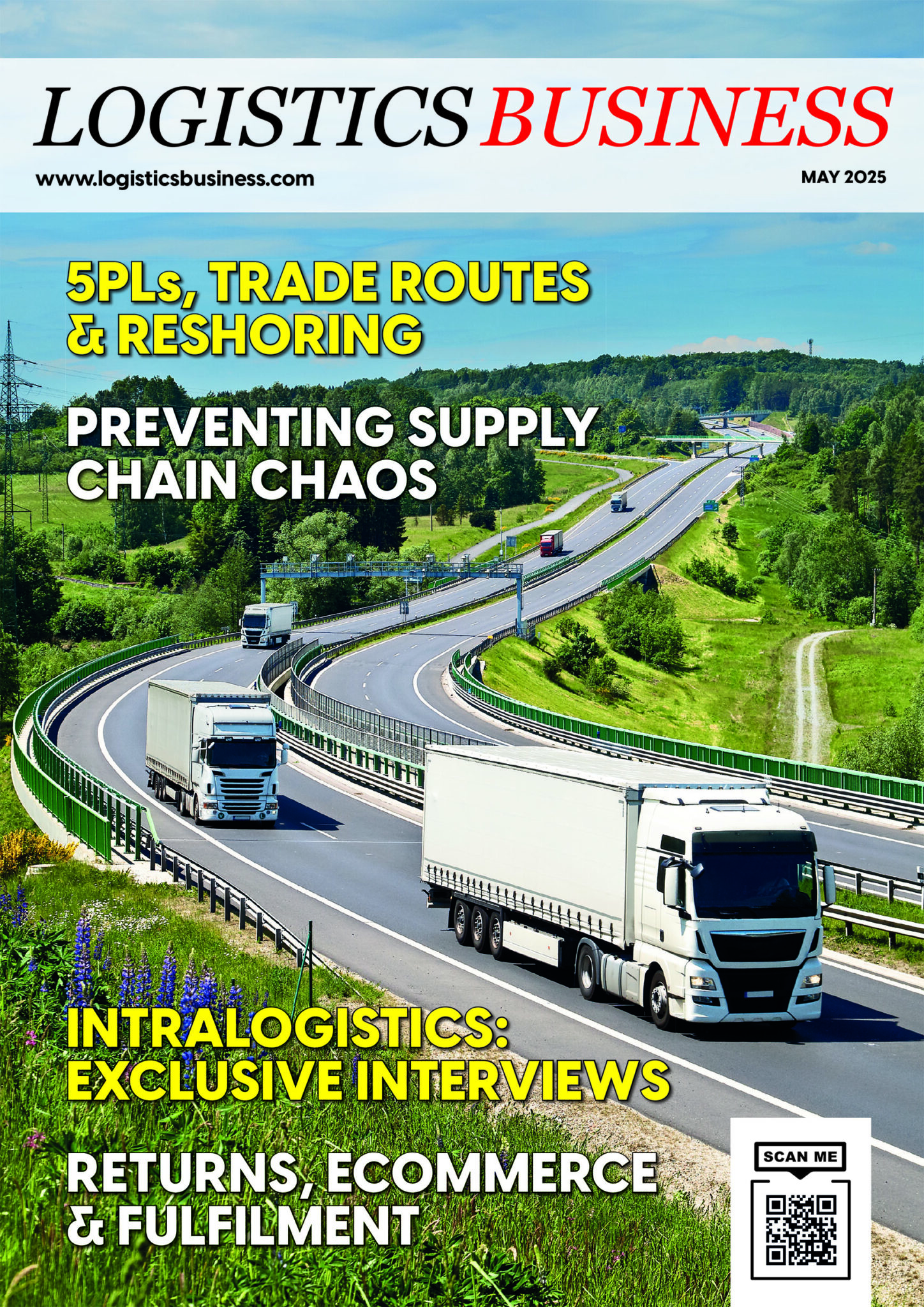
May 2025

The May 2025 issue of Logistics Business magazine: Insightful and unique content covering the international supply chain, logistics and warehousing sector.

We have exclusive features on Reshoring, Shipping Routes, 5PL Contract Logistics, Returns Management, Customs & Specialist Freight Forwarding, Loading Bay Safety, ERP Software, Supply Chain Transparency, Data & Risk Mitigation, Calculating Costs, Rugged Devices, Parcel Locker Networks, Choosing an Intralogistics Partner, Forklift Reinvention, Flexible Warehouse Systems Integration, Branding, Data & Energy Transmission, Sortation Technology, Scalable ASRS, Drives & Controls, Materials Handling Manufacturing, Robotics KPIs, Warehouse Optimisation & Mapping, AMR Collaboration & Scheduling, Fashion Fulfilment, Industrial Doors, Packaging Automation at the end-of-line, Plastic Pallet Merger.

In-depth interviews, site visits and case studies with DSV, Linde, GAC, Infios, Getac, Beumer, TGW, Clark, Bobcat, Ocado, Bowe, Mecalux, Libiao, Coesia and Hormann.

May 2025 Issue

Our digital issues can be read in any language, or listened to. Simply click on the ‘Freeflow reader’ graphic near the top right corner of each editorial page. To browse all our recent issues click here.


Subscribe

Get notified about New Episodes of our Podcast, New Magazine Issues and stay updated with our Weekly Newsletter.