Ferag launches to UK market

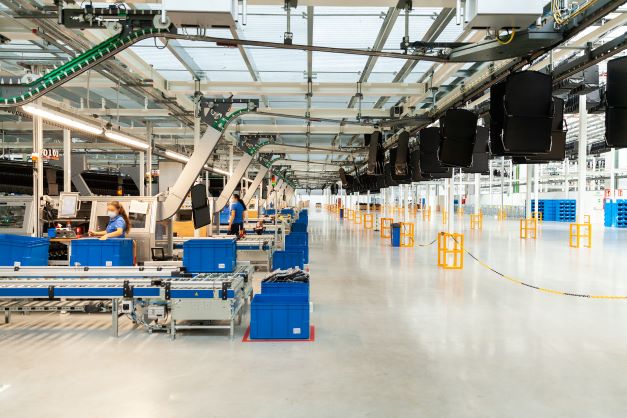
Ferag, a global leader in advanced conveying and sortation solutions, has launched its hi-tech, Swiss engineered overhead pouch and sorter systems to the UK market. The technology offers retail, ecommerce, automotive and general merchandise businesses reliable, high-performance conveying and sortation at speeds of up to 12,000 units per hour.

Based in Zurich, Ferag has its origins in the international print industry, where ultra-reliable, high-speed conveying technology is essential to the time-critical production of newspapers with daily print runs in the millions. With over 60 years’ experience designing, engineering and fabricating, high-speed overhead conveyor systems for mission-critical interlogistics operations, Ferag has now secured a strong presence in the UK intralogistics market by winning three new contracts for solutions in the apparel and retail sectors.

Heading up Ferag’s UK operations, Darcy de Thierry, Managing Director, Ferag UK Ltd, says: “British retailers and manufacturers are experiencing huge structural change. The growing focus for most is on ecommerce orders, which places a heavy emphasis on high-performance fulfilment operations capable of handling thousands upon thousands of single or few-item orders a day.

“Automated systems, such as overhead pouch and sortation solutions, facilitate fast picking, making them increasingly critical to maintaining and growing order volumes. But businesses cannot afford for them to fail – they need well engineered solutions using only the best, hard-wearing components and low-friction materials. That’s where Ferag’s extensive experience within the newspaper industry – where reliability is paramount – will be a tremendous advantage to the UK market.”

Principle products in Ferag’s extensive range of innovative sorters and conveyors include: Skyfall, an overhead pouch system that combines conveying, buffering, sorting and consolidating, suited to a wide variety of goods weighing up to 20kg. The solution makes efficient use of available overhead space; Denisort, a tilt-tray sorter that provides order picking, conveying and sorting in one seamless and scalable solution; Denisort Compact, a modular vertical sorter designed for items weighing up to 12kg; Deniway, a plate chain conveyor with low-friction rollers for long conveying distances, offering smooth transfers with the minimum number of drive units; and Easychain, a largely maintenance-free continuous and seamless conveying system with an ultra-narrow curve radii, making it well suited to complex, 3D layouts.

Ferag has installed intelligent conveyor and sortation systems for some of the world’s largest brands, such as: DHL, Auchan, Nestle, Zeiss, Cewe, Zalando, Mayoral, Viapost, Peerless Clothing International, Dumoulin, AstraZeneca, Stage, VW, Shoebox, along with many more.

The launch into the UK’s intralogistics market plays to the strengths of Ferag’s international maintenance and support network, where remote and condition monitoring are provided 24/7 and replacement components are readily available to a UK based nationwide team of service engineers.

Ferag AG employs around 550 people worldwide and is represented in more than 18 countries with its own sales and service companies. The business has installed over 3,000 systems on five continents and holds in excess of 9,000 registered patents.

“Chronic” shortage of industrial land in London

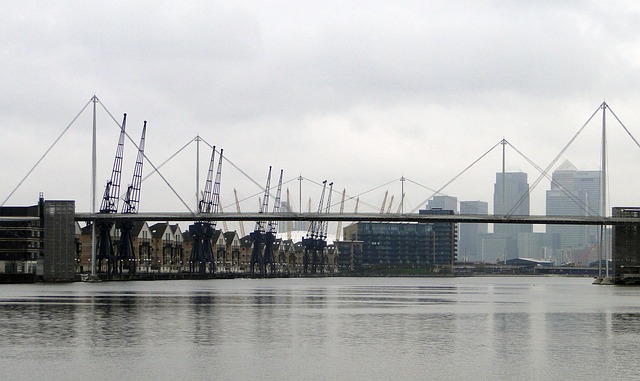
An independent expert-led commission on the future of industrial land has warned that a chronic shortage of space in London and rocketing rents for industrial premises risks damaging the city’s economy and hindering its ability to service the needs of the population.

In its report published on Thursday (27th January), the Industrial Land Commission finds that pressure on industrial land, primarily from the need to build new homes, is so great that it’s squeezing out businesses and leading to job losses. The Commission warns against the further loss of industrial land and is calling for urgent action to address London’s industrial land shortage, support businesses and protect jobs.

The Industrial Land Commission, chaired by leading property industry expert Liz Peace CBE and convened by Centre for London, raises the alarm over the loss of industrial land across London and the UK’s biggest city regions. The Commission’s final report found that over the last 20 years, London lost 24% of its industrial floorspace while Greater Manchester and the West Midlands saw theirs decrease by 20% and 19% respectively.

In London, the loss of industrial floorspace was equivalent to 840 football pitches (6 million sq m) between 2000/01 and 2020/21.The losses have been particularly acute in inner London, where more than 40% of total industrial floorspace has been converted to other uses over the same period, increasing to 62% in Hackney, 52% in Camden, Islington, and Westminster and 51% in Hammersmith and Fulham.

Much of London’s industrial space has been released to build more housing, which the Commission argues will eventually have a knock-on effect on how London functions. Unlike smaller cities in the UK, London’s size means that industrial accommodation for critical activities – such as waste removal, delivery depots and repair and maintenance activities – must be available in or near the city centre rather than just at the city fringe. And the rise of online retail and distribution centres have compounded the issue by creating fierce competition for remaining industrial space: industrial site vacancy rates dropped to just 4% in 2021, compared to 16% in 2001.

The Commission argues that London cannot afford to lose any more industrial land. Jobs in traditional industrial activities such as manufacturing, repair and warehousing are worth more than £78bn to the city’s economy, but the true figure is likely to be even higher as this excludes non-industrial activities such as most creative industries. The Commission’s report highlights that the number of jobs that rely on industrial land is actually increasing, with local employment opportunities being created at all skill levels, and the potential to host up to 12,000 new green jobs.

To address London’s industrial land shortage, the Commission proposes six solutions:

  • Champion industrial spaces and improve representation: The Commission recommends an independent and influential representative body is set up by businesses to make the case for London’s industrial spaces, inform planning policy and raise the profile of industrial activities. The Mayor of London should also appoint a powerful champion in City Hall for industrial land alongside supporting local authorities to upskill their staff working with industrial land.
  • Improve evidence about the supply and demand for industrial floorspace: London boroughs should develop more granular, up to date analysis of their industrial land and real estate companies should make market data more readily available.
  • Enhance local planning, protection and flexibility: The Mayor of London and London boroughs already have strong powers to retain industrial space through the planning system, but the losses of industrial space witnessed over recent years suggests they have not been using their powers to protect this land as much as they could have done. London boroughs urgently need to step in to ensure there is sufficient and suitable industrial accommodation on ‘their patch’.
  • Make better use of existing industrial land: The Mayor of London and London boroughs should co-invest in developments that intensify remaining industrial land such as multi-storey warehouses. National government should help incentivise intensification such as through business rates relief.
  • Make co-location work: The Mayor of London and London boroughs should subsidise developments that provide industrial floorspace in new locations where none currently exists.
  • Enhance strategic planning: The Mayor of London and City Hall’s planners should be given as much as power as possible to devise London’s land use strategy, while national government’s role in approving it should be limited in scope.

The Industrial Land Commission was established to explore how London can make the best use of limited available land to meet the varied needs of the city. The Commission met four times between March and October 2021 and was supported by a secretariat at Centre for London.

Liz Peace CBE, Chair of the Industrial Land Commission, Chairman of the Old Oak and Park Royal Development Corporation, and Chair of Trustees at Centre for London said: “London’s industrial land has long been unloved, misunderstood and often regarded as a relic of the past. Yet, and while they might not realise it, every Londoner, even those that never step onto an industrial park or into a factory, needs the services that take place in these spaces, from waste processors to mechanics, bakers to film makers.

“The demand for homes in London clearly must be satisfied but sacrificing the city’s industrial land to meet that demand is short-sighted and ignores the need for jobs for the people living in those homes and for all those vital services required in a thriving city.

“The pressure on London’s industrial land represents a potentially serious crisis for the city. That’s why the Industrial Land Commission believes that the Mayor and London boroughs must do more to protect, intensify and provide new industrial spaces, while also championing the critical functions that industrial land enables in our city.”

Interroll releases strong 2021 figures

Interroll achieved significant growth in the financial year 2021: sales increased to CHF640.1m/€616.6m (+20.6% year-on-year, +21.0% in local currencies). Order intake climbed significantly to CHF788.4m/€759.4m (+43.9% year-on-year, +44.2% in local currencies).

The result is expected to show a substantial increase compared to the previous year. Based on the positive order development in the full year 2021, the Group is cautiously optimistic about the financial year 2022.

Sales in consolidated currency reached CHF640.1m/€616.6m (+20.6% year-on-year) and exceeded the previous year by 21.0% in local currency. Compared to the first half of 2021, Interroll was again able to increase its sales momentum. In the second half of the year, a disproportionate growth in the project business in particular contributed to this.

Order intake in 2021 rose to CHF788.4m/€759.4m in consolidated currency (+43.9% year-on-year) and grew by +44.2% year-on-year in local currency. The second half of the year saw continued strong business momentum in the markets.

In terms of the result, Interroll expects an increase. According to preliminary figures, the company was also able to increase EBITDA and EBIT. Margins are slightly below the record year 2020 due to increased material prices and the strained supply chains.

“Interroll convinces with its innovative technology platform for material flow solutions. We have significantly expanded our market presence in 2021 and have started the new year with a record order backlog,” explains Ingo Steinkrüger, CEO Interroll Worldwide Group.

“We expect positive demand momentum, while at the same time we continue to closely monitor strained supply chains and rising material costs worldwide. Against this backdrop, we remain cautiously optimistic overall, but maintain our cost discipline and continue to do everything we can to further improve our delivery times for customers.”

The complete Interroll Annual Report 2021 with the final audited figures will be presented on 18th March, 2022.

Nobia appoints XPO sole UK transport provider

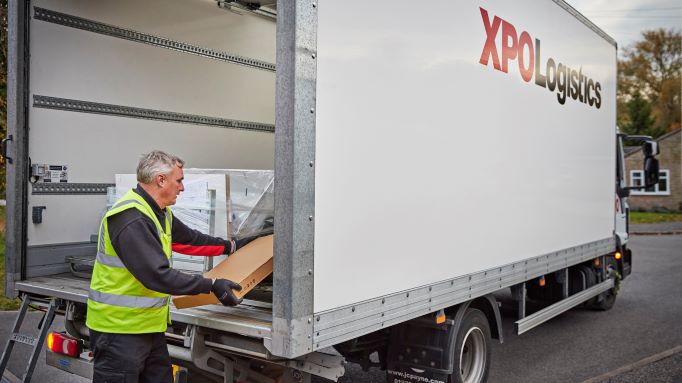
XPO Logistics, a leading provider of freight transportation services, has been awarded an exclusive contract to manage the distribution of kitchen products for all Nobia brands in the UK. Nobia AB, a leading kitchen specialist manufacturer in Europe, offers six retail brands in the UK market: Magnet, Magnet CKS, Gower, Rapide, Commodore and CIE.

Nobia and XPO began working together in 2017 when XPO won the transport contract for Gower products. It renewed the Gower agreement in 2021 and expanded the relationship with the phased transition of other brands, including Magnet and Rapide in August, Magnet CKS in December, and Commodore and CIE in January 2022. Prior to XPO, Nobia’s UK distribution was handled by a combination of in-house operations and outsourced providers.

Dan Myers, managing director – UK and Ireland, XPO Logistics, said: “Working in partnership with our customer, we have successfully brought together all the Nobia UK brands into a single operating model with significant synergies. The team is delivering a superior Nobia customer experience across the business.”

The comprehensive solution includes a dedicated fleet supplemented by additional truck capacity in peak periods, operating from Nobia manufacturing facilities and XPO operational outbases. Distribution activities are managed by XPO transport specialists in Darlington, Durham; Grays, Essex; and Halifax and Dewsbury, West Yorkshire; with real-time traceability contained on the XPO Connect digital transport platform.

Michael Speakman, Nobia UK supply chain director, said: “We are delighted that our full brand portfolio in the UK will benefit from XPO’s transport expertise, technology and scale. The transition has gone smoothly, and our network is in a strong position to serve the growing demand for our services in 2022.”

Construction consultancy expands across Europe

Privately-owned construction consultancy Lysander has announced a major expansion across five European markets as it seeks to satisfy continued demand across the industrial, logistics and commercial sectors.

New offices are now operating in Frankfurt, Madrid, Paris, Milan and Rotterdam adding to the company’s existing German presence where it opened in Berlin and Munich in 2020.

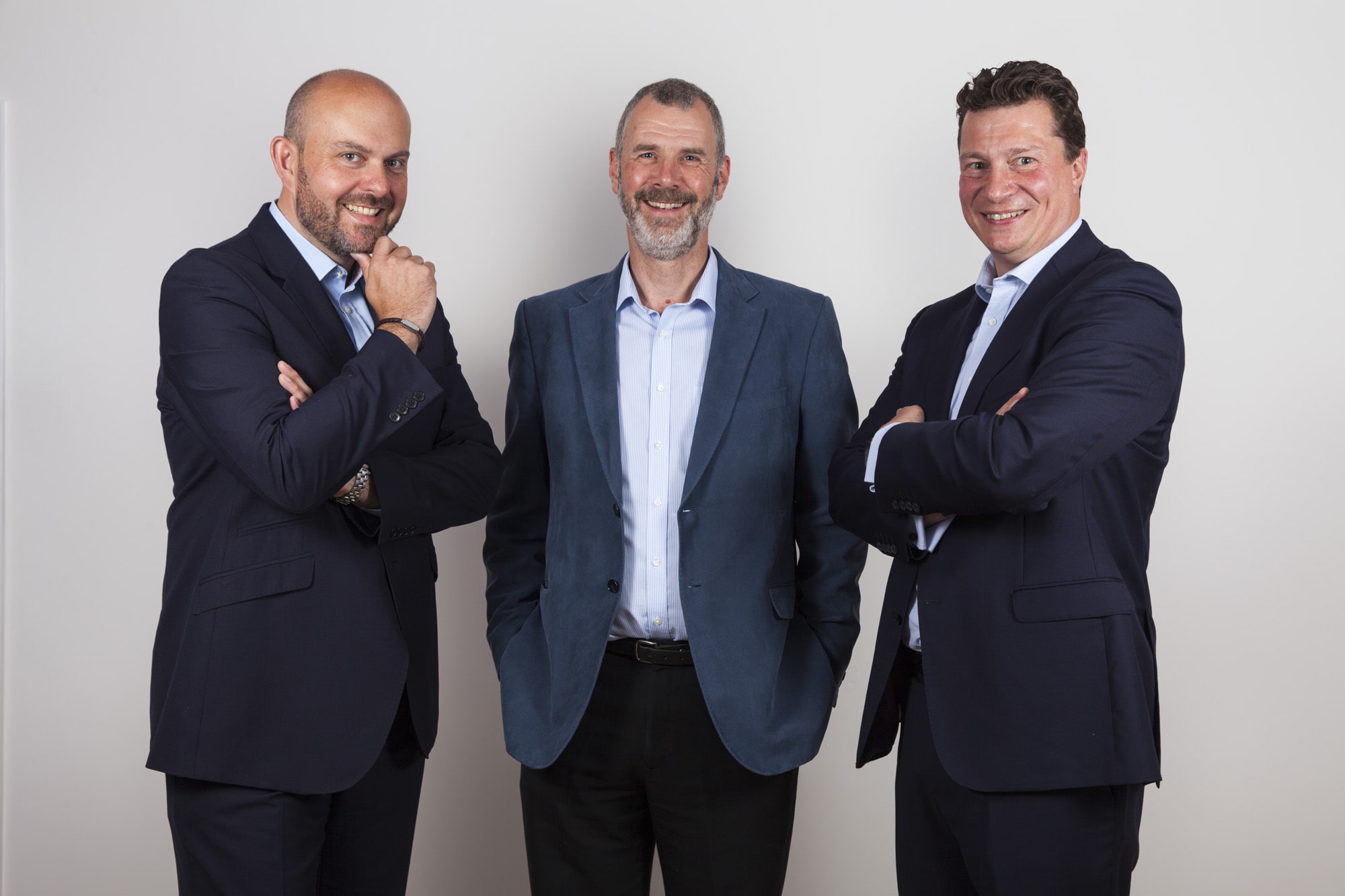
In the UK, Lysander has steadily grown its footprint to include offices in central London, Godalming, Northampton and Newcastle. The wider European expansion was a natural next step as Chairman James Duckworth (pictured, centre) explains: “Since launching 21 years ago, Lysander has grown an enviable portfolio of clients and projects across the UK, Ireland, EMEA and Asia. Client relationships have expanded and strengthened as we have grown, and it made sense to invest in the long-term potential of our existing and future relationships.

“There continues to be significant demand for experienced, commercially astute technical advisors across the industrial and logistics sectors, and we’ve already seen the positive impact that investing in the German market has made since our initial launch there two years ago. We’re delighted to be further expanding our European presence with some of the very best, most experienced leaders from across the fields of project and cost management.”

Lysander has successfully delivered complex, market-leading projects for some of the best-known developers, online retailers, automotive manufacturers, data companies, financial institutions and logistics operators in the world.  Lysander’s track record includes repeat work with clients such as Amazon, GLP, Google, Microsoft, BlackRock and Scannell Properties.

In the UK, Lysander was appointed as Project Manager on Amazon’s LCY3 facility, a four-storey, 2.3 million sq ft warehouse which boasts the largest PV roof installation in the UK.

Commenting on Lysander’s future growth, Joint Managing Directors, Tim Roles (pictured, right) and Richard May (pictured, left) said: ‘’We are very excited about the future for Lysander. We have worked hard to establish a strong understanding of our clients’ businesses, their ambitions and the challenges that they have faced, whilst they also move into new markets. We are very much aligned with them and will continue to bring our experience, pragmatism and positive attitude to their projects to ensure successful outcomes.

“It is a testament to the Lysander team that we repeatedly work with some of the most sophisticated occupiers and developers in the world. Demand for project and cost managers with a deep and extensive knowledge in the industrial and logistics markets in particular shows no sign of abating, and we will continue to be a trusted advisor to our valued clients.”

Terberg joins zero emission logistics testbed

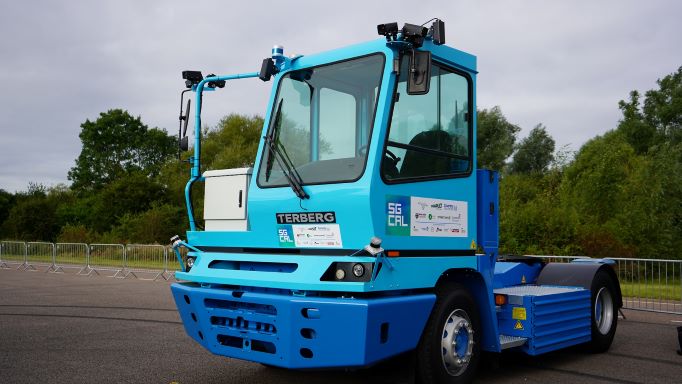
The onboarding of Terberg as a partner and the receipt of a retrofitted electric tractor unit is a huge success for 5G CAL and its mission to be the first project of its kind in the UK to deliver Zero Emission Automated Logistics.

The next step in the ambitious 5G Connected and Automated Logistics (CAL) project sees the onboarding of new project partner Terberg and next generation 5G infrastructure.

The 5G CAL project was awarded a share of £30m through 5G Create, an open competition combining British creativity with innovative new uses for 5G as part of the Department for Digital, Culture, Media and Sport’s £200m 5G Testbeds and Trials programme (5GTT).

The government is pushing ahead with its plans to unlock new economic benefits and productivity boosts from 5G while commercial rollout continues at pace. It has now funded 24 5G testbeds across the UK, which have trialled almost 70 different 5G technologies, products and applications.

The £30m package consists of £16.4m from the government match-funded by organisations ranging from large tech and telecoms companies to SMEs and local authorities.

New project partner, Terberg, is bringing a new dimension to the £4.9m 5G CAL project announced in 2020, as it provides the HGV that will be retrofitted with autonomous technology.

Driven by an ambition to be one of the first manufacturers to bring teleoperated HGVs to market, and allowing these to be controlled remotely, Terberg is all set to revolutionise the sector in the home of advanced manufacturing, Sunderland.

The Terberg YT202 (EV Model) – a fully electric yard tractor designed for moving trailers in distribution centres, transport depots and container terminals – was procured by the North East Automotive Alliance (NEAA) for the 5G CAL project. It has been retrofitted by StreetDrone with drive by wire components and myriad sensors and cameras (both standard and LiDAR).

Following further tests and a rigorous simulation study, the autonomous and teleoperation trials of the Terberg YT202 can now take place. This will involve scaling up the original trial route to incorporate numerous, typical driving challenges such as roundabouts, security gates, traffic lights, bridges and junctions – all key tests to accelerate the development of an advanced autonomous system and to help scale deployment.

Whilst recently attending Cenex, the UK’s premier low carbon vehicle event, the Sunderland’s 5G CAL project team showcased the new Terberg YT202. The fully electric drive means the vehicle is economical to operate and does not lead to emissions at the point of use, plus the electric motor is quieter and requires much less maintenance than a diesel engine.

Alisdair Couper, Managing Director at Terberg DTS UK, said: “Having the vision to look to the future and to what it may offer is allowing us to leverage the benefits that smart technology can bring to the Sunderland region and further afield. The 5G Cal project will become a measuring point for many a future development in this sector.”

Sunderland Council’s Chief Executive, Patrick Melia, said: “5G CAL’s partnership with Terberg is yet another encouraging milestone in the Sunderland Our Smart City success story and in particular, our pioneering 5G CAL project.

“We look forward to working closely with Alisdair and his team, alongside other 5G CAL project partners, to push boundaries, generate efficiencies and implement these learnings widely to benefit a wide range of businesses.”

Paul Butler, CEO of the North East Automotive Alliance, added: “This is a significant step towards an autonomous supply chain. First this will allow for such a vehicle to be teleoperated remotely, paving the way for autonomous supply chains on a much larger scale. This has huge implications across a number of sectors in addition to automotive manufacturers, creating operational efficiencies and improving productivity.”

Terberg DTS (UK) Ltd is a UK subsidiary of the Royal Terberg Group. It is the market leading supplier of specialist vehicles, equipment and support to the UK logistics, distribution, port, industrial, aviation, fire and rescue, road and rail applications. Terberg is now actively working with partners in the teleoperation space to create a production model that is enabled for teleoperation as standard.


Seismic-resistant racking for Peruvian warehouse

Productos Sancela del Perú S.A., a company belonging to Grupo Familia and a leader in care and hygiene products, is responding to market growth with the expansion of its warehouse at Punta Hermosa (Peru), where AR Racking installed adjustable pallet racking.

The storage systems specialist AR Racking equipped the 1,200 sq m warehouse extension with an adjustable pallet racking system which has created 1,200 new pallet positions that will allow Productos Sancela to improve its growing operations. The company, leader in feminine hygiene and senior and elderly care products, has since 2018 been part of the Grupo Familia, one of the most important business corporations in its sector in South America and the Caribbean.

The adjustable pallet racking designed and installed by AR Racking will provide direct and immediate access to goods, enabling fast stock rotation that will allow Productos Sancela to more quickly meet the strong increase in demand that it is experiencing.

“AR Racking’s personal advice and attention in finding the right solution has been extraordinary. With this installation we have gained in agility, efficiency and immediate performance,” explained engineer Jaime Mondragón Iriarte, Operations Manager of Productos Sancela del Perú S.A.

Also, AR Racking’s galvanised products show excellent performance in extreme environmental conditions, a key factor in the project for Productos Sancela, given the location of its warehouse very close to the sea.

“The project observed seismic factors indicated in international standards and in Peru’s National Building Standards (RNE),” added Freddy Taboada, AR Racking Sales Consultant in Peru, who also pointed out that “communication with the customer was very smooth and direct from the start, helping to ensure the successful implementation of the project”.

Based in Lima and with a finished product warehouse, AR Racking Peru has established itself as a partner of reference to meet the most demanding needs for the design and installation of industrial loading storage solutions.

CLICK HERE to watch the video


CoGri opens Saudi Arabia office

As part of its global expansion plans, CoGri Group has recently opened a new office in Saudi Arabia, adding to its existing facilities in Dubai. The new company formation allows all work in the Kingdom to be handled directly, as opposed to outsourcing it through CoGri Dubai or its partner, Osis Group, led by Nikos Marketis in Qatar, as previously was the case. Thus, Cogri can expand outside of this continuing long-term partnership with Osis in the Middle East. The newly opened office, combined with the appointment of talented staff members, brings the expected CoGri standards of excellence to KSA.

CoGri Middle East General Manager, Thomas Hanks, said: “After two years of planning (delayed due to COVID travel restrictions), we are happy to announce the opening of CoGri KSA alongside our Saudi partner. We are also delighted that within the first month, CoGri KSA has been awarded floor construction, wire guidance, and repair projects.

“On the floor construction front, we were awarded three projects totalling around 110,000 sq m. The first was for a multinational conglomerate that designs and sells ready-to-assemble furniture, kitchen appliances and home accessories, among other goods and home services in Riyadh. This is now completed.

“We immediately moved on to the next job in Riyadh for one of the largest private owners and developers of warehousing and light industrial parks in the Middle East, Africa, and Asia. This is currently underway.

“After this, we will be working in Jeddah for a 15,000 sq m freezer store project. The Saudi market remains positive, and CoGri KSA has several large projects on the horizon.”

New appointments

To maintain the high level of service both expected and delivered to Saudi Arabia, CoGri KSA has strengthened its team with the recruitment of Hisham Mahdi (pictured, left), who joined as Business Development Manager, overseeing operations in Saudi. Also, Fahad Al Wani (pictured, right), who joined as Civil Engineer.

Commenting on his new role, Mahdi said: “2021 was an excellent year for CoGri in Saudi Arabia and we look forward to building on this success in 2022. With the growing distribution and logistics industry in Saudi, there is an increasing need for CoGri’s services and we’re glad to meet this demand. Our customers understand the importance of a well-finished floor fit for purpose; with CoGri’s experienced team and international reach we are able to deliver successfully.”

Mahdi joins from a Saudi-based main contractor where he was a Business Development Manager and has had various interactions with CoGri in the past. He previously worked in the oil fields of China and Oman for an oil field service company. Mahdi has a Saudi and Irish background, spending time in both countries whilst growing up, as well as studying in Australia.

Al Wani joined CoGri KSA from a large racking supplier in Saudi, bringing along extensive knowledge and experience of working with both good- and poor-quality floors whilst installing racking systems. He, therefore, fully understands the importance of a ‘fit for purpose’ floor.

Commenting on their appointments, Hanks said: “The establishment of CoGri KSA and initial staff appointments is a long-awaited move for our Middle Eastern operations. The Saudi market is one which we feel can be seriously developed and deserves our full attention with a Saudi based establishment. Hisham and Fahad have an existing knowledge of the industry within Saudi which will act as a good starting point from which to help in the growth of CoGri KSA”.

Save the planet by looking into space

The recent COP26 summit has, despite some disappointments, highlighted the need for radical change in every area of the modern economy, supply chains not least, writes Matt Whittaker, Commercial Director at Bis Henderson Space. This need is widely accepted and being acted on in transport – electric or perhaps hydrogen powered vehicles, modal shift to rail, even low carbon deep sea shipping – but the carbon impact, and potential for improvement, of essentially static and inert warehousing and storage is less considered.

That poses a problem, especially in the UK.  It’s well recognised that the country is ‘under-warehoused’, especially given the rapid and permanent rise in eCommerce with its demands for increasingly sophisticated distribution facilities. But continuing to build ever more ‘big sheds’ is in no way sustainable, let alone carbon-neutral, on several levels.

Firstly, the UK’s construction and building industries rate really poorly in international terms for their use of concrete, steel and other energy-intensive materials – and ‘net zero carbon’ steel or cement are still largely aspirations, rather than achievable realities. New build is intrinsically bad for any carbon footprint.

There are less obvious climate change considerations. Firstly, while the local effects of climate change on agriculture are as yet unknown, they are unlikely to be positive – should we really be concreting over more farmland, in a country that hasn’t been able to feed itself for two hundred years or more? And secondly, is it wise to build ever more distribution centres, vital nodes in the economy of the nation, on increasingly vulnerable, if attractively flat, flood plains?

The need for more warehousing and storage capacity is undeniable – ironically, increased capacity may be essential to achieving other carbon and wider environmental goals, for example by enabling more energy-efficient transport and distribution networks. But need this all be new build?

We know that there is a considerable estate of unused, or under-utilised, warehousing that is potentially available, at least on a short-term or temporary basis. We also know that there are many businesses desperate to take advantage of those opportunities. How can we bring these parties together, to improve the carbon performance of supply chains without adding to the burden of new build?

Many companies are sitting on vacant or under-utilised storage space, for many reasons. They may have off-shored some of their manufacturing meaning they have a lower requirement for goods-inward storage. They may have outsourced some of their distribution to a 3PL’s network. They may have ‘legacy’ facilities from mergers or acquisitions, or they may have moved to a strategy of national or regional DCs, leaving local stock-holding points behind. Their requirements may have shrunk – leaner supply chains, or sometimes the actual product is now radically smaller. Their business model, perhaps a shift to B2C eCommerce rather than bulk sales to wholesalers or retailers, may have made space redundant.

This ‘sort of vacant’ space is in no way carbon neutral. It isn’t too easy to heat, or refrigerate, or otherwise service as just part of a warehouse.

On the other hand, there are many firms that desperately need more warehousing storage or operational space. There are temporary, one-off, requirements – perhaps a relocation while the existing warehouse is refitted. There may be unplanned events such as, a fire in the warehouse or perhaps a major product recall.

Then there are planned peak requirements. Many businesses have to build stock in anticipation of seasonal or predictable events, for example: New season fashion, Christmas, Easter, sporting tournaments, big rock tours and so on. These events may be one-off or annual and some companies scale their warehousing to accommodate those peaks. However, this inevitably means they are paying top dollar for space that, a lot of the time, isn’t really being used but for which they are still paying. This approach is wasteful, both from a financial as well as an environmental perspective.

And then there are needs that arise directly from the climate agenda. In many (not all) business model, the overall carbon footprint can be mitigated by holding more stock close to market – that implies many more storage/warehouse areas, but on a scale that doesn’t equate to a whole shed.

Many businesses may be trialling new ranges or new markets and need the facilities to support a ‘toe in the water’. And many companies are experimenting with different strategies, and balances between strategies, where they are not necessarily in a good position to commit to a long-term lease on a new build shed, even if that were desirable.

Fortunately, Bis Henderson Space exists largely to marry up these potential partners – the companies that are sitting on unrealised space assets, and the businesses that need, temporary, short-term, seasonal or experimental storage or fulfilment facilities.

Often, our ‘suppliers’ of excess space can offer a fully-serviced site where clients can tap into the existing trained staff, IT systems and so on, and we always try to spot the synergies. For our space providers, the deals we broker, which might range from a single six-month contract to a regular seasonal arrangement, can provide an unexpected source of income and volume-related operational efficiencies. For our space-hungry clients, we can source operational space that can help grow the business without climate change guilt.

It’s not realistic to suppose that our economy can be sustained without some degree of new build warehousing, but it surely makes sound environmental thinking to make the best possible use of the assets we have before we commit to ever more carbon-intensive projects.

At Bis Henderson Space we offer unique, low risk, high flexibility solutions that can continually adapt to changing business needs, including a transition to a more eco and sustainable solution.

Matt Whittaker is an experienced 3PL commercial director and logistics real estate specialist, and currently straddles two roles for Bis Henderson Group; heading up it’s the Property Services function for Bis Henderson Consulting whilst also fulfilling the role of Commercial Director for Bis Henderson Space – harnessing his intimate knowledge of the Industrial and Logistics Real Estate market to service the practical, operational and commercial strategic requirements of its customers. 

Adept at translating customer needs and business trends into innovative property solutions to deliver real value, he has the creativity, market intel and experience to lower cost, maximise value and enable growth and change plans. 

 

Webinar: How To Navigate The New Logistics Landscape

Buying habits have changed, and it’s time delivery caught up. These days, the third party you engage to drop off your products represents your company. Increasingly, we’re seeing consumers say goodbye to brands they love due to poor customer service at the last mile.

So, partnering with Honeywell, FarEye is holding a webinar entitled How to Navigate the New Logistics Landscape on 26th January at 3.00pm GMT with an expert panel who will bring you up to speed on transport and logistics in 2022. It’s free to attend, and can help you align your online and last-mile experiences.

Topics being covered include:

  • The current logistical landscape
  • Emerging transport technologies
  • How data can be leveraged to improve delivery
  • What tools you can use to enhance the last-mile experience

In 2021, eCommerce transactions increased by 30%. It’s not hard to see why – for the past two years, we’ve embraced buying everything online. Today, we expect companies to spend the same amount of investment on the back end as they do on the front. But to achieve this, their delivery must be as seamless as their website.

Up to 66% of millennials think all purchases should have a one-hour delivery option. And 55% of all consumers say that three late deliveries would prevent them from using a service provider again. The fact is, if your final stage of the customer experience is letting the side down, you’ll lose customers.

That’s why in this webinar, we’re asking industry heavyweights to comment on the challenges of transport and logistics right now. They’ll provide answers like leveraging big data, data science and data analytics to refine the delivery process.

The panel includes speakers from Honeywell and FarEye, all helping us to solve problems such as customer expectations, driver retention and poor asset utilisation.

You can watch them, and host John Bradshaw, Vertical Marketing Manager at Honeywell, set the new world to rights by following THIS LINK to sign up for free.

Attendees can ask questions and use the information provided to kick-start their ambitions for 2022. What’s more, you’ll be able to counter the change in customer expectations, and gain the tools to exceed them. Sign up today and tap into the insights of industry leaders.

FarEye is a low-code, Intelligent Delivery Management Platform, enabling enterprises to orchestrate, track, and optimise their logistics operations. FarEye’s native SaaS products provide real time visibility across transportation networks and logistics orchestration for the execution of deliveries across the first, mid and last mile.

CLICK HERE  to register for the free webinar – How To Navigate The New Logistics Landscape

Subscribe

Get notified about New Episodes of our Podcast, New Magazine Issues and stay updated with our Weekly Newsletter.