STILL Supports ‘No Day Without Logistics’ Initiative

Forklift and warehouse vehicle maker STILL has released a statement about its support for the ‘No Day Without Logistics’ campaign. We reproduce it here in full:


System relevance: it’s been one of the most-used words in recent weeks. Professions, sectors and activities were classified depending on whether they are indispensable to supply the population. It has been shown in the past three months that logistics in all its facets is system-relevant – as a fundamental engine of the supply chain. Making its design yet more efficient and more crisis-proof in the future demands reliable service and quick solutions such as offers of rented trucks and automation solutions.

STILL supports the campaign ‘No Day Without Logistics’ to acknowledge the work of all those who have ensured that foodstuffs, medicines, PPE and much more have reliably and quickly reached the points where they are needed every day, especially in recent weeks. The WIRTSCHAFTSMACHER initiative shows, vividly and emotionally, the diversity of the areas in which logistics is applied, and the enormous dedication of those who work in it – in times of crisis and beyond them.

No Day Without Logistics: STILL trucks in operation
Large numbers of STILL trucks are also operating in a wide variety of sectors all over the world to support customers in their system-relevant activities – from disinfectant production to the transport of large donations of food. In Mainz University Clinic, for example, STILL LiftRunner tugger trains guarantee that around 4,500 meals for inpatients are distributed on time. At Viracopos Airport in Brazil, STILL trucks ensured the quick, efficient loading of half a million COVID-19 tests. In Hungary, STILL rented trucks made available free of charge supported the national emergency service. And even now, around 100 STILL industrial trucks are in use to deliver supplies to 500 organic supermarkets of the Italian company EcorNaturaSì.

STILL as a dependable partner in system-relevant areas
In their work, STILL customers rely on the high efficiency, performance and low maintenance requirements of STILL trucks. And deservedly so: STILL has maintained its service even during the Corona period, and has carried out service and maintenance work with all the necessary protective precautions and in accordance with the respective customers’ specifications, thus making an important contribution to guaranteeing smooth logistics operations. The STILL customer service department constantly works for customers to prevent downtimes. Moreover, together with customers, the STILL neXXt fleet digital fleet management application also contributes towards maintaining an overview of their fleets, using them in an optimum way, and being able to plan service measures, at all times and from any location.

Automation solutions are gaining ground
Since the great importance of high-efficiency logistics has become apparent once again in recent weeks, the topic of the future viability of logistics is high on the agenda for many companies. As Thomas A. Fischer, Managing Director for Sales, Marketing and Service (CSO) of STILL GmbH explains: “We are currently receiving large numbers of enquiries from customers who want to design their logistics to be even more crisis-proof, more efficient and more employee-friendly. There is a particular focus on automation concepts in this respect.” Because the subject of automation represents an extremely productive solution to optimise intralogistics processes with great economic efficiency. Moreover, physical stresses on employees can be reduced and inefficient processes minimised, e.g. by using the autonomously driving OPX iGo neo order picker, which can increase goods handling performance in central warehouses, while reducing stresses on the employees at the same time.

STILL is one of the pioneers in automated intralogistics. We have already implemented automation solutions in customers’ operations based on supplying comprehensive advice. Together with customers, the provision of advice is decisive to analyse the potential for automation of their existing storage and production logistics, to define a sensible level of automation, and to develop the basis for an automation concept.

Fronius Energy Hub Allows Flexible Outdoor Battery Charging

Battery manufacturer Fronius is launching the Fronius Energy Hub, a flexible and mobile charging station for outdoor applications. The hub gives operators of electric forklift trucks a quick and easy way to move the charging of their traction batteries outside, saving valuable space in the warehouse and simultaneously improving safety.

Unexpected capacity bottlenecks, a growing need for space in the warehouse and safety and fire prevention requirements are just some of the reasons why logistics managers opt to move their charging infrastructure outside, says the manufacturer. Charging areas and stations for electric forklifts take up a lot of space and there are also cases where charging traction batteries in confined spaces is prohibited for insurance reasons or there are strict requirements for the operation of lead acid and lithium-ion batteries. The challenge is finding a practical way to protect both batteries and chargers outside of the building from the weather and extreme temperatures, whilst also ensuring they are easily accessible for the forklifts.

“This mobile outdoor charging station is supplied ready-for-use and can be easily set up anywhere,” explains Ewald Berger, Head of Project Business at Perfect Charging. “From the customer’s perspective, all they need is some free space and a power connection. We take care of everything else.” Thanks to the reinforced base, even heavy 80-Volt batteries can be put down safely. On request, the Fronius Energy Hub can also be combined with a Fronius photovoltaic system and inverters in order to further reduce the energy costs.

The Fronius Energy Hub is fitted with standard-compliant ventilation ex works. This circulates several hundred cubic metres of air per hour. Thanks to the system’s air heat exchanger, the warm air can remain in the container. “We therefore ensure energy-efficient ventilation as well as ideal temperatures for charging the traction batteries,” explains Berger.

Safe charging of lithium-ion batteries
The Fronius Energy Hub complies with the charging station regulations EN 62485 and meets the requirements for approval by the Deutsches Institut für Bautechnik (DIBT). It can also be ordered with a REI 90 fire rating for particular fire prevention requirements. Furthermore, it features numerous smart functions, for example its exhaust air and monitoring sensor technology which automatically switches off the charging system if the hydrogen concentration gets too high, which can lead to the development of oxyhydrogen.

Rapid identification of the coolest battery even outdoors
The optional LED strip on the outside of the container clearly indicates the state of charge of each battery and therefore guides the employee intuitively to the battery that has been fully charged the longest and has already cooled down. “This means that the forklift truck driver can quickly and easily identify which battery to choose even with the doors closed,” explains Berger. “This optimises the utilisation of the entire battery pool and, combined with the Fronius Ri charging process, extends the service life of the batteries by up to 15 percent.”

The Fronius Energy Hub is available in various sizes and can be configured according to the customer’s requirements. “This ensures we offer our customers the best solution with the greatest added value,” Berger concludes. Forklift truck operators benefit from considerably more space in their warehouses, which they can use for value-adding activities. In addition, the flexible outdoor charging station is a clever alternative for meeting the strict requirements for charging infrastructure in terms of minimum distances, ventilation and fire prevention. The Fronius Energy Hub therefore has an important contribution to make in terms of making intralogistics charging processes even more efficient and sustainable.

Case Study: STAMH Mobile Racking System for Frozen Food Maker

Sofia-based intralogistics specialist STAMH has provided a mobile racking system at Bitola, North Macedonia for CERMAT, one of the leading producers of ice cream and frozen food in the Balkans.

STAMH’s challenge was to expand storage capacity for the producer, combining it with an engineering solution for refrigerated warehouses.

STAMH also had to provide a working solution for additional structures in the warehouse, requiring access to the cooling systems. Given the high cost of maintenance of such conditions in a warehouse, the main business goal of the client was therefore to maximize the use of storage space.

The solution from STAMH was as follows: the design, engineering and construction of a Mobile Racking System, specially designed for refrigerated warehouses, operating at low -25 °C temperatures, with a total capacity of 6,197 pallets. The Mobile Racking System had to be implemented in four independently-functioning refrigerated warehouses. STAMH engineered and installed 20 mobile bases.

Because access to the cooling systems was needed, the solution was designed especially to simplify all service and maintenance works in the warehouse. STAMH engineers therefore designed a special platform, installed on static racks.

The Mobile Racking System was constructed with a back wiring system. To protect the mobile bases, the rails and the on-shelf products, STAMH installed additional nets at the base of the racks.

Other features of the project included additional systems and options to perform fast picking operations in the warehouse; semi-automatic separation of the working corridor, in several smaller corridors, for better ventilation at night; automatic lighting, for faster and better working in the working corridor of the Mobile Racking System in each one of the four refrigerated warehouses.

Software modules for remote diagnostics of the Mobile Racking System were also included.

The period of implementation of the whole project was two months, with one month for system installation and implementation.

STAMH engineers say that Mobile Racking Systems may be the best solution when seeking optimal use of available space in a warehouse to include time-optimization of all intralogistics processes. The company can provide a range of software and picking solutions.


CHEP in ‘Share and Reuse’ Circular Economy Push

FMCG and retail supply chain specialist CHEP says it now prides itself on being a reference model for the circular economy, as its business model is based on sharing and reusing their pallets throughout the supply chain. “In an ever-changing environment like today’s, where pallet availability is key to keep the supply chain moving, non-returned or destroyed pallets can have a very negative impact on the whole supply chain and ultimately on the end consumer,” it says.

To help CHEP maximise the benefit of its pooling solutions for the European industry and protect its pallets and other equipment, the company appointed Dominika Nosačková as Senior Manager, Regional Legal Counsel, and Susana Marquez, Asset Protection Manager Europe, bringing additional retail loss prevention experience from the European retail and second-hand goods trading industry. Both Dominika and Susana are joining a large team of Asset Protection and legal experts – all focused on working to protect the share and reuse economy by minimising losses.

The non-return, trading or destruction of pallets in order to use the raw material for a new purpose may appear to be of little importance – or even a good thing – but as CHEP’s pallets are part of a share and reuse model, any pallets that are stolen or destroyed undermine the positive impact that this circular model has on the whole industry.

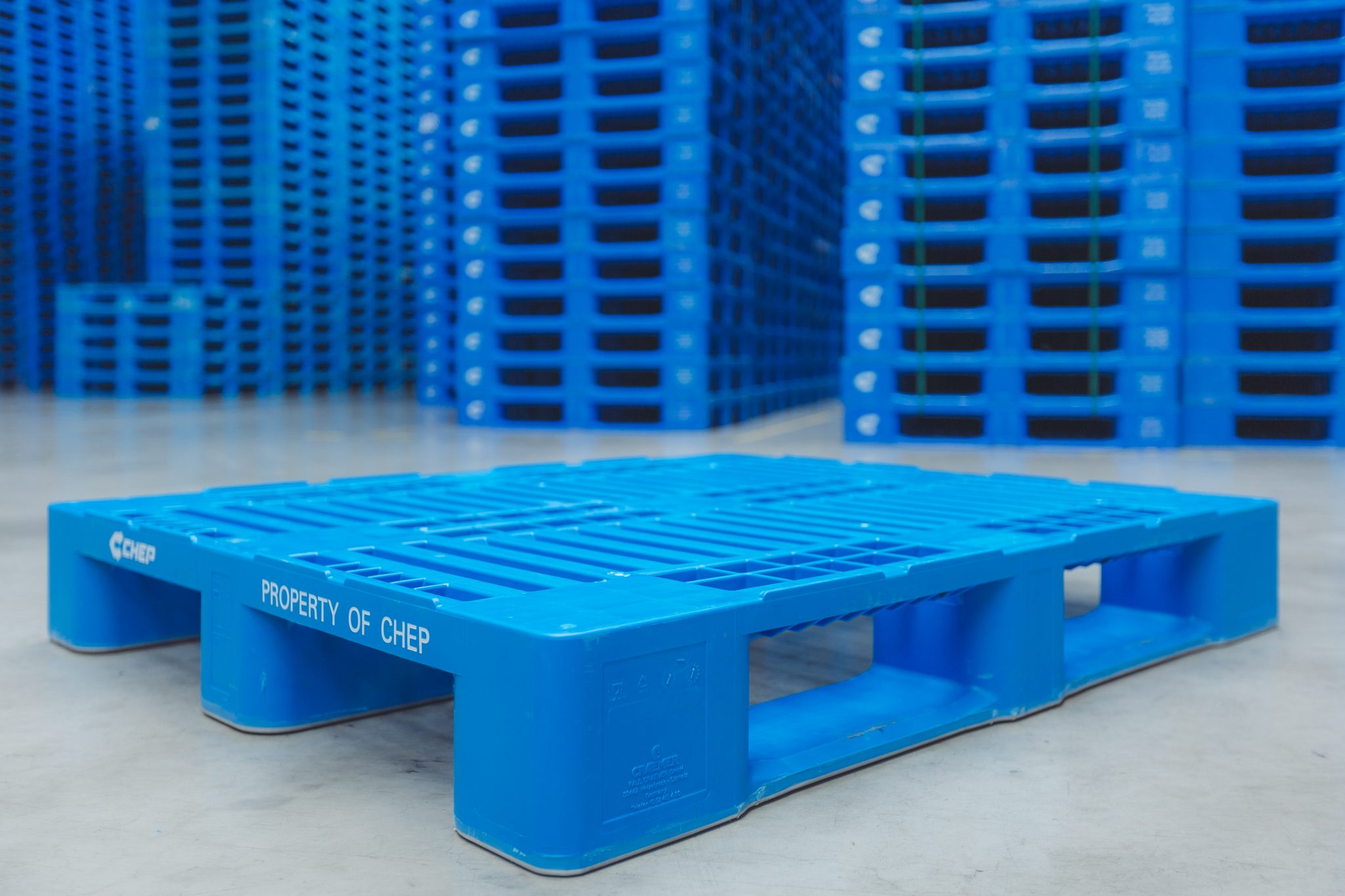
CHEP’s trademark blue pallets, which are the same colour all over the world where they operate, are legally owned by CHEP and never sold to any third party. CHEP’s business model requires that this equipment is returned to the company so that it can be checked, cleansed, refurbished and then reused by other customers. Non-returning of CHEP pallets is therefore a legal infringement that can lead to legal action to recover those pallets.

John Riley, Director, Asset Productivity, CHEP Europe: “As pioneers of the circular economy, we are proud to be recognised by Barrons as the most sustainable company globally. We are passionate about protecting our pallets, and other assets, so that they can fulfil our customers’ needs.”

“During recent months CHEP has proven to be an essential service that has supported the supply of food, beverage and other basic goods into the supermarkets. Protecting our assets has never been so important. Unreturned CHEP pallets not only have a negative impact on the environment, but they also add costs to producers, retailers and ultimately the end consumers.”

Dan Berry, Vice President, Regional General Counsel, Europe added: “We have incredibly strong legal grounds to seek recovery of our pallets, and are using every option available to us, including the criminal legal system, to make sure that we get those pallets back and use the full force of the law to deter anyone from abusing our ownership rights in the future.”

CHEP’s pallets are easy to spot thanks to their distinctive blue colour and the fact that their name, trademark and legal title messages are printed on each pallet as well. Moreover, the collection of CHEP pallets is easy to arrange and is free. CHEP takes care of it and has made this service easy to access via a public contact page

Thermo King and BPW Announce Collaboration

Thermo King and BPW announced today the collaboration of both companies to develop a new economical and ecological refrigerated trailer solution.

Thermo King and BPW combined their research and development expertise to transform the way refrigerated trailers are powered. Since autumn 2019, both companies have worked together to create a sustainable power solution for refrigerated trailers that will not only be environmentally friendly but also bring transport companies substantial cost savings.

Today, both companies reached a significant junction and are convinced that continued progress will soon deliver to market a reliable and efficient solution making zero-emission trailer transport refrigeration a reality. The partnership will be communicating major developmental milestones over the coming months with a sneak-preview later this year.

“For decades, Thermo King has considered it our responsibility to lead the refrigerated transport industry and always deliver solutions that our customers expect from us,” said Francesco Incalza, president of Thermo King Europe, Middle East and Africa. “We’re leaders in electrification, we have the largest range of zero and low-emissions solutions in all segments of the market. Our customers value us for our commitment to the continuous advancement of the industry. The partnership with BPW perfectly reflects this approach and brings us closer to meeting our 2030 sustainability goals and combatting exhaust, CO2 and noise pollutions in our industry.”

Thore Bakker, General Manager Trailer Solutions & Mobility Services at BPW, adds: “In times of climate change, new traffic regulations in urban areas, the transport industry is more than ever challenged to find new ways of doing business economically and ecologically. Together with Thermo King, BPW is addressing the urgent problems of refrigerated transport, whose refrigeration units are still powered by a separate diesel engine today. By combining our competences as technology leaders for freight transport solutions we can make temperature control systems more environmentally friendly through new energy concepts in the trailer. This will also have a positive implication to the Total Cost of Ownership of the freight forwarder along the transportation supply chain.”

Thermo King and BPW consistently invest in developing and evolving technology for sustainable transport efficiency that demonstrate how climate and customer cost benefits are inextricably linked with modern transport technologies.

Thermo King is a strategic brand of Trane Technologies – a pure-play climate innovation company that challenges what is possible for a sustainable future through heating, cooling and transport refrigeration solutions. The collaboration with BPW aligns with Trane Technologies’ 2030 sustainability aspirations, and the commitment to reduce customers’ carbon emissions by one gigaton – equivalent to the annual emissions of Italy, France and the United Kingdom combined.

BPW has been committed to climate protection for many years and employs an integrated innovation strategy to achieve sustainable gains in product efficiency for the climate, the environment, people and nature. The company is documenting its progress in line with the benchmarks of the UN Global Compact – a global initiative for responsible corporate governance that it has supported since 2016. BPW is also guided by the UN’s 17 Sustainable Development Goals.

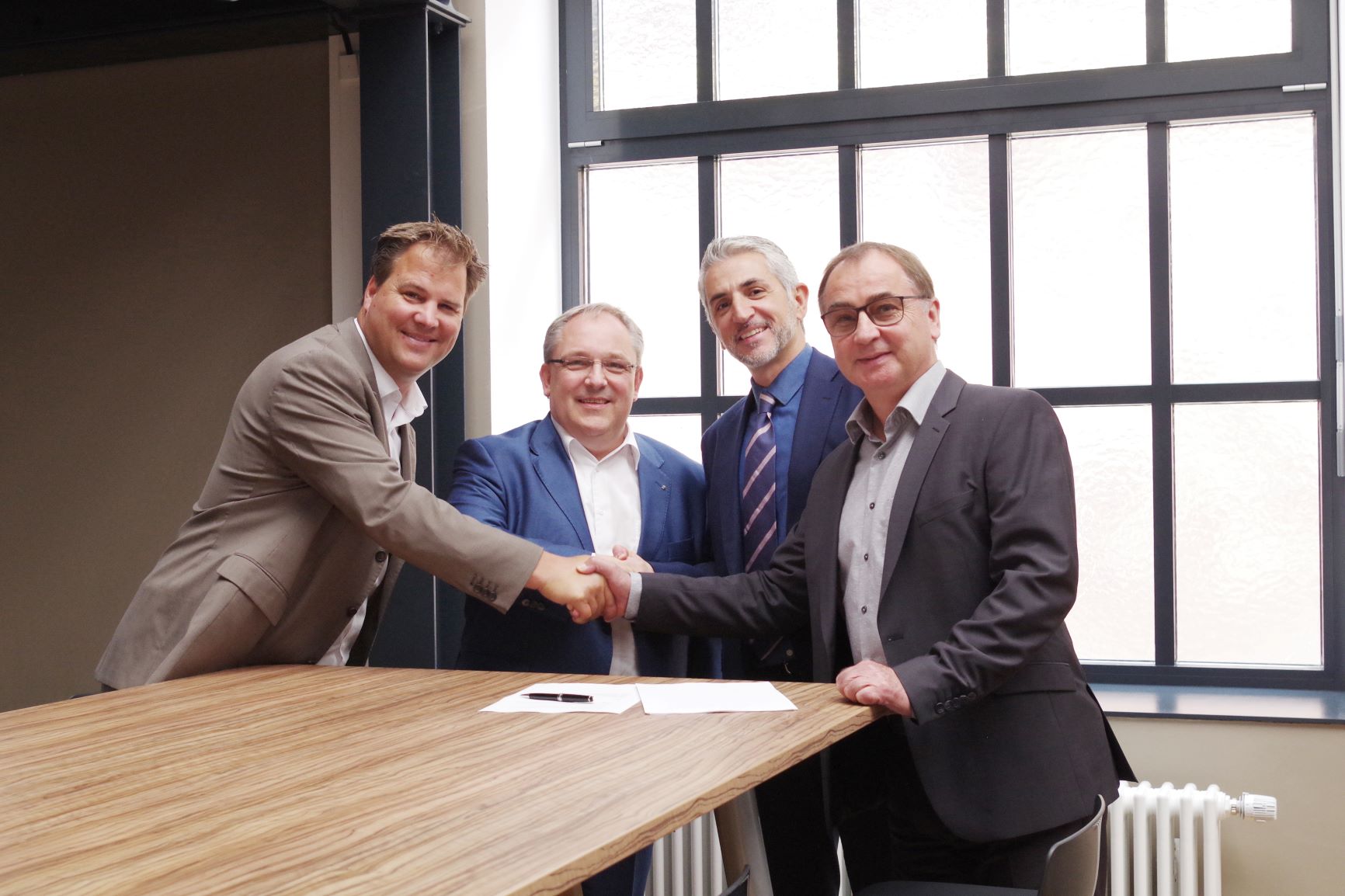
(From left to right): Thore Bakker (BPW), Dr. Markus Kliffken (BPW), Francesco Incalza (Thermo King), Bernd Lipp (Thermo King). The photo was taken before COVID-19 pandemic.

Nail Care Products Specialist Establishes UK Logistics Hub

Poland-based nail care specialist Indigo Nails has appointed Walker Logistics to undertake fulfilment of orders for its range of nail care and home spa cosmetics products to its growing client base in the UK. The decision to establish a storage and distribution hub in the UK will allow Indigo Nails to cut order delivery times and improve supply chain cost efficiency.

Walker’s extensive experience in the cosmetics sector and understanding of the regulations that must be met when storing ‘dangerous goods’ were important factors in Indigo Nails’ decision to select the Berkshire-based company as its logistics partner.

“Nail polish is classified as ‘dangerous goods’ and many of our administrative and operational staff are trained in dangerous goods compliance,” says William Walker, sales director of Walker Logistics.

Walker will receive incoming orders at their 250,000 sq ft multi-user storage facility and pick, pack and despatch both replenishment stock to Indigo Nails’ retail stockists and fulfil online orders directly to consumers.

William Walker added: “Setting up a logistics operation in the UK is part of Indigo Nails’ growth strategy. Being geographically closer to the market means fulfilling orders for the UK will be quicker and cheaper than operating from a site in mainland Europe, which, in turn, will drive future growth. We are looking forward to working with Indigo Nails and helping the company meet its development targets in the months ahead.”

sennder and Everoad Merge in Bid to Build Europe’s Largest Digital Road Freight Platform

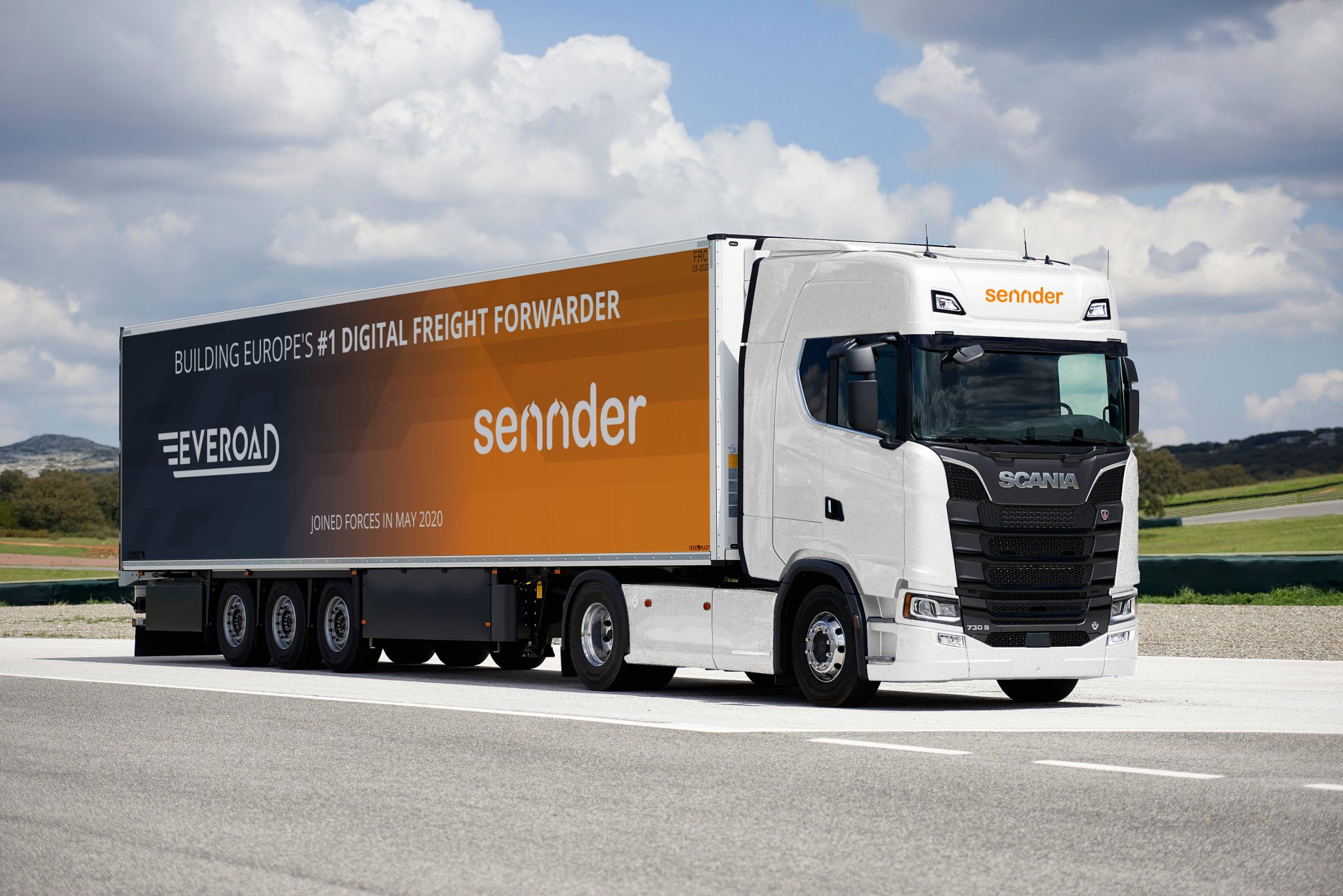
Road transport digitalisation specialist sennder has merged with French freight tech company Everoad. The strategic alliance is described as “the foundation to build Europe’s largest digital road freight forwarding platform to facilitate the relationship between shippers and carriers”. Their proprietary technology connects large enterprise companies with small trucking firms and will “ultimately improve the image of freight logistics by reducing its environmental impact and set the agenda for a sustainable industry”.

Since its foundation in 2015, sennder has striven to revolutionise the world of freight transport in Europe. By joining the ranks with its French counterpart, Everoad, they will further expand their geographic growth journey with local presences across all major logistics and transport hubs.

With offices across six countries, Europe’s two largest digital freight forwarders, lead the way in digital logistics and transportation completing over 35,000 loads per month. sennder and newly formed ‘Everoad by sennder’ now have a 350 people strong team and an extensive network of 10,000 carrier partners and large enterprise customers. Since founding, Berlin-based sennder and ‘Everoad by sennder’ have raised over EUR 120m from leading investors including Accel and Lakestar to consolidate the trucking market.

With the road freight market valued at nearly EUR 400bn in Europe, sennder and “Everoad by sennder” aim to achieve revenues of EUR 1 billion by 2024. To reach this ambitious target, the two freight logistics specialists will pool their technology and know-how to optimize all the stages of the supply chain. Their digital solution, which is aimed at both carriers and shippers, reduces inefficiencies in the shipping process and allows both reduced costs for shippers and increased revenue for carriers.

Trucks represent 6% of the European Union’s total CO2 emissions. Digital freight forwarders will therefore have a strategic role in reducing carbon emissions in the sector, starting with the reduction of ‘empty miles’ (20% of the kilometres travelled). To meet this challenge, sennder and ‘Everoad by sennder’ will harness technologies – algorithms based on machine learning – to optimize capacity allocation and continue to offer greener services, as well as carbon offsetting with strategic partners to carriers and shippers.


Brussels Airport Opens Ultramodern Animal Care Centre

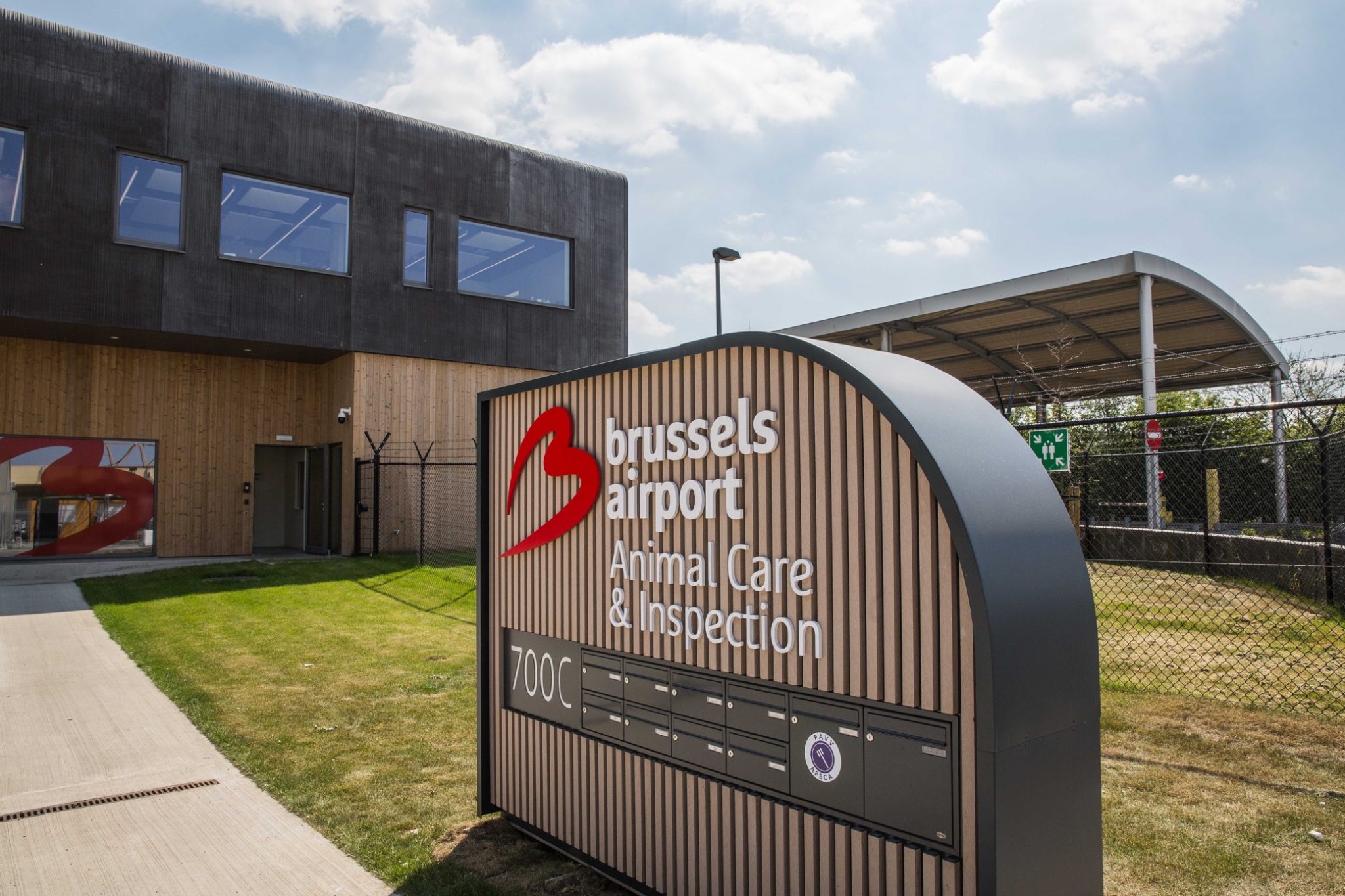
In order to offer the best possible service in the field of animal transport, Brussels Airport has invested in a brand-new ultramodern Animal Care & Inspection Centre. There, animals can be housed and checked in the most comfortable surroundings before they continue their journey. With this new centre, Brussels Airport wants to set the standard on a European level and ensure that considerable attention is paid to the comfort of these special passengers. The temperature, the type of light and the air circulation in each area can be precisely adjusted thanks to a unique innovative system that has been developed specifically for this centre. The Animal Care & Inspection Centre has been taken into use on the 1ste of June.

Each year, Brussels Airport has thousands of animals among its many passengers. These include pets, police dogs, reptiles and horses, but also a rare visit by a panda. In order to offer the best possible service in the field of animal transport, Brussels Airport has invested in a brand-new new Care & Inspection Centre, in the cargo area of Brussels Airport.

“We consider the comfort of all our passengers important, including that of the animals that travel via the airport. That is why we have, in consultation with the competent authorities, with experts and with our customers, developed this ultramodern Animal Care & Inspection Centre. An animal centre that sets a new standard on a European level in the area of welfare and provides the best possible workplace for the personnel. With this we ensure that the animals among our passengers are also housed in the very best conditions. A service we are pleased to offer to our customers”, explains Arnaud Feist, CEO of Brussels Airport.

The Animal Care & Inspection Centre includes the new border inspection centre for the Federal Agency for Food Safety, which must check any live animal being imported in order to guarantee public health. Brussels Airport has provided, in collaboration with them, all necessary facilities in order to perform the border controls, according to the highest European standards. The employees of the Agency for Food Safety will have offices on the first floor of this new building so that the work can be performed even more efficiently.

Press Office: Brussels Airport Company – Corporate Communications – Tel. + 32 2 753 53 53 Ihsane Chioua Lekhli : Spokesperson & Media Relations Manager: ih******************@*************rt.be Nathalie Pierard, Spokesperson & Media Relations Manager: na**************@*************rt.be me***@*************rt.be – www.brusselsairport.be
Light, air and temperature adjusted to each animal

When designing this Animal Care & Inspection Center, Brussels Airport went in search of ways of creating the best possible conditions for housing the animals. By streamlining the processes, the throughput time will be short, but the animals that have to stay somewhat longer will be housed in optimum conditions.

There is daylight in each animal accommodation in order not to disturb the biological clock of animals passing through. In addition, Brussels Airport is the first to have developed a unique central system which adjusts the light colour, the temperature and the ventilation for each area in line with the specific needs of each type of animal. In 10 animal accommodations, a menu including categories such as birds, reptiles, fish and ruminants, can be used to create, quickly and efficiently, the ideal climate in the one where the animal is housed.

The import and export sides in the building are completely separated from each other, also for the ventilation. In this way, no contamination is possible. The animal accommodations are flexible and can be used by both small and large animal species. On the import side, there are 4 inspection rooms (1 for horses, 2 multifunctional area and 1 cool room for insects), 7 centrally controlled animal accommodations and 10 horse stables. For export, there is no mandatory control. On that side, 4 multi-functional treatment rooms are provided and 3 centrally controlled accommodations. Outside there is also a green area for four footers who need it, whereby import and export are strictly separated.

The additional health measures required by the current corona crisis are, of course, also fully observed. The necessary precautionary measures will be applied so that the animals passing through our airport at the moment are housed in all safety.

Brussels Airport has also aimed to make this building as sustainable as possible. It is fitted with heat transfer pumps, solar panels, a green roof and a rain water recovery system.

The Animal Care & Inspection Center will be operated by dnata and has been taken into use on the 1st of June.

Trucking CDM platform Claims to Reduce Waiting Hours

As the air logistics industry struggles back to resume its vital role, a new Dutch-based digital platform is promising to improve transparency and predictability in the trucking sector.

CargoHub’s collaborative decision making (CDM) trucking platform offers transparency, predictability and a slot allocation planning mechanism to streamline the loading and unloading process between trucking companies and handling agents. Handling agents can allocate timeslots and door numbers and anticipate on real time ETA update times from trucking companies’ drivers, thus ensuring optimum efficiency and avoid long delays.

Raoul Paul (above), CEO and founder of CargoHub’s Trucking CDM platform explains the thinking:

“The main advantage of the CDM platform is to share relevant data and information between all stakeholders involved in the truck movement enabling them to make the best decisions to avoid delays. This is especially important as it allows the handlers to allocate slots and for trucking companies to manage their drivers’ movement schedules efficiently and thus eliminate unnecessary waiting. This also gives the airlines accurate information for informing their customers about the progress of any individual shipment. Even after loading, by using the platform, the handling agent can continue to track the shipment in real-time, whereas normally the agent loses control of the goods once they leave the warehouse. The data can be shared to international airports and handlers thus helping to predict and track the complete cargo progress accurately.”

Congestion at large airports has become a major cause of delays, increasing pollution and cost. Paul explains. “This problem of congestion on the forecourt is frequently discussed, one possibility being of not allowing trucks to enter the handling agent’s site before registration and approval has been completed. The message that the cargo is ready for loading and the assigned door number, can be received by drivers via the CDM platform. Not only does this improve the fluidity on the site, but the truck driver can follow instructions without the intervention of the company’s management.”

The project has been launched initially in the Netherlands with a view to expanding it throughout Europe and beyond. Participating pilot partners are AirBridge Cargo, Menzies world Cargo, Swissport, dnata, Jan de Rijk, Fast Forward Freight supported by the Air Cargo Netherlands.

Kärcher Offers Tips to Provide a Safe and Hygienic Workplace

While most of the nation’s workforce has been compelled to work from home or pause working altogether, Kärcher, renowned German manufacturer of professional cleaning products, is helping organisations to prepare a safe and hygienic workplace through a series of specially prepared online resources and virtual training available to all.

It has never been more important to ensure a clean and safe environment for both employees and customers. Expert in effective cleaning, Kärcher recognises that different working environments require different cleaning regimes and equipment and its newly launched online cleaning resource reflects this. Available at https://www.kaercher.com/uk/professional/protect-your-people.html it comprises a useful guide, cleaning tips and checklists pertinent to multiple workplace areas.

Many businesses will have purchased new cleaning equipment or increased the head count in cleaning teams to optimise hygiene processes, both routes necessitating training. Kärcher’s new virtual training resource answers this need from a safe distance through a series of online training videos, as well as live customer consultations for those requiring more tailored instruction. Filmed at the Kärcher Academy, using Kärcher Professional machines, these training assets provide direct access to cleaning experts.

In these video tools, Kärcher explains how offices are vulnerable to dirt build-up on everyday touch points such as desks, keyboards and telephones. These are critical areas for contamination and need to be hygienically clean. Cleaning with water & detergent is an effective way to remove impurities, dust and dirt, followed by disinfection to destroy pathogenic micro-organisms and leave surfaces hygienically clean. Cleaning teams must also use personal protective equipment (PPE) – disposable gloves and aprons are a minimum standard.

It goes on to give specific advice on shared kitchens for employees as a number one priority, to prevent contamination and transmission of germs and bacteria. Ensure pipes have been thoroughly flushed through so the tap water is safe, as water that’s been left sitting in pipes for a long period of time could have accumulated chemicals and harmful organisms such as Legionnaire’s Disease. Deep cleaning and sanitising all kitchen utensils like forks, knives and spoons at 60oC or above will kill most germs and bacteria. Kärcher has a broad machine, accessory and detergent range to help achieve high hygiene standards.

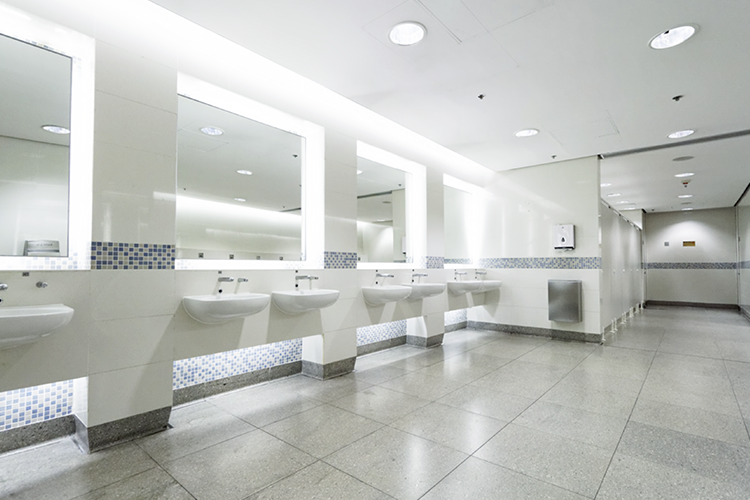
In the last few weeks, Karcher has seen a surge in demand for steam cleaners. In particular for public bathroom facilities, a breeding ground for germs and bacteria, which make exemplary hygiene standards crucial. For hard-to-reach, high-risk touchpoints like sinks, taps and soap dispensers a Professional Steam Cleaner is ideal to disinfect without cloths and chemicals. Steam-cleaning ensures these areas are germ-free.

Steam-cleaning is also well-suited to general public areas if you want to avoid chemicals, and it easily reaches the nooks and crannies that can be difficult to reach with a cloth. High footfall public areas, like reception and the canteen, must be kept hygienic to ensure a safe working environment, combining everyday maintenance cleaning with deep cleaning methods.

Subscribe

Get notified about New Episodes of our Podcast, New Magazine Issues and stay updated with our Weekly Newsletter.