Camso RES 550 Magnum and Hauler LT Tyres Beat Competition

Camso’s Solideal RES 550 Magnum series (above) and Hauler LT tyres have proven to offer double the tyre life when compared to competition tyres at a client location in New Zealand. The client, an equipment dealer working in the automotive and metal production industry, was seeking a solution that offers maximal tyre life and the lowest operating cost solution.

Premature wear due to high intensity application

Clark Equipment New Zealand, based out of Auckland, had been dealing with a competitor’s tyre solution for many years. Their Omega 16T forklifts, which carts four 3-ton steel rolled barrels at a time, were fitted with foam-filled tyres on the drive positions and resilients on the steer positions.

INDUSTRY Heavy industry, Automotive, Metal production
APPLICATION Manufacturing / industries
ENVIRONMENT Outdoor
SURFACE CONDITIONS Uneven, tar sealant, with smooth area’s in-between

After six months of operations, the tyres started to fail: they showed premature wear and were starting to peel and break apart. Main causes of damage to the tyres were the severe conditions on the site and operator behaviour. Needless to say the customer was not very pleased with this outcome.

Finding a solution to resolve wear issues

Clark Equipment New Zealand approached Camso and asked them to assist with the tyre issues. The Camso experts inspected all the machines and suggested to fit the forklifts with foam-filled Solideal Hauler LT Pneumatics on the drive positions and with a set of resilient Solideal RES 550 Magnum on the steer positions.

After a year of operations, the Camso tyres are still running and the customer is pleased with the results: in addition to reducing downtime, they were able to reduce costs of operations. At the time of the inspection, the drive tyres still looked in great condition and the steer tyres are doing well under the severe conditions they are operating in.

Results of the field test demonstrate that the Solideal RES 550 Magnum series and Hauler LT tyres deliver on Camso’s commitment to providing customers with the lowest operating cost solution for their applications.

Prologis Launches Europe-Wide Initiative to Reduce “Whole-Life Carbon Emissions”

Prologis says it is the first industrial property company to introduce a Europe-wide initiative to measure and reduce whole-life carbon emissions in all its new logistics buildings.

Launched on World Environment Day (5th June 2020) and designed to support the United Nation’s Decade of Action* campaign, Prologis will extend its 12-year UK partnership with climate change charity Cool Earth, and sustainability certification company The Planet Mark. The aim is to raise sustainability standards across the European industrial property sector and drive meaningful change through social empowerment.

From June 2020, Prologis will work with climate change charity, Cool Earth, to fund the protection of rainforest to mitigate the equivalent of unavoidable carbon emissions in its new buildings across Europe. The programme will help Cool Earth to protect an area of rainforest 31 times larger than the area of each building. This draws on the results of detailed Carbon Life Cycle Assessments to ensure that every development achieves a net environmental benefit, targeting carbon savings that are 5 times greater than the embodied carbon footprint of each building.

Partnering with the charity Cool Earth will allow Prologis to demonstrate a robust, science-based approach to the mitigation of climate change. through the protection of rainforest. This has also been shown to have extensive benefits for society, culture and biodiversity.

Whilst the protection of rainforest communities might at first seem far removed from European logistics real estate, the company says that we all must play our part in keeping rainforest standing. As the planet’s global safety net, supporting local people to protect rainforest is the smartest, most positive climate action there is, it says. Rainforest trees lock in a quarter of the world’s carbon emissions and generate moisture, which travels around the world, and accounts for a fifth of the planet’s fresh water. Rainforests also protect over six million species of plants and animals (with many still undiscovered), forming an essential ecosystem which is essential to our survival.

Simon Cox, UK head of sustainability for Prologis in the UK explained why the company is pleased to be extending its commitment to environmental stewardship, social responsibility, and governance (ESG) in this way:

“Prologis has a long-standing and enduring commitment to ESG, and we strive to go above and beyond industry standards in terms of sustainability. ‘Embodied carbon’ – which is the carbon emitted during the construction of a new building – can be reduced through good design, but it cannot be eliminated altogether. Developers should be thinking about ways to mitigate these emissions by actively protecting the environment and supporting the development of sustainable communities.

“By working with Cool Earth, we can support people who live in the rainforest to protect trees that we rely on globally to store carbon, produce fresh water, and shield diverse species of plants and animals. We make the donation to Cool Earth at the outset of each project precisely because the rainforest is so fragile, and we want to support the preservation of this ecosystem as soon as possible.”

Over the past 12 years, through its partnership with Cool Earth and The Planet Mark, Prologis’ buildings in the UK have been helping to protect 12,500 acres of rainforest in Peru and Papua New Guinea, going beyond ‘net-zero’ in terms of embodied carbon. Prologis is helping rainforest communities to lock in 3.5 million tonnes of carbon dioxide by protecting 3.2 million trees mitigating an estimated 600,000 tonnes of carbon dioxide emissions. As part of this partnership, the company has also educated 7,500 pupils at schools close to its logistics parks through sustainability workshops. Delivered by The Eden Project, these workshops are offered free of charge to local schools and aim to help children understand the important role they can all play in protecting the planet.

AutoGuide AMRs Now Available For European Warehouses

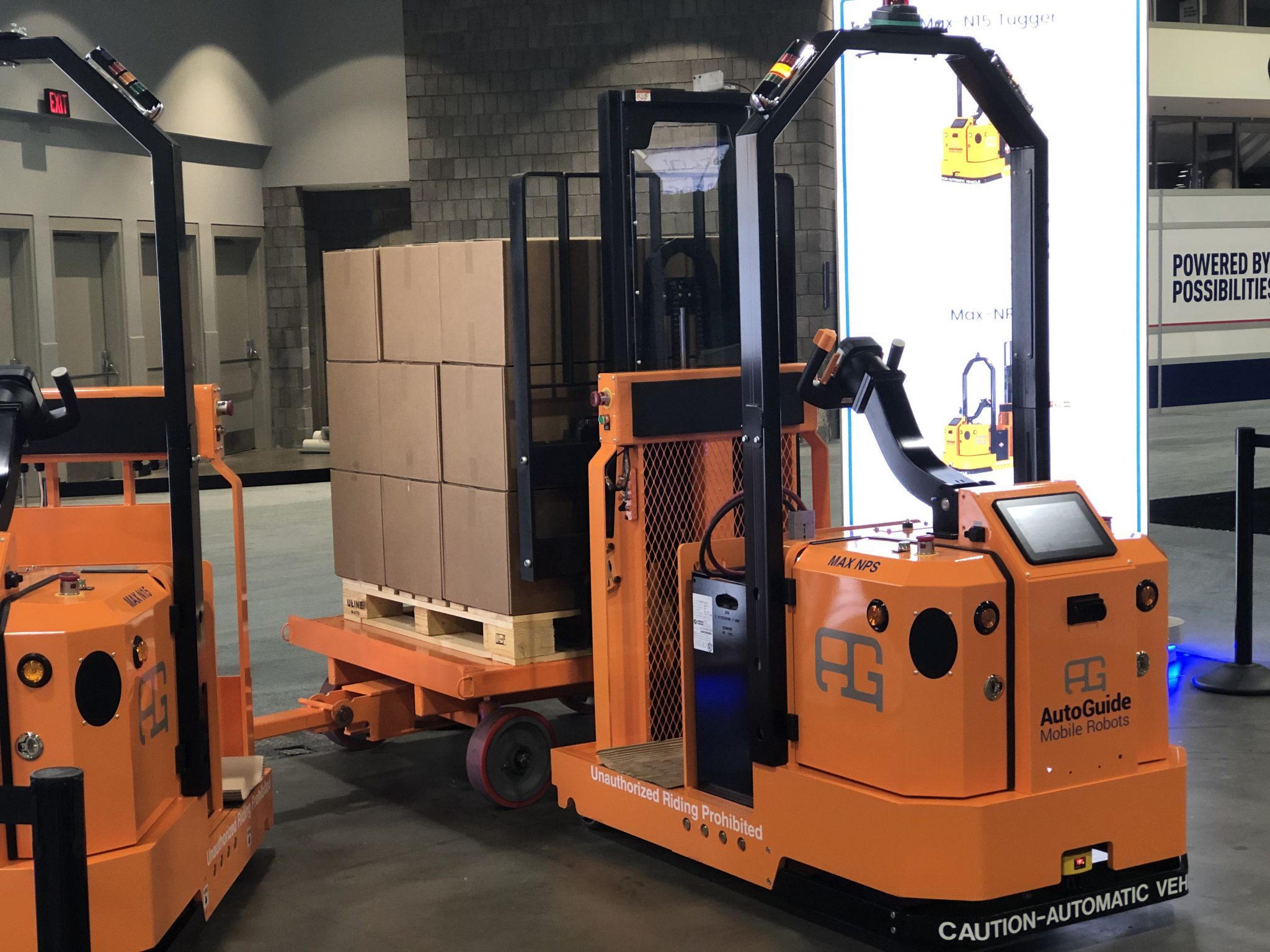
AutoGuide Mobile Robots, which provides high-payload autonomous mobile robots (AMR) systems for transporting material through manufacturing and warehouse facilities, says that its Max-N tuggers are now available in Europe after achieving CE mark approval. CE marking indicates that the Max-N10 and Max-N15 AMR tuggers—capable of pulling more than 4500 kg and 6800 kg of materials, respectively—now adhere to the European Union’s directives and standards for health, safety and environmental protection. AutoGuide’s Max-NPS pallet stacker achieved CE marking in April.

“With our autonomous Max-N15 and Max-N10 tuggers, manufacturers and warehouse managers throughout Europe can gain the same advantages as companies in North America, safely and easily moving heavy pallets of products wherever needed while letting human workers focus on more valuable tasks,” said Jan Nicolay, AutoGuide’s European sales director. “Now that both the Max-N tuggers and our pallet stacker attachment are CE marked, companies in Europe can transform our configurable robots from tuggers to pallet stackers—and back again—to accommodate ever-changing work environment and needs.”

AutoGuide created the configurable AMR systems by combining and redesigning traditional material handling systems into a common base with modular attachments that offer the most economical capital efficiencies for customers. The attachments connect to the company’s common high-payload AMR platforms that are easy to deploy and programme, and designed to improve safety, reduce costs and increase efficiency for a wide range of manufacturing, warehouse and e-commerce material handling operations. The robots are guided by the AutoGuide SurePath fleet-management software, which provides an easy means to specify routes, coordinate autonomous lifting and transport of pallets and manage AMR traffic to optimize customers’ material transport.

Zumbühl to Step Down as Interroll CEO

Interroll CEO Paul Zumbühl (above) is to step down from the role in April next year and is likely to become chairman of the Swiss conveying roller specialist. Urs Tanner is also to step down as Chairman of the Board of Directors at the end of his term of office with Zumbühl proposed to replace him.

In the more than 20 years under Zumbühl’s  leadership, Interroll has evolved into a leading global provider of material flow solutions. The company said in a statement: “In addition to necessary restructuring in the initial phase of his tenure, Zumbühl has been very successful in systematically driving forward the expansion of Interroll by extending the technology platform and strengthening the company’s global presence with new start-ups and acquisitions. Under his leadership, sales, profitability and market capitalization increased many times over. Building on a solid foundation, Interroll now plans to invest up to CHF 150 million between 2020 and 2022 with focus on the long-term expansion of its global production network and in new technologies. In this way, the company is laying the basis for further strategic growth and strengthening its global market position for the years to come. Investments will be made in the further digitalization of technology and product platforms as well as in business processes and capacity expansion on all three continents.”

No replacement for Mr Zumbühl has yet been named. Urs Tanner will remain on the Board of Directors for another year (until May 2022) as Lead Independent Director.

“Interroll’s success over two decades is closely linked to the performance of Paul Zumbühl. We are therefore delighted that he is making his many years of unique expertise available during this handover phase, which is so important for the future of Interroll, and beyond,” said Urs Tanner. “We are convinced that our proposal sets the right course for the achievement of long-term corporate goals in the interests of all stakeholders. Stable management and continuity are crucial to the future success of Interroll.“

Coveya Launches Conveyor Sanitiser Unit for Cartons and Boxes

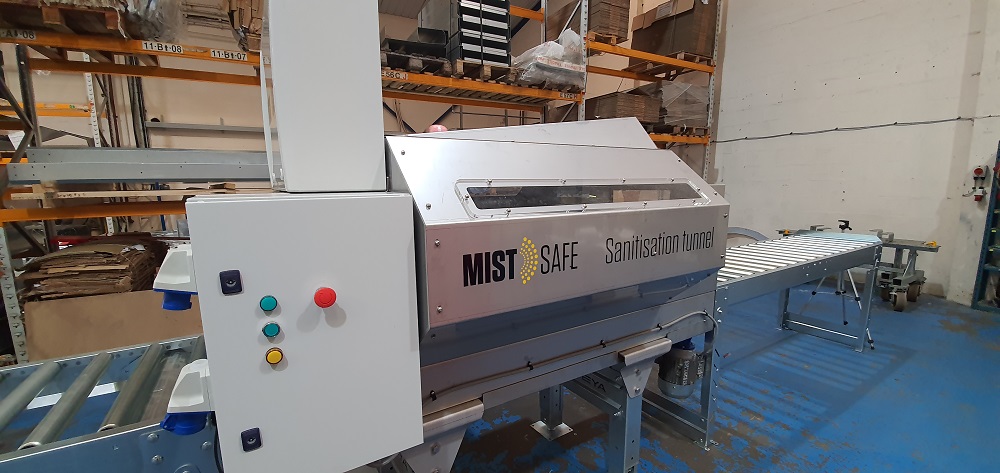
Bristol based Coveya Ltd specialises in the design, manufacture and supply of conveyor systems & parts, working with customers throughout the UK and worldwide. In response to the current COVID-19 crisis, it has created Mist-Safe, a sanitiser unit that can fit over a gravity roller conveyor, which uses mist disinfectant to make cardboard boxes and cartons safe to use.

It follows the launch of COV-Screen, a freestanding or countertop protection screen product.

The company claims Mist-Safe can sanitise up to 60 cartons per minute using four mist spray nozzles and a sensor which ensures that mist is only released if a carton is passing through the housing unit. The mist is controlled without the need for any intervention.

It has been designed with food and healthcare distribution centres in mind that want to ensure delivery cartons are safe, whilst reassuring their customers of their own commitment to mitigating the spread of COVID-19 however, many other businesses can take advantage of this unique product which is being manufactured at Coveya’s site.


Barcode Reader Promises High-Speed Character Recognition 

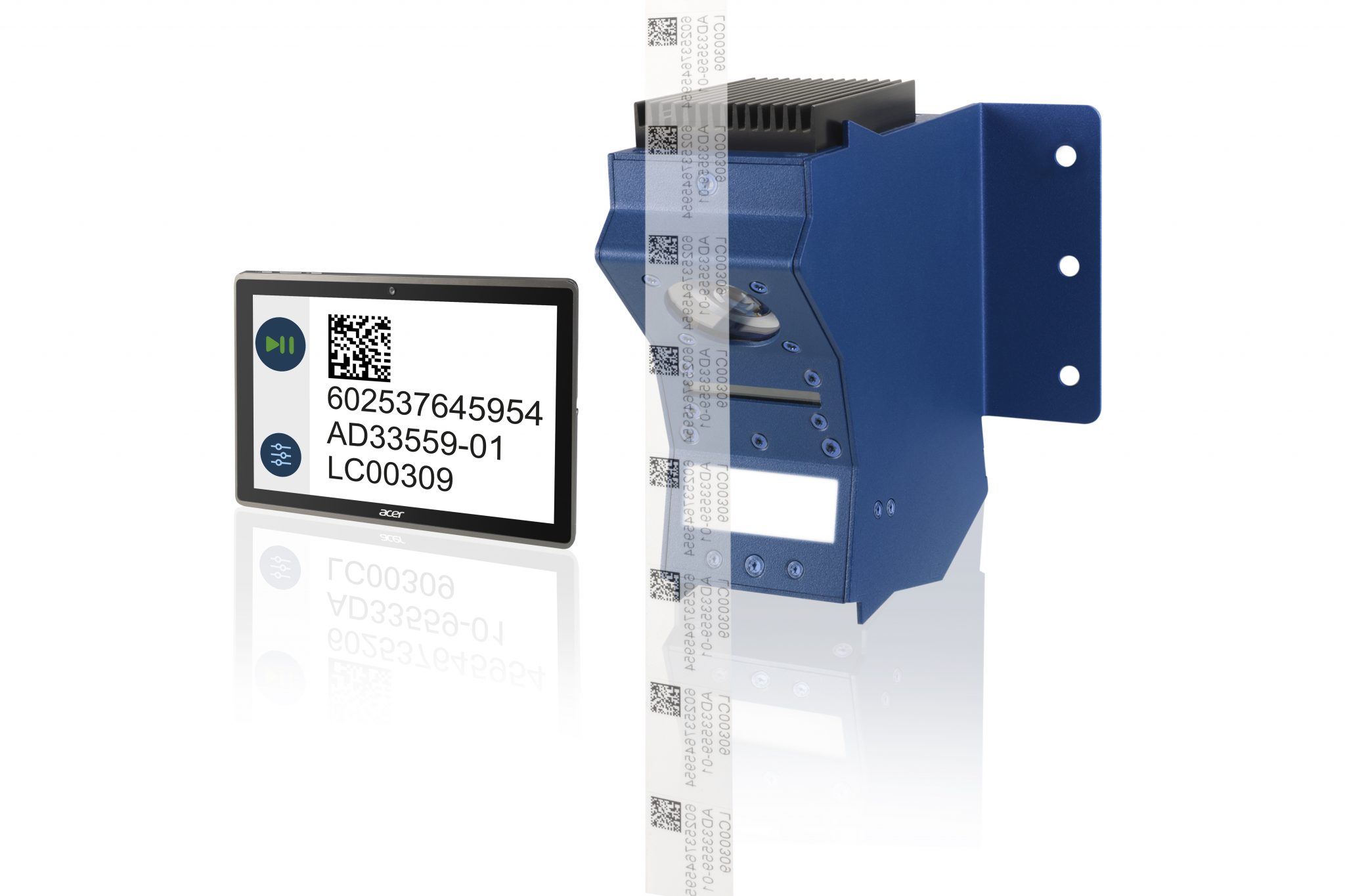
Time is a crucial factor in the traceability and quality assurance of products and labels in real-time. At the same time, the demands on the character recognition systems used are increasing: they should be able to read (OCR) text, numbers, code, or even better, logos and graphics and verify them (OCV). And preferably all at the same time.

IMAGO’s FastCodeReader is specialised for high process speeds of up to u 800m/min. and works reliably and with high reading rates even at high conveyor speeds. The integrated line scan camera with narrow and long images is optimised for the requirements of long and single-line code lines on packaging, foils, and packages (image size e.g. 300 x 500 pixels). The FastCodeReader is suitable for multiple tasks: It reads (OCR) numbers, letters, and characters and codes of any font, such as serial, batch, product numbers, best before date, or entire address files. It also evaluates the quality, correctness, and compliance with the specifications (OCV) of, for example, barcodes or QR codes. The capabilities of the FastCode Reader go far beyond the features of an OCR/OCV reader by reading and verifying logos and graphics. The intelligence of the integrated VisionCam even allows identifying different data e.g. code, text, and logos at the same time.

Industry View: What Next for the Big Sheds Sector?

With the Covid-19 pandemic forcing many companies to increase stock levels and reshape supply chains, as well as driving an ever-greater reliance on on-line shopping, leading property consultancy Gent Visick believes there are interesting times ahead for the logistics sector and big shed market. Director Andrew Gent, explains.

Imagine it being Christmas every week? This has been the situation which the supermarkets and on-line retailers have faced since the onset of the Covid-19 lockdown. The level of demand for certain products had simply overwhelmed their existing supply chains. The advantage of Christmas is that it is a single fixed date for which retailers can build their stock levels and gear up their distribution operations, the lockdown exposed the weaknesses inherent in supply chains which have been designed to maximise efficiencies and cut costs.

Many retailers have taken additional short-term warehouse space to increase their stockholding and have re-geared to find alternate suppliers and with China now back on-line the situation is easing, although it has taken some unusual steps to get there.

The temporary relaxation of the competition rules in the food retail sector has seen some pooling of resources, warehousing, vehicles and staff to enable the retailers to once more fill the shelves and avoid further panic buying.
The Government have announced that, subject to observing the new social distancing guidelines, all shops can re-open on the 15th of June. However, will there be a mass return to the high street, or will people’s concerns continue to drive the expansion of the on-line retail sector?

Food retailers have already noted a return to the ‘weekly shop’ with customers seeking to limit their exposure and it is still difficult to secure an online shopping slot. For hundreds of alternate goods online shopping has become a way of life. Whilst the high street re-opens, it may be some time before the public have the confidence to return in numbers. With those that can still working from home, the convenience of home delivery may continue to outweigh the perceived risk of going out.

The response to date has been a flurry of short-term large warehouse acquisitions and increased demand for smaller space, suitable for additional home delivery hubs. There has also been a race for open storage land close to the main ports as the flow of containers returns to pre-Covid levels, but with retail outlets closed there is somewhat of a logjam at the moment.

Looking to the mid-term, should demand for online shopping continue at the current rate, there will be further demand for some 14 million square feet of additional warehousing space across the country. With limited standing stock and existing pressure on the supply of employment land, this should help to maintain current rental and capital values.

With supply chains adapting to carry more stock, manufactures looking to re-shore elements of production and diversifying production to avoid being too reliant upon a single market, we would again expect to see demand for additional warehouse space as we move on from the lockdown.

However, all this does rather depend on the overall economic position and household confidence to maintain sales and demand for goods. With several large companies already announcing significant numbers of redundancies and a number of smaller companies, particularly in the hotel and leisure sector failing, the level of unemployment will grow. Inevitably this will impact upon consumer confidence which will lead to reduced demand for goods and services.

That said, the changing shifts in supply chains, evolving patterns of consumer shopping, a nervousness to return to the high street allied to home working and the convenience of home delivery, will create future demand for additional stockholding warehouses and home delivery hubs. All of this certainly bodes well for the logistics sector.

BA Systèmes to Replace Entire AGV Fleet for Frozen Food Producer Hesbaye

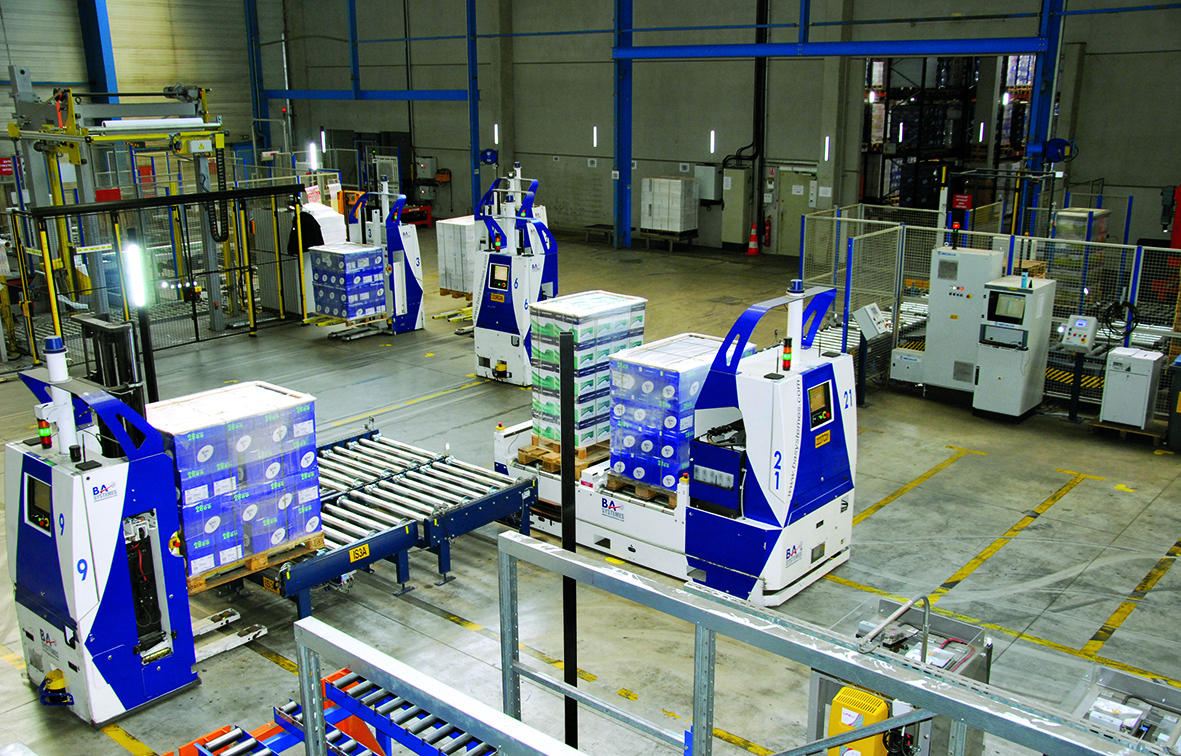
Frozen food producer Hesbaye Frost has commissioned BA Systèmes to replace its entire AGV installation, which has been in operation since 2000 in its site in Geer, Belgium. As part of the project, BA Systèmes will proceed to the equipment replacement and to the supervision software environment upgrading to achieve higher performance on this site operating in a deep-frozen environment.

Hesbaye Frost is a company in high-quality frozen vegetables, pasta and rice world market. Every year, 300 employees produce around 150,000 tons of products that are picked, frozen and packaged. Hesbaye Frost distributes its products to its customers throughout Europe, but also in Japan, in the United States and in Israel, whether they are industries, local authorities or even large-scale retailers.

To increase the productivity of its Geer site, Hesbaye Frost wanted to renew its AGV system, which has been in operation for almost 20 years.

An AGV solution adapted to freezer environments
Operating in a negative temperature of -22°, the AGVs ensure the semi-finished and finished products transfer between the different areas of the factory: end of production lines, storage, packaging and shipping area.

The new AGV fleet, composed of 10 CM2 (motorized conveyor type AGVs of new generation, which can carry simultaneously two loads of 1400 Kg) will cover the same logistic functions as before but will reach higher expected rates. As production runs in Hesbaye Frost in 3 shifts and in 24/7, the declared objective was to reduce as much as possible line infeed and outfeed times and to provide a more efficient overall system in particular by saving forklift drivers to do long distances.

These AGVs benefit from proven industrial equipment. For example, safety sensors, adapted laser sensors and specific energy management enable them to operate efficiently in freezing temperatures. BA Systèmes had already developed in 2000 an intelligent energy management system to ensure the automatic change of AGV batteries while complying with the cold chain and product preservation constraints. Indeed, a tailor-made fork stacker crane ensures the change of batteries between the refrigerated space and the positive cold space where the batteries are charged and stored. This device ensures that the AGVs do not undergo temperature changes that could alter the normal operation of the equipment. This automatic battery changing system will be maintained and kept operational with the new AGV system after a necessary software retrofit.

A new version of AGV Manager supervision software system will also enable Hesbaye Frost to gain in flexibility and performance. For example, new functions will enable real-time analysis of the performance of the flows covered by the AGVs.

The new BA Systèmes’ AGV solution will be commissioned by the end of March 2021 during a partial shutdown planned annually for traditional maintenance operations.

A 20-year collaboration
BA Systèmes has been working with Hesbaye Frost since the 2000s, first in the automation and then in the maintenance of their AGV installation in Geer.

At that time, it was a very innovative and rather complex installation of about ten AGVs associated with the control of a mobile palletizer and a WMS for the stock management of raw and packaged goods. Over the years, BA Systèmes has been able to adapt its solution to the site and to internal processes evolutions and to make it evolve while maintaining the global performances of the system.

In addition to the reliability of the solution, these capabilities in terms of support and flexibility have convinced Hesbaye Frost to renew its confidence in BA Systèmes.

André Leclercq, Investments and Energy Manager at Hesbaye-Frost, confirms: “Distance will not be a problem was and remains the reassuring slogan that Hesbaye-Frost wanted to see extended in terms of the quality of services that are expected.”


Kaye Launches Cold Chain Monitoring Via Smartphone

Process measurement specialist Kaye has launched KayeLog, which aims to advance the cold chain market with a wireless and affordable temperature monitoring on a tiny device.

NFC – Near Field Communication allows contactless communication between devices like smart phones or other NFC enabled devices. Without any technical installation – with one swipe, from anywhere in the world it is now possible to instantly read, send stored data to the KayeTrack Cloud and receive alerts by e-mail/SMS.

The Kaye Log NFC Data Logger enables full temperature traceability during the transport of temperature, or temperature/humidity sensitive products.

Upon arrival of the package, a product specific Go/No Go LED immediately indicates if the cold chain has been breached. The whole temperature/humidity history can then be directly accessed from any smartphone equipped with the NFC technology, along with GPS location and shipping information.

Kaye Log has optional extended probes for the measurement of packaging pulp temperatures – or highly accurate Relative Humidity sensors for moisture sensitive products.

Loading Bay Specialist Continues Ops with Safe Practice Methods

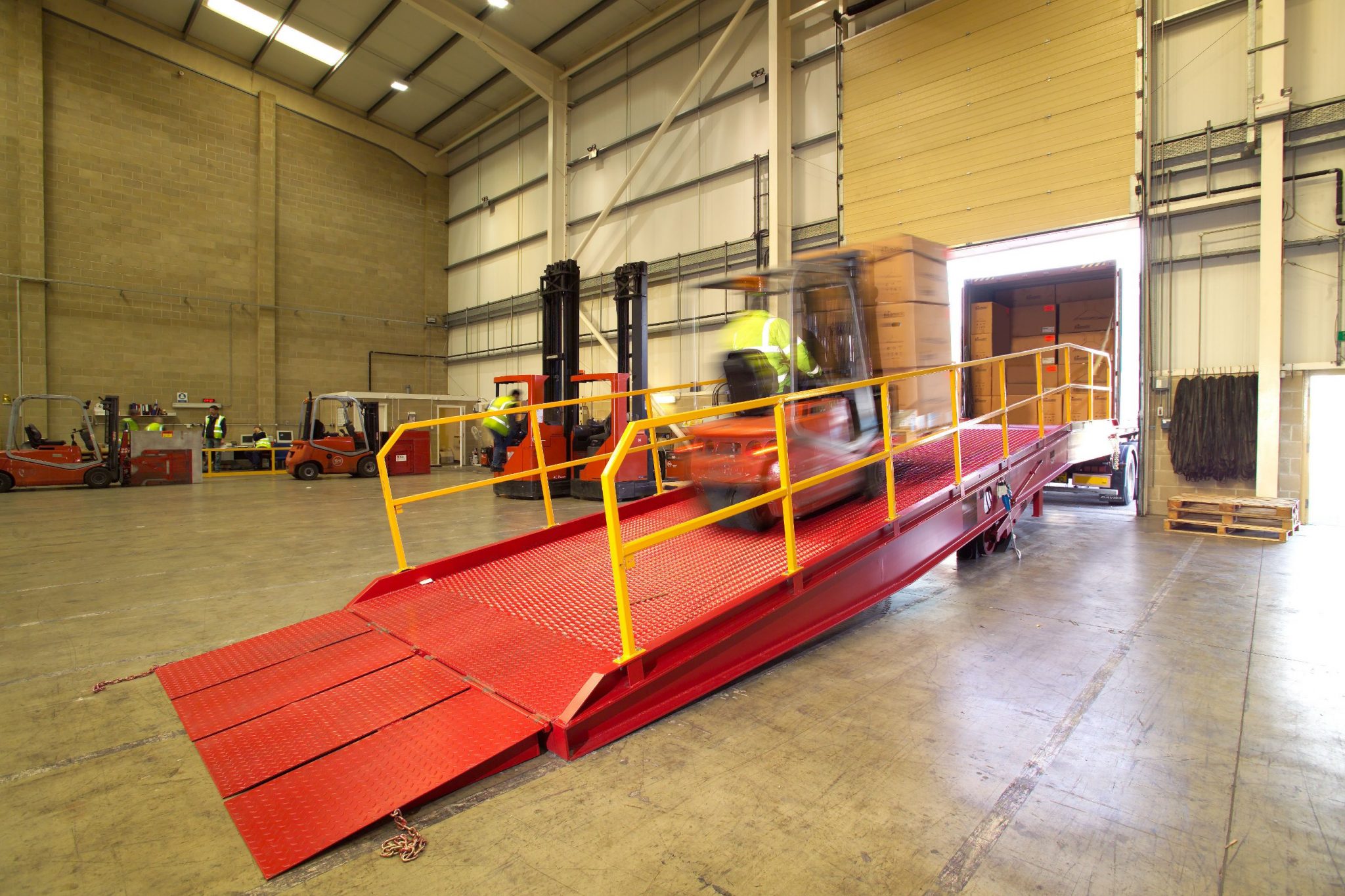
Loading bay solution specialist Thorworld Industries has devised safe practice methods to continue operations during the COVID-19 pandemic, it says. By adopting a ‘complete compliance’ operational approach regarding social distancing and safe working systems at its Derbyshire factory, the manufacturer has been able to continue supplying emergency loading apparatus to hospital environments where COVID-19 patients are being treated.

Although factory operations may have been functioning at a reduced capacity, the Thorworld team has successfully fulfilled key and essential loading equipment orders, including apparatus required within extremely short lead times.
Equipment, including standard Ground Level Container Ramps, has been distributed – ideal for allowing access into standard shipping containers via forklift trucks. Bespoke variations of the ramps have also been supplied to support fridge containers with higher internal floors and drainage channels.

Working compliantly, the Thorworld team has in many cases, been able to fulfil ‘next day’ order placement, helping to support frontline operations and offer solutions to distribution and delivery enterprises.


Subscribe

Get notified about New Episodes of our Podcast, New Magazine Issues and stay updated with our Weekly Newsletter.