Brexit Pallet Delay Warning

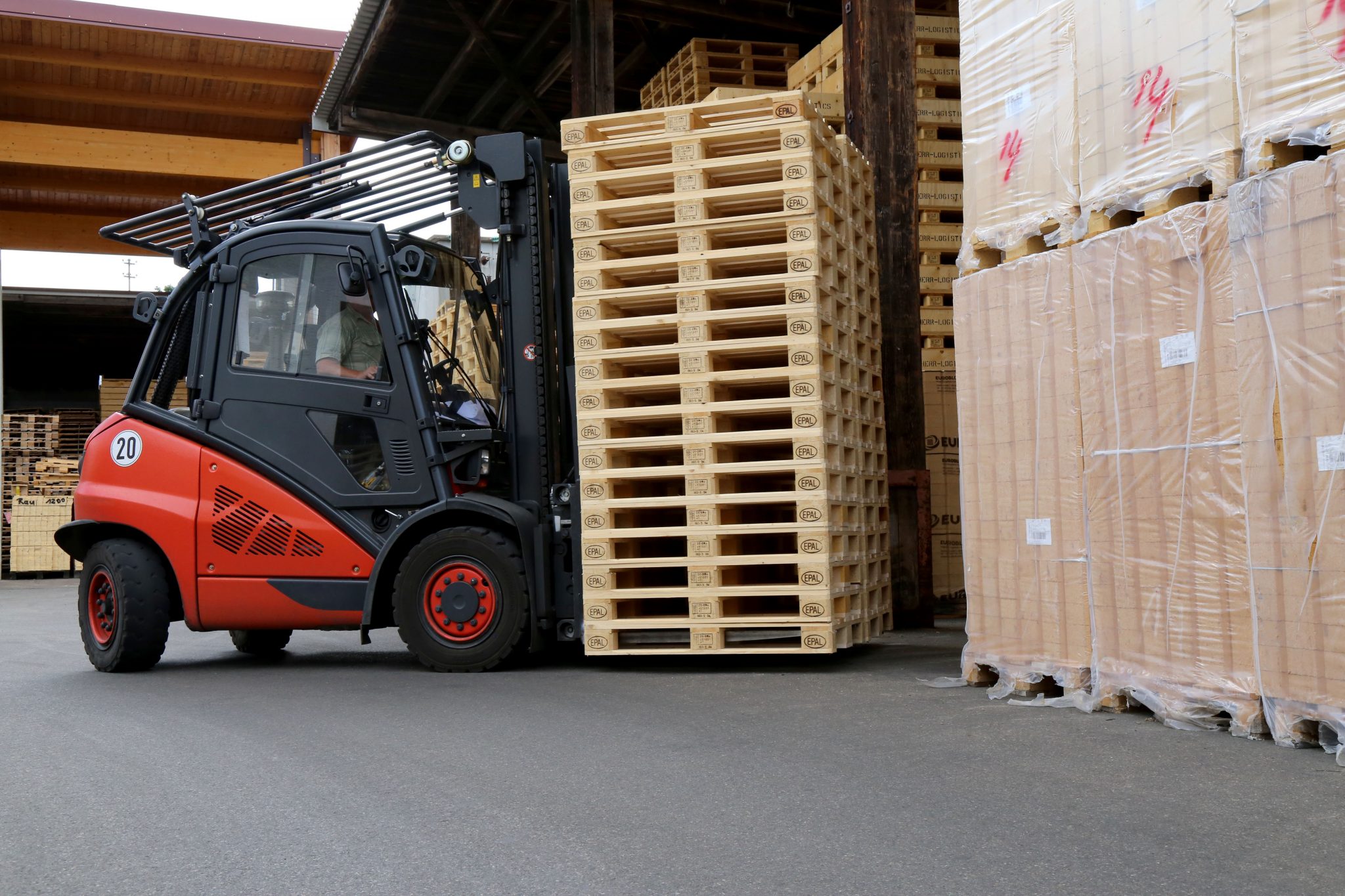
Open-loop pallet pooler EPAL UK & Ireland has warned businesses exporting and importing to and from the UK to ensure their pallets don’t cause delays to shipments, after the country leaves the European Single Market at the end of the year. If a Brexit deal is not reached by 31 December 2020, the UK will then be designated a ‘third country’ in relation to the EU. This means that, according to international ISPM15 regulations, any wooden pallets exported from the UK will need to be heat-treated and marked as ISPM15-compliant, so may be subject to official checks when entering, or after entering, the EU.

Stuart Hex, National Secretary of EPAL UK & Ireland, said: “With only a few months to go before the transition period ends, there are many businesses which have not prepared for a no-deal scenario and we are advising all exporting and importing companies that there is only one way to prepare for whatever Brexit scenario occurs – that is to ensure that all your pallets are ISPM15-compliant. EPAL is currently the only wholly ISPM15 compliant pallet system.”

Wooden pallets and packaging that originate within the European Union are generally free to move between member states without having to meet international ISPM15 standards. EPAL guarantees that all its pallets are ISPM15-compliant, which means they are free to move through customs across Europe – even in the event of a no-deal Brexit – and throughout the world. This means they won’t be the source of delays to shipping caused by inspections.

Other benefits of using EPAL pallets are that they are: safe for loads of up to 1.25 tonnes; kiln-dried, giving them extra strength and durability; and specified ‘as new’ whenever they are repaired.
EPAL UK & Ireland administers the EPAL system in this region and provides assistance to UK and Irish users and suppliers to facilitate the smooth operation of the EPAL system. It is governed by a Board of Directors drawn from within the pallet industry and has an independent Chairman. EPAL represents the views of UK and Irish producers and users at the EPAL General Assembly.

The European Pallet Association e.V. (EPAL) ensures a smooth flow of goods in the logistics world with over 500 million EPAL Euro pallets and 20 million box pallets in the world’s biggest open exchange pool. Founded in 1991 as the umbrella association of licensed producers and repairers of EPAL load carriers, EPAL is globally responsible for their consistent quality. EPAL pallets are produced from sustainably grown, CO2-neutral wood, can be repaired and recycled, and reduce transport distances thanks to their high level of availability.

New Logistics Asset Manager for European Portfolio

Kajima Properties, the London based property investor, developer and asset manager, has appointed Eleanor Harbage MRICS as an asset manager for its European portfolio, with a predominant focus on Logistics assets and Purpose Built Student Accommodation.

Based in Kajima Properties’ London office, Harbage will report to John Harcourt, Managing Director of Kajima Properties. She joins Kajima Properties from Accrue Capital, a UK-based investment management specialist where she was responsible for a mixed portfolio of commercial property assets. Prior to that, she spent the first 5 years of her career at Helix Property Advisors as a Property and Asset Manager, overseeing a portfolio of commercial properties in London and Scotland predominantly.

Harbage will work alongside Kajima Properties’ asset management team and will additionally focus on developing relationships with new and existing join venture partners, including in Germany, Spain, Poland and the Netherlands. She commented, “throughout the recruitment process, Kajima stood out for its people, culture and assets. Logistics especially is a sector that has remained resilient in the coronavirus pandemic, and I’m looking forward to working across Europe on new, exciting projects with an excellent team.”

John Harcourt, Managing Director, Kajima Properties said, wWe are very excited to welcome Eleanor to the team, where she will be able to draw on her experience to further develop and enhance Kajima Properties’ presence in Western and Central European markets. I look forward to working with her as we continue to seek out and develop opportunities.”

Industry View: How to Park More Vehicles in the Same Basement Space

Basement parking is an attractive proposition, especially in congested urban environments. But it has always come with headaches. Access ramps take up a lot of space, both outside the building and in the parking area itself. And they are expensive to install. Lift specialist Hymo, part of VPG, now has a solution that cuts capital expenditure and increases rental and sales income – and could transfer to logistics uses.

Use a lift, not a ramp

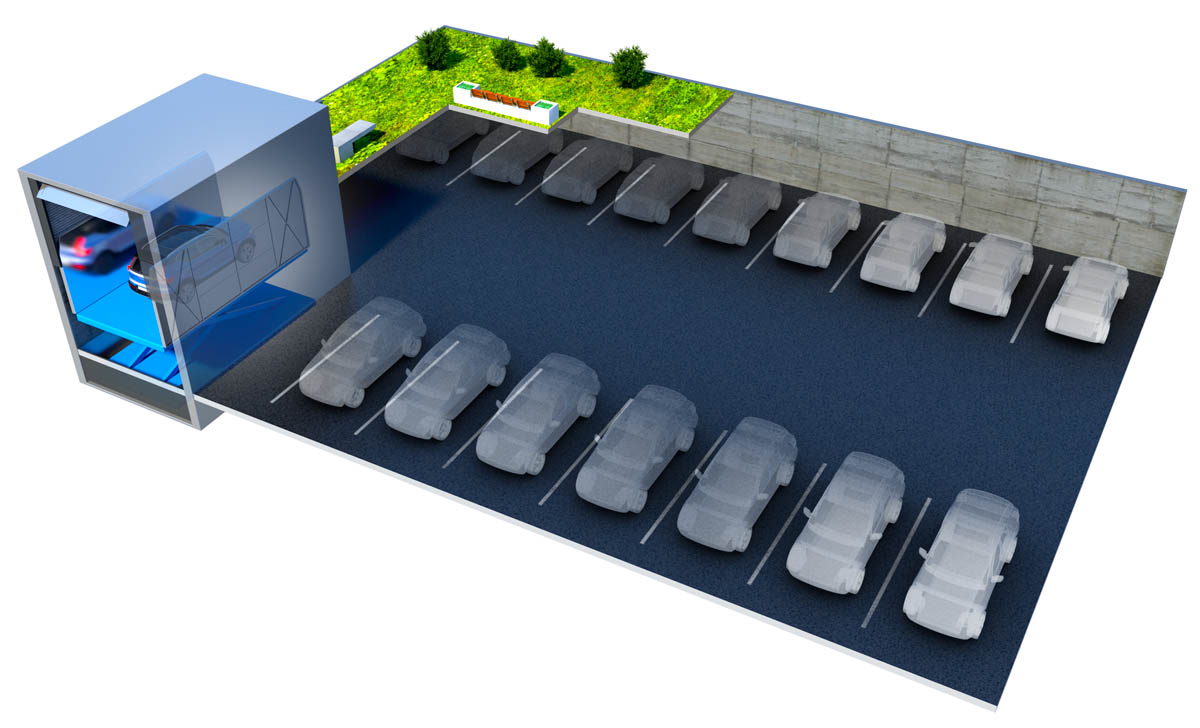
Traditionally, drivers have accessed basement parking via awkward ramps that are still the norm in cities. But ramps are expensive to construct. And they occupy a lot of valuable space, not only at ground level but also in the basement parking area itself. The way ahead lies in automated parking systems based on lifts.

“These systems are the architect’s dream solution,” observes Rutger Clovén, Business Development Manager at VPG. The space around the building is freed up for people, play, and plants – a green bonus that satisfies both city planners and environmentalists. Meanwhile, the architect has more space to play with in the basement, which now offers more parking spaces and/or more usable space for facilities.

Startling financial benefits

“We’ve crunched the numbers for lift-based systems, and the financial benefits really are startling,” says Rutger. “A single parking space adds about €50k to the value of a property, or approaching €2k a year in rental income. But using a lift-based system can increase the number of spaces from, say, 11 to 17 for a typical apartment block.”

That makes it possible to add two extra floors of apartments on the same building plan, which enables developers to make much more of their property. “In hard cash, it all adds up to gains of hundreds of thousands of euros,” Rutger points out.

The way ahead

“Automated lift-based underground parking is the way ahead,” says Rutger. “Many architects are still sticking to the familiar ramps, but those with a forward-looking, greener, mindset are keenly interested in the new way.”

“We have been manufacturing scissor lifts for these applications for years, with hundreds of systems installed,” notes Rutger. The big advantages are their ease of operation, which residents value, plus the outstanding reliability and security that property owners demand. “But we are now going further, by developing a new concept for a total solution for smart parking. We’ll be piloting it in Germany later this year – watch this space for more news as it happens!” concludes Rutger.

Swisslog Implements New DC for German Retail Pharmacy Chain dm

“The first pallet leaving the centre in Wustermark headed for our dm drugstores marks a milestone,” said Christoph Werner, Chairman of the dm Board, in Karlsruhe in May. “Considering the current situation, it’s that much sweeter a success and marks an important investment in the future for us. Especially since the availability of goods in the dm drugstores and the online shop is our top priority.” He was speaking at the official opening of a new, high-technology distribution centre for the drugstore chain.

Built from scratch on a green field in Wustermark near Berlin: incrementally, all dm drugstores in northern and eastern Germany will eventually be supplied from here – extremely quickly and efficiently, thanks to logistics automation. “With its innovative robotics solution, the new distribution centre is a flagship project for dm and German commerce,” says Christian Bodi, the dm managing director responsible for logistics. The concept and intralogistics originate from Swisslog and represent a high-profile reference for the general contractor, especially for the intelligent SynQ system control and visualization software as well as the ACPaQ robotics system. The solution recently won the German Innovation Award.

Swisslog supplied data and robot-controlled logistics

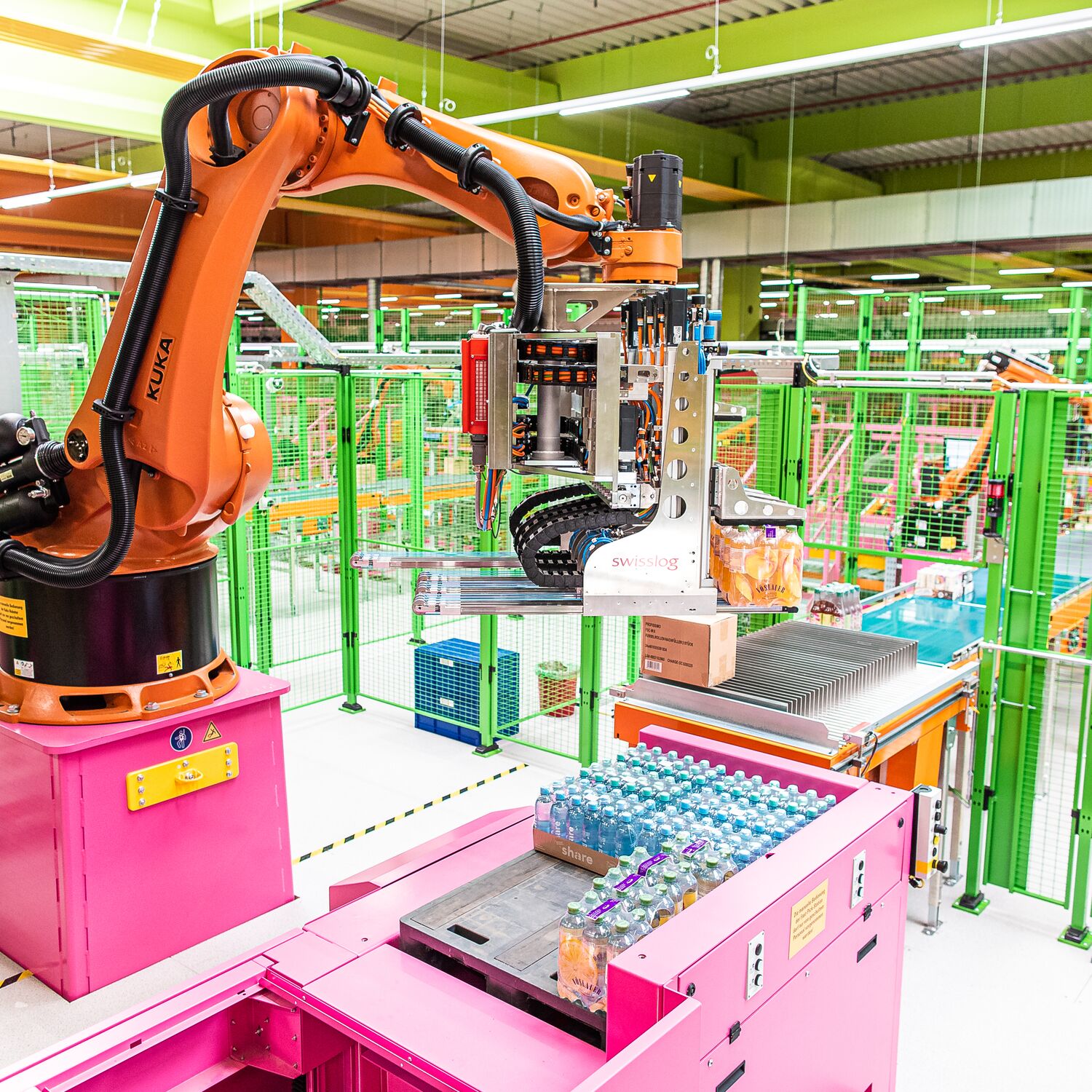
With a floor area of around 30,000 square metres, Wustermark features a logistics mix composed of the core components of an automated pallet high-bay warehouse with 24,000 slots and a shuttle warehouse – the CycloneCarrier by Swisslog – with 265,000 slots for small sized goods. These are connected to a total of 15 picking lines: eight manual and seven ACPaQ robot cells.

“In the distribution centre, the dm-drogerie markt is completely implementing the goods-to-human and goods-to-robot principle,” explains Daniel Hauser, Senior Vice President and Head of Region Central Europe & Middle East, Swisslog. ACPaQ refers to fully automated mixed case palletizing by “automated case picking.” A KUKA robot simultaneously grips multiple containers and in this way, picks a shipping pallet up to three times more quickly than a human could. The software used ensures that the pallet is formed in a stable manner for transport and reflects the depalletizing needs of the local store.

“We are proud and happy that the data-controlled robotics system we developed has outgrown the testing phase and is now putting its powerful capabilities to the test in real life, under high load operation,” Daniel Hauser is happy to report. It’s a breakthrough for our company as well, and we are convinced that this will also be true for the retail market as a whole.” The Swiss intralogistics expert refers to the constantly increasing efficiency pressure, which commerce has to contend with now and in the future, to meet the demands of around-the-clock preparedness – which can only be met over the long-term through automation and robotics. Christian Baur, CEO of Swisslog, proudly adds: “Without the tireless efforts of our staff, we would never have successfully commissioned the new distribution center in Wustermark in spring 2020 while simultaneously dealing with the challenges presented by the coronavirus.”

Longstanding partnership celebrates third major project

The new dm distribution centre in Wustermark is an outgrowth of an expansion strategy that Germany’s favorite drugstore chain has been pursuing consistently for many years. dm has invested more than €100 million for its new logistics site, including construction. For Swisslog, after Waghäusel in Baden-Württemberg and Weilerswist in North Rhine-Westphalia, Wustermark in Brandenburg marks the third major plant realized in Germany by the intralogistics specialist for dm. After laying the cornerstone in 2018, the project took two years for planning and construction, through to commissioning.

Healthy Cargo Figures Show Sign of Growth at Brussels Airport

Although first half results are still negative, Brussels Airport is reporting a solid growth of 4.8% in volumes for the month of June. For a typically hub airport heavily depending on belly capacity and cargo in normal times, the airport says this is a strong result knowing that overall reported volumes are still dark red. Reporting positive numbers and continuing its effort in business development, the cargo zone of the airport truly justifies its community mentality in times of crisis, it said.

Whilst the passenger terminals have been eerily quiet at Brussels Airport due to the COVID-19 pandemic, the cargo aprons have been action packed and in full spotlights. Initially cargo volumes at Brussels Airport, in line with global trends, dropped by 33% YoY due to the rapid belly capacity reductions as passenger airlines stopped flying and grounded their fleet. Quickly after week 13, cargo traffic started picking up again. Initially facilitated by a demand surge in PPE, which at times brought exotic carriers to Brussels Airport, but simultaneously supported by existing full freighter customers increasing frequencies, carriers commencing passenger freighter operations and the appearance of new tails. Full freighter volumes increased 71.5% in June versus last year. New airlines such as Amerijet, Silkway and Virgin Atlantic started operations to Brussels Airport, expanding the global network significantly. Also, integrator traffic showed continuous growth week over week, reporting a +29.5% YoY increase in June.

“One of the strengths at Brussels Airport was the sense to tackle the rapid capacity reduction from a community standpoint. Different parties worked together reaching out to their network to get the traffic flows moving. This coordination and active facilitation between shippers, forwarders, handlers, customs and airlines truly made a difference and was already part of our earlier success. In these times of crisis, we could even leverage this with these volumes as a result,” says Steven Polmans, Director cargo and logistics at Brussels Airport Company.

The combination of increased frequencies, passenger freighters operations and new customers resulted in a YoY growth of 4.8% in flown cargo volumes for June. “An impressive result that shows that working together as a community and thinking outside of the box can pay off no matter the circumstances,” commented Samuel Speltdoorn, whom only days before the COVID-19 lockdown joined the Brussels Airport Cargo Team as a Cargo Business Development Manager.

Looking at the June results in a bit more detail, the highest import growth came from Africa and Asia with export volumes mainly growing towards Asia and North America. Export to Africa is still below the pre-Covid levels due to the grounding of home carrier Brussels Airlines but is slowly recovering as more and more carriers resume flying.

Along with facilitating a stable supply chain, the airport was also able to continue and stay on track with the BRUcargo West expansion, an immense project that initially saw direct impact from COVID-19 due to staff and material shortages. Also, a brand-new animal care and inspection center was successfully opened during the crisis. Next to further investments in real estate, the airport also continues its investments on the airside: currently runway works on 25R/07L are ongoing and are scheduled to last 6 weeks. This will have a marginal impact on uplift for some full freighters but figuratively and literally paves the road towards a bright future with zero operational impact from major construction works, as this is the final phase of a major runway and apron redevelopment plan that lasted almost five years. It delivered three renovated runways, renovated taxiways and a state-of-the-art dedicated cargo apron with automatic docking and 400Hz connections.

“The next months will remain very challenging as it remains a question if and when we might see a second wave of this virus and how it will impact our economy,” concludes Steven, “but it is clear that our community and infrastructure are ready for the future and to tackle any challenge in the meantime.”

INFORM and ASB Logistics Develop Individual Solutions in Vehicle Logistics

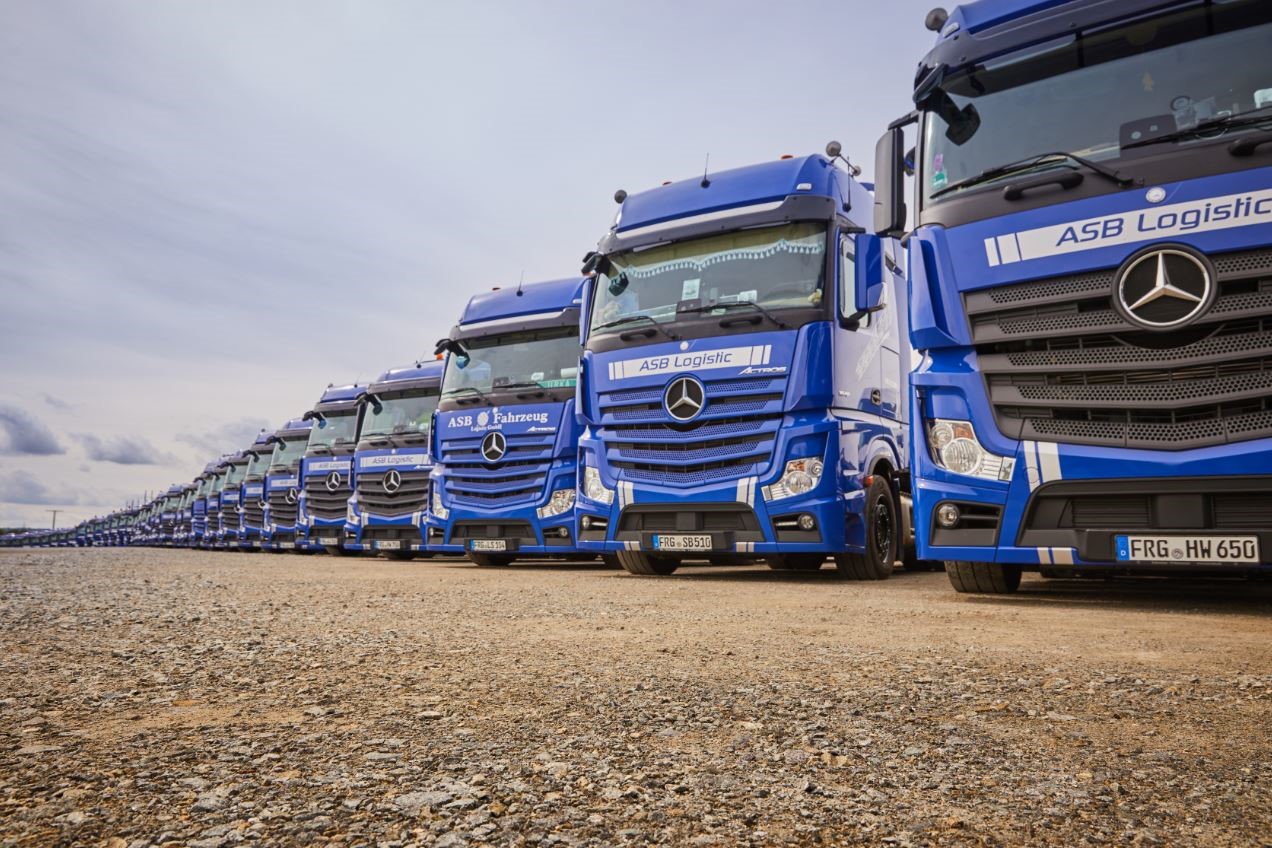
A customised IT solution in vehicle logistics from software provider INFORM for ASB Logistics has been awarded the highest possible funding of the EU subsidized Digital Bonus Bavaria. The application aims at end-to-end control and optimisation of all transport and workshop processes. ASB digitises all its processes to ensure that in its volatile business environment it can always reliably and flexibly respond to any customer inquiries.

The new system offers continuous, real-time transparency of all transports, vehicles, components, personnel, and orders. In addition, intelligent algorithms based on operations research and artificial intelligence control and optimise operational processes in all phases of the storage, workshop, and transport process in ASB’s 100-plus-employee operation.

ASB transports and modifies around 60,000 vehicles and vehicle parts every year. These include new and used cars, but also special transports of mobile homes, tractors, and boats, as well as construction and agricultural machinery, and even unusual special transports. “Our system schedules all known orders and puts the individual work steps into concrete, optimized sequences so that ASB can use its existing capacities to the best possible extent,” says Hartmut Haubrich, Director Vehicle Logistics Systems at INFORM, explaining the system’s main functions.
20 to 30 times faster processes

“INFORM helps us to better structure the processes and procedures in our logistics center with less organisation,” says Christian Binder, managing director of ASB Logistics for 14 years. “If an automobile manufacturer calls at 5 p.m. because they spontaneously want to place 1,000 new vehicles on a car terminal and possibly even have them refitted with additional components, we will have a solution the very same day. This flexibility is what sets us apart. In order to cope with our growing order load, I would have had to hire three new employees just to deal with the bureaucracy, which we now handle automatically. We are 20 to 30 times faster than before.”

State Funding for Pioneering Work
The joint project was supported with a maximum grant of €50,000 from the Digital Bonus of the European Union, which was approved by the state of Bavaria. This program promotes regional initiatives for digitization and thereby supports the long-term viability of local businesses. The development and application phase lasted a good year. Since November 2019, the overall solution has been in use at ASB with outstanding results. The digital bonus was paid out in March 2020, but the cooperation does not end there. In the future, the overall solution is to be expanded to include planning and optimisation of all transports as well as machine-learning functionalities that will make planning even more precise.

Körber’s inconso to Implement IT Automation for Zalando

Logistics software specialist inconso, part of the Körber group of supply chain businesses, is implementing Zalando’s logistics centre in Lodz, Poland with highly automated system components for managing IT processes.

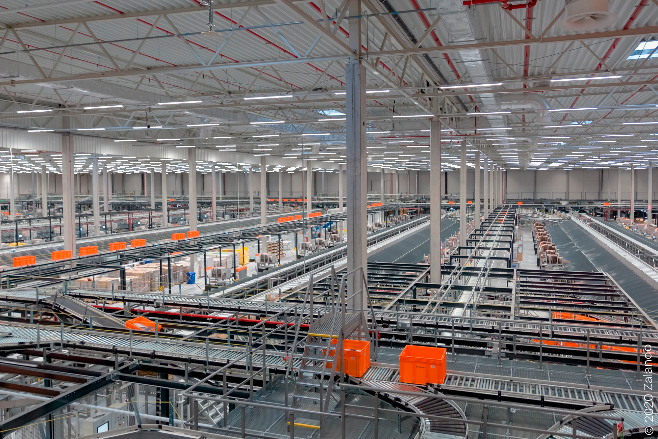
The logistics centre was equipped with a four-aisle shuttle for over 6,000 containers and 35 km of conveyor technology. inconsoWCS (Warehouse Control System) is inconso’s innovative solution for controlling logistics and proof of the company’s expertise in seamless integration. The solution enables supplier-independent material flow control and comprehensive optimization strategies for dynamic internal transport control, interleaving or the sequencing of partial orders. In addition, inconsoWCS creates modern technology standards for the processing approximately 1.7 million telegrams per hour in order to fulfill the demanding logistic processing requirements of e-commerce.

“On our 130,000 m2 premises, we need powerful solutions for smooth logistics processing,” Rudolf Pulkenat, Lead Warehouse Facilities Engineering at Zalando, emphasizes. “We found a suitable partner in inconso to help us implement a system with synchronized components that interact in complex ways. The implementation of modern solutions like inconsoWCS enables us to respond to growing logistics challenges.

OWR Opens Robotics Demonstration Centre for Logistics Customers

OW Robotics (OWR) has launched what it claims is Europe’s first Robotics Demonstration Centre for customers and businesses looking to transform their warehouse, logistics and manufacturing operations through automation.

Based at OWR’s Lincoln HQ, the centre allows UK businesses to replicate their processes within a sandbox environment, so they can get first-hand experience and insight into how a tailored automated robotics solution would impact their business.

This gives business leaders a clearer understanding of how it will meet their requirements, the scalability of a robotics system and how it can reduce training, safety, recruitment and absence costs as well as improve picking rates and accuracy. All before making an investment.

The centre has a fully functioning goods-to-person robotics grid including pick stations and multiple rack combinations so that customers can see an estimation of what their solution will look like alongside a demonstration of OWR’s WMS and RCS systems which guide the robots. The second floor is home to an A-to-B robotics grid to demonstrate the flexibility and speed in which the robots operate.

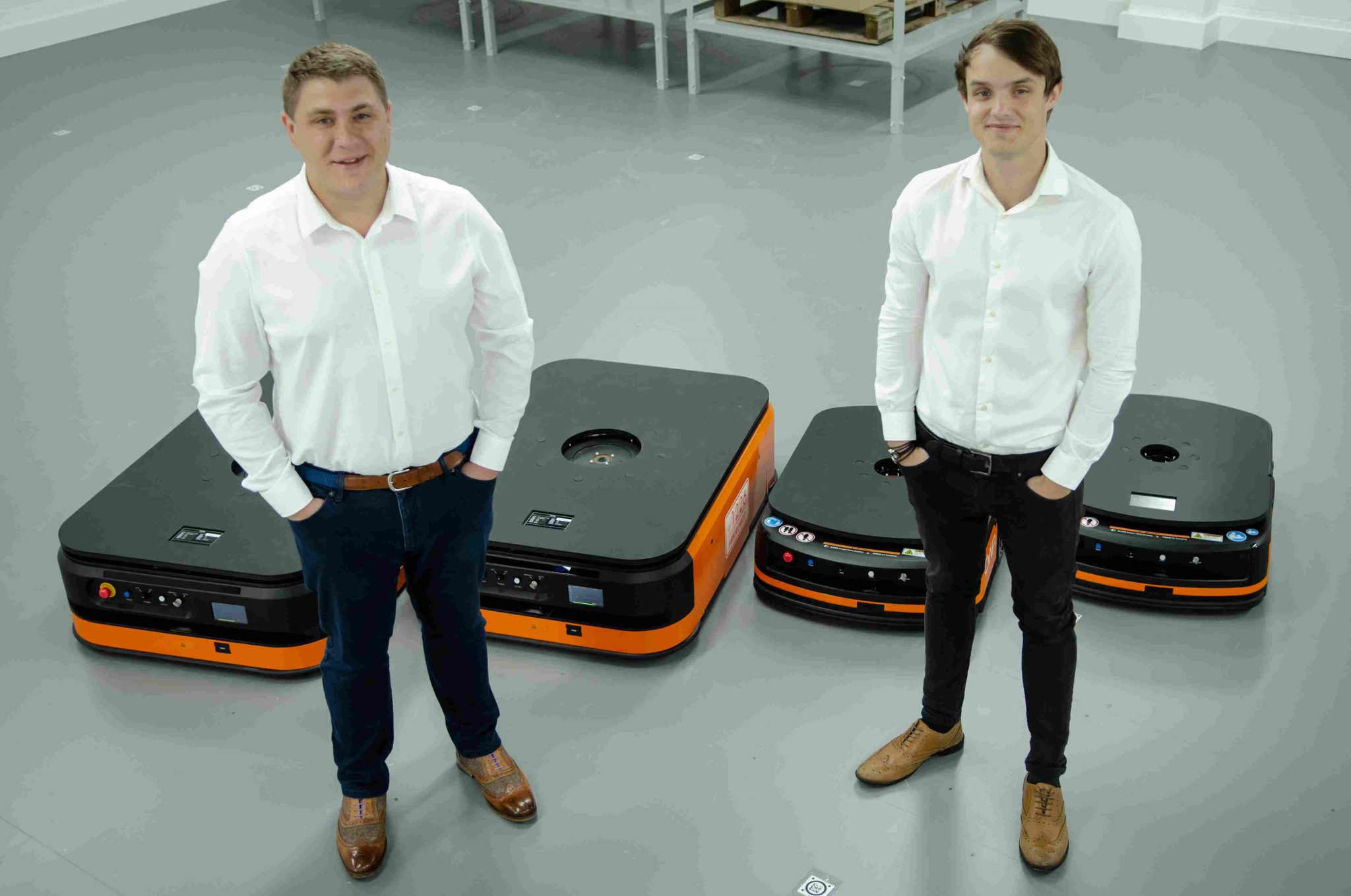
Joe Daft (left), head of robotics at OWR, says it has seen a real upturn in interest in tailored automation and robotics solutions for logistic purposes, as businesses recognise the importance of being more agile and flexible to meet changing customer demands:

“There’s no doubt that the impact of Covid-19 on buying habits has tested the reliability and resolve of many businesses’ operations, questioning their speed and adaptability when demand spikes or shifts. This has only driven an already growing wave of businesses looking to automation and robotics.

“Gone are the days of the word ‘robotics’ meaning an investment of tens of millions of pounds in order to get a solution that is right for them. That said, it’s still a significant investment and for most business leaders, although exciting and game changing, it’s unfamiliar. That’s why this demonstration centre is so important. There are lots of different solutions out there in the market that can achieve a wide range of aspects for logistical operations. This can often leave businesses unclear on what is the best option for them.

“By visiting our Robotics Demonstration Centre, visitors can see our robots complete tasks that mimic their own processes in a simulated environment, which helps to bring clarity and understanding on how they can meet their demands and challenges – there’s no better way to get the right solution.”

Earlier this year OWR announced a partnership with leading Chinese robotics manufacturer, Hikrobot, to make robotic automation more accessible for businesses of all sizes in the UK.

Since the launch, Greg Downey (right), robotics business consultant at OWR says they have already had really positive feedback:

“So far visitors have found it to be an incredible experience especially the fact they can see one of their own entire workflows from start to finish, carried out by robots. They are also really impressed with the way we work with them before the demonstration day to understand their product make-up and general throughput figures, so we can offer as close to a real experience as possible.

“Once visitors have had this experience, they leave with a much clearer understanding of their automation journey and how a tailored OWR solution can bring real benefits to their business.”

OWR is the sister company of ERP and WMS developer OrderWise which has three decades of experience in the logistics industry and a great understanding of context and how advanced technology can be applied to best effect.

Fully Integrated Lithium-ion Now Available from Yale

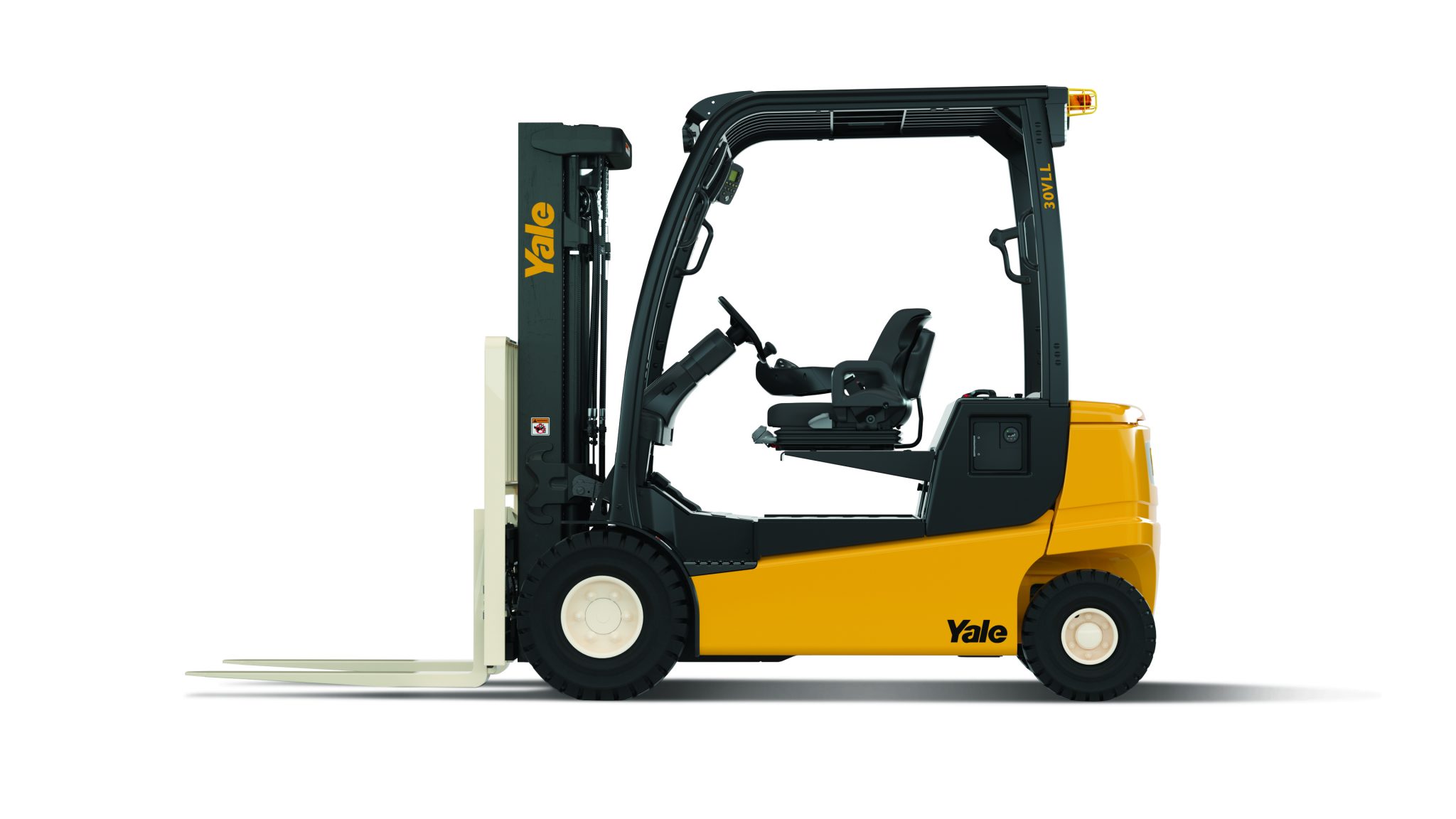
The growing demand for alternative power solutions continues to drive evolution. This sparks opportunities to find new solutions and gains in product design. The new Yale ERP25-30VLL Series counterbalance forklift truck is engineered around an integrated lithium-ion battery, enabling space in the operator cabin to be optimised.

The Yale ERP25-30VLL Series offers all the benefits of lithium-ion power in a counterbalance truck: its fully-integrated battery requires zero maintenance, while opportunity charging enables the truck to complete a dual-shift operation without having to remove and replace its battery, unlike a conventional lead-acid based solution.

As the truck has been designed around the power source, the additional gains made in the operator compartment puts the ERP25-30VLL at the forefront of innovation in the materials handling industry.

Focus on ergonomics
The integrated lithium-ion battery sits low within the ERP25-30VLL truck. As a result, the truck enjoys ergonomic features that benefit the operator, which in turn enables high productivity.

The large open compartment maximises comfort and convenience, such as additional foot space and leg room. A low seat and floor plate in the ERP25-30VLL allows easy access to and from the truck, while creating additional head clearance. The extra space allows the truck to be fitted with comfortable seat options, such as air suspension, while the truck’s low centre of gravity brings enhanced drive quality and truck handling in corners.

Flexibility of operations
Customers with medium to heavy duty applications can benefit from the charging flexibility of the ERP25-30VLL. Its lithium-ion power is a good choice for the food, beverage and pharmaceutical industries, where clean operations are essential, as no emissions are given off in the charging process.

The ERP25-30VLL can also be used in temperature controlled environments, such as cold-stores, down to -20°C ambient temperature. As the lithium-ion battery is directly connected to the telemetry system, it can adjust its performance based on its operating environment. The in-built heater keeps the battery’s temperature above 0°C while charging.

Ivor Wilkinson, Solutions Manager at Yale said: “Our new fully-integrated lithium-ion truck showcases the innovative vision of Yale to develop the future of motive power. The ERP25-30VLL offers all the benefits of lithium-ion power: high efficiency, charging flexibility, zero maintenance. It embraces technology that enhances our customers’ productivity while keeping operations costs low. We believe it is a powerful addition to our product range.”


Gartner Survey Reveals 17% of Chief Supply Chain Officers are Women

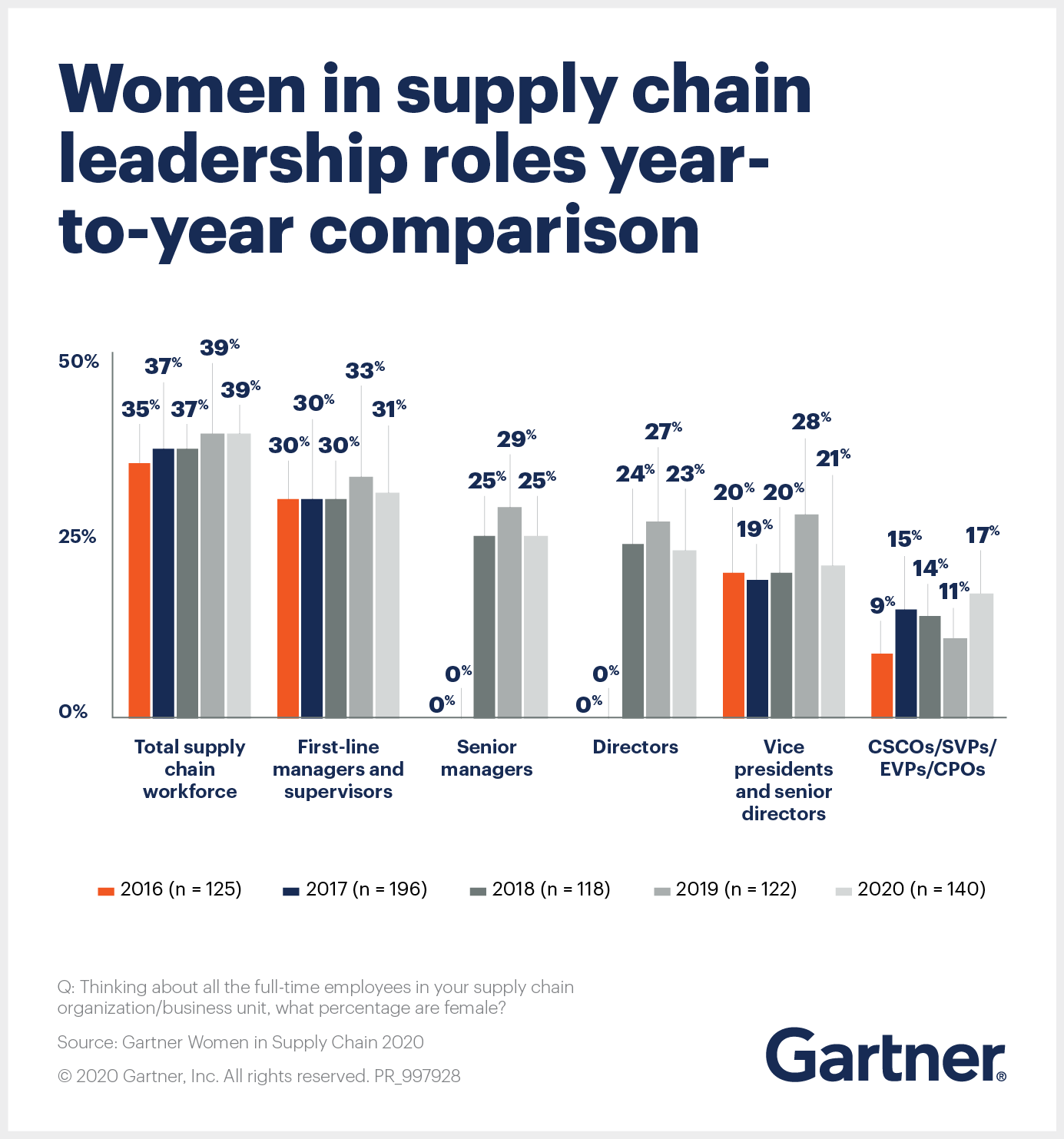
While supply chain organizations deal with the impacts of the coronavirus pandemic, they still pursue gender equality goals. According to Gartner, Inc.’s 2020 Women in Supply Chain Survey among 177 supply chain professionals, 17% of chief supply chain officers (CSCOs) are now women – a 6% increase compared to 2019 and the highest rate since the first edition of the survey in 2016.

“The increase in women executive leaders over the past year is a positive sign, however the survey showed that women don’t consistently make it through the pipeline,” said Dana Stiffler, vice president analyst with the Gartner Supply Chain Practice. “Lack of progress is not something the industry can afford at the moment. Supply chain’s role in the COVID-19 pandemic and subsequent recovery is crucial, with lives and livelihoods at stake. This is a pivotal time for many women in midlevel and senior management positions.”

Compared to 2019, there are proportionally fewer women at the vice president and director levels (see Figure 1). In 2020, 63% of respondents do have active goals, objectives or initiatives to recruit women and build pipelines, but Ms. Stiffler said it takes years for this activity to strengthen pipelines. This dynamic also contributes to representation of women in the total supply chain workforce remaining unchanged at 39% year over year.

Consumer Goods & Retail Organizations Lead the Way

At 25%, consumer goods and retail supply chain organizations’ representation of women at vice president level is nearly twice that of industrial organizations (13%). One reason for this development is that 55% of industrial organizations prefer a science, technology, engineering or math (STEM) degree for senior hires, compared to 39% of consumer organizations. As women are less likely to have a STEM background than men, they are also less likely to be hired for senior supply chain roles in industrial organizations.

“Another notable difference between industrial and consumer/retail supply chain organizations is goal setting. Consumer and retail organizations were more than twice as likely to have formal targets and specific goals in management scorecards for gender diversity,” Ms. Stiffler added.

Pipeline Planning is Key

Until recently, gender-focused inclusion and diversity initiatives focused mostly on employee resource groups and women’s leadership development programs. While organizations still value those initiatives, they have found that improved pipeline planning and management is a key factor for attracting and retaining diverse talent in leadership positions.

“Not a single respondent cited employee resource groups as a top action for progressing women to senior leadership roles in supply chain. Leadership development programs or improved work-life balance also didn’t make the list. However, 21% claim that integrated pipeline planning is their best approach. This reinforces what we have found over the years: The right place to focus for diverse senior leadership is the pipeline and the decisions that support it,” Ms. Stiffler concluded.

Methodology

Between January and February Gartner’s 2020 Women in Supply Chain Survey gathered data from 177 respondents, primarily in North America. AWESOME partnered with Gartner to develop the survey and recruit participants. Qualified participants worked in organizations that have an internal supply chain organization or in organizations where supply chain is a separate business unit, specialty or practice area, or those who are vendors of supply chain services and solutions. Organizations also had to have a minimum of $100 million in annual revenue.


Subscribe

Get notified about New Episodes of our Podcast, New Magazine Issues and stay updated with our Weekly Newsletter.