Yale reveals new cab design for high-capacity trucks

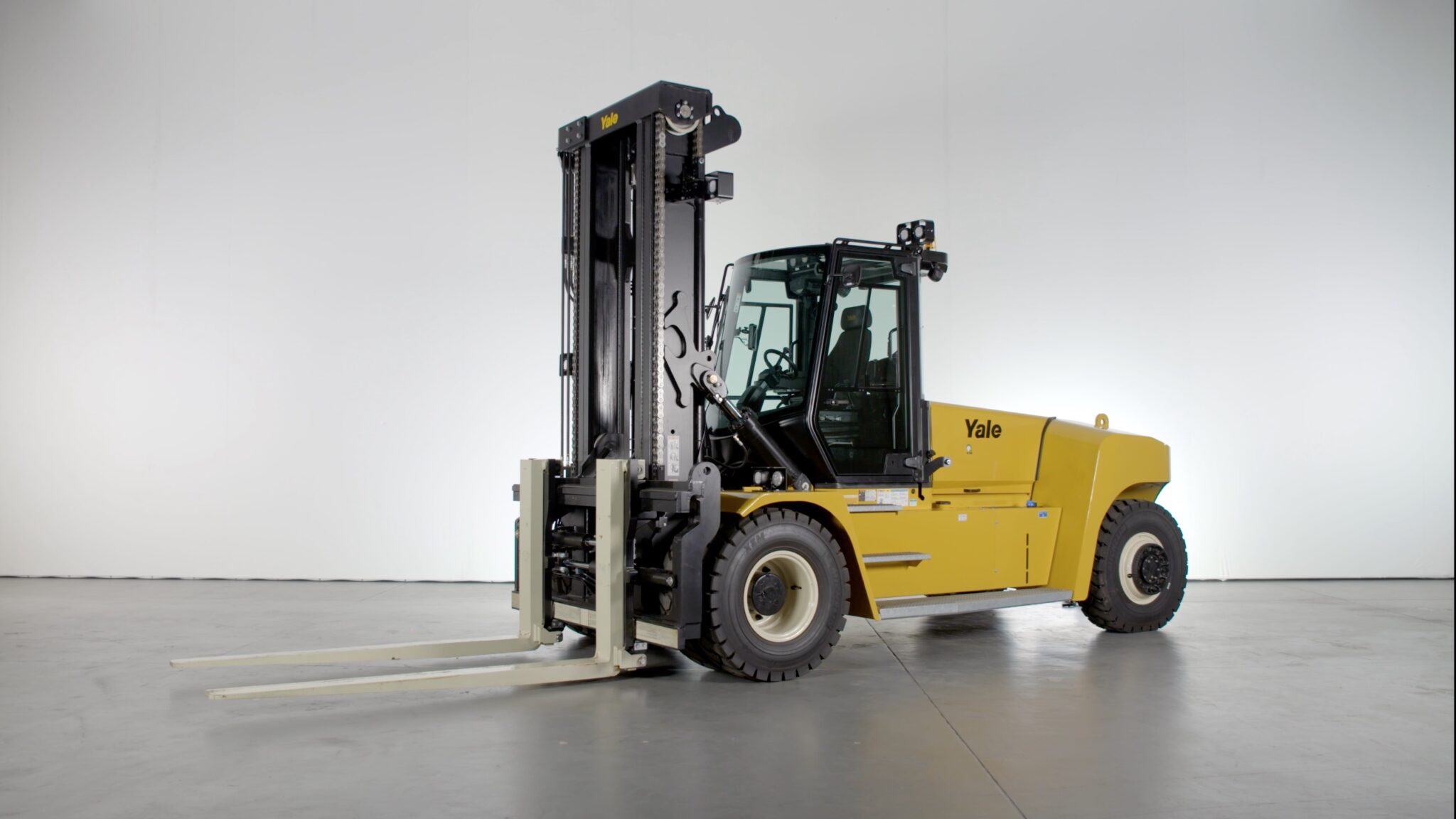
Yale Europe Materials Handling has developed a new cab that promotes productivity by offering comfort and ease for the operator. With the ergonomically designed control arm, everything the driver needs is at their fingertips. The cab also boasts an expansive floorspace, adjustable steering column and high-quality seat.

When working intensive shift cycles with heavy loads, it is important to have the right tools at your disposal exactly when you need them. For this reason, Yale Europe Materials Handling has developed an all-new cab for its high-capacity trucks.

Yale high-capacity trucks are perfect for industries that handle heavy loads, such as wood and timber, stevedoring and heavy cargo, metal stockholding, pre-stressed concrete, brick and block or manufacturing,” explained Chris van der Werdt, Product Strategy Manager EMEA Big Trucks at Yale. “With the new cab, we’ve created an environment for the operator that fosters productivity in demanding applications.”

The new cab is available on the Yale GDP80-120DF, GDP100DFS, GDP130-160EF and GDP160EF12 trucks.

In control

A focus on ergonomics within the cab offers a comfortable working environment for the operator, with all controls within easy reach.

The ignition, start-stop button and parking brake are located in close proximity to each other, minimising the time and effort it takes to begin working. Drivers can preselect the lights that can be switched off and on at the touch of a button.

As well as a touchscreen within the cab, drivers can also choose to navigate through the truck’s menu using a rotary button.

“When operators are comfortable, they are more productive and the company is more profitable as a result. This is why everything the operator needs is at their fingertips, from optimised mini levers, windscreen wipers, to the start-stop button. In addition, the control arm is ergonomically designed to offer a comfortable rest for the operator during travel,” added van der Werdt.

Productive working space

The cockpit-style of the new cab offers an environment designed to maximise comfort and productivity from the moment the driver approaches the truck. Slip resistant steps and an easy to close door allows the operator to enter and exit the truck with ease.

Within the cab is an expansive floor space and a high-quality suspension seat to support the operator throughout a busy shift. The driver can adjust the position of the steering column, seat and control arm to set-up the cab to their liking.

The high-capacity trucks have excellent visibility of the load through the wide mast, as well as the surrounding environment thanks to the curved front and rear windows, made of toughened glass. The driver can manoeuvre with confidence while handling the most cumbersome of loads.

“All Yale high-capacity trucks are engineered to maximise productivity and excel in intensive, arduous applications. They are the ideal fit for customers looking for a solution that can deliver on the high demands of their operation while lowering cost of ownership and meeting emissions targets,” concluded van der Werdt.

CO2 traffic lights ensure safe working conditions

Motorhome specialist Hymer uses a CO2 traffic light system from Werma to ensure the health and safety of all persons present in its Bad Waldsee, Germany maintenance facility.

“Camper van travel is more than a vacation – it’s a passion”, says Markus Bächle, Team Leader of Maintenance and Repair at the Hymer Electrical Workshop, with a twinkle in his eyes. “So our customers are entitled to receive a vehicle of the highest standard – whether we are talking about comfort, quality, safety equipment, comprehensive features or value retention.”

It is immediately obvious that the engineer is not only a fan of Hymer and their production processes, he adores the whole world of caravanning. He enthusiastically explains the individual production and assembly steps, describes the materials used and gives us insights into the training workshop. “‘Made in Germany’ is not just a phrase for us, we really put it into practice – everything is produced in Germany. This guarantees outstanding quality for our customers and a high degree of independence for the company.”

Smiling, he adds: “In fact, it would be even more accurate for us to say ‘Made in Bad Waldsee’!”

As the inventor of the motorhome, Hymer has built premium-quality recreational vehicles since 1957 and enables its customers to experience unique trips and holidays. From practical camper vans to premium motorhomes, the company has the right vehicle for any requirement. Hymer guarantees high-quality vehicles with the highest levels of comfort and technology. Hymer’s mission has always been to set new standards, whether for safety, lightweight construction or insulation.

Caravanning: More freedom in times of a pandemic

For months now, the COVID-19 pandemic has acutely curtailed not only the German economy, but all areas of life and the entire country. The pandemic has also left its mark on Hymer. On one hand, the company was delighted that the order books were full and that caravanning as a hobby was experiencing increased popularity but, says Bächle, “at the moment, we can’t produce enough to meet market demands”.

The company, like many others, has also had to contend with supply bottlenecks, coronavirus in the workforce and the strict requirements of the regulatory and health authorities. “Of course, we are very keen to protect the health of all our employees,” says the maintenance technician. “It’s our top priority to avoid infections in the workplace and to make everyone on site feel safe and happy.”

When asked what measures Hymer introduced to ensure this, Bächle replied: “We met the requirements of the authorities and equipped our trainees with CO2 measuring devices. They spent all day every day for three months measuring the CO2 values in the ambient air in all areas of the company. We just wanted to prove that our air quality is fine and that we protect our employees from infection in the workplace as far as possible.”

Reliable air quality values

The company went one step further and looked for an even more precise solution: “We simply wanted to display the current status of air quality continuously and reliably to all those present,” says Bächle. “The measurements taken by our trainees did indeed show that we generally have very good values, but these measurements were too sporadic, not reliable enough and, above all, not visible to the employees on site.”

The head of maintenance therefore started looking for suitable equipment to continuously measure the CO2 content in the ambient air and to present it clearly and visibly to all. He came across the solution provided by the signal device manufacturer: “We already knew about Werma. After all, we have been using their signal towers and the SmartMONITOR wireless-based machine monitoring system for a long time and are completely satisfied with these clever solutions.”

Ordered today, installed tomorrow

“Naturally, we also looked at alternative products,” says Bächle. “However, the light elements or signals they used were far too small to be noticed in our large production halls.” Some other products were not accurate enough, according to the head of maintenance. “We didn’t need to think about it for very long and immediately ordered 12 CO2 traffic lights from Werma for an initial test run. These were put through their paces in a separate production area.”

Bächle adds that the employees were immediately impressed with this type of display. “The traffic lights hang centrally and a little higher up so that they can be easily seen from anywhere. Right away, this put everyone at their ease and, most importantly, made them feel safe.”

In the meantime, more than 30 Werma CO2 traffic lights have been installed in the production halls at Hymer: in wooden components production, the foaming shop, upholstery, pre-assembly, side wall pre-assembly, the training workshop and the huge assembly hall where the vehicles are completed. Here, four CO2 traffic lights are mounted on each of the four assembly lines. A total of 16 traffic lights make a significant contribution to employee safety in the 15,000 sq m hall.

Visible through 360°

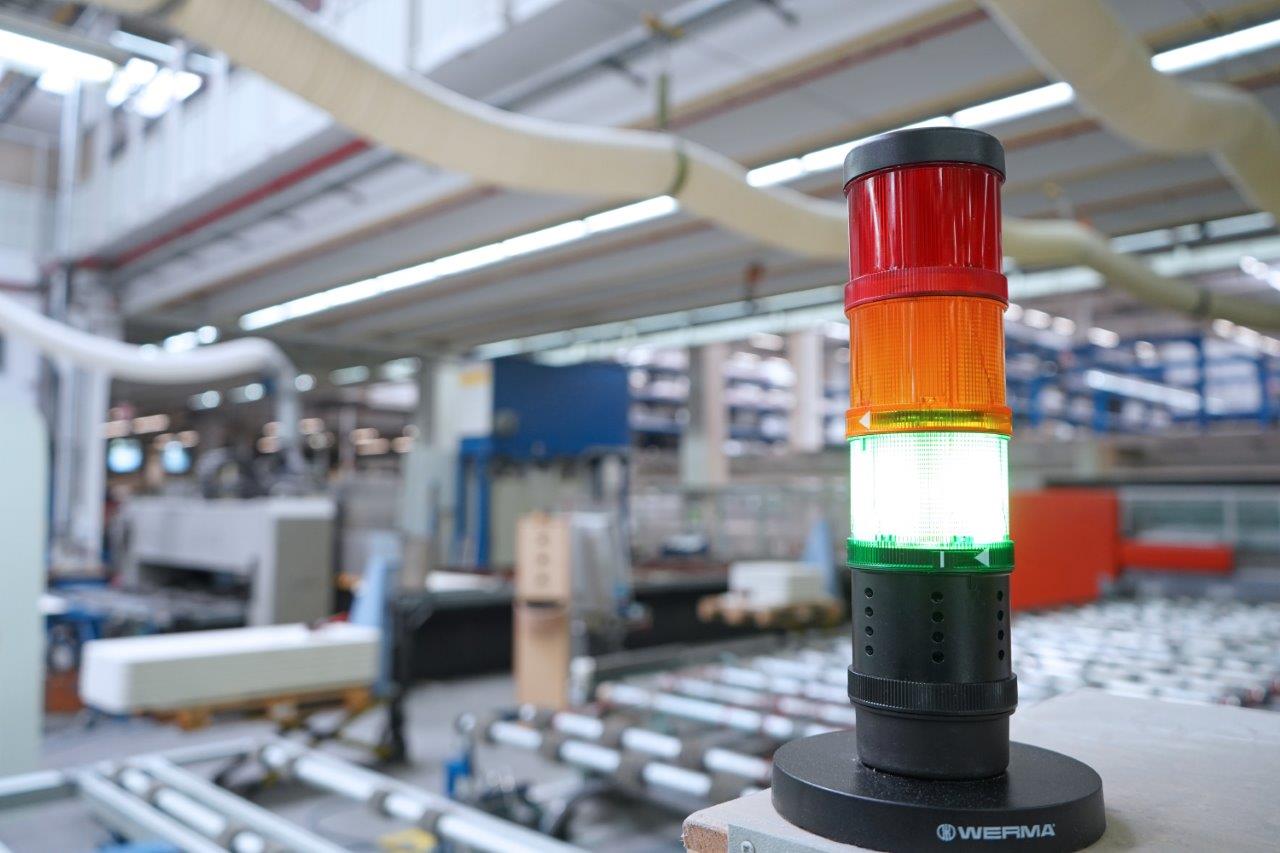
Werma’s solution for CO2 measurement in indoor air consists of a three-tier signal tower, which is immediately ready to use and very easy to install. Simply plug in the supplied power supply, wait until self-calibration is completed and the traffic light is ready for use. The current CO2 concentration in the ambient air is measured immediately and displayed using the three traffic light colours.

It continuously measures the current CO2 concentration and displays the results using the three traffic light colours – in accordance with official recommendations from the German Federal Environmental Agency:

  • If the CO2 concentration is below 1000 parts per million, the traffic light is green indicating that the air quality is OK
  • If the CO2 concentration exceeds 1000 ppm, the traffic light turns amber and indicates that ventilation is recommended
  • The red signal indicates that ventilation is required as the CO2 concentration has risen above 2000 ppm
  • If the limit of 3000 ppm is exceeded, a red blinking light indicates an acute need for ventilation

Top air quality at Hymer

Bächle is delighted that the CO2 traffic light is working so well and has been very well accepted: “The traffic light is clear, easy to understand and needs no explanation. Everyone can immediately see when the traffic light signal changes to amber and ventilation is required.”

Furthermore, the signals are clearly visible from all sides thanks to 360-degree illumination. The extremely bright LEDs guarantee that they are clearly visible, even in direct sunlight and bright surroundings.

Thanks to Werma’s CO2 traffic lights, air quality in enclosed spaces can be improved in the long term, as high concentrations of carbon dioxide and aerosols in enclosed spaces are avoided through regular and effective ventilation. This not only results in a more hygienic environment, but one that is more productive due to improved indoor air quality.

“We are pleased that the CO2 traffic light is not a short-term investment for our production halls,” says Bächle. “Low CO2 content in the room not only protects against infection, it also improves the concentration and performance of all those present.”

Werma’s new CO2 traffic lights not only ensure the highest possible level of safety for employees, customers and visitors, but also promotes long-term productivity and performance.

LogiNext launches last-mile delivery platform

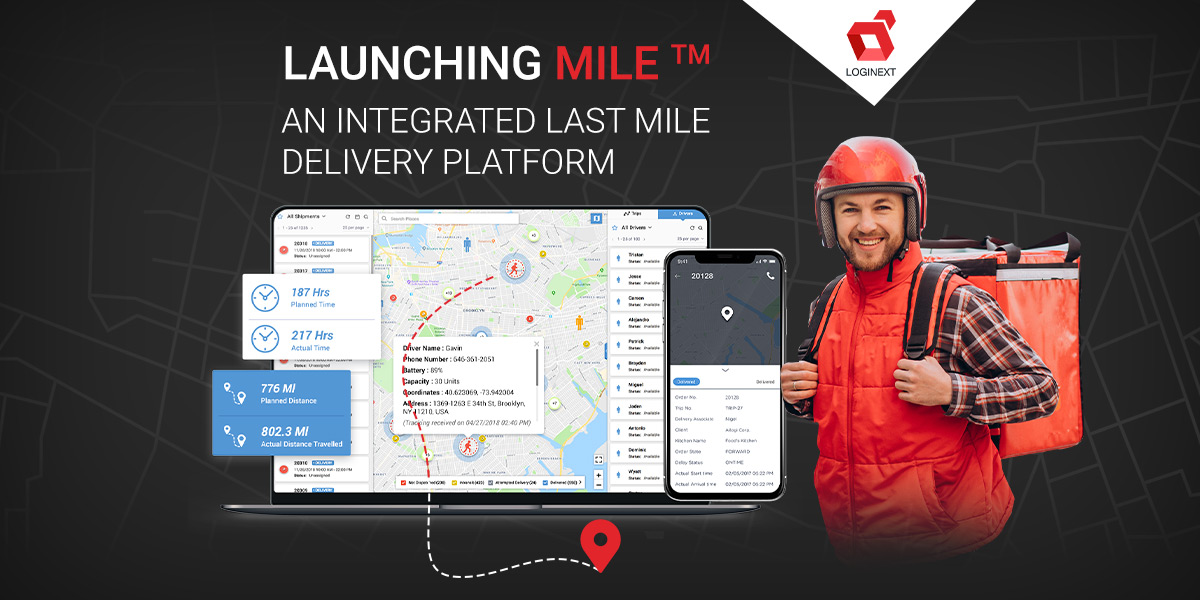
LogiNext, a global technology company on a mission to optimise and automate delivery management for enterprises, has launched MILE, an integrated last-mile delivery platform.

This is the first time a cloud-based software has brought together various elements in the shipper, carrier and dispatcher ecosystem to deliver a Transportation Management System 2.0 which LogiNext calls a Transportation Automation Platform.

Legacy on-premise software has existed for the logistics industry, but this is the first time all elements of delivery management have been brought together under one SaaS offering. An integrated last-mile delivery platform is an interconnected ecosystem of web applications and mobile apps for operation managers, CSCOs, delivery partners and end customers to ensure a seamless last-mile delivery experience.

“On demand delivery has skyrocketed in the past two years with a major shift in consumer behaviour due to the pandemic. Same-day delivery is the norm and consumers now expect deliveries in a preferred time window with real-time delivery communication. To ensure brands can deliver up to the promise, we’ve launched LogiNext MILE to help our clients in various industries provide a world-class delivery experience to the end user,” said Dhruvil Sanghvi, Chief Executive Officer of LogiNext.

Brands like McDonald’s, UPS or Walmart can use the LogiNext MILE portal to collect all orders (via their own app, third-party aggregators, etc.), and then the AI-powered route planner generates trips for drivers on the LogiNext driver’s app. The entire delivery experience is digitally recorded to give insightful data and analytics which ensures delivery compliance.

Enterprises in various industries – CEP (Courier, Express, and Parcel), QSR Chains, eCommerce & Retail, and Transportation – are using LogiNext MILE to reduce costs, improve operational efficiency and deliver a brilliant customer experience.

“We’ve built a plug-and-play product which enterprises are using to go live instantly to automate delivery management, be it a B2B or B2C play. Brands are seeing delivery efficiency shoot up 20% within a few months and this helps tremendously in increasing revenues and staying ahead in the curve of digital transformation that the world of logistics is going through,” said Dinesh Dixit, VP of Client Excellence, LogiNext.

Freightliner secures funding for emissions tool

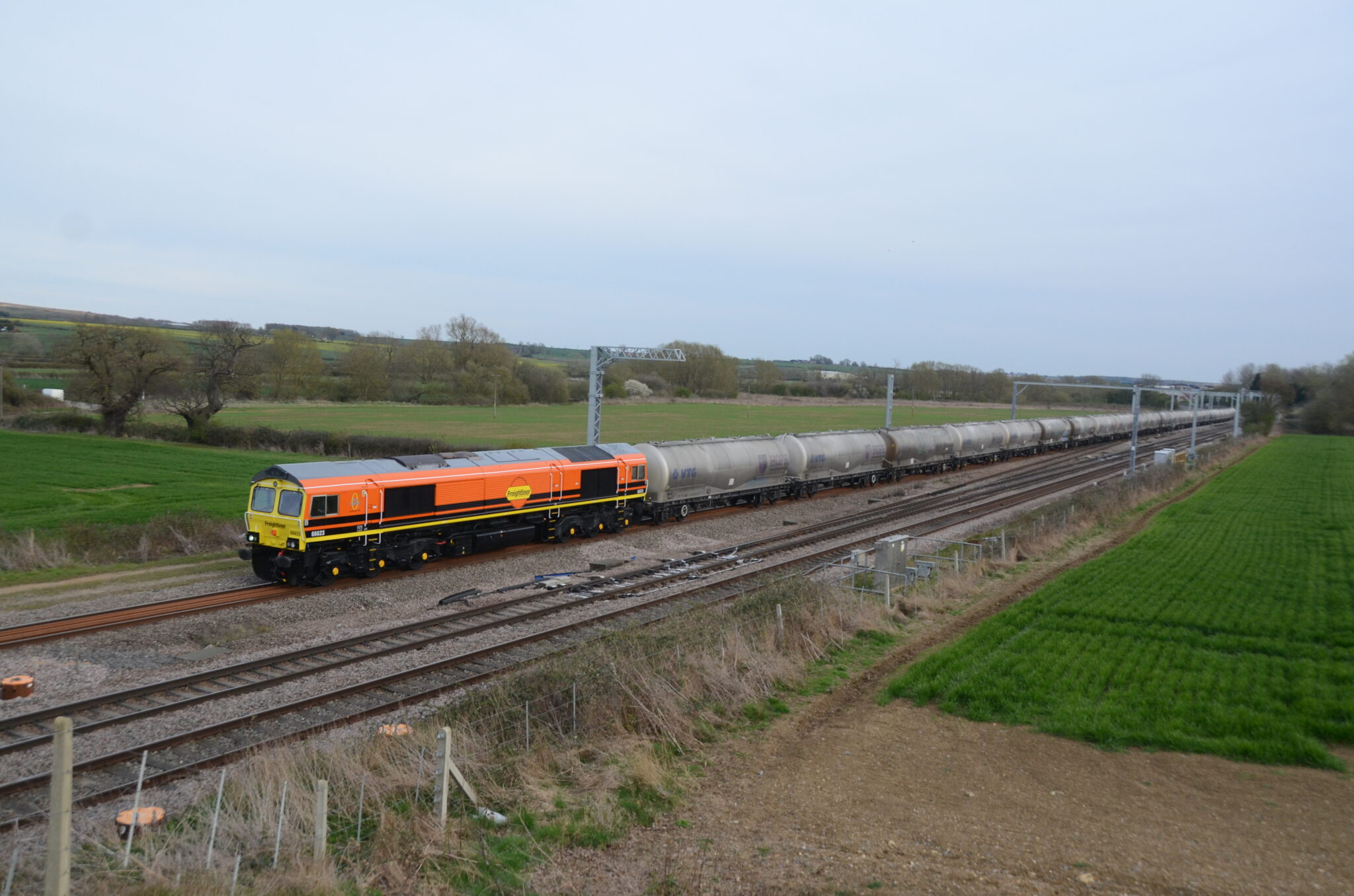
Freightliner, in partnership with a consortium of specialist suppliers, has successfully secured government funding to develop a Rail Freight Energy and Emissions Calculator (REEC) that will be deployed on the existing NR+ platform used for rail- freight planning.

The project is one of 30 winners in the latest round of the First of a Kind (FOAK) competition announced recently by the Transport Secretary. Already the safest and greenest mode of ground-freight transportation, the competition has been aimed at making railways even cleaner and greener.

The NR+ platform, developed by University of Hull, is the first digital platform that fully captures the UK rail network capability from a freight operator’s perspective, including data on loading gauge, permitted weight and electrification constraints. It will be augmented with route gradient and line speed data, together with high-accuracy train performance modelling, to deliver a low-cost intelligent emissions calculation and mapping solution.

Rail-freight operators and customers will be able to calculate precise energy and emissions estimates for their routes, easily model the performance limitations of different traction options and varying train loads, or compare rail freight with other transport modes to determine the effects of modal shift on overall emissions.

Freightliner is excited to be a key partner in this pioneering rail-freight project with University of Hull, Aether, Carrickarory and University of Derby,” said Freightliner UK Rail Managing Director Tim Shakerley. “There are significant economic and environmental benefits generated by rail freight, and the development of the Rail Freight Energy and Emissions Calculator can support an increased modal shift from road to rail, ensuring that rail freight is well positioned to deliver even greater economic benefits and the decarbonisation of the UK economy.”

With 44% of the UK network currently electrified and no more than 80% likely to be electrified in the next few decades, REEC can also be used to analyse the freight impact of different electrification plans, options, and alternatives. Freight operators are actively pursuing ways to decarbonise diesel trains, which is not just a matter of switching to lower carbon energy sources but also operating more efficiently – for example, by operating longer trains that are more energy and emissions efficient. However, a detailed energy and emissions calculator, that can simply and easily evaluate all the permutation of performance requirements, efficiency improvements and mitigation measures is not currently available.

The lead organisation, University of Hull, has successfully developed the NR+ platform and demonstrated its ability to combine big data and analytics to deliver scalable rail applications. The energy and emissions calculations will be led by consultants from Aether and Carrickarory, who have worked with Department for Transport and Rail Safety Standards Board on rail emissions understanding and reduction, and an expert from the University of Derby.

Amar Ramudhin, Director of the Logistics Institute, said: “Building on our innovative NR+ platform, our energy and emissions calculator will provide much more precise emissions data. This will allow DfT and Network Rail to align their investment on rail electrification to areas with higher emissions and lead to opportunities to plan routes that are lower in carbon emissions, contribution to the UK’s commitment to providing a more reliable, efficient, and greener railway, as well as the University of Hull’s commitment to accelerating a net zero future.”

MHS introduces cross-belt sorter for small items

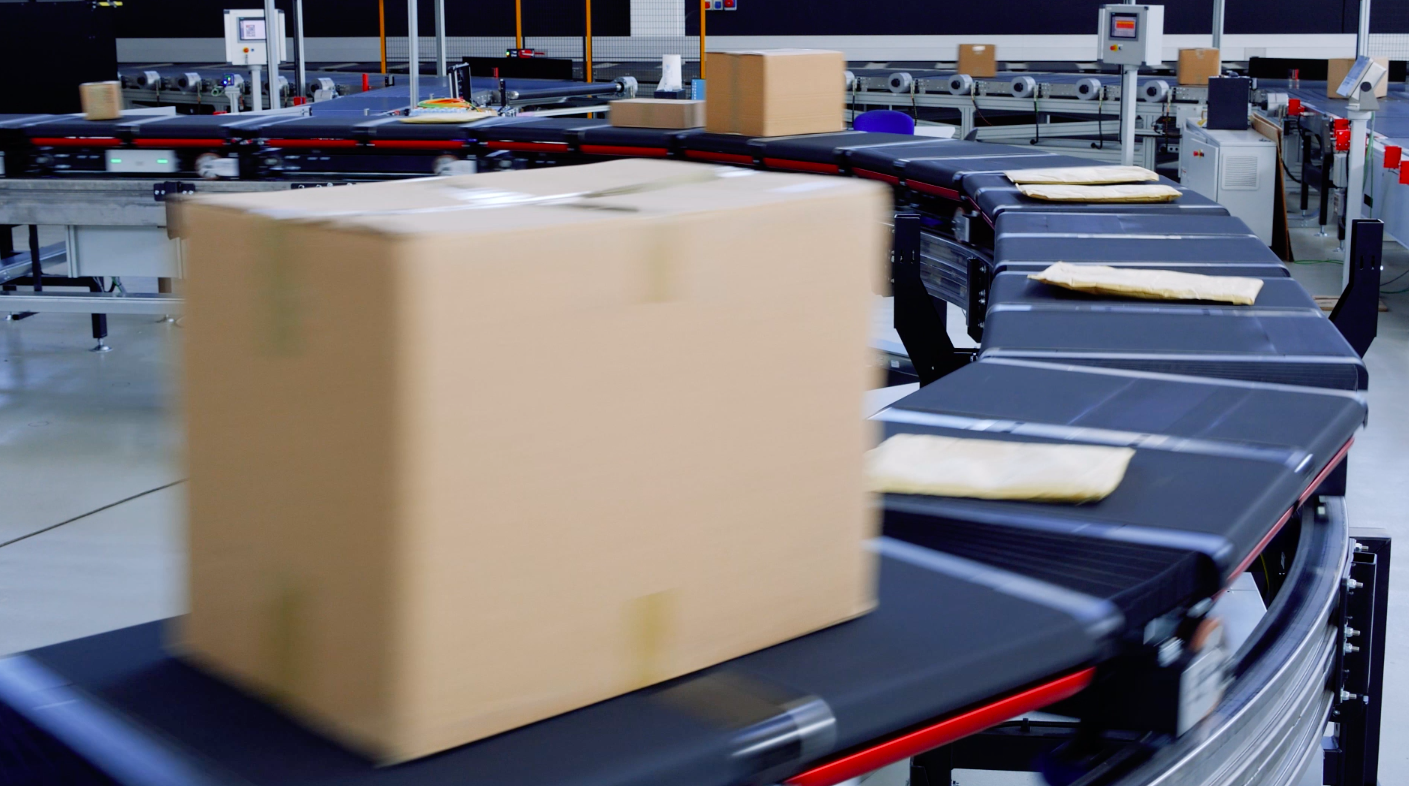
MHS, a single-source provider of material handling automation and software solutions, has unveiled a new cross-belt sorter designed to handle small items. The HC-Loop Double Cell has an innovative design that uses sections of two cross-belt cells that can either work simultaneously to handle a single large item or independently to handle two smaller items and boost capacity.

The versatility of the double-cell design enables the sorter to handle items as small as 75x75x3mm and as large as 850x650mm. The HC-Loop Double Cell gives operations a solution to reliably handle small items like flyers, polybags and shoe boxes, while maintaining the flexibility to handle larger packages like electronics or office supplies.

The precise diverts of the HC-Loop Double Cell enables the use of narrower chutes to increase density and reduce the total footprint of the system, while achieving up to 99.99% sortation accuracy. An intelligent induction system works to increase the utilization of available sorter cells by booking them in advance for target parcels, helping operations reach a capacity of up to 4,500 parcels per hour using a single compact induction line.

“As operations face a demanding product mix and rising commercial real estate costs, the HC-Loop Double Cell sorter offers the versatility they need in a compact, efficient package,” says Luis Antezana Vila, Product Manager, Cross-belt Systems, MHS. “But avoiding unplanned downtime is also critical. That’s why we’ve worked to establish strong component reliability and leverage sensor-based technology to predict and prevent unexpected outages.”

Sensors placed along the sorter track and within each cell constantly monitor overall system status and individual components. Through predictive analytics, MHS can detect when a failure might be imminent, based on data reaching pre-determined thresholds, and proactively alert maintenance teams to help avoid unnecessary downtime. The company provides local sales, support and service for implementations worldwide.

Click here to view the video


myGW offers Kärcher supply chain transparency

Cleaning appliances manufacturer Alfred Kärcher GmbH is benefitting from the myGW customer portal of the Austrian logistics company Gebrüder Weiss.

During the hot summer months, people like to water-blast their terraces, façades or cars. Appliances made by Kärcher have become synonymous with the notion of high-pressure cleaning, with the German word Kärchern (derived from the company’s name) even making it into Duden, the German equivalent of the Oxford dictionary, meaning to clean with a high-pressure water-blaster.

A global leader in cleaning technology, it is represented in 72 countries with 127 national companies and produces and sells its extensive product range around the globe. Behind it is an equally comprehensive logistics network, one in which many different moving parts must come together perfectly for its products to be at the right place at the right time: at hardware stores, garden centres or Kärcher’s stores.

An eye on everything

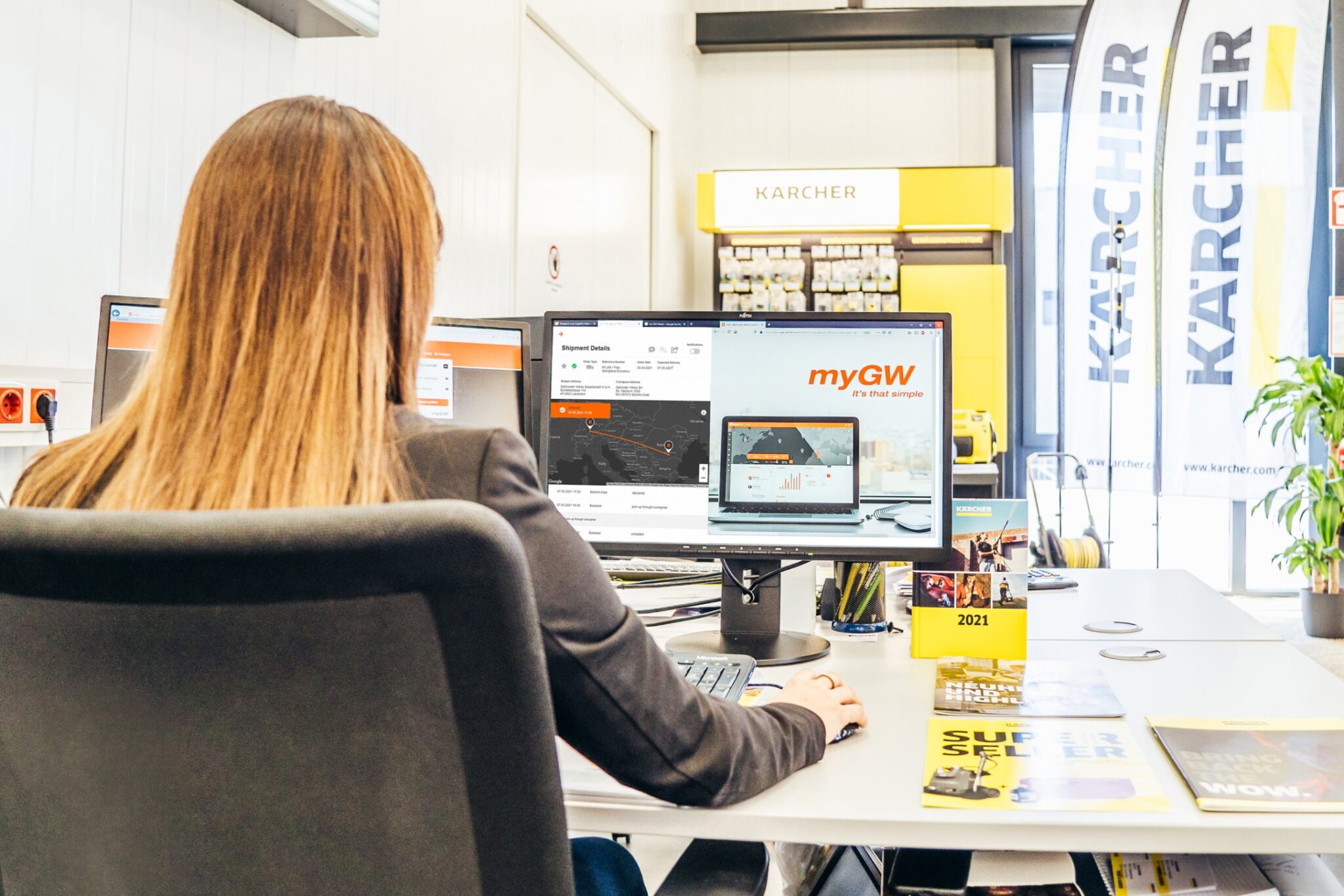
In Austria, the international transport and logistics company Gebrüder Weiss is responsible for distributing Kärcher’s range of products. The logistics expert developed an impressive concept characterised by proactivity, flexibility, and transparency, the centrepiece being the new digital customer portal myGW.

In myGW logistics managers and customer advisors can keep an eye on an order at all times and are always up to date with the latest information: “When a customer calls us, there is normally a sense of urgency behind it,” explains Bernadette Nieman, Head of Customer Service, Claims & Returns at Kärcher Austria. “Mostly they want to know where a shipment is at the moment or why it hasn’t arrived yet. What’s important now is to provide reliable and transparent information to take the edge off any complaints. Experience shows that the subjective waiting time of customers is shorter if they know why they have to wait and how long for.”

New and improved

Giving reliable answers is no longer a problem since Kärcher customer service has myGW. The portal provides accurate information regarding the status, location and expected time of arrival of a shipment (ETA) in real-time. If necessary, the end customer can also be sent a link to check the shipment’s progress.

But that’s not all myGW can do. It also provides access to all relevant documents such as invoices or delivery receipts stored online, enabling them to be viewed at the touch of a button.

“Previously, we experienced difficulties rather frequently when it came to delivery receipts,” says Nieman. “Now, such requests are dealt with quickly. This is not only a relief to our customers, but also makes work easier for our employees. Long and tedious searches are now a thing of the past.”

Data reliability and transparency represent real added value for her and her team, as does the ease with which the online tool can be used along with the general improvement in communication. “Kärcher stands for solutions that are synonymous with performance, quality and reliability. myGW won us over with the very same features, making it a perfect match.”

 Cranfield expert: ‘Pingdemic’ threatens supply chain

Commenting on the struggle of supply chains amid the ‘Pingdemic’, Professor Richard Wilding OBE, Professor of Supply Chain Strategy at Cranfield School of Management, said: “For any supply chain to operate you need processes, IT systems, physical infrastructure and equipment but critically you need people to support this. What we are seeing here is the removal of one of the critical fundamentals of the supply chain, people.

“Typically, organisations plan for a 3% absentee rate, what we are seeing here appears much higher and causing significant problems. Any reduction in the workforce above planned levels will always cause disruption.

“The challenge is the ‘pingdemic’ affects all part of the supply chain in both the front end where customers are served in supermarkets, restaurants, hotels, pubs, health care settings but also the back end of the supply chain that supports these businesses including warehouse operators, delivery drivers, lorry drivers moving things across the country, manufacturing plant operators and ultimately those involved in waste collection and recycling.

“Even if you have a fully staffed supermarket, if you have a warehouse or a production plant running at 50% of its capacity, you will have problems filling shelves with product. The same is true if you lose supermarket workers, if you have product but nobody to stock the shelves or staff the tills, you can’t operate effectively.

“With no end in sight of the ‘pingdemic’, organisations will have to plan and prioritise operations to take into account a reduced work force, possibly over a sustained period. This could include reducing the number of shifts operated, focusing on the essentials, focusing only on high profit margin products and services to maximise revenue with the limited resource available and, in the worst case, shutting down parts of operations.

“All these actions will potentially impact on consumer choice and the customer experience. The already burning platform of the pandemic is driving all organisations to explore automation in all areas to a greater extent.   Supply chains will never return to the old normal and the impact on our society will continue as we move into the new normal.

“The challenge is that it is not only the “pingdemic” putting strain on supply chains, floods in Europe causing re-routing and disruption, hot weather causing change in customer buying patterns and the huge backlog in HGV driver tests caused by the pandemic, for example, all contribute to supply chain volatility and pressures.”

Halfords implements Descartes’ last-mile delivery solution

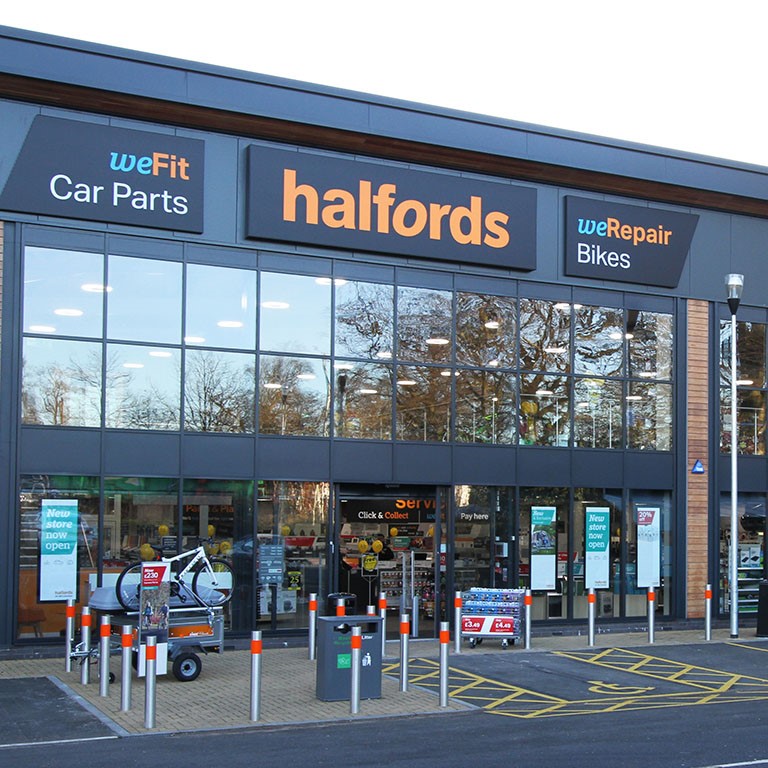
Descartes Systems Group, a global leader in uniting logistics-intensive businesses in commerce, has announced that Halfords, a leading UK automotive products and services retailer, is using Descartes’ last-mile delivery solution to enable dynamic delivery pricing in its customer-facing mobile tyre replacement service and as its new international field service software solution called Avayler.

First metrics show that Halfords’ mobile service business has already been able to improve gross profit by 5% and reduce miles per delivery by 13%.

Descartes’ last mile delivery solution provides an end-to-end platform for home and last-mile delivery operations. The solution spans delivery appointment booking, route planning and execution, mobile proof-of-delivery (POD) and notifications processes. Its delivery appointment schedule is dynamically generated for each customer and time window options are scored. This allows organisations such as Halfords to intelligently control the booking process, which maximises booking density and productivity and enhances the customer experience while minimising costs.

“As part of our innovative ecommerce-based mobile tyre replacement service, we wanted to more accurately reflect the logistics cost of the mobile service when customers were booking service appointments and balance demand with our ability to serve customers,” said Chris McShane, Director, Strategy, Transformation & Business Development at Halfords. “Extending Descartes’ dynamic scheduling solution into Avayler made perfect sense. The solution will allow garages, distributors and other service-based organisations to provide their customer base with unique service appointment pricing as they are making purchases and the ability to optimise customer demand.”

The advanced real-time capabilities of the Descartes solution enable Halfords to offer dynamic delivery pricing that considers existing orders, business objectives, road network, vehicle capacity and service constraints to price delivery appointment options. In addition, Halfords uses Descartes’ forward-looking vehicle capacity information to help adjust its online marketing to ensure it balances demand generation with the ability to service that demand. As a result, Halfords has been able to target pay-per-click marketing spend by matching orders booked with the ability to service more customers in the coming days in particular regions.

After successfully using the Descartes last-mile delivery solution to drive efficiencies in its own operations, Halfords has now integrated it into Avayler, its newly launched, end-to-end, customer-centric field service solution that will be rolled out globally. Avayler will provide other businesses with an end-to-end SaaS solution wherever they offer services whether in store, at garages, workshops, clinics, pop-up sites, in the driveway or across the threshold.

“By using logistics information and constraints in real-time during the customer buying experience, Halfords is taking last-mile delivery strategies and solutions the next level,” said Pol Sweeney, Vice President of UK and Ireland Sales at Descartes. “Home and last-mile delivery and services continue to be market differentiators, but expensive to operate. Halfords’ combination of our dynamic delivery appointment booking with its advanced pricing algorithms and capacity management allow the company to provide one of the most innovative and intuitive field service solutions on the market.”

Toolstation tackles omnichannel challenges with Kӧrber

Körber is working with Toolstation, one of Britain’s fastest-growing suppliers of tools, accessories and building supplies to the trade, home improvers and self-builders, to evolve its multichannel capabilities to meet consumer demands. This includes enhancing processes in its Redditch distribution centre while supporting Toolstation’s expanding network of stores.

Toolstation is experiencing significant growth in online and retail orders. As a result, the company outgrew its paper-based processes – leading to a lack of visibility and productivity constraints for the workforce. With its vast range of products, even though broken into warehouse ‘logic zones’, Toolstation was challenged to simultaneously manage smaller, sometimes single, e-commerce orders along with bulk distributions for its stores.

The company needed a solution to increase workforce productivity, simplify picking, increase capacity within its current warehouse and integrate with its existing, proprietary order management system that linked all of its stores. Kӧrber made this possible.

“At Toolstation, our customers and colleagues are at the heart of everything we do. As our business continues to rapidly grow and expand, the needs and expectations of our customers continue to develop and change, be it product range, speed of delivery or convenience. It was really important for us to streamline our processes to make picking easier for our colleagues, improve visibility of workload across our distribution centre and to improve the quality of delivery to our customers.

“When we turned to Körber, we were looking to reduce our in-house complexities to develop a superior solution that would work in our current operation and with our existing IT infrastructure,” said Jim Gowland, Head of Distribution at Toolstation.

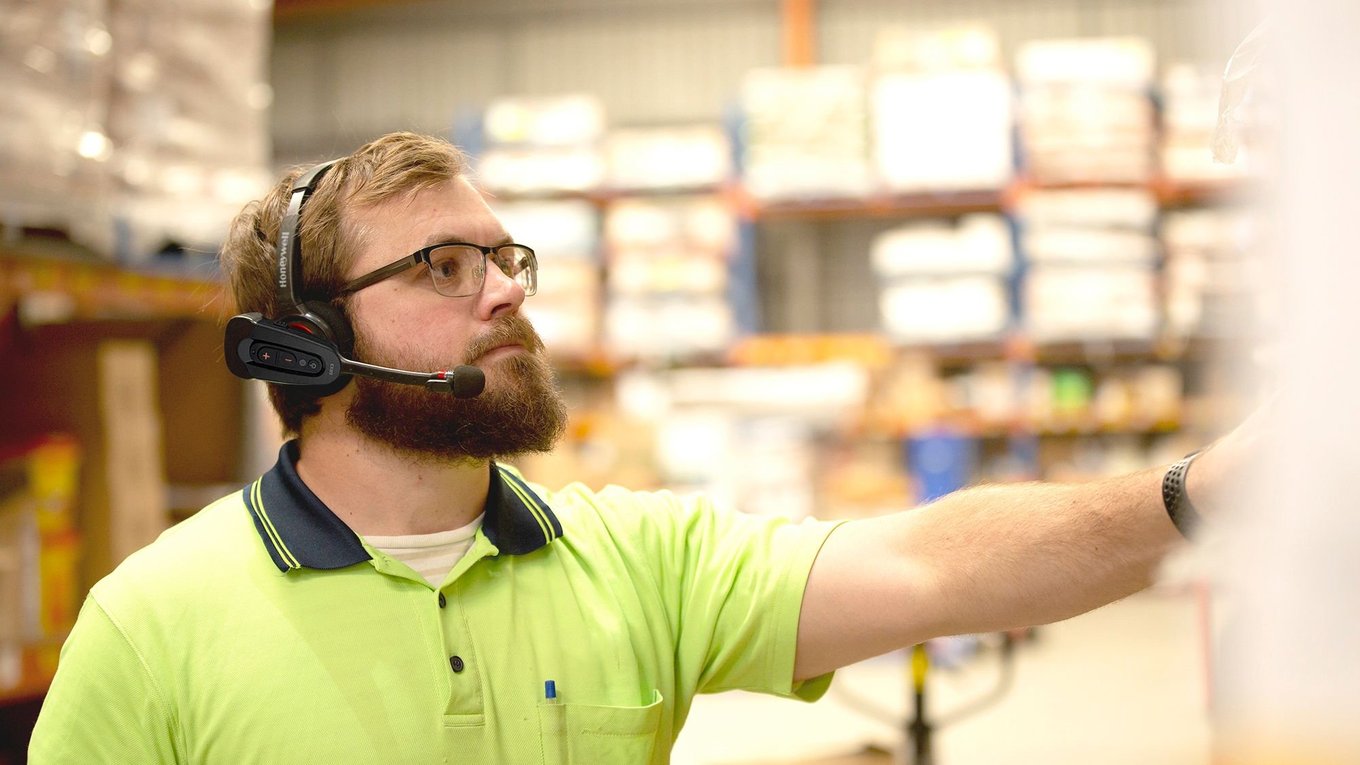
Working with Toolstation, Körber designed a solution that uses a warehouse execution system (WES) combined with voice technology to facilitate process change, driving efficiency and accuracy.

The WES builds the basis of operational improvements: It links orders geographically in the warehouse to limit the walk time of each operator. Innovative multi-order picking logic enables picking for multiple customers. Furthermore, product information is used to maximise the fill of each delivery unit, reducing transportation costs as well as amplifying operators’ picking tours.

The voice system improves the pickers’ experience in a different way. Workers hear and verbally confirm instructions step by step via headset. This ensures process conformity, improves productivity and reduces errors. The complexity of Toolstation’s product range also makes onboarding new pickers challenging. Voice technology has a proven record of significantly reducing training time. Due to the accuracy of voice picking, goods-in and put-away of orders delivered to stores will also be significantly improved, freeing up employees’ time for more valuable customer tasks.

A further benefit of the two linked systems is the WES’ ability to log and track each voice-directed action and provide near real-time visibility via a suite of standard dashboards. This gives the warehouse management team true insight into the operation.

“At Körber, we review operations to not only understand the ’what you do’ but more importantly ’the why’,” said Anton du Preez, Chief Sales Officer Software EME, Körber Business Area Supply Chain. “We work with our customers to identify how we can improve a process, and then consider the best technology fit. Along with decades of successful deployments worldwide, we have a wide range of solutions covering the entire supply chain at our disposal, as the complexities in today’s supply chain mean there is no ’one-size-fits-all‘ solution.

“The solution we will be implementing at Toolstation goes to show how much potential an existing warehouse has if the right type of technology is applied.”

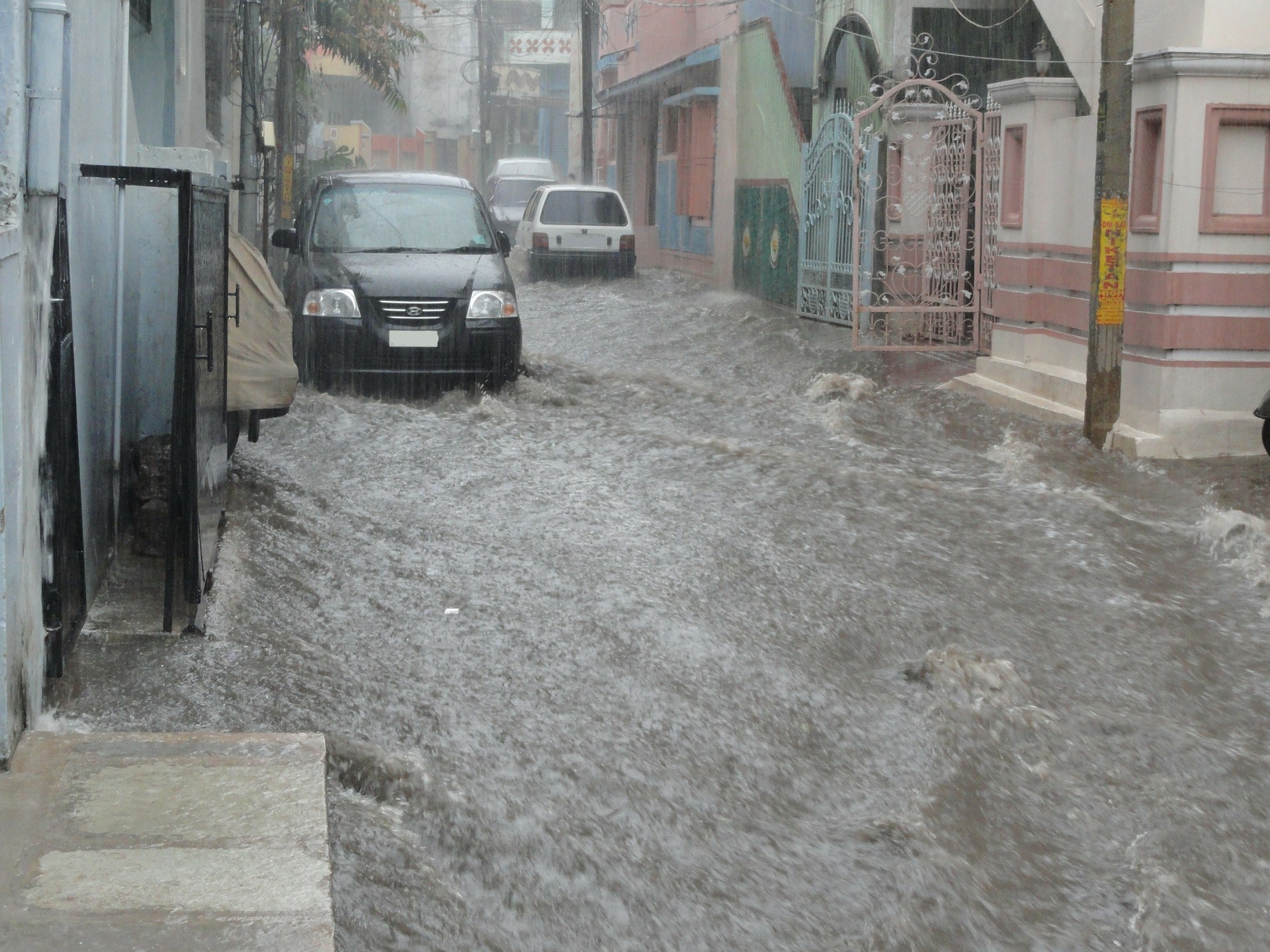
Impact of European flooding mapped

Data from supply chain visibility platform FourKites shows that the recent flooding in Europe has caused significant damage to the efficiency of the supply chain in Belgium and Germany. We can see delayed shipments and wait times soaring in these two countries for over-the-road transport. The impact has been less severe in the Netherlands.

We can see that late shipments started to grow during the week of 4th July, and reached their peak during the week of 11th July, registering growth of 18% and 15% over the previous week for Belgium and Germany. Late shipment trends in the Netherlands have been more stable compared to other two countries.

The most impacted mode of transport was LTL, where late shipments were up by 32% and 26% for Belgium and Germany during the week of 11th July. The Netherlands followed the suit, though to a lesser extreme, with a 27% increase for the same week.

The impact of delayed shipments for LTL loads translated into increasing dwell times at facilities. We observed increases of 14% and 10% in dwell time for the week of the floods (11th July) for Belgium and Germany, respectively, while dwell time in the Netherlands did not increase at all. This is compared to overall dwell time across Europe declined by 6% during the week of 11th July.

Subscribe

Get notified about New Episodes of our Podcast, New Magazine Issues and stay updated with our Weekly Newsletter.