Regional Express moves to new Southampton DC

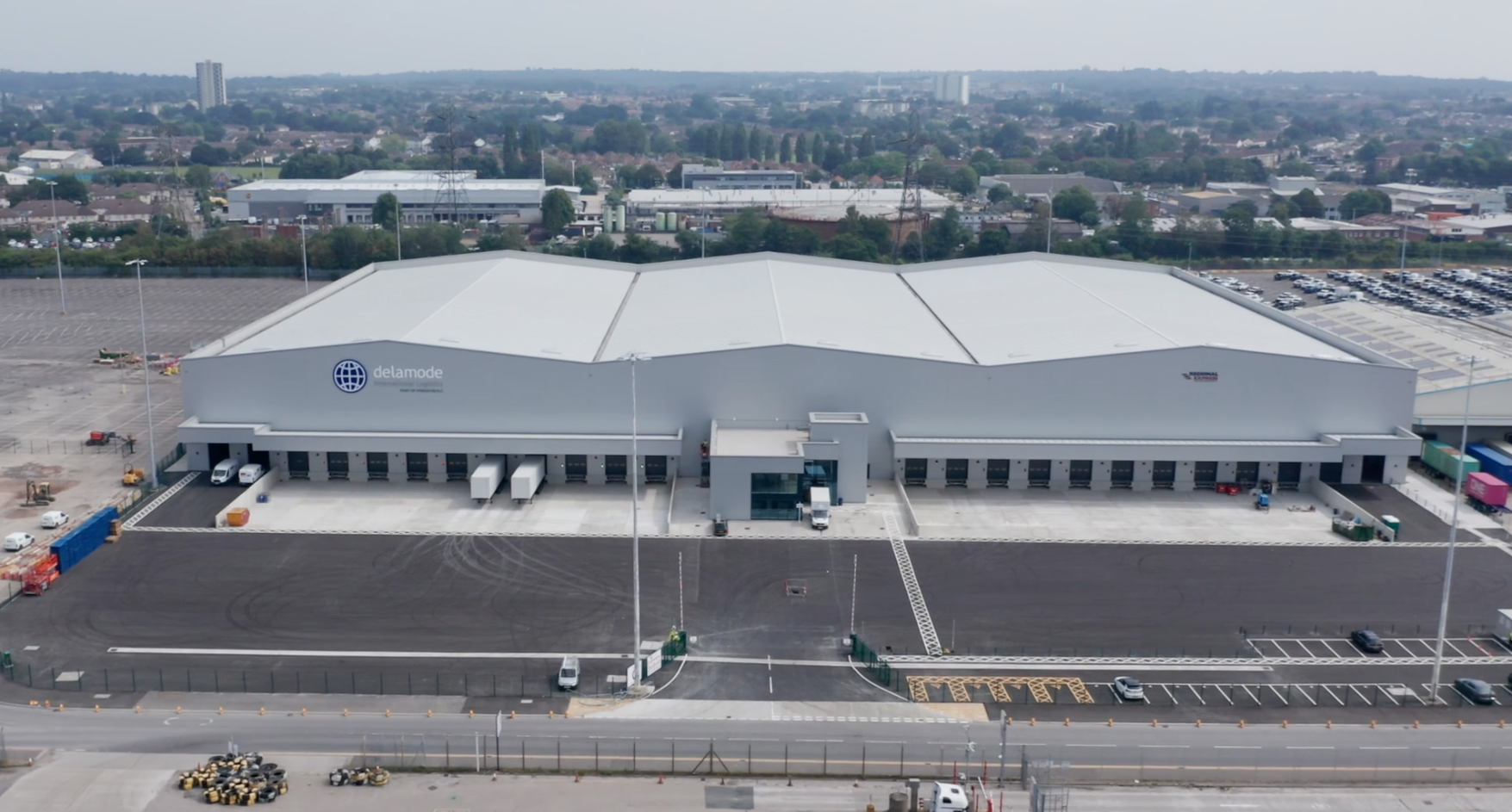
Xpediator, a leading provider of freight management services across the UK and Central, Eastern and Western Europe, has announced that its subsidiary, Regional Express, is moving from its current premises to join sister company, Delamode International Logistics, at its new 200,000 sq ft distribution centre located at Southampton container port.

Regional Express is a one-stop service for Amazon sellers in the UK, US and Europe with services including VAT registrations and tax filing, customs clearance, returns, fulfilment and warehousing. The move to the new warehouse is part of the overall integration of the Group’s UK logistics operations. Regional Express will operate alongside Delamode International Logistics in the new state of the art warehouse which will help the business meet rising demand from Amazon sellers for its services through the additional space and facilities now available.

Completed earlier this year, the new warehouse is designed to BREEAM Excellent Sustainability Standards and is primarily powered by renewable energy via a £2.5m roof-mounted solar panel installation, believed to be one of the largest in the UK. The move into the new warehouse will increase Regional Express’ pallet space capacity, whilst providing increased efficiencies in stock intake, order processing and speed to market, direct to the point of demand.

In addition, Regional Express will be able to offer bonded and buffer storage for Amazon sellers, enabling them to send larger quantities in one shipment to the UK reducing the overall unit cost. Smaller shipments, in line with the unit limits set by Amazon, can then be sent to Amazon warehouses in the UK and the remaining stock held at the new warehouse for stock replenishment as required.

Robert Ross, CEO of Xpediator, said: “As an approved supplier to the Amazon Solution Provider Network (SPN), Regional Express is well positioned to fulfil all logistical requirements for Amazon sellers. Regional Express performed strongly in 2020, and the move into the new Southampton warehouse will enhance its capabilities for Amazon sellers as well as become a point of differentiation for attracting new clients.”

Neil Curran, Managing Director of Regional Express, commented: “Moving to the new Southampton warehouse has multiple advantages for our business not only in terms of additional capacity and layout but also in terms of being located within the port itself, as this will lead to much faster stock intake and order processing times which will culminate into faster delivery times for our customers.”

similar news

Xpediator integrates and rebrands UK logistics division


Riders back in the saddle for Transaid

A team of more than 30 riders from across the transport and logistics industry have completed the 170-mile ‘Way of the Roses’ challenge, cycling from Morecambe, Lancashire to Bridlington in the East Riding of Yorkshire, to raise money for Transaid, the international development organisation.

The epic coast-to-coast route was completed over two days on Friday 24th and Saturday 25th September, so far raising an estimated £29,000 to support Transaid’s life-saving work to improve road safety and access to healthcare in sub-Saharan Africa.

Florence Bearman, Head of Fundraising at Transaid, and one of the riders taking part in the event, said: “We have been waiting a long time to get back in the saddle for one of our cycle challenges, and after having to cancel several events during the pandemic, it was fantastic to finally be back on our bikes and raising money.

“A huge thank you to everyone who took part; particularly for smashing our fundraising expectations, and for the true grit and determination shown on the steep ascent between Settle and Brimham Rocks!”

The cyclists taking part represented around 20 companies from across the industry, including headline sponsor UK Warehousing Association (UKWA), and support sponsors PF Whitehead, Stanley Travel and TRS Tyres. Riders were also fielded from firms including ABE Ledbury, Alpine Travel, Backhouse Jones, BigChange, Bowker Group, Burton’s Biscuit Company, DHL Supply Chain, Goodyear, Go South Coast, Innovate 360, Johnsons Coach and Bus Travel, LDH (La Doria), Leica Biosystems, Marks & Spencer, Xpediator PLC and Z-Tech Control Systems.

Transaid now has its sights set on a return to international challenges with Cycle Malawi 2022 – which will see a team of more than 40 riders cover around 500km over five days, taking in the stunning Lake Malawi, Mount Mulanje, Liwonde National Park and the Zomba Plateau. 44 riders have already signed up, with just a handful of places still remaining. Revised dates for the event – postponed from 2021 – will be announced soon.

Semiconductor crisis “not peaked yet”

The crisis caused by a semiconductor shortage has affected in particular automotive and technology sectors, with several prominent businesses forced to slow or cease production. But according to Andrew Austin, Group Operations Director at Priority Freight, the peak of the crisis has not yet been met and its effect on the logistics sector has not yet been fully felt.

“The widespread effect of the semiconductor crisis on the automotive sector has been well documented of late, with many manufacturers halting production or altering vehicle specs in response to the shortage,” says Andrew Austin.

“Similarly, the increase in demand for laptops and gaming consoles as people were all stuck working, and playing, from home created a reduced availability of consumer electronics. Some economists are even predicting that the shortage of semiconductors will affect food prices as farmers are less able to rely on smart tech and revert to manual processes. Other consumer electronics that may not have peaked in demand will still increase in price as the semiconductor shortage extends its reach and items become scarce.

“It is easy to understand how the semiconductor shortage has affected the products that directly rely on them to function, but what about the logistics sector in control of moving this electronic life source around the world? I fear we are yet to see the true impact of this crisis on our industry.

“The lead time to produce semiconductors can be anything between six and 18 months. Although it has been suggested that many OEMs could solve the problem in the long-term by manufacturing their own semiconductors, this is an unlikely solution that would drive up prices for the consumer.

“As the demand for electric transport increases, so too does the need for more semiconductors. An electric car uses many more than its combustion engine equivalent and, considering automotive semiconductor production is only 15% of the global output, it’s already a limited resource. The shortage has affected the automotive industry more than most because the sector traditionally operates with very lean supply chains. Another suggested, but unlikely, solution is that the automotive sector will move away from the just-in-time manufacturing model that has come under scrutiny of late.

“However, it is exactly this that allows automotive manufacturers to keep competition high and prices low. Many automotive plants are remote, and their ability to receive and store large quantities of materials will always be compromised, so, for many, a lean inventory will remain the norm. For the automotive sector, the semiconductor crisis is predicted to continue beyond 2022.

“Consider for a moment that semiconductor production was hit by the first factory shutdowns 18 months ago. This is the same lead-time needed to produce semiconductors from scratch, and conjecture is that the recovery period is imminent. Under ‘normal’ circumstances, manufacturers would rely on the cheaper, but longer, lead-times of sea crossings for their semiconductors but, given the pent-up demand, most will turn to air freight in an attempt to expedite production and recoup costs. This will put added strain on the already restricted air sector as belly capacity remains low.

“But it’s not just air freight that continues to suffer. Port congestion and the international driver shortage are affecting sea and road solutions globally. While pent up demand will benefit the freight industry financially, as the increased demand against a paucity of supply will cause rate escalation, it will also bring frustration with the lack of available capacity to match the prevailing demand. In addition, COVID-19 is still causing staff shortages and closures across all modes of transport, and there remains a vast and unpredictable variation between countries dictated by transmission rates.

“These conflicting and unpredictable factors, combined with the existing lack of capacity and the huge seasonal surge around Christmas, will affect the logistics sector the most. If any of these pieces that make up the jigsaw of the supply chain were within our control, the outlook would be more optimistic. At present, it’s not a matter of avoiding any negative impact on the industry but instead trying to reduce the size and gravity of that impact. “

Andrew Austin has spent his entire career in the logistics industry. With over three decades of experience in senior management and board level positions across diverse, international locations, he is responsible for leading and developing the operations mission within Priority Freight.


UK chilled haulier collapses into administration

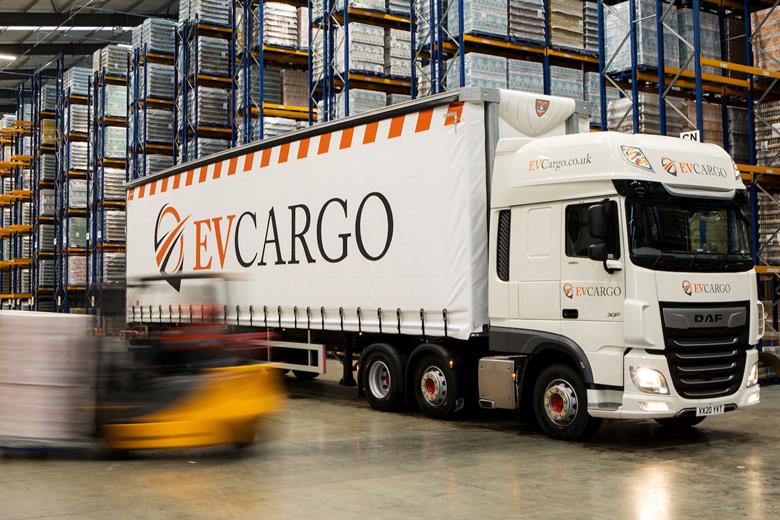
Logistics company EVCL Chill, the cold-chain subsidiary of the EV Cargo Group, has fallen into administration. PwC has been appointed as the administrator of EVCL Chill Ltd, EVCL One Limited, EVCL Two Limited and EVCL Three Limited. The current driver shortage affecting the UK was cited as one of the reasons for the company’s failure.

EVCL Chill operates primarily in the chilled food logistics market, storing and delivering products for a number of retail customers – including Sainsbury’s and Asda – and suppliers to the UK food retail market. Headquartered in Alfreton, Derbyshire, the business employs 1,092 full-time employees operating from warehouses and depots in key locations across the UK including, Daventry, Alfreton, Rochdale, Crick, Bristol, and Penrith.

EVCL Chill was formerly known as NFT Distribution and purchased by investment firm EmergeVest in 2014. In 2016 NFT Distribution acquired chilled food and drink 3PL NR Evans.

The business operates 374 trucks and 432 trailers across its transport network, alongside more than 20,000 pallets of warehousing capacity, servicing blue-chip food retailers and manufacturers nationwide.

In the period to December 2020, turnover at the business exceeded £167m and was cash generative. However, EVCL Chill has struggled with a loss of a number of key customers and acute driver shortages during 2021 which given its fixed cost base, created significant liquidity challenges. A number of sale options were explored but generated limited interest and management took the difficult decision to enter administration.

658 roles and a number of services have been transferred to key customers under their contractual arrangements, which provides continuity for parts of EVCL Chill and those customers. The administration does not affect other businesses within the wider EV Cargo Group, which continue to trade as before.

Eddie Williams, joint administrator at PwC, said: “This has been a very difficult situation and involved intense discussions with key stakeholders on an accelerated basis to get to this position. As businesses move from survival mode to recovery, the financial climate is still very volatile.

“I am pleased that at least 658 roles will continue in a sector that is already facing many difficulties and challenges around inventory, personnel and the wider supply chain. Some vital continuity and stability has been ensured for a number of EVCL Chill’s stakeholders.

“We will continue to fully support all affected staff members during this difficult time.”

Creditors mentioned by the administrator include HMRC, the UK’s tax office.

First unaccompanied cross-Channel rail service launched

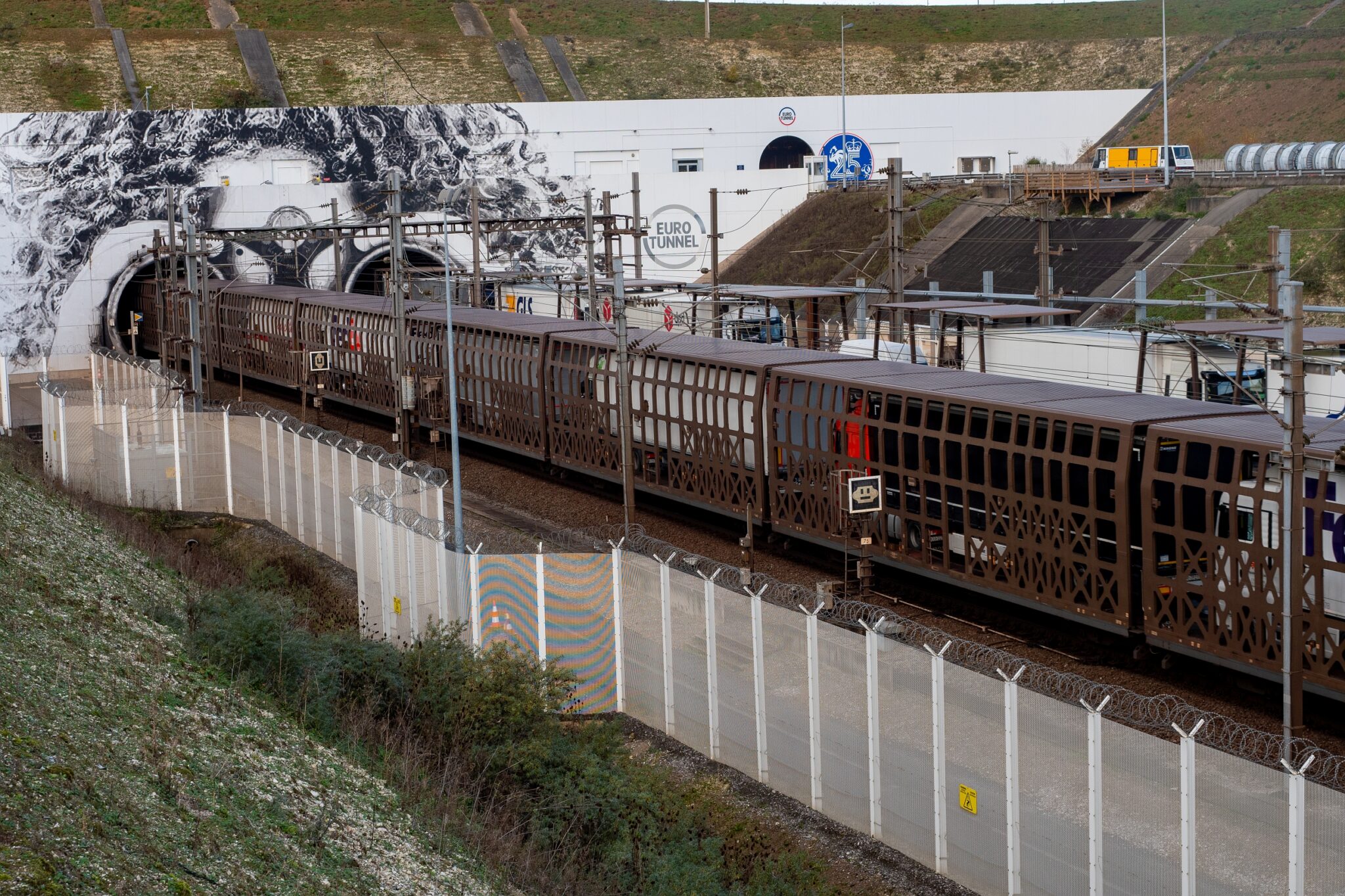
Eurotunnel and CargoBeamer have signed a partnership which will see the launch of a new, 100% unaccompanied rail freight transport service across the Short Straits, from Calais to Ashford.

The extension of the rolling motorway from Perpignan to Ashford is a logical step in developing a future international intermodal network between the Channel and the Mediterranean. A second route from Domodossola, in the Alps region, to Calais will also be extended to Ashford after its launch in early October.

Both new railway services will prevent 8,000 tonnes of CO2 emissions , responding to the move to decarbonising freight transport and promoting modal shift. The launch of an unaccompanied freight service makes it possible to partially resolve the shortage of truck drivers in the UK and Europe as well as relieving traffic congestion on motorways.

This new service builds on the complementary expertise of both companies. Getlink SE, the parent company of Eurotunnel, brings not only the speed, flexibility, and reliability inherent in Eurotunnel Shuttle services, but also its expertise in frictionless border crossings and carriage maintenance at CargoBeamer Terminal in Calais through Europorte. CargoBeamer offers its customers the benefit of its commercial and logistical expertise through its rolling motorways from Perpignan and Domodossola.

Christian Dufermont, Freight Commercial Director of Eurotunnel, stated: “The signature of this partnership confirms our freight commercial strategy and is concrete proof of our customers’ increased interest in an unaccompanied cross-Channel service that helps decarbonise their logistic chains and improves flexibility.”

Nicolas Albrecht, Chief Business Development Officer of CargoBeamer, added: “We value the cooperation between Eurotunnel and CargoBeamer as another crucial step in developing new relations around our recently opened terminal in Calais. Connecting Europe and the UK by environmentally friendly rail is highly important to achieve our mission of reducing the carbon footprint of the logistics industry.”

Linde provides forklifts to support flood relief efforts

Linde Material Handling is continuing to support reconstruction efforts in central Europe following the devastating floods that struck the region earlier this year.

Even more than three months after the devastating floods that had taken place along the rivers Ahr, Kyll or Erft, many places in this part of western Germany are still a scene of destruction. Back in August, Linde MH and network partner Linde Material Handling Rhein-Ruhr made various forklifts available to the German Red Cross (DRK) for an indefinite period of time – and these are still in use to help transport supplies to those affected and support reconstruction efforts.

“We were shocked by the extent of the damage and wanted to help by way of what we and our network partners can do best: high-performance goods handling,” says Stefan Prokosch, SVP Brand Management at Linde MH. To this end, the company unbureaucratically handed over numerous vehicles to the German Red Cross for their use for an indefinite period of time.

Since then, the forklifts have been used to move many tonnes of loads at various locations, helping to ensure that supplies reach the population and relief workers in addition to supporting clean-up and reconstruction work in the affected areas. In July, the parent company KION Group had already donated €1m in emergency aid to the German Red Cross.

Forklifts as flood helpers

To date, Linde Material Handling and its network partner have delivered more than a dozen industrial trucks to various DRK bases. Most of the equipment – forklifts and warehouse trucks with a load capacity of up to two tonnes – is used at collection points for relief supplies in Euskirchen and Alsdorf. Here, they help by unloading HGVs and transporting materials around the warehouse. “The vehicles were welcomed with great cheers,” reports Mirco Trautewig, who is responsible for marketing at Linde MH Rhein-Ruhr. “Before, there were often only manual pallet trucks available, the use of which required a lot of effort from volunteers.”

A larger diesel forklift with a load capacity of five tonnes is currently in use in the municipality of Grafschaft, district of Ahrweiler at the food distribution point set up there. From this central location, the German Red Cross supplies a total of twelve field kitchens in which up to 29,000 meals are prepared every day and distributed to those in need as well as to volunteers via 42 distribution points. With a load capacity of eight tonnes, the diesel forklift in use at the DRK’s collection and transshipment centre in Koblenz offers even more power.

This vehicle is utilised by Red Cross workers to unload power generators, drying devices and other heavy equipment, which is delivered from all over Germany by truck before being distributed from here to the flood-stricken areas. A team of employees from the Central Service, Truck Finish and Sales Germany departments in Aschaffenburg worked together to ensure that the two forklifts reached the affected region quickly. “Everyone pulled together and was enthusiastic about the project,” says Klaus Reichert, the sales representative responsible for Linde’s forklift pool.

One operation in the flooded area proved to be particularly precarious: A medium-sized company that had stored hazardous materials on its premises suffered the complete destruction of its warehouse and production facilities due to the massive ingress of water. “Only a short time after receiving the emergency call from our sales organisation, we were able to send a suitable explosion protection truck to the site, which has been helping with the clean-up work ever since,” says Marcel Fackert, Managing Director Linde Protected Solutions.

BIFA seeks to inspire next generation

The British International Freight Association (BIFA), the trade association that represents the UK’s freight forwarding and logistics sector is launching a campaign to encourage its members to work with schools to promote careers in logistics, forwarding and the supply chain, and encourage students to consider them.

With schools returning for a new academic year, BIFA is equipping its members with materials to help them promote careers within the freight and logistics sector to students.

During September, BIFA members will be receiving copies of literature (pictured below) that is full of ideas of how to promote their business and the industry as a career option to the next generation.

This promotional material is the first part of a wider industry inspiration programme that will help members to highlight to students the available routes when making career choices, identify the core values and behaviours required when applying for jobs, and provide advice that may encourage young people to broaden their horizons.

Carl Hobbis, executive director and training development manager, says: “Industry promotion is one of BIFA’s key roles and part of that is encouraging logistics as a career path. We see career guidance via school events as being key to that.”

Whilst the trade association has its own plans to have more proactive engagement with schools, it hopes that the literature that is being distributed will inspire members around the country to do something locally.

BIFA believes that schools need employer engagement and apart from the blue-chip organisations, many members generally don’t know where to start or who to approach, so it is encouraging those members to reverse this and reach out to schools in their vicinity.

Hobbis adds: “Since the Brexit vote and the onset of the Covid pandemic, global supply chains have been in the news more than ever, so what a great time to encourage someone to consider a career in international freight sector that manages those supply chains.

“Apprenticeships are certainly something that a lot of students are considering, rather than taking on the debt associated with a degree, and we are reminding members that there is a specific apprenticeship standard for International Freight Forwarding, that BIFA was instrumental in establishing.

“Many of our members are doing some fantastic things already, but we, as a trade association need to do more. This literature is just the start and provides a framework to support members, and help them to attract the next generation to the freight forwarding and logistics industry.”

Retailers: how to survive and thrive through a ‘pingdemic’

Retailers have had it rough, to say the least. With Brexit and the pandemic causing a wave of uncertainty, brands saw themselves facing never before seen challenges. As a result, customer service teams and operational agility were pushed to their limits, picking up the pieces with frustrated customers due to supply chain and workforce shortages.

With thousands of front-line workers ‘pinged’ to self-isolate, the same problems of empty supermarket shelves, delayed deliveries, and stretched customer service teams we saw in the peak of March 2020, appeared once again. What first seemed like a viable solution to make people safer, soon had a damaging effect on the supply chain.

Now, with changes to the app made, the number of people ‘pinged’ has thankfully fallen, and policy updates mean that those double jabbed, no longer need to self-isolate. Despite this, the battle is far from won and retailers still need to emerge from these challenges in a more robust and agile position.

With brands setting the bar higher than ever before, COVID, Brexit and the ‘pingdemic’ are no longer excuses for a bad delivery experience. But what steps can retailers make to mitigate risk and protect the experience for their customers?

Step 1: automated tracking

Royal Mail recently reported disruption to deliveries in 12 different postcodes across the UK after a wave of staff were forced to self-isolate. With many other companies following suit, there was also another kind of wave – that being a surge of angry customers, without any knowledge of where their deliveries could be.

Ultimately, leading them to pick up the phone and ask ‘where is my order?’ to customer teams. If a customer’s delivery is going to be late, they want to know about it ahead of time rather than being the one to chase for updates – and this is where automated tracking can save the day.

Similar to fast Wi-Fi or running tap water, branded tracking should be basic hygiene. Yet in a recent study conducted by sorted.com, it was found that only 36% of retailers have branded tracking on their app or website, while 18% of retailers do not offer any tracking at all. With disruption always on the horizon, automated tracking is now crucial, especially when it comes to staying one step ahead of the customer.

With automated tracking, retailers can keep customers informed at every point of the delivery journey, meaning they know where their delivery or return is before they even need to ask. This is already doing wonders for some brands. MusicMagpie, for example, successfully slashed their “where is my order” contact enquiries by 63% after they incorporated automated tracking. In turn, this reduced the pressure on contact centres, all while protecting customer loyalty and confidence.

Step 2: ready for the unexpected

If retailers have less staff on the ground, those who can work need all the help they can get with automation. To drive the most efficient operations, brands need to be more informed with access to data. After all, a more informed business means a more successful one. Better informed CX teams leads to better support for customers, so accurate insights are vital for quick crisis management.

While the pandemic has been a case of unprecedented disruption, other unexpected factors (such as weather and traffic disruptions) are inevitable. No two days are ever the same in logistics. From a snowstorm to blocked motorways, anything can crop up so having the insight to act fast and make changes is critical.

This is why retailers must stay ahead of the game and be prepared to deal with any sudden issues to protect brand reputation and customer loyalty. To do so, delivery performance reporting can be incorporated to keep teams up to date with any problems or issues that can appear across multiple carriers. To be as proactive as possible, teams can set-up escalation management, such as alerts and warnings, to be notified of any missing or late parcels. With 1 out of 5 of customers less likely to shop with a retailer online again following a bad delivery experience, proactivity is therefore crucial to brand loyalty and customer satisfaction.

Step 3: better insight

No matter how prepared you may be, disruption is often inevitable, so customer service representatives must be ready to deal with any unpredictable issues. As such, it’s crucial for teams to be fully informed with access to any necessary data insights all in one place to offer quick solutions. For instance, with an interactive dashboard, teams can highlight any issues by severity, so prioritisation is clear. It’s bad enough for customers to be left in the dark, but for teams to be clueless about the status of a delivery or return too, will be self-destructive for a brand.

Even better, today’s digital age means customers can look up information on their own with ‘self-serve’. Rather than getting in touch with contact centres, customers can access the specific information they need, wherever they are in their post-purchase journey. This eases the pressure of customer service teams, allowing them to focus on more complex issues. With 73% of customers saying that valuing their time is the most important thing a company can do to provide them with good online customer service – self-serve provides an answer to your teams’ prayers.

The bottom line: be proactive

The past year has been a challenging time for retailers, but the ‘pingdemic’ won’t be the last of their problems. To be more prepared, brands must now adopt the right tech and be equipped with actionable insights to reduce the pressure on teams and deliver the best service possible.

XPO Logistics sponsors Birmingham Pride

XPO Logistics, a leading global provider of freight transportation services, is continuing to demonstrate its commitment to diversity, equity and inclusion by sponsoring the Birmingham Pride Festival on 25th–26th September 2021 in the West Midlands. The theme of the event, “Stronger Together”, also signals XPO’s support of LGBTQ+ employees and allies.

XPO sponsors LGBTQ+ events that reflect the geographic diversity of its operations, as well as the individualism of its team members. The company recently supported the Tamworth Pride Festival in Staffordshire and has sponsored the New York City Pride, the Mid-South Pride Fest, the Tri-State LGBTQ+ Unity Summit and the Lesbians Who Tech Virtual Summit in the US.

Dan Myers, managing director – UK and Ireland, XPO Logistics, said: “We want everyone to feel welcome and valued as members of the XPO team. A diverse team makes us a stronger business and helps us to recruit and retain the very best people. Our support for Pride events like Birmingham and Tamworth is an important demonstration of our commitment to an inclusive workplace.”

XPO provides technology-enabled freight transportation services for customers across a range of supply chains in Europe, including food and beverage, e-commerce, industrial and consumer goods, as well as the Tour de France and other world-class events. Following success in recruiting from within the LGBTQ+ community, XPO is applying its best practices to other areas of diversity hiring, development and promotion.

DSV inaugurates largest logistics centre in Africa

DSV has inaugurated its new Gauteng HQ in South Africa, DSV Park Gauteng, which is Africa’s largest integrated logistics centre. With this centralised facility DSV will be able to provide more seamless service to customers which is an integral part of creating a strengthened and more efficient logistics network in South Africa.

DSV has consolidated its Gauteng operations in South Africa into a new, centralised facility which is the largest of its kind in Africa. It is situated near O.R. Tambo International Airport between Johannesburg and Pretoria and with easy access to the East and West Rand. The logistics centre consists of approx. 130,000 sq m of buildings and covers supply chain solutions from first to last mile controlled and managed under one roof, by DSV.

The investment in DSV Park Gauteng is a testament to DSV’s commitment to South Africa and to continuing to strengthen the logistics infrastructure in the country to the benefit of DSV customers and the South African society.

The new DSV logistics centre was officially inaugurated at a virtual ceremony. The ceremony host and CEO of DSV Africa, Keith Pienaar, says: “The inauguration of DSV Park Gauteng once again underlines DSV’s strong commitment to South Africa and our will to grow the business in the region. DSV Park Gauteng consolidates several smaller offices and warehouses around Johannesburg into one large, modern logistics centre.

“The foundation of our values and culture is to promote an inclusive workforce and sustainable business practices. One consolidated facility will enhance collaboration and offer truly integrated supply chain solutions for our clients and customers.

“The sprawling complex houses a logistics warehouse of 79,000 sq m, a cross-dock facility of 41,000 sq m and office space of 10,000 sq m. DSV’s divisions Air & Sea, Road, Solutions as well as the Shared Services function will be inhabiting the new logistics centre while other specific units such as Healthcare and parts of Mounties and Solutions will continue out of their current specialised facilities.

“With DSV Park Gauteng, DSV has developed a large-scale modern logistics centre which captures the essence of our consolidation strategy to create larger and more efficient facilities, enabling us to have many of our business units together under one single roof.”

Brian Almind Winther, EVP and Head of Group Property, DSV, says: “We have packed the new DSV facility with solutions such as an innovative sorter that can handle 13,000 packages every single hour. Throughout the whole building process, we have also utilised our global experience to construct buildings where sustainability and resource optimisation have been fundamental in all processes.”

To further improve the infrastructure nationally in South Africa, DSV is also building a consolidating logistics centre in the Western Cape called DSV Park Cape Town. This site will be located near the Cape Town International Airport, and close to the harbour and industrial and commercial hubs.

Subscribe

Get notified about New Episodes of our Podcast, New Magazine Issues and stay updated with our Weekly Newsletter.