eGrocery specialist Picnic counts on TGW

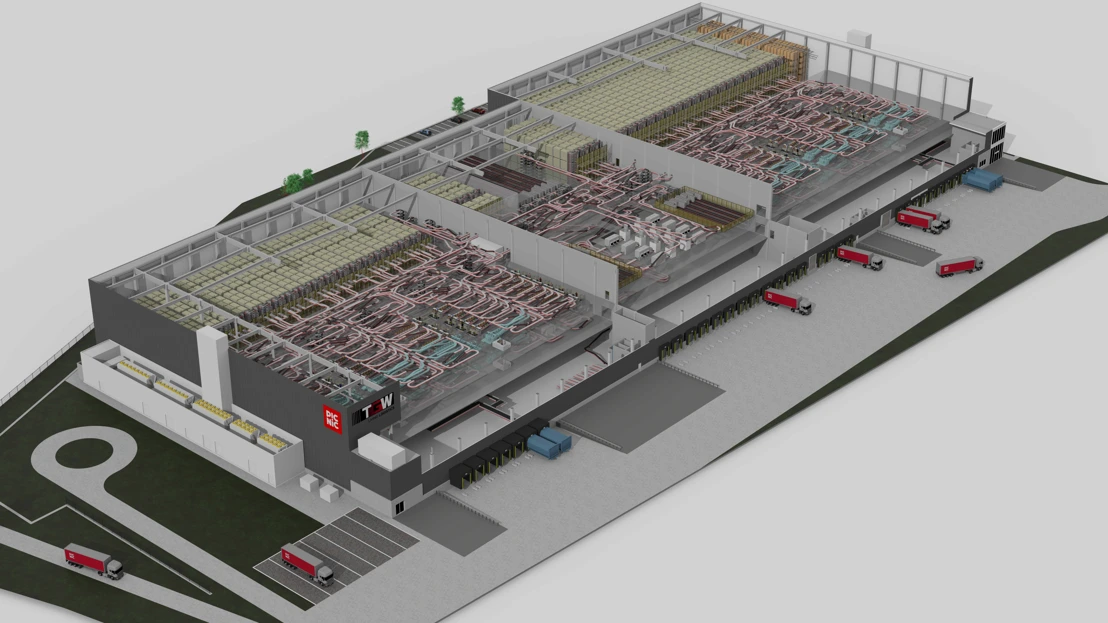
Dutch online supermarket Picnic trusts in the expertise and experience of intralogistics specialist TGW once more. In the German town of Oberhausen, North Rhine-Westphalia, a powerful fulfilment centre will be built by summer 2024, securing Picnic’s further growth on the German market. Both companies are linked by a close collaboration: only months ago, their first jointly planned and implemented project, a logistics centre in Utrecht, celebrated its go-live.

Picnic was launched in Amersfoort in 2015 and has evolved into one of the leading European eGrocery suppliers within just a few years. The growing online supermarket with superior service is currently active in the Netherlands, Germany as well as France. Orders can be placed using an intuitive app, groceries are delivered using eco-friendly electric vehicles. If you order before 10 PM, fresh, chilled and frozen groceries will be delivered right to your door the next day. Thanks to the so-called “milkman principle”, the delivery is precisely on time and for free.

Three temperature zones

To continue its expansion on the German market, Picnic takes the next step and builds a highly automated fulfilment centre in the heart of the Ruhr area. TGW’s plans involve a FlashPick® system, which is powerful, reliable and extremely flexible and thus enables the best customer service at a high level of efficiency. A shuttle warehouse with 40 aisles is at the heart of the system: grocery and non-grocery items are stored at three different temperature ranges – 20°C, 4°C and -25°C.

Robots load the transport frames

Customer orders either start at one of more than 60 PickCenter One workstations or in the Zone-Picking area – these are mostly products with a large volume and fast-moving items. Then, the orders are consolidated in an automated buffer.

Shortly before the lorries leave to go to the local distribution points, items are retrieved towards a robot-assisted system developed by TGW, which loads the totes with the customer orders into the transport frames fully automatically, thereby creating more efficiency.

Thanks to the great performance of the FlashPick system, and the Picnic algorithms, the amount of orders that can be processed per hour are best in class. “The project in Oberhausen is another milestone and marks the next level of our cooperation with Picnic. Their renewed proof of trust is a great acknowledgement of our close collaboration”, Hans De Sutter, Managing Director TGW Benelux, is pleased to announce.

Frederik Nieuwenhuys, co-founder of Picnic adds: “TGW has been a great partner in co-creating this best-in-class facility. The combination of the Picnic tech team and the TGW technology shows that we can lead the industry to provide even better service to our clients.”


Digital technology helps mitigate climate change risk

Twenty-seven percent of supply chain leaders have conducted a climate change risk assessment to identify their most critical supply chain risks, according to a survey by Gartner, Inc. The survey among 320 supply chain leaders in December 2021 and January 2022 found that 18% of respondents have conducted both risk assessments and scenario planning (see Figure 1).

“The effects of climate change are hard to predict, but it is possible to model the risks and opportunities that might occur,” said Heather Wheatley, senior director analyst with the Gartner Supply Chain practice. “Chief supply chain officers (CSCOs) regularly assess various risks and opportunities as part of normal business – this must be done for climate change as well.”

Figure 1: How Organisations Assess Exposure to Climate Change Risk

According to the survey, 44% of respondents have a general sense of potential climate change risks based on previous events. This means they understand that climate change risks are materialising, but those risks are not methodically identified or quantified. However, the past is not a good predictor of future climate change events, as the severity and impact of events will escalate.

“Scenario planning is a crucial part of the process, as it highlights key elements of a possible future and helps draw attention to the key factors that will drive future developments. For example, in a future that includes raw material scarcity and trade uncertainty, organisations that rely on more resilient inputs such as drought resistant crops can gain a competitive advantage,” Wheatley said.

Lack of Foresight is Biggest Challenge

Climate adaptation must be included in investment decisions. For example, if building a new manufacturing plant, design considerations should be made for future climate change threats such as heat waves or water shortages. However, the need for financial investment can deter action. The top barriers to planning for climate change in the supply chain include a focus on short-term decision making (57%) and an inability to link the cause and investment to benefits (57%).

“Investments in climate adaptation require a certain level of foresight. An increasingly popular tool is the shadow carbon price, which applies a notional cost to greenhouse gas emissions, effectively translating a future risk into a present-day operational cost that attracts the attention of business leaders,” Wheatley said.

Technology Use Still in Infancy Stages

Only 19% of surveyed companies are using digital technology to help understand climate change risks. Of those organisations that are using technology, 85% are utilising predictive analysis. Examples of tools that could be used include geospatial analysis, drones and artificial intelligence (AI) capabilities such as ecological simulations. Many organisations are also partnering with external consultants to help model scenarios.

“For those organisations that are not using digital technology, it is unclear what information is being used to help model scenarios and to identify and assess risks. CSCOs should ensure that this blind spot is not overlooked,” Wheatley concluded.


Swedish sawmill orders electric forklift

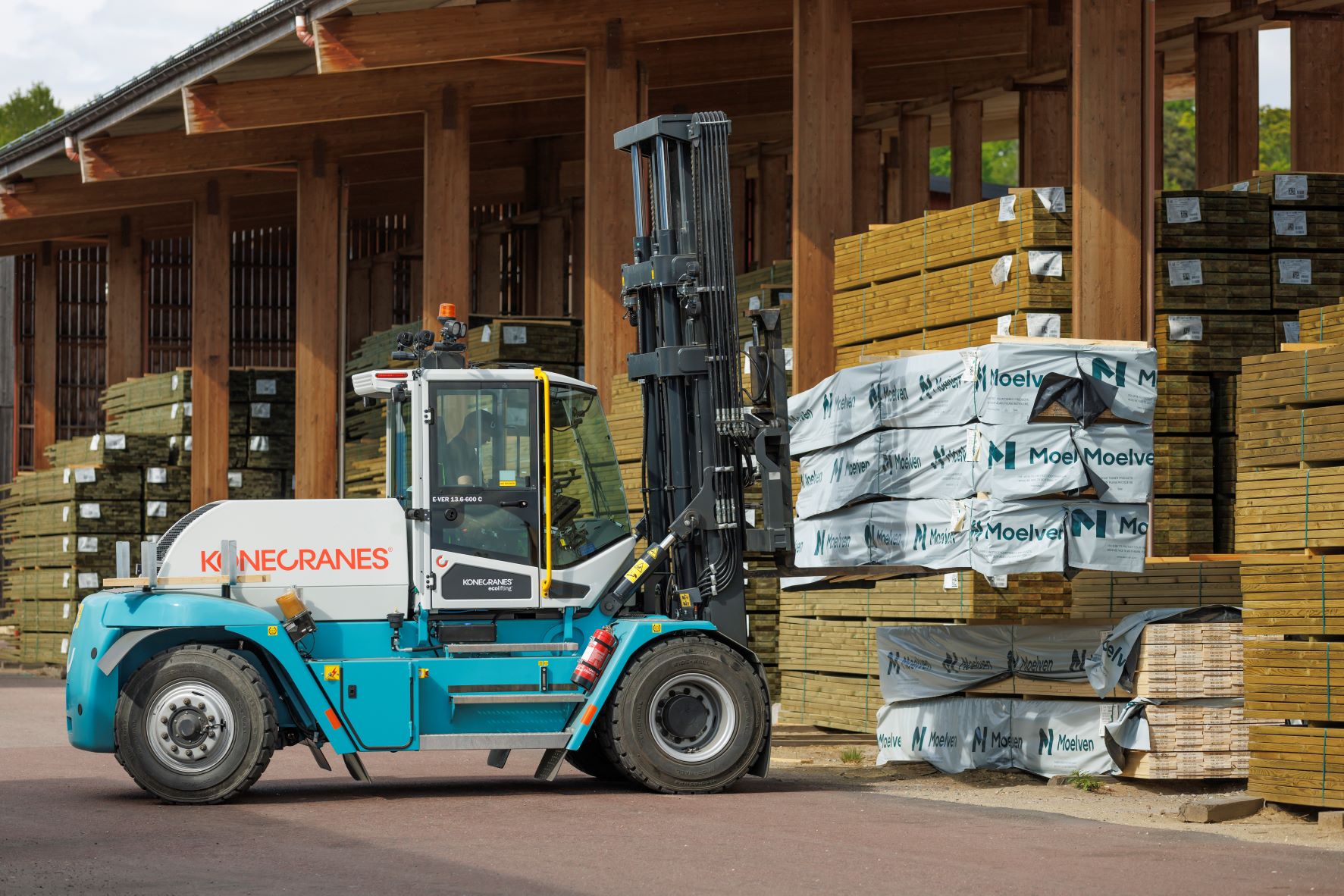
Moelven Edanesågen AB, a sawmill based in Edane, in western Sweden is looking to reduce emissions and has ordered its first fully electric lift truck, the Konecranes E-VER electric forklift. The order was made in December 2021 and it arrived in May 2022.

Established in 1899, Moelven Group produces building products and systems in Norway and Sweden for the construction industry around the world. Its sawmill in Edane, central west Sweden, is one of its biggest facilities. As part of its operations, Moelven is using forklifts to move raw wood, equipment and products as they offer outstanding efficiency, safety and flexibility. Moelven wanted to expand its forklift fleet for more site capacity, and it has chosen Konecranes again.

“Moelven likes the new Konecranes E-VER electric forklift because its battery technology and zero emissions perfectly align with their sustainability goals,” says Håkan Lorén, District Manager for local dealer N.C. Nielsen. “In addition, its high quality, durability and eco-efficiency underline our own long-term commitment to the environment in the machines we offer to our customers.”

“Moelven bought their first lift truck from Konecranes in the 90s and have been with us ever since,” says Daniel Sjöstrand, Sales Director for Konecranes Lift Trucks. “Now, including the Konecranes E-VER electric forklift, they have 34 Konecranes lift trucks across their Scandinavian operations. N.C. Nielsen has been essential in this relationship, always providing excellent support when needed. We’re proud that Moelven is now ready to experience our next generation of lift trucks.”

The new lift truck at the Moelven site is a Konecranes E-VER 13.6-600C forklift, a sturdy lifting machine with a capacity of 13,600kg and a fully electric drivetrain, powered by lithium ion (Li-ion) batteries for energy efficiency and fast charging.

“A battery management system ensures the power source is optimised for performance and safety,” says Lisa Martinsson, Senior Project Manager for Electric Program for Konecranes Lift Trucks. “Smart systems integrate the E-VER with TRUCONNECT Remote Monitoring, a data collection system providing an almost real-time view of truck usage, for easier operations and maintenance planning.”

A range of special features maximise ergonomics, stability and safe handling in a sawmill environment, including an OPTIMA cabin for comfort and visibility, with mini-wheel steering and an air-cushion seat, mud flaps, a cross log bracket, fork levelling, central greasing, and extra external lights.

This new order is part of Ecolifting, Konecranes’ vision to increase its handprint – meaning the beneficial environmental impact that can be achieved with our product and service portfolio – while reducing customers’ carbon footprints. From eco-optimising diesel drives to hybridisation and fully electrified fleets, we will continue to do more with less.


Kite launches large letter postal boxes

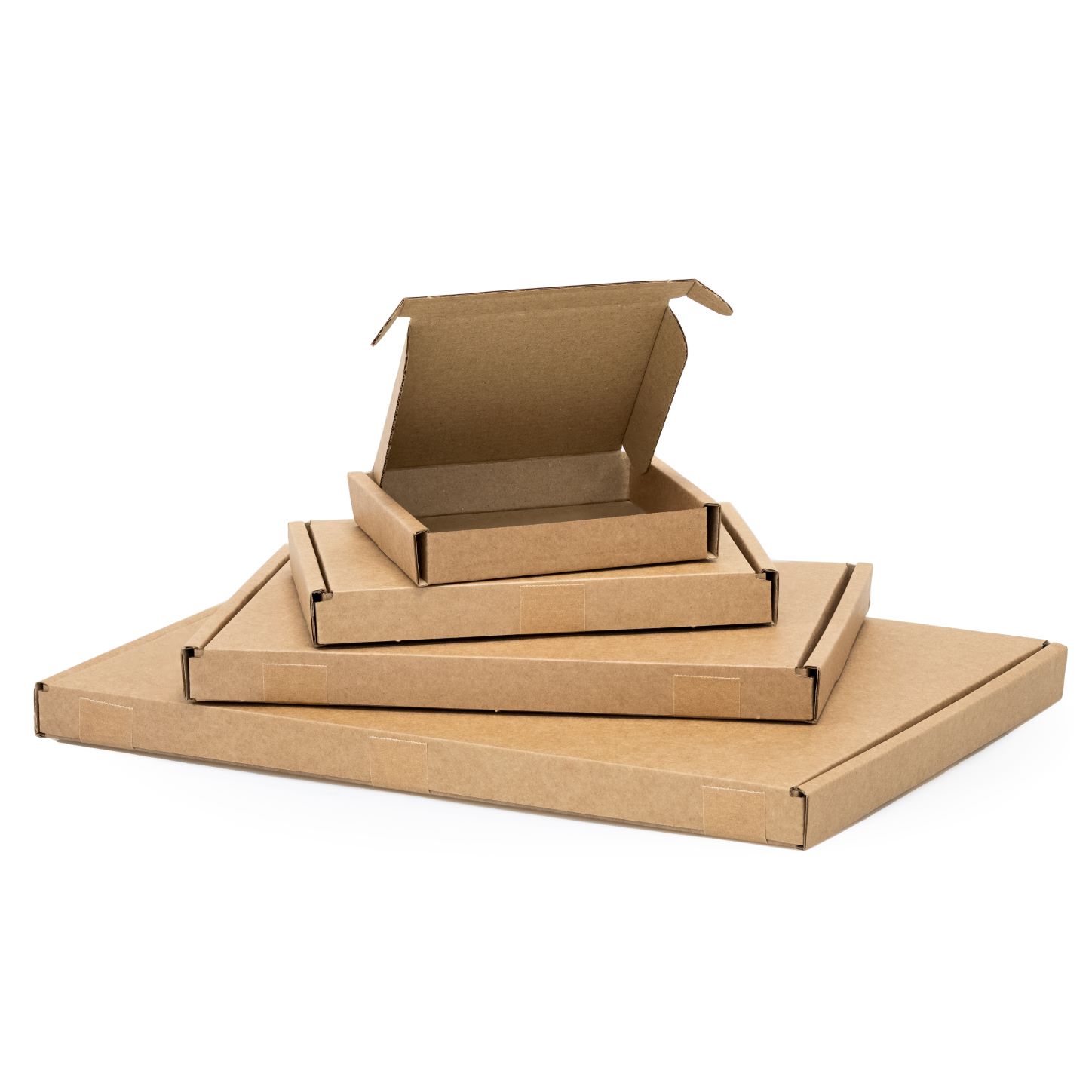
Slim corrugated boxes offer rigid protection to small items while fitting into the Royal Mail’s PiP Large Letter specification. This minimises and regulates postal costs, enabling a business to maximise their overall profits.

Kite Packaging is now offering its brown large letter boxes in five different sizes to cater toward everything from gift cards and small jewellery items to A4 documents or certificates. The sturdy construction provides greater resistance to the normal knocks and bumps that occur during transit when compared to bubble mailers or envelopes.

Additionally, the cardboard boxes are an eco-friendly alternative to plastic mailers and can be kerbside recycled by a customer. The flaps fold inwards and can be secured with a small portion of paper tape to form a fully plastic-free, sustainable and recyclable packaging solution.

Green credentials are attractive to a modern-day eco-conscious customer. The ease and efficiency of the order also enhances the customer experience since the slim letterbox design allows the package to be safely posted even if the recipient is not in.

Kite says the compact and lightweight boxes with hinged lids are an aesthetic way of displaying products, making them highly appropriate for the ecommerce gift industry. The eco-friendly composition and economic benefits confirm their suitability for growing businesses seeking professional packaging.


BITO enjoys “most successful” year

Achieving a turnover of €303m, 2021 was strongest year in BITO-Lagertechnik Bittmann GmbH’s history, and a year when BITO received a climate-neutral certificate.

BITO storage and logistics solutions are in high demand. The past two years have presented enormous challenges for many companies, especially in the field of logistics. Border closures and supply chain disruptions as a result of the pandemic have demonstrated the fragility of supply networks from one moment to the next. Delivery delays have resulted in production stops or disruptions in trade chains.

“We have noticed that the circumstances have led to a change of mind in many companies. After the market had recovered from the initial shock, both internationally and nationally, the trend was clearly towards more stockpiling in order to cope with times like those caused by the pandemic. Companies were expanding their storage capacities, and many new logistics centres have been established,” says Winfried Schmuck, Chief Executive Officer at BITO-Lagertechnik.

In addition, some sectors, such as the online retail business, which has been booming for years anyway, continue to see enormous growth. This is a challenge that the companies concerned have to cope with, especially in their logistics. As a result, the demand for BITO storage and logistics solutions has also increased significantly. After a difficult year in 2020, 2021 became the strongest year in the BITO history with a turnover of €303m.

“We had the highest order intake since the company was founded, with full capacity utilisation in all areas,” says Schmuck. “Tonnages were moved through the production halls that would have been unimaginable a few years ago. A great success that we were only able to achieve together in a well-functioning team.”

BITO awarded climate-neutral certificate

There has been a positive development in implementing even more sustainable practices. In 2021, BITO-Lagertechnik was certified as a climate-neutral company.

Schmuck says: “Sustainability has always been a priority for us. We are proud of our quality products, which are designed to last. To name just a few aspects: BITO multi-trip bins and containers help to avoid tons of packaging waste. When selecting our raw materials and auxiliaries, we always opt for materials that are not harmful to health and that allow environmentally friendly processing.

“Our production process is based on a commitment to sustainability and a resource-saving, energy-efficient approach in order to minimise the impact on our environment while saving raw materials. We have been operating a plastic bin recycling process in our own facility for many years. Acting with economic, environmental and social responsibility should not be viewed as an obligation. We see sustainability as a great opportunity for all of us.”


US warehouse workers demand better technology 

Warehouse workers in the US value technology so much that they are willing to take a pay cut and switch jobs to use tech to help them do their jobs better, according to market study insights by Lucas Systems.

The study polled 500 US on-floor warehouse workers during May 2022 and is the first of its kind to examine workers’ relationships with technology as well as their fears, expectations, and perceptions about their daily jobs. Developed as the ‘Voice of the Warehouse Worker’, the study was conducted by Wakefield Research for Lucas Systems, a pioneer in providing software for warehouse workers and supervisors over the last 24 years.

In the study, nearly 3 out of 4 (74%) on-floor workers said they would consider a pay cut at another company for an opportunity to use technology if it helps them in their job. Workers also said they are physically spent, spending over a third of their day walking and would welcome tech’s help in the form of robots or other tech tools.

“Having pioneered software used by tens of thousands of on-floor warehouse workers, we’re always seeking input. We’re interested in how to make on-floor worker jobs easier and better and what keeps them at their employers or encourages them to look elsewhere,” says Lucas Systems Chief Marketing Officer Ken Ramoutar.

Other market study insights:

  • Workers want to stay with their employer but feel improvements are necessary to make their jobs easier. Workers generally anticipate staying at their current employer for at least three years (74%) with 35% anticipating a tenure longer than five years.
  • 75% of workers say physical strain in their jobs takes a larger toll on them than the mental strain. The leading cause of physical strain is carrying and/or lifting followed by walking and/or traveling.
  • Top causes of mental strain include meeting performance or incentive goals and objectives (25%) and safely manoeuvring around the warehouse (20%).
  • Workers see robots as productive allies but fear increased quotas. More than 2 in 5 believe robots will reduce physical stress (46%) or help them achieve better speed in item picking (44%) or better accuracy (40%).

In the study, workers perceived their company’s technology as an investment in them. Lucas Systems says this is meaningful  in an industry already facing a labour shortage.

“If workers equate tech investments with the company’s willingness to help them, it shows us that tech for on-floor warehouse workers plays a vital role in attracting and retaining employees in addition to its role in improving warehouse operations and performance,” says Ramoutar.

CLICK HERE to see more market study insights.


Active Ants increases Autostore capacity

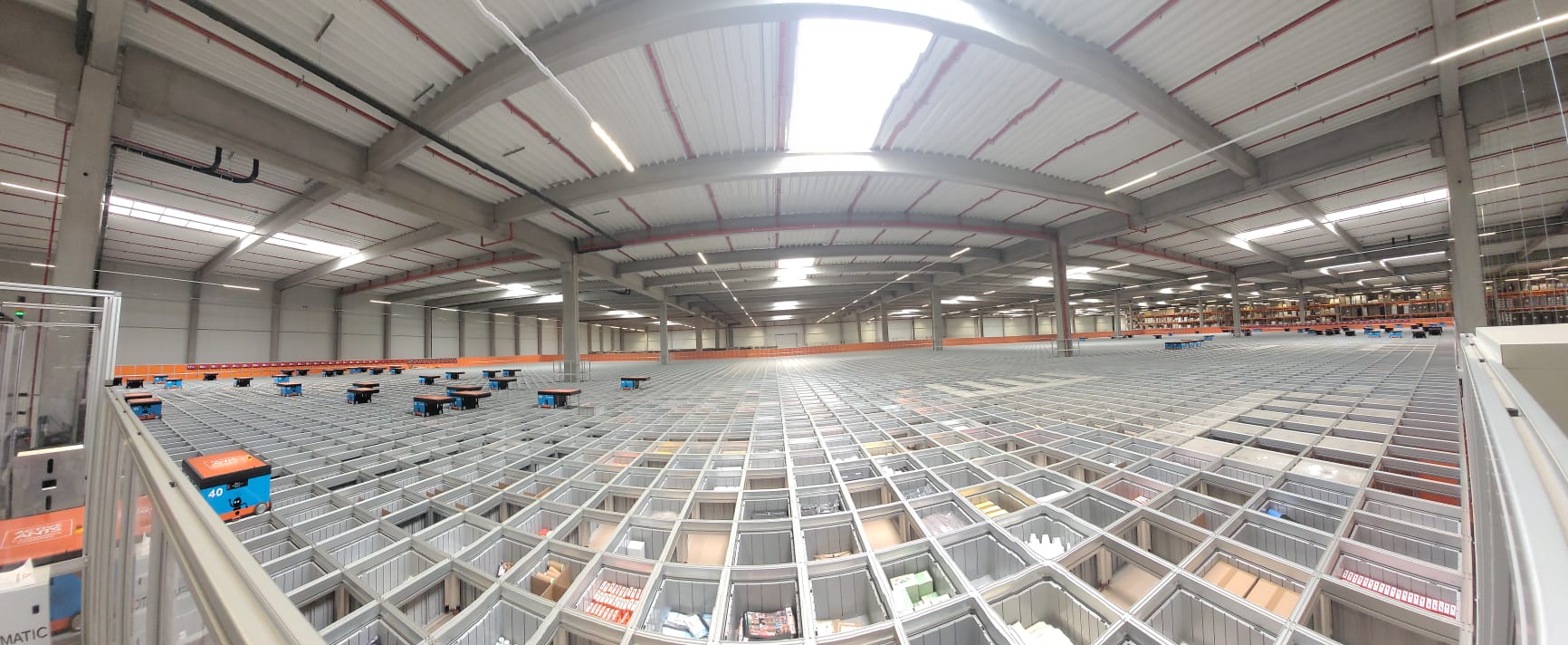
Active Ants, a subsidiary of the bpost group, has increased the capacity of the Autostore in its fulfilment centre in Roosendaal, Netherlands to over 98,000 storage bins. At the opening of this warehouse at the end of December 2020, the Autostore still consisted of 51,000 storage bins.

“At the beginning of this year, we started with the installation of the large extension of the Autostore,” says Marcel Spruijt, sales manager of Dematic, which is also responsible for the box-conveyors of the packaging lines.

The installation of this Autostore extension in Roosendaal went almost without any problems, just like the commissioning. At the beginning of March, the first batch with 22,000 storage bins could be loaded. After Easter, from the second half of April, the second batch with 25,000 storage bins was loaded into the Autostore. After that, the filling of the first new bins started. This was completed at the end of May. Meanwhile, the new part has been taken into use.

“We are very happy with this expansion,” says Jeroen Reedijk, director of Active Ants Netherlands. Dematic has done everything to realise this as soon as possible. These 47,000 new storage bins are badly needed to facilitate the expected growth in the near future.

The E-fulfilment centre in Roosendaal has an area of 20,000 sq m. It is a state-of-the-art innovative centre thanks to the deployment of 100 storage robots and 65 carrier robots to assist employees. In this ultra-modern warehouse with Autostore, thousands of products are packed for web shops. The storage, order-picking, packaging and sorting of goods are fully automated.


Smart way to make machine interventions safer

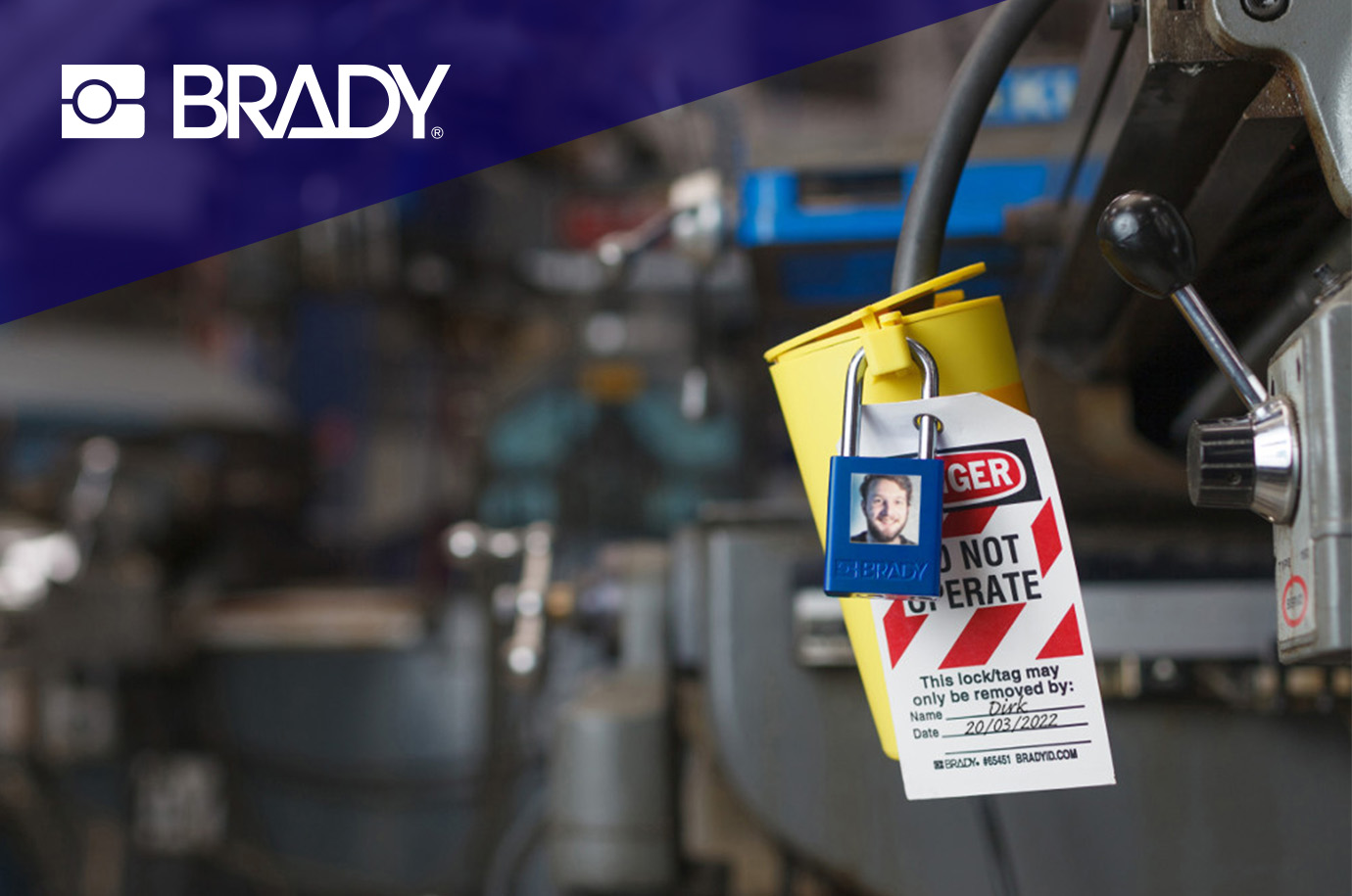
Brady Corporation says it is possible to increase workplace safety with a world-class Lockout/Tagout solution from a single supplier.

Easily de-energise machines during maintenance to prevent accidents related to moving machine parts and any type of machine energy. Manufacturers worldwide use solution from Brady Corporation to optimise existing – and to implement complete – Lockout/Tagout programmes that maximise workplace safety and protect employees.

There are seven reasons Brady is the preferred partner in Lockout/Tagout projects. Check them out below.

7 reasons Brady is the preferred partner in Lockout/Tagout projects:

  1. 1. Best-in-class lockout procedures: No time to set up safe Lockout/Tagout procedures? Invite a Brady Safety Engineer to identify all machine energy isolation points and create illustrated, machine specific, world-wide best practice Lockout/Tagout procedures for your approval.

2. Optimal procedure management: The process of managing, creating, updating, reviewing, scaling and communicating visually instructive lockout procedures becomes a matter of clicks.

3. Block access to any energy control point: Temporarily block access to valves, buttons, fuses and any energy isolation point with Brady’s complete range of dedicated Lockout/Tagout devices.

4. Best safety padlocks in the world: Effectively secure the isolated state of your machines during maintenance with Brady’s unique SafeKey padlocks that offer 700% more lock and key options for elaborate, futureproof lockout programmes.

5. Reliably identify every lockout: Easily communicate about ongoing maintenance interventions with reliable Lockout/Tagout tags that can be delivered to, or created at your premises with Brady’s safety printers.

6. Practical lockouts: Make Lockout/Tagout even more practical and efficient using Brady’s wide range of clever accessories.

7. Easily distribute lockout tools: Highlight the right solutions for specific lockouts, and encourage tool returns to the right location with Brady’s custom shadow boards.

CLICK HERE to discover complete Lockout/Tagout solution from Brady.

Lockout Tagout Guide: Enable Safer Machine Intervention

Lockout/Tagout can save lives during machine maintenance and interventions in production facilities. 15-20% of workplace accidents can be avoided with Lockout/Tagout which is why the procedure should be part of any ambitious go for zero programme that bans accidents from the workplace.

CLICK HERE to download the free Lockout/Tagout guide.


Addressing the labour shortage with automated warehouses

Since mid 2021, it’s been prominently noted that the global logistics industry is experiencing great labour shortages, across all sectors, writes Johan Jardevall, CEO of Smart Robotics. With talent shortages among skilled and unskilled professionals, vacancies in logistics are at an all time high. The warehousing sector has felt the effects of the labour crisis, first-hand, and with parcel handling at the core of business, it is critical to ensure improvements are made so that the lack of employees does not set back operation efficiency.

Warehouse automation does however not mean replacing employees with machines or robots, it simply means certain automation, requiring minimal human assistance, are introduced in the warehouse. For example, picking automation relieves warehouse employees from time consuming and physically demanding tasks. This type of automation allows existing employees to spend less time manually picking and sorting parcels, as well as speeding up the time it takes to complete the activity. With little human labour involved, picking automation creates a highly functional environment in the warehouse where employees and robots can co-exist.

More to gain from warehouse automation

As we’ve seen across industries in a post-pandemic era, fundamentally, employees want more to gain from their work environments. Even more so when not being able to work from home. This is especially the case in warehousing – with flexible work arrangements not being an option, as with many sectors in logistics.

As a result of the demand for better working conditions in warehouses, companies are now faced with the challenge of catering to the needs of their employees whilst keeping labour costs at an affordable rate.

One solution to improving labour efficiency in warehouses is by introducing picking automation as a service. Not only does picking automation fill a gap in the process efficiency of floorwork in the warehouse, but it grants warehouse employees the opportunity to focus their attention on where their skillsets are needed with greater urgency.

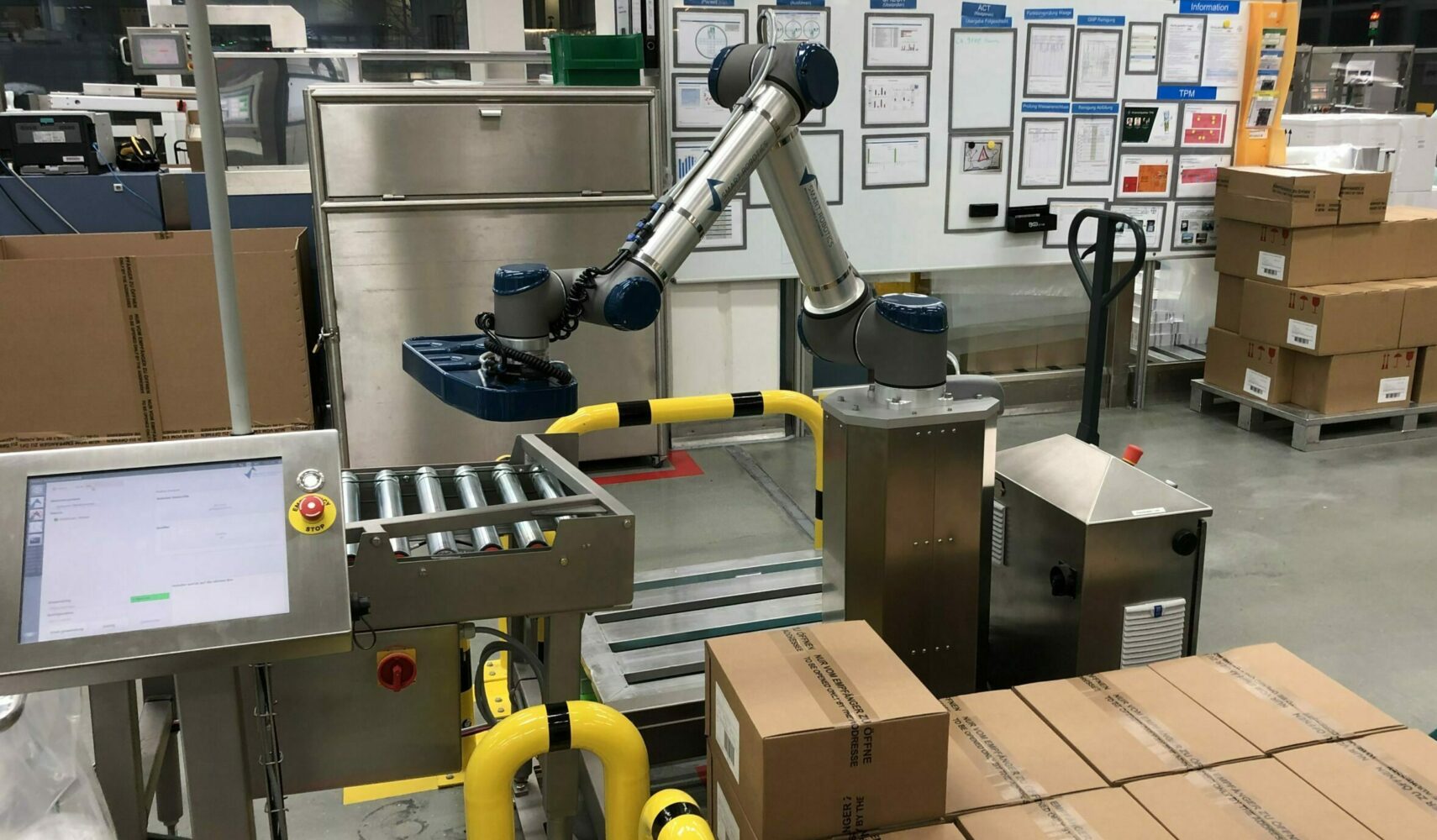
Picking automation refers to the utilisation of robotic arms in the warehouse to “pick and place” items with greater efficiency. This type of automation can help overcome the labour need in the warehousing sector, as well as help scale up production by automating tasks that are repetitive and physically demanding.

Picking automation, coupled with the advancements of AI software, is transforming production lines by improving accuracy and operational efficiency. With an ever increasing consumer demand for retail efficiency, for example, the expectation of same day delivery, the logistics industry cannot afford the setback of a labour shortage against customer demand.

Besides customer demand being strenuous on the logistics industry’s capabilities of delivering on customer expectations, the added pressure to perform optimally results in mental and physical strains impacting employees. Therefore, automating the warehouse and production is key in relieving warehouse employees from time consuming and physically straining tasks.

By automating specific sections of the warehouse’s operations, such as picking and stacking groups of parcels, efficiency and performance improvement is achieved – based on the principle that manual labour is swapped with automated processes.

New opportunities created by automation

By introducing robotic automation in the warehouse, warehouses of the future will be able to handle more materials and will require less physical labour input to get tasks done. By automating manual processes, greater operational efficiency is achieved.

Improving Manual Processes

Often, processes like parcel picking and stacking require a great deal of physical effort. Not only does this place strain on the employees’ physical health, mental wellbeing is often undermined by the pressure to maximise operational productivity. Robotic automation should however be viewed as tools to improve the existing capabilities of warehouse employees and to help processes move faster, with more precision.

Warehouse automation should be carefully strategised, so as to keep a healthy balance between human and robotic collaborations. Collaborative-robots (cobots) are smaller robots designed specifically to maintain this balance. These types of robots are easy to engage with and safe to be around. Next to this, they don’t take up much floor space in the warehouse. For example, cobots designed for stacking smaller parcels saves employees walking and sorting time.

Improving quality of work

When pursuing automation in the warehouse, a critical factor to note is that robotics aims to ​​relieve existing employees from repetitive and physically straining work, granting them time to focus on tasks that require human skills.

The goal is not to replace human talent, automation exists to help solve specific problems – without taking away from employees’ workplace quality and standard of work. The goal is to benefit human performance, productivity and working conditions, for example, by cutting back on walking time or heavy lifting in the warehouse.

Level of expertise

The future of warehousing is to a great extent reliant on robotics and automation. However, employees, no matter their level of experience with robotics, need to be able to operate and interact with robots. In order to achieve optimal performance improvement in the warehouse, robotics need to be made accessible to everyone. This means that robotics or automated processes should not be complicated to oversee or to manage by anyone, no matter their technical background, prior experience or knowledge about robotics.

Reliability of automation

Staying with the example of cobots, robotic automations have become quite sophisticated in design. Intelligent vision, motion and task planning algorithms now enable cobots to handle a large variety of items whilst safely cooperating with employees. Little human involvement is needed when the cobot runs into an error, for example, redirecting its movements or readjusting its position in relation to the packages it is stacking.

Key challenge

A key challenge in implementing automation in the warehouse is change management. When trading physical labour for robotic automation, there are multiple business processes and workflows that need to be rewritten. This also requires management to think about the existing infrastructure of the warehouse to accommodate a certain level of automation.

When designing new systems and processes to accommodate automated functions, the use of space and labour constraints need to be considered. This is important in order to maintain a balanced working environment and to ensure that the warehouse’s functionality and productivity is indeed improved. Not to mention the accuracy with which tasks are performed. It is therefore important to prioritise which manual activities can be exchanged for robotic automation – to aid the employees in their tasks and to lessen the dependency on physical labour.

In conclusion, companies will need to continue adapting and responding to the changing wants and needs of their workforce. Proactivity and a more profound understanding of what is important in the warehouse environment will be a key strategy in the future to avoid the shortages seen in today’s market. It is however important to keep in mind that robotic automation cannot replace the manual workforce. The aim is to simplify and ease the demand of employees, whilst creating better working conditions for those engaging in physical labour activities across logistics.

Iron Mountain launches UK logistics campus

Iron Mountain, a global leader in innovative storage, data centre infrastructure, asset lifecycle management and information management services, will launch its first UK campus in Rugby, Warwickshire, next year.

The one million square foot facility will be housed in four buildings leased from Tritax Big Box on its new Symmetry Park site. It will provide customers with flexible warehousing space and deliver a wide range of logistics services from a bespoke operations centre.

The site will also act as a central hub from which Iron Mountain will offer a broad portfolio of its services, from pallet storage, B2B fulfilment to document and data storage services. It is a significant part of the company’s facility expansion programme in the UK, and follows the recently announced opening of sites in Kettering and Lutterworth.

Phil Shepley, VP and Commercial Lead for Iron Mountain in the UK, said: “The growth of E-commerce continues to drive huge demand for warehouse and logistics space across the country – this is why we have been so busy increasing facilities offerings for our customers.

“As part of this growth, we are very excited to make Rugby a new home for our operations. In offering our full range of warehouse and fulfilment services, alongside Iron Mountain’s digital and record management services, we expect to create an array of new job opportunities and boost the local economy.”

With Iron Mountain aiming to achieve Net Zero emissions by 2040, its expansion programme has involved the rigorous assessment of each new facility’s potential sustainability. The leased buildings on the Symmetry Park site will achieve net zero carbon construction and come with 20% photovoltaic roof coverings. They will also offer charging points for electric vehicles.

The opening of the sites will be staggered across 2023, with 321,000 sq ft of warehousing space due to become available during the summer and a further 643,000 sq ft of space being offered towards the end of the year.

Shepley added: “Available warehouse storage space is at an all-time low across the UK – we are seeing many facilities being reserved years in advance and requiring long-term leases. Our sites offer a flexible alternative for businesses that are looking to scale quickly in line with business growth or heightened customer demand.”

Subscribe

Get notified about New Episodes of our Podcast, New Magazine Issues and stay updated with our Weekly Newsletter.