UPS expands sustainable operations in Europe

As the logistics industry looks to operate more sustainably amid increasing demand from e-commerce, UPS is electrifying its ground fleet, using cleaner fuels and powering facilities with renewable energy. A new development is the use of duo-trailers in Spain that operate between Madrid and Barcelona five days a week.

These duo-trailers, operated and owned by Grupo Carrasco, feature two full-sized trailers pulled by a single truck. This combination emits less carbon per kilometer than if two vehicles were travelling individually, lowering the carbon intensity per package. Current records show it can reduce CO2 emissions by more than 30% per road journey.

“We are committed to delivering more while reducing the carbon intensity of our operations,” said Daniel Carrera, UPS Europe president. “These duo trailers demonstrate how we are relentlessly innovating and collaborating to create efficiencies in our network and build a sustainable future for our customers and the communities where we live and work.”

UPS has already deployed EcoCombi of a similar design in six countries within its European network. “EcoCombis” are currently permitted in 18 countries worldwide, yet they are a vital part of UPS’s goal to shrink its carbon footprint while increasing efficiency. Eco-trucks carry larger loads and reduce CO2 emissions by consuming less fuel. The new duo trailer design represents the next step in this evolution by connecting two full-sized trailers.

Delivering more with less environmental impact: With a global footprint and customers in more than 220 countries and territories, UPS sees how climate change, air quality and other socioeconomic challenges intersect, and has set a clear roadmap to reach carbon neutrality by 2050. This includes:

40% alternative fuel in ground operations by 2025

25% renewable electricity in facilities by 2025

As part of its rolling laboratory approach UPS has deployed more than 13,000 low-emission and alternative-fuel vehicles around the world and is always exploring ways to reduce carbon in its ground fleet.


Six trends impacting the warehouse automation industry

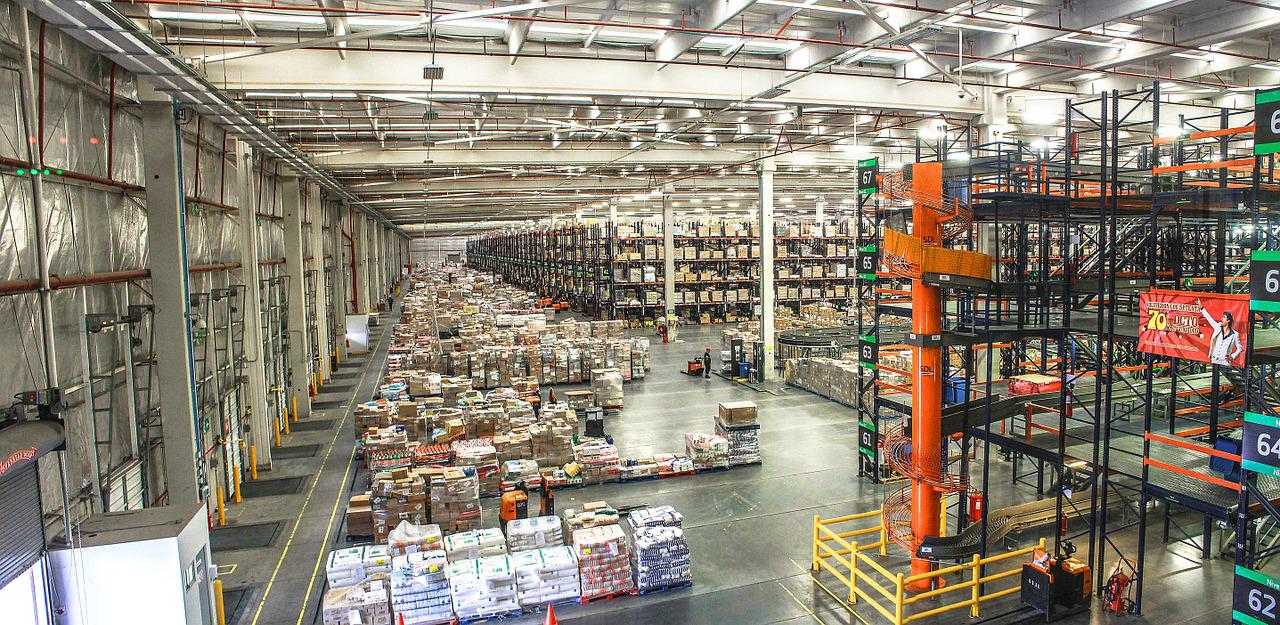
Warehouse and distribution centres (DCs) are grappling with a significant and ongoing labour shortage. Increased wages and benefits haven’t been enough to reverse the trend. Ever-increasing demand for faster delivery, and ongoing macro supply chain disruption add to the challenge. Warehouse safety issues also remain a problem for recruitment and retention of workers.

“Amidst a ‘perfect storm’ type of environment, warehouse and DC operators are aggressively seeking ways to digitise operations, add automation technology and integrate those technologies with software systems,” said Keith Fisher, president, Honeywell Intelligrated. “The goal is to increase efficiency, reduce the human labour requirement and create safer, more productive workplaces. As a result, we’re seeing some developing trends heading into the second half of the year.”

Specifically, Honeywell sees six trends emerging in the warehouse and DC industries.

Increasingly aggressive adoption of proven automation technologies

Moving into the second half of 2022, we’re seeing heightened interest in long-proven warehouse automation systems that pick, pack, sort and carry packages throughout the facility. There is also increasing investigation into how to integrate this automation into warehouse software systems, such as warehouse management and warehouse control systems (WCS), to extract more value from automation.

Regardless of the labour shortage or where companies currently sit on the automation spectrum, SKU proliferation, widely varying order profiles and seasonal demands are making some degree of automation a necessity. For many operations, order picking or putting are the entry point to digitalisation and automation. For those further down the path, integrating these technologies into operations means trained coordination between workers, automated systems and software to drive high-speed, high-volume warehouse execution.

Newer forms of automation are being evaluated and adopted with increased urgency

There are also signals that newer forms of automation, such as robotic palletising/depalletising and Autonomous Mobile Robots (AMRs), are beginning a path toward significant adoption. For example, a recent Interact Analysis report showed the mobile robot market is expected to grow from $3.6bn in 2021 to $18bn in 2025. Honeywell is seeing surging interest as the industry begins to prioritise investment designed to increase efficiency and productivity along with employee safety and overall satisfaction by integrating automation.

AMRs provide significant productivity benefits by, for example, automating the movement of carts used to transport picked orders or returns. Instead of spending more than half the day walking, workers can park carts in pickup locations and call robots to retrieve them. Additionally, robotic palletisers and depalletisers limit the need for heavy and/or awkward lifting by humans. While these and other advanced forms of automation handle the repetitive, difficult and often time-consuming tasks, scarce labour resources can be shifted to higher-value jobs and, in-turn, increase employee satisfaction.

Persistent labour shortage, new technical skills gap becomes problematic, training required

The number of warehouses globally is forecast to rise from nearly 150,600 in 2020 to 180,000 by 2025, according to Interact Analysis. Without more automation, an additional 3.5 million warehouse workers need to be added to cover current needs and that expansion. However, a willing workforce is proving very difficult to find and competition for these resources is high.

As a result, warehouse and DC operators will look to expand automation, but this creates another fast-developing issue. Technical skills are needed to plan for, utilise, maintain and optimise warehouse automation, and they’re in short supply. Operators will aggressively look to outsource automation-related training – to train up a new army of technically skilled workers and realise far faster benefits from automation.

This promises to make warehouse jobs more attractive intellectually and drive higher compensation, thus making the overall market more compelling for job seekers and those seeking upskilled career transitions.

The use of digital twins will accelerate to help automated warehouse planning

Digital twins deliver virtual representations of a physical environment – proving extremely helpful in the warehouse industry. With a digital twin, new automation technology can be tested virtually, without downtime or rearrangement of physical assets. Automation efforts can be tested, and impact can be reviewed.

By using digital twins and synthetic data modelling, warehouse operators can close the loop between planning, training and implementation on the floor. With this technology, what used to equate to months of automation implementation can now be accomplished in days. In short, warehouse performance can be improved far more quickly and cost-effectively than in the past.

Human health and safety will begin to take root as a business case for automation in the new, pristine warehouse environment

Regardless of whether there are health and safety issues at a particular warehouse, the overall industry suffers from a health and safety image problem. It’s well documented that concerns in these areas are either keeping workers away from the industry entirely or causing problems with existing employee satisfaction.

Automation can help. Repetitive movement-related injuries and those due to heavy and/or awkward lifting, as well as worker fatigue, can be greatly mitigated by robotics and automation. Increased use of these technologies can lead to far fewer work-related injuries, keep workers on the job and earning for their families, and mitigate insurance premiums and worker’s compensation claims for the employer. By prioritising happier, healthier workforces, we should see an uptick in retention and warehouse job appeal.

Accelerated dark warehouse research & development, forward-looking companies begin path

Dark warehouses promise to be nearly fully automated and autonomous, operating virtually free from human intervention – aside from planning, maintenance and ongoing optimisation. They will operate 24/7/365 in no light (thus, the term dark warehouse) and in extremely cold or warm conditions, thus saving energy and related costs. They promise to help solve the labour shortage and drive incredible efficiency. However, full concepts are still at least two years away and live implementations are at least three years away. Breakthrough technologies in robotics, sensing and control, and IT are still needed. But demand is so strong that it’s beginning to drive more aggressive R&D investment to achieve these breakthroughs faster.

Meanwhile, forward-looking warehouse operators are starting the journey to dark warehouse by not only putting automation piece parts in place as described above, but also tying technologies together via software, such as Warehouse Execution Systems, allowing all the technologies to communicate.

As promising as it is, the brave new world of dark warehouses will also contribute to the developing technical skills gap referenced above. Operators will need to plan for that as well as determine what types of warehouses and industries are most appropriate for the early days of dark warehouses.

“These trends showcase a collective theme: automation is increasingly paving the way for better safety, productivity and workforce retention in the warehouse industry,” said Fisher. “From what we see, the number of operators currently using automation technology and aggressively moving to expand it looks to be growing rapidly heading into the second half of 2022. These are smart investments to help weather the current labour crisis – and help minimise the need for future capital expenditures.”

 

GEFCO opens centre in Algeciras

GEFCO, a global expert in supply chain and one of the top suppliers in automation logistics in Europe, has launched its new centre in Algeciras, which is already operating, as part of its goal of stablishing a strategy oriented towards strengthening its logistics chains.

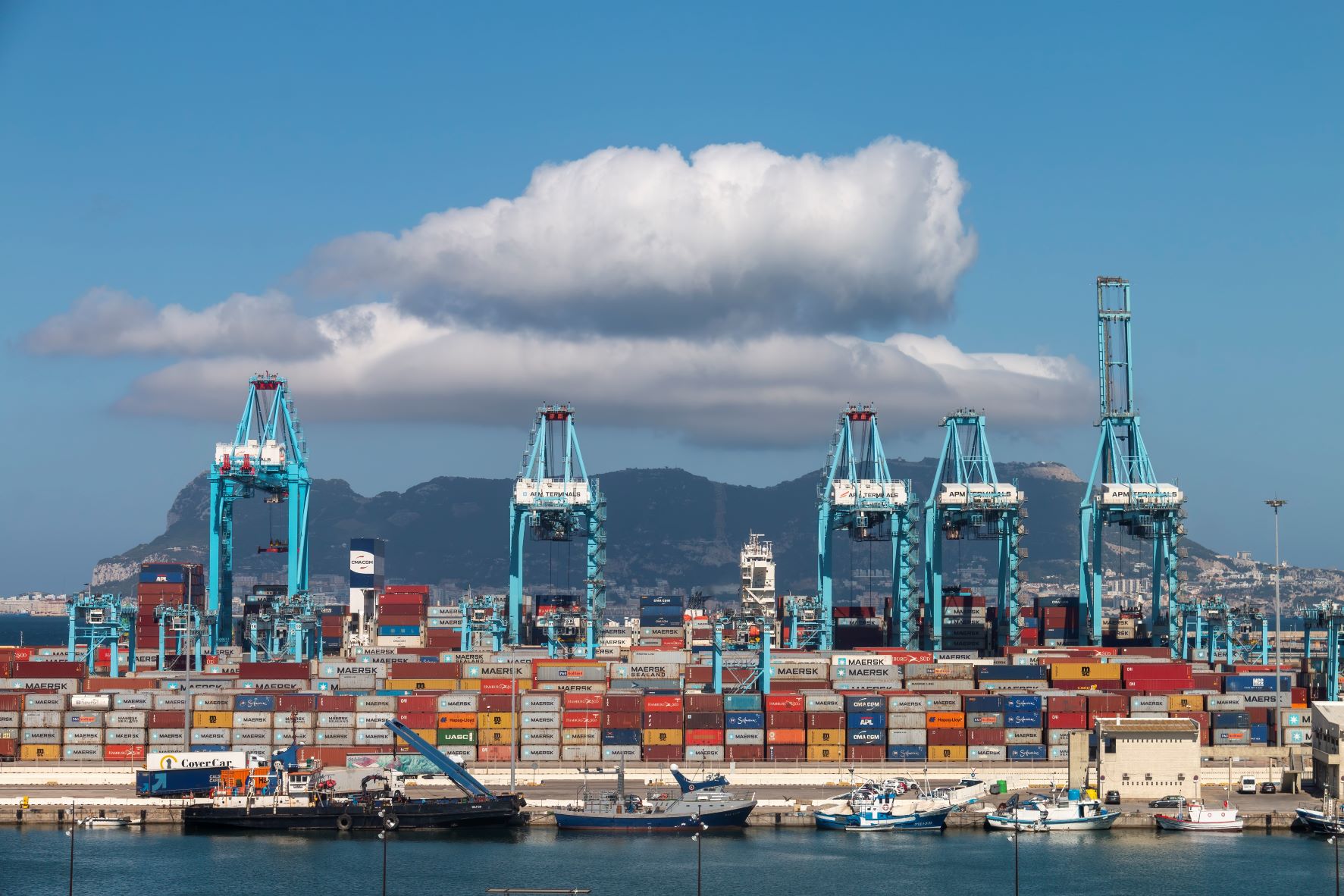
GEFCO Group has opened the new centre in Algeciras as part of its global strategy to facilitate its customers’ access to Europe and Morocco. The company hopes to settle in one of the key locations for the transit of goods between Europe and Africa, by offering all the services of a port structure, among which a completely operational control tower can be included.

The centre has been marked as a key strategic location by the company due to the Strait of Gibraltar´s geographic relevance as an essential part of the Europe-Africa-Europe crossing. The company seeks to achieve two essential goals: to widen its position, becoming the main operator in Morocco´s corridor, and to create a hub in Algeciras, through a reception and distribution platform for goods that allows for a fast-paced service even in times of high volume of shipments.

Thanks to this new centre, GEFCO can offer its customers all the services of a port structure, including transit and customs mediation, a documents control unit, monitoring and escort of goods from the port circuit to their shipment point and the use of train transport from Algeciras port to the rest of Europe.

Michael Koundri, GEFCO Director for Morocco´s Corridor, said: “The new centre will be available 24 hours a day and it will include high-level security with the objective of ensuring the safe transit of goods. In GEFCO we trust we can adapt to our customers´ specific needs and guarantee an exceptional logistics experience.”


HAI Robotics partners with pop.capacity

HAI Robotics has formed a commercial partnership with pop.capacity. With this partnership, pop.capacity will be able to include HAI Robotics solutions as part of its portfolio to provide the most advanced robotics and automation solutions to its customers in an effort to reduce friction points within their warehouses.

pop.capacity is pioneering the frictionless supply chain. By combining years of supply chain experience, and a never-before-seen technology, it says it is uniquely positioned to bring a disruptive new solution to an industry full of unnecessary friction. Its platform blends industry knowledge, real relationships, and proprietary technology to provide both shippers and suppliers with a refreshing experience.

“We take every opportunity we can to influence our partners with technology,” says Matt Fain, CEO of pop.capacity. “It’s in our DNA. And by partnering with HAI Robotics, we enhance our warehouses’ capabilities by now offering robotics and automation solutions to our network. We offer shippers and carriers in our network, more capacity, and overall higher quality services. It’s an important part of our effort to pioneer a truly frictionless supply chain.”

HAI Robotics has developed a number of options for how pop.capacity warehouses can leverage its technology, including full-sized systems and several smaller “start-up” options.

“The partnership between pop.capacity and HAI Robotics is a natural fit. With pop.capcity pioneering the frictionless supply chain, their growing network can now leverage HAI Robotics for friction free-fulfilment in the four walls. Our flexible and scalable Goods-to-Person solution will be a great complement to the warehouse needs of pop. capacity’s partners,” says Ben Gruettner, Director of Industry Sales of HAI Robotics USA Inc.

The HAIPICK ACR systems can increase storage density by 80-130% while improving worker efficiency by as much as 300%. In addition, the robots can pick up to 10m high.

With HAI Robotics technology fully deployed, warehouses see significant improvement in goods-to-person performance, as well as speed, flexibility, and scalability.

Last-mile delivery firms boost retention with technology

The UK last-mile delivery market is integral to fulfilling consumer demand and getting vital products to the doorstep of consumers. However, as soaring costs continue to affect business owners, finding innovative ways to retain their best self-employed talent have become even more important.

Self-employed delivery drivers are the lifeblood of these businesses, heading out on daily routes for a variety of carriers and making sure that parcels get to their intended destination.

In recent years, the churn and turnover rates of these subcontractors between different delivery firms has been a constant headache for business owners, who have constantly needed to recruit and onboard new drivers to meet demand. Now, many of these firms are looking to address this turnover rate by using cutting-edge workforce management technology to improve the self-employment experience that they can offer.

Wise is a technology firm that specialises in helping last-mile delivery firms to manage their self-employed workforce, with an integrated platform helping over 250 UK businesses save time, money and stress.

James Orton, Chief Technology Officer at Wise, said: “We know that key areas of engaging subcontractors such as recruitment, onboarding, documentation and payments have always caused headaches for both delivery firms and their drivers. By bringing all of these processes into one simple, digital platform we’ve been able to vastly improve the experience that our clients are able to offer their subcontractors, helping them to improve their retention in the long term.”

As the industry moves towards winter and its busiest time of the year, the competitiveness around recruiting self-employed drivers is only set to intensify as this comes at a time when the UK has seen a 2% decrease in the total number of self-employed individuals.


Smart thinking is key to navigate current supply chain conditions

The global supply chain has been subject to unprecedented challenges in recent times, with a wide range of factors impacting operations for all businesses, writes Andrew Svenson (pictured), operations director at Victoria Plum.

Freight costs from the Far East remain high, which has caused inflated prices and challenged availability of products for retailers. Warehousing accommodation is at record lows in terms of availability and labour shortages have created a competitive battleground for warehouse workers and HGV drivers.

The surcharges on fuel also show no signs of reducing, plus rising energy costs, which all create additional charges for businesses to deliver to customers.

All these challenges mean stakeholders across the supply chain are having to weather the storm and ensure business profitability remains robust.  However, with smarter thinking, businesses can navigate through the current difficulties and enable strength in performance.

Stock availability plays a critical role in this. Businesses cannot continue to just keep on buying products and increasing stock levels, due to inflated prices and the cost of freight. Not only that, but also the cost of storing products in warehouses, in particular slower moving lines which can cause cost inefficiencies.

This where a ‘little and often’ model is key, very similar to the ‘just in time’ model that existed very well pre-pandemic. By increasing product availability through smaller shipments, working closely with suppliers in a more dynamic fashion can see a swift return to this model, resulting in optimum stock levels to effectively serve customer demand.

This option reduces the impact of overpaying on inflated prices for products and reduces the requirement for warehouse storage for unnecessary products. With the current challenges faced by the supply chain, going back to this smarter way of thinking rather than just ‘stocking up’ can enable businesses to both manage customer requirements and help reduce respective costs and overheads.

Future-proof packaging investment for British seed firm

A £2.2 million investment in automated packaging facilities will see one of the UK’s largest growers and processors of grass seed increase efficiency, quality control and staff safety.

Barenbrug UK, the Bury St Edmunds grass-breeding company with a customer base that ranges from dairy farmers and local authorities to Premier League football clubs and Ryder Cup golf courses, produces up to 4,500 tonnes of seed every year.

“Our forecasts suggest demand for our UK-specific grass varieties will continue to grow,” says Nicole Watkins, Commercial Operations Manager for Barenbrug UK, “particularly in the agricultural sector where post-Brexit reforms are likely to favour farming practices where grass plays a more important role.

“Outdated packaging facilities simply hold us back and stop the company from reaching its full potential, in terms of quality and throughput.

“Added to that is the opportunity this project provides to make a parallel investment in our team of dedicated staff. By increasing the level of automation, we not only improve their welfare by reducing the amount of manual handling necessary, but also allow us to focus on upskilling – equipping the team with valuable new skills and new prospects within the company.”

The company began making plans for the new line in June 2020, researching options and requirements before deciding to partner with REM Project Management and Symach Barry-Wehmiller Packaging.

Organised to fit in around Barenbrug’s highly seasonal processing and manufacturing schedule, the project is due for completion by December 2023 – giving Barenbrug UK the most up-to-date facilities within the parent company’s 22-country global operation.

“This project sees us making an investment that effectively future-proofs our facilities here in Suffolk,” says managing director Paul Johnson. “It’s exciting to be installing such a modern, innovative new line within our Suffolk headquarters.

“Once completed, it will allow us to move forward with confidence as we seek to continue our leading position as a responsible, forward-thinking grass breeder, firmly committed to serving our diverse UK customer base.”


Thorworld installs largest single modular dock unit

Working with trusted sales agent, Darmax, Thorworld has installed its largest single bespoke modular dock to date, to support the efficient, environmentally friendly and safe loading and unloading activities of a major supermarket chain.

As the success of a leading supermarket created further store openings, it required a sustainable solution to deal with packaging returns from stores. The customer’s key aims were to minimise waste and lower carbon miles, so they looked for a solution within their existing warehouse site.

Having researched the market Darmax UK Ltd, the dealer for Thorworld Industries, was identified as the chosen provider. The large, bespoke modular dock system was designed and manufactured by Thorworld and installed in Kent earlier this year.

Incorporating seven Loading Dock positions with barriers and seven collection points at the rear the platform which measured 31m wide by 13m deep from front to back, providing space for compactors and sorting of packaging. The modular dock systems comprised 44 modules and a deluxe, type 7-yard ramp with access steps. A safety barrier was also installed on every dock opening along the back edge, so a forklift truck could operate at ground level, allowing existing docks within the main warehouse to provide deliveries to new stores in the area.

For additional improved safety and visibility, traffic lights were installed on every loading dock linked to the barrier. Dock lights were included, angled to shine into the back of lorries so operators were able to see what they were doing in the dark. Floodlights were also installed on posts so that operations could take place 24/7.

Ian Langan, Technical and Engineering Director at Thorworld Industries, said: “This bespoke, modular dock is the largest platform we have ever delivered in a single unit. Following extensive consultation and bespoke manufacturing, the unit took only two weeks to install, without the need for expensive and time-consuming civil works.

“It has enabled the customer to maximise existing loading facilities to optimise functionality and flexibility, delivering exceptional value for money. The semi-permanent nature of the system allows for greater flexibility, because it can be easily relocated if required. The modular dock allows safe access into various types of vehicles, including those where a standard yardramp cannot be used.

“Compared to the equivalent costs of required civil engineering work, modular dock systems offer customers significant value for money.”

When compared to a traditional dugout loading dock, Thorworld has found that modular docks offer customers simple solutions negating planning issues, drainage concerns and the huge costs of returning premises back to their original configuration at the end of a lease.

Thorworld Industries’ bespoke design service allowed the scheme to be specified exactly as required. Detailed CAD drawings and rendered images were included as standard during the process, prior to production starting.

James Corfield, Director at Darmax, commented: “To be trusted to assist this client again shows how much the quality of the Thorworld products stands out in the industry. It proves that if you provide quality solutions at a fair and reasonable price that customers will choose a quality solution that they can justify from an economic point of view.

“This was another great collaboration with Thorworld Industries to deliver an efficient, high-quality loading and unloading system for a nationwide retailer. Darmax has received some excellent feedback to date and we are already working on our next project together.”


UKMHA seeks jurors for Archies 2022

The UK Material Handling Association (UKMHA), the organiser of the Archies 2022, is seeking industry experts to join the Awards jury. Those selected will help pick the winners in what will be the largest and most inclusive range of categories ever, covering areas including innovation, ergonomics, safety and environment.

Tim Waples, Chief Executive of UKMHA, explains: “Ours is the longest-running and most authoritative awards in the materials handling calendar, and having the right jurors is essential in maintaining its integrity. The scale and scope of the jury is extremely important, since it must represent every facet of the industry from forklift and attachment manufacturers to dealers, members of the handling press and those who own and actually operate the equipment.

“Only by drawing upon individuals with a wide and diverse range of specialisms can we ensure that the right products and people win the awards.”

The judging – which takes the form of a confidential ballot – is the final step in a process designed to ensure balance, fairness, probity, honesty and openness.

The first is the nominations process. Unlike some awards, entering the Archies is free of charge and open to all. “We don’t want anyone to be put off from entering because of cost,” emphasises Waples.

The second step involves the Awards Selection Committee which is charged with ensuring entries meet various criteria including originality, relevance and availability (products must have been launched into the UK market within the 18 months period preceding the close of nominations on 30th June).

The shortlist is then placed before the jury of highly experienced individuals, selected for their impartiality and practical knowledge.

“As a member of the jury you will be required to sign a strict confidentiality agreement and must remove yourself from all deliberations where there is any possibility of a conflict of interest,” says Waples. “It is a crucial role, and you will enjoy the satisfaction of knowing you have ensured that justice has been done and that you’ve made some talented individuals and organisations extremely happy.”

A truly international event, the Archies Awards attracts sponsors, winners and guests from around the globe to participate in a dazzling Oscar’s-style ceremony to be held at the Hilton Birmingham Metropole on Saturday 15th October 2022.

To apply to join the jury, please email Lo***********@*******rg.uk


School of logistics honours young SCM experts

The Dortmund based PhD School of Logistics, the summer school of the Graduate School of Logistics, has recognised five doctoral students who, as a team, had developed the best solution to a live case study in the field of fashion logistics. Univ. Prof. Dr. Dr. h. c. Michael Henke, Speaker of the Board of the Graduate School of Logistics at TU Dortmund, congratulated the group consisting of Dominik Bons (Chair of Corporate Logistics, TU Dortmund), Simon Kammerer (Institute of Energy Systems, Energy Efficiency and Energy Economics), Lara Kuhlmann (Graduate School of Logistics), Alexander Lunin (TU Darmstadt) and Julian Brinkmeyer (Chair of Corporate Logistics, TU Dortmund).

Four interdisciplinary teams with a total of 19 young men and women took part in the live case study during the 7th PhD School of Logistics (July 4th to 8th ) at the Fraunhofer Institute for Logistics and Material Flow IML. The organiser invited experts from the Open Logistics Foundation and from Bochum-based SCM software provider Setlog as cooperation partners. The IT specialists from the Ruhr region helped to develop the assignment and provided data that had previously been generated from Setlog’s SCM software OSCA.

In the context of a volatile economy, the participants were given the task of analysing current data from the apparel industry and presenting a SCM concept that is flexible, resilient, sustainable, and future-proof. Background: The supply chains in the fashion industry are very complex. A pair of jeans is transported up to 20,000km from production to the store. The supply chain consists of at least 20 milestones. To make matters worse, the current crises are lengthening delivery times and pushing prices up.

The teams could decide for themselves which key figures they wanted to optimise – for example, costs, delivery times or transport routes. However, they had to provide suggestions on how to optimise supply chains using platforms based on blockchain technology. They also had to specify which well-known open-source components would help to implement the solution.

“A particular challenge for the teams was the time pressure during the live case study. Only nine hours were allotted for the development, and only 15 minutes for the presentation to the jury,” reports scientist Michael Henke. He is very satisfied with the results: “The participants showed that modern supply chain management benefits enormously from digital technologies such as blockchain and open-source components. Without them, the flexible, resilient and sustainable supply chain networks of tomorrow are unthinkable.”

Ralf Duester, board member of Setlog, emphasises: “Supporting open-source activities is not a contradiction for us as a software provider either – on the contrary: only together can we design solutions that are used everywhere in industry. And only in this way we can increase the speed of developments. That is also why we are a founding member of the Open Logistics e.V. association and supported this very realistic live case study.”

Caption
The winning team of the live case study (from left to right): Dominik Bons (Chair of Corporate Logistics, TU Dortmund), Simon Kammerer (Institute of Energy Systems, Energy Efficiency and Energy Economics), Lara Kuhlmann (Graduate School of Logistics), Alexander Lunin (TU Darmstadt), Julian Brinkmeyer (Chair of Corporate Logistics, TU Dortmund). Explained in a keynote the necessity of a new supply chain management and the advantages of open source developments: Professor Michael Henke (TU Dortmund and Fraunhofer IML). Photos: Graduate School of Logistics


Subscribe

Get notified about New Episodes of our Podcast, New Magazine Issues and stay updated with our Weekly Newsletter.