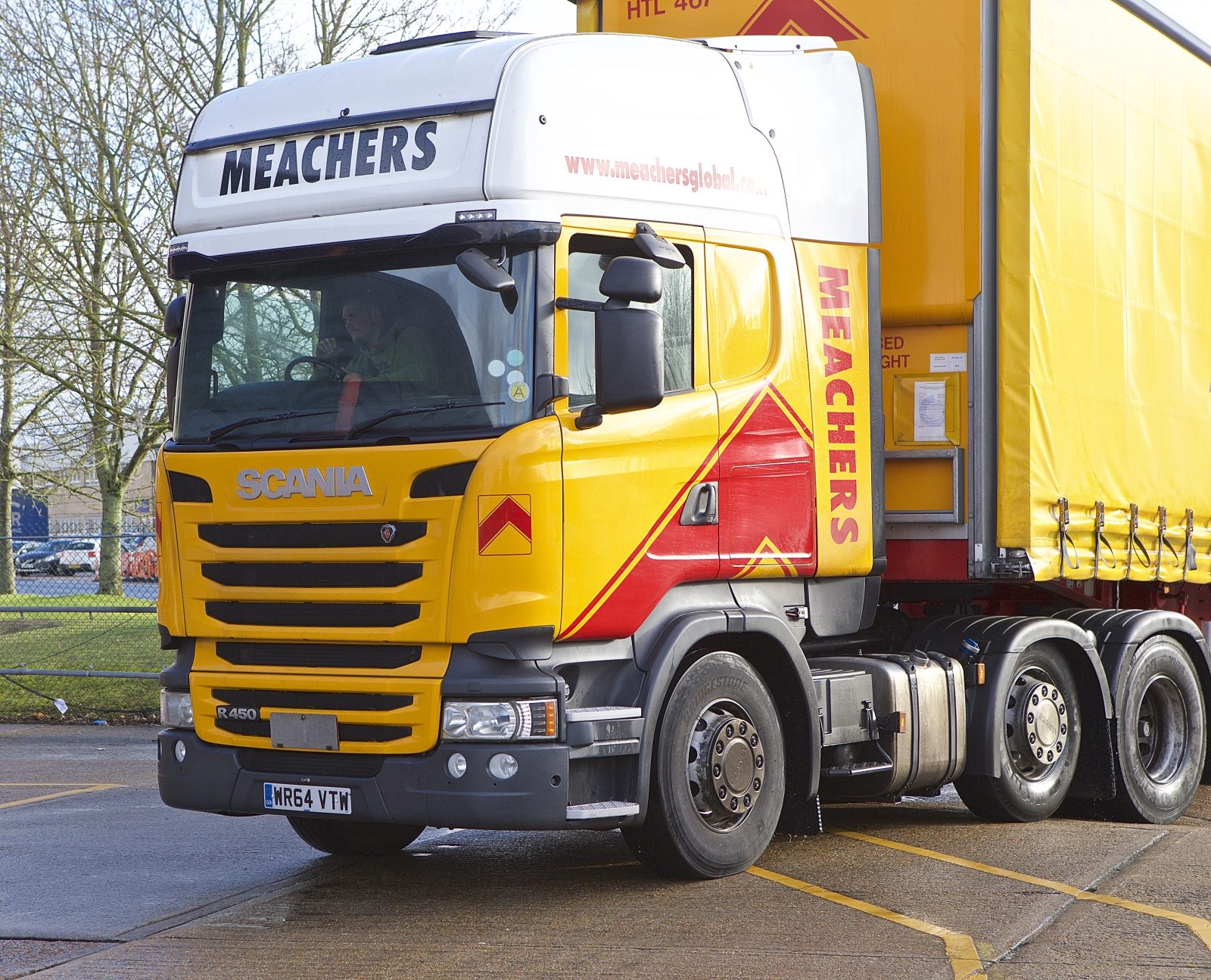
Meachers Global Logistics has become a member of The Solent Cluster, the first major decarbonisation initiative to substantially reduce CO2 emissions from industry, transport and households across the Solent and the south coast of England.
The Solent Cluster is a cross-sector collaboration of international organisations, including manufacturers and engineering companies, regional businesses and industries, leading logistics and infrastructure operators and academic institutions, with decades of proven expertise in carbon capture and storage and hydrogen technology.
Meachers, signed up as a member at the launch event alongside founding members the Solent Local Enterprise Partnership (LEP), global energy provider ExxonMobil and University of Southampton. Each shared details of their vision for the Solent and how it could secure existing jobs and produce low-carbon fuels for sectors including maritime and aviation, as well as providing energy to heat homes, businesses, and public buildings. This effort could position the Solent at the centre of low carbon fuel production in the UK and make a major contribution to the country’s Net Zero ambitions by 2050. The project could capture approximately three million metric tons of CO2 every year.
Gary Whittle, commercial director of Meachers Global Logistics, said: “We are delighted to show our support to The Solent Cluster by announcing our membership to this important partnership. We look forward to collaborating with fellow members to bring societal and environmental benefits to the Solent region and helping it become a major contributor to the UK’s Net Zero ambitions.”
Anne-Marie Mountifield, chief executive of Solent Local Enterprise Partnership, said: “Decarbonisation is at the heart of our economic strategy for the area and the creation of The Solent Cluster will sit alongside our ambition to pioneer approaches to climate change adaptation and decarbonization, linked to our coastal setting, and establishing real expertise which other regions – nationally and globally – can learn from. The Solent Cluster will provide a platform for the excellent work that is already taking place and the partnership has a unique opportunity to affect real change in energy production and consumption, establishing the Solent and wider region as a leading centre for low carbon investment now and in the future.”
“This is an important opportunity to decarbonise the Solent Region, and we are proud to be a part of this collaborative effort to significantly reduce CO2 emissions from multiple sectors,’’ said Dan Ammann, president of ExxonMobil Low Carbon Solutions. ‘We look forward to working with our founding members and others to develop a compelling project.”
The Solent Cluster could enable organisations to bid for government investment support for projects to decarbonize the Solent region and realise the benefits that can flow to the region’s businesses and communities.
Dr. Lindsay-Marie Armstrong, associate professor of mechanical engineering and academic cluster lead for the Solent Industrial Decarbonization Cluster at University of Southampton, said, “The Solent is recognised as one of the leading contributors of CO2 emissions with approximately 3.2 million metric tons of CO2 emissions released from energy-intensive manufacturing processes every year. To form a decarbonisation cluster that spans the public, private and higher education sectors is a monumental step forward for the region.
“It will introduce sustainable fuels for local transportation, the aviation and the shipping sectors; create low carbon energy to heat homes, businesses and public buildings; and open up new highly skilled jobs opportunities. This can only be achieved by working together as a community, covering all sectors and ultimately working with the same desire to achieve a low carbon economic future for the Solent region.”