VisionTrack Launches AI-Powered Video Analysis

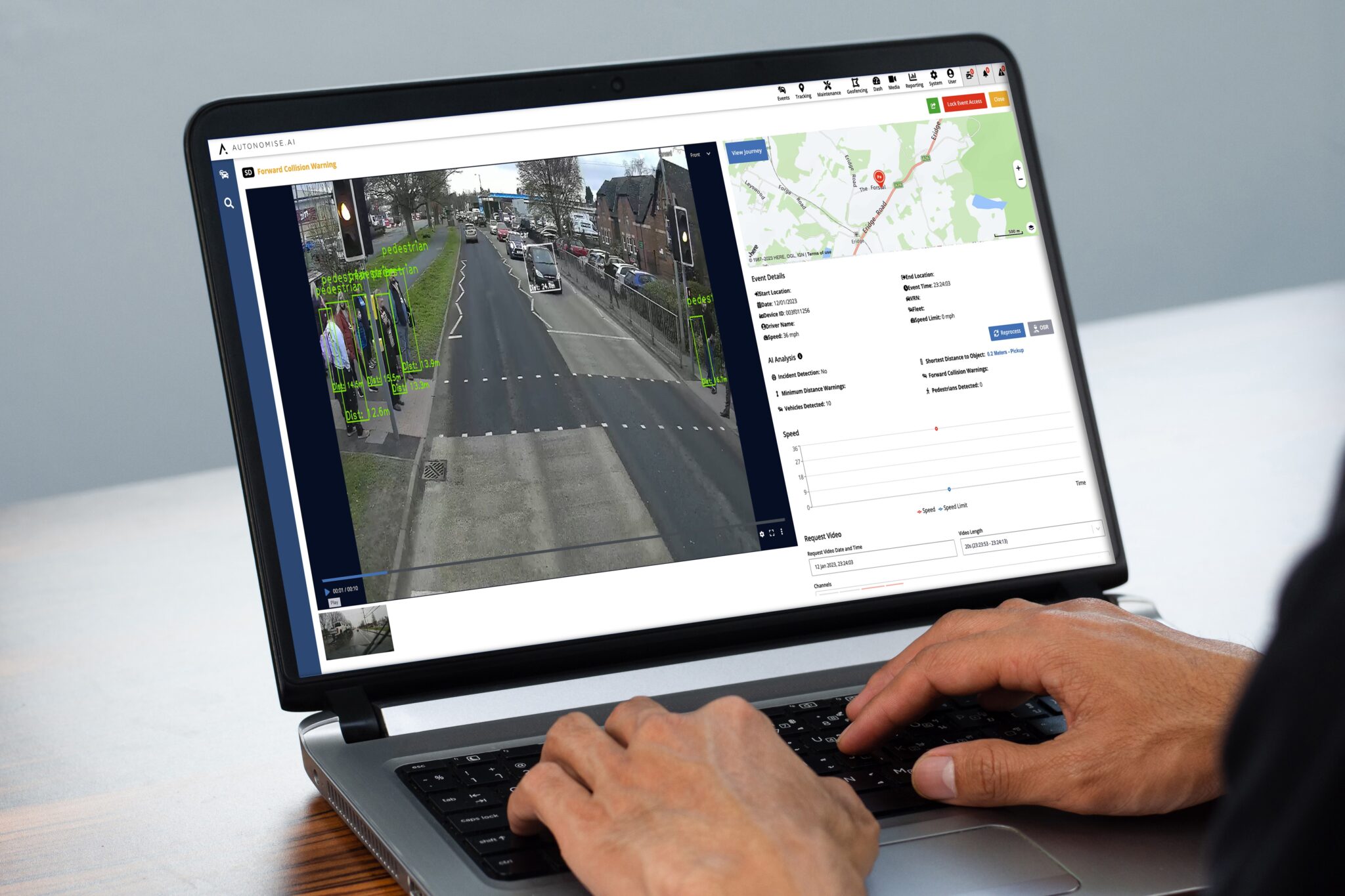
VisionTrack, a leading AI video telematics and connected fleet data specialist, is transforming commercial fleet safety with the launch of a sophisticated AI-powered post-analysis solution. NARA (Notification, Analysis and Risk Assessment) will revolutionise how vehicle camera footage is assessed and help vehicle operators to dramatically reduce road deaths and injuries.

“Our cloud-based NARA software is a true game changer in the world of video telematics as it will help save time, costs and most importantly lives, by providing proactive risk intervention and accurate incident validation,” explains Richard Kent, President of Global Sales at VisionTrack. “NARA proactively removes false positives and monitors driver behaviour, without the need for human involvement. With traditional video telematics solutions, commercial fleets can be experiencing hundreds of triggered daily events, so this will enable them to deliver more efficient working, whilst not compromising on road safety.”

NARA is device agnostic so can be integrated with existing connected camera technology – whether VisionTrack or third-party hardware – and adds another powerful layer of analysis to AI vehicle cameras, installed with edge-based AI technology, that are often limited by the processing capacity of the device.

NARA represents a huge step forward for video telematics as it uses ground-breaking computer vision models with sensor fusion to assess footage of driving events, near misses and collisions. This ensures the review process is manageable and timely, while eliminating human availability or error, so vehicle operators can make best use of video telematics insight to better protect road users and help prevent collisions.

During the testing phase, a 1100-strong logistics fleet was found to be generating on average 2,000 priority videos a week, which would typically take someone over 8 hours to review. NARA reduced the time needed to review events that require human validation to just minutes per day. As a result, the company is now targeting more efficient risk management, whilst supporting their road safety strategy.

Advanced object recognition uses deep learning algorithms to automatically identify different types of vehicles, cyclists and pedestrians. With incredibly high accuracy levels, it will be able to distinguish between collisions, near misses and false positives that can be generated by harsh driving, potholes or speed humps. The software will also include Occupant Safety Rating that uses a range of parameters to calculate the percentage probability of injury and immediately identify if a driver needs assistance.

“As a true advocate of road safety, having already pledged our support to global initiative Vision Zero, we are passionate about helping the industry achieve its target of eliminating all traffic fatalities. Our vision is to create a world where all road-users are kept safe from harm, so we are embracing the latest advances in machine learning and computer vision to further enhance our industry-leading IoT platform, Autonomise.ai, and AI video telematics solutions,” concludes Kent.

VisionTrack is a leading global provider of AI video telematics and connected vehicle data. The company’s unique approach is helping tackle some of the most complex challenges faced by the fleet, road transport and insurance sectors, providing the operational insight, business intelligence and enriched vehicle data needed to make strategic mobility decisions.

VisionTrack’s AI video telematics is underpinned by its multi-award-winning IoT platform, Autonomise.ai. This cloud-based software, combined with a wide range of intelligent camera solutions, is transforming how vehicle operations approach road safety, claims management, duty of care, fleet compliance and operational risk.

Auto ID Labelling Limits Downtime

The holiday season may be over, but with transport and logistics businesses shouldering the brunt of Christmas chaos, Gary Morris (pictured), Senior End User Client Manager for Transport and Logistics at Brother UK, reflects on the priorities firms are focusing on to shore-up their labelling and Auto-ID systems as they begin to navigate 2023.

Logistics leaders faced a tough end to 2022, as they kept customers satisfied through one of the most demanding delivery fulfilment periods. Firms faced high demand while sector capacity was sapped by perennial skills shortages alongside strike action in the last half of the year. In such arduous conditions, sub-optimal tech anywhere in their operation is the last thing logistics leaders need. Reliable auto-ID systems are essential to keep operations running smoothly and efficiently to help firms maximise throughput and prevent backlogs.

But research shows that inefficient labelling systems are creating unnecessary burdens. More than 60% of firms experience at least a week of downtime every year due to poor-quality labelling – one in seven experience a month or more of lost time. To tackle this, we’re seeing businesses set three core priorities when it comes to labelling.

Create labels that are clear and scannable

A major issue firms are reporting is problems with delivering parcels due to unreadable barcodes. More than half of companies (53%) in our research estimate that this is costing them between £1,000 to £3,000 per year as businesses pay out to reprocess and redispatch goods.

Labelling systems with high resolutions equipped with the best matched media and ribbons, ensure barcodes are always clear and readable. A good portable label printer can deliver a 200dpi resolution, while desktop or industrial label printers will often provide firms with the best resolution for the sharpest print outs, offering 300dpi – or even up to 600dpi. A trusted technology supplier will also be able to advise the best matched media to the hardware, making sure firms are using the right labels or the best label and ribbon combination.

Ensure seamless integration

We know that many businesses (62%) across the sector are looking to improve the integration across their labelling systems to boost their productivity and find new efficiencies. The result is a focus on hardware and software that is designed with integration in mind and can easily connect with existing systems and those made by other vendors and suppliers.

So, the focus is on devices that feature industry mainstays such as SAP, and printer command languages including ZPL2 emulation, to support seamless integration. This will help to promote change for those that may not want to re-invent their operational wheel. But for those that do, a supporting vendor can advise on how firms can gain efficiency in their printer workflows to fit within their operation, including products designed with the software and system integration businesses desire.

Get access to reliable repair services

Naturally, transport and logistics operations never stop, so broken tech creates huge headaches. And when problems do occur, they need access to emergency repair services and replacements so they can get their operations back up and running. Services like our optional Brother ONSITE – a next day maintenance service for our TJ range of industrial label printers – are in high demand and a three-year warranty on equipment, sometimes with extensions of up to four or five years, is now seen as the expected standard.

Labelling that delivers

There is little time to pause for thought in a sector that never stops, but the productivity, reliability and connectivity of labelling systems should never be overlooked. There are often significant gains that can be made that can support broader business goals, from increasing capacity to cutting cost. Partnering with a supplier that takes the time to make sure every line, delivery note and warehouse location label is printed with precision, can help firms to concentrate on their operations, while minimising the downtime they can seldom afford.

Transport of Villas for Red Sea Resort

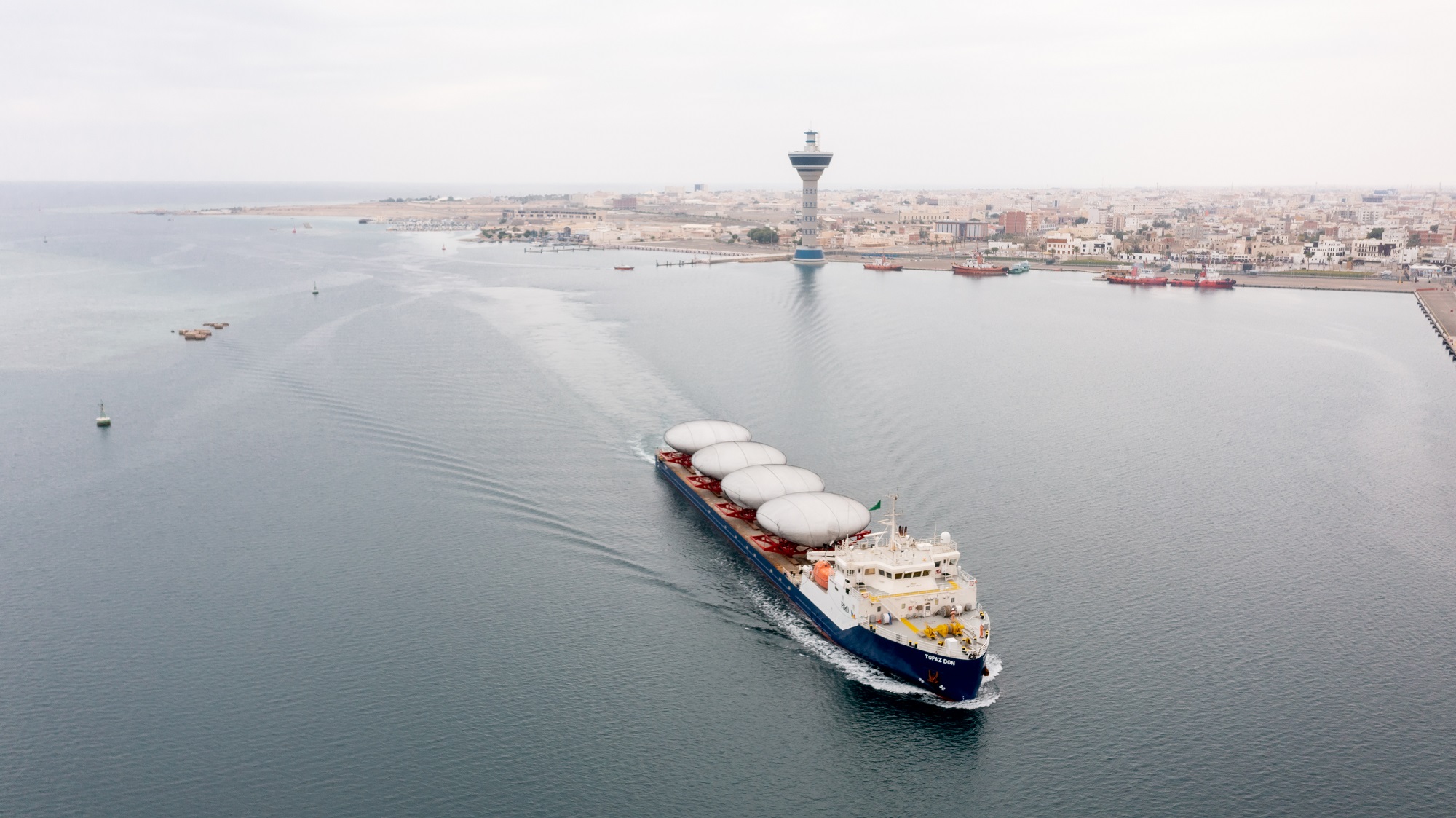
P&O Maritime Logistics, a leading provider of critical logistics and marine solutions, will use its versatile Multi Carrying Vessel (MCV) fleet to transport off-site manufactured pre-finished volumetric hotel villas to the Sheybarah Island Resort on Saudi Arabia’s Red Sea Coast.

P&O Maritime Logistics has signed a new contract with global heavy lifting and transport specialist Mammoet to transport the unique hotel villas, all the way from Hamriyah to the Sheybarah Island Resort.

The two companies are supporting Red Sea Global in its ambitious project, which champions regenerative tourism and sustainable development in the Kingdom.

The Sheybarah Island Resort is a cornerstone project and part of the Saudi 2030 vision and will consist of a total of 73 uniquely shaped and prefabricated villas, some of which will hover above the island’s diverse ecosystem. The stainless-steel orbs were conceptualised by Oppenheim Architecture, based in Miami and designed by Killa Design, the same designers of Dubai’s Museum of the Future, promising a unique experience for guests when the resort opens. With mangroves, beaches and coral reefs, the resort will utilise the latest sustainable and eco-friendly technologies to preserve and enhance the local environment.

The MCVs selected for the project were serviced in drydock facilities before the contract in order to limit their possible impact on local marine life – and their ballast systems were filled with water from the Red Sea to reduce the chance of introducing foreign organisms. Additionally, the shallow draft of MCVs and with the versatile thruster arrangement used on P&O Maritime Logistics vessels mean that there will be minimal disturbance of the shallow seabed.

Additionally, The MCVs’ shallow draft makes them an ideal vessel for accessing areas where larger ships are unable to fit due to their size. The MCVs have the unique ability to allow efficient and timely delivery to site using the just-in-time principle, with minimal congestion for the production facility and project site, delivering a cost-effective customer solution.

Martin Helweg, CEO of P&O Maritime Logistics, said: “As a company headquartered in Dubai, we regularly operate in the Red Sea and around the Middle East. It is particularly exciting that our MCV fleet has been so successful in this region on a variety of projects.”

P&O Maritime Logistics, a subsidiary of DP World, recently chartered a new route between the Port of Jeddah and Port Sudan, where its MCV fleet is carrying containers across the Red Sea for the first time, brining additional volumes and reducing waiting times for main line carriers.

Helweg continued: “We are also delighted to be supporting Mammoet in the development of the Sheybarah Island Resort, as part of Red Sea Global’s Red Sea mandate. Sustainability is at the heart of our business, and transporting the villas is just one example of how we are increasing our capacity for projects that promote sustainable development.”

P&O Maritime Logistics owns and operates 400 vessels worldwide, providing a wide portfolio of value-add services to customers. Guided by DP World‘s industry-leading approach to sustainability, P&O Maritime Logistics supports its customers in building a more sustainable future by creating flexible solutions and ensuring both operational efficiency and excellence.

Jad Ayoub, Project Director for Mammoet said: “We are pleased to have P&O Maritime Logistics supporting us with the shipment of villas for the Sheybarah Island Resort. We have selected P&O Maritime Logistics for its vessels with shallower drafts that will have minimal impact on the sensitive marine environment of the Red Sea. With Mammoet’s ongoing commitment to sustainability and sustainability being the vision for the project, it was crucial to partner with a company that ensures their operations and values are aligned with ours.”

Tanker Pull-Aways at Gangway Loading Platforms

Industries such as oil & gas, food & beverage, chemical, and agriculture require goods to be transported by tankers. Commonly, these vehicles carry granular or liquid goods like fuel, flour, sugar, or plastics. These types of goods require specialized procedures to unload and load their goods.

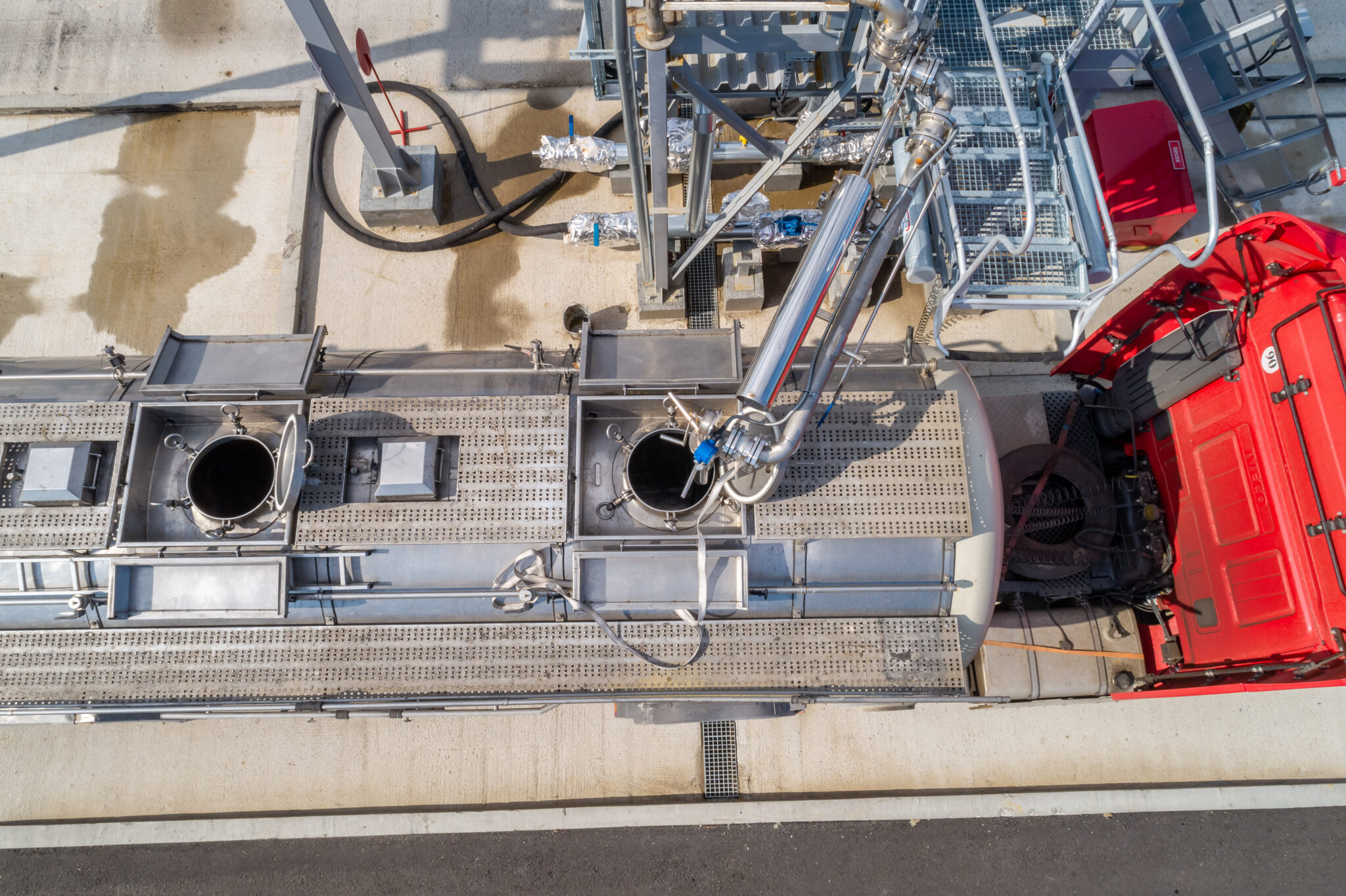
When a tanker has reached its destination, it enters the unloading/loading area of a facility where hoses and or pumps are connected to the tank to unload or load the goods. It is common that tanker personnel will need to gain access to the top of the tank to allow for ventilation or attach hoses/pumps to begin the loading/unloading process. Many facilities have permanent or semi-permanent elevated loading platforms or gangway systems that allow authorized tanker personnel to safely access the top of the tanks.

Why is preventing pull-aways important?

While gangway platforms offer personnel ease of access, they also pose some risk. Property damage can occur when a tanker believes that the loading or unloading process is complete and begins to pull away from the loading site as its hoses/pumps are still connected. As a result, the gangway and other equipment could become damaged. Not only is equipment and property damaged when the tanker pulls away from the gangway, but personnel is also at risk of injury or even death. HSE lists fall from height the third highest cause of fatal injury, compromising 20% of fatal accidents. While most gangways or loading platforms use some type of fall protection such as guardrails, accidents still occur. In addition, it is common for tanker trucks to carry flammable or corrosive liquids which makes the safe loading/unloading of this material imperative for both the personnel and facility.

How to prevent gangway pull-aways:

Be proactive – The first step in preventing pull-aways at gangways systems is to be proactive. Don’t wait until a tanker has pulled away during the unloading/loading process and has caused equipment damage, product loss, or an injury before looking to prevent this type of occurrence.
Mitigate the risk – Mitigate the risk of a pull-away from occurring by installing the necessary equipment on the gangway system to prevent any accidents from occurring. Railings, communication systems, and interlocks are all examples of equipment that can greatly reduce risks.
Ensure clear communication – Communication is essential for a safe loading or unloading process to take place. Ensure tanker drivers and loading personnel can clearly and effectively communicate with each other throughout the entire process.
Force a Sequential Process – By forcing a step by step loading procedure, loading operations can be carried out safely without damage to personal or equipment. One way to force a sequential loading process to be followed is through an interlocking safety system. These systems can ensure that tankers cannot pull away from gangway loading structures while loading is taking place due to the forced sequential process these interlocks require.

While tankers are a critical part of many industries supply chains, they can pose some risks to facilities, equipment, and personnel during the loading/unloading process. Tankers can pull away from gangway loading platforms with hoses and pumps still attached potentially causing a dangerous situation. Pull-aways can be prevented by being proactive, mitigating the risk, ensuring clear communication between the tanker driver and loader, and forcing a sequential process to occur that eliminates the risk of a pull- away. Facilities that frequently use gangway loading platforms to unload or load tankers should take the necessary steps to ensure operations are safe, product loss is avoided, and equipment is protected.

Castell Safety International is part of the Sentric group, which consists of three sister companies – Kirk in the US, Castell in the UK and STI in France. Sentric group produces uncompromising safety solutions for businesses whose people and equipment operate in harsh and safety critical environments. From power generation and distribution, heavy plant works to loading bays and many industries in between, we believe that everyone has the right to be safe at work.

5% Growth for London Gateway and Southampton

DP World saw a 5% rise in the volume of trade handled by its two hubs in the UK last year, London Gateway and Southampton Port, as the leading provider of smart logistics solutions continued to extend its reach further into the supply chain.

London Gateway alone reported a 14% rise in volumes to 2,053,000 TEU – the first time it has ever exceeded two million units in a year, consolidating its position as Britain’s second biggest container terminal. Together with Southampton, the two terminals handled a record 3,850,000 TEU compared with 3,675,000 in 2021.

Ernst Schulze, UK Chief Executive of DP World, said: “We help trade flow across the globe and this outstanding performance shows our ability to deliver on our commitment to boost growth, support businesses, create jobs and improve living standards in the UK.”

“Within a decade, London Gateway is likely to be handling up to 30% of the country’s containerised trade. Its port-centric logistics park will be one of the largest in Europe, employing 12,000 people and underpinned by investment in a second rail terminal and a new fourth berth.”

“At Southampton, we are investing to future-proof the port by improving its infrastructure and introducing warehousing facilities for our customers. We are committed to expanding its capacity as well as making it one of Britain’s most sustainable ports.”

London Gateway volumes rose

Last month, DP World recently partnered with Economist Impact to launch the latest edition of Trade in Transition, a global trade barometer. The research showed that companies in the UK experienced strong growth in 2022, with expansion of up to 50% in the value of exports reported by 62% of those surveyed. 53% reported a similar rise in the value of imports.

Record 3,850,000 TEU

With a global network spanning more than 300 business units in 76 countries DP World is continuing to extend its capabilities across the UK supply chain, with the latest step the launch of a new intermodal train service in November connecting London Gateway and Southampton.

Over the last 10 years DP World has invested £2 billion in the UK, supporting thousands of jobs. Over the next 10 years the logistics provider has earmarked a further £1 billion of investment, with a £350m new fourth berth at London Gateway now well under construction.

Cold Storage Warehouse Fire Safety

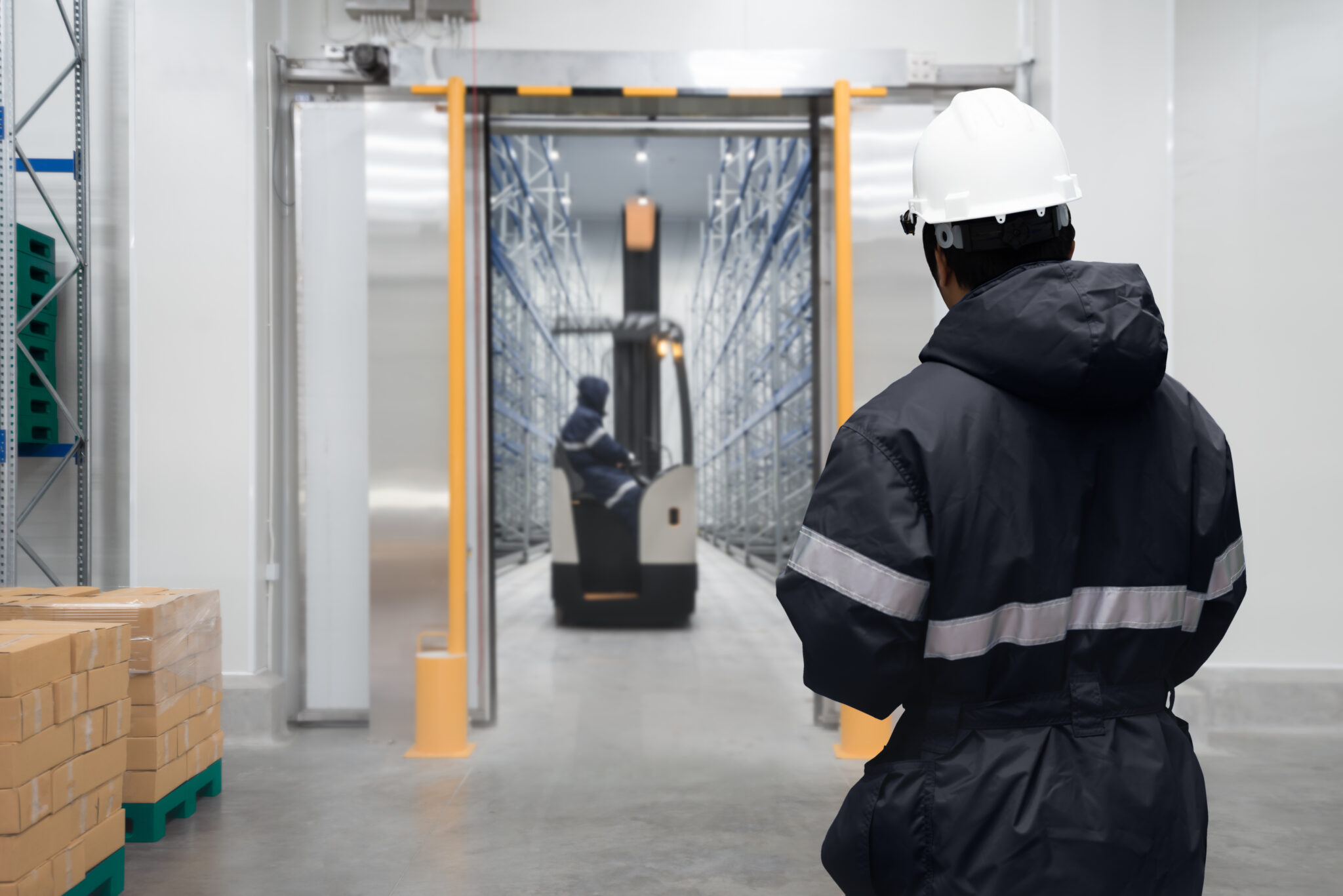
While it may seem counterintuitive that fire is even a risk in spaces designed to maintain cold temperatures, cold storage in fact presents a huge fire hazard for warehouse designers and builders, life safety installation companies and facility owners. In this article the risks, considerations and best detection products when thinking about life safety for cold storage warehouses are considered.

In the last year, the UK’s cold storage industry capacity has topped 40 million cubic meters, for the football fans amongst you that is the equivalent to the bowl volume of 35 Wembley Stadiums. This is being driven by consumer demand and big business for perishable goods and pharmaceutics, making cold storage an essential cog in the UK economy. From a feasibility point of view however, cold storage is substantially more complicated and more expensive than dry storage because of the regulations around refrigerated freight. Plus, the very nature of the materials used in cold storage, means it presents a higher risk factor when it comes to fire. So as the demand for refrigerated products grows, so does the need for better fire safety.

Why no two cold storage units are the same

Cold storage areas vary in size, usage, and ambient temperature, meaning that any fire detection equipment or system must be specifically designed to each warehouse. You may be surprised at some of the products that may need cold storage. There are the obvious ones like perishable food (vegetables, fruits, meat and seafood, dairy products), but what about flowers and plants, biopharmaceutical products and did you know, even some artwork needs to be kept at low temperatures. Understanding the unique circumstances of the product is essential for cold storage fire safety.

A bespoke fire risk assessment will determine the life safety system needed to maintain optimum fire security 24/7, protecting the goods, equipment and most importantly staff operating within the building, but this can be a complicated task to map out and assess for the responsible person. So, where to start?

What are the fire risks in cold storage warehousing?

Besides arson attacks and carelessness from people on site (think discarded cigarette butts), fire risks within cold storage mostly arise from electrical or mechanical faults in the conveyor systems which transport the goods around the building, wiring that is housed in the roof or faulty lighting systems. The fuels which power the evaporative condensers used to sustain the low temperatures in cold storage warehouses is highly flammable so must be stored safely, and the machines themselves can also be a major contributor to fire risk. These machines remove air moisture to extremely low levels of humidity to keep the warehouse cool, which can create an increased risk of static electricity and in the case of a fire could accelerate the spread of flames.

Cold storage fires have the potential to be devasting, posing a threat to life, destroying business operations and be detrimental to the supply chain. Even small fires can cause huge damage to a refrigeration business – a rise in temperature due to cooling plant down-time following a fire, can lead to stock being damaged. The strict laws around downtime requirements make it even more important to choose the right method of fire protection. There are also considerations to be made around smoke damage, as any stock exposed to low levels of smoke over an extended period can quickly become contaminated and therefore not fit for human consumption.

Of course, the issues are further compounded by the fact that modern technology now means that an increased number of warehouses are automated almost 24 hours a day, meaning very few or no personnel are on site. This makes visual identification of a fire incident unlikely, so the safety of the building is completely dependent on automatic fire detection systems – making it imperative that the system in place is up to date and well maintained.

What can be done to prevent a cold storage warehouse fire?

Dangerous scenarios are preventable when fire safety experts have been consulted, the correct life safety equipment is installed, the electrics and mechanical devices in use within the building are well serviced and the correct health and safety regulations are followed. Essential action when you consider preventable fires in the UK warehouse industry costs our economy upwards of £230 billion each year.

A risk assessment, when carried out properly and thoroughly according to law (The Regulatory Reform (Fire Safety) Order 2005), is the first place to start. It is also advisable to get an independent audit by a consultant or insurer as this will help ensure any fire strategy for your cold storage facility is robust. Many modern warehouses now include firewalls which are a cost-effective solution to manage the risk of fire. Smart warehouse managers should also consider the safe storage of waste and other flammable materials to stop the spread of fire if it were to break out. Keeping these materials in a designated safe storage area will reduce the risk of them causing a fire.

The best way to save lives of course, is to ensure automatic fire detection is in place, across your entire cold storage facility. With special attention paid to vulnerable areas. Fire specialists can advise on multiple fire detection solutions that are ideal for warehouses, but it is important to ensure that the right one for your scenario is installed.

Why air sampling fire detection is a good option for cold storage warehouses

There are multiple fire detection systems that can be used to protect warehouse storage, but when it comes to cold storage, you need to plan and design appropriately. Beam detectors which are commonly used in large warehouses can frost over in a cold storage situation, there are options in the market now which include heated optical elements to negate this however they might not be a device to solely rely on. Point detectors would also frost over and wouldn’t necessarily provide the appropriate cover. Flame detection is a possibility, depending on the risk assessment, but it is important to consider the materials being stored and how a fire is likely to start with these materials. But generally anything kept at low temperature that might produce flames (chemicals for instance) could potentially cause an explosion before the flames were even registered. Therefore, working with specialist fire installers who have experience in this field and work with manufacturers who produce specialist devices is the only way to ensure your cold storage facility is adequately protected.

Air Sampling Fire Detection is a smart choice, especially in a cold storage facility. Just make sure suitable dust filtration is in place to prevent false alarms. If professionally designed and installed, they can be incredibly simple to maintain. Air Sampling Fire Detection systems use the suction of air in conjunction with small pipe work to sample the air for smoke. This method is up to 200 times the sensitivity of a traditional point detector because of the strategically placed pipes and sampling holes. The air impeller can sample the air by drawing it along the pipe and into the detector measuring chamber. These aspirating smoke detection systems are designed to provide an elevated level of sensitivity to smoke detection, therefore detecting smoke at the earliest stage in the development of a fire.

With this high sensitivity capability of air sampling there is of course an increased risk of false alarms if it is not configured to suit the environment. False alarms can be reduced if the device in place uses a dust discrimination system which allows for the detection threshold levels to be set, helping to identify the difference between dust particles and smoke particles.

Some systems even allow for pipework to be customised to fit the unique circumstances of a cold storage warehouse, meaning sampling holes can be placed in specific locations for precision, accuracy, and efficiency in sampling – thus avoiding dilution. There are other things to consider when designing the pipework in the cold store. For example, the sampling pipe should be installed in the cold store itself rather than above it with capillary sampling points through the ceiling. This is because condensation could collect in the capillary pipe and freeze very quickly. Sampling points drilled in the side of the pipe rather than the bottom will prevent the sampling points becoming blocked by ice. Condensation will be created in the pipe when the air moves from the cold store to the detector. The provision of a moisture trap or heater box will ensure that all the moisture is removed before the air reaches the detector.

These are just a few pointers to be mindful of but following the manufacturer guidelines will ensure that the Aspirating detectors provide reliable, trouble-free, and false alarm-free protection.
Aspirating detectors are a great option to investigate with your fire safety consultant or installation company to help avert disaster, satisfy insurer oversight, and improve safety for workers and of course any surrounding buildings or the public.

Why warehouse managers need to review their fire strategy

Driven by consumer demand, the trend for more (and larger) cold store warehouse units will continue to grow; take a drive along any major motorway in the UK to see these huge buildings becoming common place. Globally, the cold storage market was valued at $112 billion in 2021 and is expected to reach $330.2 billion by 2030. With this growth, the risk of fire also increases, so it is important for logistics companies and cold warehouse managers to understand the risk.

For business to meet demand and grow safely, it is important to have a thorough and up to date fire safety strategy in place for the unique circumstances of your cold storage. The fire strategy needs to meet the latest government legislation and consider the fact that insurance companies are tightening their belts when it comes to fire risk, particularly for cold storage with fire-accelerating environments.

Responsible persons who work with experts to ensure a robust fire strategy that is best for the unique products of their cold storage is key. This includes advising on design of a life safety system and the ongoing maintenance of any devices or systems in place. Cold storage fire safety cannot simply be a fit and forget scenario. The teams who make these considerations will be the ones who benefit from better insurance premiums and be able to provide the best and most reliable service to their customers, allowing the industry to grow to the predicted rates safely.

For over 100 years Hochiki has led the way in the design and manufacturer of innovative life safety solutions. Its leading edge commercial and industrial fire detection and emergency lighting products have acquired global acceptance as the benchmark for high-integrity and long-term reliability. With global group sales turnover exceeding £400m, Hochiki is a wholly independent, multinational, publicly listed company with over 1,500 employees working across five manufacturing plants, 32 sales offices and 18 subsidiaries. Its ongoing commitment to manufacturing innovation ensures customer satisfaction and its production facilities in Japan, the USA and Europe offer international continuity in quality, service and supply.

Subscribe

Get notified about New Episodes of our Podcast, New Magazine Issues and stay updated with our Weekly Newsletter.