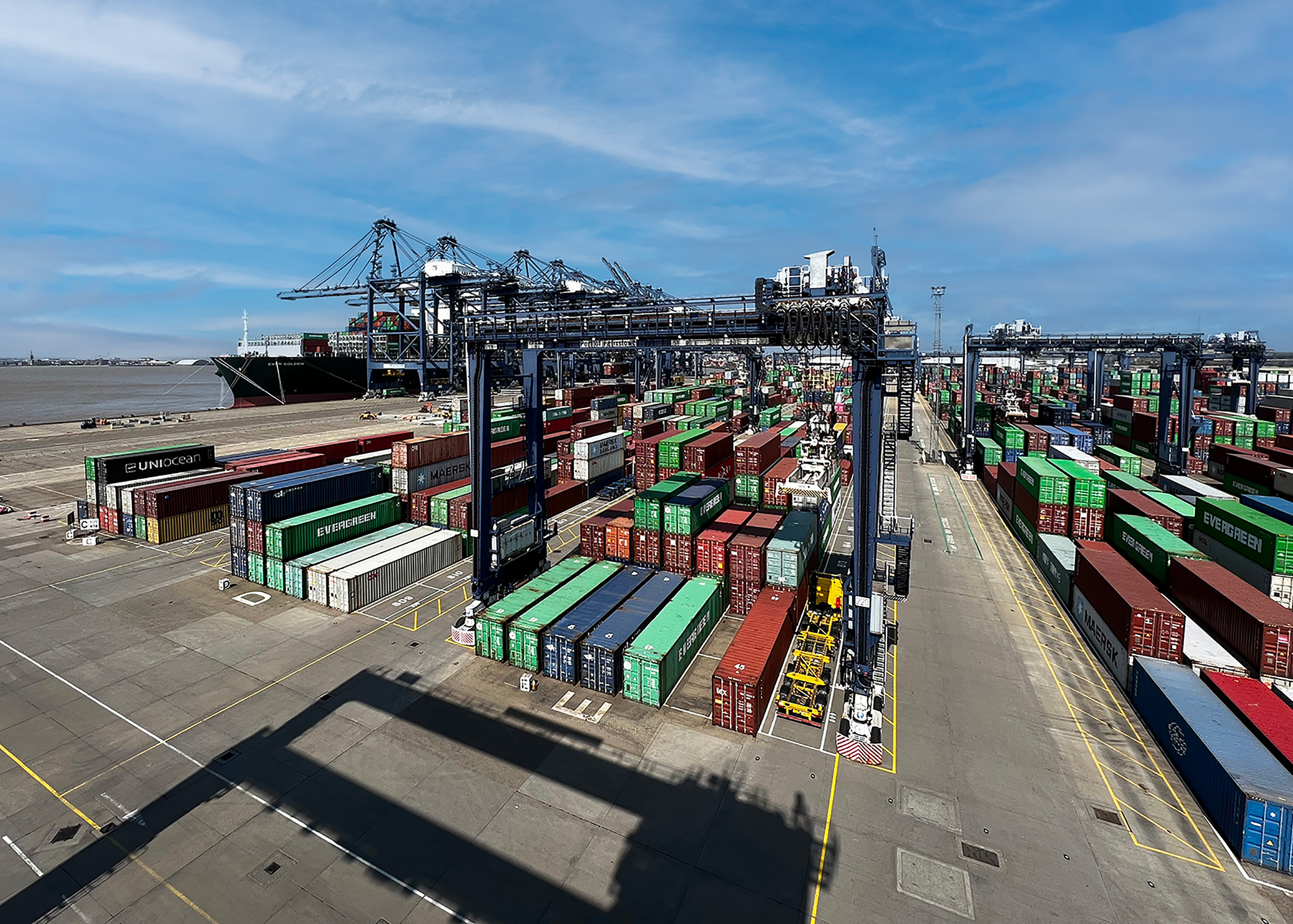
Paul Vahle GmbH & Co. KG will be presenting solutions for the electrification of container terminals at TOC Europe 2026 in Hamburg from 19 to 21st May. The focus is on integrated energy systems for highly dynamic port operations — from electrified crane applications and automated charging through to intelligent energy management in terminal operations.
“Rising diesel prices and volatile energy costs are increasing the economic pressure on port operators. At the same time, regulatory requirements are intensifying the need for low-emission terminal processes. As a result, electrification is increasingly becoming not just a question of efficiency, but a key prerequisite for future-proof terminal structures,” says Jaroslaw Warzecha, Director Business Unit Ports at Vahle. “At TOC Europe, we will show how power supply, motion systems and automation can be combined into a seamless, end-to-end solution.”
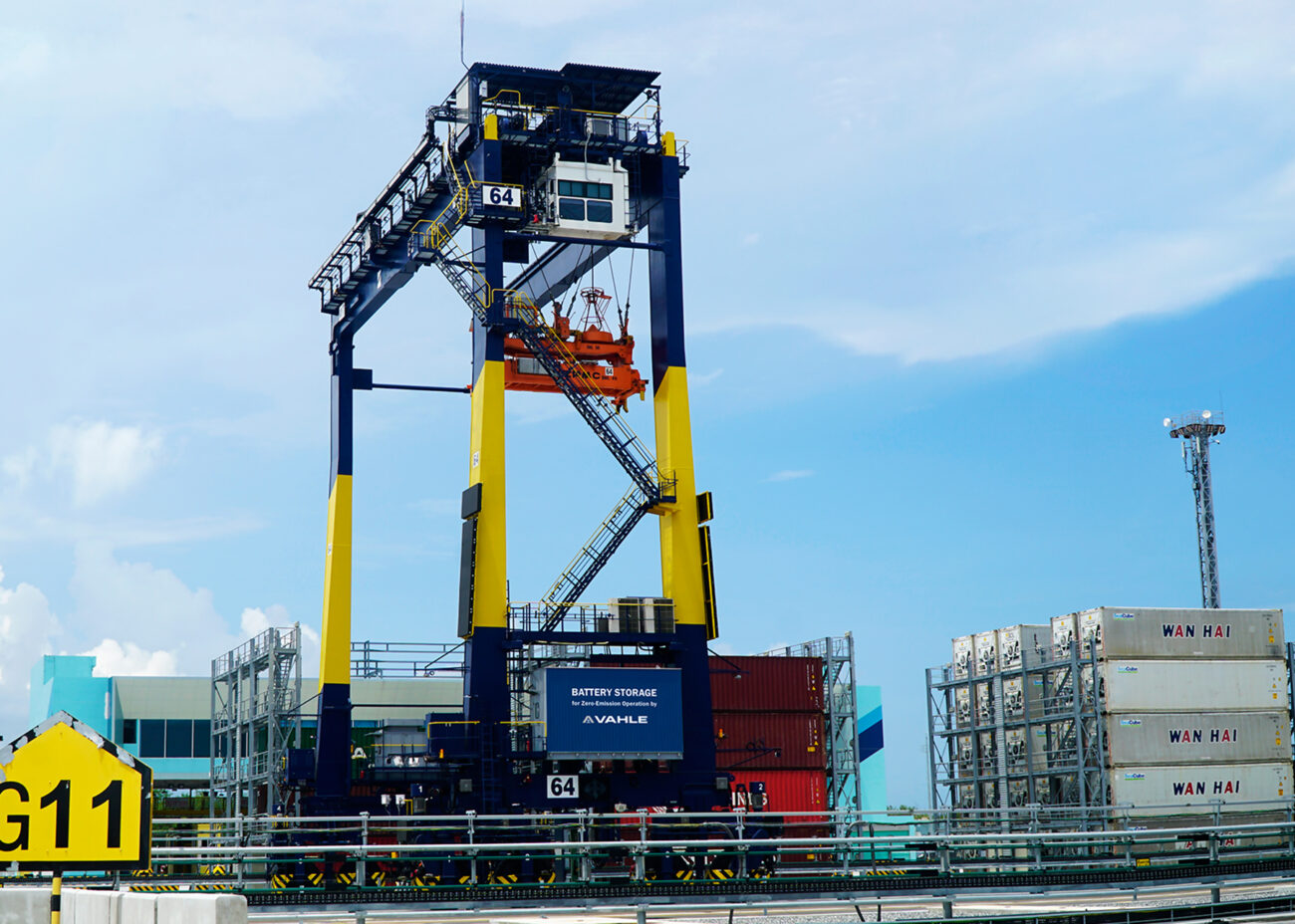
A key focus is the electrification of Rubber Tyred Gantry (RTG) cranes — an area in which VAHLE has supported port applications for many years. This segment is being consistently advanced with the modular TriMotion Compact system solution. In addition, battery-based storage solutions such as the Battery Storage System are used as dynamic energy buffers in terminal operations.
By supplying energy based on demand, peak loads on the grid are specifically reduced and power flows within the terminal are stabilized. Thanks to modular and immersion-cooled battery concepts, capacity and output can be flexibly adapted to different operating profiles — for example for aisle change, hybrid operation or peak shaving. Immersion cooling ensures a constant temperature window for the battery cells — an essential factor for service life, performance and operational safety in port use. This enables crane movements in battery mode to be carried out temporarily independent of the grid and locally emission-free.
The practical impact of this approach can be seen in electrified RTG applications with TriMotion Compact. “By replacing diesel-based units, up to around 300 tonnes of CO2 can be saved per year and conversion— depending on the operating profile. This makes the decarbonization of terminal processes not only technically possible, but also economically scalable and operationally integrable,” Warzecha emphasizes.
VAHLE’s PowerDock charging infrastructure builds on this foundation. The solution enables automated charging of electric terminal vehicles during operational standstill times. The charging process is integrated directly into terminal operations and follows the principle of opportunity charging — energy is taken on precisely when vehicles are not in active use anyway.
“With PowerDock, we standardize charging processes in the terminal while simultaneously increasing the availability of electric fleets in continuous operation,” says Warzecha. “This makes the energy supply an integrated part of the process chain.”
In addition, VAHLE is further advancing its developments in shore power supply. In the Port of Hamburg, the system provider implemented a movable installation for “HADAG Seetouristik und Fährdienst AG” that reliably supplies vessels with electrical energy while alongside. The system replaces diesel-powered onboard generators and significantly reduces emissions as well as noise. It also compensates for tidal movements and is already designed for future generations of electric ferries.
At TOC Europe, VAHLE will be presenting its solutions for electrified and automated port logistics at booth E92. Visitors will gain insights into current systems for RTG electrification, automated charging, energy management and shore power applications—and can discuss specific deployment scenarios with the company’s experts.
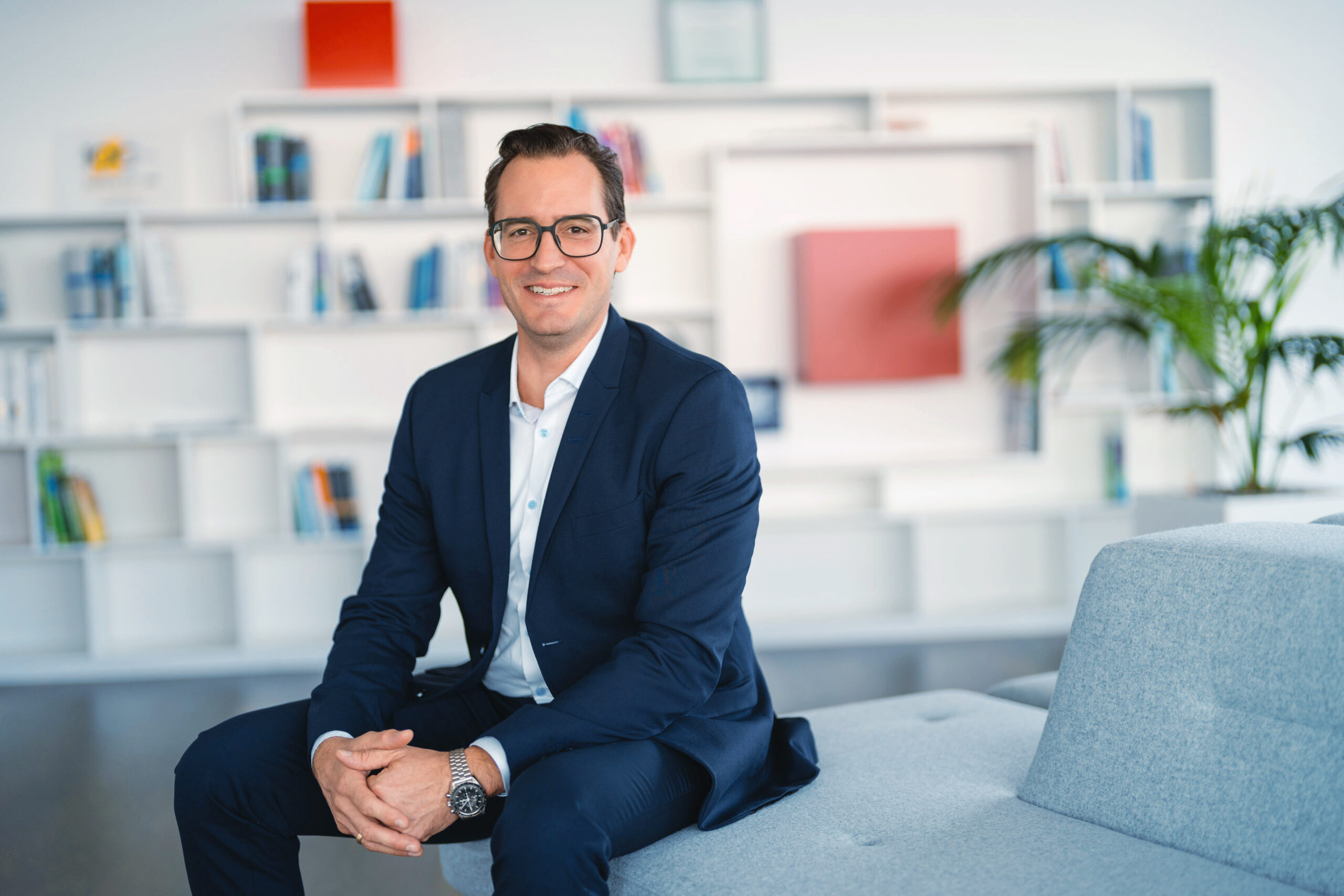
Formalised on 1st April, intralogistics businesses Vanderlande, Viastore and Bastian Solutions united into a new brand – Toyota Automated Logistics (TAL). David Priestman spoke with EMEA CEO Thomas Hibinger (main picture) at LogiMAT.
Scale isn’t everything in business, but it certainly carries advantages when you have the backing and resources of a power brand. What happens when you combine a major materials handling and automation business with a warehouse management software and miniload/stacker crane specialist, under the umbrella of the world’s largest forklift supplier? The answer, in Europe, is that the viastore team, based in Stuttgart, are taking the lead in the new organisation. “One family, with three P&Ls now united,” Hibinger tells me.
Vanderlande’s baggage handling and parcel business will continue as a separate entity, but its renowned warehousing systems (e.g. ADAPTO, POSISORTER and BLUEVEYOR) now form the backbone of the integrated warehouse automation solutions that TAL offers.
“We’re number one in forklifts and we want to be number one in automation too,” Hibinger states. “Toyota Materials Handling is the number one lead source for TAL as they have so many dealers everywhere. If a customer wants an automation solution that’s where we come in.”
The objective, for Hibinger, is not just growing the revenue substantially, but also considerable innovation. “We’re thinking in terms of solutions, everything in the warehouse. We aim to double the business in the next five years.” Look out, KION.
TAL aims to offer a seamless customer journey in one connected solution, from material handling to automated warehousing and logistics, across the regions. By combining its strengths and innovative solutions, the goal is to deliver measurable results, and maximise the trust in the Toyota brand.
Deliver for you
This multinational household name spends $1m PER HOUR on research and development. User-inspired research to ‘improve the human condition’ is a core philosophy of Toyota Industries Corporation (TICO), which shares the discoveries of the Toyota Research Institute to keep all its divisions up with technological advances. All Toyota businesses practice the organisation’s famed production methods.
A key initiative for TAL’s sister company, Toyota Material Handling Europe, is a collaboration with SSAB, a Swedish-based steel manufacturer, to use low-carbon steel in a growing number of products. Toyota is seen as an early mover when it comes to the use of lower carbon materials, setting new standards for the industry. The use of low carbon-steel in the Toyota Lifter LHM230 hand pallet trucks has resulted in an 18% carbon emissions reduction cradle to gate compared to previous models.
TMHE Senior Sustainability Manager, Marc Maureaux said:
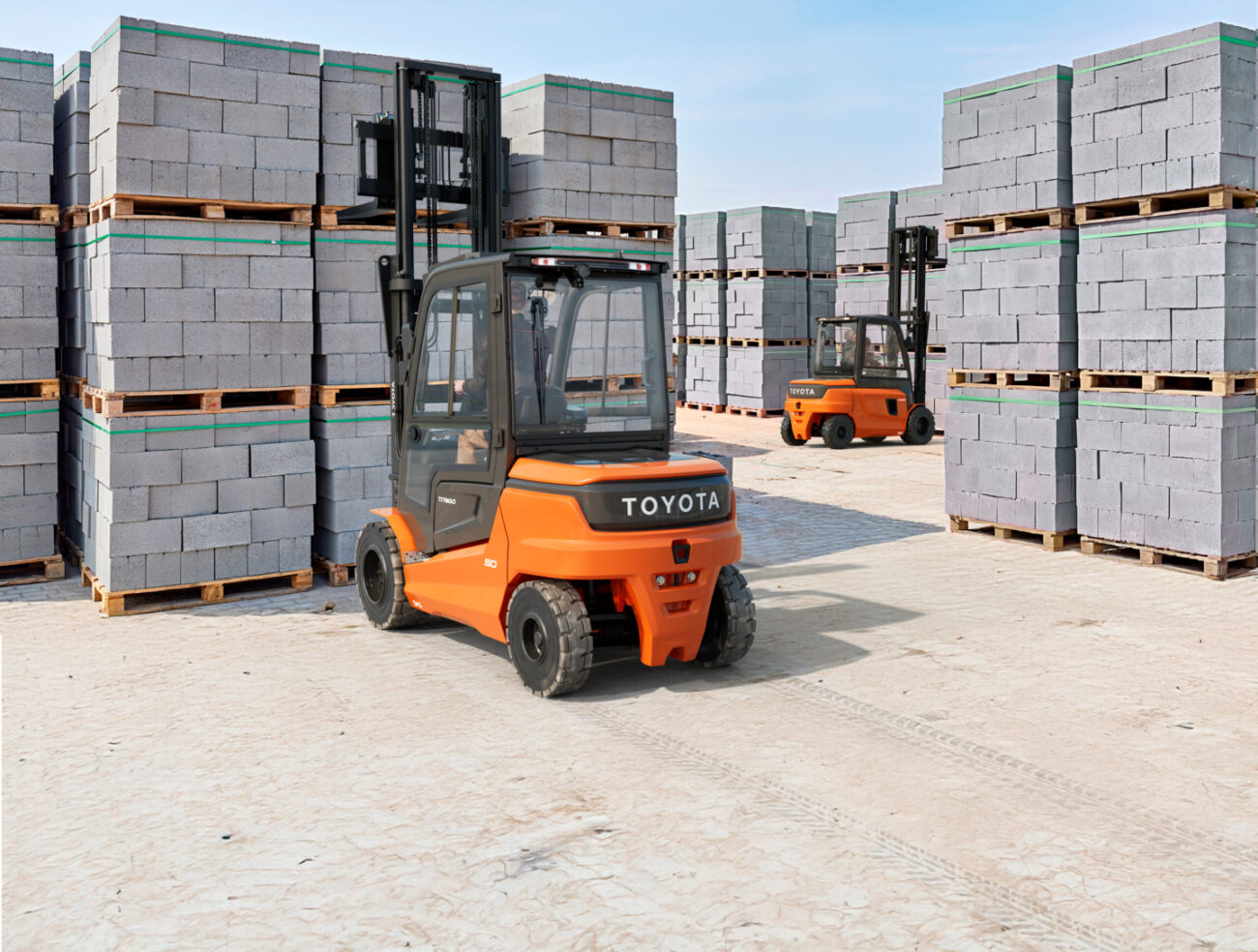
“The focus on sustainability is evident in so many areas. Safety is a critical issue, so we are developing new ideas to improve safety across many of our products, as well as collaborations with innovative companies who provide progressive solutions to improve safety in logistics operations. We are also continuously improving energy efficiency within our product range and there are many examples of this, such as the new Traigo80 3.5 to 5.0t with up to 12% energy savings, compared to previous models.”
Peter MacLeod interviews an expert in LiDAR to learn more about its growing role in industrial automation.
LiDAR may be most closely associated with autonomous vehicles, but its roots in industrial automation run far deeper. As Glen DeVos, CEO of MicroVision, explains, the technology has been quietly enabling safe and efficient material handling for decades, but is now entering a new phase of rapid evolution. “LiDAR has been used in industrial with AGVs and AMRs for many, many years,” says DeVos. What has changed, however, is the pace and complexity of automation within warehouses and logistics environments.
“There’s this increased level of automation that’s occurring in that space now,” he continues. “The warehouse environment is more complex than ever, especially as we try to drive efficiencies and the speed of operations.”
Growing Complexity
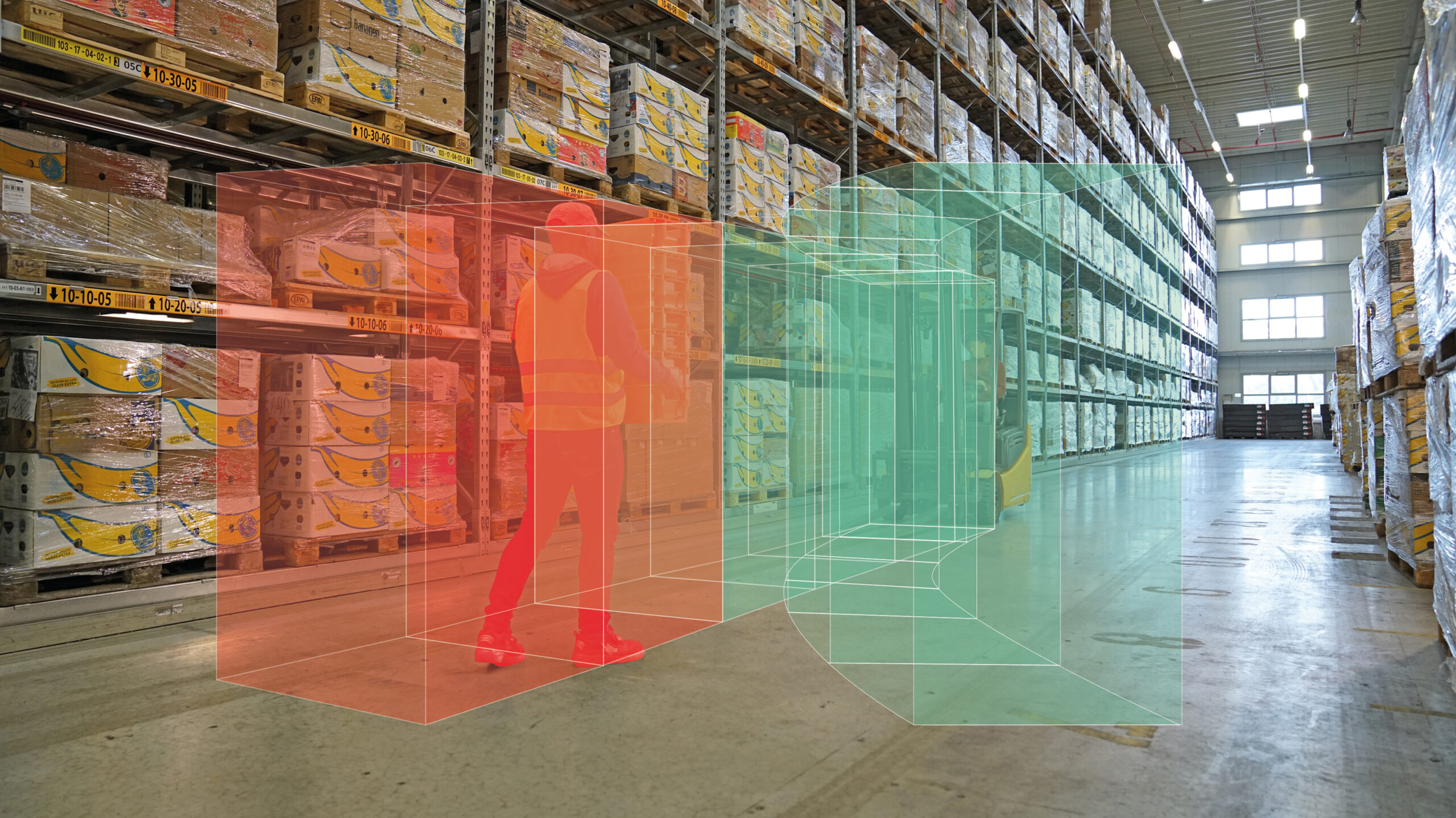
This growing complexity is not just about throughput, but also safety. Warehouses are dynamic and unpredictable environments where people and machines coexist. For DeVos, the priority is clear. “The primary challenge is detection of pedestrians,” he says. “A pedestrian accident can be very significant… so pedestrian detection, broadly speaking, is probably the most critical.”
Beyond that, the list of challenges is extensive – poor lighting, unexpected obstacles, overhanging loads and debris on the floor all contribute to an environment that demands highly capable perception systems. “It’s really all of the above,” DeVos notes, underlining the need for systems that can not only detect objects but also interpret them correctly.
3D LiDAR
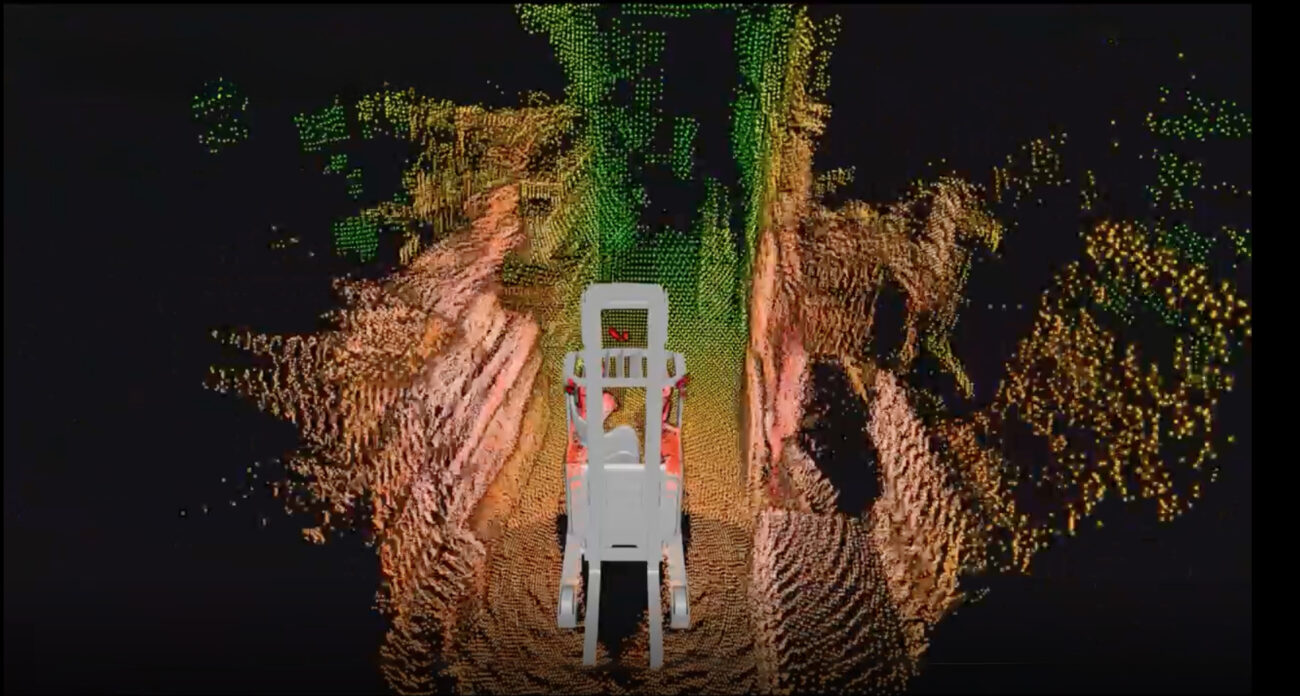
This is where the transition from traditional 2D scanning to 3D LiDAR becomes transformative. “When you think now about going to a 3D scanning type of sensor, that gives you just a much, much richer perception model of the environment,” he explains. “You can suddenly see – it’s not just an ankle, there’s a person there.”
The implications are significant. A richer perception model enables more advanced automation tasks, from precise load handling to dynamic navigation in mixed environments. It also opens the door to greater operational efficiency, as systems can better understand and respond to their surroundings in real time.
MicroVision’s approach goes a step further by embedding perception software directly into the sensor. This on-board processing capability reduces integration complexity and allows faster decision-making at the edge. “It sees the point cloud; it’s interpreting what it’s seeing now,” says DeVos. “It can identify people, racks, objects, and then determine what action to take.”
For system integrators and OEMs, this flexibility is critical. Some require raw data for their own software stacks, while others prefer a more complete, ready-to-deploy solution. “We support both,” DeVos tells me, reflecting the diversity of the industrial automation market.
Another key enabler of wider adoption is the shift to solid-state LiDAR. By eliminating moving parts, these sensors become more compact, robust and cost-effective. “The move to solid state is really the critical piece,” he says. “We want the sensor to do more, but we want it to be at a much lower cost to the end users.”
Retrofit Possibility
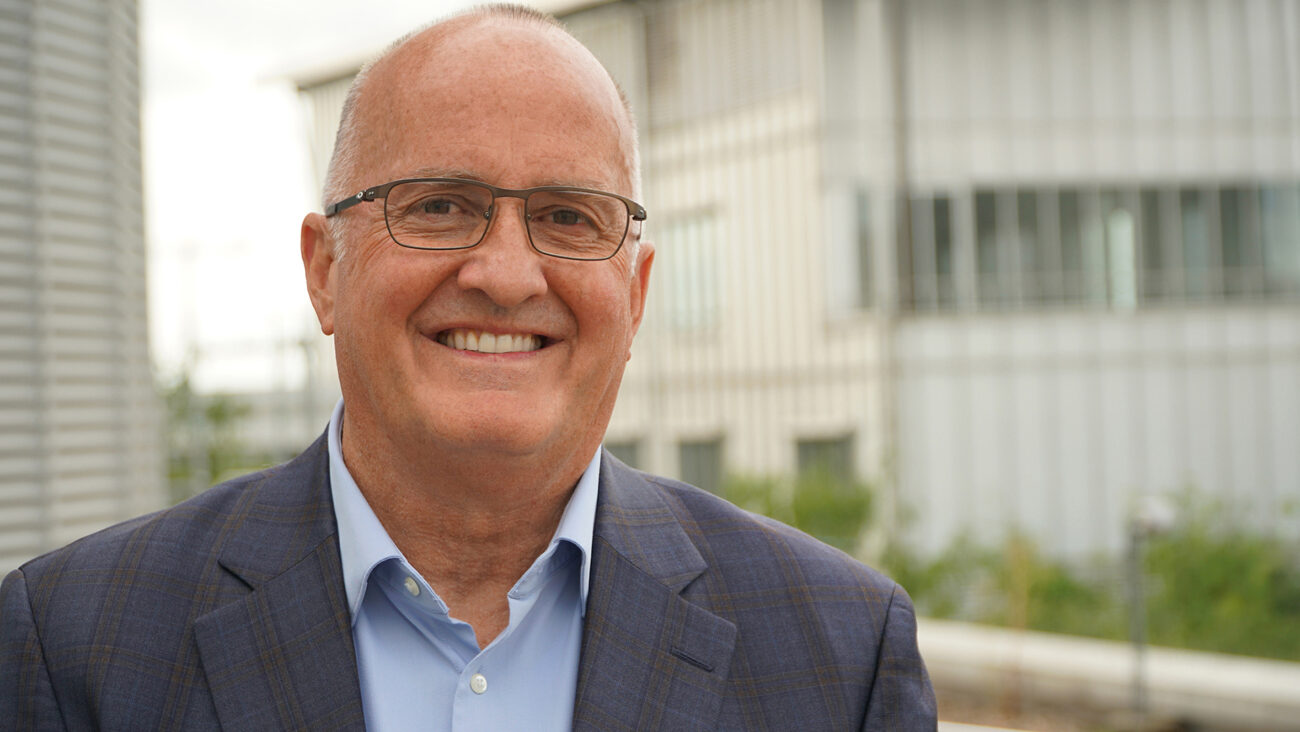
Lower costs are particularly important when considering the vast installed base of manually operated forklifts. Unlike fully automated systems, this segment presents a significant opportunity. “You have millions of forklifts in the field that don’t have these systems,” DeVos (pictured, below) explains. “That opens up the possibility of retrofits for existing fleets.”
The benefits are immediate and tangible. “The first objective is just fewer accidents,” he says, pointing to statistics suggesting that 10–11% of forklifts are involved in an accident each year. “That’s a massive number.” Reduced downtime and improved safety culture follow as secondary gains.
Looking ahead, DeVos anticipates a steady increase in sensor deployment across both new and existing facilities. In highly automated, ‘lights out’ environments, the focus will be on maximising efficiency through dense sensing. In more traditional operations, the emphasis will remain on safety and incremental automation.
Ultimately, the direction of travel is clear. “The more you can perceive, the better you can orchestrate and you can control,” he says. As costs continue to fall and capabilities expand, LiDAR is set to become an increasingly ubiquitous presence across industrial environments – not just as a safety feature, but as a foundational technology for the next generation of logistics automation.