TGW Logistics has the product and partnership combination to deliver across the intralogistics space. Paul Hamblin caught up with its Head of Business Development for Northern Europe.
Jan-Willem Klinkenberg of TGW Logistics is one of the industry’s livelier talkers. When I last spoke to him in a Zoom call during the dark days of the pandemic, an unpromising tale about his parents’ long-serving washing machine cheered the Covid gloom. Meeting him in person for the first time at TGW Logistics’ impressive LogiMAT booth, he is typically frank and forthright when discussing why the company’s solutions have the impact they do.
“We as consumers are pretty spoiled, I would say,” he begins. “We order something this moment, we want it tonight or tomorrow morning. That means you need to find people to work all night or in a deep freeze or chilled environment. So these are the places we can bring added value.”
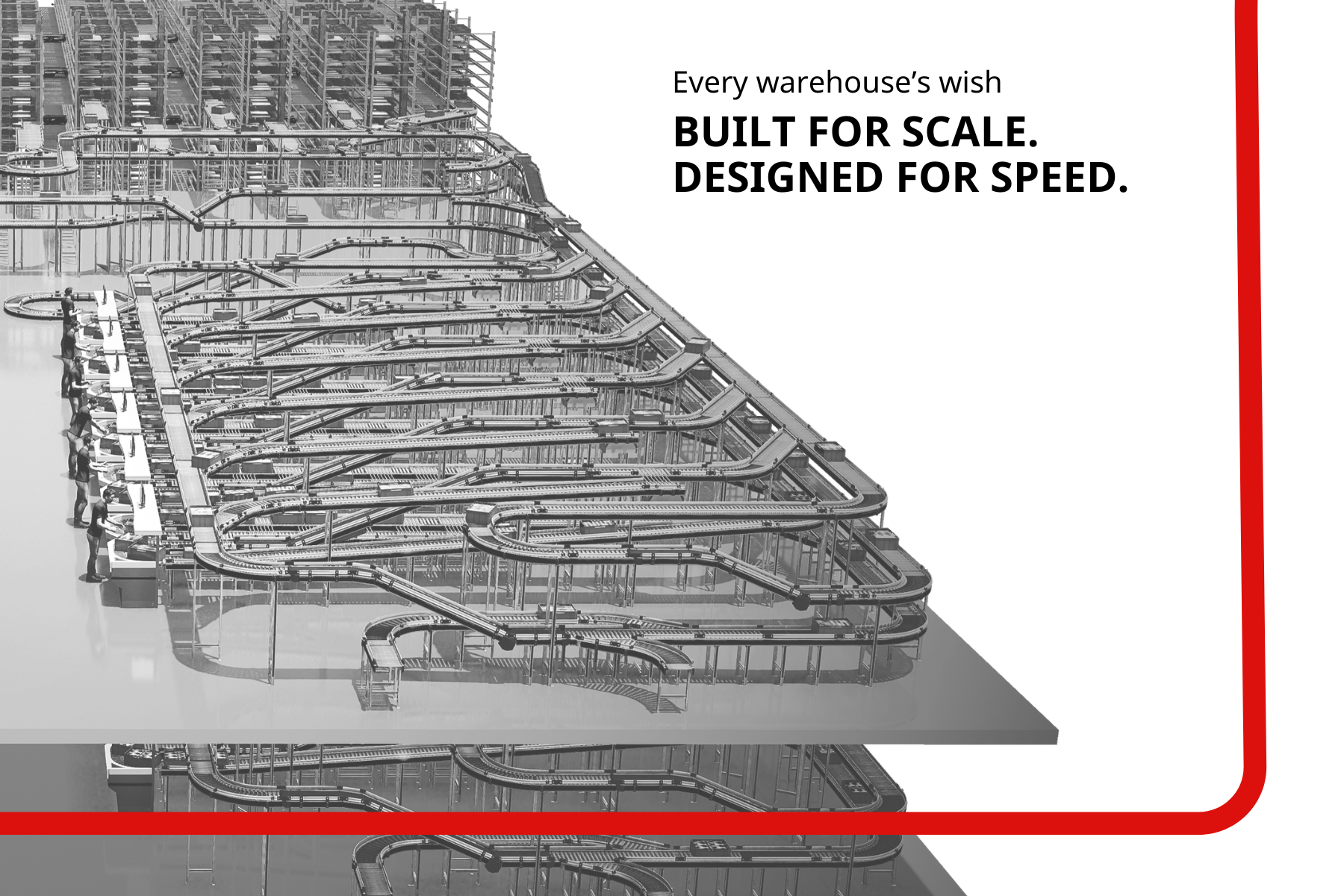
Austrian-founded TGW has 55 years of experience. It is a maker and supplier of logistics hardware centred on ASRS, mini-loads, shuttles and conveyor technology as well as an end-to-end logistics integrator, designing, developing and delivering end-to-end solutions within the warehouse from wall to ceiling.
“This intralogistics business is what has made us what we are today,” he says. “The process starts with inbound, then quality control, storage, picking, packing, outbound, every process.”
Specifically Designed
Such diversity does not mean automation in every case. He is at pains to point out that TGW Logistics will ensure the solution is right every time. “There are nuances with each customer. Yes, sometimes we can support processes with automation, but sometimes not. There needs to be an ROI, and it might not always be provided by automation. On show here at LogiMAT are different kinds of solutions, such as FlashPick, LivePick, SmartPocket Sorter, each specifically designed for needs in the market, and which we try to fulfil with warehouse automation.”
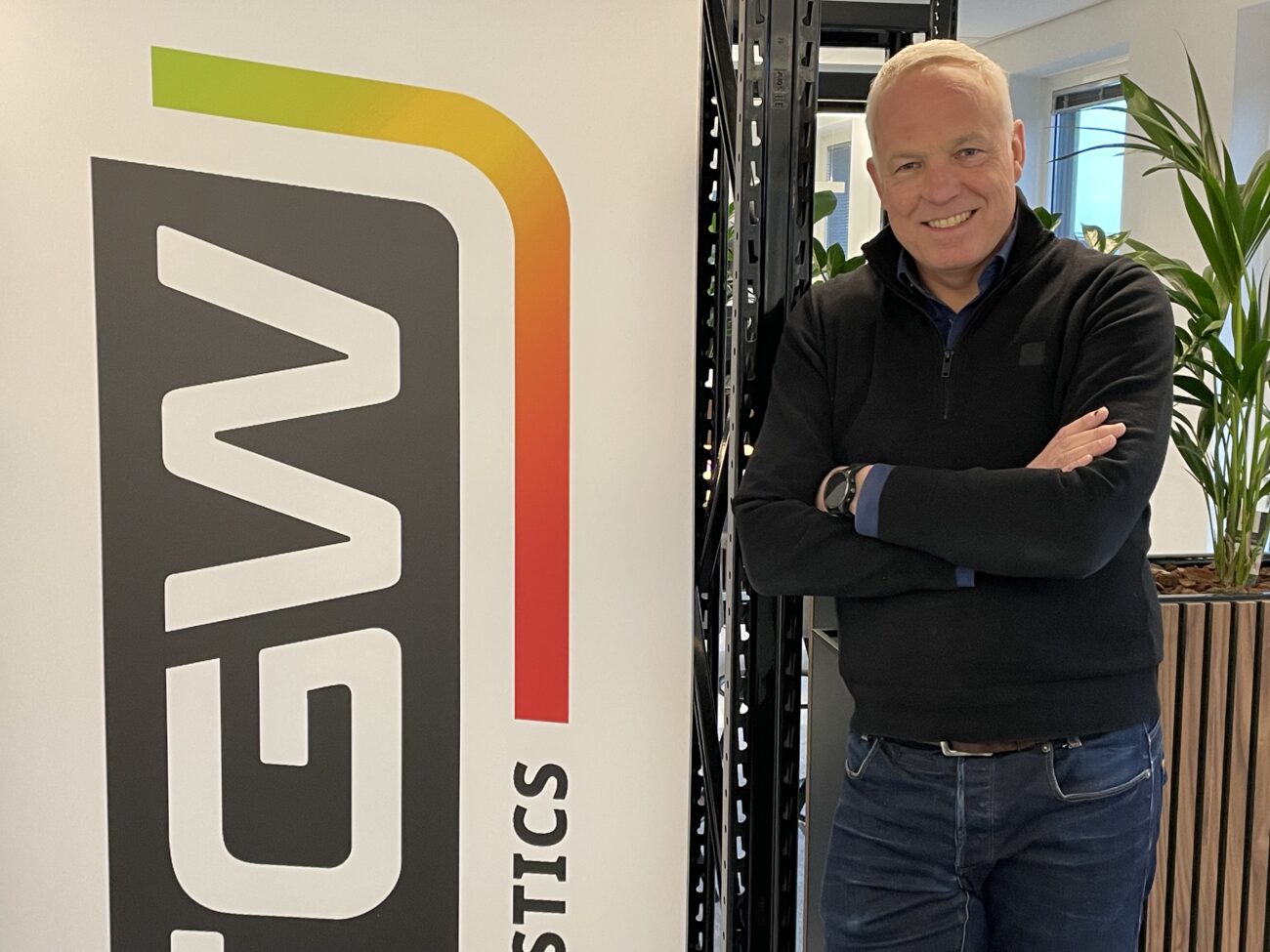
A Dutch national, Klinkenberg (pictured, below) has a dual role at TGW, combining a decade of Business Development responsibility for Northern Europe, including the UK, Scandinavia and Benelux, alongside (for the past two years) co-responsibility with the sales director for the Benelux office (in the Netherlands). There are over 700 people in the Northern Europe customer unit. “We build and deliver solutions, and we service them throughout their lifetime,” he says.
“LogiMAT is the highlight of our year. I meet all my colleagues and clients from Sweden, Denmark, the UK and beyond, and it’s the place to be, no question.”
Does a company like TGW Logistics physically sign deals at an event like LogiMAT? “We don’t do deals in the sense that there is no signing of contracts, no. But we have good dialogues with existing customers, and we can talk about starting engineering on new projects and so on.”
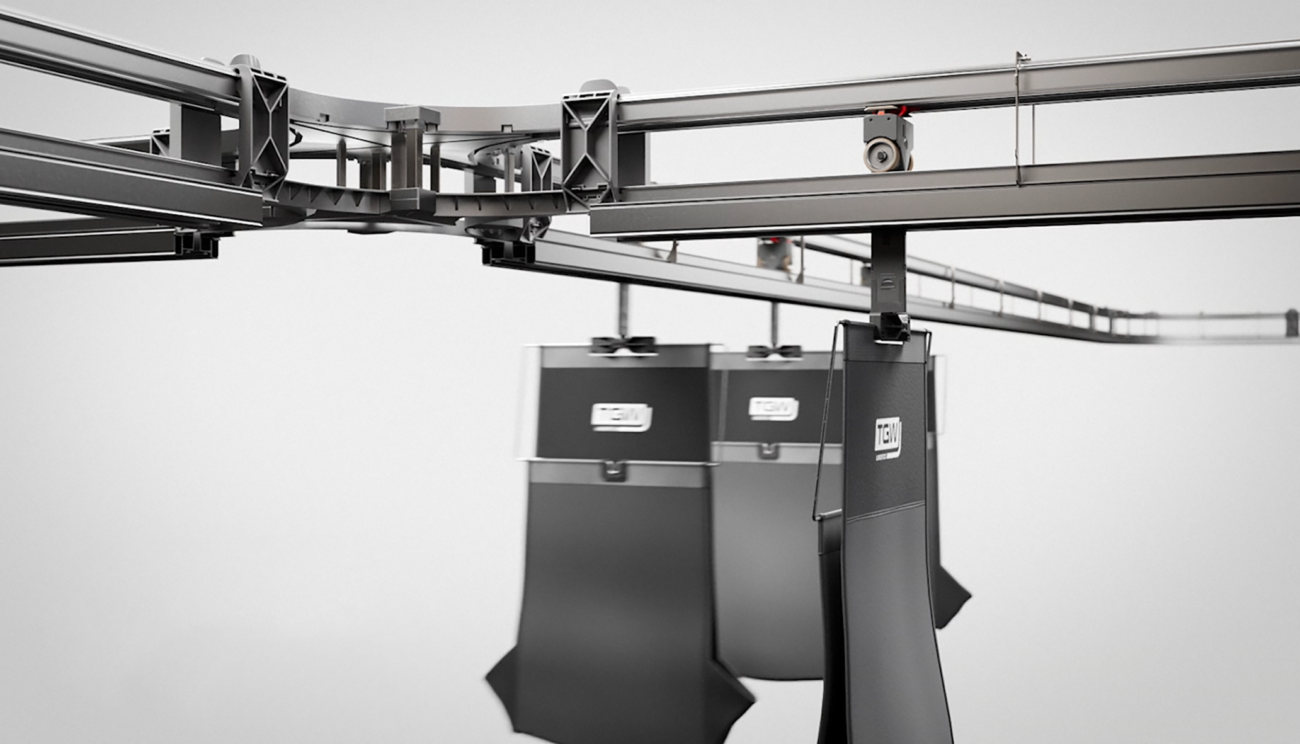
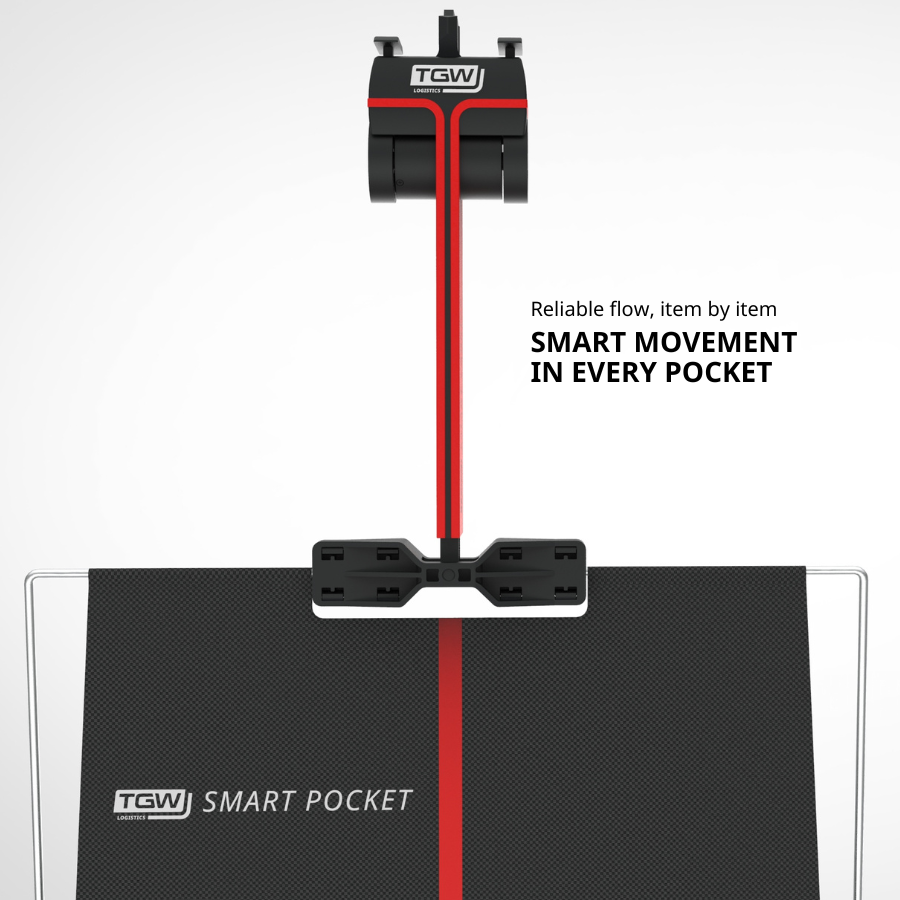
Innovations on show at the booth include SmartPocket, an easily scalable pocket sorter designed to adapt to fast-changing seasonal needs for e-commerce customers. LivePick is a flexible goods-to-person order picking solution, aimed at a variety of business profiles and promising both scalability and fulfilment improvements. AI-powered RovoFlex offers fully automated split-case picking across multiple sectors, enhancing the picking process via machine learning and thus optimizing warehouse performance.
Customer challenges are familiar
“I wouldn’t say automation replaces people,” he reflects. “I think it takes over repetitive work, and supports companies in those core challenges on labour, productivity and operational costs. Of course, bringing operational costs down requires capital expenditure and customers are challenging us on this as well. They are increasingly looking at TCO over time and this is another key factor when you are considering warehouse automation. We are asked to look at five, 10 or even 15 years ahead by our customers.”
How can a premium European supplier such as TGW Logistics compete with aggressive market entrants from other territories?
“I’m not sure we want to compete,” he counters. “I think we want to stay close to who we are and what we are trying to achieve. I’ve personally been in the market for 20 years, and some new players have only been in the market for only six or seven years, but they have cycles that are developing very fast and we are open to what they are doing. I’m happy to say that we do not suffer from the ‘Not Invented Here’ syndrome. Sometimes it’s good to work with partners, to listen and to look, and the voice of the customer is important, too. If a customer need is being fulfilled, it’s important to explore it.”
To prove the point, LivePick has been produced in partnership with AMR specialist Safelog, while China’s Hai Robotics and US-based Opex Corporation are also partners.
TGW Logistics products are demonstrably versatile, but key sectors for the company include food and grocery. Meanwhile, global brands in fashion such as Urban Outfitter, Puma and Zara (the Inditex brands) are also important for the company.
Future automation trends
As an industry veteran, what does he see as the trends in automation?
“Good question. I think an add-on repertoire of products is becoming important.” He points to the products on display: “You could call this an add-on repertoire. RovoFlex fits into that category, and also the SmartPocket sorter, which you could use for returns only or for smaller B2C orders if you wish. For instance, we have a food customer that deploys RovoFlex for 30% of the assortment, but we have a Fashion customer with a lot of flatpack and folding packs that uses it for 50% of the assortment.
“I also believe there will always be products that need a human factor, that need the care of our hands, our eyes and (pointing to his head) our processing unit up here.
“Carton packing machines are another technology to watch. When most of the time an operation is running 16 hours a day, you can get payback in one year. They are becoming smarter and better. Factor in that Europe is bringing in tighter regulations on how much air can be stored or shipped, so your processes have to be neat.”
His advice to automation newcomers is to start small. “Think big, yes, but start small, it if adds value, you can always expand.”
And how will TGW Logistics advise and support that customer?
“I always say that we don’t sell boxes of paper clips: ‘if you want two you get a discount, if you want three you get a bigger discount.’ No, it’s about trying to be the trusted advisor, trying to understand the customer pain points in terms of labour and productivity. It’s about looking at our solution portfolio to see if we can help. We consult, we work step by step on a design to establish if it brings added value, and if it allies with the client objectives. At the end of the day we are a project business. Yes, the purpose is to sign a contract, but sometimes it takes one year, sometimes five years. It’s a process.”