Cargo Theft: Threat Demands Smarter Response

Cargo theft is not a new problem. But the findings from TT Club and BSI Consulting’s 2025 Cargo Theft Report make one thing clear: it is becoming more sophisticated, more coordinated, and more costly, writes Mike Yarwood (pictured, below), Managing Director, Loss Prevention, TT Club.

Across every major trade corridor, criminal groups are adapting faster than many businesses are responding. They are exploiting operational complexity, insider access, and the pressure points created by high freight volumes and overstretched security resources. The result is a persistent drain on supply chains that cannot be addressed solely by historical loss data.

The scale of the problem

Trucks remain the single most targeted mode of transport globally, accounting for roughly three-quarters of all recorded theft incidents. But the picture is far from simple. Rail emerged as a more targeted modality, accounting for 10% of cargo theft incidents in 2025, compared to 2024 when it accounted for only about 4% of incidents. Rail cargo theft escalated sharply in 2025, with organised criminal groups, including networks tied to cartels operating out of Sinaloa, Mexico, carrying out highly coordinated attacks on freight trains across rural areas of Arizona and California – operations that often-involved deliberate system sabotage, detailed advance planning, and armed encounters with law enforcement.

Brazil, Mexico, India, the United States, Indonesia, Chile, China, Germany, and South Africa remained the top countries for recorded incidents, while Ecuador experienced one of the sharpest increases – nearly doubling its theft cases as gang-related violence intensified in coastal provinces, such as Guayas. In South Africa, over half of all recorded thefts occurred in transit, with hijackings and sophisticated schemes by ‘blue light gangs’ presenting persistent risks.

In Asia, half of all incidents occurred at warehouses and production sites, with only 36% involving trucks. Insider involvement accounted for 22% of global cargo theft incidents, with notable concentrations in India, China, Brazil, the United States, and Indonesia – schemes that often-involved incremental pilferage enabled by corrupt employees and weak inventory controls.

Criminals follow market value

Criminal groups are increasingly agile, adapting their targeting strategies to focus on goods that offer the greatest combination of value, liquidity, and ease of resale. Consistently targeted commodities such as food, beverages, electronics, and pharmaceuticals continue to dominate theft statistics globally, though the report also identifies emerging targets – including rare earth minerals in China and a notable increase in pharmaceutical theft in India – demonstrating how rapidly criminals pivot when market conditions change.

Copper offers a clear illustration of this dynamic. In recent years, average copper prices have remained at historically elevated levels, driven by sustained global demand, constrained supply, and long-term structural pressures linked to decarbonisation and infrastructure investment. TT Club’s claims experience shows a clear correlation between periods of elevated copper prices and increased incident frequency, with theft extending to coils, cabling, cathodes, scrap, and semi-processed forms. Security strategies that fail to account for shifting market conditions will consistently lag behind the threat.

A more proactive approach is needed

Effective commodity-driven theft risk management requires dynamic, rather than static, mitigation strategies, with security controls adjusted according to the value, liquidity, and attractiveness of cargo at a given point in time. Collaboration between commercial, operational, and risk management teams is essential to ensure that emerging threats are recognised and addressed promptly.

Cargo crime is adaptive, organised and increasingly driven by economic opportunity. Our response must be equally dynamic.
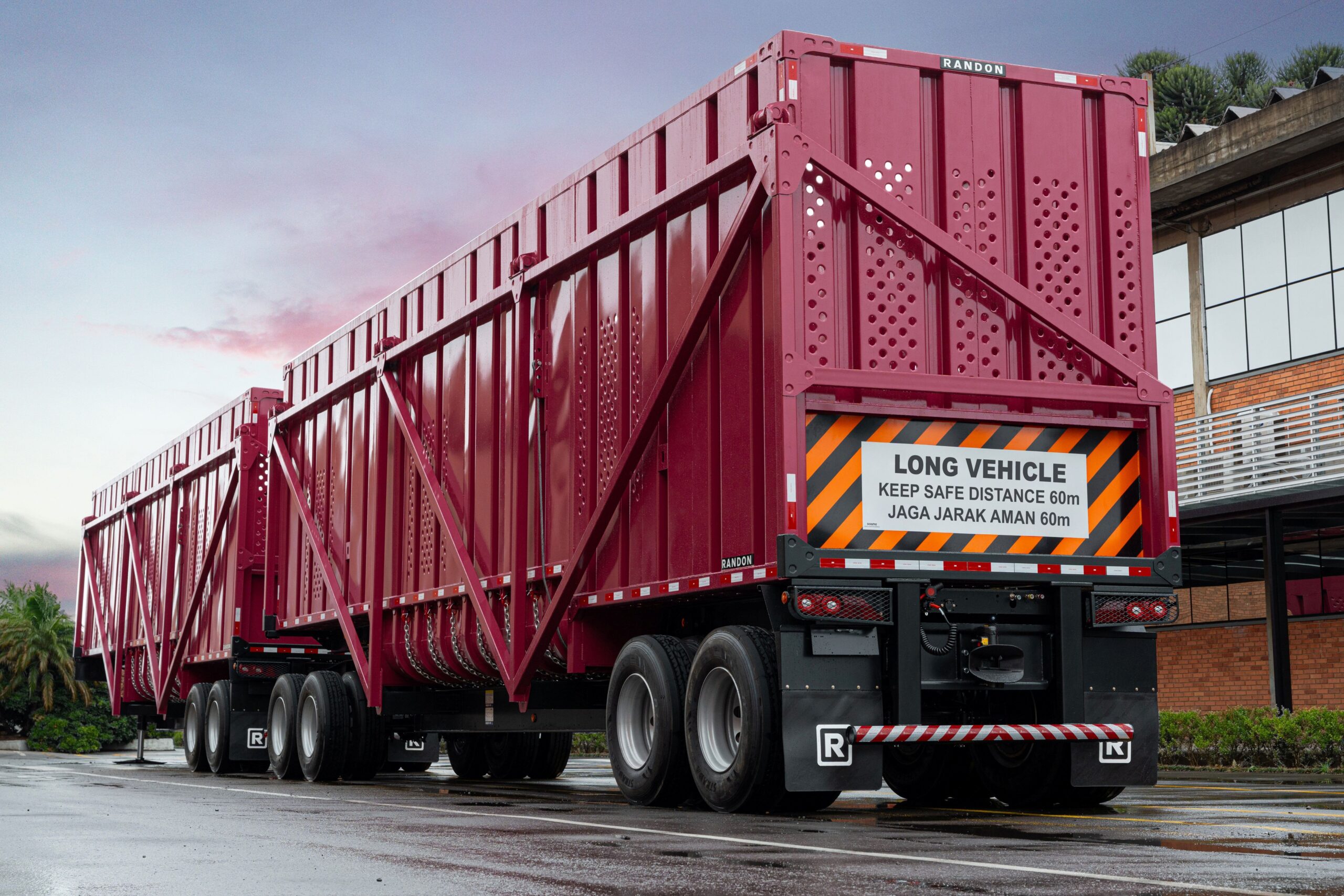
Export of Semi-trailers from Brazil to Indonesia

Randon, one of the largest semi-trailer manufacturers in Latin America, has completed its first export of semi-trailers from Brazil to Indonesia. The opening of the new market began with the shipment of sugarcane transport products, in the roadtrain and mega roadtrain configurations, which differ from conventional combinations by bringing together two sets of reinforced semi-trailers and trailers connected by a special dolly. The exported mega roadtrain model can transport up to 144 tons of cargo, with a Gross Combination Weight of 211 tons, with an application aimed at a company in the sugar-energy sector for the production of sugar and bioethanol.

According to Renato Franco, Managing Director – Randoncorp in the United States, who was responsible for negotiations in that region, the product’s differential was an important factor in the transaction, confirming the brand’s expertise in exporting semi-trailers in different modalities, such as SKD (Semi Knock-Down), CKD (Completely Knocked Down) and CBU (Completely Built-Up), in which the vehicles leave Brazil partially and fully disassembled or fully assembled and ready, respectively.

“We count on the full support and guidance of our technical teams to assist the client at the destination for product assembly. Furthermore, the portfolio of robust solutions for agribusiness, especially due to the tradition in developing products for the sugarcane segment, also contributed to the success of the business,” he highlights.

Randon is shipping prototypes for testing by the partner in Indonesia, with an estimated shipment of the contracted batch of 174 products starting in July. The company is the main Brazilian exporter of road implements, with an international network composed of 190 distribution points and more than 100 thousand international products commercialized throughout 77 years of history.

The World Cup Reveals Supply Chain Execution

What does the football World Cup reveals about the future of Supply Chain Execution? Tim Moylan (pictured, below), Chief Growth Officer, Infios gives his answer.

When England, Scotland and 46 other national teams take to the pitch from today, millions of fans will be focused on results, rivalries and moments of sporting drama. Behind the scenes, however, businesses across retail, manufacturing and logistics will be managing a challenge of their own: responding to one of the most dynamic and unpredictable demand environments in global commerce.

Although the World Cup will be hosted across the United States, Canada and Mexico, its commercial impact will be felt worldwide. Across the UK, organisations are preparing for sudden shifts in consumer demand that can emerge within hours and ripple rapidly through supply chains.

Major sporting events have long influenced purchasing behaviour, but the World Cup operates on a unique scale. Demand surges are driven by millions of consumers responding to the same moments simultaneously. As match schedules unfold and teams progress through the tournament, spending patterns can change quickly, creating operational pressures that are difficult to predict with precision.

Food and beverage purchases increase around key fixtures. Demand for televisions, streaming devices and home entertainment products often rises ahead of major matches. Sports merchandise, convenience retail and e-commerce channels can experience significant spikes, while hospitality venues face fluctuating customer volumes throughout the tournament.

For supply chain teams, the challenge goes beyond simply handling higher volumes, extending to managing volatility.

The limits of planning in an unpredictable world

For years, organisations have invested heavily in forecasting and planning technologies designed to improve demand accuracy. While these tools remain important, events such as the World Cup expose even the most sophisticated plans cannot anticipate every outcome.

A surprise victory, a dramatic knockout-stage run, or an unexpected early exit can alter consumer behaviour almost overnight. Inventory that appeared perfectly positioned one week may suddenly be in the wrong location the next. Transportation requirements can shift, fulfilment priorities can change and warehouse operations can come under pressure with little warning.
The challenge facing modern supply chains is therefore no longer simply creating better plans. It is responding effectively when reality diverges from those plans. This shift is driving a growing focus on execution.

Why visibility alone is no longer enough

Most organisations today have access to more operational data than ever before. They can see inventory levels, monitor transportation activity and track warehouse performance in real time. Yet visibility by itself does not solve problems. Knowing that inventory is running low, a delivery is delayed or a fulfilment bottleneck is developing only creates value if organisations can take corrective action quickly enough to prevent disruption.

This is why the conversation is increasingly moving beyond visibility towards execution intelligence: the ability to continuously sense changing conditions, evaluate available options and coordinate action across the supply chain. During a World Cup tournament, where demand patterns can shift dramatically within a matter of hours, the organisations that succeed are often those capable of translating insight into action faster than competitors.

The rise of intelligent execution

As supply chains become more complex and volatile, many businesses are exploring how artificial intelligence can help bridge the gap between knowing and doing.

The next generation of AI is moving beyond reporting and analytics into operational execution. Rather than simply identifying an issue, AI-powered systems can help determine the best response, recommend actions and support teams in executing decisions more quickly.

Whether that involves reprioritising orders, reallocating inventory, adjusting transportation plans or responding to warehouse exceptions, AI is increasingly being embedded directly into day-to-day execution processes.

This creates a continuous cycle of sensing, deciding, acting and learning that enables supply chains to become more adaptive as conditions change. The value of this approach becomes particularly clear during major demand events such as the World Cup, where speed of response often matters as much as planning accuracy.

Smarter warehouses for faster decisions

Warehouses sit at the centre of many demand surges, making them one of the most important operational environments during periods of heightened volatility. When order volumes increase unexpectedly, supervisors must make rapid decisions around labour allocation, inventory availability, fulfilment priorities and resource utilisation. Historically, many of these decisions have relied on manual intervention and local knowledge.

Today, AI-enabled warehouse technologies are helping operations teams identify exceptions more quickly, prioritise tasks dynamically and make better-informed decisions under pressure.

Rather than replacing human expertise, these capabilities augment operational teams by surfacing insights, highlighting emerging issues and recommending actions that improve responsiveness. As customer expectations continue to rise, this ability to support faster and more consistent decision-making is becoming increasingly important.

Building flexibility instead of excess capacity

Traditionally, organisations have managed uncertainty by creating buffers. Additional inventory, extra warehouse capacity and surplus transportation resources provided protection against fluctuations in demand.

While effective in some circumstances, these approaches are becoming increasingly difficult to sustain. Rising costs and ongoing market uncertainty mean businesses are looking for more efficient ways to absorb volatility. As a result, many organisations are shifting towards more flexible and modular operating models that allow them to scale execution capabilities as needed.

Rather than investing permanently in capacity that may only be required during occasional peaks, businesses are focusing on creating adaptable supply chain operations that can respond dynamically when demand changes. This flexibility is becoming a critical competitive advantage not only during the World Cup, but across an increasingly unpredictable business environment.

A glimpse into the future of supply chains

The World Cup may be a temporary event, but the operational challenges it creates are becoming permanent features of modern commerce. Consumer behaviour is increasingly influenced by social media trends, economic shifts, weather events and global disruptions that can alter demand patterns with little warning. In this environment, success depends less on predicting every outcome and more on responding effectively when conditions change.

As England and Scotland compete on football’s biggest stage, supply chains across the UK will face a tournament of their own. The organisations that perform best will not necessarily be those with the most accurate forecasts, but those with the ability to sense change, act decisively and continuously adapt as events unfold. Because in today’s supply chain environment, competitive advantage increasingly belongs to those who can execute as intelligently as they plan.

Manage the Yard

Visibility is key. If your supply chain operation manages transport and distribution efficiently but is let down by bottlenecks in the arrival of trucks at warehouses, then help might be at hand. David Priestman went to the launch of an enhanced Yard Management System (YMS) in Birmingham.

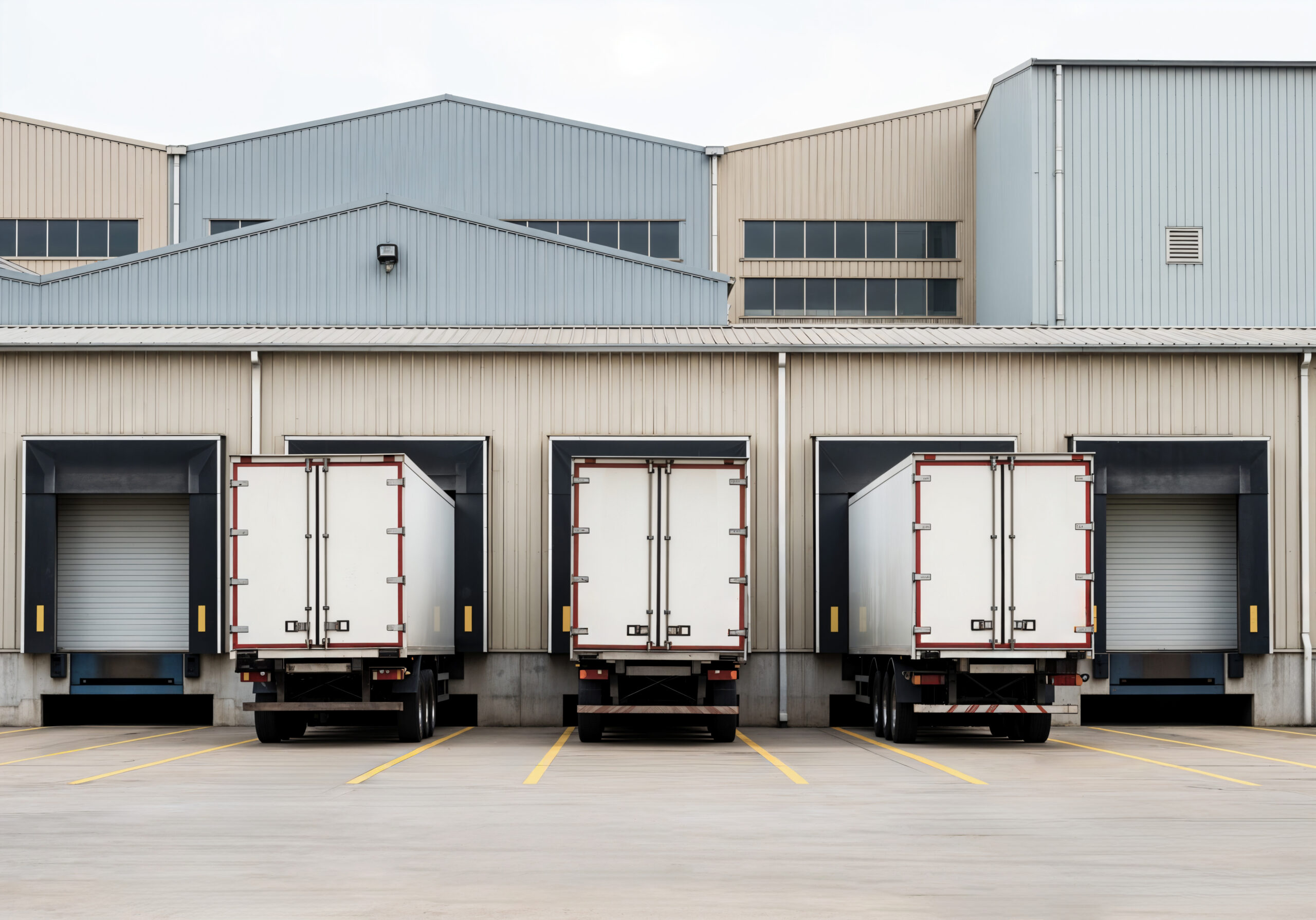
Montreal-based C3 Solutions was founded in 2000 by Nicholas Couture (CEO) and Greg Braun (CRO) and the company are experts in the critical niche of YMS. Why is it critical? Because operators are frustrated by manual processes from the DC or hub entry gate to the loading bay docks. C3’s survey found 40% of supply chain leaders site inefficiencies in the yard as the top challenge.

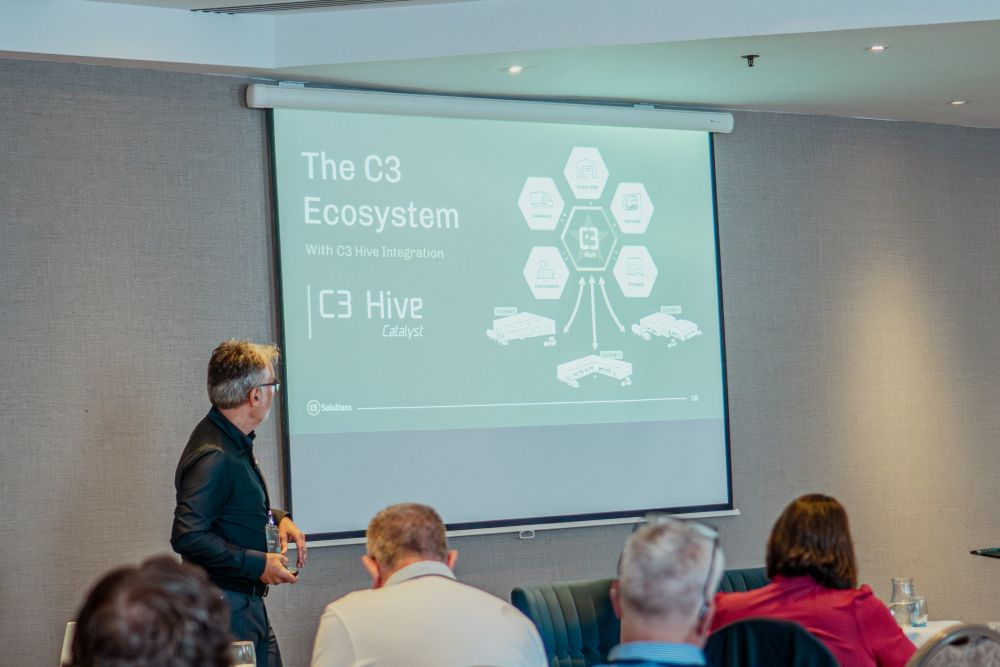
The company has customers in more than thirty countries, with its Dock + Yard + Gate platform used at over 2000 DCs. 250,000 drivers use C3 Hive and 350,000 use C3 Hub. With twenty major customers in the UK, including large retailers and couriers, Birmingham seemed the natural location to unveil significant upgrades to its ‘Reservations’ and ‘Yard’ products, as well as introducing ‘C3 Hive’ as the new, web-based integration layer that puts an entire network in one workspace, enabling co-ordination of dock scheduling and yard management for carriers, drivers, suppliers, stores and customers.

Brum for Lorries

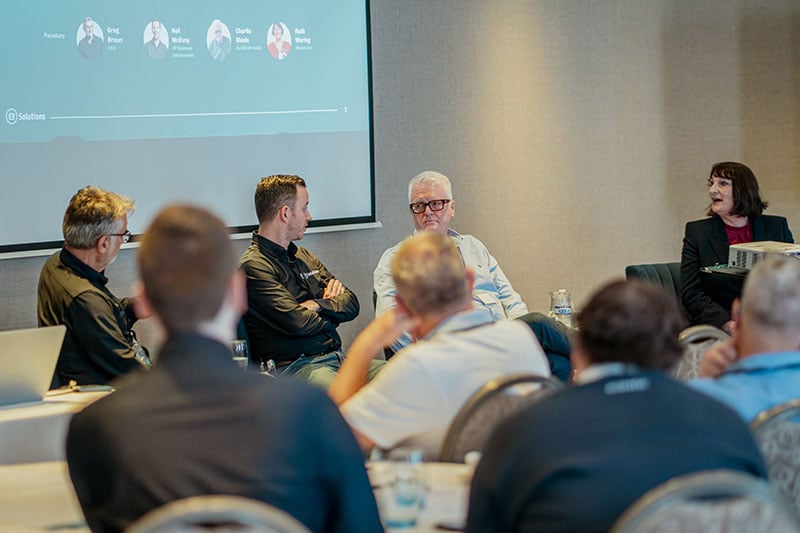
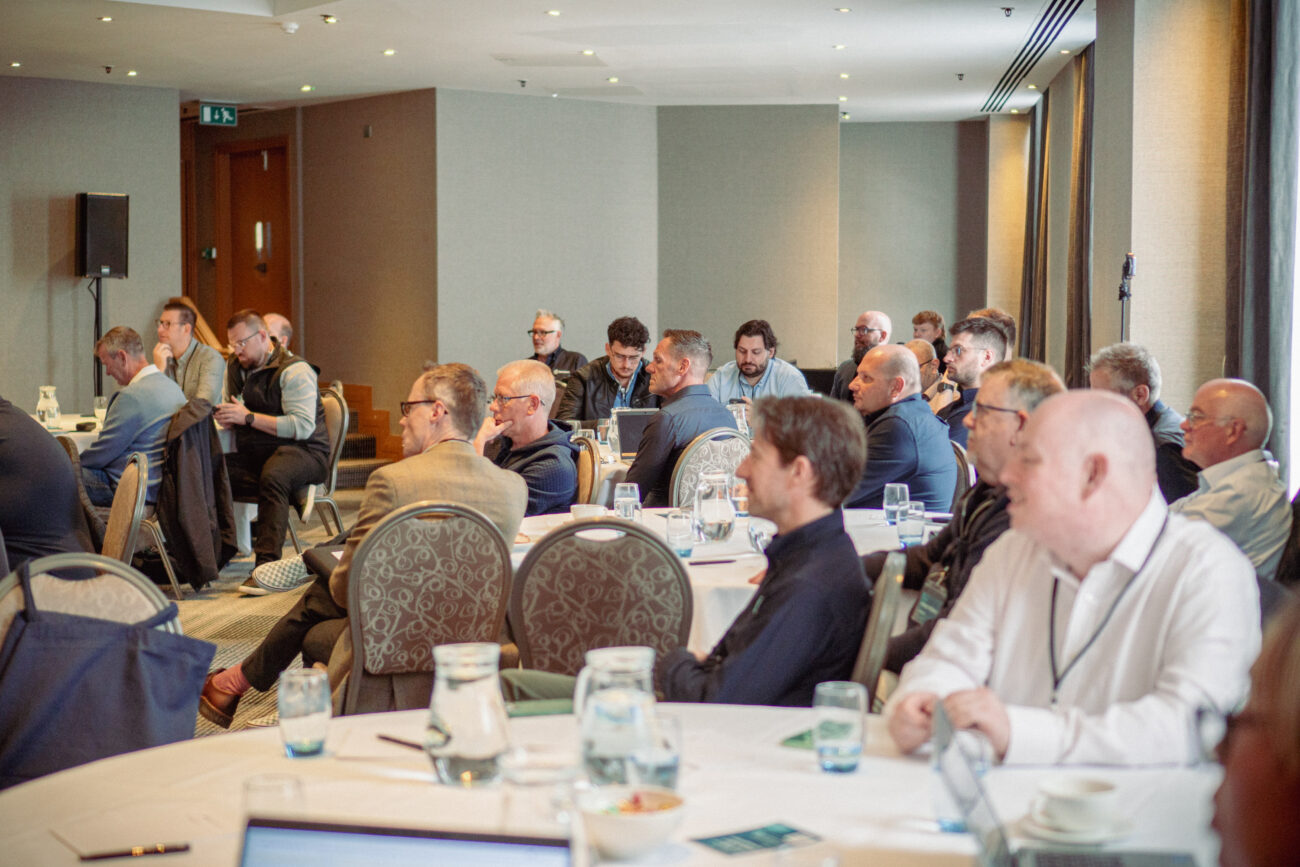
Britain’s second city has strategic importance as a logistics operational hub, with a concentration of key industry players in the West Midlands. Many British C3 users were in attendance to hear the launch and question the development team.

C3 solutions

Transport providers often juggle multiple systems, such as WMS, TMS, ERP, CRM and dock scheduling software. Customers usually want to use just one platform. Real-time yard visibility is a key priority for warehouse users and retailers. Some operators are still using pagers and/or LED signs in the yard for communications and directions. Now they can have automated vehicle access control – a contactless and human-free gate – powered by AI that leverages existing security cameras to identify trucks and trailers, analysing up to 25 data elements including licence plates and DOT numbers. Covid helped expedite the need for this automation as it keeps the driver in the cab.

One platform. One click

With C3’s ‘Hive Gate & Site’ App driver check-in can be streamlined via a simple and intuitive process with minimal data entry and intelligent trailer assignment functions, also providing pre-arrival visibility. Seal management, regulatory and safety check enforcement can also be conducted via an audit module. Automated gate passes use QR codes or PIN, with email notifications to carriers and suppliers and optional vision AI camera integration. The platform uses geofences that can detect entry/exits from these. Hive clearly covers areas that TMS does not.

Everyone in the loop

C3 Hive Catalyst is the new supply chain collaboration tool. Rather than replacing what has been built (in C3 Hub) it extends the power of an existing C3 environment by bridging the gap between the operations and logistics ecosystems, bringing suppliers, carriers, stores, and drivers into one synchronized environment for all communications.

What if we eliminate the duplication of information in our reach?… By empowering automation, we can boost interaction and efficiency

asks CEO Nicholas Couture

Hive Catalyst facilitates routes to be built for delivery and pick-up between sites using C3. This can then be synched with a TMS. “You can add your own rules to the configuration,” says Couture. “Non-C3 user shippers can now access the platform via an API to track yard arrivals.” They need to subscribe to communicate on the platform, however. Exceptions such as delays can be handled easily.

Catalyst will help customers in planning by querying ‘what if’ scenarios and getting forecasting projections, using real-time data, which should lead to better decisions for things like delivery windows and dock maintenance. It facilitates planning and execution. Reporting is another new function. For example, arrival reports can be generated, or shunter utilisation analysis. Users can pick an operational area and perspective and get the tailored answer, based on their data, with charts. By subscribing, reports can be scheduled to land in an email Inbox hourly, daily or weekly.

Catalyst can co-exist with a TMS, Couture says, but it has the potential to replace it. “Scrap your TMS and come with us (eventually)! he exclaimed confidently. “Instead of just storing data, get KPIs.”

Safekeeping

“Cybersecurity is our core business,” says Couture. “We couldn’t sell our system without it. We find partners like Microsoft that can prove processes, so we end up being a group taking care of this.” Customers can now choose their data residency and customer networks cannot be accessed via C3 as it is web-based. Watch this space for news on AI chatbot integration by C3.

Trade Show Presence

C3 Solutions will be exhibiting at Warehouse & Yard (stand D7), NEC Birmingham, June 30th-July 1st, which is part of the UK Logistics Week alongside Multimodal, eDelivery Expo and Road Transport Expo. Greg Braun (pictured, above) and his team would be happy to run through a demo and answer any yard-base logistical questions there.

Subscribe

Get notified about New Episodes of our Podcast, New Magazine Issues and stay updated with our Weekly Newsletter.