Fork and Attachment Specialist to Showcase Innovative Solutions at IMHX

Cascade, the global leader in lift truck attachments, forks and accessories, will display some of its most advanced products at IMHX 2019, September 24th-27th, 2019 in Birmingham, UK. With a material handling solution for practically every application in the supply chain, Cascade offers application-specific attachments that improve efficiency and productivity. Cascade will be exhibiting at Hall 6 Booth E185.

At the Cascade booth 6E185, visitors will discover the Cascade Forks+™ Family, which function like standard forks, but with the added benefits of specialised attachments. Forks+ products on display will include:
• A preview of the new Sensor Forks – equipped with an integrated camera which connects to a wireless display, perfect for pallet handling in dark warehouses or high lift applications.
• Weigh Forks – the latest mobile weighing solution with built-in fork scales that allow you to weigh your product as you move it.
• Telescopic Forks, which allow for loading and unloading a trailer from one side and Roller Platens, which can easily handle pallets or loads with slip sheets.

Additional featured products include:
• The innovative and ultra-light capacity 3H Paper Roll Clamp, perfect for paper converting and packaging in the logistics and paper industries.
• The new 20G Ag Rotator, ideally suited for use in the agricultural industry with 180° rotation to quickly dump or invert a load.
• The new Walkie Weighing System, a factory-installed mobile weighing option for walkie-type trucks, available through OEM partnerships.
• The unveiling of the soon-to-be released N-Series Fork Positioner that has the strength of a T-bar style fork positioner and further expands Cascade’s fork positioner offerings. It is compatible with both bolt-on and hang-on ISO forks.
• The Keg Clamp, an attachment for use in the beverage industry, allowing you to handle either 18 full barrel kegs or 36 empty barrel kegs. They provide an efficient method for loading and unloading trailers at breweries, distributors and warehouse operations.

Attendees can also learn about two innovative Damage Reduction Systems: HFC+, suitable for Paper Roll Clamps, and HFC™ for Carton Clamps (HFC-CC). HFC+ combines the efficiency of HFC™ with a two-stage cylinder design and can handle substantially different weights and types of paper rolls. HFC for Carton Clamps is designed specifically for Carton Clamps to automatically adjust clamp force proportional to load weight.

Cascade’s highly skilled sales team will be at booth number E185 in Hall 6, ready to recommend a customisable material handling solution, including rental and remanufactured alternatives.

Charity Supply Chain Ride

This year, Prologis UK celebrated a decade of charitable giving though the Prologis 100 charity cycle ride on 12 September. Over the past nine years, cyclists from Prologis, its agents and supply chain have ridden around France, across the Alps, through the Lake District, and over the Yorkshire Dales, raising vital funds for a wide range of charities.

This year, the, the event raised a fantastic total of £37,000 to help support the work of Mind, Cure Leukaemia, and Land Aid – a charity working to improve the lives of disadvantaged children and young people across the UK. This brings the total amount raised over the past decade to £300,000. The 140 cyclists involved in the ride had the choice of taking on the 100 mile or the 100 km route through the Malvern Hills on the West Malvern Climb. This year, the team strategically planned the two routes to intersect and cover the same roads as far as possible, ensuring that a variety of joint stops were available for riders to re-fuel and re-energise.

Paul Weston, regional head of Prologis UK said: “The annual event relies on the support and generosity of our riders and sponsors and it’s so rewarding to watch the number of participants and amounts raised grow year on year. It is a tremendous achievement to have 10 years of Prologis 100 now under our belt.

“Stepping it up a gear for the tenth anniversary ride, this year’s route involved around 1,000 ft more climbing than those previously – a difficult, yet worthwhile challenge for all! Cycling and charity work are a real passion for many people who work at Prologis UK and, by combining the two and involving our agents and supply chain, we can really make a difference to the charities nominated by our employees.”

Versatile Battery Charger Now Available from Curtis

A suitcase-sized multi-function high efficiency three phase HF charger for charging a range of batteries from a single unit – it’s up to 94% efficient and comes complete with a three-year warranty from Northampton-based UK charger specialist, Curtis Instruments.

TEMPOs will charge a range of input voltages and ampere hour ratings from 36 to 48V and 72V to 80V, 10 to 130A in just two models. This is perfect for dealers as it offers true flexibility; easy programming from a single button on the front of the charger takes a matter of seconds and it means you stock just two chargers rather than a whole range.

A special integrated desulphation mode helps keep batteries in top condition and ensures charging, even when the battery is deeply discharged. Resonant technology and a smart fan design, providing clean filtered airflow, keep the transformer 20% cooler than other HF chargers, making it stable and reliable with an increased lifespan over its contemporaries.

A unique colour changing Curtis logo gives a charge status, visible from a distance across the charge bay or workshop.

The TEMPO is ideal for use in all material handling or general industrial battery powered vehicle applications and boasts a range of other clever features not mentioned here that should make it worth investigating further.
Northampton based Curtis UK is a leader in the supply of electric vehicle drive systems, a full range of audible and visual safety equipment suitable for use on forklifts, pallet trucks, electric vehicles, construction equipment and on-road vehicles.

New Developers Hired by Software Vendor The Information Factory

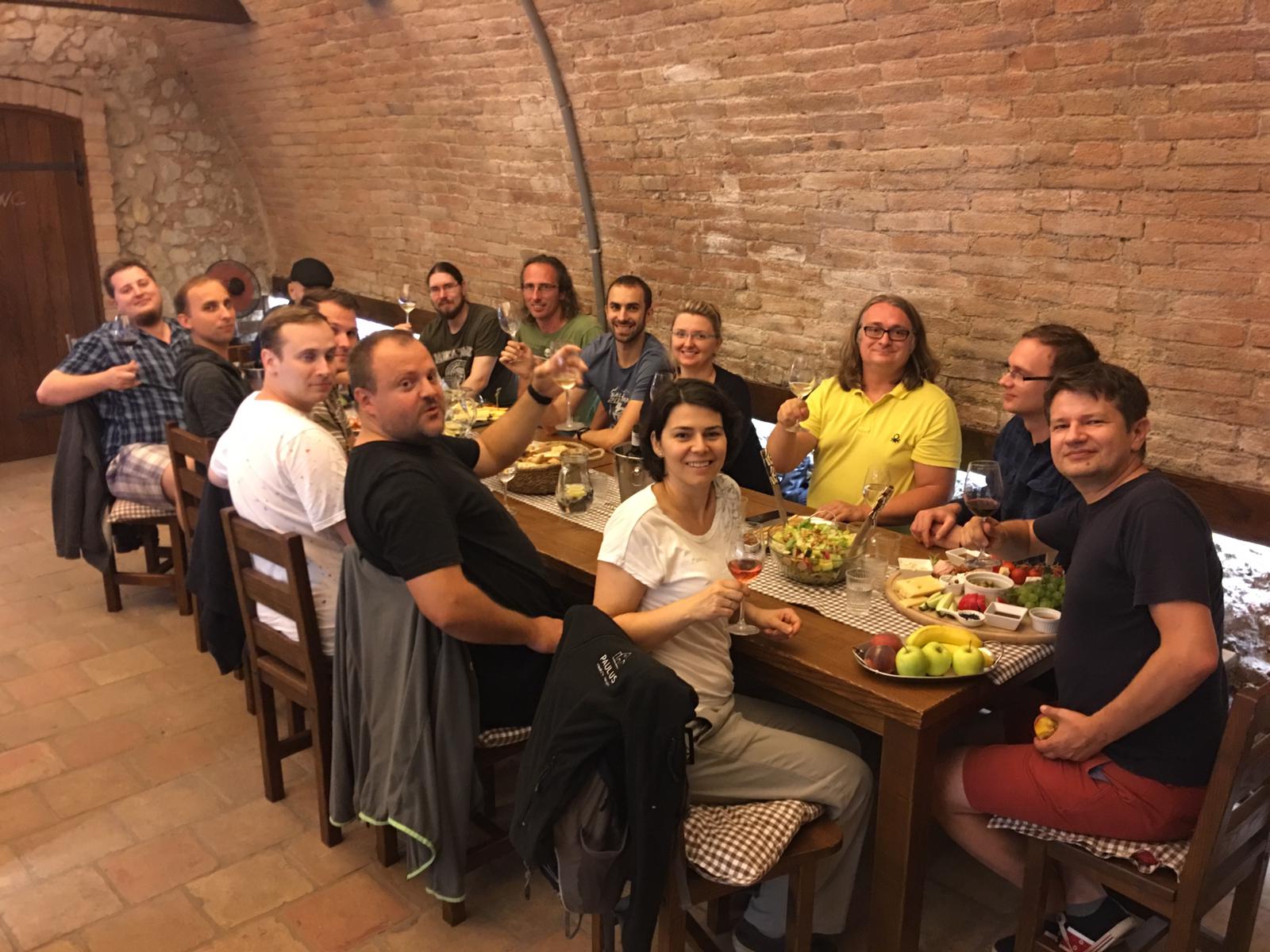
Logistics software vendor The Information Factory has appointed three software developers; Tomas Rohr, Mihai George Borsi and Peter Mihail.to its development team in Prague, Czech Republic.

Tomas has over 13 years’ experience of managing global data integration, data warehouse and business intelligence projects in Europe and Asia and will support the company’s logistics sector clients. Peter’s expertise is in front end technologies and programming and has previously worked on private sector and government projects in Slovakia and the Czech Republic. Mihai has worked in Germany, Italy and most recently, Romania where he was a key member of the team responsible for developing and maintaining the data access system for the European Space Commission.

CEO Robert Jordan states “This is an exciting time for the Information Factory. Our customer portfolio has grown significantly in the past 12 months, particularly in logistics and supply chain, where we’re proud to count global leaders DHL and Panalpina as clients. We’re very pleased that Tomas, Mihai and Peter are joining us. They’ve boosted our numbers to almost 40 – and we’re actively looking for an additional five people to join our Support and Analyst teams.”

The Information Factory is an independent software vendor providing data driven software solutions exclusively for the logistics, express, ecommerce and postal sectors. It has designed and delivered solutions for clients in Europe, Asia Pacific, the USA and Middle East, across a diverse range of domains such as; finance, pricing, sales & marketing, operations, tender management, costing and billing.

Ontruck Targets More Expansion with Netherlands Launch

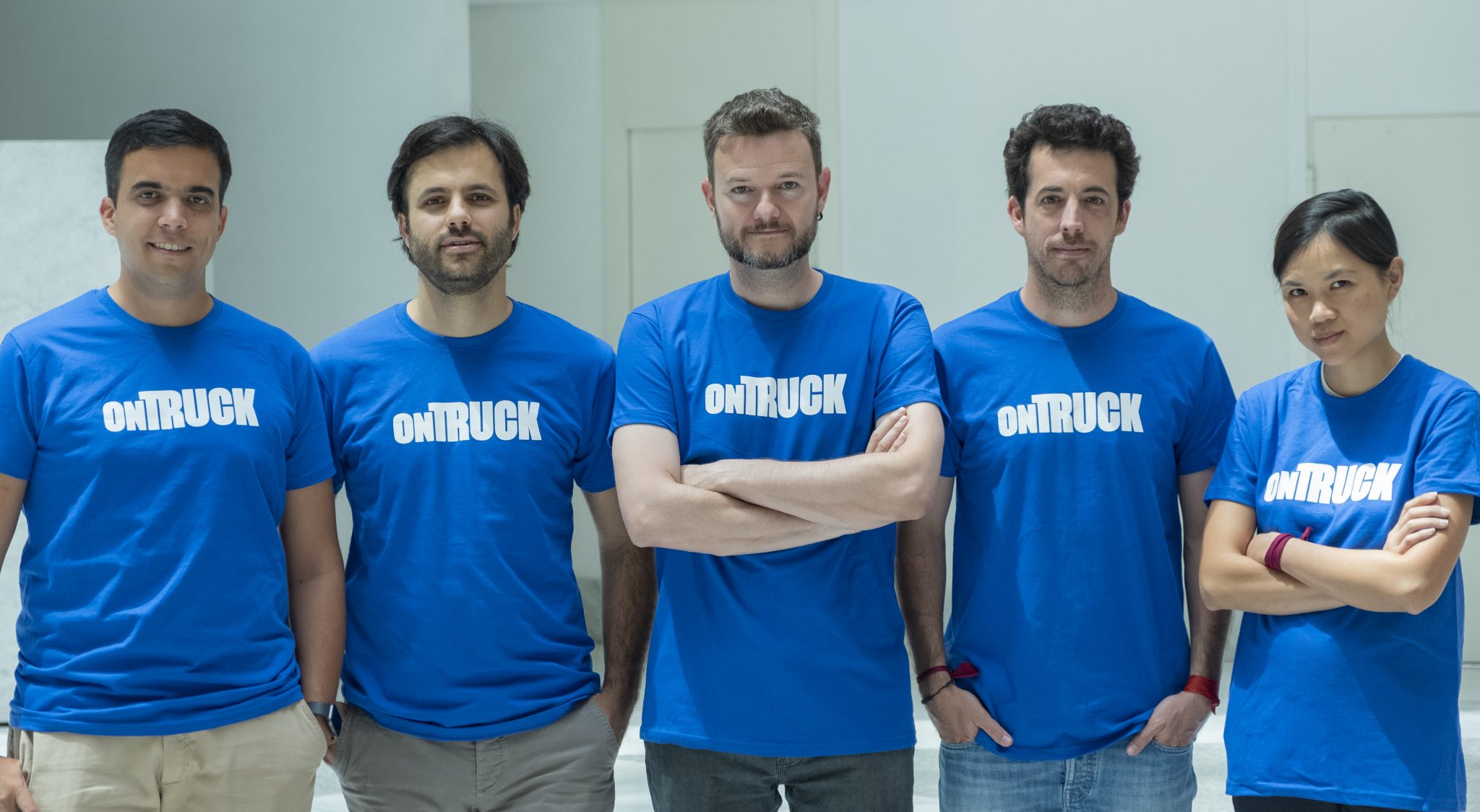
Spanish based palletised goods platform Ontruck is to open a Netherlands office. The company will deploy its activities in five principal cities: Amsterdam, Rotterdam, Utrecht, The Hague and Breda, offering short and medium transport coverage in the areas with the highest demand, concentrated around the large urban centres. To pave the way for the launch, Ontruck has already signed up hundreds of hauliers in the Netherlands to further build out its growing network of drivers across Europe. This network consists of vehicles of all types, giving particular importance to light vehicles such as vans and rigid trucks.

“Our objective is to position ourselves as the largest network for freight transport in Europe. We are incredibly excited to roll out Ontruck in what constitutes our 4th market to date after the UK and France. The domestic trucking industry in the Netherlands transports 100 million tonnes of palletised goods annually, adding major potential for our services across Europe. From a geographic perspective, the Netherlands is a natural territorial extension for Ontruck, allowing us to connect more hauliers and shippers across a broader road network in the heart of Europe. We’re excited to be covering an extra 9,000KM2 and improving the service for shippers and hauliers alike,” ensures Iñigo Juantegui, CEO and co-founder of the company.

Having closed 2018 with a turnover of €9 million, the company expects to triple this by finishing 2019 with a turnover of €27 million.


Industry View: What Does AI Really Mean for Retailers?

Despite the progress that has been made, retailers still need to ask themselves: what is the goal? What can AI really deliver – and what will this mean for consumers? Craig Summers, UK Managing Director, Manhattan Associates warns against falling for AI gimmicks if retailers are to leverage AI to its full potential, promoting predictability and above all, delivering a greater customer experience.

Artificial Intelligence (AI) has undoubtedly become one of the biggest buzzwords of 2019 and its use within retail is only set to grow, not just for large market-leading retailers, but for retailers of all shapes and sizes across many sectors. Driven predominantly by the success and maturity of AI and Machine Learning (ML) platforms/solution providers and the pervasive growth and adoption of Cloud Service Providers, retailers are beginning to move past the marketing flurry that AI once was. Now, retailers are beginning to develop a legitimate appreciation of what it takes to properly evaluate, prepare and produce AI and ML-enabled solutions.

Confusing gimmick with experience
Online, in-store, in the warehouse, the opportunities to leverage AI and ML to improve retail operations are compelling – no wonder research predicts that retailers will spend $7.3billion on AI by 2022, more than tripling the average spend in 2018. However, before AI can be truly effective in the sector, the challenge of data quality, quantity and privacy must be addressed. Even with the volumes of data currently captured by many retailers, they often still struggle with capturing and keeping enough of the ‘right data’ – historical data that is accurate, complete and textual – to fully take advantage of the benefits AI can bring. Additionally, many customers are becoming less willing to share their data, which is necessary to truly make AI and ML models accurate and successful. In the rush to embrace innovation, it is easy to overlook these challenges and move focus away from the bottom line objectives, which should be: where is the ROI, and what is the implication for the customer experience?

An amazing AI solution in-store that uses a customer’s hair and skin tone, size and style to recommend products, from hair styling to make-up, fashion to accessories, is incredibly exciting. But unless every recommendation is available to buy in-store at that very moment, or if not, easily sourced and delivered to the customer’s destination of choice, using AI in this way is nothing more than a gimmick. It may add a little levity to the shopping trip – but it does not provide a truly compelling and satisfying customer experience that is enduring and repeatably delivers on the bottom line.

And this is the key: in today’s highly competitive retail environment, the priority has to be on customer experience, satisfaction, and retention. Otherwise, customers will just easily drift over to another retailer within the overloaded omni-channel marketplace. Strong customer experience and satisfaction is not achieved through gimmicks, but through ensuring customers quickly get their hands on the products they’re seeking. In practice, this means maximising stock availability – where it is needed, at the right time. It means achieving a slick warehouse operation that can fulfil both to store and direct to consumers without unaffordable – and often hard to find – additional workers. It means improving predictions to minimise discounting and maximising best-selling products. With this approach, retailers can achieve true customer satisfaction and loyalty, and therefore achieve higher levels of sales, and sales longevity.

AI in the future
Retailers that have embraced AI in the warehouse are already driving tangible improvements in efficiency and accuracy. By combining deep, high quality order history data with AI and ML to better understand the characteristics of order trends, including direct to consumer ecommerce orders, retailers can reconsider the pick, pack and ship processes. Schedules are being reorganised; resources redeployed; while orders can be seamlessly prioritised, and new delivery options enabled.

Furthermore, AI enables retailers to better manage the changing sales peaks, such as back to school or the unexpected April heatwave, as well as problems with shipping or haulage. Essentially, AI delivers more accurate and granular predictions that can be used to smooth out the entire logistics process in real-time. With differentiation and innovation at the core of AI, there has never been a better time for all types and sizes of retailers to leverage AI and ML to level the playing field with major retailers, not only to help neutralise and compete, but to differentiate and innovate. Retailers have shown in the past how they can embrace innovation, rise to a challenge and adopt the technology available – so now is the time for them to do it again.

Conclusion
In the future, AI will offer the chance to transform customer personalisation. It will support the most extraordinary innovations – both externally and internally – and support huge changes in the way retailers and customers interact. Aside from AI-driven, personalised and on-demand product creation (imagine the ‘personalisation’ we see today but heightened ten-fold), AI will enable highly accurate behavioural analysis that will ensure the retailer knows what a customer wants long before the customer has any idea.

Imagine virtual shopping networks with intelligent shopping assistants, with visual and conversational digital assistants for both consumers and retail staff; imagine just how interactive and innovative retailers can make the experience for their customers. But that is the future. And, let’s be clear, such behavioural insight is of zero value if it cannot be backed up by a retail operation that is efficient and effective – and can automatically and consistently deliver every aspect of the customer experience.

AI is taking retail by storm but put the gimmicks aside: the real and attainable value of AI right now is to be gained by applying proven algorithms to drive essential supply chain improvements.

Clark Veteran Appointed to New Role in Spain

Clark Europe, widely seen as the oldest forklift maker in the world, has named a new senior executive for the Spanish market.

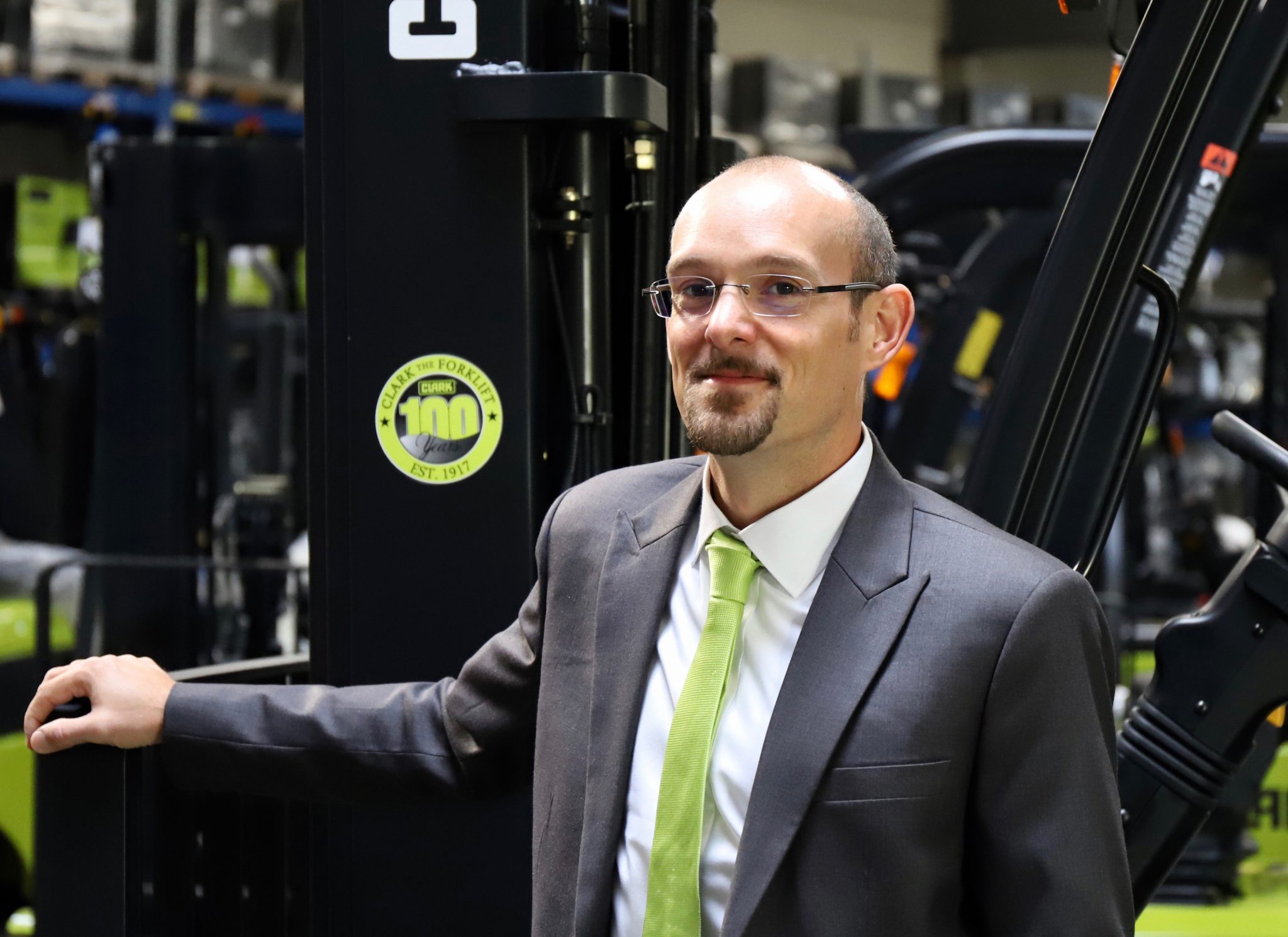
Johannes Menzel started his new Clark Europe role as Regional Sales Manager for Spain on 1 July 2019. He is now responsible for the supervision and expansion of Clark’s forklift and spare parts activities in the country. In his 14 years at Clark Europe GmbH – where he has worked in spare parts order processing, interdepartmental technological coordination, spare parts procurement and sales, right through to the planning and implementation of web-based spare parts sales – the company says he has not only managed to expand his expertise in the field of industrial trucks, but also built up an extensive network of contacts in Spain.

Menzel will be reporting directly to Stefan Budweit, Director Sales & Marketing at Clark Europe.

BluJay Solutions Receives PEPPOL Compliance Accreditation

Supply chain software specialist BluJay Solutions has been accredited as a Certified PEPPOL Access Point software provider. The award enables customers using BluJay’s MessageBroker EDI/B2B technology to become a supplier to the National Health Service (NHS) in the UK and other government organisations across Europe where PEPPOL is a requirement.

“Our MessageBroker customer community includes many of the top retailers and companies in the UK. We’re pleased to offer them the added value of PEPPOL compliance and a standardized connection to supply the NHS and other government organisations, which opens new business opportunities to them,” said Sian Hopwood, Senior Vice President, B2B at BluJay. “In addition to being a requirement, the PEPPOL standards also help companies realise greater efficiencies, error reduction, and cost savings.”

PEPPOL is the Pan European Public Procurement Online network that enables government organisations and private companies to exchange electronic trading documents over an interoperable, European-wide network. PEPPOL enables the connection of different eProcurement systems by establishing a set of common business processes and technical standards. This provides an interoperable and secure network connecting all Access Points using the same electronic messaging protocol and formats and applying digital signature technologies to secure message content.


Siemens to Focus on Digital Drive Train at IMHX

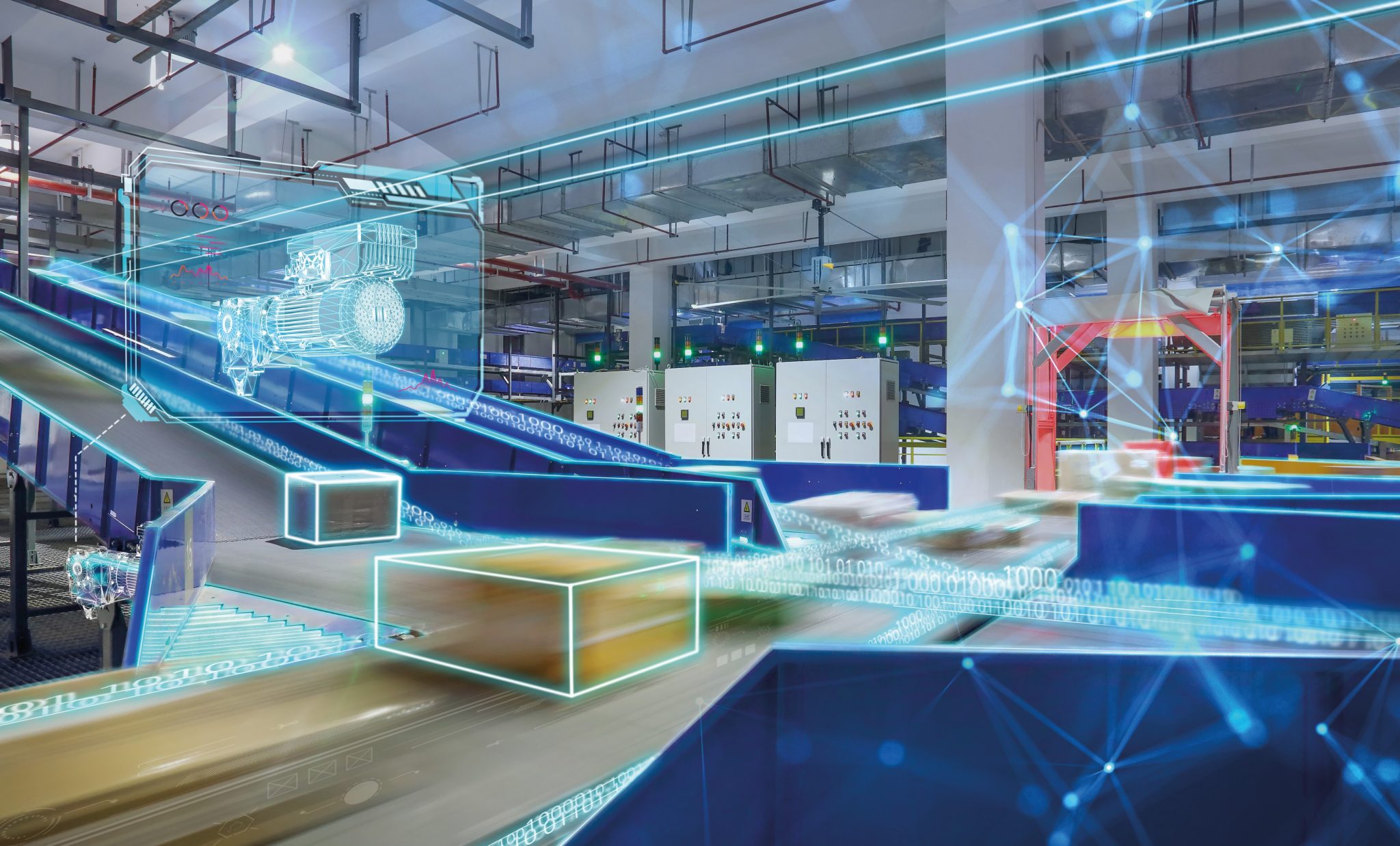
At IMHX 2019 Siemens will be highlighting examples from its extensive range of integrated drive solutions that are designed to improve the operational efficiency of intralogistics operations, and crucially, reduce downtime that can be crippling – particularly at peak times.

Visitors can learn about digitalising the drive train – from controlling the machine through to driving the machine – and how this provides readily consumable data on the health of the asset that can be used for predictive maintenance. It is also possible to connect to Siemens’ open IoT operating system, MindSphere, using applications for performance insights and remote monitoring of those assets.

“As soon as Siemens motors and drive components are in a machine and connected to the Programmable Logic Controller (PLC), the data becomes available – either on the human-machine interface (HMI) or via the web. Engineers can then begin to monitor the condition of the machine and identify the hallmarks of potential downtime,” says Siemens’ Head of Intralogistics, Scott Read

Visitors to the company’s stand can also find out how real time locating systems, such as Siemens’ SIMATIC RTLS, are playing an increasingly essential role in the digital infrastructure of modern industrial facilities. Intelligent systems such as mobile robots, self-navigating transport systems and automated handling technology need to know the precise location of the loads they are scheduled to pick or carry and the SIMATIC RTLS is able to locate objects with a level of accuracy that can be measured in centimetres and make the positioning details available to higher-level systems in real time.

In addition to their stand space, Scott Read will be hosting a seminar session within the Centre Stage Theatre on Friday and in the AMHSA Pavilion on Tuesday and Wednesday.

Big Logistics Player Publishes Fashion and Sustainability White Paper

As a patron of the British Fashion Council (BFC) and of London Fashion Week, DHL has commissioned a White Paper to explore how the fashion industry impacts the environment and to offer practical solutions to help fashion businesses become more sustainable and environmentally friendly. The White Paper will be presented today at London Fashion Week.

Underscoring this month’s London Fashion Week theme of Positive Fashion, the BFC and DHL jointly developed this White Paper on Fashion & Environment, which was written by authors from climate change NGO Julie’s Bicycle and the Centre for Sustainable Fashion at the London College of Fashion.

DHL has supported London Fashion Week for over a decade, both as a partner and as a logistics services provider. Since 2017 DHL has also collaborated as a patron of the BFC.

“We’ve long been active in fashion logistics, offering our customers solutions they can use to make their supply chains more sustainable,” Katja Busch, Chief Commercial Officer DHL and Head of Customer Solutions & Innovations commented. “And with our 2050 goal of reducing our logistics-related emissions to zero, we attach great importance to improving sustainability in both our business and our industry. That’s why we decided to initiate the White Paper and give companies a practical guide that provides insights on how they can make their businesses greener.”

Caroline Rush, Chief Executive of the British Fashion Council, commented, “We are delighted to launch this White Paper with DHL, one of our long-standing partners. The White Paper is part of the BFC’s Positive Fashion initiative and is aimed at helping designer businesses get a better understanding of sustainability, its importance and some actions they should take to incorporate it into their strategy.”

The comprehensive paper analyses the diverse ways in which the fashion industry impacts both the environment and the climate – from extraction of raw materials, the design process, production and distribution and ultimately to the management of waste. Almost 100 billion cubic meters of water are used in the production of textiles every year. In 2015, the quantities of greenhouse gases emitted in fashion production amounted to 1.7 billion tonnes. “The figures highlight the vast potential the fashion industry has to optimize its ecological footprint,” says Busch. “Moreover, customer demand for ecologically responsible and sustainable fashion has never been so high, so there are considerable business opportunities as well.”

Using best practices from the British fashion industry, the authors of the White Paper provide practical solutions to help make the fashion industry more environmentally friendly and sustainable. One area the paper focuses on is the empowerment of small and medium-sized businesses (SMEs), which make up the largest share of companies in the fashion industry overall. Although many of the examples used and the solutions provided relate to the British market, they are easily transferable to markets around the globe.

With decades of experience in fashion logistics and tailor-made logistics solutions, DHL also supports the development of industry talent. On 17th September, the final day of London Fashion Week, the winners of the DHL Fashion Potential Award will be announced. The award was launched by DHL and BFC in 2017 to recognize promising designer talent.

Read more here.


Subscribe

Get notified about New Episodes of our Podcast, New Magazine Issues and stay updated with our Weekly Newsletter.