New Connectivity for Truck Undermount Refrigeration Units

Thermo King®, a leader in transport temperature control solutions and a brand of Trane Technologies, today announced the introduction of new connectivity functionalities to its undermount self-powered truck refrigeration units. The Thermo King UT-Series units can now receive improved level of real time intelligence thanks to the TK BlueBox communication device and connectivity technology.

TK BlueBox communication device and Bluetooth® connectivity provides full, 24/7 visibility of the unit and load condition, remote monitoring and proactive control:

  • Bluetooth enables the users within the connection’s range to remotely manage defrost, pre-trip, set point and additional operating mode settings.
  • The unit can also be accessed and managed remotely from anywhere in the world through an internet connection as part of the Thermo King TracKing™ offering.
  • The TK BlueBox telematics system can be accessed remotely through a free TK Reefer app on smart phone or Bluetooth-enabled device. This provides two-way communication that allows real-time unit management and access to critical data to ensure that the load is protected at all times.

“The TK BlueBox has already been available for our T-Series units. Now it’s also compatible with our under-mount, UT-Series range,” said Davide Previsdomini product manager at Thermo King. “Fleet managers and drivers will be able to remotely access vital unit data and get real-time notifications to ensure that the load is protected at all times and the unit is running at its most efficient. If they see something out of the ordinary, they can instantly address the issue to avoid any negative impact to the load.”

Thermo King UT-Series units already in operation, including UT SPECTRUM, UT XTREME HIGH AMBIENT, UT-Hybrid models can also start benefiting from the Thermo King Connected Solutions offering thanks to a quick installation of the TK BlueBox at one of the Thermo King dealers.


Intelligent Label Printing for Enterprise Professionals

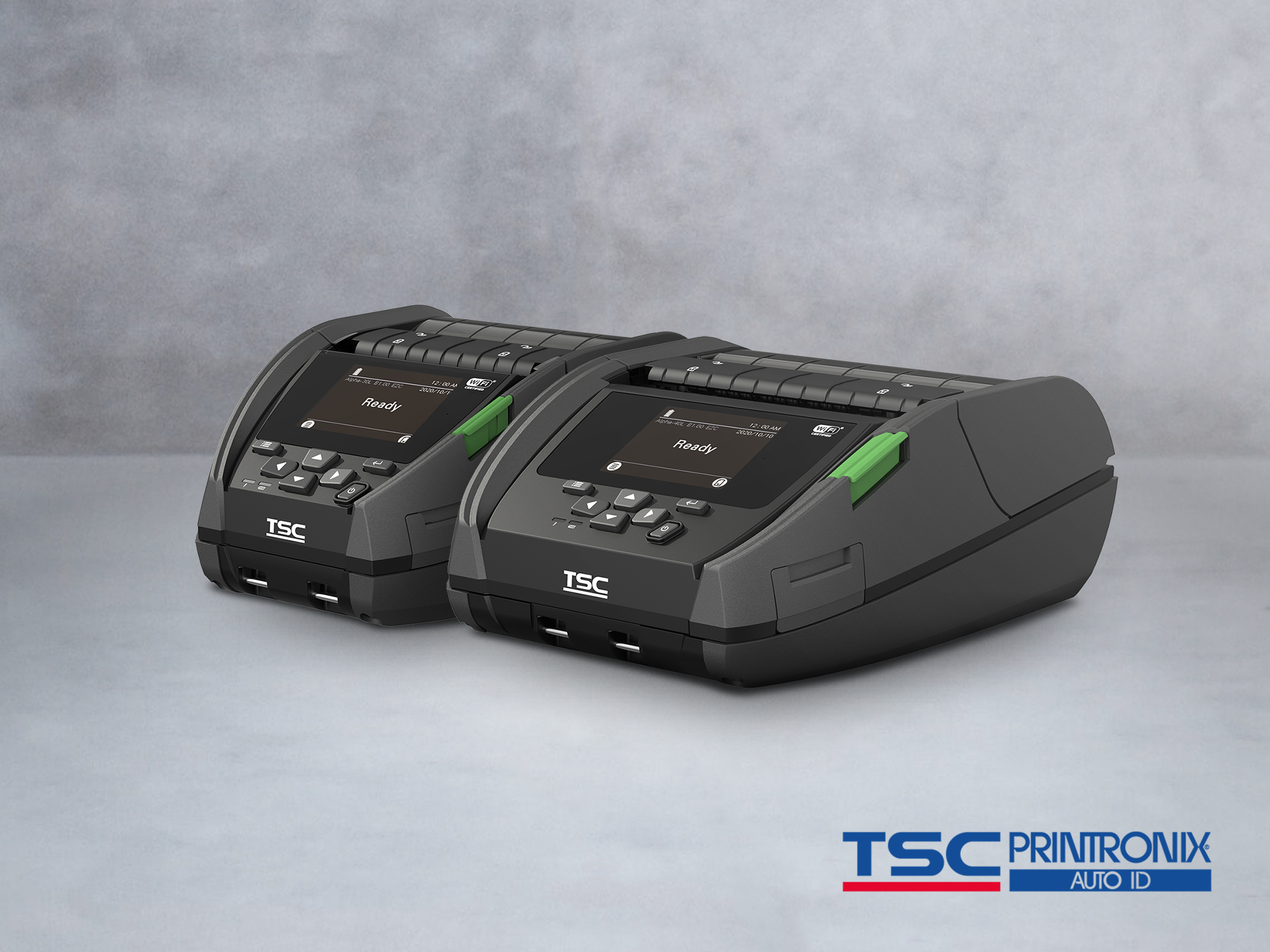
Global company in barcode label printing solutions,TSC Printronix Auto ID, has announced the launch of its new Alpha-30L and Alpha-40L (pictured above) high-performance mobile printers. Both models are in keeping with current trends and complement TSCs printer line-up offering advanced productivity and management features for a premium mobile printing experience. They are powerful, efficient, user-friendly, heavy-duty, and drop-resistant.

The new high-quality models were designed to be rugged for on-the-go printing in the most demanding environments. They are IP54 rated without the aid of a protective case for dust and water resistance, reducing added weight and bulk for operational comfort. Both have been rigorously tested to withstand a 1-meter tumble and 1.8-meter drop. Protective cases are available for even further durability to withstand a 2.5-meter drop. Due to their rugged design, the printers meet military-grade standards for drop and vehicle vibration. Ideal for enterprise professionals on-the-go, the Alpha-30L and Alpha-40L support printing applications for direct store delivery (DSD), manufacturing and retail end-users.

The new models feature a smart battery management system. The batteries within the mobile printer can report the state of battery capacity, charge and history of charge cycles. These details can be reported and managed from any remote access point using SOTI Connect, as well as TSC very own remote management tool TSC Console. Paired together, these two management systems allow users to respond quickly and keep their operations running smoothly and ensure little to no downtime.

With the Apple-certified MFi Bluetooth® 5.0 connection and 802.11 a/b/g/n/ac Wi-Fi fast roaming features, the two flexible all-rounders not only provide reliable and seamless communication with users’ devices, they also securely print labels wherever they are needed. The models perform very well seamlessly moving from one access point to another. For many printer companies, this is the most difficult function for any mobile printer to accomplish.

A further advantage is that both models are also equipped with NFC tap-to-pair for easy connectivity. So, users can securely print labels wherever they need them by touching the mobile printer to another NFC-tag equipped device. Then, the two will automatically pair.

“These mobile printers are two of the most well-rounded mobile printers we have ever launched. They have more features, more communication abilities, and more integration tools than we’ve offered before”, states Sabine Mayer, Senior Marketing Manager EMEA at TSC Printronix Auto ID. And she added: ”We’re very excited about these printers helping to round out our total mobile printer family. As the sixth and seventh models in our portfolio, we now have more printers to fit more mobile printing solutions than ever before.”

Last year, TSC Printronix announced a new strategic partnership with SOTI, the world’s most trusted mobile and IoT management solutions provider. For the full story click here.


UK Railfreight Operations Acquired

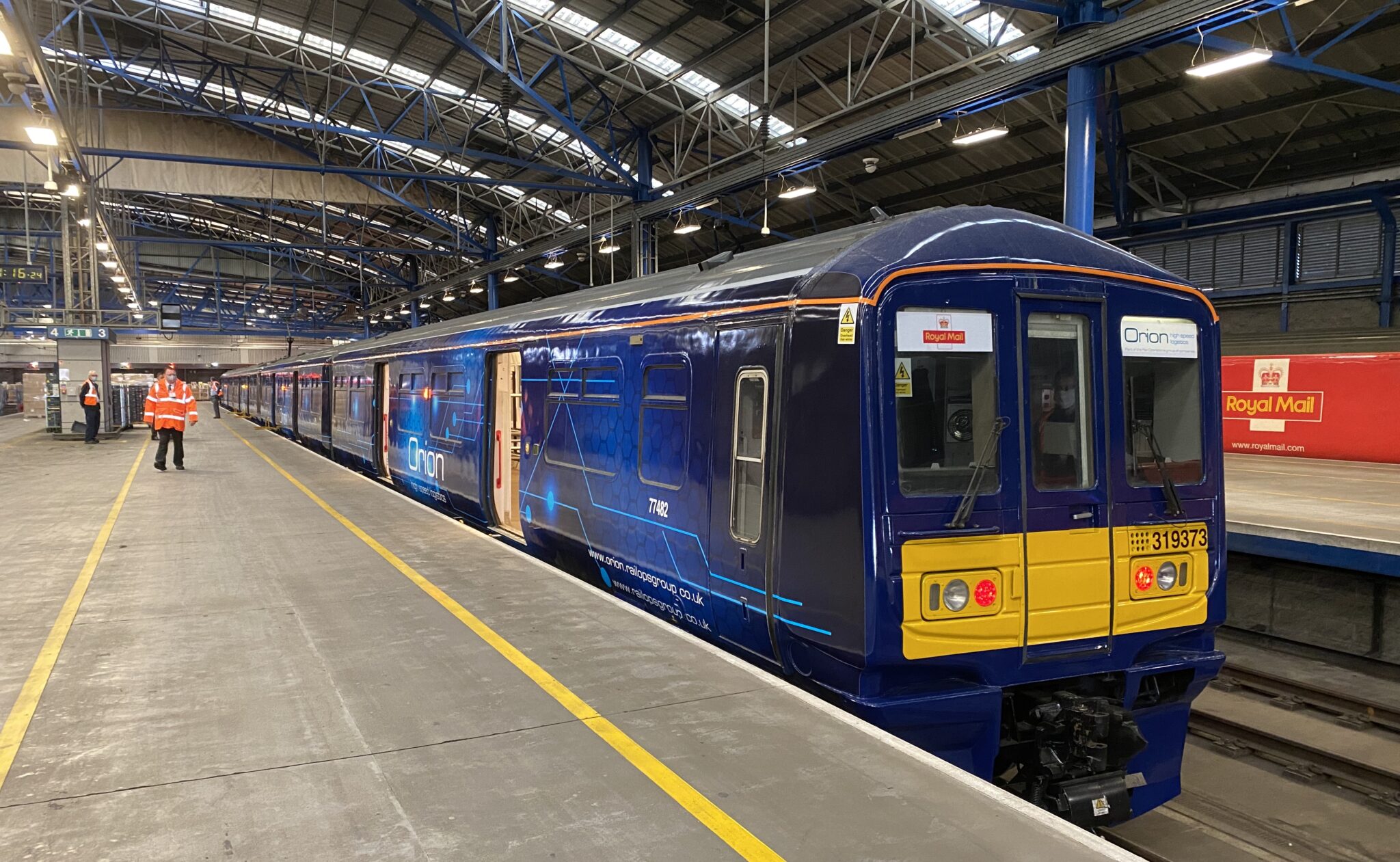
STAR Capital Partnership LLP, a leading European fund manager is pleased to announce that it has made an investment in Rail Operations (UK) Limited (ROUK), a leading provider of rolling stock movement and storage services to the UK rail industry through its subsidiaries Rail Operations Group Limited (ROG) and Rail Operations (Rolling Stock Management) Limited (Traxion).

In addition, ROUK has established a new subsidiary, Orion, to provide high speed logistics and express freight services, focused on accelerating modal shift from air/road to rail by offering a fast, cost effective and environmentally-friendly solution. STAR will acquire a majority stake in the Group, alongside existing management. Additionally, STAR will provide significant growth capital to fuel the Group’s ambitious expansion plans. Neil Bennett, a highly-experienced rail industry professional, will be appointed Executive Chairman of ROUK as part of the transaction.

STAR looks forward to working closely with ROUK’s seasoned management on new opportunities to accelerate growth in each of the Group’s subsidiaries, ROG, Traxion and Orion. STAR has a successful track record in value generation and driving growth, typically investing in asset-based companies holding a strong strategic market position. STAR’s investment in ROUK builds on its previous investments in rail-transport, Eversholt Rail Group in the UK and Abellio GmbH in Germany.

Paul Gough, Managing Partner of STAR said, “We are delighted to have acquired ROUK, which we believe exhibits several characteristics that STAR looks for in a platform investment, including a strong reputation as a high-quality, safety-conscious service provider, supporting critical rail operations across the UK. We are excited to partner with management to help ROUK continue to grow by providing innovative, cost-effective and increasingly environmentally-friendly solutions for its customers”.

Commenting on the deal, Karl Watts, Chief Executive Officer of ROUK, said “We are thrilled to partner with an investor of STAR’s stature to accelerate our growth and expand into new activities. The growth capital from STAR will enable the Group to widen its service offering and cement further its reputation as a high-quality, safety-focused solutions provider to our customers. ROUK continues to innovate and challenge traditional thinking on rolling stock services and freight logistics. We look forward to playing a significant part in assisting the UK to meeting its net-zero carbon targets”.

Neil Bennett, incoming Executive Chairman said “I have enormous respect for what Karl Watts and Dave Burley have achieved in a relatively short space of time with ROUK. Working with Karl and Dave provides an excellent opportunity to combine our skills and networks as the business continues its rapid growth trajectory. STAR’s pedigree in rail means that we can take the business to the next level, backed by an investor who understands the industry and shares our vision for ROUK”.

3D City Models for Geospatial Transportation Data

HERE Technologies, a leading location data and technology platform, has unveiled high-fidelity, 3D models of 75 city centers around the world to give software developers the geospatial data needed to build real-world visualizations of cities. With HERE Premier 3D Cities, last-mile delivery drivers can navigate dense cities with maps that highlight precise building dimensions and entry points along their delivery routes. Telecommunications companies can optimize their buildouts of 5G networks in 3D and urban planners and emergency responders can build digital twins for better land use analysis and disaster readiness simulations.

HERE Premier 3D Cities contain rich data layers and attributes that are aligned to physical geometry and terrain. Each structure is indexed, addressable, and accurate in terms of physical location, volume size, elevation and façade color. Currently, the Audi A8 luxury sedan’s modular infotainment platform (MIB2+) integrates HERE 3D city models, providing drivers with the latest navigation user interface and lane-level guidance experiences.

“With the enterprise developer in mind, HERE has captured, indexed and mapped the world’s major road networks and urban centers in 3D,” said Jørgen Behrens, Senior Vice President and Chief Product Officer at HERE Technologies. “We’re excited to see how these unique 3D city models open up a world of possibilities and value for businesses. They are the building blocks to create accurate, sub-meter augmented reality applications that are transforming supply chains, transportation and mobility networks, and overall consumer experiences.”

The indexed and addressable structures within HERE Premier 3D Cities allow developers to search and highlight individual buildings, attach additional metadata to the structures, and apply advanced rendering techniques including CGI applications. HERE Premier 3D Cities are available in Cesium/OGC 3D Tiles to support seamless integration. Each kilometer of data is stored in small-sized tiles for efficient streaming and rendering. Sample datasets of London, Berlin and Munich are currently available on AWS Data Exchange.

HERE has mapped 196 countries and collects more than 28 terabytes of terrestrial LiDAR data every day. HERE Premier 3D Cities are created with multiple sources – including LiDAR, optical and satellite imagery – and decades of cartographic expertise and AI/Machine Learning applications the company has developed to deliver industry leading location-based services to enterprises globally.

Using Data Collaboration to Aid Competitive Advantage

In an industry where margins are already tight, the ability of Logistics Service Providers (LSPs) to harness data to make operational and strategic decisions – both in terms of responding to unforeseen events and delivering sustainable profits – can be the difference between survival and obsolescence.

In response, recent years have seen an encouraging shift from ‘gut instinct’ governance to objective, data-led decision making. LSPs are using their own data to make better decisions, react more responsively to market conditions and better forecast the future. However, while many LSPs have broken down internal silos, the unwritten rules of competition still largely prevent the widespread sharing of data across organisations who carry out the same core activity.

Internally stored data on pre COVID-19 trends no longer offers the same value and insight with the changing landscape of supply chains. It’s time for LSPs to shift their mindset and further embrace vertical and horizontal data collaboration. In doing so, they can drive improved productivity, create effective partnerships and ensure supply chains remain robust during the recovery from COVID-19 and beyond.

Using vertical data collaboration to optimise operations 

In vertical collaboration, live data makes it possible to pinpoint bottlenecks, formulate changes and implement solutions in order to smooth the flow of goods across all parts of a supply chain. Whilst vertical data collaboration isn’t an entirely new concept, to date, it has largely been reserved for those who can afford it, such as large or tech-forward companies. However, recent technological advances have made it much more accessible and affordable for smaller firms to access and share up-to-the-second accurate data across the whole supply chain.

The benefits are manifold. Take, for example, food processing company Santa Maria and its LSP, Yunsen Logistics. Vertical collaboration enabled these companies to reduce costs, improve logistics performance and increase customer satisfaction, as well as improving traceability. Imagine the impact this could have on smaller businesses, providing them with access to accurate and timely vertical data from their supply chains, and giving customers greater visibility and decision making power.

To make this happen, and before engaging with potential partners, logistics leaders need to improve and update legacy systems to enable their data sharing capability. Knowing you can view, understand and use your own data to the fullest will strengthen your position when sharing data. Next, work with your supply chain partners to identify quick wins. For example, in the seasonal retail sector, greater access to consumer preference data and forecast data will help you better plan for peaks and make your operations more robust.

Using horizontal data collaboration to optimise operations 

As LSPs respond to rising online sales, increased customer expectations and shifting regulations, last-mile delivery will become an area where horizontal collaboration can strengthen resilience and enhance performance. This will involve active collaboration between two or more companies that operate at the same level of the supply chain and have similar logistics functions. Case studies show that this type of horizontal data collaboration can deliver cost reductions of up to 33 per cent.

Real-time, secure and accurate data collaboration, both horizontally and vertically, is key to success. Data, the main driver of logistics operations, is the foundation on which effective collaborations can be built. However, it is particularly important when setting up horizontal data collaboration with competitors that LSPs work with a trusted third-party to ensure they realise value while retaining the high level of data security required. You’ll also need to anonymise data to ensure you’re not breaching any legal terms and that your company is protected.

Along the way, it’s essential LSPs select the right provider within their level of the supply chain to embark on this journey with. This calls for a thorough investigation of an LSP’s business to identify where horizontal collaboration can improve business performance. You’ll need to understand the potential gains for both your organisation and the collaborator, and ensure incentives are aligned. This will allow for the formulation of strategies and processes that facilitate these collaborations.

One solution is for LSPs to explore asset pooling and journey sharing into their operating models through the creation of an integrated final-mile delivery platform that is open to all LSPs. The concept would match shippers with carriers and allow LSPs to share freight volume with traditional competition. These competitors may, for instance, have a stronger reach in a geographical area, which would optimise efficiencies. Open to all, from large logistics organisations to self-employed individuals, this on-the-go freight delivery platform could bring environmental benefits and create greater profitability per consumer delivery. While Amazon and Uber have ventured into this area for the transportation of larger goods, there is yet to be a fully integrated platform for final-mile delivery.

What next? 

In an industry of high competition and low-profit margins, the idea of sharing data with competitors can cause consternation. The reality is very different. Through successful vertical and horizontal data collaboration, LSPs can gain competitive advantage through enhanced crisis management, more profitable routing and asset efficiency, all while delivering better end-to-end customer service. The move towards a market of shared efficiencies is inevitable. It’s those bold enough to seize the opportunity now who’ll benefit the most.

Written by Global Head of Transport at PA Consulting, David Oliver

Large order of Reach Stackers to Germany

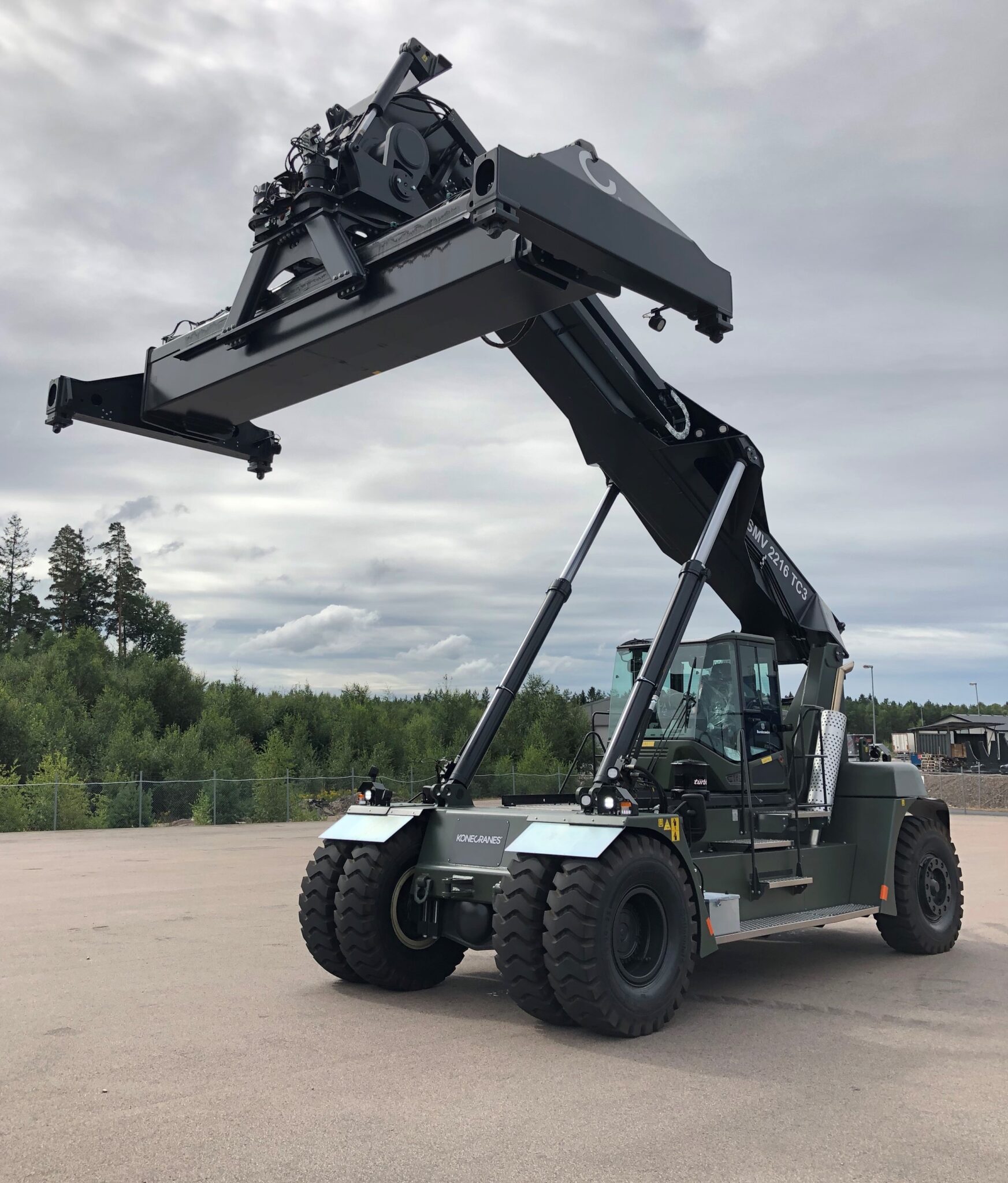
The BwFuhrparkService GmbH, the fleet service company especially for the German Bundeswehr (Federal Armed Forces), ordered 39 Konecranes reach stackers in March last year. Specially adapted for harsh conditions, they will be used to handle containers in military locations around the country. Delivery started in September 2020 and will be complete by February 2021.

Established in 1955, the Bundeswehr unites the German army, navy and air force under one command. Apart from its role in defending German and EU territory, it also works in cooperation with global bodies like the UN. To maximize their efficiency when conducting these operations, they use containers to move equipment and supplies, and they need a fleet of high-performing reach stackers to handle it. Since the beginning of September 2020, Konecranes has been modernizing the fleet with a weekly delivery of two Konecranes SMV 2216 TC3 reach stackers to BwFuhrparkService GmbH, the vehicle fleet service company for the Bundeswehr, at various military locations across Germany.

“The incremental shipment is helping us to smoothly integrate such a large number of reach stackers into operations around the country, and abroad as well,” says Michael Antschischkin, Chief of Back Office Sales Management at Richter Fördertechnik GmbH & Co. KG, the local distributor that has worked closely with Konecranes on this order. “From the moment the trucks arrive, the military operators and technicians receive full driver and service training on-site.”

“Konecranes was asked to provide a compact container handling machine, easy to transport, with the flexibility to work efficiently in many different kinds of locations,” says Ralf Gowin, Sales Manager Germany for Konecranes Lift Trucks. “We studied the customer’s strict requirements carefully and adapted one of our existing models to suit all their needs.”

The 39 tailor-made Konecranes reach stackers are painted in military green, have a 5500 mm wheelbase and are able to stack 22-ton containers up to three high on the first row, as well as 16 tons and 6 tons on the second and third rows respectively. Other customized modifications include: a special coupling to recover the vehicle or assist other trucks if one gets stuck on uneven ground, and tire pressure monitoring to help reduce wear, fuel consumption and improve safety in harsh environments. For a truly secure driving area, extra safety features have been added as the Bundeswehr requested.

One special customer requirement was to make transportation over long distances easier. So Konecranes put special safety eyes between the front axle and on the counterweight to secure each reach stacker when on a transport carrier, as well as metal plates to stop the wheels from moving. In addition, to aid dismantling and assembly, the lift trucks have a special coupling system for hydraulic hoses on the boom and spreader.

Road Transport Capacity in Europe falls while Prices Rise

The result of the most recent evaluation of the Transport Market Monitor (TMM), an online service provided by Tim Consult, is based on road transportation data of more than 1.8 million freight loads per year. The processed data, stemming from the spot market, is provided by Transporeon, Europe’s leading network provider for transport logistics services. The report is based on data available up to January 7, 2021.

• Compared to the previous month, road transport capacity fell significantly by -16.4% in December 2020. The European spot market availability index now stands at 85.9 points.
• Currently, there is significantly less road transport capacity available on the market than a year before. The capacity index fell by -16% compared to December 2019.
• Transport prices increased by +3.9% between November and December 2020. Compared to December 2019, prices went down by -2,7%.
Brexit impact
• Significantly falling capacity and rising prices can especially be observed on the corridor between France and the UK, which is impacted by Brexit. Road transport capacity from France to the UK reached a two-year-low at 58.8 index points. This corresponds to a huge decrease of -39.4% compared to the previous month. Prices went up strongly (+34.8%) during the same period, peaking at 154.3 index points, a two-year-high. Compared to December 2019, transport capacity fell by -22.1% while prices soared +51%.
• Transport capacity and prices for goods shipped from Germany to the UK showed a similar development. Transport capacity decreased by -29.7% between November and December 2020, reaching a two-year-low of 85.3 index points. At the same time, prices rose sharply by +41.2%, reaching a two-year-high of 153.9 index points.
Industry focus
• In the European automotive sector, road transport capacity went down by
-17.9% in December 2020 compared to November 2020, falling to a two-year low of 72.3 index points. Prices have continued to follow their positive trend since May 2020 peaking at a two-year high of 105.6 index points for the automotive branch. This corresponds to an increasement of +1.8% in December 2020 compared to the month before.
• In the chemicals and life sciences sector, the road transport capacity index fell strongly by -14.6% to 96.2 points in December 2020 compared to the previous month. Prices have jumped by +13.5% during the same period in the industry.
• Transport capacities in the steel sector went down significantly by -22.5% between November and December 2020. At the same time, prices reached a two-year high of 111.2 points. Since May 2020, a stable trend of steadily rising transport prices can be observed in the steel sector. From November to December 2020 alone, prices have sharply risen by +8.7%.

Globalia’s TMS FreightViewer will henceforth come with the LCL rates from Shipco

After three years of substantial efforts put forth by Globalia Logistics Network’s IT department for the upgradation of FreightViewer, a partnership has been finally forged with freight consolidator Shipco which will enable the agents to access the LCL rates in over thirty countries right from the FreightViewer platform.

Incorporation of this brand new feature in their member-exclusive TMS FreightViewer is in line with the network’s dedication towards the development of a digital strategy that will allow the members to keep up with the technological innovations in this sector and be on a par with the top players in the market. The ability to access the freight rates from external providers along with all the valuable data furnished by carriers allows the members to automate a considerable chunk of their day-to-day paperwork.

Mr. Morten Bach, the Global Chief Commercial Officer at Shipco Transport accurately sums up the significance of this new feature, “Speed in quoting is essential in a market where the difference between one quote or the other has become minimum. This means that in some cases, who quotes the faster will have the shipment. This is one of the reasons why it’s so important to develop tools such as FreightViewer.” It affords several advantages such as direct accessibility to LCL rates, estimation of the profit margin and the creation of an accurate quotation for the client within a matter of a few seconds. The speed and transparency of this process are sure to make an impression on the customers which will unquestionably place the members ahead of their competitors when it comes to obtaining an important shipment.

As stated by Antonio Torres, the CEO and Founder of Globalia Logistics Network, “Our members had been acquainted with the new features of FreightViewer during our Virtual Meeting in October and it received a warm response from the agents. The capacity of conducting international freight forwarding operations from one comprehensive platform will not only boost the work efficiency of our members but also save a lot of time and expenses. Instead of spending countless hours on the process of quote generation, members will be able to devote that time towards enhancing the customer experience.”

The idea behind this TMS is to allow the member companies to merge the expertise of reputable forwarding companies with all the opportunities afforded by a pioneering digital tool so as to enhance their efficiency, optimize their resources and keep the customers satisfied. The international coverage of Globalia will further augment the potential of this platform as it will enable the small and independent freight forwarders to offer  world-class services.


Transport Logistic Munich Cancelled

transport logistic Munich 2021 will unfortunately not now take place. It was scheduled for it’s bi-annual slot early May as the largest show in the world for all modes of freight transport and logistics, including the world Aircargo Forum.

Organisers, Messe Munich says the main reason for this is the numerous international travel restrictions in place, the lifting of which is not foreseeable until at least spring. Such travel challenges for a global event thwart the exhibitor’s claim with regard to visitor participation. As a bridge to other events in the transport logistic network, an online conference will be staged from May 4 to 6, 2021. The next transport logistic as a physical trade fair will take place from May 9 to 12, 2023.

“Our customers would have to start detailed planning for transport logistic now and need planning security. The still ongoing dynamic infection as well as the resulting travel restrictions make it impossible to successfully hold transport logistic at the beginning of May,” explains Stefan Rummel, Managing Director of Messe München. “For this reason, on the recommendation of and in consultation with the exhibitor advisory board, we have decided to cancel transport logistic 2021.”

New ways to Conquer Supply Chain Complexity

Körber, the global supply chain technology leader from supply chain software to materials handling automation, is taking big steps towards the future with WDT (Wirtschaftsgenossenschaft deutscher Tierärzte eG) and the first logistics center in Germany specifically designed for veterinary medicine. It stands for an expanded business model that adds sustained value for veterinary practices throughout the region. Thereby, WDT is relying on the SAP consulting and implementation expertise of Körber.

For over 100 years, WDT has been manufacturing and purchasing consumables and items for the veterinary industry. With its own high-quality products as well as medical supplies, human and wholesale products, the company is the basic supplier of veterinary practices and thus more than just a wholesaler and producer. In the future, the company will provide comprehensive logistics services via its specially founded logistics company VetLogOne GmbH and supply goods to veterinary practices, clinics and other businesses in the industry. The portfolio includes approximately 12,000 products from the areas of veterinary drugs, animal feed and articles for medical practice.

“Up to now, veterinarians regularly placed orders with 20 to 30 different suppliers. These processes are very time-consuming, prone to errors and pollute the environment. Faster ordering processes and less packaging waste are just some of the benefits we can provide through centralized logistics services as part of our expanded business model,” explains Dr. Thomas Nonnewitz, Board member responsible for supply chain at WDT.

The expanded logistics services, which include shipping, invoicing and returns management, will be available starting in 2021. To this end, WDT is investing in a new 20,000 m² logistics center in Wunstorf near Hanover, Germany. In the future, the new location will bundle all existing logistics processes and rely on SAP EWM (Extended Warehouse Management) and Körber’s SAP-based Courier, Express & Parcel (CEP) add-on.

As Thomas Gries, Chief Executive Officer of SAP Solutions at Körber Supply Chain, emphasizes: “Logistics processes are becoming increasingly complex. This makes powerful software solutions and proven partnerships all the more important. We have been working together with WDT for many years – an excellent foundation to move towards the future together and play a decisive role in establishing the expanded business model.”

The new logistics center is scheduled to go live in spring 2021. WDT plans to invest 12 million euros by 2025, including cold storage for more than 1,000 pallet locations.

Subscribe

Get notified about New Episodes of our Podcast, New Magazine Issues and stay updated with our Weekly Newsletter.