Transaid project in Madagascar leaves lasting legacy

More than 100,000 emergency transfers were made to rural health facilities over a five-year period in Madagascar, according to data compiled from one of Transaid’s longest-running access to healthcare initiatives, focused on maternal and child health.

Publication of the figures follows the conclusion of a USAID-funded project, known locally as MAHEFA Miaraka, led by JSI Research & Training Institute, Inc., and in partnership with others including Transaid, local NGOs and in close collaboration with the Ministry of Public Health.

Working in areas of the country where the availability of transport is often low, and where difficult terrain and seasonal rainfall often limit access by motorised vehicles, Transaid supported communities to integrate locally available modes of transport to connect themselves to primary healthcare facilities or referral hospitals.

This work contributed to 106,851 transfers to health facilities taking place during the project, utilising taxi cooperatives with minibuses and motorised three-wheelers, ox carts, rickshaws, bicycle ambulances, stretchers and even canoe ambulances, amongst other forms of emergency evacuation.

Caroline Barber, Chief Executive of Transaid, says: “Delays in seeking access to quality care are a key contributor to maternal and under-five mortality, with inadequate access to transport being a major cause. This project set out to address that, working in some of the hardest to reach parts of Madagascar, where we saw the number of patients accessing the scheme grow consistently year-on-year.”

Forty-four per cent of the communities Transaid helped were inaccessible by car or truck for at least four months of the year, and 20% for almost half of the year. This made it an incredibly complex project to manage, requiring a blend of community-managed forms of transport, taxi drivers trained in emergency transport systems, plus evacuation plans developed with communities and village leaders.

Barber adds: “The communities we were supporting have spoken highly of the improved access to healthcare in emergencies, especially the means to travel at night, when there are generally far fewer transport options available.”

Transaid’s role within the project also included the setting up of several ‘enterprise box’ (eBox) initiatives, which aimed to improve community health volunteer mobility and increase motivation and retention through the provision of bicycles and income generation which also contributed financially to local health insurance schemes.

Five eBoxes were established, each becoming a bicycle sale and repair micro-enterprise managed by registered cooperatives to help meet some of the transportation needs of the local population. At the end of the project, four of the eBoxes were considered independently operational, leaving a lasting enterprise which can continue supporting the local community.

The completion of the project, Transaid’s second in Madagascar in succession, draws to a close a decade of work within the country – and one of the organisation’s longest running and most successful projects to-date.

 

Research identifies warehouse worker shortage

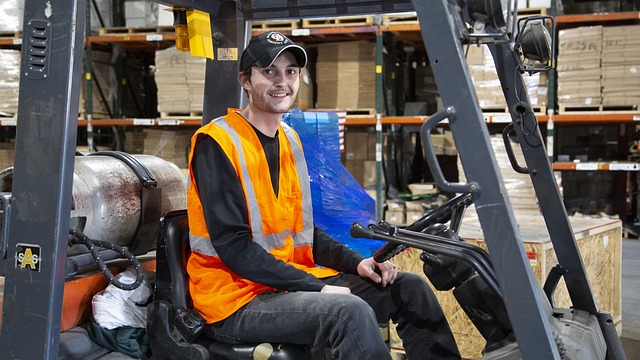
New research has shown which areas of the UK have been hit hardest by the skills crisis engulfing the transport and logistics industry.

The continued e-commerce boom, and a reduction in EU labour availability, has left many firms struggling to find enough warehouse operatives to meet high customer demand – but analysis by Mintsoft shows that some regions are faring worse than others.

According to the research, London tops the list for the highest number of unfilled vacancies at 233, according to live jobs board data compiled on 21st February 2022.

Next was Bristol with 219 roles available, followed by Birmingham (188) and Northampton (146).

Commenting on the findings, Rob Hodgson, WMS and E-commerce Fulfilment Expert at Mintsoft, said: “Anyone who works in the industry knows how difficult it’s become to recruit operatives but our data sheds light on the regional discrepancies. Competition for skills is particularly fierce in the capital, perhaps because it’s traditionally been home to EU nationals who have now left.

“The pandemic has changed consumer buying behaviour forever, which will continue to drive demand in the e-commerce and 3PL sector. While this is clearly good news, it puts immense pressure on businesses, especially SMEs, to deliver – at a time when increasing a headcount isn’t an option.

“3PLs recognise this and are increasingly investing in their warehouse operations in order to make better use of their existing resources.”

The 20 locations with the biggest shortage of warehouse operatives were as follows (Ranking-Location-Number of warehouse operative roles):

1-London-233

2-Bristol-219

3-Birmingham-188

4-Northampton-146

5-Leeds-129

6-Nottingham-125

7-Milton Keynes-122

8-Leicester-117

9-Manchester-101

10-Coventry-98

11-Bedford-90

12-Sheffield-86

13-Swindon-80

14-Peterborough-77

15-Doncaster-77

16-Stoke-on-Trent-73

17-Bradford-71

18-Exeter-70

19-Warrington-70

20-Derby-69

Clare Bottle, CEO at the UK Warehousing Association (UKWA), adds: “Today’s market is tougher than ever before for the warehousing sector. Labour shortages are no longer limited to the Christmas peak trading period nor are they restricted to warehousing’s famous ‘Golden Triangle’ in the East Midlands.

“In light of the failure of Government to recognise or even mention the role of warehousing and logistics in last month’s Levelling Up white paper, this research is particularly timely, providing an important evidential basis for UKWA’s continued representation to policymakers for more support in the face of critical labour shortages.

“Indeed, a recent poll of our members confirmed that labour shortages are the number one concern for 2022 and our National Conference this week (8-9th March), will focus on the theme of Building Tomorrow’s Workforce Today.”

For more information about this research, CLICK HERE


Ukraine conflict to cause significant pressure on pallet supply

The European Federation of Wooden Pallet & Packaging Manufacturers (FEFPEB) has expressed its deep sympathies and support for the people of Ukraine and advised that the conflict in Ukraine is expected to cause significant pressure on the supply of wood, and therefore pallets and packaging, in the coming weeks.

Last year, Ukraine exported more than 2.7 million cu m of sawn softwood timber, a significant amount of this for wooden pallets and packaging manufactured in European markets including France, Germany, Italy, the Netherlands and Poland. The country also produced and exported an estimated 15 million pallets, mainly to Europe.

The severe slowdown in the Ukrainian economy and stop in production will have serious direct impacts on countries such as Hungary, Italy and Germany (the three most prolific softwood importers from Ukraine); and also an indirect impact across Europe by unbalancing the market and increasing competition for more limited wood supplies and putting upwards pressure on prices.

Meanwhile, with Russia exporting approximately 4.5m cu m of softwood timber into the EU (with Estonia, Germany, Finland the largest importers) and Belarus exporting approximately 3.1m cu m (spruce and pine combined), Europe will be significantly impacted by trade sanctions that have been introduced against the two countries – which FEFPEB supports.

Some countries source up to 25% of their pallet and packaging timber from the three countries. Alternative timber sources including Scandinavia, Germany and the Baltic States are only capable of covering a small proportion of the shortfall.

Energy supplies have also been severely disrupted, increasing the price of fuel, with growth in the price of petrol of more than 30%, and the cost of a barrel of oil now more than US$110. This, says FEFPEB, will have a “significant impact” on the cost of heat treatment and kiln drying of timber to ISPM 15 standards, on transport and on the overall cost of production – leading inevitably to product price rises.

The above challenges add to existing pressures caused by the ongoing global shipping crisis, labour shortages, low availability and high prices of raw materials – including a severe shortage of steel for the production of nails – and generally disrupted transport flows around the world.

FEFPEB Secretary General Fons Ceelaert said: “The terrible events unfolding in Ukraine have had an immediate impact on industries of all kinds, disrupting vital trade flows, and reducing availability of many different materials and goods. The usual supplies of timber needed for the production and repair of wooden pallets and packaging have had been hit hard, and availability has been significantly reduced.

“Alongside the sizeable ongoing international challenges that already exist in the market, we expect to see a general upward trend in the price of all commodities, including wood. In the meantime, our member associations’ businesses around Europe are working hard to secure supplies from their partners in order to maintain continuity of pallet and packaging production.

FEFPEB is in close contact with CEI-Bois and the European Commission, with whom we have shared our moral and economic concerns. We will continue to liaise with industry sources and monitor up-to-date information to enable us to keep our membership and the market informed about the very latest developments in this ongoing situation.”

similar news

Logistics in Ukraine: Still Going


Cameroon terminal updates fleet with Konecranes trucks

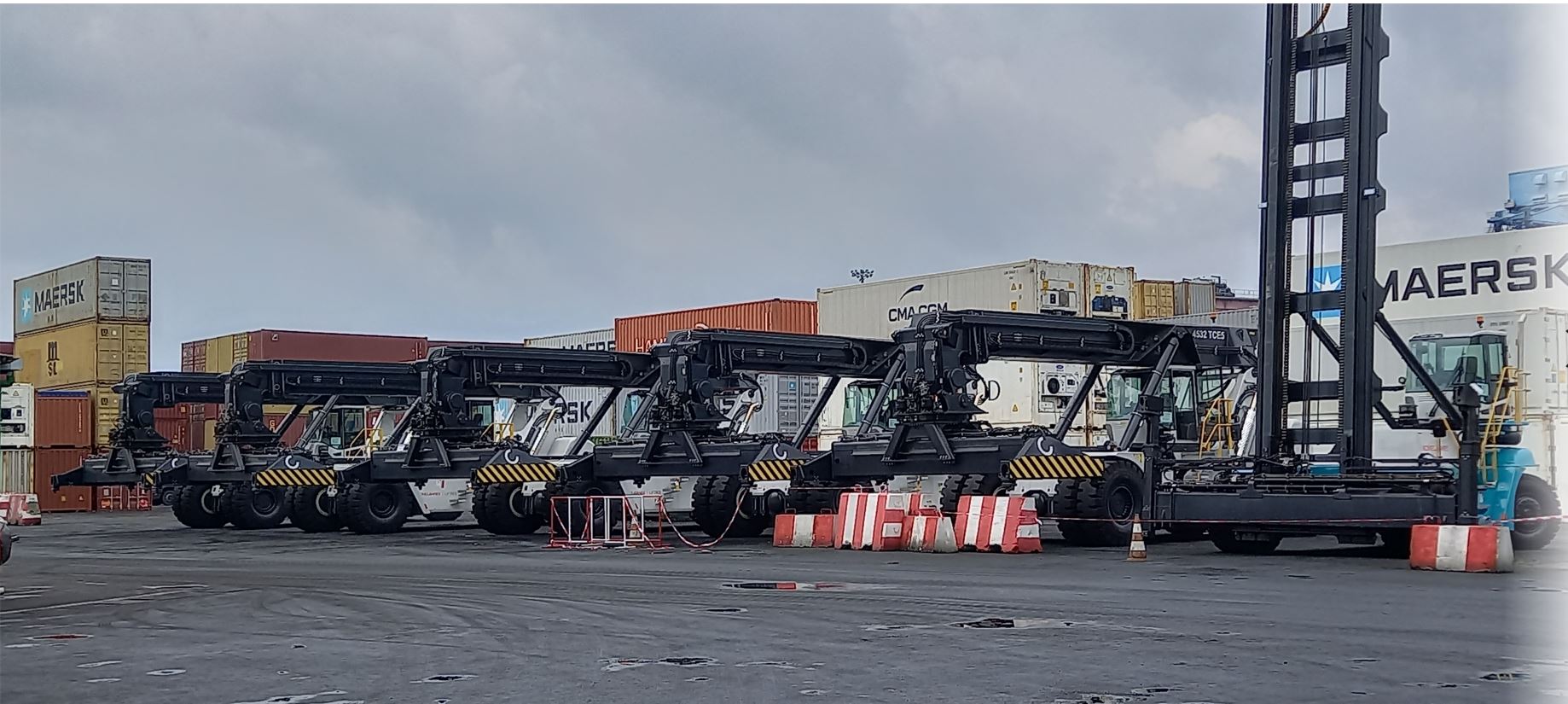
The Container Terminal Management of the Port of Douala (RTC) has received delivery of five Konecranes Liftace reach stackers and one empty container handler to increase the productivity of its operations. The order was booked in April 2021, and the lift trucks were handed over in a special on-site ceremony in December 2021.

RTC is part of the Port Authority of Douala and has been in charge of managing the terminal on the west African coast since January 2020. Douala is the economic centre of – and the largest city in – Cameroon. It is one of central Africa’s largest ports, also providing sea access to the landlocked regions of Chad, the Central African Republic and the northern area of the Republic of the Congo. RTC is keen to update its multimodal terminal with reliable, modern container handling equipment to increase capacity as demand continues to rise, with an average annual throughput of 370,000 TEU traveling on sea, road and rail. The lift trucks are used for most of the export yard operations and taking care of empty containers.

“Our terminal has been using Konecranes products for years, and they’ve provided outstanding performance,” says Adepi Martin, Chief Operation Officer of RTC. “With the help of their excellent customer service, we’re sure that these new Konecranes lift trucks will help us to maximise our efficiency all the way from landside to quayside, reduce vessel anchorage time and transit time, and improve container truck turnaround.”

“This new delivery shows the level of confidence that RTC has in Konecranes,” says Winfried Lux, Sales Manager for Konecranes Lift Trucks. “We offer durability, reliability and flexibility in both our products and our partnership with them. Local dealer Patterson Simons & Co. (Africa) Ltd. has provided essential support whenever needed and we are pleased to continue working with RTC as they develop their terminal fleet into the future.”

The five new reach stackers are Konecranes Liftace SMV 4532 TCE5s, sturdy 45-tonne lifting machines able to stack up to five containers high. The empty container handler is an SMV 6/7 ECC 90, with a wide mast for the option of stacking six empty high-cube containers or seven standard containers. All six lift trucks feature the ergonomic OPTIMA cabin for comfort and wide visibility, and each vehicle uses a Tier 3 engine to maintain productivity while minimising fuel consumption and emissions.

Included in the delivery are full spare parts packages, ensuring that parts will always be available when needed, eliminating delivery wait times, minimising downtime and allowing easier maintenance planning.

A strong focus on customers and a commitment to business growth and continuous improvement make Konecranes a lifting industry leader. This is underpinned by investments in digitalisation and technology, plus our work to make material flows more efficient with solutions that decarbonise the economy and advance circularity and safety.

UK Logistics Technology Firm hits Milestone

A fast-growing logistics technology firm from Birmingham, UK is celebrating after hiring its 50th member of staff following two years of tremendous growth.

Wise, founded in 2019, specialises in providing software to improve the self-employment experience within the logistics and last-mile delivery sectors – the business is celebrating this latest hire as it takes the total headcount to 50, officially making it a medium-sized business.

The technology firm, named Digital Startup of The Year at the 2021 West Midlands Tech Awards, provides software to over 250 UK logistics firms helping them to streamline the way that they engage their self-employed workforce. This technology covers everything from onboarding subcontractors through to protecting compliance and payments – this software has been used by over 50,000 subcontractors since its launch in April 2021.

Logistics technology

Hannah Jarrad, People & Culture Manager at Wise, said: “We’re delighted to have hit this major business milestone and to have done it in such a short space of time is genuinely outstanding. As we’ve grown the team across all departments, we’ve worked hard to make sure that we retain our culture of compassion and inclusivity that is at the heart of all of our decisions.

“Like every other business, we’ve navigated the difficult circumstances of the last couple of years carefully and we’re delighted to have been able to obtain Great Place To Work status along the way as evidence of our positive culture.”

similar news

Tech firm ranked as one of UK’s best employers


transport logistic and TIACA organise joint San Francisco event

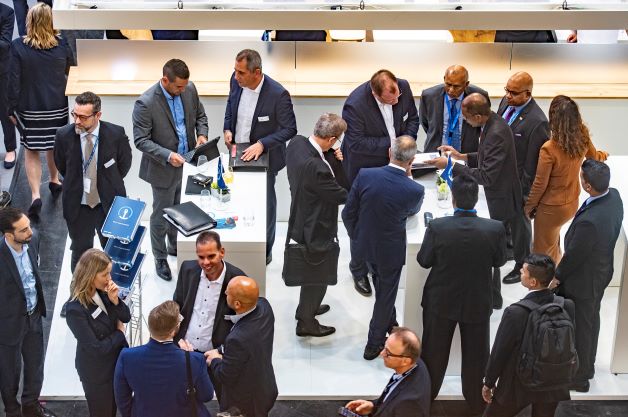
From 22 to 25 March 2022, the global air cargo and logistics industry will meet at the 2+2 event in San Francisco. The air cargo sector proved to be a safeguard for global supply chains during the pandemic and secured the supply of important medical and industrial goods. At the face-to-face event, leading industry representatives and experts will discuss the lessons learned from the pandemic and other current topics such as digitalisation, sustainability, and UAVs directly in Silicon Valley. Registrations among exhibitors, visitors and sponsors are already high.

Messe München and the air cargo association TIACA are merging their events for the first time. The 2+2 event will be one of the largest gatherings of experts and decision-makers in the air cargo and logistics industry. A two-day conference programme at the Hyatt Regency Hotel in San Francisco will feature panel discussions, keynotes, workshops, and presentations.

In addition to the air cargo sector’s experiences and insights from the pandemic, topics such as digitalisation, sustainability as well as gender diversity or UAV technologies will also be discussed. The future of the industry will also be addressed: TIACA board member Steven Polmans, for example, will moderate a panel discussion on the future direction of the association. The subsequent two-day Innovation Journey gives visitors direct and on-site insights at innovation leaders and up-and-coming Silicon Valley start-ups.

The number of exhibitors, speakers, sponsors, and trade visitors is already high and the anticipation is rising among everyone involved. Patrik Tschirch, Managing Director of LUG air cargo handling and Chairman of the Board of Air Cargo Community Frankfurt, also sees the advantages of a presence event: “For the globally active air cargo sector, an international gathering is enormously important. Thanks to the promising concept, we are looking forward to the 2+2 event in San Francisco with great confidence.”

An original date for the event in September 2021 was postponed as a precaution due to the pandemic at the time. The current COVID-regulations and the full implementation of applicable protective measures in the state of California allow the event to take place in the usual attendance form.

There will be no restrictions on the number of visitors. Since last November, the United States has allowed foreign citizens to enter the country if they are fully vaccinated and present a negative COVID-19 test or proof of recovery recognised by the WHO.

“The TIACA Executive Summit, together with the transport logistic Americas Forum, will once again bring together the key decision makers and experts in the air cargo industry in one place, live and in person. We look forward to a wide-ranging conference programme and accompanying exhibition where current and upcoming air cargo topics will be discussed with a broad audience,” said Steven Polmans, Chairman of the TIACA Board of Directors and Vice President Business Development & Free Zone Regulatory Affairs at Abu Dhabi Airports.

“With the 2+2 event in San Francisco, we can again offer the airfreight and logistics industry an intensive exchange in presence. With various online events, we have proven that such events can also take on other attractive formats. However, personal contact on site is indispensable, especially for an industry like logistics and airfreight with its many diverse and international players. We are glad to be able to offer our guests this opportunity again, while observing all safety precautions,” adds Dr. Robert Schönberger, Head of transport logistic exhibitions at Messe München.

Century Logistics acquired by Metro Supply Chain

Metro Supply Chain Holdings (UK) Limited, a division of Canadian-based Metro Supply Chain, has acquired Century Logistics, a long-standing third-party logistics provider based in Suffolk, UK.

“We welcome Century Logistics to the Metro Supply Chain team. Century’s wide capabilities and customer-focused culture complement Metro Supply Chain’s strengths as a strategic supply chain solutions partner to some of the world’s fastest-growing and most reputable brands,” explains Martin Graham, Group President of Metro Supply Chain. “This acquisition deepens our operations in the UK and Europe and broadens our service offerings for UK-based customers looking to expand into the United States or Canada.”

For decades, Century Logistics has been integral to helping local and multinational consumer packaged goods brands scale through warehousing, co-packing, ecommerce fulfilment, product repairs and product returns. Managing seven distribution sites, Century Logistics is strategically located along the A14 corridor between the bustling Golden Triangle and the port of Felixstowe, the UK’s biggest and busiest container port.

“Since opening our first commercial warehouse in 1998, Century Logistics’ driving focus has been to invest where our customers need us most, which, in recent years, has meant supporting their significant ecommerce growth,” says Stephen Basey-Fisher (pictured), founder and chairman of Century Logistics. “We’re thrilled to join Metro Supply Chain and be able to offer customers here and abroad a true end-to-end, harmonized experience that will delight their consumers wherever and whenever they shop.”

Metro Supply Chain has been operating in the UK since 2016 when it acquired Evolution Time Critical, a premium provider of 24-hour emergency logistics for companies around the world, with offices in Derby, UK, the United States, Portugal, Germany and China. In 2021, the company expanded operations to include five facilities in Wales dedicated to defence sector logistics. With the acquisition of Century Logistics, Metro Supply Chain manages more than 12 million square feet in over 80 distribution centres across North America and Europe.

Century Logistics founders Stephen and Ann Basey-Fisher have built an impressive customer-focused operation and we are excited to welcome the full Century team to Metro Supply Chain,” says Chiko Nanji, founder and CEO of Metro Supply Chain. “We look forward to providing greater synergies and opportunities for our UK-based customers who are looking to grow their operations in new geographies and capabilities.”


Venray DC leased to CEVA Logistics

SEGRO, a leading owner, manager and developer of modern warehouses and industrial property, has fully leased SEGRO Logistics Centre Venray to CEVA Logistics Netherlands.

“We are pleased to welcome CEVA Logistics Netherlands to this new development. The brand new centre was completed at the end of February, so CEVA can immediately start delivering flexibility and capacity to existing operations,” says Eelco Ouwerkerk, head of SEGRO Netherlands

“We are delighted with SEGRO’s new, ultra-modern location in Venray. This enables us to implement the growth of CEVA Logistics in Benelux for both new and existing customers in diverse sectors. The building fits perfectly within the sustainability strategy of CEVA Logistics and is centrally located in our campus structure in Venray. We are here for the long term and looking forward to further development of our cooperation with SEGRO,” says Jan de Breet, head of Real Estate, Facility and Procurement CEVA Logistics Benelux & Switzerland.

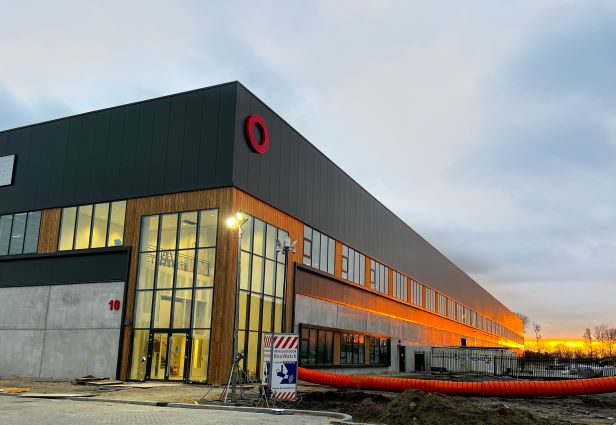
The high-value distribution centre (HVDC), located on De Blakt industrial estate on Edisonstraat in Venray, has a total area of 42,800 sq m and will be certified BREEAM Outstanding. Sustainability and innovation are central to the design and landscaping, making a major contribution to the reduction of CO2 emissions, to limiting the energy costs of the tenant and to the wellbeing of the end user.

This is reflected in sustainably generated energy, batteries for energy storage, sustainable and fire-retardant wooden facade cladding, charging points for electric cars and bicycles, LED lighting, and underfloor heating /cooling in the warehouse and in the offices. In addition, more than 2,500 sq m of vegetation will be planted in the outdoor area, with green-accentuated footpaths. This first-class location in Venray is the fourth CEVA Logistics site on the De Blakt industrial estate, increasing the opportunities for expansion and flexibility of existing and new operations.

similar news

Contract Signed for New Warehouse Project


Transporeon partners with BlueBox Systems

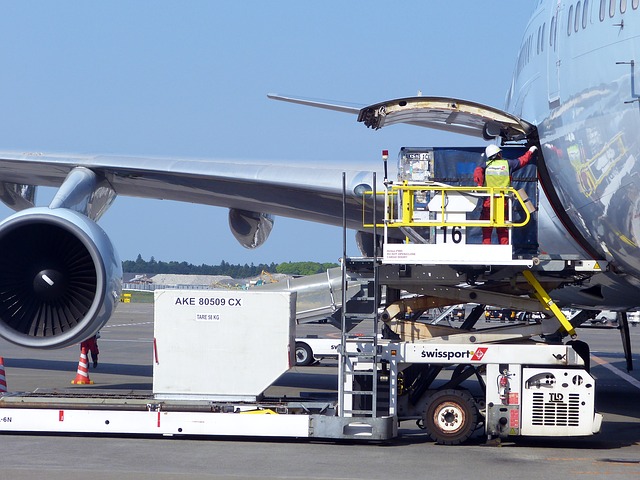
Supply chain digitalisation expert Transporeon and air freight real-time tracking platform provider BlueBox Systems are now working on joint solutions to enable even more transparency in air freight.

In an industry such as logistics, where increasingly precise figures and schedules are the order of the day, digitalisation is the logical consequence in terms of further development and optimisation of supply chains. With new technologies in tracking and the retrieval of logistics data in seconds, one’s shipments can be tracked precisely – an overview and transparency that the industry would have dreamed of 20 years ago.

Transporeon is one of the pioneers in this field and has quickly become one of the most important players in the field. It is constantly expanding its network and capabilities. In this context, the latest partnership between Transporeon and BlueBox Systems makes perfect sense.

Transporeon, with over 1,000 employees and offices around the world, offers a range of successful transport logistics platforms that it uses to connect all the players involved in a supply chain. This has resulted in one of the largest cloud-based logistics platforms in the world with a focus on process optimisation. Through the partnership with BlueBox Systems, solutions are now also to be developed that include air freight.

With its BlueBoxAir solution, BlueBox Systems offers a product that enables companies and logistics providers to track their air freight to the minute, analyse loading times at airports and thus plan optimal supply chains. In addition, the platform offers the possibility of displaying the respective CO2 emissions for each shipment.

Accordingly, the partnership of these two companies is very good news for the logistics industry, which will further advance goal-oriented digitalisation through new products.

Transporeon was a kind of dream partner for us from the very beginning because, like us, they combine many years of industry experience with cutting-edge technology. A joint solution will have a lasting impact on the industry for years to come, I am sure,” says Martin Schulze, Managing Director of BlueBox Systems.


BIFA supports National Careers Week

The British International Freight Association (BIFA) is supporting this week’s National Careers Week 2022 with a series of events aimed at demonstrating its commitment to promoting careers in logistics.

National Careers Week 2022 runs from 7th to 12 March and is a celebration of careers guidance and free resources in education across the UK.

The aim is to provide a focus for careers guidance activity at an important stage in the academic calendar to help support young people leaving education.

With youth unemployment remaining high and BIFA members concerned about the shortage of certain industry skills, there has never been a bigger need for careers guidance to be promoted.

Throughout the week, BIFA will undertake a number of events, supported by a range of resources on its social media pages to encourage members to expand their own learning; showcasing the range of training courses available from BIFA’s Training team.

For BIFA, the week will commence with an online seminar entitled ’10 Reasons To Consider A Career In Logistics’ at 13.00 GMT/14.00 CET on 7th March.

In it, BIFA executive director, Carl Hobbis, who is responsible for all elements of BIFA’s Freight and Customs training, will be joined by Kyle Lawrence, chair of the London East region of BIFA’s Young Forwarder Network (YFN) – a networking group set-up for young people or those new to the industry – and finalist in 2018 for Apprentice of the Year in the BIFA Freight Service awards.

In this interactive session, using Kahoot, Carl will provide guidance to those considering a career in logistics, whilst Kyle will deliver the perspective of young people within the YFN about what they think of the industry since joining it.

Thursday 10th March at 15.30 GMT/16.30 CET will see BIFA’s latest Young Forwarder Network event taking place with guest speaker Sam Greenhalgh, vice president of sales Europe at Zencargo and host of industry podcast ‘What’s In The Box?’.

Sam’s career in the shipping industry started at the age of 16, when he joined a leading service provider on an apprenticeship scheme. Since then, he’s been on an incredible journey working in various roles. He is passionate about the freight and logistics business, and his podcast brings together industry leaders to discuss the hot topics and trends in logistics.

BIFA hopes that Sam’s story will inspire and empower young forwarders to consider their next steps in the industry.

The trade association’s events will culminate with a free one-hour online event on Friday 11th March at 14.:00 GMT/15.00 CET during which James Billingham, a director of the Skills Office Network, will provide a comprehensive overview of how BIFA members can upskill their existing workforce by using apprenticeships and will show how they can help to resolve their ongoing skills shortages.

Billingham has over 20 years of experience in logistics skills and training. He worked closely with BIFA, and a group of freight forwarding companies, during the development of the International Freight Forwarding Specialist apprenticeship, and advises employers and training providers on all matters concerning apprenticeships.

Hobbis says: “National Careers Week 2022 is the perfect platform to advise and inspire the next generation as they enter the world of work. The week encourages education providers to bring together students, local employers and advisers through careers events and activities.”

In addition to inspiring school/college leavers, BIFA believes that this week will also be a great opportunity for those already in logistics to focus on the next step in their careers.

“We are urging BIFA Members to sign up, join up and promote the logistics industry as a career of choice within their local communities.

“In essence every week is National Careers Week for BIFA, and we remain committed to promoting logistics as an industry of choice for the next generation, plus supporting our members in achieving their own career ambitions.”


Subscribe

Get notified about New Episodes of our Podcast, New Magazine Issues and stay updated with our Weekly Newsletter.