Duracell Awards Supply Chain Excellence

Recognition from a global consumer brand is a significant endorsement in the highly competitive logistics sector, particularly when it comes from a company managing complex supply chains across multiple continents. Duracell’s annual Supplier of the Year Awards celebrate the businesses that have delivered exceptional performance, innovation and value to its operations worldwide.

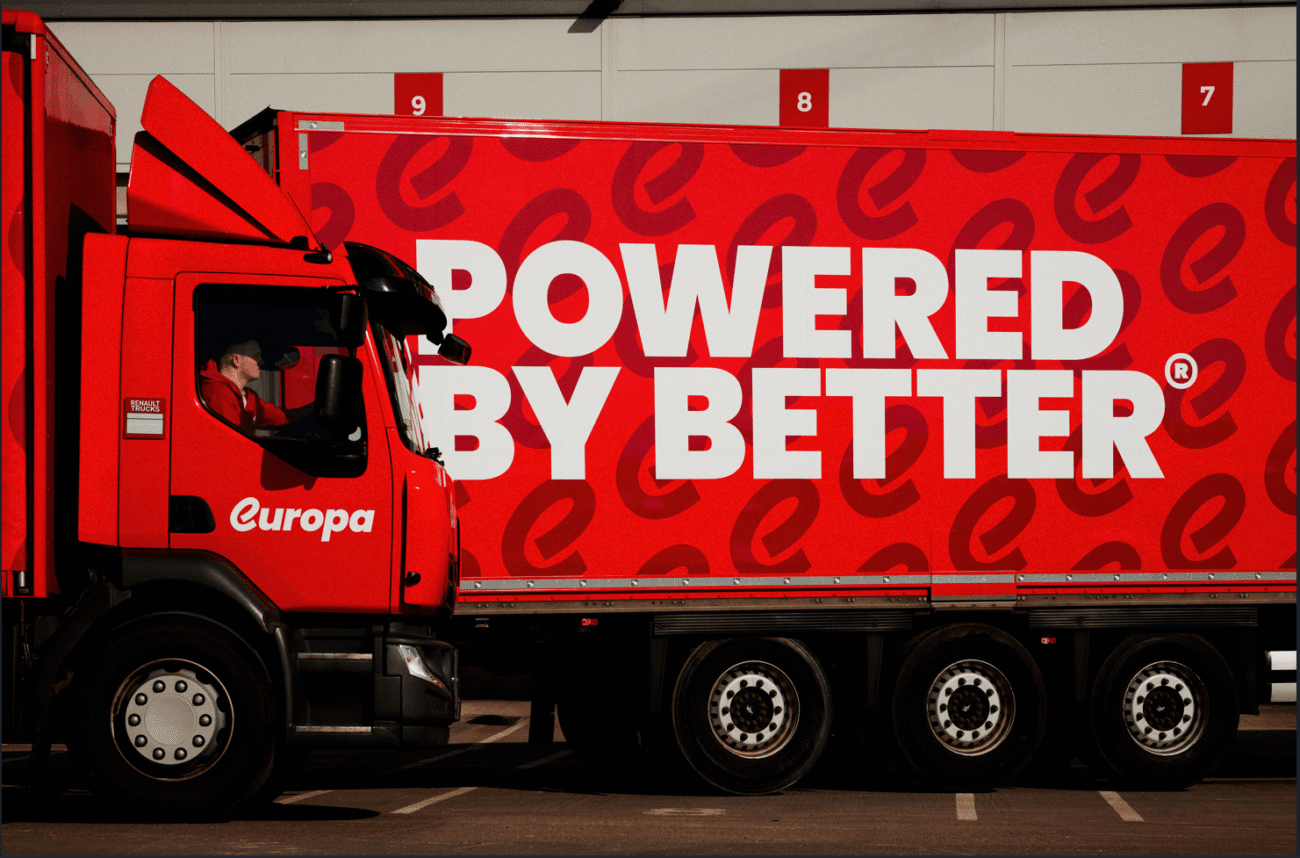
Europa Road, part of Europa Worldwide Group, has been named one of Duracell’s top global suppliers – and its leading logistics partner across Europe and Africa – in the battery manufacturer’s prestigious Supplier of the Year Awards.

The award recognises Europa Road’s outstanding operational performance, innovation and strategic contribution to Duracell’s supply chain, placing the business among the top-performing suppliers across Duracell’s international network.

Europa Road was recognised for delivering exceptional service standards, cost efficiencies and operational innovation as part of its long-standing logistics partnership with Duracell.

Since the partnership began in 2021, Europa has managed daily full-load collections from Duracell’s distribution and logistics centre in Heist-op-den-Berg, Belgium, delivering products to more than 30 retailers across 120 UK delivery sites with consistently high service levels.

The partnership has also played a critical role in supporting Duracell’s UK go-to-market transformation strategy following Brexit, with Europa leveraging its specialist customs and EU-UK freight expertise to create a streamlined and resilient delivery model.
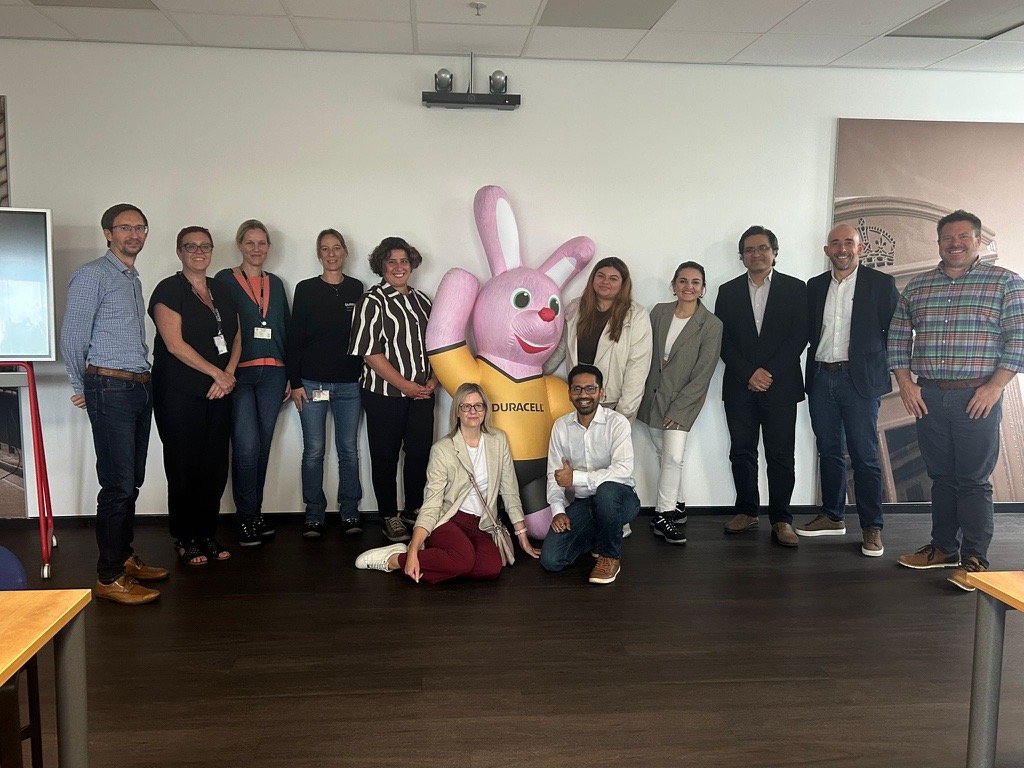
Ana Maria Carvajal, Procurement Senior Director, Duracell Global Indirect, said:

As a strategic logistics partner, Europa has been a cornerstone in supporting Duracell’s Go-To-Market transformation in the UK, playing a critical role in ensuring a smooth and successful transition.

Europa has consistently delivered best-in-class service levels, earning recognition not only from Duracell but from external stakeholders as well. Their proactive approach and close collaboration have led to the development and implementation of sustainable, structural cost-saving initiatives — further demonstrating their value as a trusted, forward-thinking partner.

We extend our sincere thanks to the Europa team for their continued excellence and commitment and look forward to further strengthening the partnership between our companies.

Europa has introduced several operational innovations to support Duracell’s supply chain performance, including redesigning non-stackable pallet configurations into stackable formats and optimising pallet sizes. This enabled the use of larger double-deck trailers, driving a 30% reduction in the cost-per-kilo metric.

Mat Jobson, Regional Manager for Europa Road, said:

We’re incredibly proud to receive this recognition from a globally respected brand like Duracell.

This award reflects the strength of our partnership and the commitment of our teams to continuously improve performance, deliver exceptional service and create long-term value for customers.

By developing a more refined and resilient delivery model for Duracell, we’ve been able to deliver substantial cost savings while maintaining the flexibility needed to support peak retail demand periods.
Retail Group Centralises Logistics Operations

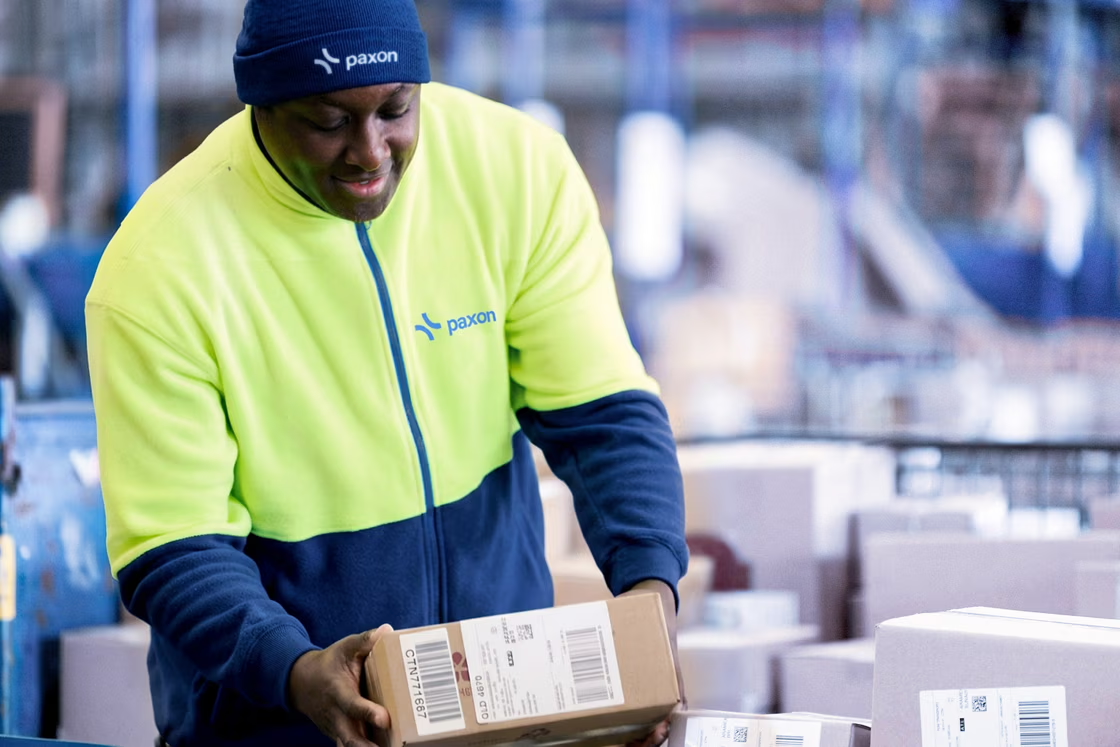
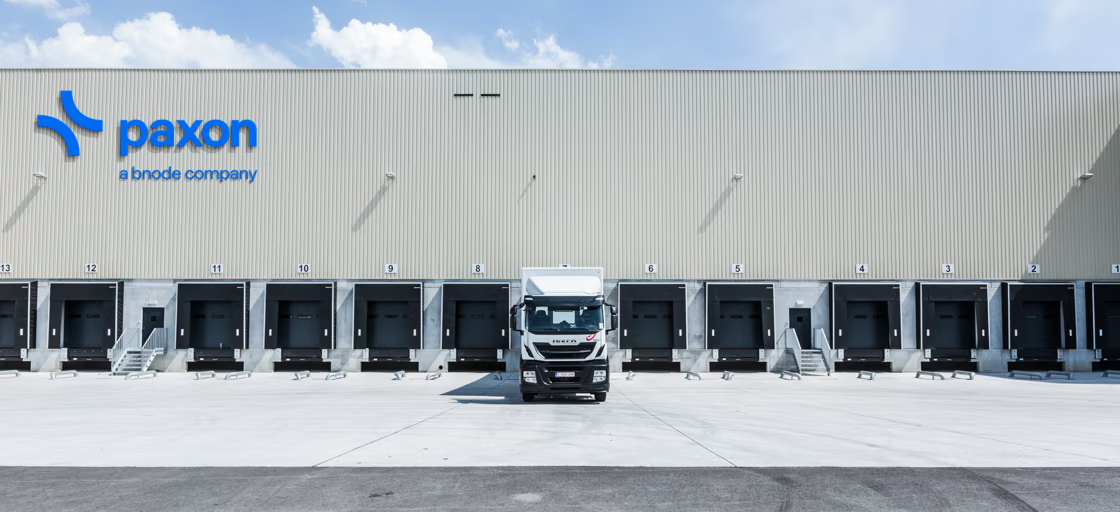
Claes Retail Group, the parent company of brands such as JBC, CKS and Mayerline, announced today that it will centralise its logistics operations with Paxon, part of the logistics group Bnode. These activities will be consolidated in a new distribution centre in Beringen. CRG logistics employees will have the opportunity to transfer as part of the transition.

The decision by Claes Retail Group follows an in-depth analysis of the existing logistics structure and the company’s future plans. Further expansion of in-house logistics operations would require significant investments from Claes Retail Group, both in infrastructure and expertise. “The rapidly changing retail landscape and its many challenges also require expertise and speed in logistics. These are two crucial elements that are currently not achievable at the Houthalen site,” CEO Bart Claes of Claes Retail Group says. ​

Therefore, the company will fully outsource its logistics to Active Ants, becoming Paxon, the brand under which Bnode will soon consolidate all of its logistics activities. Paxon specializes in end-to-end logistics solutions for complex, high-value supply chains, helping brands optimize their logistics operations and distribution.

Maximising job retention

Preserving employment is a key priority. Bart Claes explains.

We are offering our approximately fifty logistics employees the opportunity to transfer to Paxon as well. In line with Collective Labour Agreement No. 32bis, this transfer will take place automatically, ensuring the continuity of their employment. This also allows us to retain as much knowledge and experience as possible. We deliberately chose a solution that allows them to continue developing within a specialised logistics environment… By choosing a new distribution centre in Beringen, Claes Retail Group also remains firmly anchored in Limburg.”

End-to-end solution through Paxon

Under the new partnership, the logistics flows of the various brands such as JBC, CKS and Mayerline will be consolidated into one centralised model. A new distribution centre in Beringen will be operated by Paxon.

With this development, we are taking our existing partnership with Claes Retail Group to the next level… They will benefit from a tailor-made end-to-end solution for their entire supply chain. We will manage the full range of logistics processes for their brands, allowing them to further strengthen their core business. This will be done in close collaboration. It’s a strong example of how all our logistics services, brought together under the Paxon brand, complement each other.

says Rainer Kiefer, CEO 3PL Europe & Staci Americas at Bnode.

The transition to the new logistics structure will be implemented in phases to ensure operational continuity. The first implementation phases will start in autumn 2026, with full integration planned by spring 2027. With this step, Claes Retail Group confirms its ambition to operate in a flexible, sustainable and long-term-oriented way within a constantly evolving retail landscape.

Picking the Unpickable

Companies such as Nomagic are really pushing the boundaries when it comes to order picking technology. Peter MacLeod found out more.

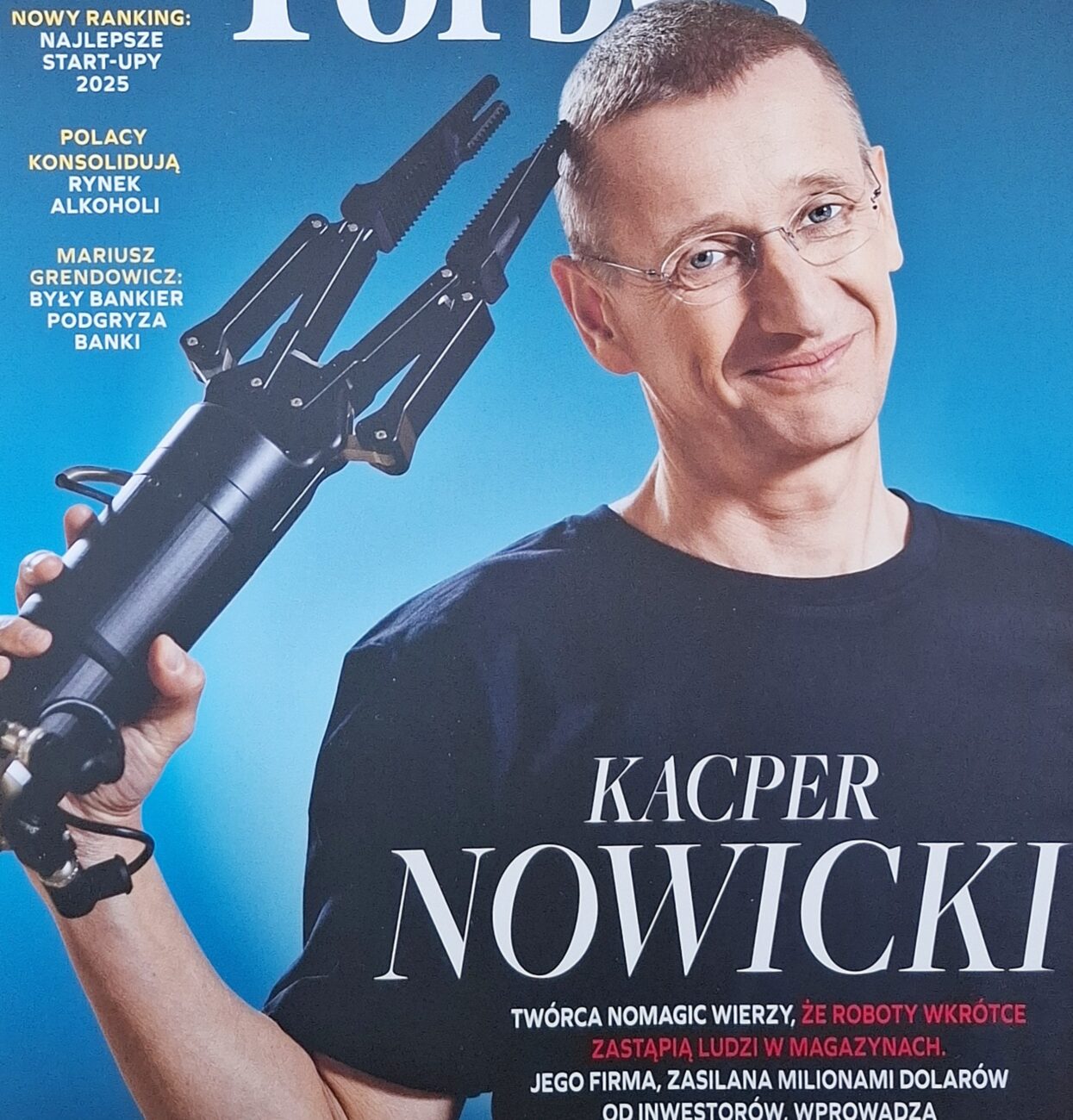
Amid the usual blur of automation demos and bold claims, one presentation in particular cut through with unusual clarity at LogiMAT. Kacper Nowicki (pictured, below), co-founder and CEO of Nomagic, wasn’t just showcasing another robotic picking system. He was making a broader argument: that the next phase of AI is not about better answers on a screen, but about reliable action in the physical world.

That idea – what Nowicki calls ‘Physical AI’ – underpins Nomagic’s latest launch, the IFOY Award-nominated Shoebox Picker, unveiled at the Stuttgart show. On paper, automating shoebox handling might sound niche. In reality, it has long been one of the most stubborn gaps in warehouse automation.

Deceptively Complex

Shoeboxes are deceptively complex. They come in endless variations of size, weight and lid design, and unlike sealed cartons, many are unfastened. In fashion e-commerce, they typically account for around 20% of items – enough to disrupt automation flows if they cannot be handled reliably. Until now, they have largely remained a manual task.

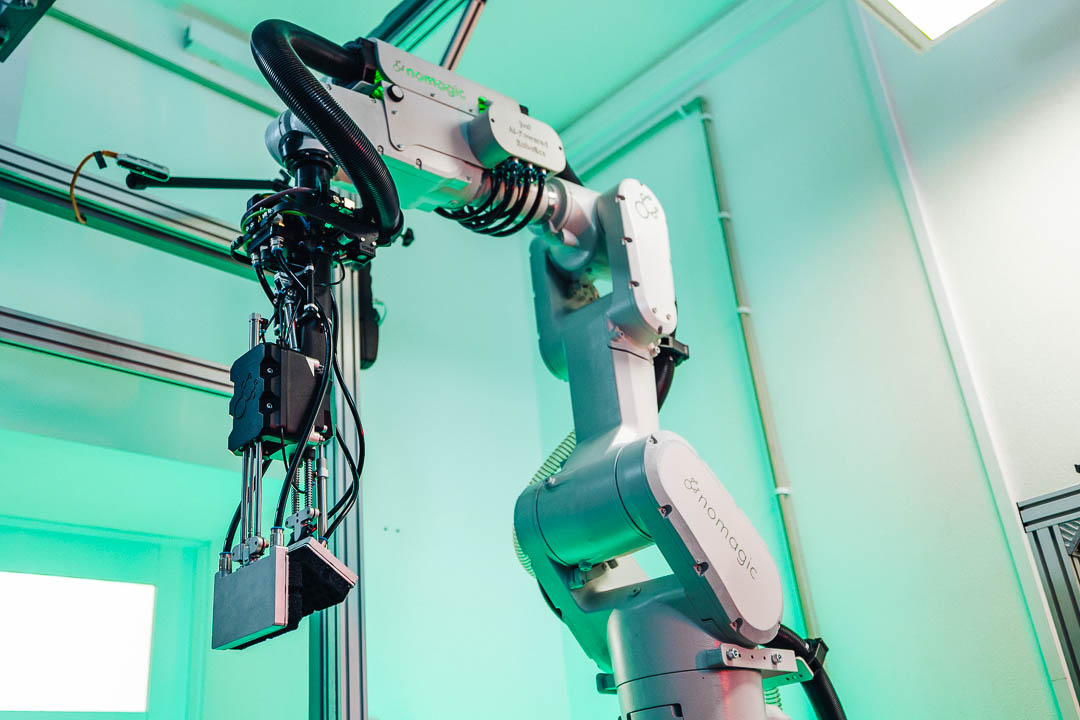
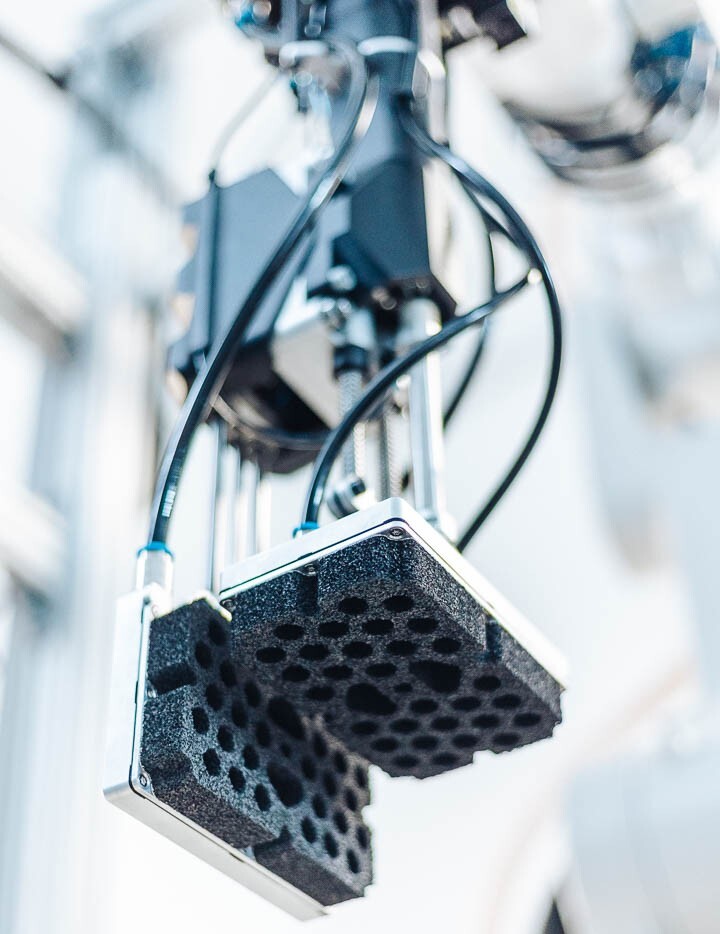
Nomagic’s Shoebox Picker is designed to change that. Combining AI-driven perception with a specialised end-of-arm gripper, the system identifies each box’s characteristics, such as lid orientation, and determines how to pick it securely. The key innovation lies in how it grips: often by a corner or edge, applying controlled pressure to prevent the lid from separating.

The result is a system capable of handling mixed, densely packed bins without requiring items to be pre-orientated or sealed. It can pick both vertically and horizontally placed boxes, achieving throughputs of up to 450 units per hour for shoebox-only operations, and up to 600 units per hour in mixed scenarios. Nomagic claims coverage of more than 98% of shoebox SKUs.

Operational Impact

“The Shoebox Picker is a great example of the embodiment of Physical AI,” Nowicki said during the presentation. “It combines the intelligence of AI with a physical system to solve real-life physical problems.”

What makes this particularly significant is not just the technical achievement, but the operational impact. As Nowicki emphasised, automation in logistics is not judged by novelty, but by return on investment. He outlined three factors that ultimately determine success: utilisation, throughput and reliability.

Utilisation reflects how often a system is used, with robotics typically making most sense in multi-shift operations. Throughput must approach human performance, often exceeding 90% to be viable in space-constrained facilities. But it is reliability, he argued, that remains the real barrier. “If the robot stops every 10 minutes, it’s a toy,” he said bluntly.

This is where many robotics solutions have struggled, caught in what he described as ‘pilot purgatory’ – impressive demos that fail to translate into dependable, large-scale deployment. Warehouses present a near-infinite variety of edge cases: items sticking together, packaging failures, unexpected orientations, badly-placed labels. Handling these consistently is what separates a prototype from a product.

VLA on the March

Nomagic’s approach is to combine highly optimised robotic systems with emerging AI models, including so-called Visual Language Action (VLA) models. These allow robots to interpret visual input, understand instructions and adapt to unforeseen situations – though, as Nowicki acknowledged, they are not yet fast or reliable enough to operate alone in high-throughput environments.

Instead, they are being deployed selectively, particularly for handling exceptions, seemingly a pragmatic step towards more generalised automation.

The Shoebox Picker itself reflects this philosophy: not a humanoid generalist, but a purpose-built tool designed to outperform humans in a specific, high-friction task. As Nowicki noted, humans have always advanced through specialised tools – and warehouse robotics is no different.

Zero Churn

Beyond the technology, Nomagic is also positioning itself as a service provider rather than a hardware vendor. Its systems are delivered via subscription models with SLAs, guaranteeing performance metrics such as uptime and throughput. Customers can opt for full Robot-as-a-Service (RaaS) or purchase hardware alongside ongoing support.

This model appears to be gaining traction. The company reports zero churn across deployed systems, with some robots operating in production for nearly seven years. A recent agreement to scale deployments with Zalando further signals growing confidence from major e-commerce players.

For me, there is also a more personal angle. Nomagic’s headquarters are just around the corner from where I’m based in Warsaw, and it’s not uncommon to see their team grabbing lunch at the same local café. There is something quietly satisfying about watching a company tackle global logistics challenges from such an unassuming, everyday setting.

That blend of ambition and pragmatism was evident throughout Nowicki’s presentation. In an industry often drawn to futuristic visions of humanoid robots, Nomagic is taking a more grounded route – focusing on the hard, messy realities of warehouse operations.

Subscribe

Get notified about New Episodes of our Podcast, New Magazine Issues and stay updated with our Weekly Newsletter.