SIL Barcelona to Showcase Innovations & Startups

SIL Barcelona, the leading Iberian trade fair for logistics, transport, intralogistics and supply chain management organised by the Consorci de la Zona Franca de Barcelona (CZFB), will become from 3 to 5 June the main showcase for the latest innovations applied to the logistics sector. This will be achieved through the more than 160 new developments that participating companies will present on site at the 28th edition of the fair, as well as through the participation of nearly 80 startups showcasing all kinds of solutions aimed at addressing the technological, sustainability, energy and talent challenges facing the logistics industry.

Air logistics using drones in airport and urban environments, artificial vision systems on cranes for ship loading, fully electric loading docks, energy communities and smart grids in logistics parks, 100% recyclable agricultural fibre pallets, customised charging points for electric vehicles, automated measurement systems for bulky goods, conversational Artificial Intelligence for logistics decision-making, and AI applied to human capital transformation to ensure generational renewal in road transport, are among the solutions that can be found at this year’s fair.

In the words of Pere Navarro, Executive Chairman of the CZFB and President of SIL Barcelona:

“these are just some examples of the more than 160 innovations that will be presented over the three days of SIL Barcelona. In this edition, the countless applications of Artificial Intelligence in the logistics sector will undoubtedly stand out, but also other types of technological, sustainable and energy efficient solutions, which are increasingly being seen in logistics environments.”

All these innovations will be eligible for the SIL 2026 Best Innovation Award, which will be presented during the fair. The jury will be made up of journalists from specialised logistics and transport media.

Investor Day

Meanwhile, close to 80 startups will present their innovative solutions applied to the logistics sector at SIL Barcelona. These emerging companies will be located in the Startup Meeting Area, where they will be able to share their solutions with exhibitors and visitors. This space will be located next to the stand of the Logistics 4.0 Incubator, promoted by the Consorci de la Zona Franca de Barcelona, in collaboration with the Incyde Foundation. The 21 selected startups will have the opportunity to present their projects in a pitch format to a specialised audience and will be eligible for the Best SIL 2026 Startup Award.

Blanca Sorigué, General Director of the CZFB and of SIL Barcelona, points out that:

“startups are gaining increasing acceptance among logistics-consuming companies. At least, this is what has been expressed by the directors of these visiting companies at SIL Barcelona who took part in the Barometer of the Círculo Logístico. 66.4% of these professionals view positively the possibility of hiring or outsourcing services to startups specialised in logistics. In fact, 26.2% already collaborate with one of them, a figure that surpasses the 24.8% who stated they did so last year. At SIL Barcelona, they will have the opportunity to discover new solutions that may fit into their projects”.

As a new feature of this edition, the pitches will take place as part of the Investor Day, an event that will bring together the main players in the entrepreneurial ecosystem to foster innovation and collaboration opportunities. The programme will kick off with an investor session analysing trends, investment criteria and market challenges, followed by the presentation of the projects. The finalist startups competing for the award are: Beyond Reality AR, Bluepoint AI, ControlT, Ddigital Warehouse, Dronomy, DS4T, Elevenais, Greenpath Logistics, IA Drivers, IberMove, Kamport, Logistics WMS, MAR Technologies 5.0, Methanol Reformer, Multidepot, Netretina AI, OrbisLinks, Signos IoT, Tennders, Urkolitics and Vanguard Technology & Innovation. Finally, the closing ceremony will be held, during which the award will be presented.
Heavy Weight Express for Shipments up to 3000kg

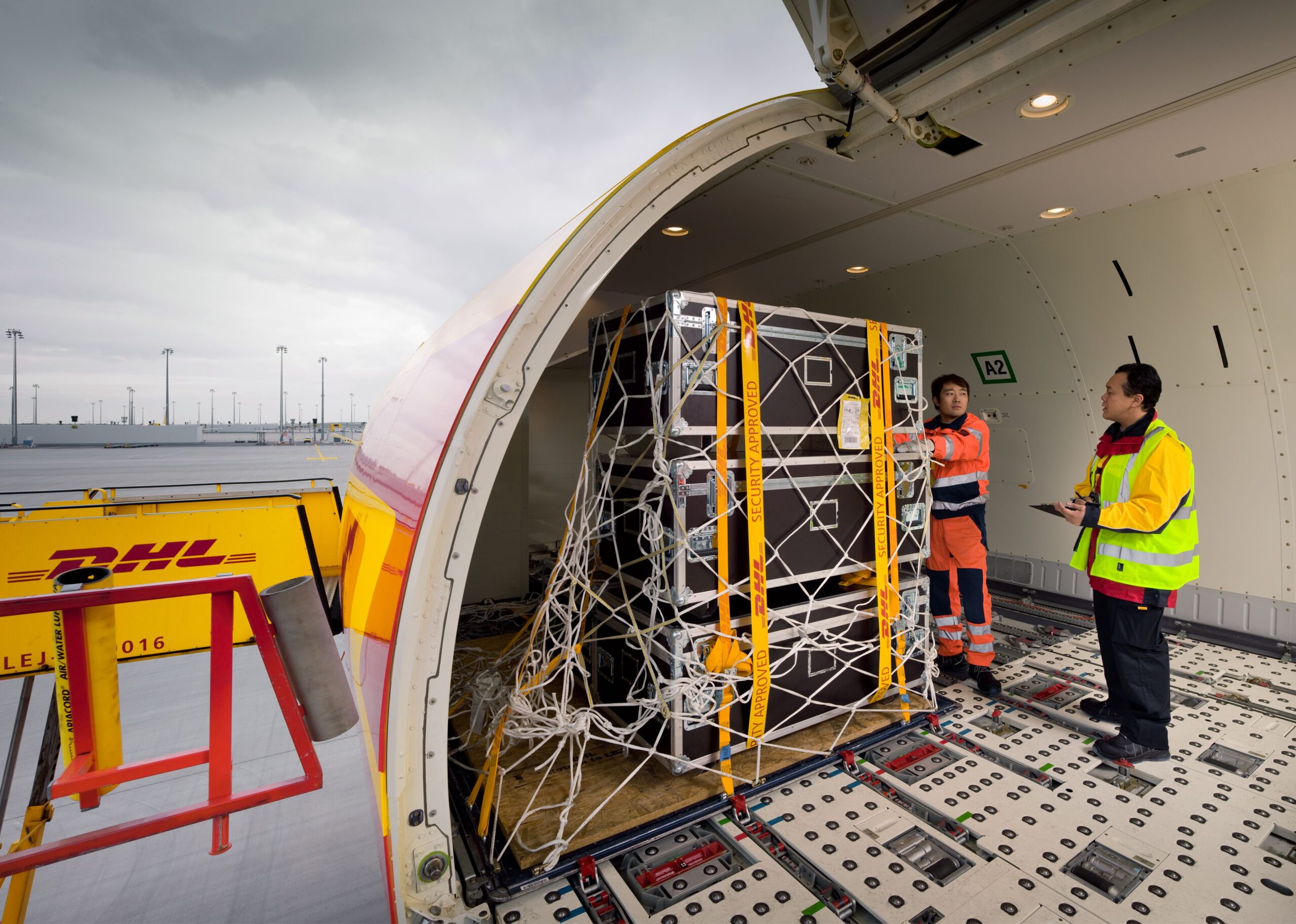
DHL Express today announced the worldwide expansion of its ‘Time Definite International’ portfolio with the introduction of Heavy Weight Express (HWX), an express air solution for shipments up to 1,000 kilograms per piece and 3,000 kilograms per shipment. With this launch, DHL Express strengthens its role as a leading global integrator capable of moving heavyweight cargo with express speed and reliability across more than 220 countries and territories, supported by a dedicated aviation and ground network that ensures stable uplift, predictable transit times, and globally consistent handling standards.

Heavy Weight Express is designed to meet the needs of industries where shipment reliability and timing are critical business drivers. The service integrates fast, time-definite delivery with full end-to-end control, proactive monitoring, and transparent all-in pricing that eliminates the rate volatility and cost uncertainties associated with other areas of freight. Customers benefit from guaranteed express transit times, comprehensive shipment visibility at every stage, and DHL’s uncompromising operational standards, including stringent handling procedures for shock-sensitive, high-value, or regulated goods.

DHL Express CEO John Pearson said:

“Heavy Weight Express represents a strategically important step for our business, expanding the value that DHL Express brings to global supply chains. As industries face rising volatility, increasingly complex production cycles, and significant financial exposure from delays and supply chain disruption, our ability to offer express-level speed, access to capacity and higher reliability for shipments up to 3,000 kilograms fundamentally changes the service levels that customers can expect from their logistics provider.”

The introduction of HWX is supported by the introduction of dedicated Heavy Weight Priority Desks around the world. These specialized teams are responsible for proactive tracking, early exception detection, real-time intervention, and direct communication with customers to ensure uninterrupted shipment flow. Each heavyweight shipment receives dedicated case ownership, giving customers predictability and personal attention often associated with smaller or specialist logistics providers, but with the additional advantage of DHL’s global integrator infrastructure, standardized processes, and 24/7 operational control.

The solution directly addresses six critical heavyweight use cases observed across global industries: avoiding production downtime, managing program and product launches with immovable timelines, optimizing working capital by reducing inventory buffers, supporting procurement-driven large-scale shipping environments, complying with stringent special handling requirements, and stabilizing complex multi-site supply chains. These use cases are especially prominent in the technology sector, automotive manufacturing, engineering and machinery, life sciences, pharmaceuticals, and the oil and gas and energy sectors – industries where even small delays can result in severe financial impacts.

Reducing shippers’ dependence on fluctuating airline capacity and removing the cost variability of add-on fees and handling surcharges, HWX offers customers the stability of a single carrier from pickup to delivery. DHL Express manages its own aircraft fleet, hubs, gateways, customs operations, and last-mile delivery — providing customers with predictability even during periods of global disruption or limited air capacity.

New Distribution Centre and AutoStore Solution

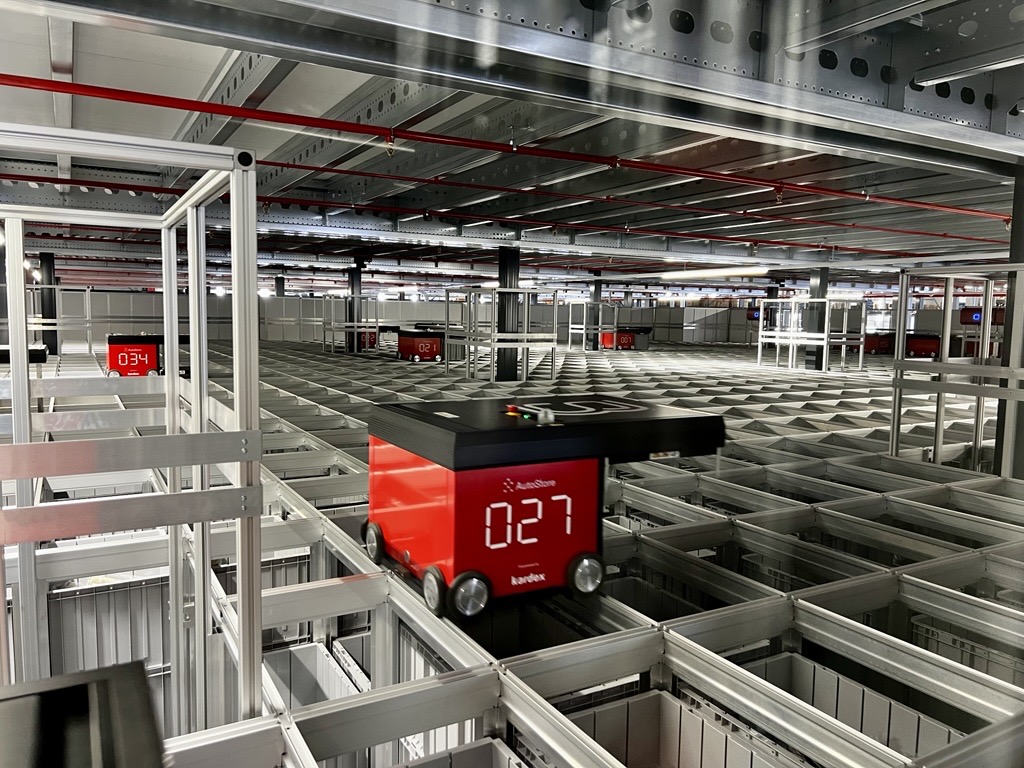
Bleckmann has officially opened a new distribution centre in Roosendaal, the Netherlands. As part of its continued investment in innovation and growth, the facility also marks the ‘go-live’ of a new automated storage and retrieval system (ASRS), the integrated AutoStore solution with automated packing.

The expansion underlines Bleckmann’s commitment to building future-ready logistics hubs across Europe, while addressing labour scarcity and meeting the growing demand for faster, more efficient fulfilment.

Less space, more speed

The newly launched AutoStore system provides a streamlined alternative to traditional rack storage, using up to seven times less space while dramatically increasing storage capacity. This enables more SKUs (from multiple customers) to be stored simultaneously and reduces the risk of stock shortages.

Items are retrieved by radio-controlled robots, eliminating manual picking and significantly accelerating processing. “From the moment a product enters the AutoStore until it leaves the warehouse in a carton, it will have only been touched by a single pair of hands”, explained Mark de Graaf, project manager at Bleckmann. “This reduces the time between order receipt and dispatch by up to 60%.”

An integrated, scalable solution

The Roosendaal site features not only AutoStore, but also an advanced conveyor system, carton erectors, and an autonomous packing line with carton height reduction. This integrated solution allows Bleckmann’s clients to benefit from later cut-off times for next-day delivery, intelligent demand forecasting, and faster dispatch of top-selling items during peak periods. “The AutoStore system is designed with flexibility in mind”, said Kevin Paindeville, director warehouse solutions and innovation at Bleckmann. “We can start with a basic set-up and expand it quickly when clients need extra capacity – for example, during Black Friday – without disrupting operations.”

Lights-out logistics and sustainability gains

The AutoStore technology also contributes to sustainability. Ten robots consume the same amount of energy as a household vacuum cleaner, and they can operate in the dark, enabling additional energy savings. The system also minimises picking errors, improving overall quality and efficiency.

A milestone in growth strategy

With the opening of the new Roosendaal DC, Bleckmann strengthens its position as a leading logistics partner in Europe. “We are proud to open this new facility in Roosendaal and bring the AutoStore solution to life here”, concluded Kevin. “This is a milestone in our automation and growth strategy enabling us to make fulfilment safer, greener, and faster for our clients and their customers.”

Bale Arm Crates Maximise Space

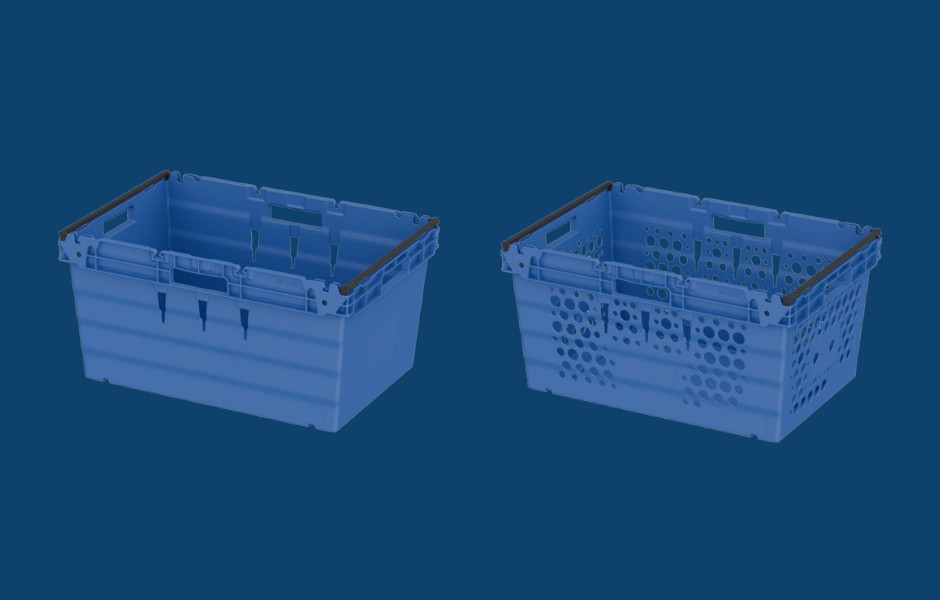
goplasticpallets has expanded a large range of high-quality plastic crates and boxes with the launch of two new bale arm crates, designed to help retailers and fulfilment centres optimise their supply chains and maximise storage space across their facilities. The additions – the largest bale arm crates in the company’s portfolio – provide customers with greater choice as they seek innovative handling solutions for bulkier goods.

The new GoMaxi 64300 bale arm crates are available in both perforated (GoMaxi 64300P) and solid wall (GoMaxi 64300S) versions. Measuring 600mm x 400mm x 300mm, both crates have a volume of 58 litres and are manufactured from durable polypropylene in a vibrant blue, with a 100% recycled material option also available. Designed for robust day-to-day use, each unit has a maximum carrying capacity of 20kg, making them suitable for a wide range of storage, handling and distribution applications.

These two new products are the deepest and largest bale arm crates currently available on the market, making them ideal for handling bulkier items. Despite their generous capacity, they offer significant space-saving benefits. When not in use, the units can be nested within one another, reducing required storage space by up to 80% on the warehouse floor and during return journeys, compared to traditional stacking containers. This not only improves operational efficiency but also helps to lower transport costs and reduce carbon emissions across the supply chain.

With its perforated design, the GoMaxi 64300P enables increased airflow, making it particularly well-suited for food processing operations and retailers handling fresh produce, as well as for in-store applications. In contrast, the GoMaxi 64300S features solid walls that provide enhanced protection for goods, making it an ideal solution for fulfilment centres storing and distributing larger or more sensitive items.

The new crates are manufactured by Gamma-Wopla and exclusively available to the UK market via goplasticpallets.com.

Dan Starnes, Sales Director at goplasticpallets.com, said: “We have worked closely alongside Gamma-Wopla for many years and we are excited to exclusively offer these two fantastic products to the UK market. We are always delighted to offer our customers access to high-quality, innovative solutions that address real operational challenges.

“These new GoMaxi crates provide a genuine new option for supply chain managers handling larger or bulkier items, helping to optimise storage, improve handling efficiency, and make better use of available space across their facilities. This is absolutely crucial as the cost of warehouse space increases. We are seeing growing demand for bale arm crates, folding large containers and sleeve packs, and we will continue to expand our range to support our customers with practical, space-saving solutions.”

Driving Energy Efficiency in Conveying

As companies across the globe intensify efforts to reduce carbon emissions, intralogistics operations are coming into sharper focus, writes Sascha Goly, Global Segment Manager Logistics & Sports of Forbo.

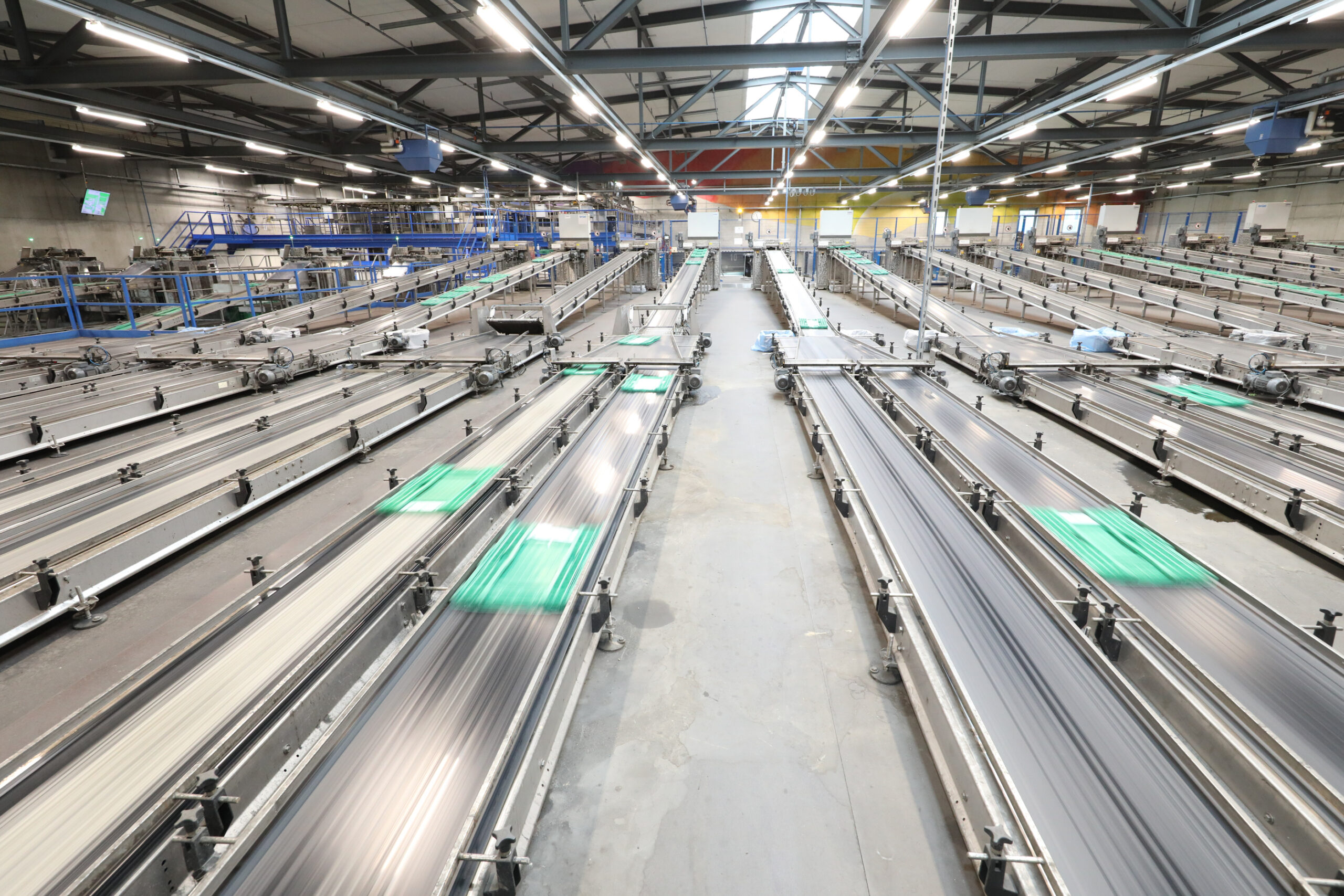
While sustainability initiatives have often concentrated on transport and buildings, conveyor systems in warehouses and distribution centres represent a significant, and often underestimated, opportunity for energy savings.

Running continuously and forming the backbone of material flow, they offer clear potential to improve both environmental and operational performance. With increasing pressure from regulatory frameworks and corporate sustainability targets, even incremental efficiency gains are becoming more relevant.

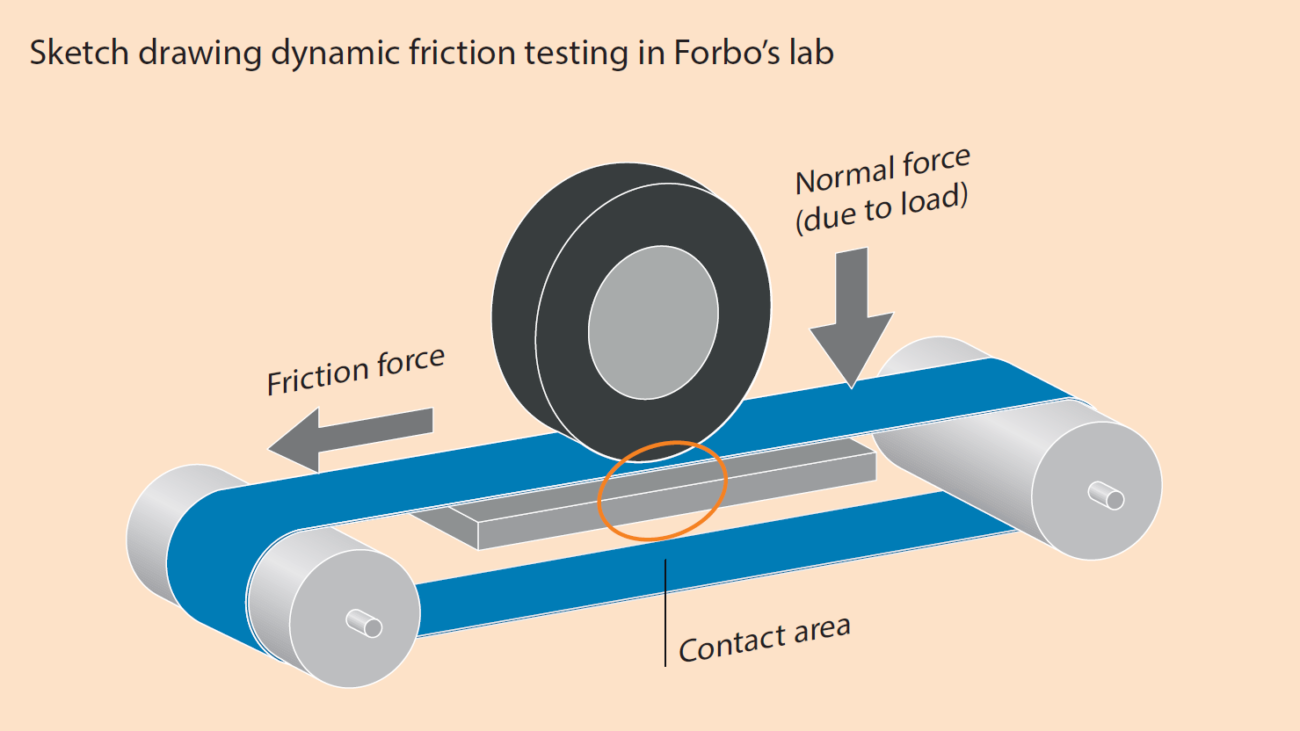
The energy consumption of belt conveyor systems depends on multiple factors, including the design and condition of mechanical and electrical components. Drive systems, control strategies, and maintenance practices all play a role. However, one of the most influential contributors is friction – specifically between the conveyor belt’s underside and the slider bed. In many applications, this contact accounts for a substantial proportion of the total energy required.

Reducing this friction is therefore a direct and effective way to lower energy demand. By optimizing the belt underside, the friction coefficient can be significantly decreased, reducing the required drive power. Importantly, such improvements can typically be implemented without modifying the conveyor system itself. In many cases, replacing belts is sufficient to realize measurable efficiency gains, making this a cost-effective optimization approach for existing installations.

In long conveyor systems or applications with heavy loads – common in large distribution centres – energy savings of up to 50% can be achieved under optimized conditions. At the same time, reduced resistance enables smoother operation and can allow for higher belt speeds, supporting increased throughput. This combination of lower energy consumption and improved performance is particularly relevant in high-volume logistics environments.

Reduce Friction

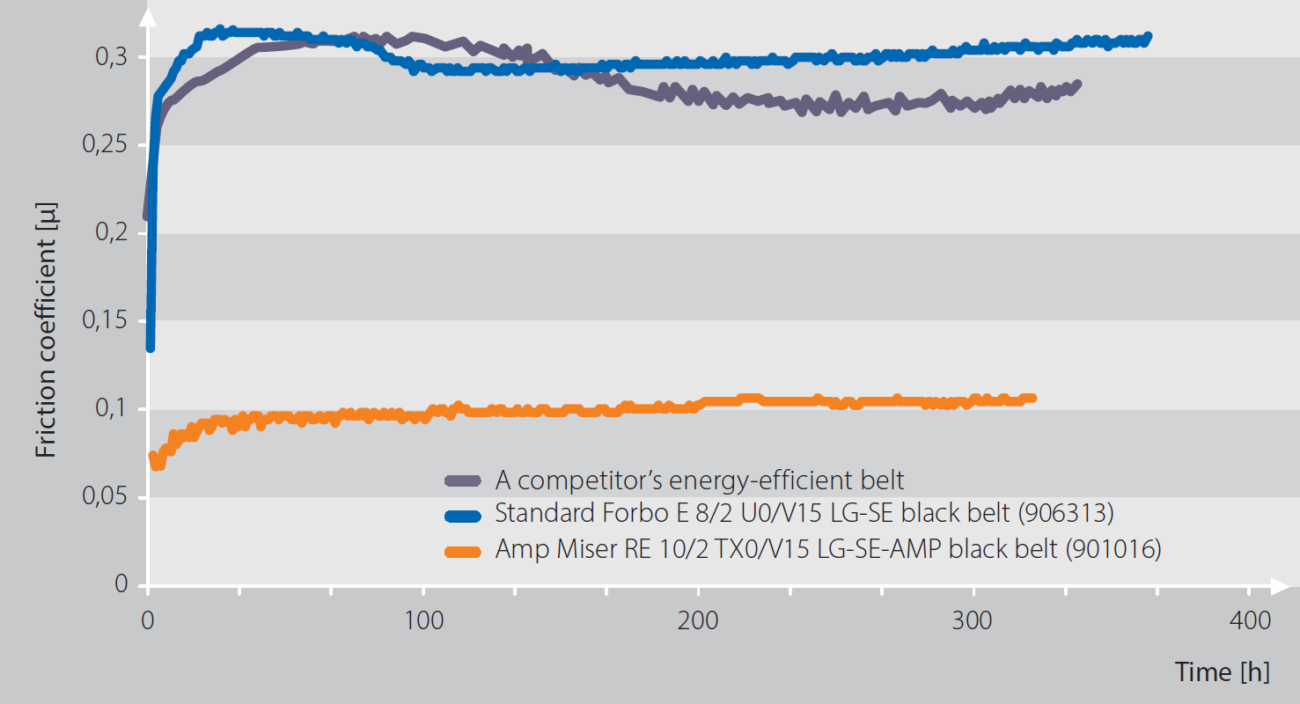
Under standardized test conditions, the conventional conveyor belts of belting solutions provider Forbo Movement Systems show friction coefficients comparable to those of competitors’ energy-saving belts. This indicates that a relatively high level of efficiency can already be achieved with standard belt designs, providing a solid baseline for further optimization.

For further reduction of friction, technologies such as Texglide are applied on Forbo’s energy-saving belts. Texglide is a compound embedded directly into the underside fabric of the belt, designed to create a smooth, low-resistance surface. As it is integrated into the belt structure, its effect is maintained over time, ensuring consistently low friction between the belt and the slider bed.

Such solutions are already in use in large-scale logistics environments with high throughput requirements, including major e-commerce companies and leading parcel and postal service providers. In these operations, even small efficiency improvements can result in significant energy and cost savings over time.

Lower friction also has secondary technical effects. Reduced resistance can lead to lower heat generation in motors, bearings, and other drive components. This decreases mechanical stress and can contribute to longer service life for key system elements. In turn, maintenance intervals may be extended, and the risk of unplanned downtime reduced. From a total cost of ownership perspective, these factors are highly relevant, particularly in operations that depend on continuous system availability.

In addition, improved efficiency can support higher throughput. Smoother belt operation and the potential for increased speeds allow more goods to be transported within the same timeframe. This is especially important in sectors such as e-commerce and parcel logistics, where throughput requirements continue to rise and system performance directly impacts service levels.

Overall, optimizing conveyor belt friction represents a practical and scalable approach to improving energy efficiency in warehouse and logistics systems. It enables measurable reductions in energy consumption while supporting performance and system longevity – without requiring extensive infrastructure changes.

On Another Level

Warehouses have fixed dimensions and there is pressure to maximise the usable cubic storage space. Adding mezzanine levels can help achieve that. David Priestman speaks to a flooring expert.

“We follow the customers, who are mainly systems integrators,” Bart Pulles, Operations and Sales Manager for MiTek in Germany told me during LogiMAT Stuttgart. Celebrating ten years in the German market this year, MiTek supply steel mezzanines (both hybrid and cold-formed systems), steel platforms and support structures to optimise space, particularly important in the drive to automation in distribution centres.

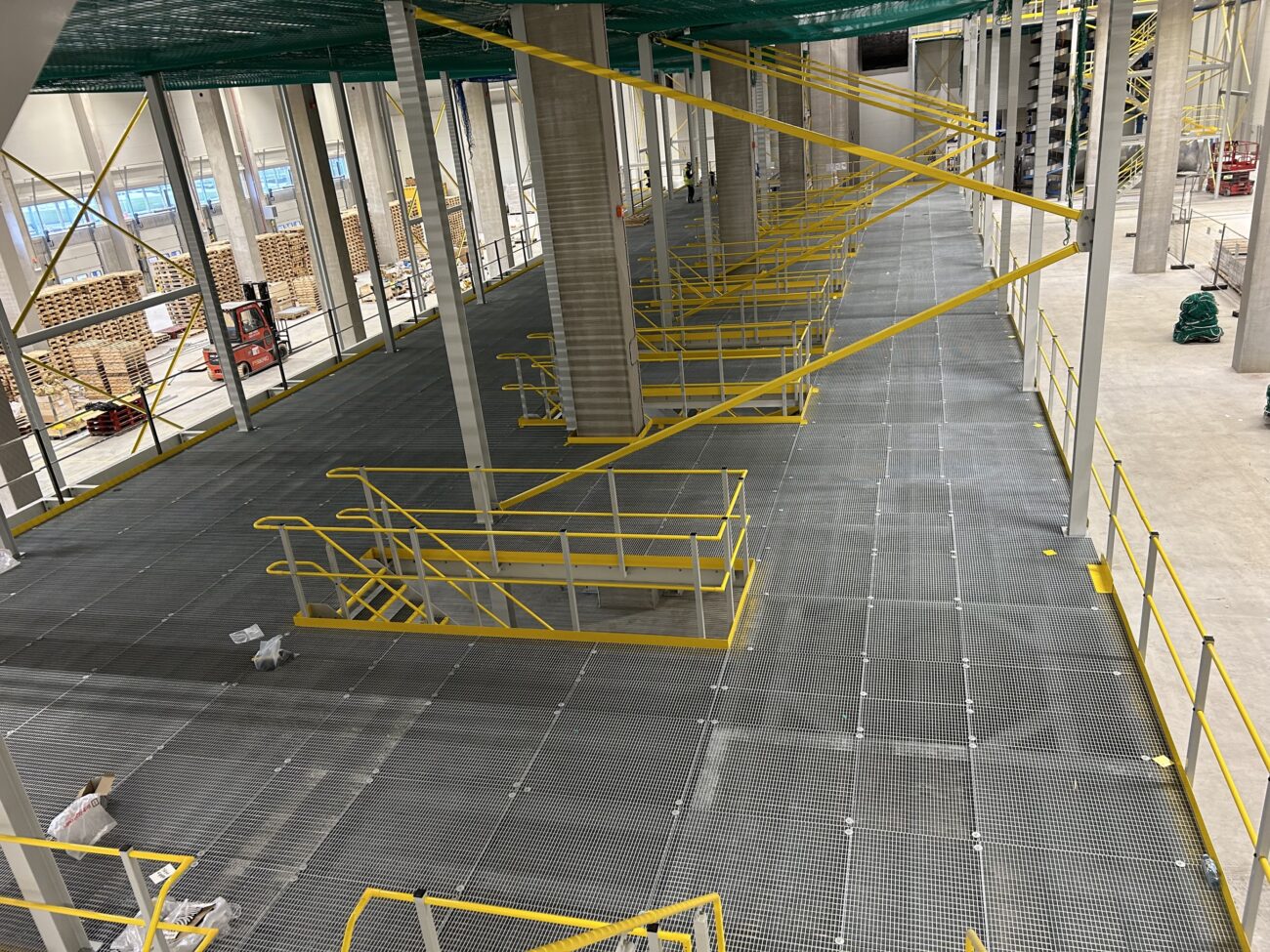
Mezzanines are an intermediate level between the main floors of a building that are designed to create additional space. While often incorporated as part of the design of a new building, mezzanines can also be added to existing facilities as a cheaper, quicker and less disruptive means of creating more space than modifying the building itself or moving to larger premises.

Pulles tells me that the company is growing and possibly gaining market share, with recent projects in Czechia, Poland, France, Spain, Germany and in the UK, where the firm is headquartered. On average thirty site installations are completed each year, with a 3-4 month project time. Working with the materials handling integrators, such as Witron, Fortna and Viastore, the mezzanines installed always follow competitive tenders.

“Mezzanine floors are very useful for pallet conveyors, where we aim to reduce vibration, as well as for overhead hanging garment systems. Often, we install different mezzanines in different areas of the DC.” Pulles states. “We only do project installations now, with more engineering and added value.”

Cube Storage Base

MiTek work directly with ASRS experts AutoStore, supplying mezzanines under the grid for the picking tunnel. “We know the requirements for an AutoStore installation so we can tell the integrator what is needed,” Pulles says, referring to over twenty such installations which can either feature a triple stack or positioning the ASRS on top of a mezzanine level, with a minimum 2m clearance height on the top of the grid. “We build fire escape routes on top, plus access for maintenance – all the extras and necessities.”

Component Supply Chain

MiTek, being British, has been partly impacted by post-Brexit export red tape, but the company no longer sources all its material from the UK and uses local European suppliers for steel and timber, as well as local project managers.

What about new build DCs with mezzanines compared to retrofitting existing sites to add new floors? “They’re about 50-50 for us,” Pulles (pictured, below) informs me. “In order to re-fit and add space we have to empty that area of the warehouse first. The mezzanines have a 20 year lifespan, but the need for new materials handling equipment usually comes before that time is up.” The company takes care to align levels with existing signs and exit infrastructure when re-fitting. “The steel is all free-standing so it’s possible to take it all down as there’s no concrete.”

On to the Next Level

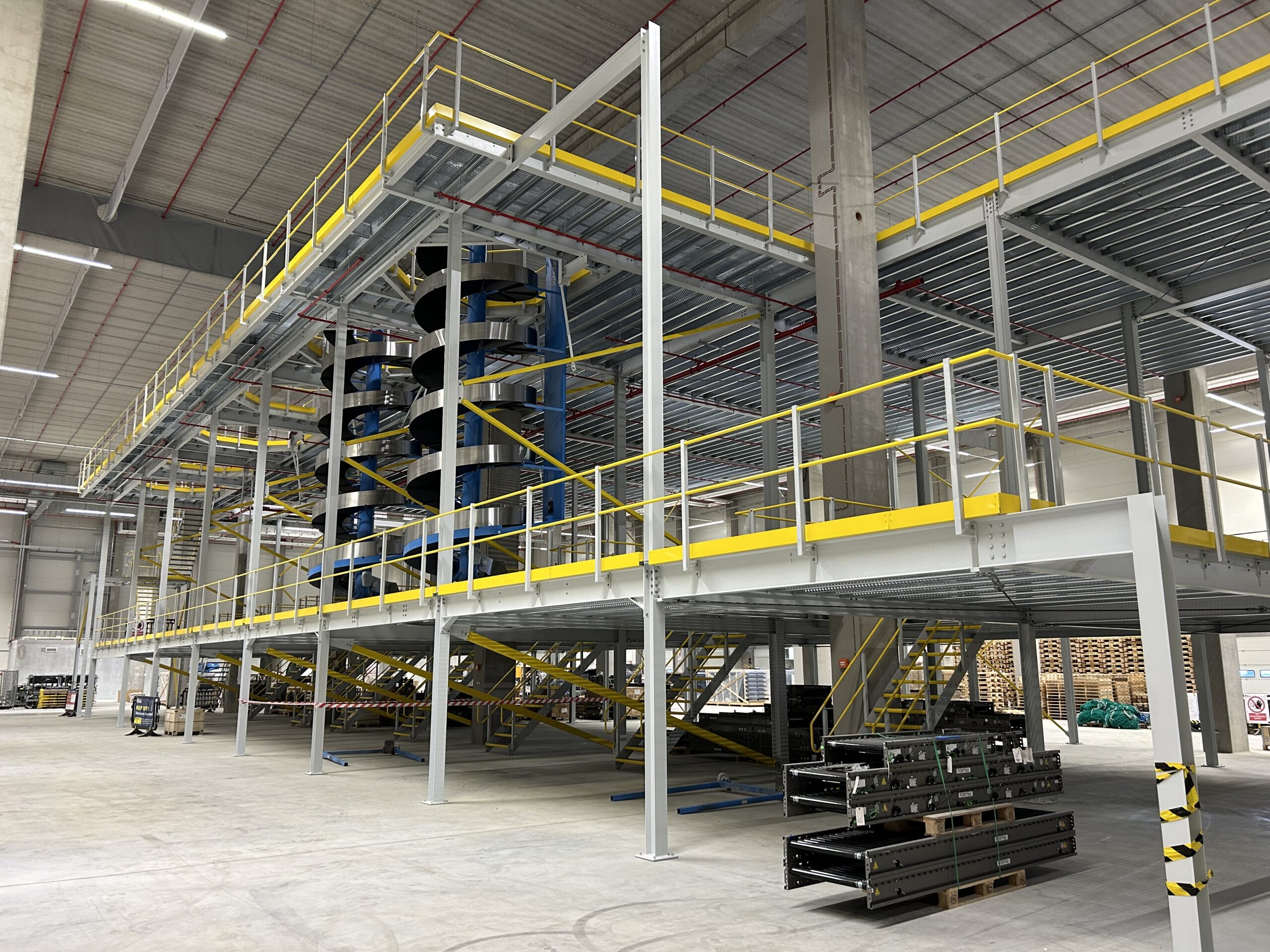
Probably the largest MiTek mezzanine installation so far was for British retailer NEXT, a complex project totalling 100,000sq.m. and reaching 24m in height with five storeys. Working with integrators Knapp, the MiTek team facilitated the installation of spiral chutes into voids between the floors, engineering special supporting steelwork to help lift in and position the chutes. A key component was the a pallet transfer platform to support conveyors that move pallet loads from the automated store down to operations on the ground floor. This 1800sq.m platform alone featured 400t of steelwork, comprising 3000 beams, 6000 cold-rolled joists and 350 columns.

Humans Still the Integration Layer in Freight Ops

Despite years of investment in digital platforms and AI, freight operations still depend heavily on humans manually connecting disconnected systems, according to a new industry report released by Deep Current, a Germany-based AI company building the pre-operational data flow infrastructure layer for logistics.

“Many logistics organisations continue to operate in environments where workflows are fragmented and require significant ‘human integration layer’ in between more than 5+ systems on average for a typical workflow. Even in 2026, many tech platforms and AI models still depend on this human intervention to deliver results,” said Tamim Fannoush, Founder & CEO, Deep Current AS.

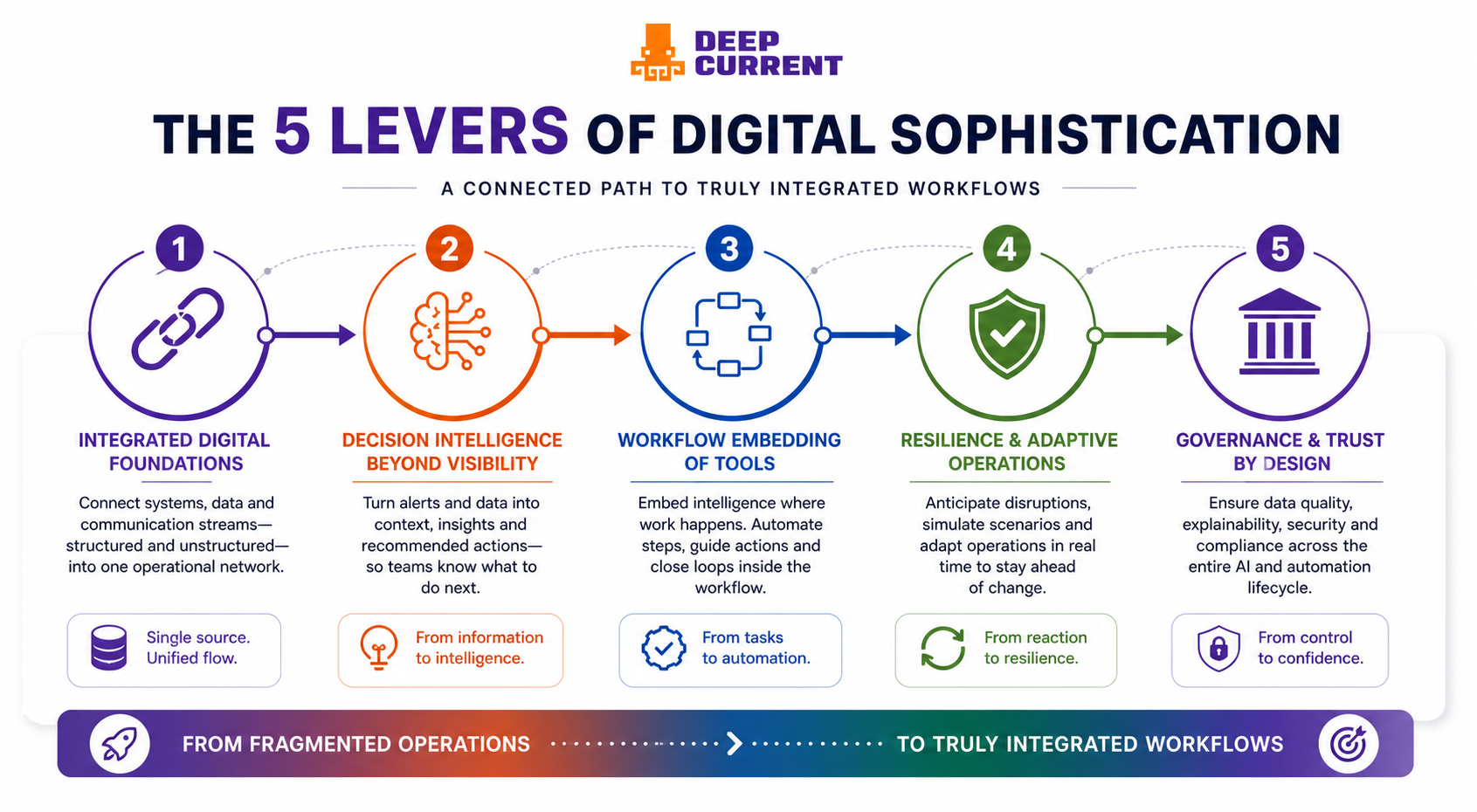
The report, ‘Levers of Digital Sophistication’, examines where logistics AI initiatives continue to break down operationally, despite growing pressure across the industry to scale automation, improve resilience and reduce execution delays.

The study indicates that a large share of the industry still struggles in early stages of operational digitalisation and decision intelligence, where data does not flow seamlessly and automation is not fully embedded into first entry points of data feeding.

Where exactly does the logistics operations break

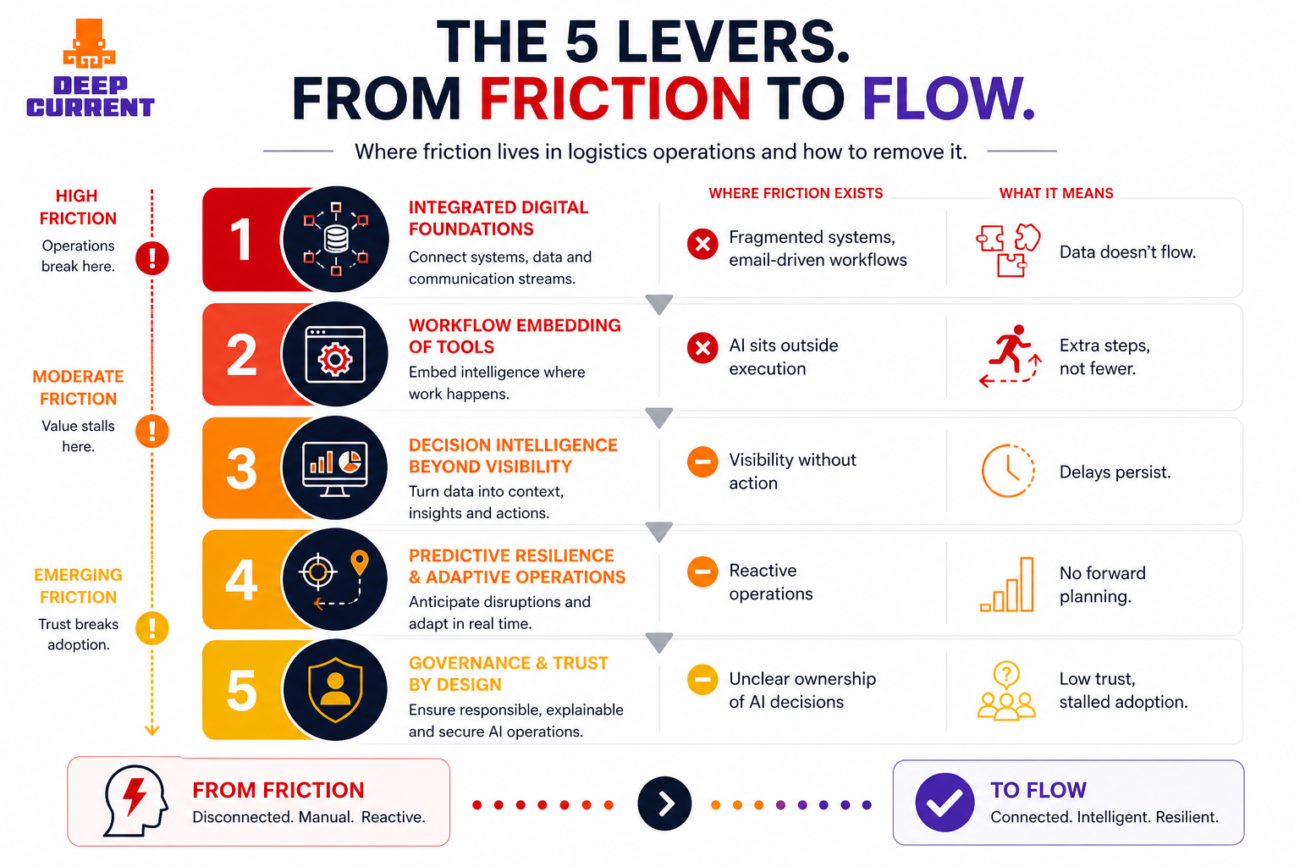
With more than 24 months of project implementation samples studied, varying across mid and large sized logistics sector implementation, we mapped the hot spots of friction that hinders AI integration. The highest friction remains in data connectivity and workflow integration, where systems are still disconnected and AI operates outside execution.

The report found:
• 61% of logistics teams still depend on emails and spreadsheets for operational communication
• 57% report shipment delays caused by document errors
• Only 29% have implemented digital tools across core operational workflows
• 47% cite legacy system integration as the biggest barrier to adoption

Additional operational analysis conducted by Deep Current also found that more than half of logistics operators still re-enter the same shipment data across multiple systems, while nearly half switch between five or more platforms to complete a single workflow. According to the report, the problem is no longer visibility.

Most logistics organisations can now detect disruptions, delays and shipment exceptions in real time. The larger breakdown is happening at the execution layer, where operational teams still manually interpret, validate and move information across fragmented systems.

This gap between digital ambition and operational reality is where most transformation efforts stall.

The report identifies five operational levers shaping digital sophistication in logistics:
• Integrated digital foundations
• Decision intelligence beyond visibility
• Workflow embedding of AI tools
• Predictive resilience and scenario capability
• Governance, skills and human-AI partnership

Together, they outline how organisations move from fragmented execution to truly integrated, AI-driven workflows. Each lever builds on the last, shifting operations from manual interpretation to structured data, from isolated tools to embedded intelligence, and from reactive processes to scalable, resilient systems.

Deep Current argues that many AI initiatives continue to struggle because intelligence is layered on top of workflows rather than embedded directly inside them.

“As long as AI sits outside operational execution, teams still end up doing the integration work manually,” said Fannoush. “Copy-paste workflows, repeated validation and fragmented communication continue to absorb enormous operational capacity across freight.”

The company positions this challenge as a ‘pre-operational intelligence’ problem, where operational breakdowns often originate before execution even begins, at the point where information is created, shared and interpreted across systems.

Deep Current develops AI systems for logistics operations focused on structuring unstructured operational inputs, validating information across sources and enabling clean data flow across workflows. Its product suite includes tools for demand intake, document validation, data extraction and workflow intelligence.

Loading Bays Installed for New Distribution Hub

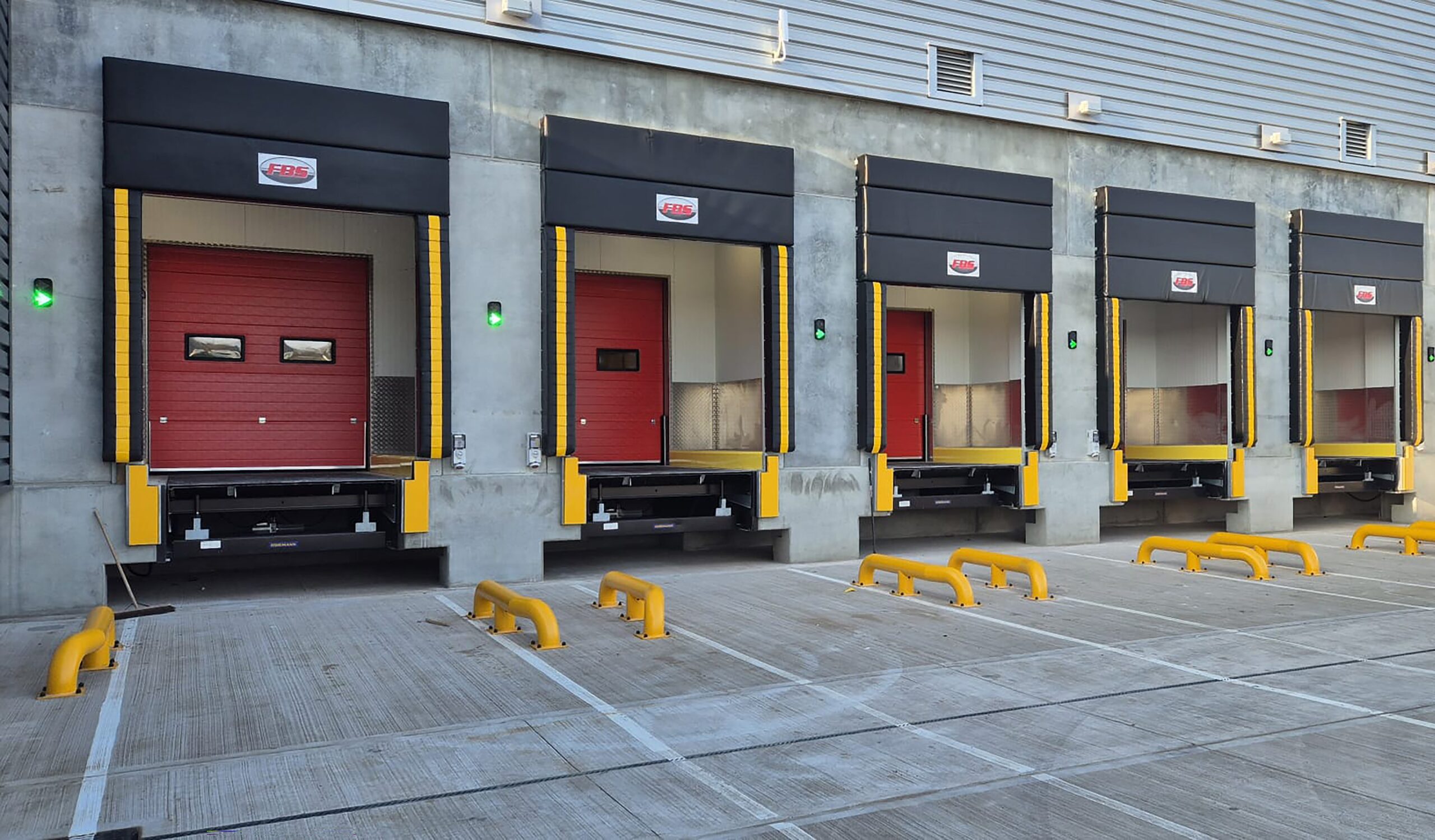
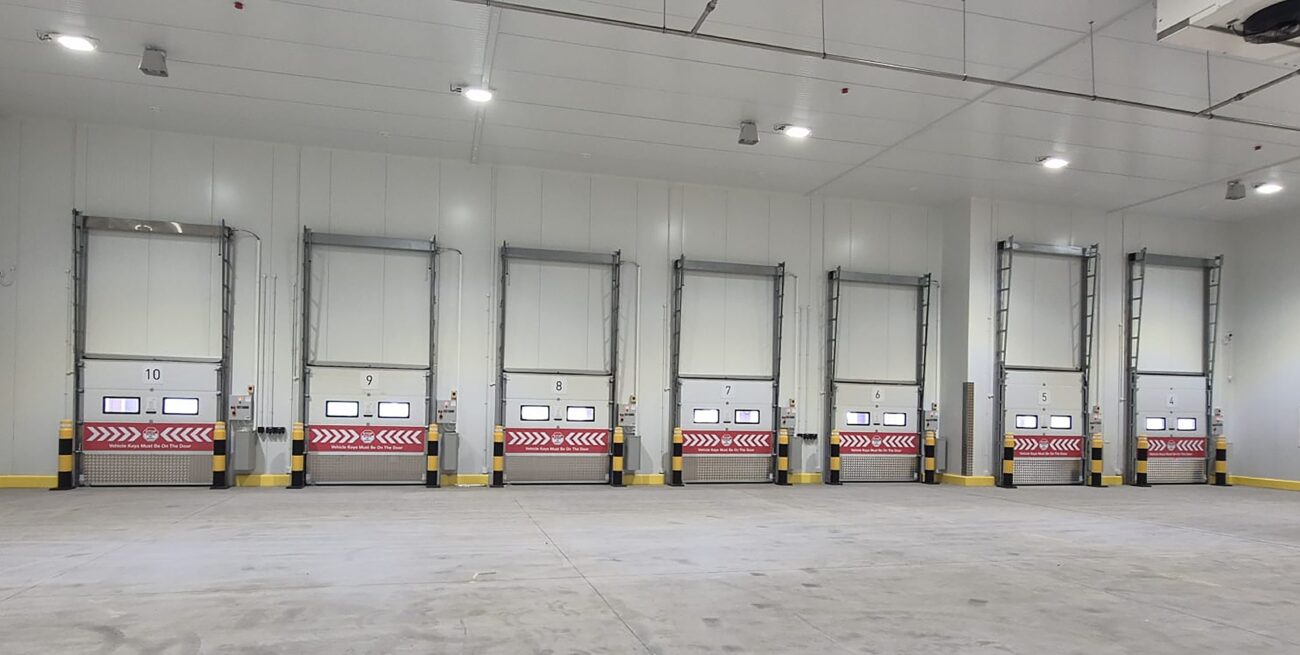
FBS Hörmann UK has successfully completed the installation of loading bays, level access doors, and temperature-controlled door systems at Bidfood’s new distribution centre in Worcester, reinforcing a long-standing partnership between the two businesses. A trusted supplier across Bidfood’s nationwide estate for many years, FBS Hörmann was appointed to deliver a fully integrated solution designed to meet the operational demands of the high-performance facility.

The Worcester project comprised nine complete loading bays, each equipped with Hörmann HTL2 dock levellers and SPU67 fully automated industrial sectional doors and bespoke dock pads and bumpers. The dock pads and bumpers were designed and manufactured in-house by FBS Hörmann specifically to accommodate the varied vehicle types within the Bidfood fleet, ensuring safe, efficient and consistent dock operations while minimising the risk of vehicle and building damage. In addition, a Hörmann SPU67 sectional door was installed to serve a dedicated level access bay, providing greater flexibility for loading and unloading operations.

Internally, FBS Hörmann supplied and installed two Mavicold freezer doors and six Mavipass chiller doors to support temperature-controlled operations within the facility. The high-speed, isothermal Mavicold and Mavipass chiller doors are specifically designed for cold environments, using rapid stacking technology to reduce heat transfer and maintain cold chain integrity. Their robust, frost-resistant construction, combined with a range of safety and control options, ensures reliable, energy-efficient performance in demanding settings.

Well known within the industry, Maviflex joined the Hörmann Group in 2019. Since then, it has continued to expand its comprehensive portfolio of flexible high-speed doors for internal and external applications, engineered to provide rapid automated operation and advanced integrated safety features.

John Aitken, Managing Director of FBS Hörmann, commented:

“Our relationship with Bidfood has been built over many years on trust, performance and a shared commitment to operational excellence. We understand the specific demands of foodservice distribution, particularly within temperature-controlled environments, and the Worcester project demonstrates the value of close collaboration and a fully integrated approach.

The completion of this installation marks a significant milestone with now more than 100 Maviflex high-speed doors having been installed across the Bidfood estate. Many have completed over a million operating cycles, and they have proven to be a true workhorse in challenging environments, consistently delivering reliability alongside low maintenance and repair costs.”

With the installation now complete, FBS Hörmann will continue to support the Worcester depot through its comprehensive aftersales and maintenance services. Backed by an extensive stock holding, the company is well positioned to provide rapid access to replacement parts and fast-turnaround repairs, ensuring minimal downtime and continued operational efficiency.

Deliver Europe Agenda Now Live

DELIVER Europe, an invitation-only event for retail and supply chain leaders, has unveiled its full 2026 conference agenda, as its matchmaking platform officially goes live. This milestone marks the next phase in the countdown to the event, giving confirmed and prospective attendees early access to both the high level content programme and the opportunity to secure curated 1-2-1 meetings ahead of 3+4 June at Taets Event Park, Amsterdam.

The agenda features senior decision makers from some of the world’s most influential retail brands, including Amazon, ASOS, eBay, John Lewis and Nike, alongside leading voices from across logistics, supply chain and technology. Key speakers include Neha Singh, VP Global Supply Planning Transformation at Diageo, Erin Augustine, VP Global Sustainability at Oatly, Dane Percy, VP of Research and Development Petcare, Mars and Kirsty Keoghan, General Manager Fashion & Luxury EU at eBay, bringing retailer led insight to the forefront of the programme.

You can register to attend with this Logistics Business offer here. Our Editor, Peter MacLeod, will be attending again.

They are joined by a strong line-up of innovative solution providers and industry experts, reflecting the breadth and depth of the DELIVER network. Together, they will address the most pressing challenges and opportunities shaping the future of retail, supply chain and logistics, from artificial intelligence and sustainability to digital transformation and next-generation fulfilment.

Stéphane Tomczak, Founder and Chairman of DELIVER Europe, commented:

DELIVER Europe exists to connect the industry’s most influential decision-makers in a highly focused and efficient way. Our curated 1-2-1 meetings are at the heart of this experience — enabling meaningful, pre-qualified connections that drive real commercial outcomes. Combined with a world-class conference programme, this is where partnerships are built and business gets done.

With matchmaking now live, attendees can begin building their personalised meeting schedules, selecting the partners most relevant to their business needs. This curated, pre-arranged 1-2-1 format remains DELIVER’s core differentiator — ensuring every interaction is targeted, valuable and commercially focused.

Taking place in an exclusive, fully hosted environment, DELIVER Europe will bring together over 1,000 senior-level retail and supply chain decision makers, including C- and Director-level leaders, alongside more than 140 innovative suppliers. Attendance is strictly limited to ensure quality connections, high-level networking and a premium experience for all participants.

As anticipation builds, further speaker announcements and session highlights will be revealed in the lead up to the event. DELIVER has a global portfolio of events, including Europe (Amsterdam), America (Las Vegas), the Middle East (Dubai) and Asia (Singapore).

For more information on attending, exhibiting, or sponsoring, please click here

Podcast: The Flexible Fulfilment Future

Are you prepared to take your logistics operations to the next level? In our latest episode, Jamie Spencer from Ocado shares insights into the future of fulfillment. Discover how to bring flexible, scalable automation that meets the ever-changing demands of the market.

In this episode, we explore how use of AI and Autonomous Mobile Robots (AMRs) is transforming logistics and aiding Flexible Fulfilment. Jamie discusses the importance of flexibility and scalability in fulfillment technology, highlighting how these innovations allow businesses to adapt quickly to market changes and consumer needs. Learn about the strategic use of data-driven insights to optimize operations and prevent costly overinvestments.

Why You Should Listen:

  • Enhance Efficiency: Explore how Ocado leverages AI and AMRs to create a responsive and efficient logistics ecosystem.
  • Smart Investments: Learn how to avoid costly overinvestments by adopting adaptable, data-driven solutions.
  • Success Stories: Be inspired by real-world examples of retailers who have transformed their operations with Ocado’s innovative technology.

This episode is essential for logistics professionals and retailers looking to stay competitive in a fast-evolving industry. Gain valuable insights that will help you future-proof your operations and exceed customer expectations.

Listen now to transform your fulfillment strategy and lead the way in logistics innovation!

Subscribe

Get notified about New Episodes of our Podcast, New Magazine Issues and stay updated with our Weekly Newsletter.