Seeing the Unseen

Peter MacLeod interviews an expert in LiDAR to learn more about its growing role in industrial automation.

LiDAR may be most closely associated with autonomous vehicles, but its roots in industrial automation run far deeper. As Glen DeVos, CEO of MicroVision, explains, the technology has been quietly enabling safe and efficient material handling for decades, but is now entering a new phase of rapid evolution.
“LiDAR has been used in industrial with AGVs and AMRs for many, many years,” says DeVos. What has changed, however, is the pace and complexity of automation within warehouses and logistics environments.

“There’s this increased level of automation that’s occurring in that space now,” he continues. “The warehouse environment is more complex than ever, especially as we try to drive efficiencies and the speed of operations.”

Growing Complexity

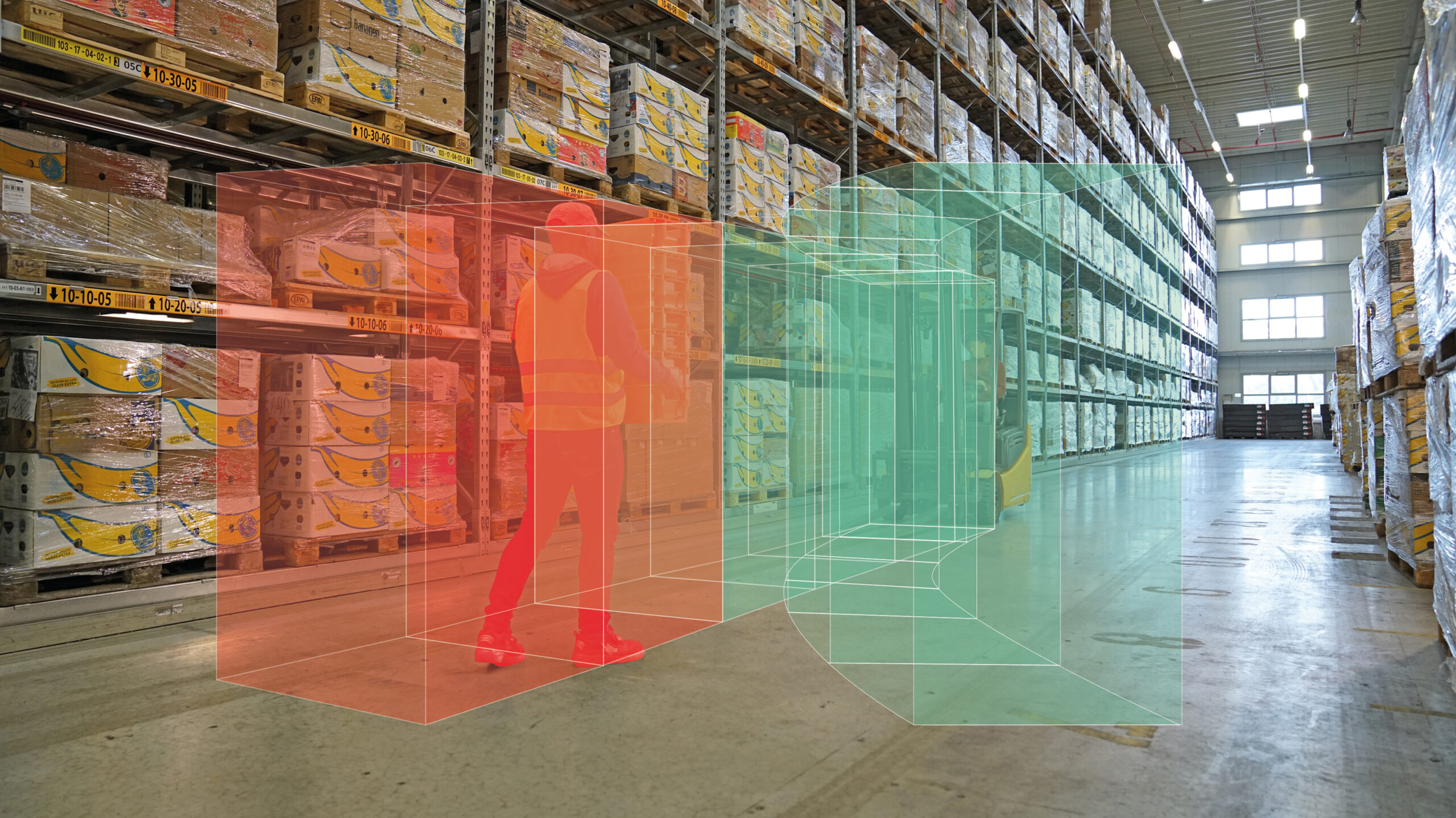
This growing complexity is not just about throughput, but also safety. Warehouses are dynamic and unpredictable environments where people and machines coexist. For DeVos, the priority is clear. “The primary challenge is detection of pedestrians,” he says. “A pedestrian accident can be very significant… so pedestrian detection, broadly speaking, is probably the most critical.”

Beyond that, the list of challenges is extensive – poor lighting, unexpected obstacles, overhanging loads and debris on the floor all contribute to an environment that demands highly capable perception systems. “It’s really all of the above,” DeVos notes, underlining the need for systems that can not only detect objects but also interpret them correctly.

3D LiDAR

This is where the transition from traditional 2D scanning to 3D LiDAR becomes transformative. “When you think now about going to a 3D scanning type of sensor, that gives you just a much, much richer perception model of the environment,” he explains. “You can suddenly see – it’s not just an ankle, there’s a person there.”

The implications are significant. A richer perception model enables more advanced automation tasks, from precise load handling to dynamic navigation in mixed environments. It also opens the door to greater operational efficiency, as systems can better understand and respond to their surroundings in real time.

MicroVision’s approach goes a step further by embedding perception software directly into the sensor. This on-board processing capability reduces integration complexity and allows faster decision-making at the edge. “It sees the point cloud; it’s interpreting what it’s seeing now,” says DeVos. “It can identify people, racks, objects, and then determine what action to take.”

For system integrators and OEMs, this flexibility is critical. Some require raw data for their own software stacks, while others prefer a more complete, ready-to-deploy solution. “We support both,” DeVos tells me, reflecting the diversity of the industrial automation market.

Another key enabler of wider adoption is the shift to solid-state LiDAR. By eliminating moving parts, these sensors become more compact, robust and cost-effective. “The move to solid state is really the critical piece,” he says. “We want the sensor to do more, but we want it to be at a much lower cost to the end users.”

Retrofit Possibility

Lower costs are particularly important when considering the vast installed base of manually operated forklifts. Unlike fully automated systems, this segment presents a significant opportunity. “You have millions of forklifts in the field that don’t have these systems,” DeVos (pictured, below) explains. “That opens up the possibility of retrofits for existing fleets.”

The benefits are immediate and tangible. “The first objective is just fewer accidents,” he says, pointing to statistics suggesting that 10–11% of forklifts are involved in an accident each year. “That’s a massive number.” Reduced downtime and improved safety culture follow as secondary gains.

Looking ahead, DeVos anticipates a steady increase in sensor deployment across both new and existing facilities. In highly automated, ‘lights out’ environments, the focus will be on maximising efficiency through dense sensing. In more traditional operations, the emphasis will remain on safety and incremental automation.

Ultimately, the direction of travel is clear. “The more you can perceive, the better you can orchestrate and you can control,” he says. As costs continue to fall and capabilities expand, LiDAR is set to become an increasingly ubiquitous presence across industrial environments – not just as a safety feature, but as a foundational technology for the next generation of logistics automation.

Want to hear more about this subject? Listen to our podcast with MicroVision here
Warehouse Property – Essential Partnership

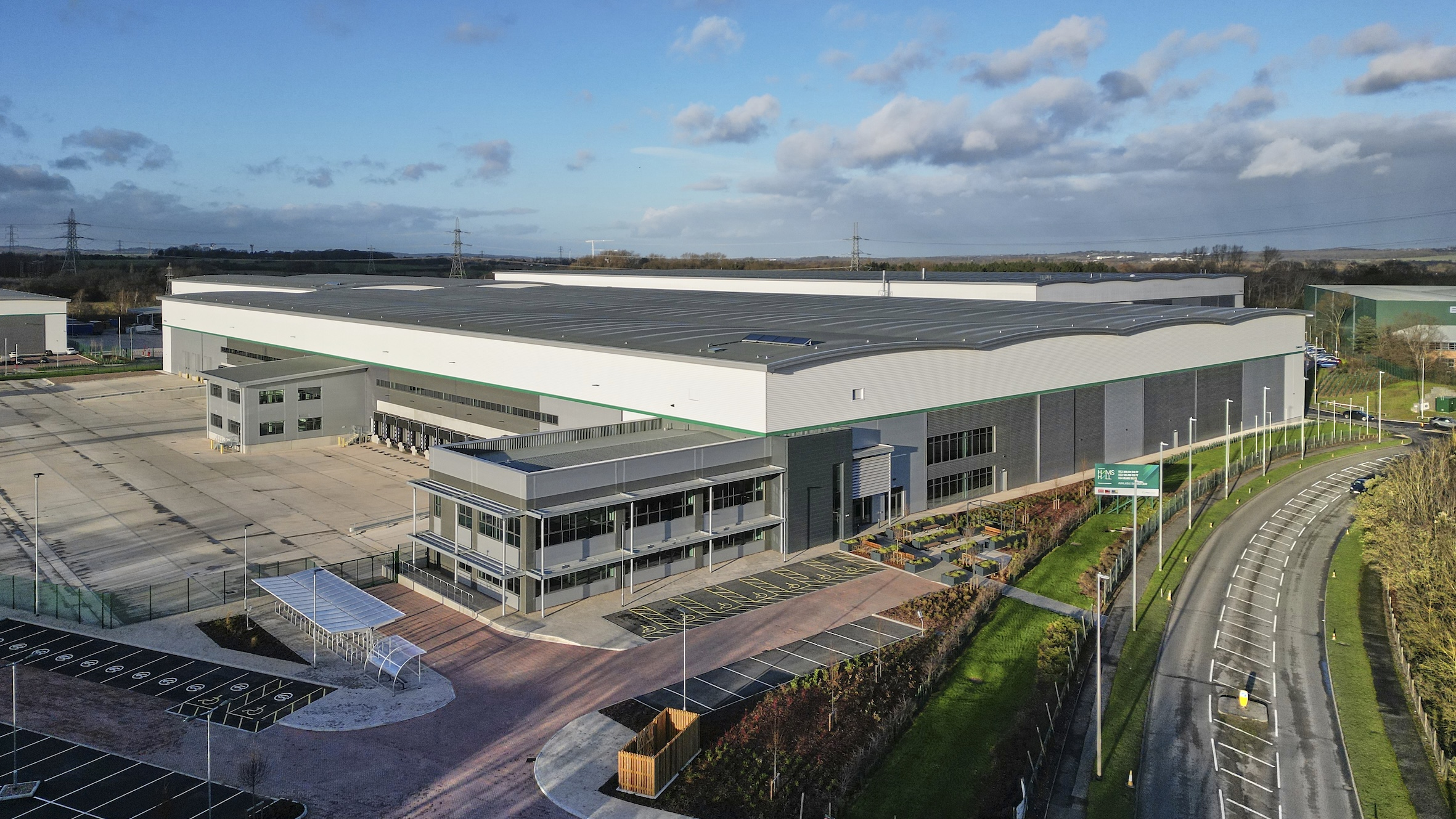
All successful logistics partnerships come down to problem solving at pace, including in the development of warehousing and distribution centres, according to Danny Bostock (pictured, below) of Prologis UK.

The phrase ‘time is money’ has never been as relevant as in today’s logistics market. With the pressure on to meet the rising expectation of next day deliveries, businesses are wasting no time in getting their logistics spaces up to the standard now required.

And in a market where trends move rapidly, logistics developers need to deliver facilities that are well located, compliant and fitted with reliable technology.

It’s all in the fit-out

Operators looking to meet consumer delivery expectations, require high-functioning logistics bases in the right places. The UK is seeing an uptick in international third-party logistics providers and e-commerce fulfilment businesses entering the market – who tend operate to tight contractual obligations for customers who expect seamless delivery.

Businesses setting up or expanding operations in the UK need logistics space that enables a fast and efficient fit-out. Certain elements are always required, so forward-thinking developers are incorporating these features upfront rather than leaving them to be added later. This approach not only accelerates the move-in process but also enhances the overall quality and functionality of the space.

That starts with the fit-out. Increasingly, customers are looking for facilities where essential elements are already in place from day one. Prologis responds to this need, incorporating key features such as power infrastructure, office space and welfare facilities upfront. By reducing the need for extensive on-site works post-handover, customers can move faster, reduce complexity and begin operations sooner.

It is also important to remember that compliance varies from country to country, so setting up operations in the UK for the first time can be fraught with complications for overseas operators. International or not, customers need a trusted partner that understands local regulation and who can operate as an extension of their business, expertly taking care of the challenges involved in setting up a new facility. Customers want logistics solutions that combine state-of-the-art design, exceptional procurement strategy and fully compliant project management, and are willing to invest when laying the groundwork to reap the rewards down the line.

Thinking ahead

A major part of successful logistics operations is the ability to plan for what comes next. Whilst future requirements may not always be clear, ensuring a space can support both current and evolving operations is critical.

Servicing a high-density customer base at pace requires efficient ways of working. Automated storage and retrieval systems are enabling warehouses to be operational 24/7 – helping to meet next day delivery demands without straining the workforce. Recent research from Prologis found that approximately 30 per cent of modern logistics spaces now include automation, up from 20-25 per cent five years ago. Given this growth, automation is becoming a key element of fit-outs as customers look to invest in their futureproofing solutions.

What’s next?

The logistics market never stops evolving, and neither does the speed at which things change; there is no such thing as a ‘generic’ warehouse anymore, with every solution requiring a bespoke and considered approach. Solving customer pain points requires strategic, cross-functional collaboration, and as providers, we must remember that there a lot of things that our customers won’t know they need. It is our job to consult our customers, fully understand their requirements and always raise the bar for competitors.

Amazon Opens Logistics Network to all Businesses

Amazon has announced the launch of Amazon Supply Chain Services (ASCS), which extends the company’s entire portfolio of freight, distribution, fulfillment, and parcel shipping solutions to businesses of all types and sizes. These services were originally developed to power Amazon’s own retail operations and to support independent selling partners worldwide.

Over the past three years, hundreds of thousands of Amazon sellers have trusted the company’s logistics network to move, store, and deliver hundreds of millions of packages across third-party facilities, warehouses, and sales channels beyond the Amazon store. The launch of ASCS builds on this momentum, now supporting third-party logistics for businesses in industries such as healthcare, automotive, manufacturing, and retail.

“Amazon is bringing the infrastructure, intelligence, and scale of its supply chain services—proven over decades—to businesses everywhere, much like Amazon Web Services did for cloud computing,” said Peter Larsen, vice president of Amazon Supply Chain Services.

“Supply chain wasn’t just a function at Amazon — it was core to providing an exceptional shopping experience. Our differentiator. The reason we could offer fast, dependable delivery that nobody else could. And with the launch of ASCS, we’re confident we can give any other business access to the same cost efficiency, reliability, and speed that we’ve built for Amazon customers.”

From moving goods into warehouses to package delivery and everything in between, leading brands have already started to leverage Amazon’s supply chain services. Procter & Gamble is using Amazon’s freight services to transport raw materials to production facilities and move finished goods across its distribution network; 3M is leveraging Amazon’s freight services to move products from its manufacturing sites to distribution centers worldwide; Lands’ End is using a unified inventory pool within Amazon’s network to fulfill orders across multiple sales channels; and American Eagle Outfitters, Inc. is using Amazon’s parcel shipping network to deliver online orders from its American Eagle and Aerie website directly to customers nationwide.

Drawing on decades of experience running Amazon’s own operations, ASCS helps businesses improve speed, reliability, and efficiency, even through peak demand and unexpected disruptions. Businesses can also benefit from AI forecasting models and vast supply chain data set, which help optimize inventory placement. Core offerings include:

• Freight: Amazon’s transportation network spans ocean, air, ground, and rail freight, supported by a fleet of 80,000+ trailers, 24,000+ intermodal containers, and 100+ aircraft, built to help businesses move goods quickly and reliably at scale. Amazon offers dependable capacity with a range of speed and service options, including time-sensitive shipments, simplified booking, customs clearance, and end-to-end shipment visibility.

• Distribution and Fulfillment: Amazon enables businesses to import inventory from overseas, store inventory in bulk, position inventory closer to demand, and fulfill customer orders across their sales channels, all within a single network. By leveraging a unified inventory pool and advanced forecasting capabilities, businesses can improve operational agility, increase inventory accuracy, and provide fast, reliable delivery across all their sales channels, including their own website, ecommerce marketplaces, social media channels, and physical stores.

• Parcel Shipping: Amazon provides shipping solutions for orders placed across all sales channels, with predictable two-to-five-day delivery speeds and seven-day-a-week service, backed by the same robust transportation network Amazon uses to deliver billions of packages each year. Businesses can benefit from flexible pickup from their own warehouses or third-party providers, access to convenient drop-off locations, and increased visibility into shipment tracking from label creation to customer doorsteps, with features like photo-on-delivery.

Click here to get started

Cooperation Agreement for Packaging Firms

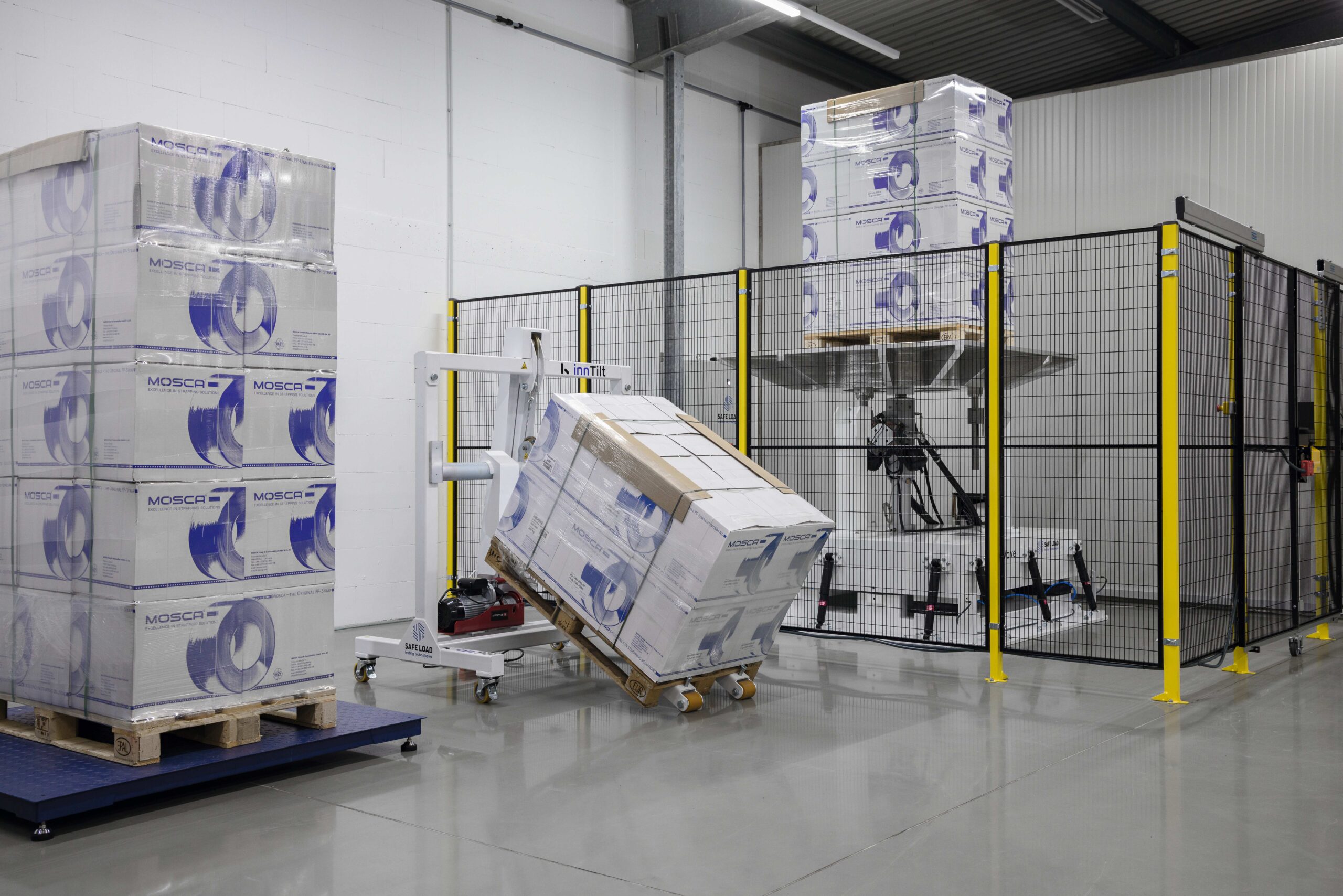
Global supplier of packaging machinery, Siat Group, and GroupMosca, manufacturer of strapping systems, have announced a strategic cooperation agreement to deliver integrated, end-to-end packaging solutions to customers across the global packaging industry. The agreement creates a powerful combined offering spanning the full packaging line — from strapping and wrapping to sealing, forming, cartoning and palletizing — and positions both companies to lead the next wave of innovation in industrial packaging.

Under the agreement, each company will gain access to select products from the other’s portfolio, marketed under carefully designated brands across their respective territories. Mosca will offer SIAT and COMBI-branded solutions — including case handling, case erecting, cartoning, palletizing and wrapping equipment — to its customers in Europe, North America and select global markets. SIAT in turn will extend its range with access to MOSCA’s renowned table and pallet strapping systems, as well as its fully automatic ring and rotary-arm wrapping solutions, all marketed under the SIAT brand.

“This partnership brings together two companies that share the same passion for quality, innovation and customer focus. Together, we can offer our customers a complete, best-in-class packaging line from a trusted network — and accelerate the development of the next generation of packaging technology ,” said Timo Mosca, CEO, GroupMosca.

The cooperation will be supported by a shared after-sales framework, including coordinated spare parts logistics, a joint field service network in Europe and North America, and a next-generation remote diagnostics platform currently under joint development. Both companies have also committed to a joint training programme covering product knowledge, technical service and go-to-market capabilities.

“We are proud to work with MOSCA, a company whose values and commitment to engineering excellence mirror our own. This agreement enables us to serve our customers more completely — wherever they operate and across every stage of their packaging process,” added Konstantinos Marinakis, CEO, Siat Group.

The agreement covers Europe, North America and Asia-Pacific, and takes effect immediately. A joint Steering Committee composed of senior leaders from both companies will oversee commercial performance, channel strategy and the ongoing innovation agenda.

The official signing of the agreement will take place on May 7th during Interpack, at 1:00 pm at the GroupMosca booth and at 3:00 pm at the Siat Group booth. Customers, partners and media representatives are invited to attend the signing moments at both locations.

DKV Mobility Acquires Optimile

A B2B platform for on-the-road payments and solutions has completed the acquisition of Belgian e-mobility platform provider Optimile NV. Through this transaction, DKV Mobility is further expanding its platform business and reinforcing its position in the European e-mobility market. The shares were acquired from BNP Paribas Fortis and AG Insurance. The parties have agreed not to disclose financial details of the transaction.

“E‑mobility is a key growth driver for DKV Mobility”, says Sebastian Klauke, CEO of DKV Mobility. “By expanding our technology and service capabilities through Optimile, we significantly strengthen our platform strategy and our ability to deliver integrated, end‑to‑end e‑mobility solutions that reduce complexity for our customers across the entire value chain.”

Founded in 2016 and headquartered in Ghent, Optimile develops and operates a modular software‑as‑a‑service platform for e‑mobility service providers and charging infrastructure operators. As a leading player in Belgium’s e-mobility market, the company offers services such as authorization, monitoring, access management, and pan‑European roaming of charging points. In addition, Optimile operates a consumer‑facing solution under the brand Mobiflow.

“Belgium is one of Europe’s strongest and fastest-growing eMobility markets, making it an ideal environment for growth and innovation,” said Sven Mehringer, Managing Director at DKV Mobility and responsible for Energy & Vehicle Services. “Optimile has emerged as a fast-growing leader at the heart of this dynamic market, with deep software expertise in the e-mobility space. Its clear mission to enable intelligent, sustainable, and user-friendly electric mobility is an excellent fit with our strategy and our purpose. Under the ownership of BNP Paribas Fortis and AG Insurance, Optimile has developed very successfully in recent years. We will continue this growth trajectory and further evolve the platform.”

The DKV Mobility Group, including Optimile, now manages around 1.5 million charge cards and tokens, as well as over 260,000 charge points, 112,000 of which are public. DKV Mobility’s roaming network now offers access to over 1.1 million charge points across Europe. In addition, the combined energy volumes of the DKV Mobility Group companies GreenFlux, Smartlab, and Optimile amount to around 1.400 million kilowatt hours, underscoring DKV Mobility’s expanding operational scale in the European e‑mobility market.

For Optimile and its customers, the transaction ensures continuity while opening up additional growth opportunities. The company gains access to expanded resources to accelerate the further development of its platform and strengthen its market position.

DKV Mobility has been driving a consistent e‑mobility strategy for years. The journey began in 2015 with the launch of the DKV Card +Charge. A key milestone was reached in 2021 with the acquisition of GreenFlux, a leading European provider of charging software. At the end of 2024, DKV Mobility announced a strategic partnership with Aachen‑based Smartlab, a market leader in the aggregation, management, and billing of charging systems. As part of this partnership, DKV Mobility also acquired a majority stake in Smartlab.

Industrial Label Printing Unplugged

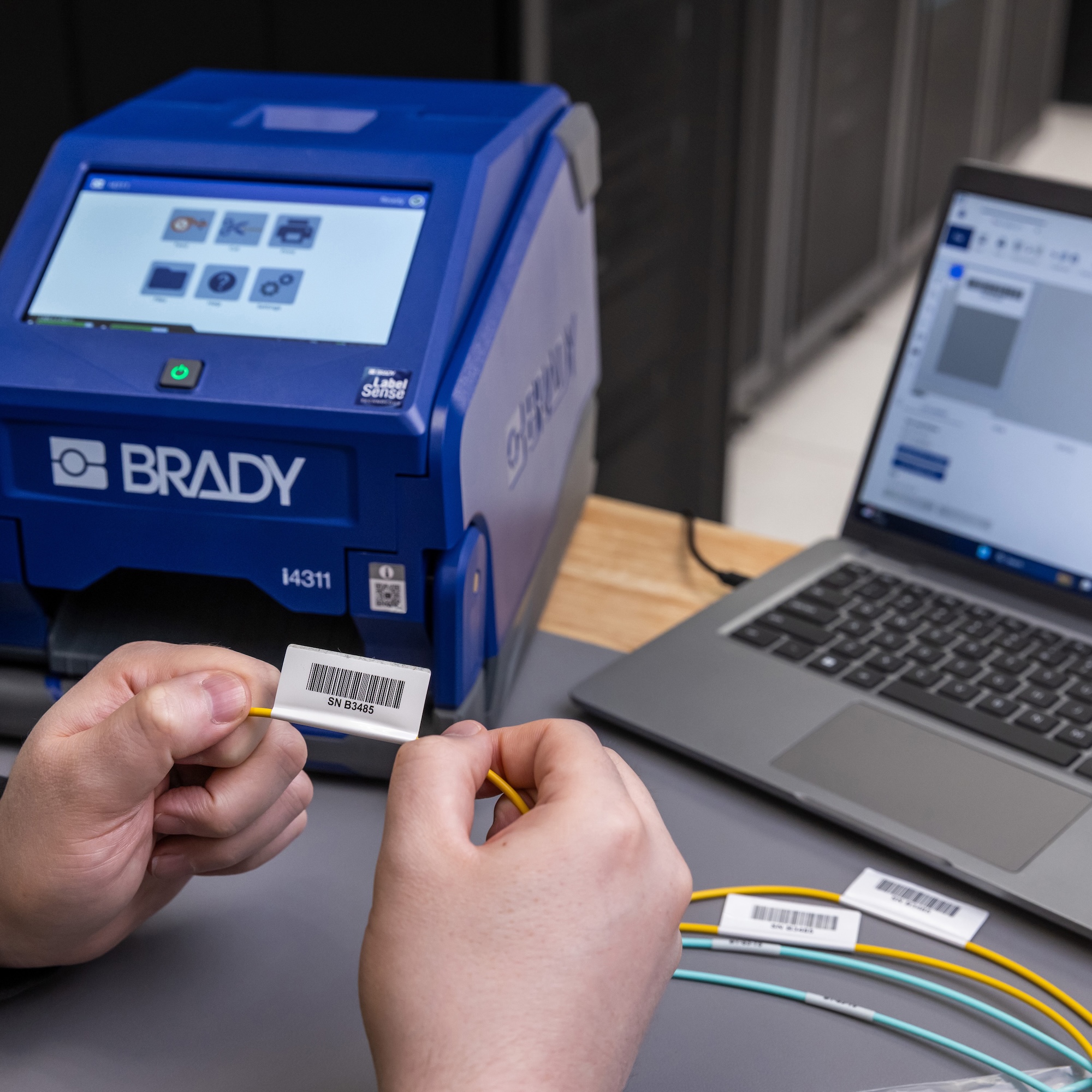
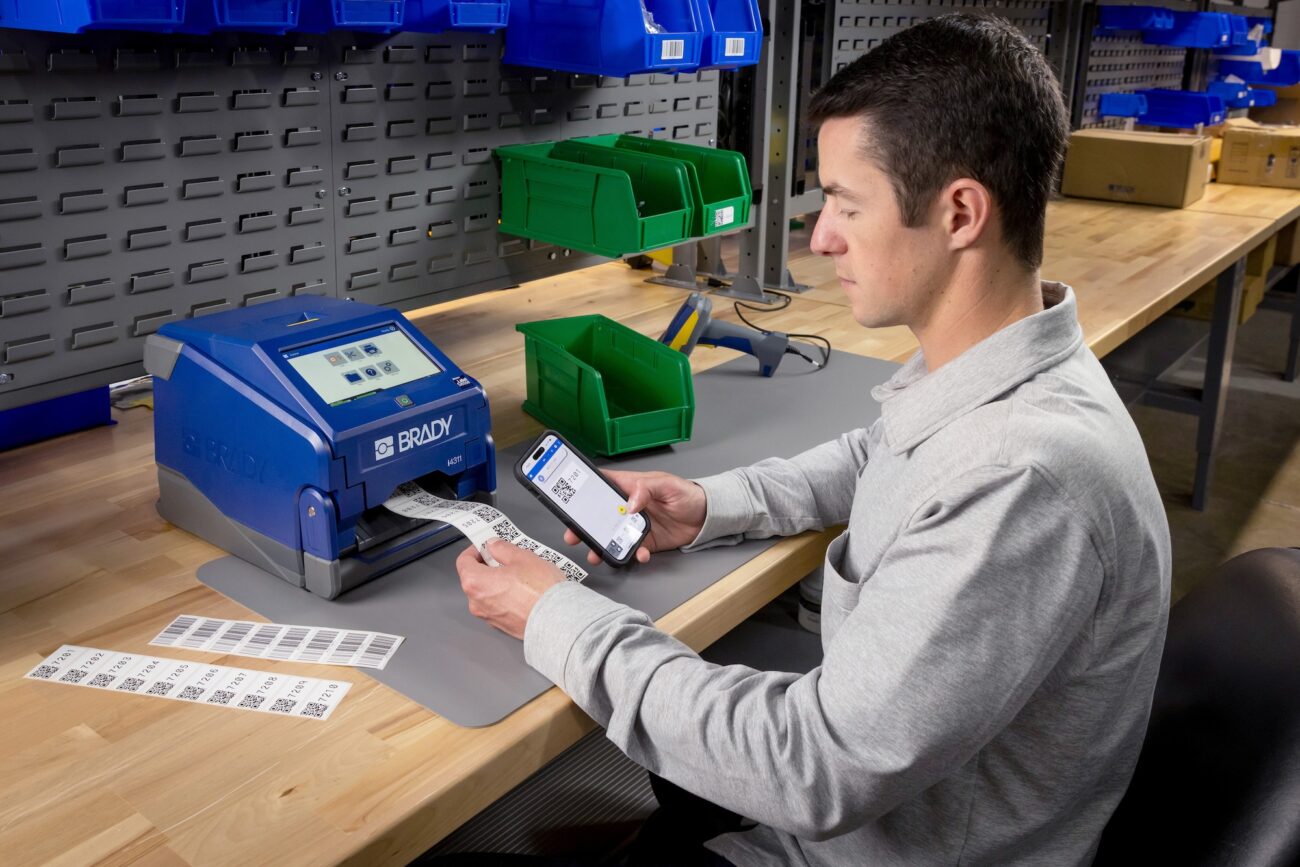
Automated identification and data capture specialist Brady Corporation launches a new type of hybrid label printer that offers industrial label printing performance in a cordless, portable design.

Larger labels

Brady’s new BradyPrinter i4311 is designed to bridge the gap between stationary benchtop label printer power and mobile flexibility. A well-known limitation for most mobile label printers is the maximum width of the label. Brady’s i4311 marks the new maximum label width at 101.60 mm for connected label printing systems that retain true portability.

The larger print width brings a lot more applications into the mobile label printing range, including perforated work-in-progress tags, common size rating plates and larger cable tags, wraps, sleeves, asset labels, component labels and GHS-compliant chemical labels.

Cut the cord

No need to look for power outlets with the i4311. The printer is powered by a battery that can handle 5000 large labels on a single charge. Swapping batteries has been made easy and they can be charged in 3.5 hours.

Easy to integrate

The new BradyPrinter i4311 can print labels from phones, tablets and laptops, and even from central company systems using a software development kit or ZPL support. In addition to Wi-Fi and Bluetooth connectivity, the i4311 also features ethernet and USB-C connections.

The printer’s on-board 7’’ (17.78 cm) touch screen offers both on-device support as well as the capability to print labels directly from the printer. Users can store on average different 85 000 label templates in the printer that can be completed with an on-board ‘fill in’ option, fully responsive to your touch.

Brady also revealed i4311 printer features that were developed with close involvement from the company’s long-standing customers. As a result, the printer’s footprint was limited to 23 x 23 x 33 cm and 5.9 kg and the device’s easy-to-grip handle was optimised. A battery-saver was also added for when the printer is not in use and battery-swapping was made even easier.

Portable benchtop

Right in the middle of the company’s mobile label printer and industrial benchtop label printer line ups now sits the BradyPrinter i4311: a portable printer with the company’s benchtop industrial printing capabilities.

Compatible with more than 1300 Brady label parts, the i4311 can print on a majority of Brady’s reliable, laboratory-tested label materials. Just like other Brady printers the i4311 includes LabelSense technology to automatically set label material burn, size and pre-print settings as soon as a label roll is loaded.

The company’s newest label printer also works with a host of free Brady Express Labels mobile apps. These enable users to select text in an image file for example, and import it for printing on a label. Or to read barcodes with a phone and send them to the printer. With a commanding voice, labels can even be printed completely hands-free, using BradyVoice, a smartphone microphone and the BradyPrinter i4311.


Study into Future of Driverless Autonomous Freight

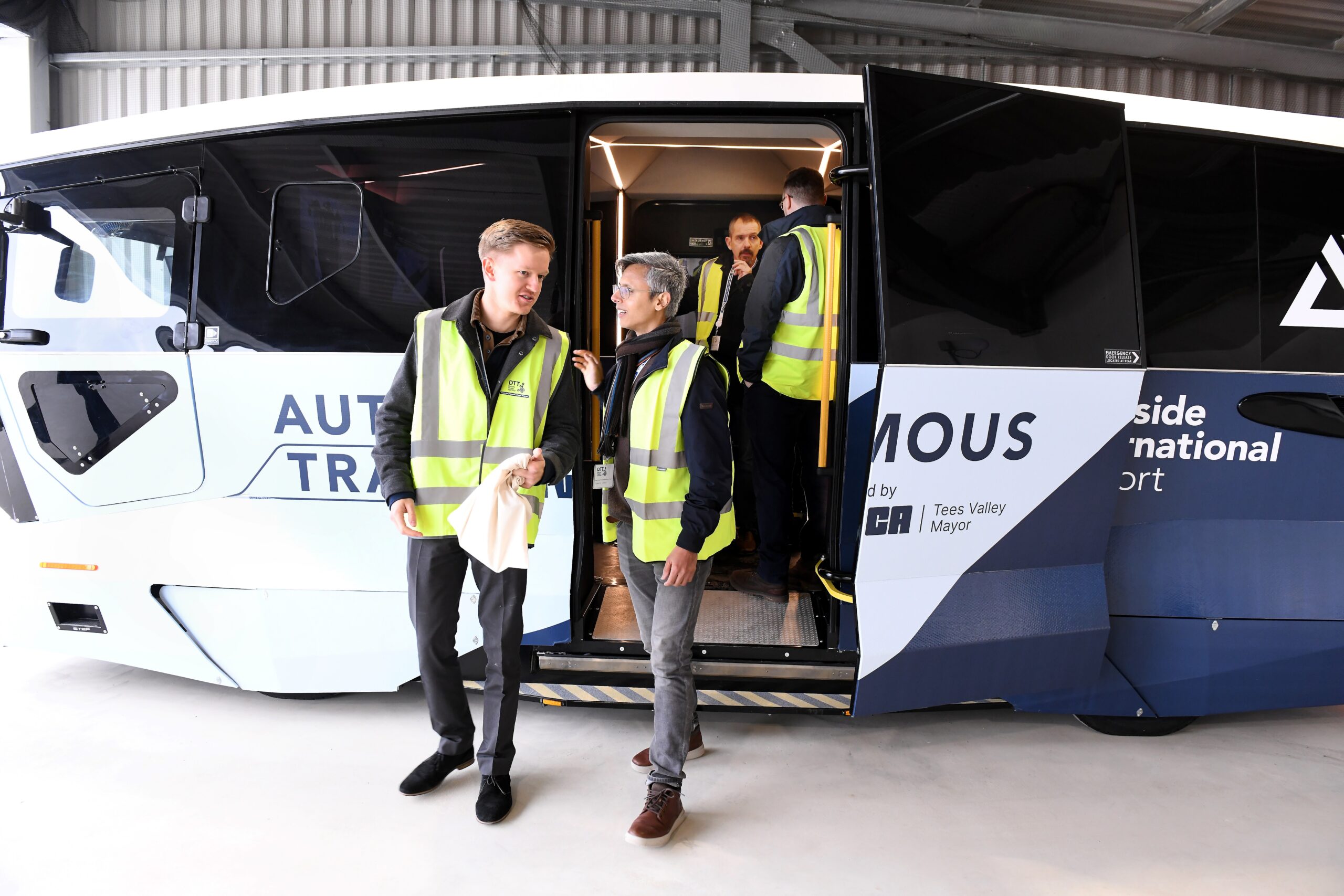
Cenex, in collaboration with the International Centre for Digital Trade and Innovation (iC4DTI), have announce its participation in the Feasibility Studies 2 competition, part of the UK Government’s Connected and Automated Mobility (CAM) Pathfinder programme. The competition supports projects that develop robust, investment ready business cases for deploying CAM solutions in near commercial environments.

Project TACTIC (Teesside Autonomous Corridor for Trade Integration and Clearance) is a six month feasibility study led by iC4DTI, with Cenex as project partner. The project aims to develop an investment ready business case for a driver out Connected Automated Mobility (CAM) freight service operating along the Teesport–Teesside International Airport corridor within the Teesside Freeport.

Teesside provides a compelling environment to launch at scale, supported by three large, secure estates: Teesside International Airport (~818 acres), Teesworks (~4,500 acres) and Wilton International (~2,000 acres). These sites allow for initial off highway deployment, enabling the operator model and Remote Operations Centre (ROC) procedures to be proven before potential extension along the A66 corridor.

Nick Davies, Director of iC4DTI, said the project is designed to demonstrate how emerging technologies can work together to transform the experience of UK firms looking to start or expand international trade.

“If successful, TACTIC will show both industry and government the benefits that can flow from trade digitalisation, and how this can contribute to the growth agenda everyone is prioritising,” he said.

A central focus of the feasibility study is a new approach to freight compliance. Today, customs and safety processes can introduce delays and congestion. TACTIC will explore a trade facilitation layer that brings together trusted, real time vehicle data — such as location, secure seals and weight — with digital trade documentation. This approach enables checks to be prepared and resolved while the vehicle is in motion, with the aim that autonomous freight vehicles arrive pre cleared, reducing dwell time and improving reliability for time sensitive goods.

Commercial viability is another key area of assessment. The study will examine whether such a service can operate without a safety driver in Teesside, defining the roles and responsibilities required for safe operation, identifying high level technology and control requirements, and setting out the steps needed from regulators and insurers.

As part of the project, Cenex will lead the economic analysis, examining costs, revenue options and the wider benefits of faster, more predictable freight flows. Steve Carroll, Head of Research and Technical Services at Cenex, highlighted the importance of this work, noting that, “identifying early market opportunities and developing positive business cases is an essential part of accelerating CAM deployments in the UK.”

In parallel, opportunities for the UK supply chain will be identified, including in areas such as secure sensors, connectivity solutions and control software. By demonstrating how trusted digital data can support compliance ‘in motion’, TACTIC aims to position the UK for a first mover advantage in autonomous freight services that are faster, safer and easier to scale.

TACTIC is funded by the UK Government as part of the CAM Pathfinder programme, delivered by the Department for Business and Trade’s CAM team in partnership with Innovate UK and Zenzic.

Mark Cracknell, Programme Director at Zenzic, said: “CAM solutions have the potential to unlock new business opportunities and wider economic growth. Through the CAM Pathfinder programme, these feasibility studies will help to articulate the impact that market ready CAM technologies can have in all corners of the country.

“Along with the Department for Business and Trade (DBT), and Innovate UK, we are excited to start working with the organisations delivering each of the eight projects to further develop their businesses cases, demonstrate the commerciality of their solutions and paint a clearer picture of the viable CAM solutions coming down the road.”

PODCAST: The Hidden Cost Surge Businesses Can’t Avoid

Most logistics companies are unprepared for the dramatic rise in energy costs due to recent government-led grid upgrades, costs that could increase their bills by up to 65% this year alone. If you’re running a fleet, warehousing, or distribution operation, the future of your budget hangs in the balance; ignoring these changes risks operational disruption and significant financial strain.

In this episode, industry experts Jack Peck and Nick Hay reveal the behind-the-scenes changes in UK energy charges that threaten to reshape logistics economics. We break down how the massive £70 billion overhaul of the UK’s energy grid is directly impacting fixed charges, particularly the Transmission Network Use of System (TNUoS), and why this Energy Cost Surge is unavoidable for most businesses. Discover why this isn’t just a short-term issue, but a long-term challenge that can’t be ignored, especially as logistics companies expand their operations or electrify fleets.

You’ll learn about the concrete tactics to mitigate soaring energy costs, including battery storage solutions, onsite generation, and smart demand management. Jack and Nick share real-world case studies with National Highways and Maudsley’s, illustrating how battery buffering and renewable energy projects have helped businesses avoid costly grid upgrades and reduce bills. We explore how forward-thinking companies can leverage innovative tools like Wattstor’s Price Protect, a long-term energy contract with a price cap and renewable integration, to safeguard against future price spikes.

This episode emphasizes the critical importance of early adoption of renewables and energy resilience strategies. As geopolitical tensions and system upgrades threaten to destabilize energy prices, those who act now stand to gain competitive advantage through reduced operational costs and increased independence. Whether you’re a logistics CEO, operations manager, or energy planner, this is essential intelligence to prepare your business for the coming energy revolution.

Get ahead of rising costs—understand the new energy landscape, explore practical solutions, and secure your long-term resilience today. The future belongs to those who adapt early, and this episode provides the expert guidance you need to lead that change.

Aluminium Specialist in Focus

An Italian-founded Industrial equipment manufacturer that offers a range of solutions for the logistics industry talks exclusively to our Paul Hamblin.

Alutec is a new name for many of our readers. Please tell us about the company: a short history, where you are based, employees, and most importantly, what you offer?

“Alutec is a leading Italian company based in Reggio Emilia, specialising in aluminium profiles, handling and transport systems such as conveyor belts, roller conveyors, assembly lines, and Cartesian robots for industrial automation. Founded by Giancarlo Maioli in 1993, the company employs around 50 people at its main site and has been led by Francesca Maioli as CEO since 2024.

“Alutec focuses on tailored end-of-line solutions across industrial automation, product handling, industrial dispensing, and robotics. What sets us apart is a customer-oriented approach: every project begins with a feasibility study, followed by bespoke design and dedicated after-sales support. The company is ISO 9001 and ISO 14001 certified for quality and sustainability.”

What are the qualities that have made Alutec grow so successfully?

“Our growth relies on flexibility, technical expertise, and strong customer focus. We do not offer standard solutions; instead, we carefully listen to each client’s needs to develop systems perfectly suited to their production processes.

“Designing components in-house and creating tailor-made solutions allows us to offer innovative, efficient systems capable of addressing dynamic market challenges while ensuring quality, reliability, and on-time delivery.”

What are the challenges that your customers are asking you to help them solve?

“Clients often come to us needing a solution with only partial information about the products to handle. Our challenge is to transform these details into a concrete, efficient, and reliable system, fully customised to their production needs.

“This process – rapidly understanding requirements, designing a bespoke solution, and testing it under real conditions – delivers tangible, safe, and high-performing results.”

You’re a very versatile company, with solutions across many areas. Can you give us an overview of your product range?

“Our range starts with aluminium profiles in 5, 6, 8, and 10-slot versions, complemented by a variety of accessories for flexible assembly. These profiles serve as a modular base for robust structures in industrial applications.

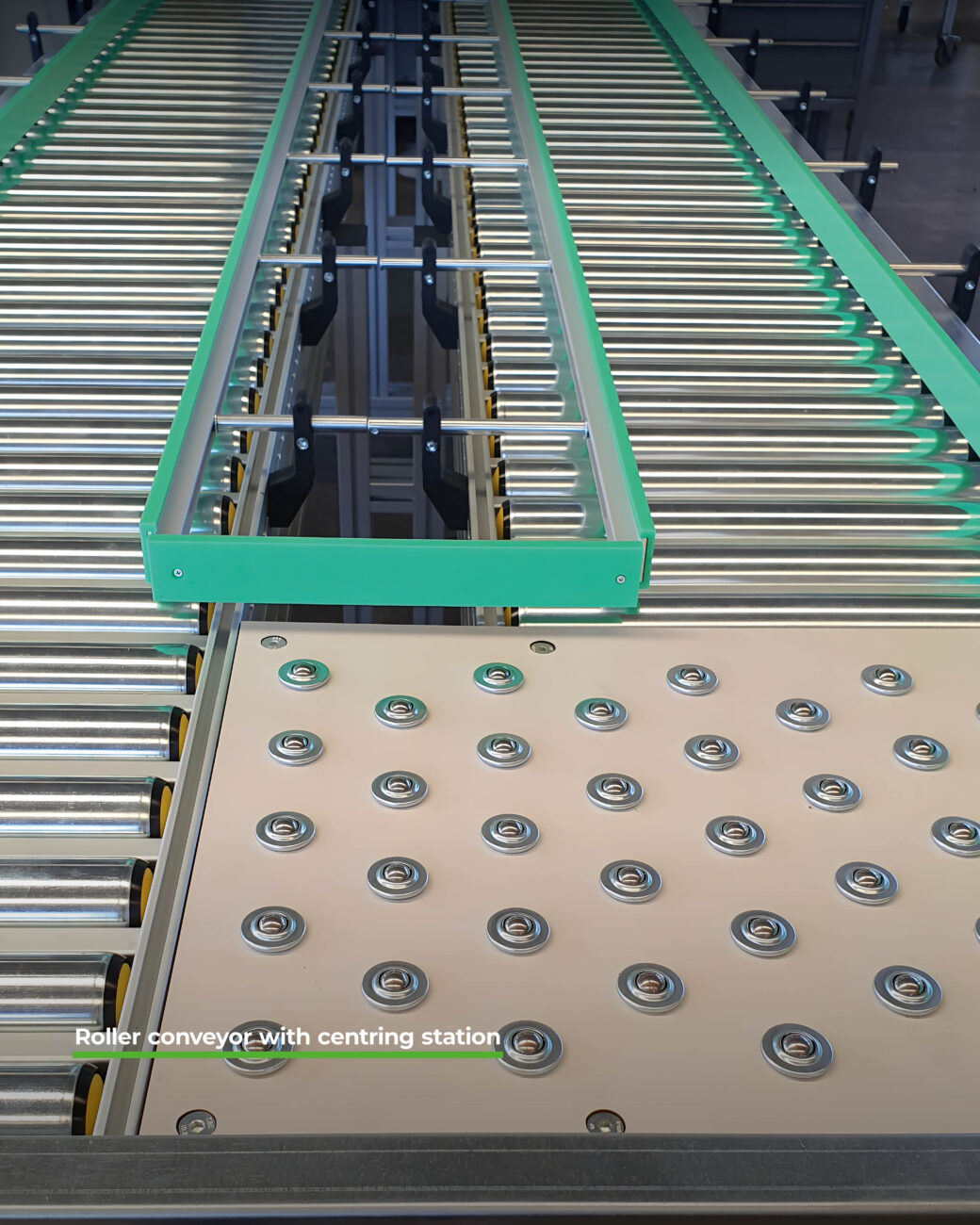
“We also offer handling and transport solutions, including conveyor belts, roller conveyors, assembly lines, and Cartesian robots. This extensive catalogue supports sectors from food and packaging to automotive and logistics.”

Which of your products is most appropriate for customers in the logistics industry?

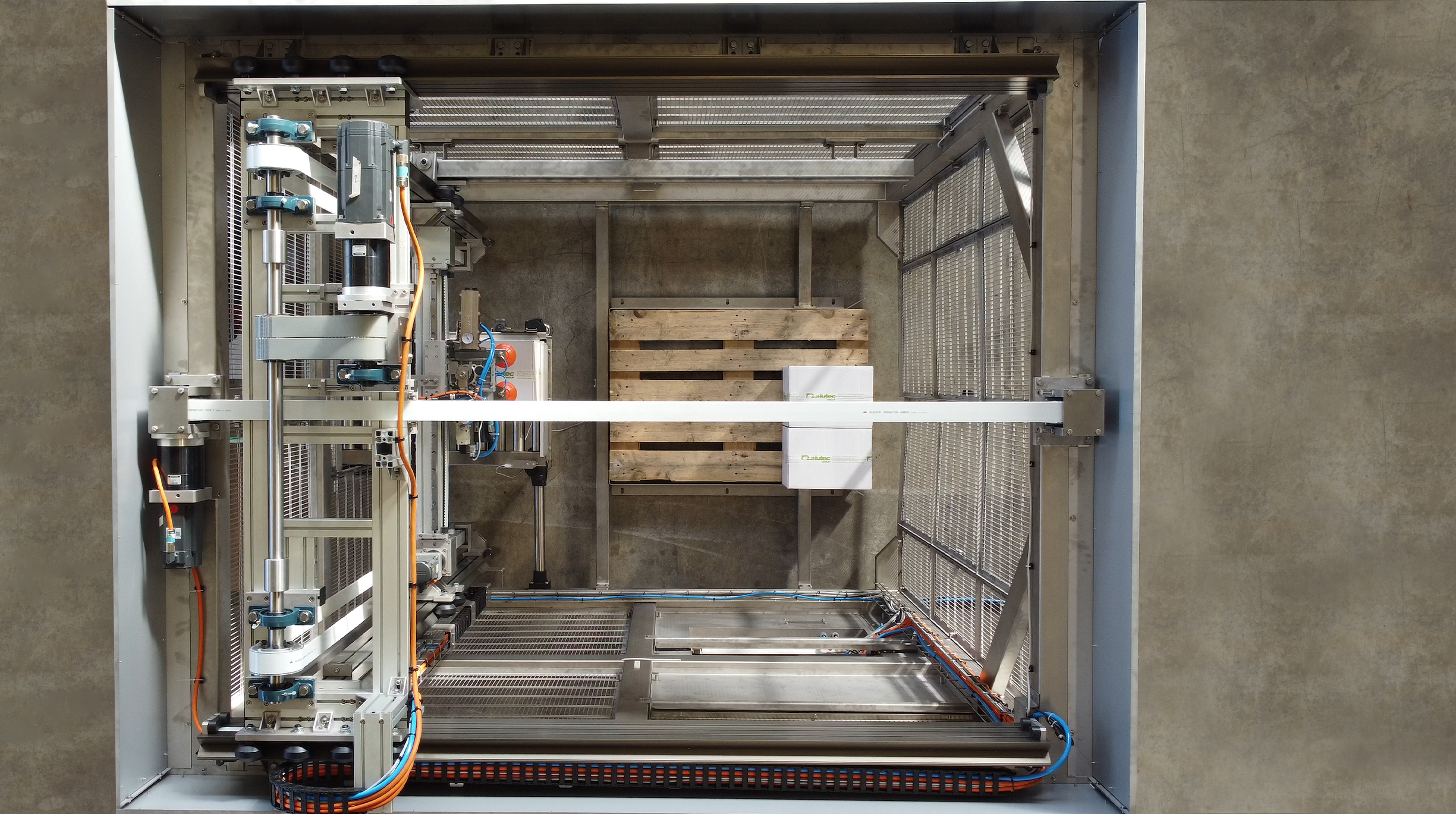
“For logistics clients, our Cartesian palletiser is the ideal solution, allowing precise, fast, and safe handling of loads, optimising space, and improving warehouse and end-of-line efficiency.

“We also handle pallet transport, including heavy-duty systems with chain-driven or roller conveyors, designing installations for intensive pallet movement that ensure strength, reliability, and continuous operation under demanding conditions.

“Our offering includes conveyor belts, roller conveyors, and modular systems to manage flows of products of different sizes and weights efficiently, fully integrating into logistics processes.”

What are the advantages to customers when working with a company offering such a wide product range?

“Partnering with Alutec means working with a single provider who understands the client’s entire production process. This ensures better system integration, faster delivery, and more efficient project management. Clients benefit from coherent, compatible solutions that reduce complexity and enhance overall productivity or logistics efficiency.”

Partnership with customers is so important in modern business. Can you explain how you work with customers?

“We adopt a collaborative approach, starting with analysing client needs and production processes. We follow projects from design to installation and commissioning, providing continuous support afterward. For us, clients are partners, sharing challenges and goals to create effective, high-performing solutions.”

You describe your approach as solution-based, rather than product-based. Can you enlarge on this please?

“Yes. We start from client needs, not products. Each project begins with analysing processes, constraints, and objectives. Only then do we define the most effective solution, combining our expertise to create a system that truly solves the client’s problem and boosts productivity.”

You talk about ‘real’ solutions. What does this mean?

“Real solutions are systems that function effectively in everyday production conditions, not theoretical concepts or standard machines. They are designed and tested for specific client challenges, delivering measurable results in efficiency, safety, and reliability. Modular and flexible, these solutions can adapt over time as client needs change, integrating new modules without compromising productivity.”

You offer many products. Which is the best-selling?

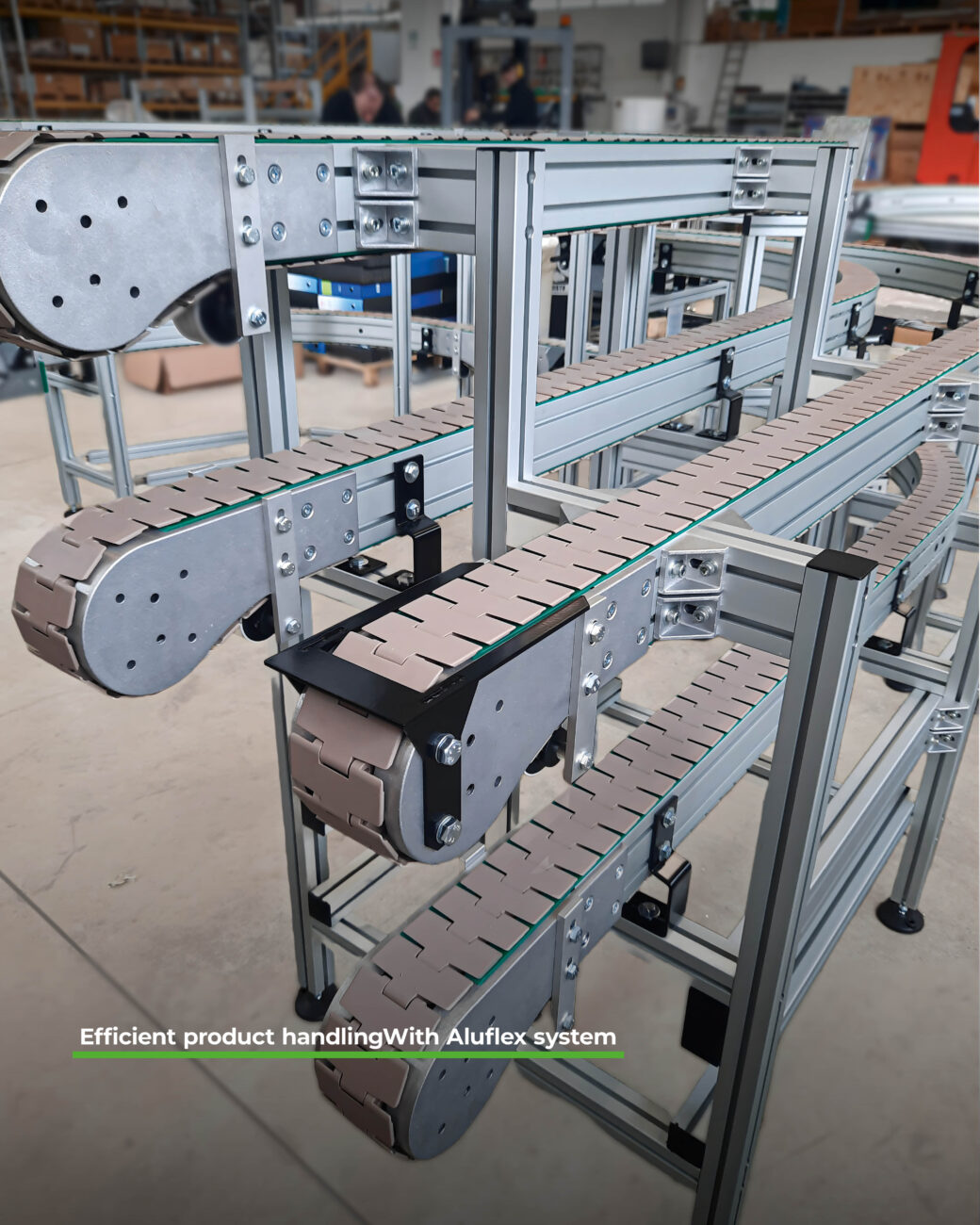
“Our top-selling items are aluminium profiles, cut and drilled to specification, and Aluflex systems – slat or tabletop conveyor belts in various sizes. Profiles allow modular, customised structures, while Aluflex ensures efficient, reliable transport along production lines, serving a wide range of industries.”

Tell us about your latest innovations. What are your latest products for 2026 and how will they benefit customers?

“For 2026, we focus on enhancing flexibility and efficiency. The Cartesian palletiser is a key innovation, designed for sectors with strict standards such as food and pet food, combining millimetre-level precision, modularity, and easy integration into existing plants.

“We are also developing smarter systems with simpler programming, faster format changes, and improved performance, enabling clients to achieve faster, safer, and more efficient processes.”

Intelligent Supply Chain Execution with AI Agents

Infios has introduced a series of new AI capabilities that put the execution intelligence of some of the world’s largest supply chains within reach of organsations of any size. These new solutions power a modular, adaptable execution system where each component works independently, with decisions and actions coordinated in real time.

Supply chains are under more pressure than ever, but the systems running them weren’t built for it. As disruption accelerates, information flows, but action doesn’t, forcing teams to bridge gaps and react after the damage is done. Infios embeds intelligence directly into supply chain execution, where predictive, generative, agentic and conversational AI work together to anticipate disruption, drive decisions and act in real time. The result is a continuous sense–decide–act–learn loop that powers Intelligent Supply Chain Execution across workflows, not silos.

“Disruption is constant, and it’s expensive. This isn’t a cycle. It’s the new baseline, and legacy systems just can’t keep up,” said Ed Auriemma, CEO of Infios. “Supply chains don’t need faster reactions. They need a system that takes action, moving from manual intervention to automated action to execute without interruption.”

Integrating AI agents into real operational workflows

AI agents run inside Infios’s execution systems, not to replace them, but to orchestrate them, so a decision in one domain triggers coordinated action across all others.

  • Transportation Agents automate execution workflows, including driver check calls, via AI-powered voice agents that are triggered by defined conditions. This significantly reduces manual touch and manages exception workflows with full context.
  • Order and Document Agents capture, translate and validate unstructured documents such as orders and bills of lading, transforming them into structured data within live execution to eliminate manual entry. Shippers gain full inbound visibility, reducing dependency on vendors’ use of EDI or portals.
  • Warehouse Agents assist supervisors and operators by automating inventory research, issue resolution and real-time, tailored labor coaching based on associate performance and company SOPs.
  • Optimisation Agents identify the best route for a load or the optimal fulfilment option, then dynamically adjust in real time as conditions change, without manual intervention. When a carrier delay hits, picking falls behind, and order promises are at risk, Optimisation Agents evaluate inventory, capacity, and routing across systems, then automatically reassign, reprioritise, and re-tender in minutes without manual intervention.

Execution without interruption

Customers are achieving tangible results with AI, including:

  • Order release times reduced from hours to minutes at a global apparel firm
  • Backorders reduced by 70 percent in production environments for a US online retailer
  • Automated order entry achieving 83% autonomy rate for a leading logistics service provider
  • Disruption detection and recovery measured in minutes instead of days across all customers

“What makes Infios AI agents different is that they operate inside real workflows where decisions and actions happen every minute,” said Eugene Amigud, Chief Innovation Officer of Infios. “By embedding AI directly into execution, when something changes, orders update, warehouse work shifts, and shipments are rebooked in real time. That’s how AI moves beyond experimentation and starts driving real business outcomes.”

A practical path to real-time execution

Autonomy is not deployed on day one, it is earned. Infios AI operates within customer-defined guardrails and advances through graduated autonomy, moving from recommendation to execution as trust is established.

  • Stage 1: Assisted, where the agents recommend actions with clear rationale.
  • Stage 2: Automated, with Infios AI executing within defined policies.
  • Stage 3: Autonomous, where operational decisions are executed end-to-end within defined guardrails.

Teams can start with a single high-impact workflow like delayed shipments or order changes and expand from there as the system proves itself. Execution becomes continuous. Decisions happen faster. Responses happen automatically.

Subscribe

Get notified about New Episodes of our Podcast, New Magazine Issues and stay updated with our Weekly Newsletter.