Transaid Kilimanjaro to Coast Cycle Challenge

The 2026 Kilimanjaro to Coast Cycle Challenge, organised by international development charity Transaid, is an ambitious challenge that will see participants cycle from the foothills of Mount Kilimanjaro to the Tanzanian coast, covering hundreds of kilometres across diverse and demanding terrain. The event aims to raise vital funds to support Transaid’s life-saving work improving access to healthcare, road safety, and professional driver training across sub-Saharan Africa.

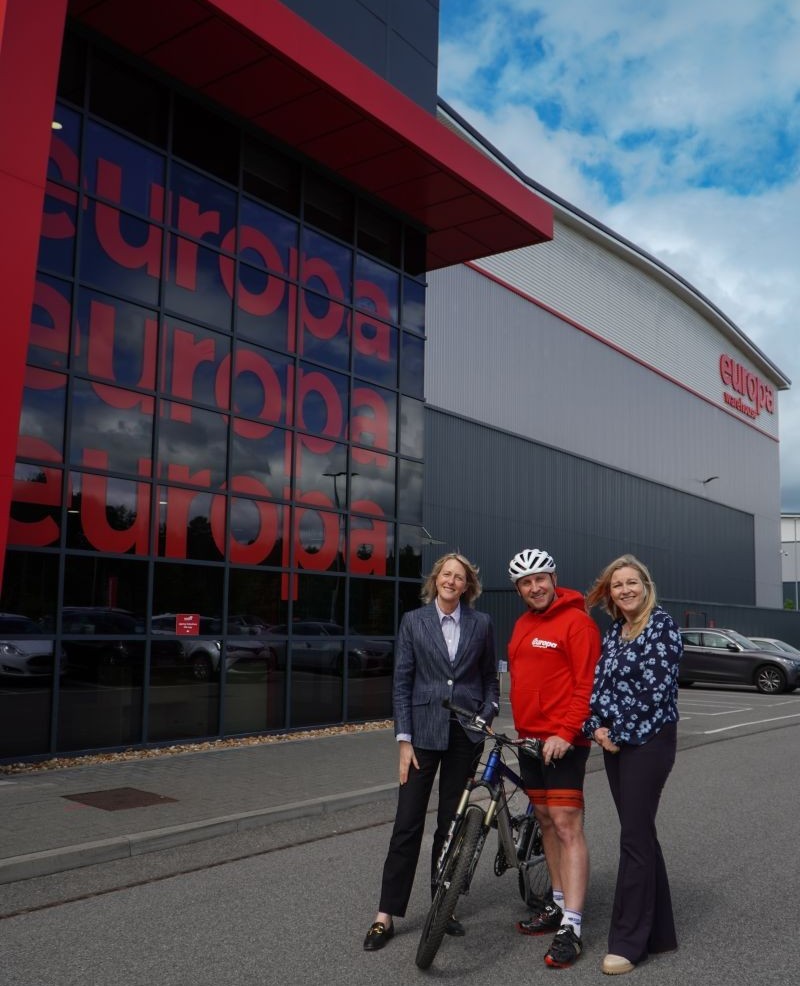
Logistics Business‘ Ian Wright will be undertaking the charity ride too. Ian is an ex professional cyclist who competed all over the globe and is familiar with the terrain. Europa Worldwide are sponsoring Ian’s kit.

For me, this cause is deeply personal. Having lived in South Africa, I’ve seen first-hand how many people depend on transport systems that are informal, overloaded, and often dangerously under-equipped. Every day, parents, workers, and children climb into vehicles that should never be on the road — driven by people who may never have received proper training. I witnessed the consequences far too often.

That’s why I’m passionate about supporting Transaid. They don’t just talk about change — they deliver it. They work hand-in-hand with communities, partners, and governments to improve driver training, strengthen emergency transport systems, and build long-term solutions that help keep people safe on the roads. Their impact reaches millions, and their work saves lives every single day. By taking on this challenge, I’m hoping to raise funds that will help expand this vital work even further. Every mile I cycle represents someone who deserves a safer journey — someone who deserves to get to school, to work, to the clinic, or back home to their family without fear.

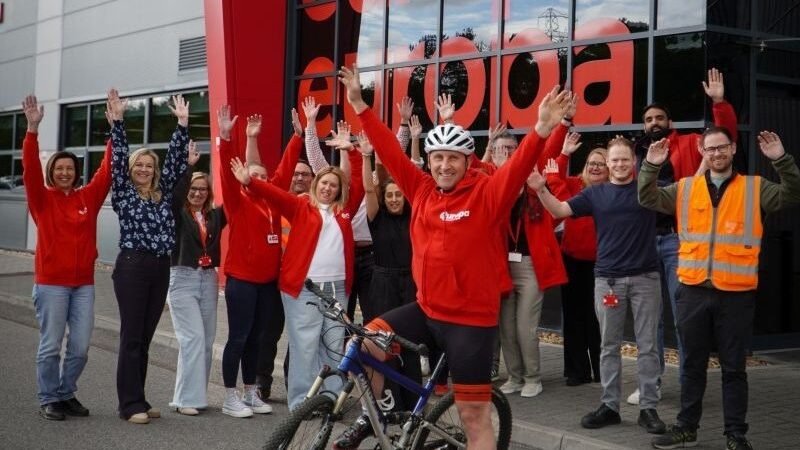
If you’re able to support Ian, you’re not just backing his ride. You’re helping create safer roads, stronger communities, and brighter futures. Thank you for believing in this cause, and if you are interested, you can follow his training journey on Strava. You can donate to his JustGiving page for the ride by clicking here.

Dionne Redpath, Chief Operating Officer and Warehouse Divisional Director at Europa Worldwide Group commented, “Transaid’s work is vital to our industry, and without donations and sponsorship, the charity wouldn’t be able to transform lives.

“Times are challenging for businesses, but we are urging those who can give what they can. Every donation goes towards real results, helping to reshape and enrich the lives of those who are cut off from modern transport and vital healthcare provisions. Transaid doesn’t only connect remote communities, it also provides access to training, creating long-term solutions for our industry.

“We’re pleased to be supporting Ian on his fundraising journey and wish him the very best as he continues his training ahead of this momentous challenge.”

Mike Daly, Logistics Consultant & Transaid Ambassador commented: “Businesses across the UK are facing wide-spread instability, which can mean that charities lose reliable support. We are only able to do the work we do and support the development and implementation of training and safety across the logistics industry with the much-needed support and funds from businesses. Every little donation can make an enormous difference to the communities we support and the life-changing solutions we provide.

“The work we do is about creating accessible, long-term solutions, which is only possible through donations and support from partner organisations and commercial operators in the transport sector that share our mission.”

Read all about the charity event here.

For millions of people in sub-Saharan Africa, transport is unreliable, unsafe, or simply doesn’t exist. That means reaching a hospital in an emergency can be impossible, with communities cut off.

Transaid’s projects include innovative, practical solutions such as bicycle ambulances, which help to connect people with vital services. To date, the charity has trained over 60,000 drivers through 15 training programmes across 10 countries. In 2025, over 9,000 professional drivers, trainers, and riders were training across Ghana, Uganda, Tanzania and Zambia, strengthening safety standards and improving lives.

Enhanced Order Picking Concept

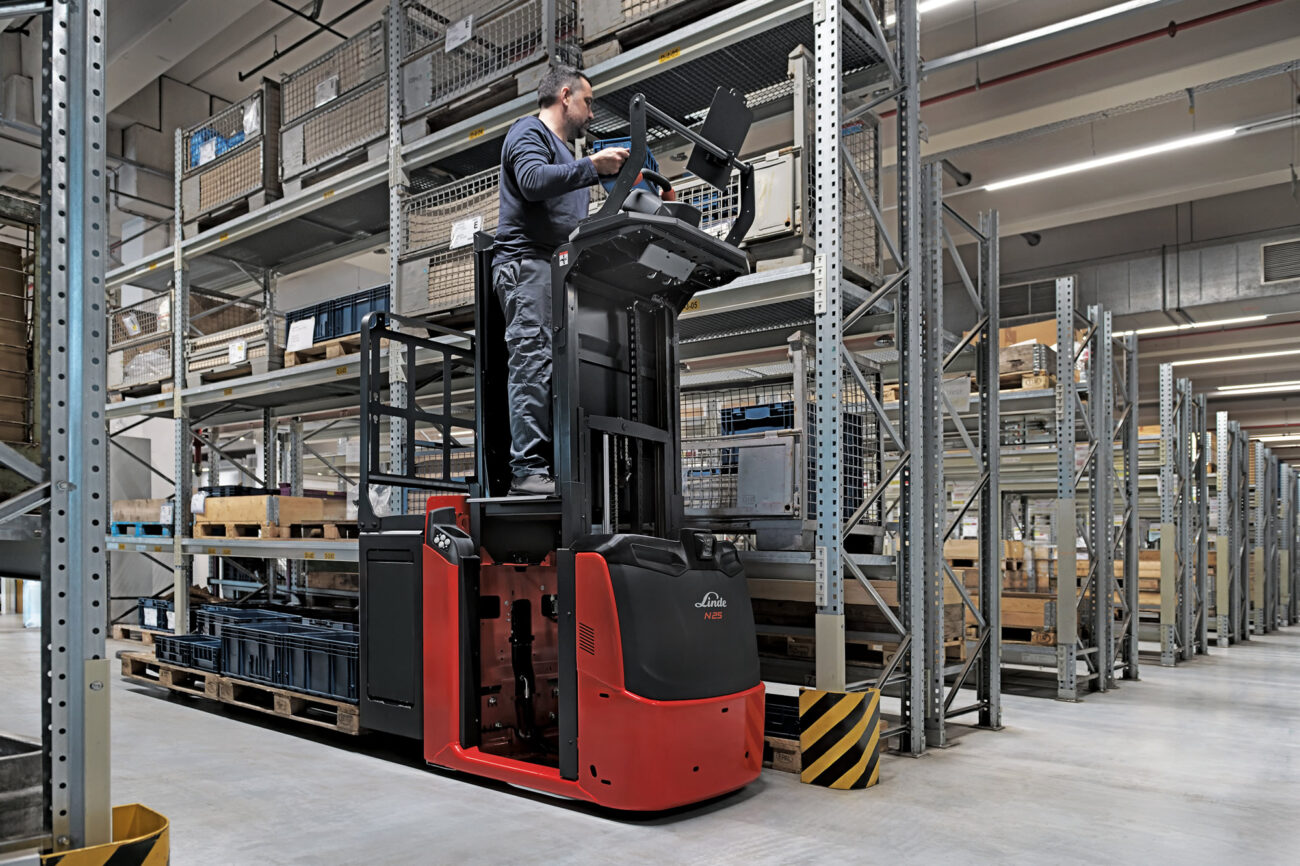
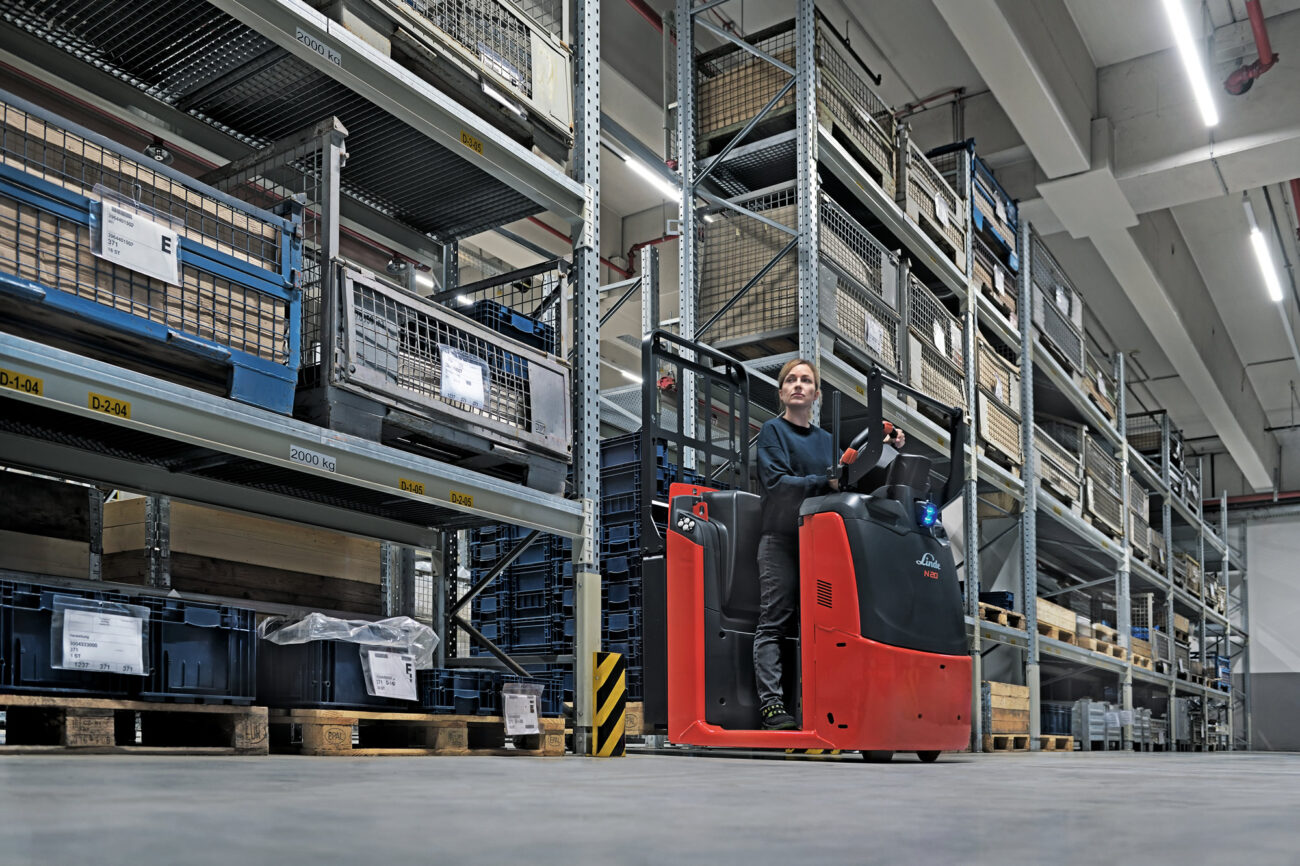
Linde Material Handling has further refined its unique vehicle concept with the release of the Linde N20 and N25 horizontal order pickers. This concept, claimed to be unparalleled in the industry, features a battery positioned behind the operator’s stand. The new order picker version with an integrated Li-ION battery could be the most compact on the market, enabling operators to access goods more quickly and manoeuvre more easily in tight spaces. When used in conjunction with other equipment features, the new vehicle type allows warehouse operators to complete order picking faster while working safely and comfortably.

While the adage ‘time is money’ may be a cliché, in the fast-paced and demanding environment of warehouse operations, it holds more true than ever. In daily operations at retail companies and logistics service providers, every second saved during the picking process is paramount. The latest generation of compact horizontal order pickers, with load capacities of 2 or 2.5 tons, has been designed to enhance the efficiency of logistics processes in the warehouse.

Integrated Li-ION battery: A game-changer

Previously, Linde MH customers could already choose between two design variants for horizontal order pickers: the standard design, in which the battery is located in front of the operator’s stand, and another variant, available exclusively from Linde MH, in which the battery compartment is located behind the operator’s stand. The primary benefit of the rear-mounted version is that it gives the operator an enhanced view of the path ahead when turning between aisles, enabling the early identification of potential hazards.

Integrating a Li-ION battery further enhances this design concept, resulting in a significant reduction in size. With a length of 1,243 millimeters excluding the forks, the new design gives the order picker a smaller turning radius for better manoeuvrability in curves and narrow aisles. The more compact design also proves advantageous during the picking process itself.

“The picker operator now saves one to two steps per stop on the way to the goods, and these savings add up over the course of the day, increasing overall productivity,” explains Marc Castro, Senior Strategy and Portfolio Manager for Warehouse Trucks at Linde Material Handling.

Energy options for every need

The vehicles come with an extensive range of battery options. Two capacities are available for use with an integrated Li-ION battery: 3 kWh and 6 kWh. “This covers the vast majority of use cases,” explains the portfolio manager. Additional variants with replaceable batteries are available for companies that require higher-capacity Li-ION batteries or prefer to use lead-acid batteries. “However, we recommend that all customers consider the integrated Li-ION battery option, which is a cost-effective alternative,” emphasizes Castro. Li-ION batteries are ideal for cold storage facilities, food and pharmaceutical warehouses, and other environments with high hygiene requirements.

Faster over long distances

A new feature is the ability of the horizontal order pickers to accelerate up to 14 km/h. “In the typical ‘stop-and-go’ nature of the picking process, this may not matter much. However, when the next stop is at the other end of the aisle or warehouse, it does make a difference in performance,” says Castro. By design, Linde horizontal order pickers are intended for picking at floor level, but that doesn’t mean warehouse staff won’t occasionally need to pick goods from the second level. For this reason, a fold-out step is available as an optional feature, and the operator’s platform can be raised to a picking height of 2.8 meters.

Ergonomics is also a priority, with equipment options such as an adjustable backrest, a folding seat, a pneumatic suspension platform, and a height-adjustable steering wheel. Standard safety features include the Linde Curve Assist and two separate braking systems, while the Linde BlueSpot, which is integrated into the chassis, and the Linde Safety Guard assistance system for automatic speed adjustment are available as optional features.

Shorter Pit Stops

The new order pickers also excel in terms of maintenance and service, as they facilitate the work of service technicians. The engine cover can be removed in just a few simple steps, and maintenance is generally not required until after 1,000 operating hours.

Acquisitions for Customs and Trade Partner

European independent customs and trade partner Gaston Schul has announced a significant acceleration of its European growth strategy: the acquisition of Parodi Forwarding S.r.l. in Italy, the acquisition of Markart & Schmid Zollservice OG in Austria, and expanded operations in Poland and France.

Together, these developments extend the company’s network to thirteen European countries – with the rest of Europe served through an established alliance network – and strengthen the company’s role as an independent customs and trade partner for large logistics service providers and multinational shippers.

These developments are fully aligned with Gaston Schul’s strategic objective: to be the leading-edge partner in customs and trade in Europe by combining deep customs know-how, technology, operational structure and a full-service portfolio in a single connected network.

One controlled operation across Europe

Customers are increasingly looking for one customs and trade partner capable of delivering standardised, scalable and digitally integrated solutions across multiple countries. Gaston Schul’s proposition – one independent partner replacing fragmented customs with one controlled operation across Europe – continues to resonate strongly with international supply chain organisations seeking the clarity to see, the control to govern, and the confidence to decide as cross-border trade grows more complex.

The acquisitions in Italy and Austria, combined with the expanded operations in Poland and France, are another important step in the rollout of a strategy: thinking and acting as one European company, with one standard of quality, one operational philosophy and one customer experience across Europe.

Expertise, control and connected data

The European customs landscape is being reshaped by Artificial Intelligence, digitalisation and the upcoming EU Customs Reform. Gaston Schul is responding with a combination few in the industry can offer: deep customs expertise, an independent Customs Control Tower that orchestrates multi-country customs flows with one point of accountability, and the technology that connects data across every market to give customers full visibility.

“Our strategy remains the same,” said Sander van Lent (pictured, below), CEO of Gaston Schul Group.

“However, developments in AI, digitalisation and EU Customs Reform require us to accelerate. With our growing European footprint, strong know-how and digital-first approach, we believe we are very well positioned for the next phase of growth – and to be the customs & trade partner our customers can build on as the industry transforms.”

The four developments:

Italy – acquisition of Parodi Forwarding S.r.l. The acquisition gives Gaston Schul immediate presence in the Italian market, with an experienced team and established customs expertise in place from day one.

Austria – acquisition of Markart & Schmid Zollservice OG. The acquisition extends Gaston Schul’s DACH coverage with deep local Austrian customs know-how, available from day one and integrated with existing operations in Germany and Switzerland.

Poland – expanded operations in Łódź. Building on Gaston Schul’s existing Customs Control Tower presence in Poland, the expanded operation deepens integration across Central Europe – particularly for deep sea and rail flows linking the EU, the UK and markets to the east.

France – expanded operations in St Louis. Gaston Schul is deepening its presence in France, extending established operations to serve French shippers and logistics service providers with the same connected portfolio available across the wider European network.

Automation Moving On Up

Racking and warehouse automation specialist stow Group has exciting global ambitions for its automation brand. Paul Hamblin met new Movu Robotics CEO Christophe Coulongeat at LogiMAT.

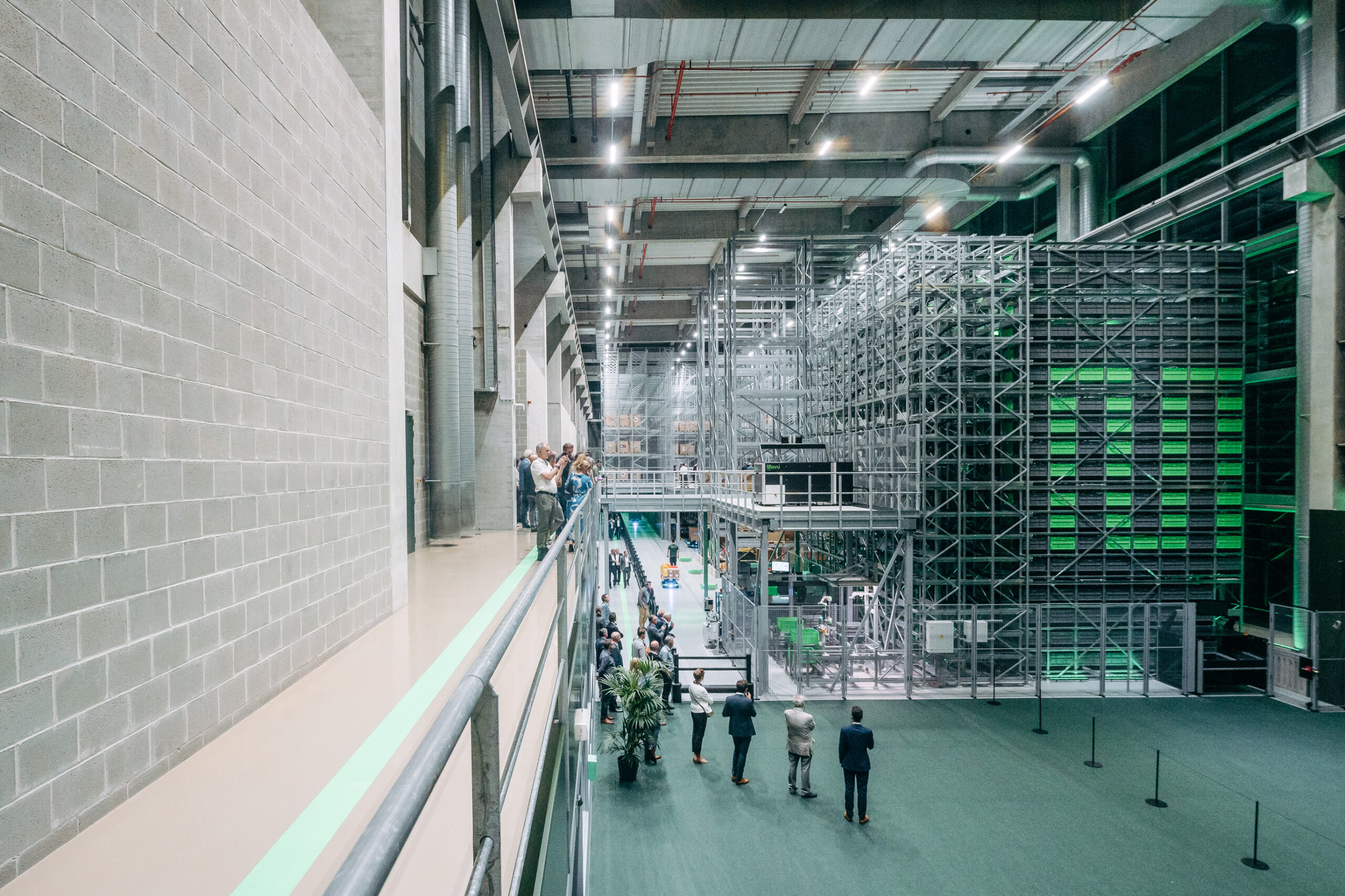
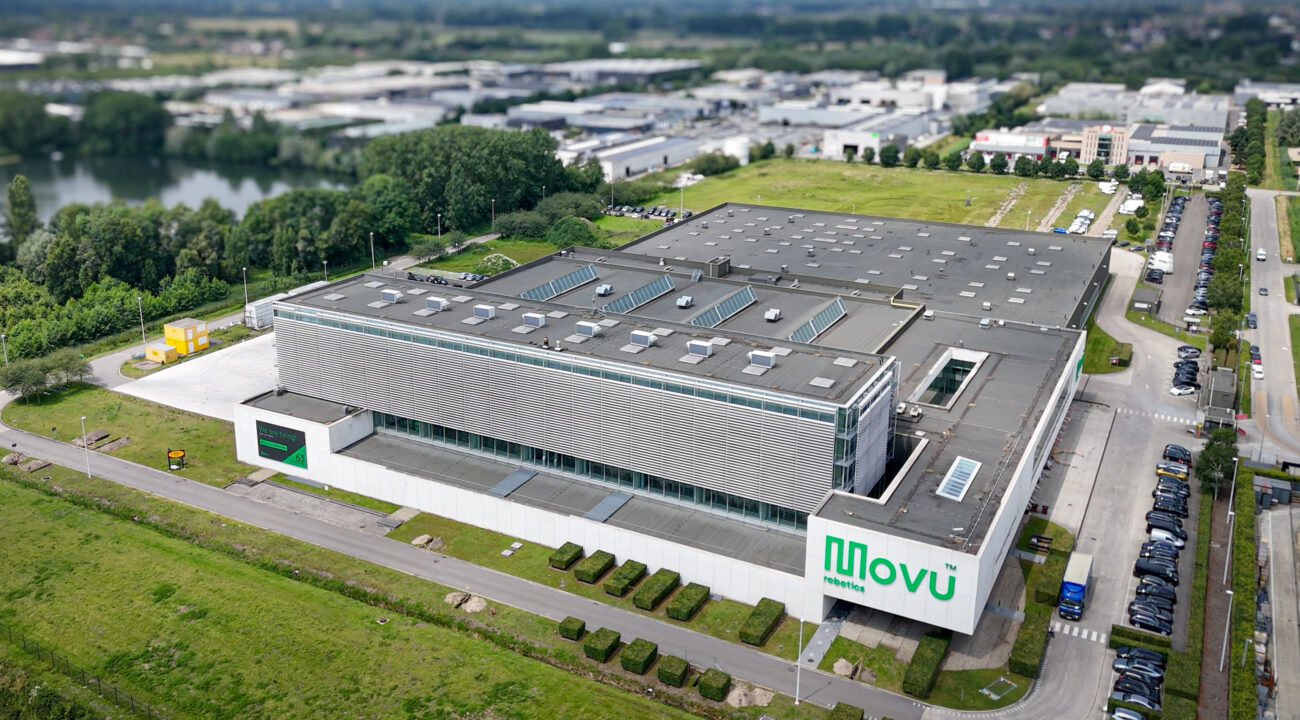
Under the multi-decade entrepreneurial vision of Jos de Vuyst, stow Group (the small ’s’ is deliberate) is best known as a prime player in industrial racking. Automation has played an important role in its growth, so it made sense to develop a robotics unit, stow Robotics, which in 2023 was rolled out as an entirely new brand. Movu Robotics offers a combination of hardware robotics and software layers to meet a broad range of customer needs in Europe and, increasingly, North America.

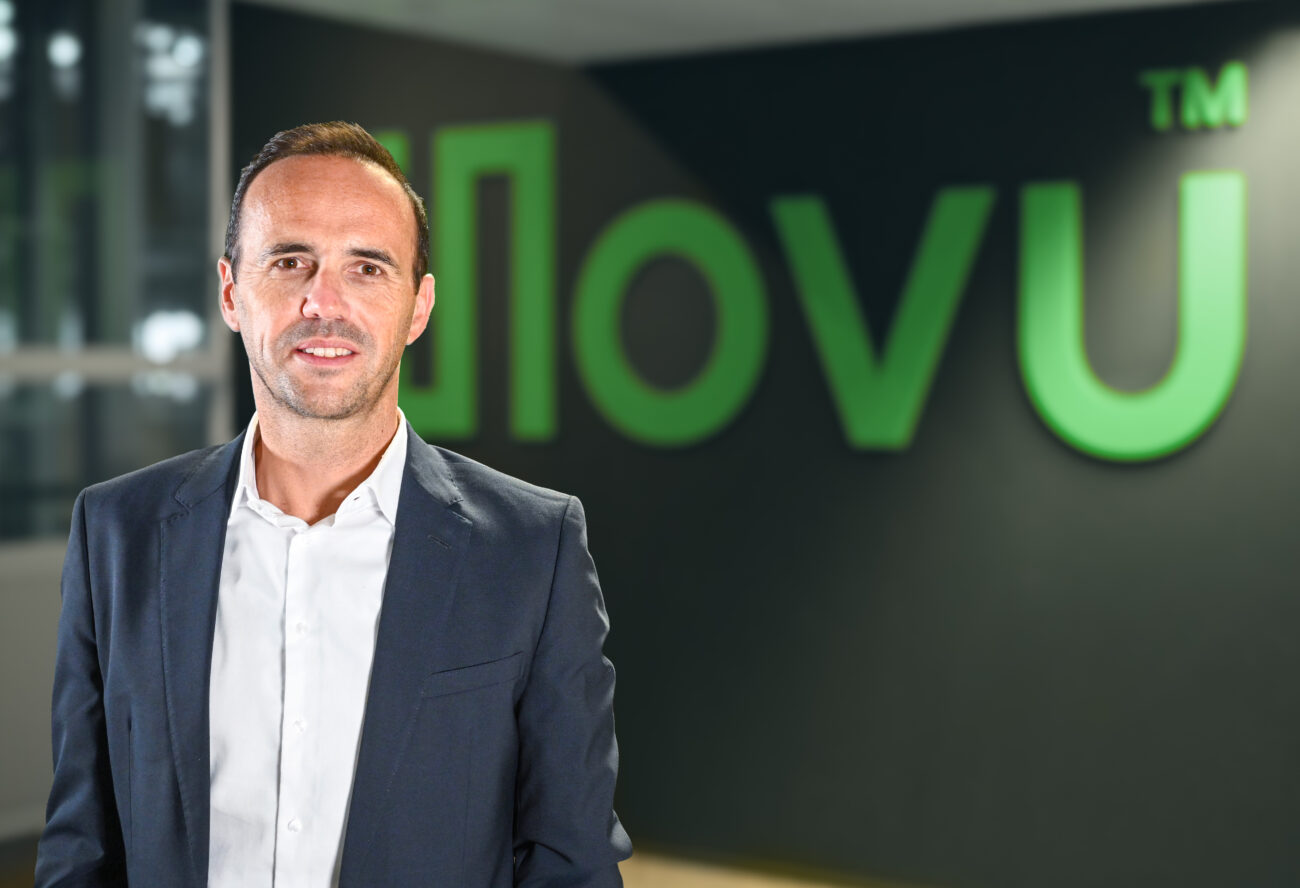
Christophe Coulongeat was appointed CEO of Movu Robotics in May 2025. An industrial technology specialist with over 20 years of experience at Sidel and Stäubli – focusing on high-end niche-market robotics at the latter – he was identified by Jos de Vuyst as the perfect choice to bring premium robotics solutions to the intralogistics industry.

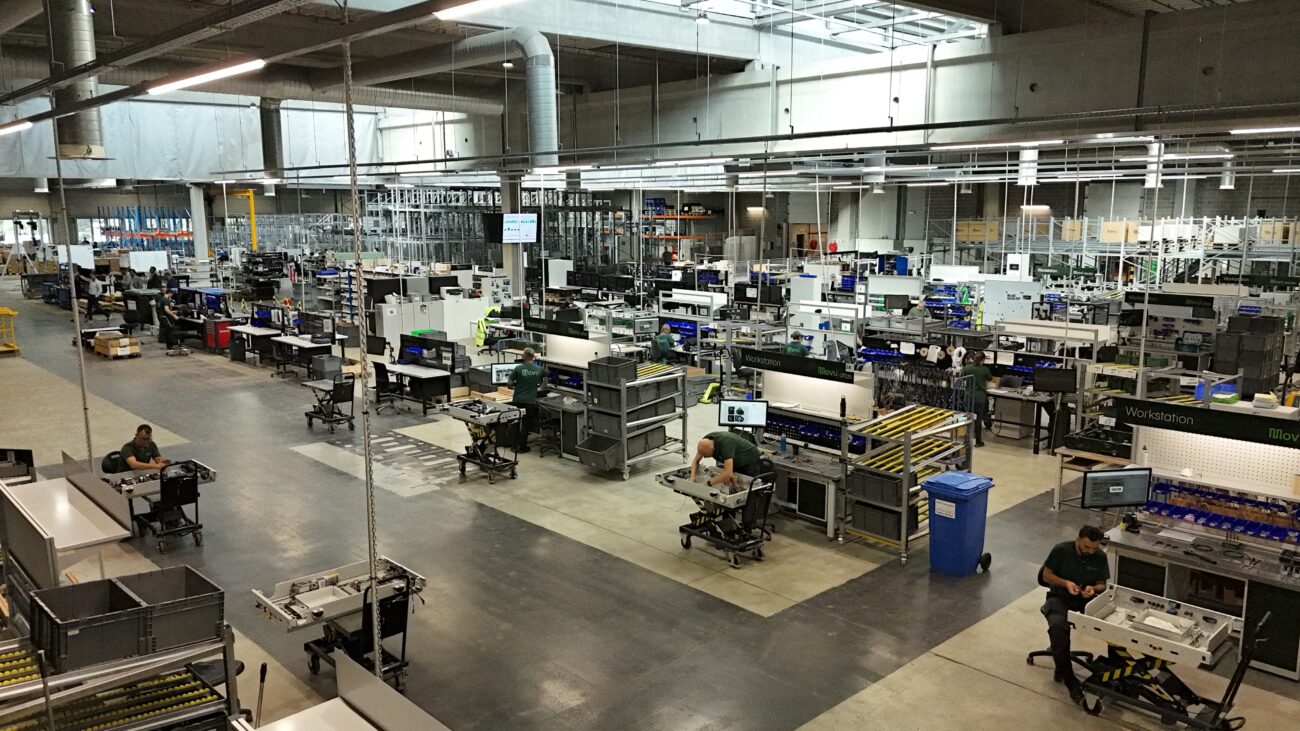
With 450+ staff, Movu is about combining racking, robots and software layers in a potent mix of efficiency, capability and analytics to enable performance enhancements for customers.

It was Christophe Coulongeat’s first LogiMAT with Movu, a week after stow Group’s announcement that he is also now president of Movu US, a significant pointer to its ambitions for its technologies in North America. “We already have many major customers in the US, we’re close to 30 projects already there and our plan is for the US to comprise 50% of our business,” he reveals. “Our base is in Lokeren, Belgium, and we began by converting existing stow customers in the Benelux countries to automation. We started selling to the US two years later.”

LogiMAT – and MODEX a month later – were both about delivering proof of the company’s capabilities and achievements. A large interactive screen displays each of the company’s global installations, all searchable via region and country.

“We’re showcasing our references here at LogiMAT,” he explains. “With more than 200 systems sold, our story is about delivering proof, rather than snappy marketing messages. Of those 200 projects, about half are currently in execution, in either the engineering, rack installation, or commissioning phase. The best message we can give is to show this map of the world directly to interested parties.”

He is enthusiastic about the progress of both stow Group and Movu.

“Today, the stow business is about €800M revenue, Movu was €200M in 2025, and this year we will beat €300M, so that’s 50%+ growth year-on-year,” he says.

He traces Movu’s development, paying tribute to Jos de Vuyst. “The stow DNA is the racking business,” he says. “From static to mobile, all the conventional styles, up to one-dimension automation, when the machine goes back and forth in a single line. This all developed over four decades under Jos’s leadership. In 2018 Blackstone became our PE partner and Jos started stow Robotics with a view to exploiting the potential for further automation in the racking sector. He identified that the necessity was there in the market, driven by scarcity of labour as well as the growing need for scalability. In the conventional storage world, there is also the issue of exploiting unused space – traditional technology such as stacker cranes can create unused empty spaces in warehouses. That’s a big constraint in territories where there is a premium on available land, such as Benelux.

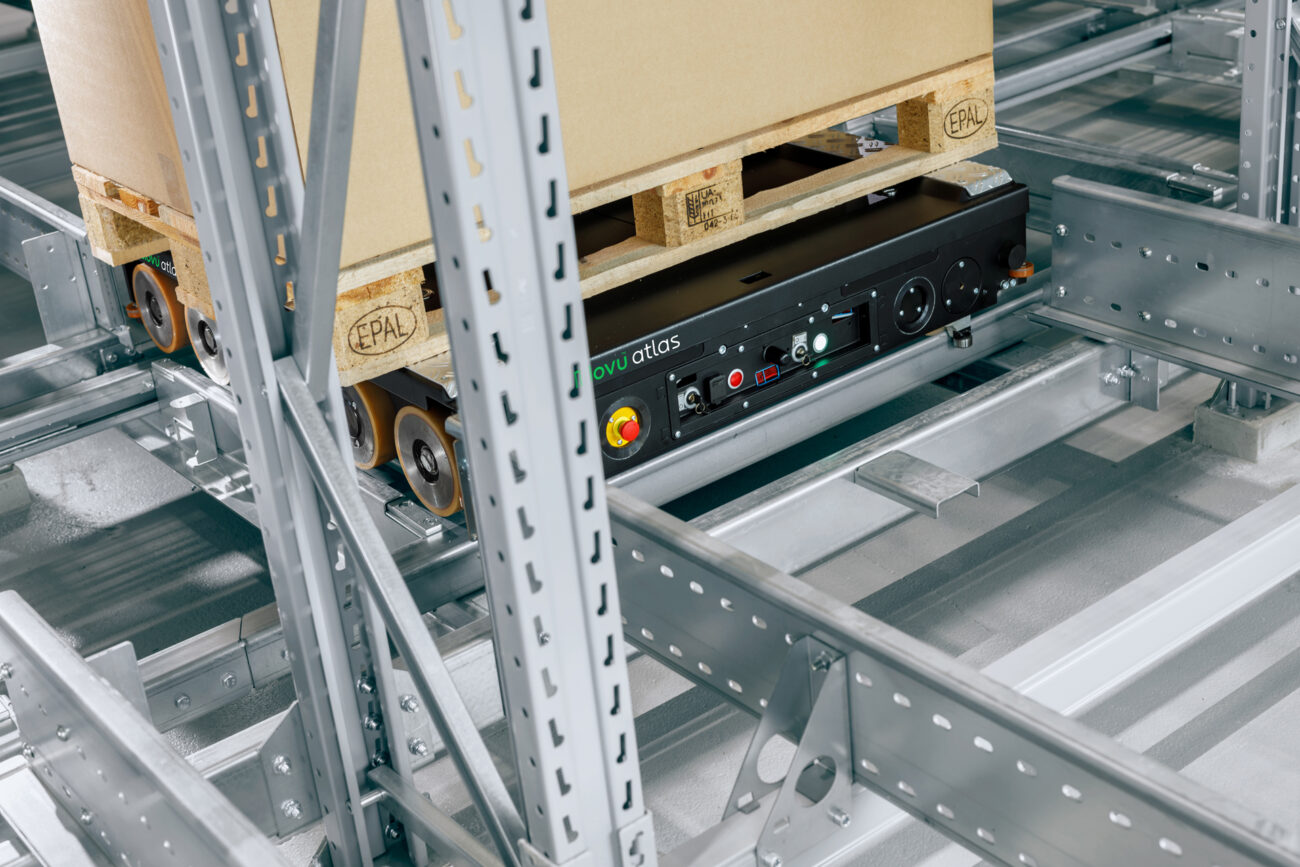
“Jos and his team realised that if you could design a new robot, a four-way shuttle robot, which could navigate through what we might call a chessboard, level by level, optimising the space, then you would gain a lot of space as the robot navigates each level. It enables you to gain density in unconventionally shaped areas not conforming to traditional squares or rectangles. It creates an opportunity for density, for high flow and also for redundancy – if one robot is down, others can do the work. That’s the story behind Jos’s vision for automation in racking.”

He mentioned the importance of the US. What does he see as the biggest difference in the two markets?

“In the US projects are much bigger. An average project in Europe might be €3M-€5M whereas in US you could easily reach €10M, €20M, €30M. They work exclusively with integrator partners in the US with very large fulfilment centres, which suit the verticals we specialise in within the consumer market – FMCG, cold chain, food, 3PL, ambient and temperature-controlled environments. Our robots can work in temperatures as low as -25°C.”

What are the competitive advantages Movu Robotics can bring to the table for customers?

“First mover advantage is important. We have deployed over 200 four-way pallet shuttle systems to the market, that’s the most in the world. When I talk about the power of references, if you deliver successful projects, customers talk about it,” he asserts.

A core strength is the breadth of capability that derives from being part of the stow Group and the expertise that accompanies it.

“We control all the core strengths of delivering a four-way shuttle system. Let’s start with the racking – in the conventional market, you could view racking as a rather commoditised product in a mature market in which you are fighting on cost and price. In reality, the racking for automated systems is very sensitive, thanks to the know-how required for the design and installation. Take high seismicity factors. Think of the West Coast of the US, you need to know your game, to deploy a system with the ability to withstand seismic conditions. So, those decades of expertise from the stow Group are a huge asset, as well as the ability to quote to customers very quickly, because our sister company is so local in Belgium. Indeed, in the US, both companies are based in the same office.”

Manufacturing capability is another part of the success story. The Group has nine factories in Europe for the racking, while its first factory in the US is due to open soon near Atlanta. “We foresee more to come,” he predicts. “In the US, it’s important to be close to the market, and that’s the aim of the first factory, which will serve both Movu as a customer and also stow itself to serve OEMs and distributors.” This was a key strand of the Group’s MODEX displays in April.

Coulongeat (pictured, below) can point proudly to the fact that all of the company’s robotics products are proprietary, made in Europe, with a new generation, featuring greater flexibility and innovation now coming on stream. Focus for 2026 remains the Movu atlas four-way pallet shuttle system.

He points to the importance of software in providing the traffic management capability to meet the flexibility required by today’s fast-moving warehouses, in which SKUs and clients can be prone to short-term change.

“We hear more and more about dynamic storage, key words are flexibility, and seasonal changes. It is often volume driven, so we can embed more shuttles.”

System flexibility means projects can vary, from a dozen robots in a system, to over 100. “That’s why traffic management is so important, you need to have the power to execute the traffic, but also to manage the complexity,” he advises.

“The latest algorithm developments to manage complexity are very exciting,” he says, highlighting also a decision which he is at pains to point out was taken before his time. “Developing our own WCS was one of the best decisions of the company, because it enables us to really master the whole flow of information from the availability of the system all the way down to the lowest level of the system, all to tune and improve the availability. From our Smart box, we’re building the platform for the analytics and performance enhancements that our customers are demanding to give them the flexibility they need. Embedded layers will provide the information and intelligence to enable precise, data-led decision making.”

Hybrid Operations at Antwerp Terminal

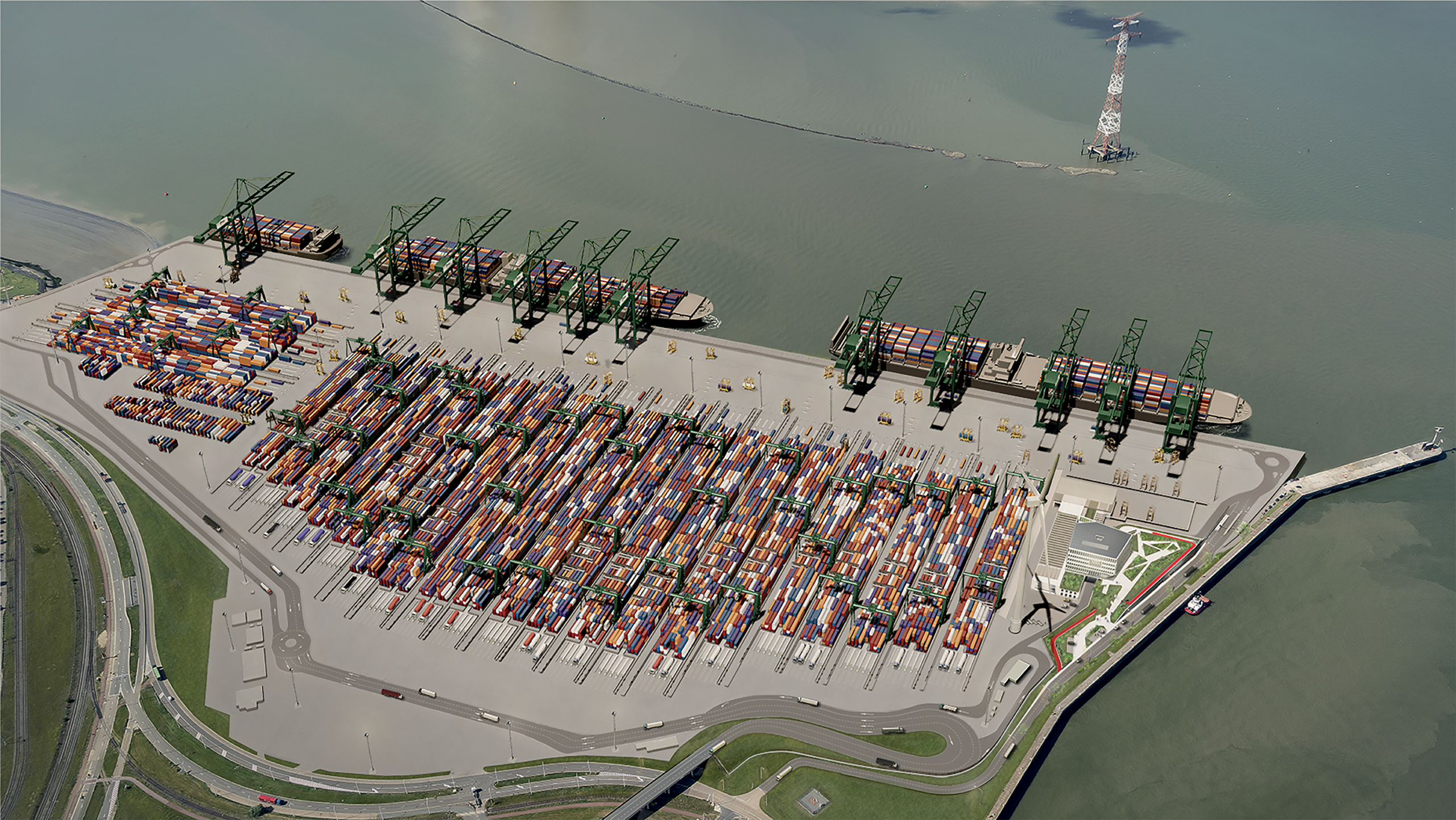
Inform Software and PSA Antwerp have announced the successful go-live of the Integrated Terminal Scheduler (ITS) at Europa Terminal in March 2026. As the terminal navigates a complex modernization project, the optimization software supports full operational capacity by dynamically managing the entire horizontal transport chain across Automated Stacking Cranes, Straddle Carriers, and Quay Cranes, demonstrating that transformation can be implemented without compromising service levels.

The collaboration between Inform and PSA Antwerp is part of the Europa Terminal modernization initiative under Project Emerald by PSA Antwerp and Port of Antwerp-Bruges. Inform’s ITS was selected to optimize move schedules for Automated Stacking Cranes (ASCs), Straddle Carriers (SCs), and Quay Cranes (QCs) throughout all phases of the upgrade and beyond.

The project presents unique challenges: sections of the terminal are periodically taken offline for reconfiguration, requiring hybrid operations while maintaining full service levels. ASCs were completely new to the terminal, with the first installation in summer 2024. Inform’s solution addresses the inherent complexity of this brownfield modernization while maintaining continuous operational efficiency.

“Our team specialized in container terminal optimization has worked intensively on this project,” said Alex Van Winckel, Director Strategic Relations and Sales, Terminal & Distribution Center Logistics at Inform.

“Managing such complexity while maintaining service continuity illustrates the impact of advanced optimization in complex environments.”

Technological and Operational Advantages

The ITS deployment delivers tangible operational benefits to its users by leveraging real-time optimization of transport processes across the entire terminal transport. The system dynamically synchronizes cranes and SCs to optimize yard movements and equipment scheduling, helping to prevent bottlenecks, minimize unproductive equipment movements, and reduce idle times through improved coordination across these equipment types.

Inform’s control room interface enables operational transparency and management by exception, giving the operational staff full visibility into and control over operations. Critically, the system supports hybrid operations, supporting optimized handling even when parts of the terminal are under refurbishment.

Next Steps and Future Development

The phased rollout began in March with SC and ASC optimization. QC integration will follow later in 2026, when the newly delivered Dual Hoist Quay Cranes are fully commissioned. Inform will continue refining ITS algorithms, leveraging operational data from current deployments to further enhance performance.

“The ongoing partnership between PSA Antwerp and Inform underscores both companies’ commitment to operational excellence and innovation in terminal automation,” emphasized Dr. Eva Savelsberg, SVP Terminal & Distribution Center Logistics Division at Inform, “It demonstrates our capacity to help leading terminals navigate transformation while remaining fully functional and efficient.”

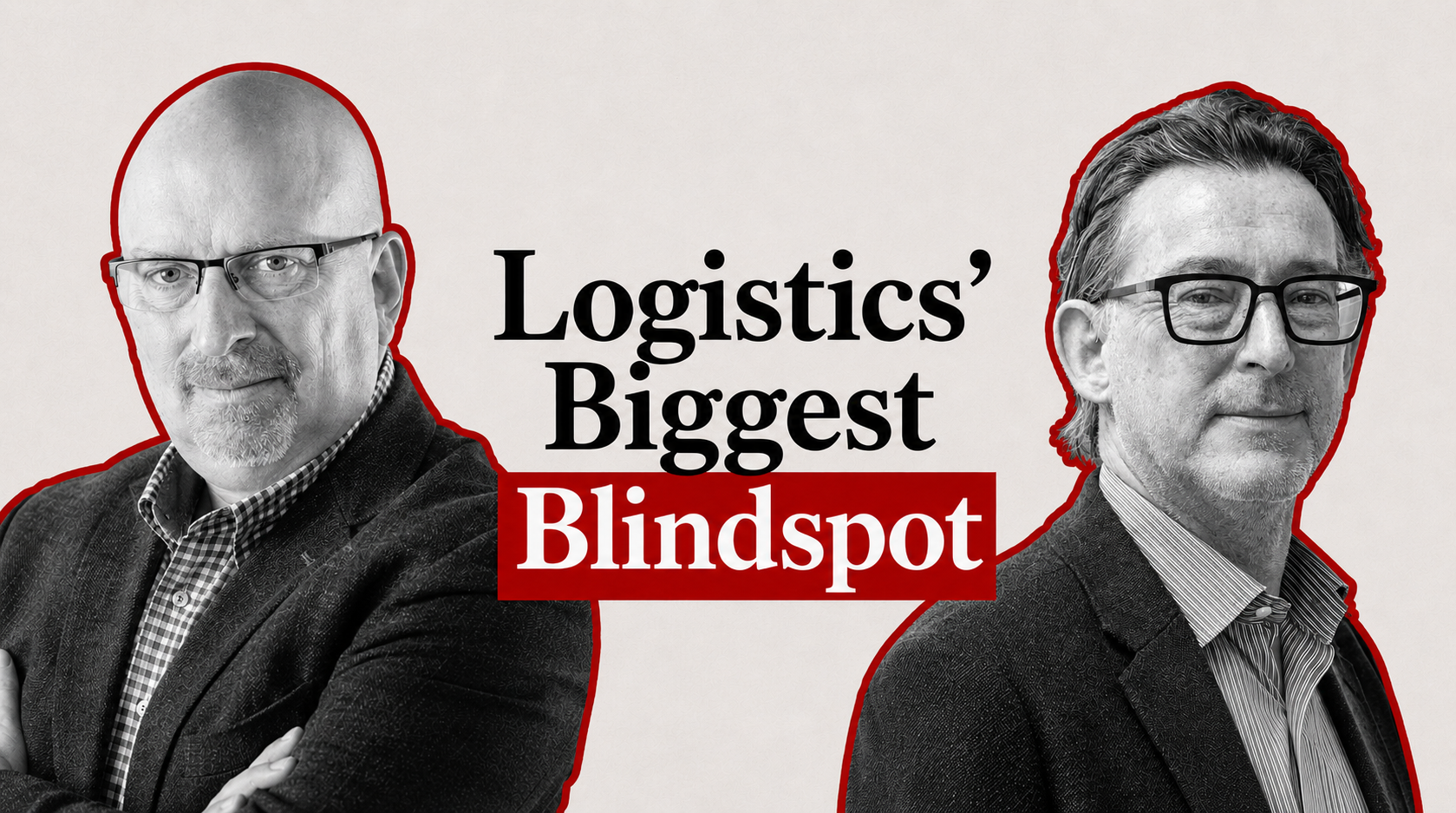
Podcast: Why the yard is still logistics’ biggest blind spot

In the world of logistics, the yard often remains an overlooked blind spot, despite its critical role in the supply chain. While warehouses and transportation systems have embraced digital transformation, yards lag behind, leading to inefficiencies and hidden costs. This episode sheds light on how cutting-edge technologies are poised to revolutionize yard operations, turning them from bottlenecks into strategic assets.

Imagine a yard where trucks flow seamlessly, queues disappear, and operational costs plummet. This isn’t just a vision—it’s becoming a reality with AI-driven solutions and real-time visibility. By embracing these innovations, logistics managers can unlock significant efficiencies, reduce emissions, and enhance safety.

Gerry Dalhousen, a leader in supply chain innovation, shares insights on how digital tools like dynamic scheduling and autonomous operations are transforming yards. These advancements not only streamline processes but also improve driver experiences and support sustainability goals.

Join us as we explore how the future of logistics is being reshaped by technology. Discover how you can turn your yard into a competitive advantage and lead the charge towards a smarter, greener supply chain.

For a deeper dive into these transformative strategies, listen to the full conversation with Gerry Dalhousen embedded below.

Subscribe

Get notified about New Episodes of our Podcast, New Magazine Issues and stay updated with our Weekly Newsletter.