Automation Warehouse Solution in Hungary

One of Hungary’s largest autonomous warehouse investments has been completed in Páty, within the new 32,000 m² logistics centre of Gebrüder Weiss Ltd. In response to growing logistics demands and labour market challenges, the company has established a fully automated very narrow aisle warehouse complex using Jungheinrich’s technology and expertise.

At the facility, Gebrüder Weiss provides complex warehousing, transhipment, transport, and distribution services for a dedicated customer – covering processes from raw material receipt and storage to production supply and global distribution.

Automated high-bay warehouse with 28,000 pallet spaces

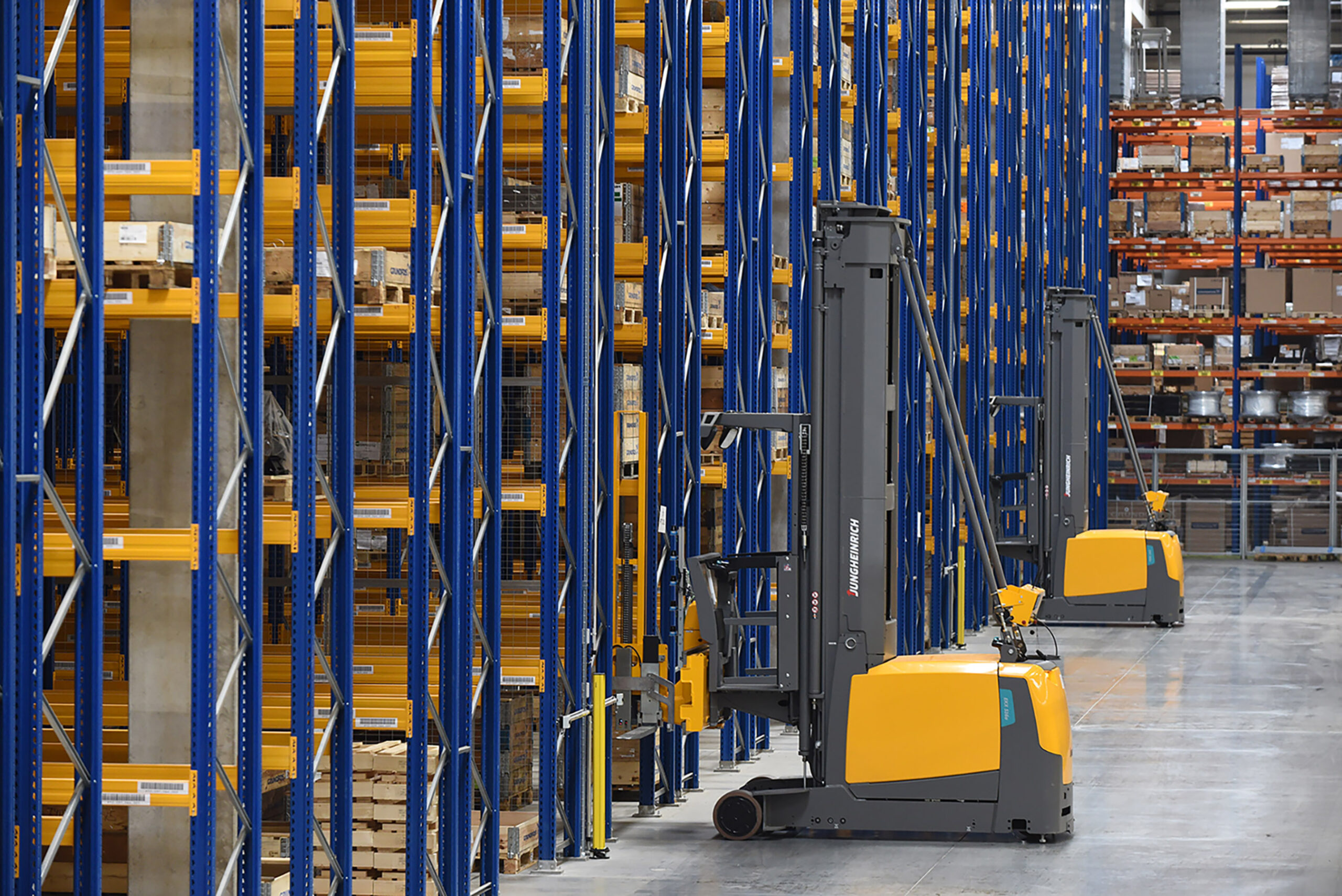
“In the automated warehouse hall, autonomous guided vehicles perform repetitive, high-volume load handling tasks with outstanding safety and efficiency. Within the closed system, which has a capacity of 28,000 pallets, six very narrow aisle trucks handle pallet storage and retrieval without human intervention, fully aligned with the system’s performance requirements,” said Balázs Bencsics, Logistics Solutions Product Manager at Gebrüder Weiss. The vehicles deployed are Jungheinrich Mobile Robots of type EKX 516a, specifically engineered for automated very narrow aisle applications and high-bay storage environments.

The very narrow aisle high-bay warehouse not only addresses logistics labour shortages but also provides a solution to limited storage capacity, enabling optimal utilisation of available space. Pallets are stored at heights of up to 10 metres. “The system can handle five pallet height variants and move up to 120 pallets per hour. The trucks are charged during an entire shift, allowing the warehouse to operate continuously in two shifts without the need for recharging,” explained András Zupán, Project Manager at Jungheinrich, outlining the system’s technical capabilities.

The manual and automated zones work closely together: forklift operators place pallets on cantilever transfer stations in the pre-zone, where contour control sensors check dimensions before the goods enter the automated system. The same transfer points are used for retrieval. The system is connected via interfaces to both the Jungheinrich and Gebrüder Weiss WMS systems, ensuring seamless information flow,

added Zupán.

Step-by-Step implementation during ongoing operations

Bencsics added that the implementation took place in several phases, during ongoing and continuously expanding operations.

Construction began in March 2024, with the automated system built zone by zone, and it has been operating at full capacity since July 2025. Initial employee concerns were addressed through active communication and training. We placed great emphasis on making it clear that automation is not about redundancies, but about creating new opportunities within the organisation,

“We are extremely proud that automation has led to significant resource savings. The integration of new and existing systems has not only enhanced operational efficiency but also elevated the level of human expertise. This improvement is evident across all roles — from site managers to warehouse operators, IT, and Lean specialists. Deepening system knowledge has taken collaboration to a new level,” said Bálint Varga, Managing Director of Gebrüder Weiss Ltd.

Sustainability and further expansion plans

In 2023, Gebrüder Weiss built two warehouse facilities in Budapest where storage, material handling, and order picking are largely automated. The operations are supported by photovoltaic systems that supply carbon-free energy to the trucks and the 36 electric vans used for daily deliveries in Hungary.

As part of further automation efforts supporting the robotic system at the Páty warehouse, the company has launched a new investment within its development programme running until 2026. Future goals include further automation of manual processes – particularly in raw material picking and optimisation of internal pallet transport.

Iran War Supply Chain Shock

Retail supply chains may take 3-5 months to recover from the Iran war, meaning shoppers could face paying higher prices this Christmas, even if peace talks clear a safe passage through the Strait of Hormuz in April.

According to logistics company Advanced Supply Chain (ASC), it could take until at least mid-July for transportation costs to start trending down toward levels seen before the start of the Middle East conflict in February 2026. By this time, most retailers will have ordered Christmas stock and absorbed supply chain costs inflated by the Iran war.

Stuart Greenfield, UK and European Sales Director at ASC, explains:

Recent disruptions show that supply chains usually undergo a two-phase adjustment. They initially stabilise to absorb the immediate shock of an event such as a war, before entering a longer period of rebalancing and some form of normalisation.

The invasion of Ukraine in 2022 and Houthi attacks in the Rea Sea in 2023, indicate that it takes around 3-5 months for this first phase, while the second phase can be much more prolonged. There are many different factors in play in terms of the disruption caused by the Iran war, however, it’s reasonable to think that it will take a similar amount of time for retail supply chains to start rebounding.

Reopening the Strait of Hormuz will create a trickle-down effect, which starts with clearing oil tankers and vessels stranded in the Strait, and then dealing with the backlog of other delayed and suspended shipping schedules. This overlaps with retailers typically placing festive orders throughout June to September. Seasonal demand could intensify the heightened pressures and costs already being felt throughout supply chains.

Impact of previous supply chain shocks:

  • Russia’s invasion of the Ukraine in February 2022 contributed to the highest crude oil prices (inflation adjusted) in March that year, since 2014. Prices started to decline around three months later in June 2022.
  • The Freightos Baltic Index shows month-by-month container freight prices from 2023 – 2024 started to stabilise during March – May 2024, after a period of volatility following Houthi attacks on vessels in the Red Sea, which started in October 2023.

Supply chain shocks caused by the Iran war:

  • The International Energy Agency (IEA) reports that around 390 vessels, including 210 laden tankers, were trapped in the Strait of Hormuz when the Iran war started on 28 February.
  • Transpacific shipping container rates to the West Coast have climbed $700 for a forty-foot equivalent unit (FEU) container and nearly 40% since just before the war to more than $2,400/FEU, with Asia – N. Europe rates up 20% and $500/FEU to $2,900/FEU.
  • Oil prices have topped $100 per barrel during the Iran war, rising from approximately $72 per barrel at the start of the conflict.

Greenfield concludes:

There’s a lot of focus on scenario modelling and forecast planning in retail supply chains to accelerate adjustments to the shocks caused by the Iran war. Emphasis is on finding ways to mitigate rising costs, such as alternative route planning, improving loading to maximise transportation capacity, and eliminating any inefficiencies and wastage. It’s clear there are wide-ranging efforts to avoid the impacts of the Iran war pushing up retail selling prices for shoppers this Christmas.

Regulation Advice for Wooden Packaging

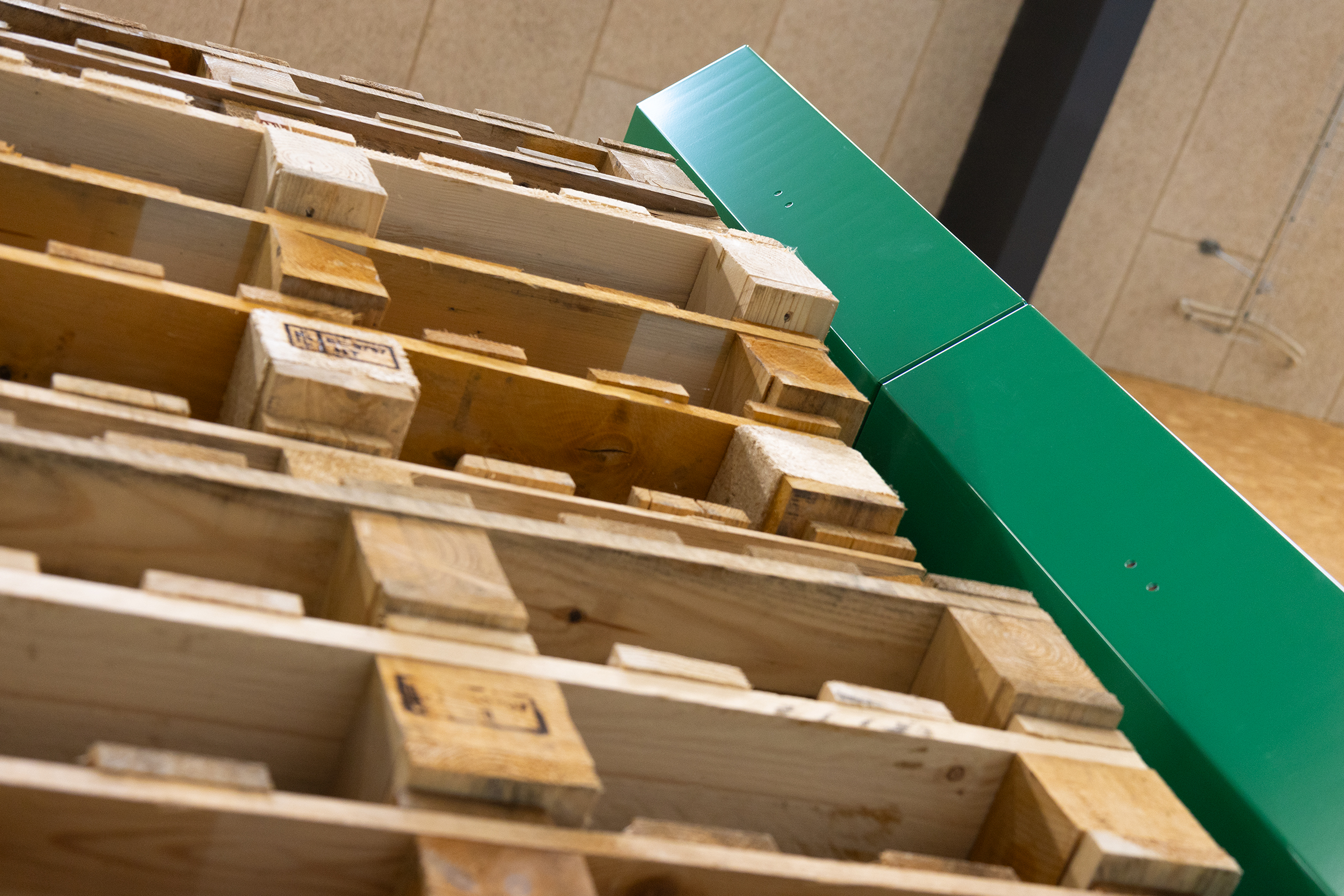
The EU Packaging and Packaging Waste Regulation (PPWR) has recognized wooden packaging as compliant. Reusable wooden packaging is no longer treated as waste—and that’s a meaningful shift. So, what does this mean in practice for manufacturers and end users? Edita Jogminienė (pictured, below), CEO of wooden packaging manufacturer and provider Analote, advises.

Tighter rules for plastic packaging

The PPWR is designed to cut packaging waste, improve recycling rates, and phase out hazardous materials. It entered into force on February 12, 2025, with full implementation across EU member states required by August 12, 2026.

The regulation reshapes how the packaging market works. It sets stricter sustainability and circular-economy standards, with a clear emphasis on reducing waste, extending packaging reuse, and making recycling more efficient — while also pushing for materials that are safe for people and the planet.

Unsurprisingly, single-use plastic packaging faces the steepest climb. Recycled content requirements will rise, and traceability and reporting obligations will tighten. According to Eurostat, adapting to these changes could cost the logistics sector up to €610 million. As the rules grow stricter, plastic packaging is set to become both more expensive and more complex to manage.

Opportunities for wooden packaging innovation

As companies search for plastic alternatives, many will naturally turn to more sustainable options — wooden pallets, crates, and cardboard. Reusable packaging brings real practical benefits: simpler reporting, a lighter regulatory burden, a more reliable supply, and a clearer path to meeting sustainability targets.

Of course, wooden packaging producers and suppliers will also face changes. In the short term, rising demand may put pressure on supply chains. Demand is likely to grow for high-quality, durable (‘heavy’) pallets, standardized systems (like EPAL), and repair solutions.

At the same time, manufacturers will need to sharpen their offer — tailoring packaging to specific products and logistics requirements. Wood traceability will also move up the priority list. Companies that invest early in process improvements, automation, and customer education around reuse and labeling will be best placed to lead.

There is still time to get ready. The new rules are more demanding, but they are also clear and well-founded. They bring much-needed structure to the market — and the push for sustainability and efficiency is set to drive real growth in reusable, eco-friendly packaging.

Smart Compliance for EU and UK Fleets

Samsara has launched an industry-first dynamic Smart Compliance solution for fleets across the EU and UK. The platform enables a proactive approach to tachograph (tacho) compliance, helping organisations manage critical elements of driver safety and regulatory workflows in one place.

Designed for compliance managers and safety leaders across industries, Samsara’s Smart Compliance integrates prevention, management, and coaching into a single, open platform.

Traditional compliance often requires managing multiple, disconnected systems for tacho downloads and telematics. This creates administrative burdens and increases the risk of legal fines. With 60% to 80% of EU fleets operating across borders, managing these complexities is a daily challenge.

Samsara claims to be the first platform that eliminates the need for fragmented, legacy systems by seamlessly consolidating AI-based safety, telematics, and comprehensive compliance into a single experience. As one of the first in the industry to offer proactive pre-infringement audio alerts, it aims empower drivers to correct errors in real time before they result in infringements.

While other solutions offer a patchwork of tools, Samsara provides a one-stop shop with advanced rulesets for 17 European countries. This unified approach gives organisations the accurate insights they need to scale cross-border operations while keeping their people safe and their supply chains resilient.

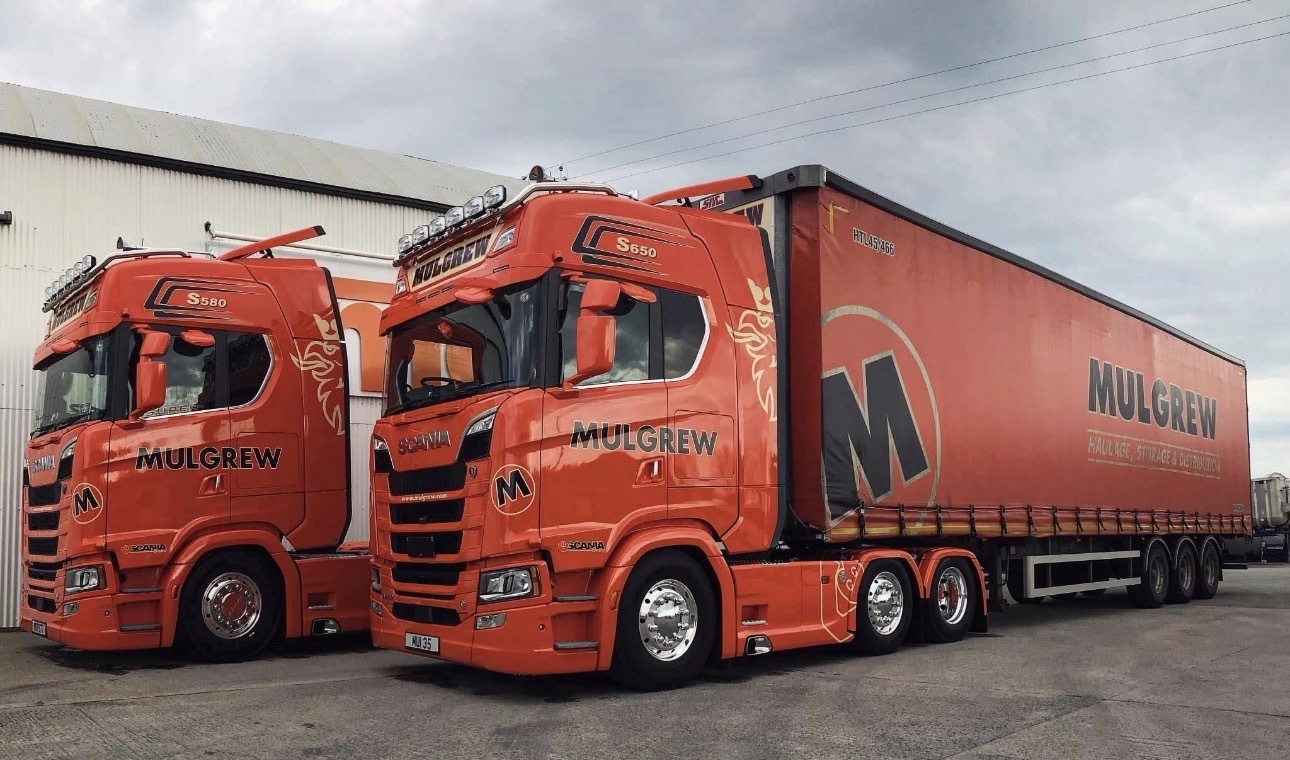
“Previously, we would wait for the infringement report and deal with everything in bulk, which could take most of the day,” said Matt Crossland, UK Area Manager at Mulgrew Haulage Ltd, one of the first customers to trial Smart Compliance. “Now everything is in one place—the infringement, manager response, and driver acknowledgement — and it takes about two minutes per infringement with Smart Compliance. Instead of looking back at last month’s infringements, we review yesterday’s, deal with them immediately, and send them straight to the driver digitally to fully understand what happened. This reduces what previously took a day, to a matter of minutes.”

Key innovations for smarter operations

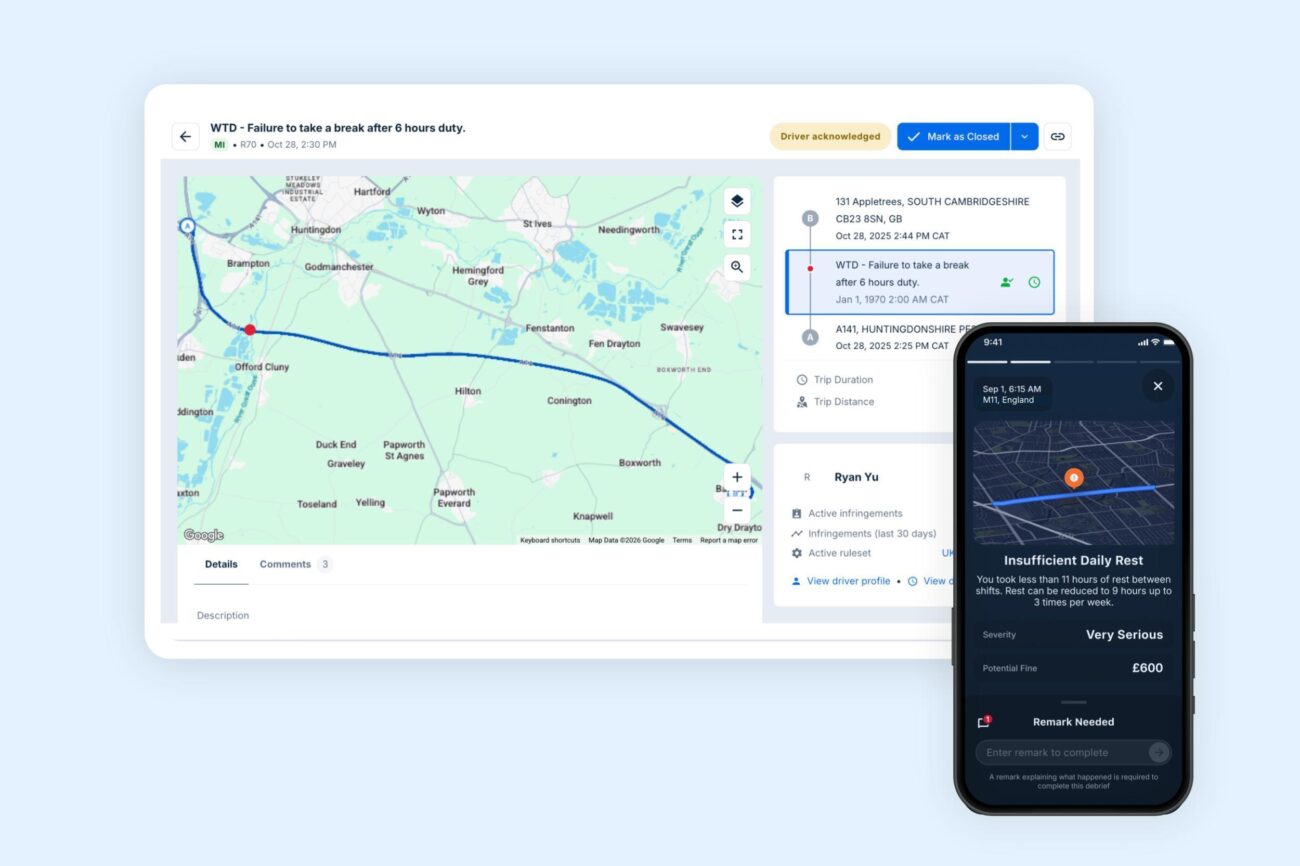
  • In-cab alerts: Real-time warnings help drivers avoid errors and stay safe before an incident occurs.
  • Centralised dashboard: Organisations can manage everything from tacho downloads to infringement resolution in one central location, increasing speed and accuracy.
  • VDO-powered European rulesets: Leveraging industry-leading infringement analysis from VDO across 17+ countries, with ongoing updates to support evolving EU regulations.
  • Digital coaching workflows: Integrated tools for driver debriefs and self-acknowledgment turns data into meaningful, actionable coaching.
  • Compliance KPIs: High-level dashboards allow managers to track improvements and identify trends at a glance.

The stakes for maintaining compliance have never been higher. In 2024, tachograph offenses accounted for 58% of all DVSA HGV prosecutions, and the regulatory landscape continues to evolve. Starting in July 2026, these requirements will extend to cross-border LCVs over 2.5 tonnes, putting additional pressure on international fleets. For many organisations, the risk of non-compliance goes beyond financial penalties; it can lead to the loss of their operator’s licence, making a unified, reliable compliance platform an essential part of their long-term resilience.

By moving to an integrated, data-driven system, fleets can reduce administrative costs and significantly cut down on fines. With costs of up to £5,000 per infringement and the risk of suspension or loss of an Operator’s License, proactive compliance is critical for fleet operations. This approach also boosts driver retention by replacing punitive measures with helpful, respectful coaching.

“Our customers’ operations in Europe are some of the most complex in the world, and there is a huge opportunity to use AI to spot risks and avoid infringements,” said Praveen Murugesan, VP of Engineering EMEA. “Smart Compliance takes the guesswork out of compliance by automating the toil that office teams grapple with every day. We’re super excited to provide the technology that keeps these essential supply chains moving safely.”

Forklifts with Permanently Integrated Lithium-ion

Integrated lithium-ion batteries provide design engineers with a range of opportunities to enhance vehicle ergonomics. Linde Material Handling (MH) leverages this benefit in its new Linde Ei model series of electric counterbalance forklifts. The three- and four-wheeled models, which are available with load capacities ranging from 1.4 to 2.0 tons, are technically based on the standard Linde E electric forklifts with a classic replaceable battery system. However, the new Ei models offer significant added comfort and safety thanks to their innovative energy concept, which utilizes an integrated lithium-ion battery.

The new Linde Ei14 – Ei20 electric forklifts are designed for light to medium-duty applications in single- or two-shift operations at temperatures as low as minus 20 degrees Celsius. This makes the Linde Ei models a cost-effective yet highly ergonomic alternative for companies that have previously used electric forklifts with lead-acid batteries for their intralogistics material flow operations. Unlike lead-acid batteries, which require overnight charging, forklifts equipped with (integrated) lithium-ion batteries can be recharged during operation, such as during breaks. Lithium-ion batteries are maintenance-free and do not release battery gases during charging, eliminating the need for a separate, ventilated charging room. This frees up space that can be used for other purposes. The need for constant monitoring of the battery acid level and topping off water is eliminated as well. The optional onboard charger further increases operational flexibility, as it can be used with any standard outlet.

Ergonomics reimagined

The major advantage of the integrated lithium-ion battery is the additional cabin space it provides. Eliminating the traditional battery compartment has increased the driver’s legroom by 35 percent, significantly surpassing the industry average. This allows for a more relaxed seating position during the workday, increasing the driver’s well-being, motivation and long-term health. At the same time, the entry step is only 40 centimeters above the ground, making it very comfortable to get in and out.

“This low yet wide entry design leads the entire vehicle class,” says Richard Bozem, Senior Strategy and Portfolio Manager at Linde Material Handling. “The design provides exceptional comfort in daily use, and it enhances safety as well. Beyond that it is especially advantageous in this payload class, where drivers frequently leave their vehicle to perform other logistical tasks.”

High-level performance

Similar to the Linde E14 – E20 electric forklifts with replaceable batteries, models with integrated batteries feature a 48-volt drive system and maintenance-free asynchronous motors. This provides sufficient power for their full range of tasks. Thanks to swivel steering on the three-wheeled version or the Linde combi steering axle on the four-wheeled version and their compact dimensions, these forklifts achieve high handling performance, even in tight spaces.

Safety first

As with all Linde vehicles, the safety features of these models represent a key part of the brand’s DNA. The slim mast design offers excellent all-around visibility, while integrated standard assistance systems provide additional stability. For example, the Linde Curve Assist automatically adjusts driving speed in curves based on the steering angle, while the Linde Load Assist uses pressure sensors and a lifting height indicator to control tilting, lifting, and traveling functions to prevent tipping accidents. Optional assistance systems such as the Linde Speed Assist (automatic speed adjustment when entering warehouses), Linde Safety Pilot (load monitoring) and Linde Safety Guard (warning zones) provide additional safety.

Fully connected upon request

The Linde Ei14 to Ei20 models are part of the Linde 12XX forklift generation. These models have been developed from the ground up and feature an electric/electronic system architecture and comprehensive sensor technology. This enables a wide range of digital functions. With the optional data transmission unit, operating hours and error codes can be wirelessly and securely transmitted to fleet management or service applications. System updates and additional vehicle functions can be activated via over-the-air software updates.

Multimodal Corridors Gain Ground

As ongoing disruption across key global shipping corridors continues to impact trade flows, logistics service providers are helping customers maintain cargo flows by integrating sea, rail and road networks that are increasingly critical to supply chain resilience.

As cargo owners navigate geopolitical uncertainty, port congestion and climate-related pressures, the ability to move goods seamlessly across connected transport modes is becoming a growing competitive advantage. Industry projections show the global multimodal transport market is expected to grow to nearly $160 billion by 2032, representing a $60.7 billion growth opportunity driven by demand for more agile, visible and reliable supply chains.

This includes coastal and feeder shipping services that connect regional ports, alongside rail and road solutions that extend cargo moves inland, enabling more integrated, end-to-end logistics across key trade corridors.

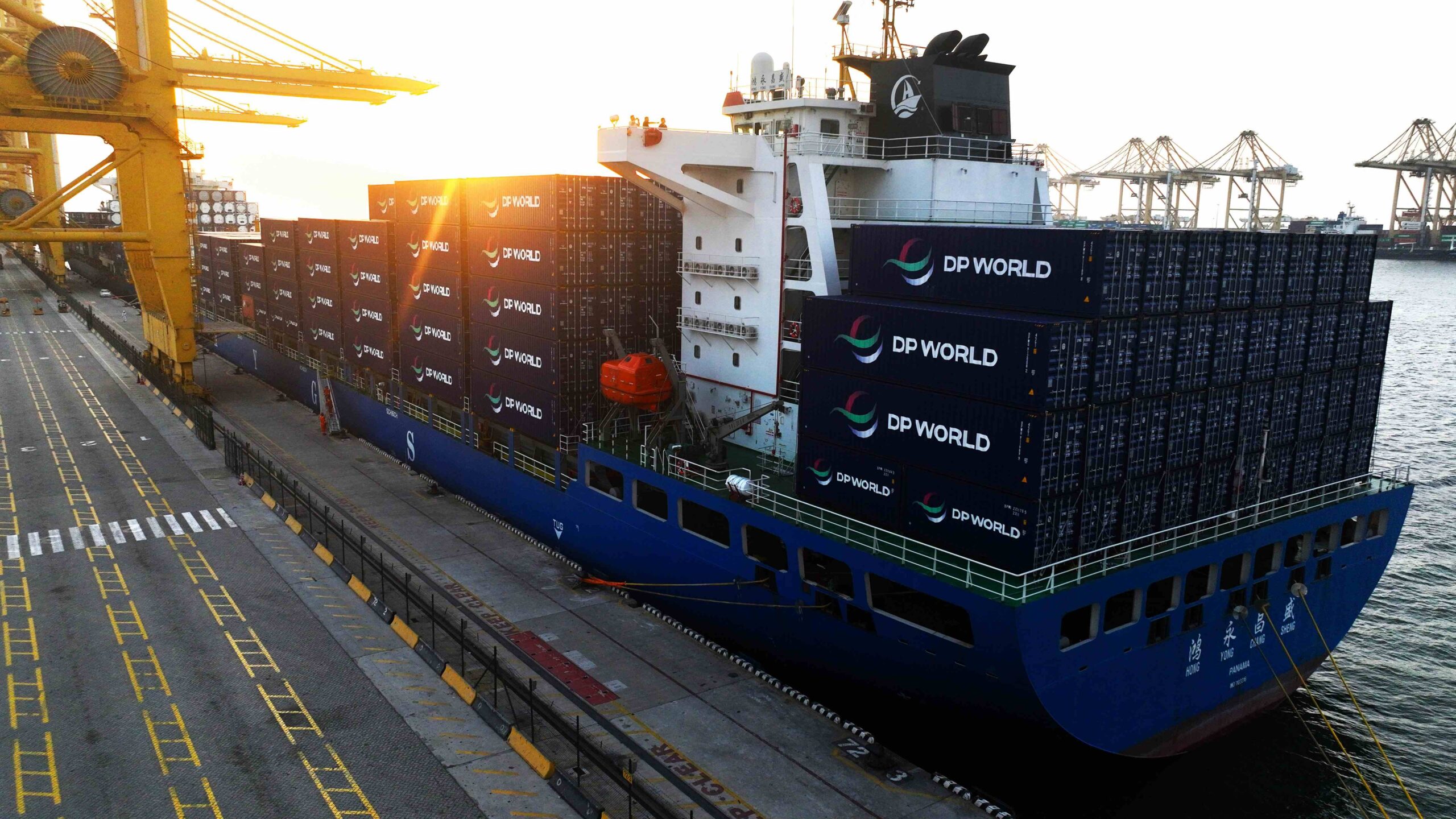
For DP World, this is not just a future trend. It is already being operationalised across the company’s global network. Through its Marine Services business, DP World connects more than 200 ports worldwide and supports 23,500+ sailings annually, with its Shipping Solutions business handling approximately 6 million TEU, creating the coastal and feeder connectivity that underpins global trade flows. These services are increasingly integrated with inland logistics capabilities, including rail and road, helping customers move cargo more efficiently across key trade corridors.

This corridor-based approach is becoming more important as supply chains evolve from linear, point-to-point models into more connected regional networks. As trading patterns become increasingly shaped by resilience, regionalisation and speed to market, businesses need transport systems that can flex across multiple modes while maintaining reliability and visibility from origin to destination.

DP World is responding by strengthening the links between ports, marine services and inland logistics to create more joined-up supply chain solutions. This includes expanding coastal and feeder connectivity beyond major hubs, improving inland access through rail and road integration, and enabling greater coordination across the end-to-end cargo journey.

These capabilities position DP World to support customers as trade becomes increasingly corridor-driven and operational resilience becomes a defining requirement.

Ganesh Raj (pictured, above), Global COO, Marine Services, DP World, said:

“As supply chains face increasing disruption, the ability to connect ports, marine services, rail and road into integrated trade corridors is becoming essential. DP World is helping customers maintain reliability and efficiency by enabling more flexible, connected cargo flows across these networks.”

DP World explores these trends further in its new whitepaper, A $60.7 Billion Opportunity: Multimodal Transport and the Future of Global Trade, which examines how integrated transport networks are redefining the movement of goods across regional and global markets. Download the whitepaper here

New Operating Concept for Multidirectional Forklifts

Hubtex is taking the ergonomics and user-friendliness of its multidirectional forklifts to the next level with a new operating and control concept. Developed on the basis of extensive real-world customer feedback and the growing integration of advanced assistance systems, the new concept brings these elements together in a unified, intuitive user interface.

At the heart of the new concept are the latest generation of the Information Terminal (HIT4), a newly developed joystick with extended functionality, and a display controller. Together, they form an operating system specifically designed around the needs of multidirectional forklift operators. Beginning in the second quarter of 2026, the system will be introduced as a standard feature in various configurations across Hubtex’s multidirectional forklift product lines.

Central Info Hub

The Information Terminal (HIT4) serves as the operator’s central source of information, clearly displaying all relevant truck data, including wheel position, travel speed, and battery status, along with information from integrated driver assistance systems. The aim is to create a more standardised operating experience while making vehicle control even more intuitive for operators.

The central display consolidates machine, energy, and safety information in a clear and structured way. Icons, colour coding, and plain-language messages are aligned for quick comprehension. Alerts, warnings, and fault messages are prioritised so operators can immediately identify the most critical information in any situation. This helps reduce training time, simplifies transitions within mixed fleets, and improves process reliability in narrow aisles as well as indoor and outdoor applications.

As the direct successor to the HIT3, the HIT4 builds on a familiar operating logic while advancing it significantly. The display features standard touchscreen functionality and, in the PHOENIX series, can also be operated via a display controller with clearly arranged function keys – even when wearing gloves. Adaptive brightness control automatically responds to changing lighting conditions, while manual adjustment options ensure the screen remains easy to read, even from angled viewing positions.

Ergonomics Refined: The New Joystick

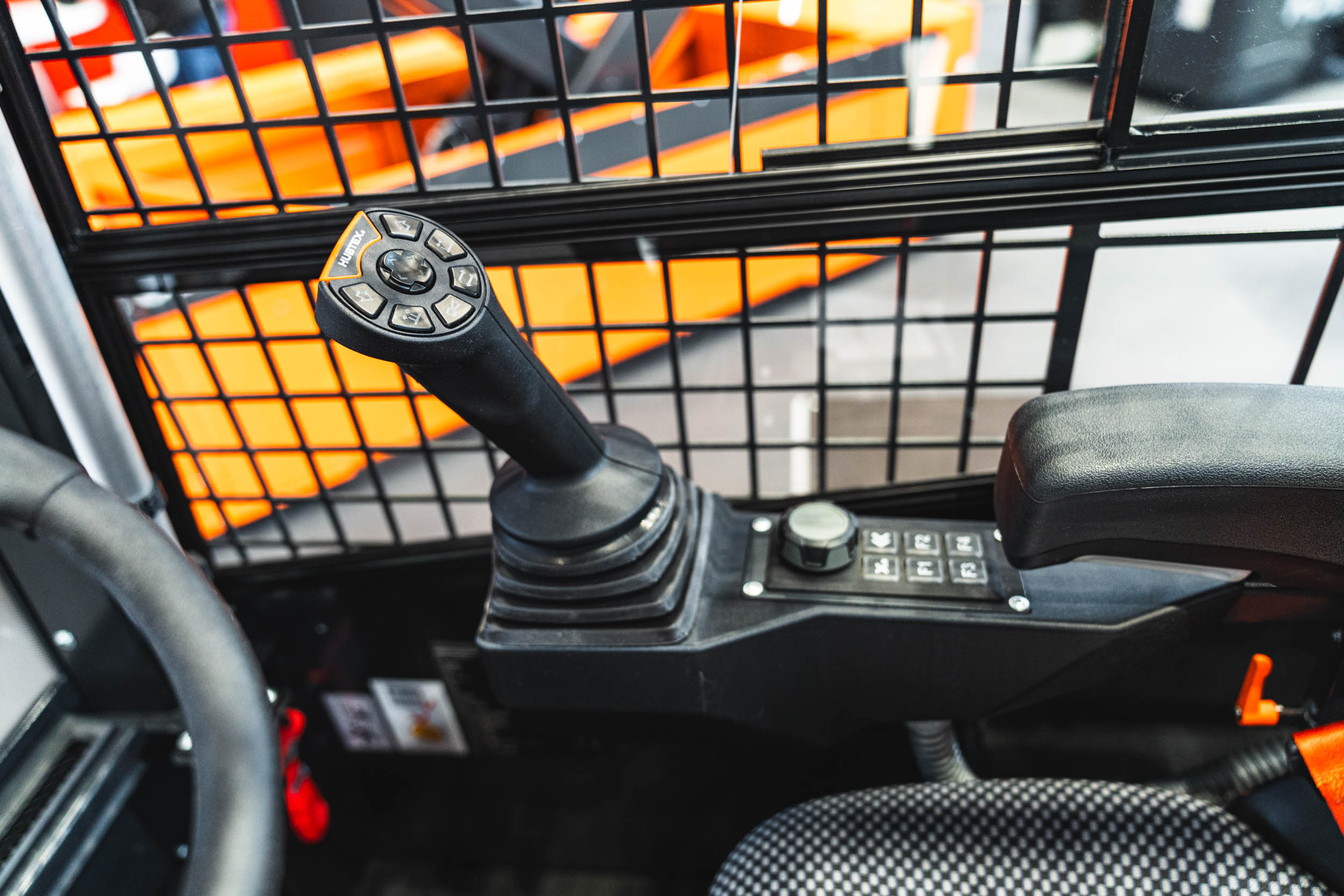
Hubtex has also comprehensively redesigned the joystick. The development objective was clear: to preserve the functions operators already know and trust, make the transition easy for existing customers, and deliver a noticeable improvement in ergonomics.

The new joystick stands out with its redesigned grip and enhanced tactile and visual layout. Features such as a newly shaped thumb rest and added functionality support greater comfort during long shifts. All controls are positioned for easy thumb access, while tactilely distinct, illuminated buttons enable safe, intuitive operation even in low-light environments. A centrally positioned directional rocker further supports frequent changes in travel direction and contributes to more ergonomic, lower-fatigue operation.

Display Controller Designed for Rugged Industrial Use

Another key element of the new operating concept was developed specifically for the PHOENIX series, where a wide range of assistance systems – particularly for narrow-aisle applications – are often integrated. The combination of the HIT4 display and the display controller makes these systems much easier to operate.

Typical assistance-system prompts shown on the display, such as guidance on ideal racking position or appropriate travel speed, help operators maintain smooth, focused driving without obstructing visibility of the load or travel path with additional monitors. With the new display controller, Hubtex is reinforcing its focus on rugged, industrial-grade usability. Designed specifically for demanding working environments, the controller enables safe, intuitive operation – even with gloves.

At the same time, it reduces the need for operators to reach towards the display and speeds up repetitive tasks. In combination with the HIT4, it creates a clear and ergonomic separation between travel and work functions, helping operators work more efficiently and safely.

Greater Transparency in Operation

The new system also offers clear advantages for service and maintenance. Structured diagnostic paths, clearly labelled parameters, a detailed event history, and optional remote access enable faster troubleshooting and help reduce downtime. Its modular architecture also makes it easy to integrate future functions without changing the familiar operating logic – an important foundation for upcoming assistance and safety features.

Overall, the combination of touchscreen, controller, and joystick reduces hand movement, speeds up repetitive actions, and enables precise manoeuvering in confined spaces. At the same time, it allows new assistance systems to be integrated without adding unnecessary complexity for the operator. Starting in the second quarter of 2026, the new operating and control concept will be rolled out step by step across all PHOENIX models, with additional product lines to follow.

Plastic Pallet Recycling Record Set

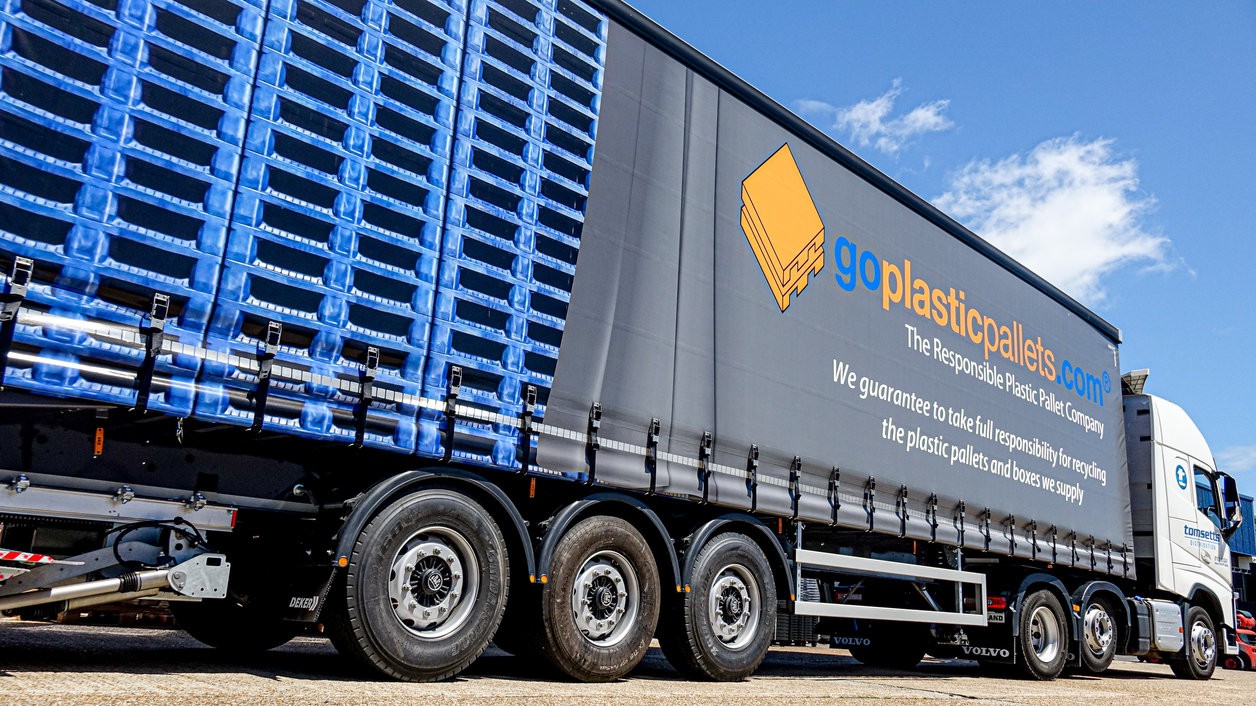
One of the UK’s leading providers of sustainable plastic pallets and boxes has smashed its monthly recycling total as the company continues its mission to create greener supply chains. During March, Go Plastic Pallets recycled a whopping 114.6 tonnes of plastic, smashing previous records.

The Eastbourne, Sussex-based company launched its recycling scheme – the first of its kind across the sector – in 2019. Since then, it has extended this commitment by guaranteeing to take full responsibility for recycling all plastic pallets and boxes it supplies. Over the last six years, goplasticpallets.com has recycled more than 2,700 tonnes of plastic, which is the equivalent of 455 truckloads.

The team collects plastic pallets that have reached the end of their working lives, before sending them to a licensed recycling facility in Belgium, where the material is cleaned, shredded and made into new products.

Earlier this week, the company calculated it had recycled 114.6 tonnes of plastic during the last month alone – comfortably beating the existing record of 105 tonnes, set in December 2025. This new milestone fell in the same month as Global Recycling Day, which took place on 18th March.

Anabel Cooper, Logistics Co-ordinator at goplasticpallets.com, plays a key role in the recycling scheme on a day-to-day basis. Commenting on the latest record, she said:

“March was a really busy period for us. As the month went on, I had a feeling we would come close to surpassing December’s record, and when we completed the final calculations we were absolutely thrilled. Our team does a fantastic job by helping major organisations across key industries – including retail, food processing, waste management, automotive and pharmaceuticals – to embed sustainable plastic pallets and boxes across their facilities and transport networks. It is also incredibly rewarding to work with these household names on recycling too, as we all look to benefit the planet by contributing to the circular economy. After learning that we set a new record, we did some research to see what else weighs around 114.6 tonnes – and apparently it is the same as an average-sized blue whale, the largest animal to have ever existed, so we must be doing something right!”

Warehouse Orchestration Software Solves “One-Size-Fits-All” Efficiency Gap

The rigid, “one-size-fits-all” constraint of traditional warehouse management software may finally be meeting its match. At MODEX 2026, Ocado Intelligent Automation (OIA) unveiled a significant evolution of its Ocado IQ software, signaling a shift toward more granular, adaptive fulfillment strategies.

In a discussion at the event, Gaurav Daru of Ocado Engineering sat down with Ian Wright to outline how the company is leveraging nearly two decades of operational data to tackle a persistent industry pain point: the “optimized for nothing” floor.

Breaking the Single-Strategy Constraint

Most legacy warehouse systems mandate a uniform picking strategy across every aisle and shift. This lack of flexibility often leaves managers struggling to balance labor costs, frequently resulting in a reliance on overtime or temporary staff to compensate for systemic bottlenecks.

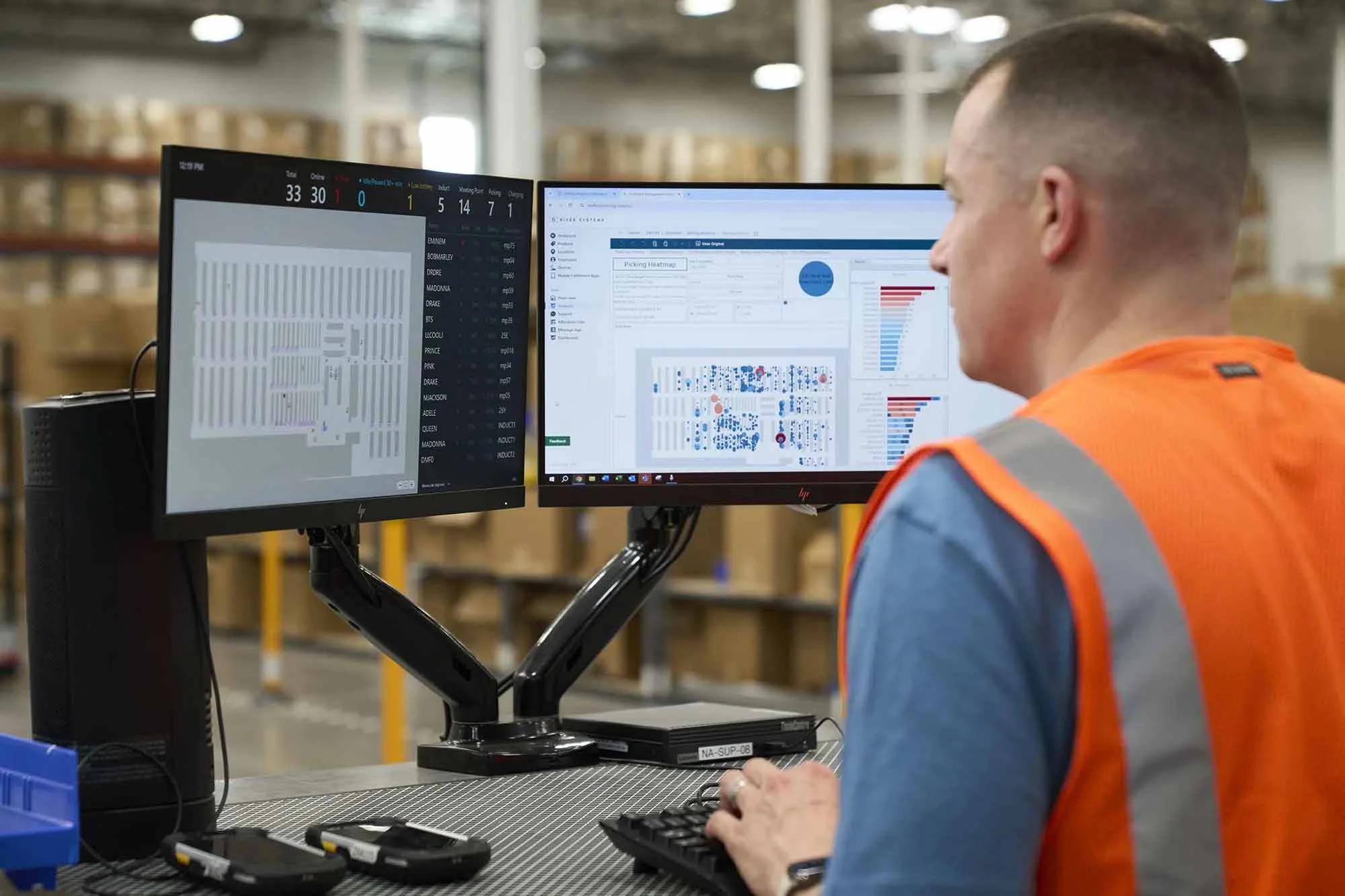
Ocado’s response is a software stack that allows for concurrent pick modes. Instead of a global setting, operators can now configure workflows on an aisle-by-aisle basis, specifically tailored to the density, velocity, and layout of the inventory in that zone.

“Ocado IQ has that breadth to work on different form factors,” Daru explained, noting that the system orchestrates everything from case picks to each picks across diverse hardware, including their Chuck and Porter robots.

The “Smart Bypass” and Unified Orchestration

Beyond flexible picking, the new release introduces Smart Bypass, a feature designed to shave critical seconds off cycle times by enabling direct-to-pick routing. By eliminating traditional “meet-up” points and administrative “badge-in” delays, the system targets a level of responsiveness required for ultra-fast operations.

Key technical highlights of the update include:

  • Unified Interface: Every workflow—including picking, tasking, routing, and error resolution—is orchestrated through a single pane of glass.
  • Intelligence at the Heart: The software leverages data from over 100 global sites to refine AI-driven efficiencies.
  • Hardware Agnostic: The system is built to bring “magic” to various product lines and form factors as they are deployed.

ROI in Months, Not Years

The business case for this level of orchestration is aggressive. OIA claims that by moving to this adaptive model, operators can see a threefold improvement in picking productivity.

Perhaps most compelling for logistics leaders facing tightened margins is the speed of return. According to OIA, the efficiency gains from Ocado IQ can deliver a full ROI in as few as six months.

As Daru noted, the goal isn’t just about automation for its own sake, but about “improving the efficiency in the client centers” by delivering solutions that adapt to the specific, evolving needs of the warehouse floor.

Energy Costs Rise for Logistics Sector

The UK’s energy landscape is shifting under the feet of the logistics sector and a relatively unknown change which commenced on 1st April.

For decades, the industry has benefited from a period of de-industrialisation where energy was relatively abundant and grid capacity was rarely a constraint. Today, however, we have entered a new normal: operators must now manage a surge in electricity demand (driven by warehouse automation and fleet electrification) while the grid struggles to accommodate intermittent renewable generation.

What’s changing?

To fund an estimated £70 billion in grid upgrades over the next five years, the mechanism for charging businesses for transmission services has fundamentally changed. In the past, finance and operational teams could mitigate costs through simple energy efficiency or by reducing consumption during peak periods. That flexibility has essentially gone.

Following Ofgem’s Targeted Charging Review, the majority of Transmission Network Use of System (TNUoS) charges have been decoupled from actual consumption. They have been replaced, since 2022, by a fixed daily charge known as the Transmission Demand Residual (TDR). This structural change significantly altered how costs are incurred across the logistics sector.

Confirmed TDR charges have increased by an average of 65% for many commercial users. Crucially, for 24/7 fulfilment centres, this is a fixed fee charged 365 days a year, regardless of whether operations are running at full capacity or at reduced throughput.

How peak power spikes lock in higher costs

For commercial and industrial organisations operating large-scale distribution centres, the real challenge lies in the ‘banding’ system used to calculate these fixed charges. Whether a site is classified as Low Voltage (LV) or High Voltage (HV), it is assigned to a charging band based on its contracted Import Capacity: the maximum amount of power it is permitted to draw from the grid.

With automated logistics in particular, power demand is rarely consistent. Instead, it is characterised by sharp, intense peaks: the morning rush as a fleet of electric delivery vans begins charging, or the moment a high-speed conveyor and sorting system comes online.

Under the new TNUoS cost recovery regime, these brief spikes can have lasting financial consequences.
If a site requires its maximum import capacity for occasional peaks, it becomes locked into its allocated TDR band. This means paying a large standing charge every single day of the year, even during holiday periods or maintenance windows when the warehouse is quiet.

What is far less widely understood is that reducing this agreed capacity is not straightforward. The current TDR pricing regime is now set for the next 5 years. If operators reduce their contracted grid capacity to reduce their fixed charges, their TDR charge rate will not change – unless operators reduce their capacity by more than 50%. For a large distribution centre, this makes incremental optimisation, such as trimming a few hundred kVA to drop into a lower band, effectively impossible. The result is a ‘capacity lock-in’ effect: logistics sites are charged for their peak capacity they may only use for short periods, yet are prevented from right-sizing it in a flexible or timely way.

The solution: energy storage and smart “peak shaving”

The key to protecting margins is a process known as peak shaving. Rather than relying on the grid to handle short-lived bursts of high demand, operators are increasingly turning to on-site battery storage to act as a buffer. The battery storage system monitors a site’s demand in real-time. The moment it detects a spike, the battery instantly discharges its own power. This effectively ‘shaves’ the top off a site’s grid demand, ensuring a business doesn’t stray into requiring a higher grid supply capacity, where the knock effect – at the next TDR Charge review – could mean the business crossing into a higher, more expensive TNUoS band.

In principle, this kind of real-time demand management should enable operators to safely reduce their Import Capacity and move into a lower charging band without affecting operations. However, even when technologies like battery storage demonstrably reduce the need for businesses to hold onto scarce grid supply capacity, this is not refl ected in how much the business pays for use of the transmission network.

This creates a clear mismatch: the logistics sector is being encouraged to electrify fleets and automate warehouses, while the regulatory framework makes it harder to deploy the very technologies that would ease pressure on the grid. In practice, unlocking these benefits at scale will require regulatory reform to recognise flexible, technology-driven reductions in demand. In doing so, energy costs become more predictable and easier to manage.

De-risking the transition with a fully funded solution

Now is the time to act. The next TDR charging regime begins in April 2031. The assessment of the banded charges for the 5 years following will be based on a businesses Import Capacity as of January 2029. Operators therefore have less than 2 years to evolve their energy strategy so that they are not over-contracted for grid capacity as of the end of 2028. While the operational case for battery storage is clear, the capital expenditure required to install industrial-scale storage and solar can be a barrier for many logistics businesses. High interest rates and competing investment priorities often push energy infrastructure down the list.

Rather than requiring upfront investment, Wattstor fully funds, builds, and operates onsite battery and solar assets. This means zero upfront capital investment required from the operator. In effect, Wattstor acts as a technology-driven energy partner, managing the site’s energy supply and combining grid power with onsite generation to create a single, dynamic tariff. This tariff follows the UK hourly wholesale price while offering a guaranteed discount and a fi xed price cap for up to 25 years.

The result: lower costs and guaranteed uptime

This approach delivers immediate benefits. Peak shaving reduces exposure to higher TNUoS bands, while long-term pricing provides protection against market volatility. Crucially, because Wattstor assumes both the technical and fi nancial risk of the assets, operations teams can remain focused on their core business — moving goods efficiently and maintaining throughput — while ensuring reliable power supply.

The grid is changing, and the cost of doing nothing is about to rise sharply. But without changes to current network rules, many logistics operators will remain locked into paying for unused capacity while being unable to fully deploy flexibility solutions.

At a time when grid connections are constrained and electricity demand is rising rapidly, enabling businesses to right-size their capacity would not only reduce costs, but also release capacity back to the network and support wider electrification across the sector. Logistics businesses that thrive in this next era will be the ones that stop viewing energy as an unavoidable tax and start treating it as a tool for competitive advantage.

Subscribe

Get notified about New Episodes of our Podcast, New Magazine Issues and stay updated with our Weekly Newsletter.