Global automotive leader Renault Group has partnered with Exotec to automate its spare parts operation across its warehouses in France. Thanks to the implementation of a fleet of Exotec’s Skypod robots, Renault has successfully reduced its order processing time from two hours to just 15 minutes, making a huge difference to efficiency and customer satisfaction.
The challenge
Prior to the partnership, Renault Group struggled to efficiently manage the delivery and distribution of replacement vehicle parts in Europe. Its system was fragmented, and its warehouses were organised by part types rather than by geographic regions or markets.
It also lacked a regional distribution warehouse for France, which accounts for 37% of Renault’s parts and accessories business, while the company relied heavily on outdated systems to handle operations, This severely limited Renault Group’s capacity to meet national demand.
The solution
As part of a significant overhaul of its operations, Renault Group fully reorganised its spare parts warehouses. This involved closing its older Cergy site to make way for a new facility in Puiseux dedicated to serving European and international markets, and the specialisation of the Flins-sur-Seine warehouse to focus on heavy and bulky parts.
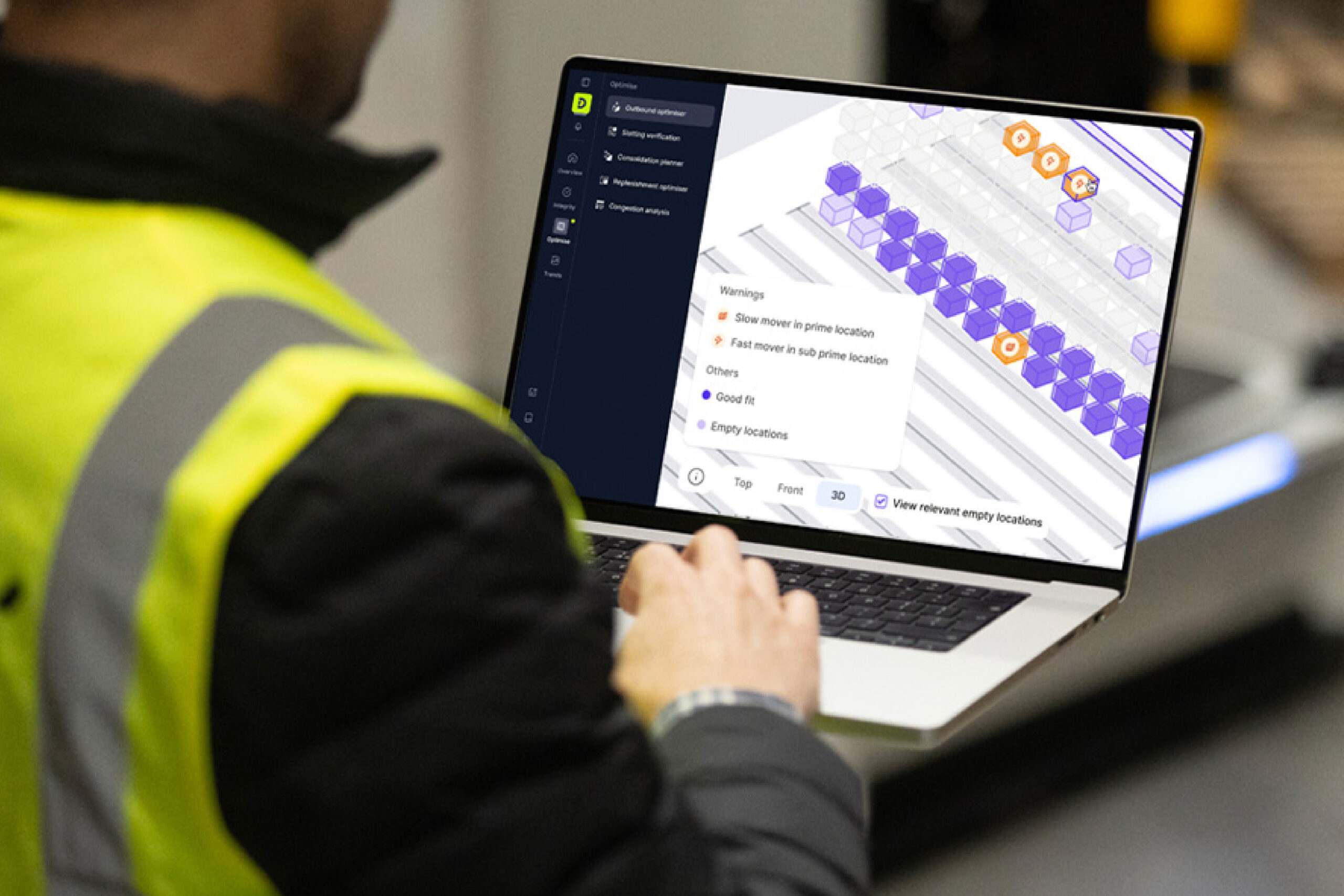
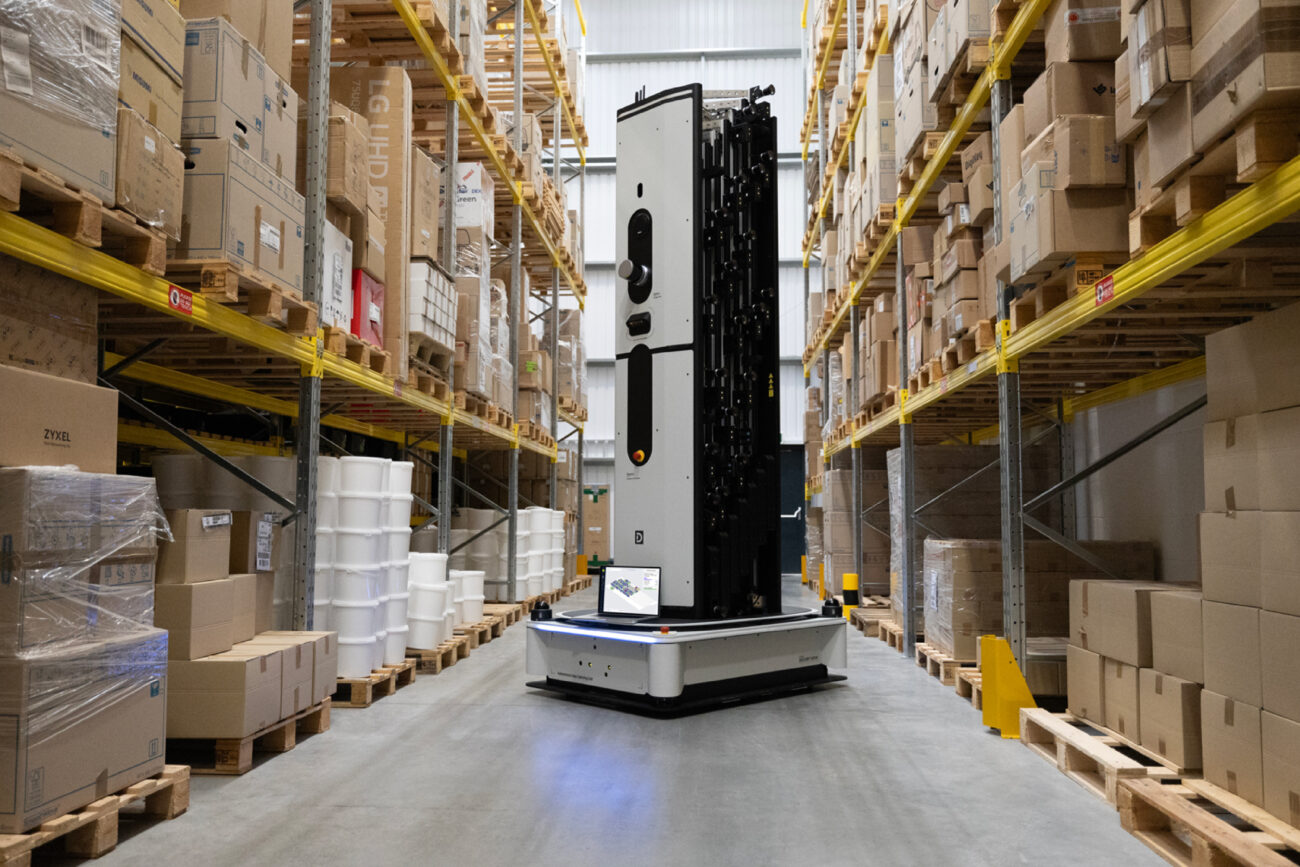
Exotec was called upon to help transform and modernise Renault Group’s Villeroy warehouse. This meant installing Exotec’s Skypod system, which hosts 167 Skypod robots, 14 picking stations, two replenishment stations and 67,000 storage bins, processing 4,130 bins an hour with a rack height of 10.8 metres – enabling the storage and picking of over 1.6 million items.
Customer service
Customer service satisfaction rate now exceeds 99.7%, demonstrating a high standard of reliability. The ability to dispatch all parts ordered up to 5:30 PM for next-day delivery by 8:00 AM, ensuring swift and timely fulfilment. Consolidating over 80% of French business into a single warehouse, significantly reducing order processing times and streamlining logistics. Renault Group has integrated over 15,000 product references, with a long-term target of 20,000, ensuring a broad and diverse selection of available parts.
Costs reduction and productivity increases
A reduction in order processing time from 120 minutes to just 15 minutes, significantly enhancing efficiency and customer satisfaction. A productivity improvement within the ReVA perimeter by a factor of 4, aiming to handle 20,000 order lines per day and dramatically cutting customer order processing times. Stabilised and reduced reliance on temporary staff, resulting in a more consistent and reliable workforce.
End-to-end Integration of specialised machines
Integration included a range of specialised machines in tandem with the Skypod system, including two carton forming machines, two closing machines, three packing list printers, two RFID shipping label printers, a wrapping machine, and 30 ergonomic grippers, enhancing operational efficiency.
The project merged dealer label printers with Exotec picking stations to improve inventory traceability and stock management. It incorporated a rubbish collection system directly into the injection stations, optimising waste management processes and maintaining a clean and orderly workspace.
According to Renault Group,
“Keeping to the schedule and achieving our ramp-up curve have been major challenges that we’ve struggled with in the past. We are satisfied with the results achieved following our partnership with Exotec, and are preparing to finalise the organisational transformation around our new facility.”
Romain Moulin, CEO of Exotec, added,
“We look forward to continuing our journey with Renault Group as it continues to enhance its spare parts operation. The initial results following the installation of Skypod at Renault’s Villeroy site are very promising, and we plan to continue this momentum as we expand our relationship.”
Exotec and Renault Group have since expanded their partnership to Germany, where 89 Skypod robots are being deployed at Renault Deutschland AG’s new automated warehouse in Brühl to supply car dealers across the country with spare parts — marking the first time Renault has used an automated warehouse in Germany.