Logistics Deal for Columbia Sportswear

A.P. Moller – Maersk has signed a new agreement with Columbia Sportswear Company to provide warehousing and distribution services for its Pick & Pack operations in the United Kingdom and Ireland.

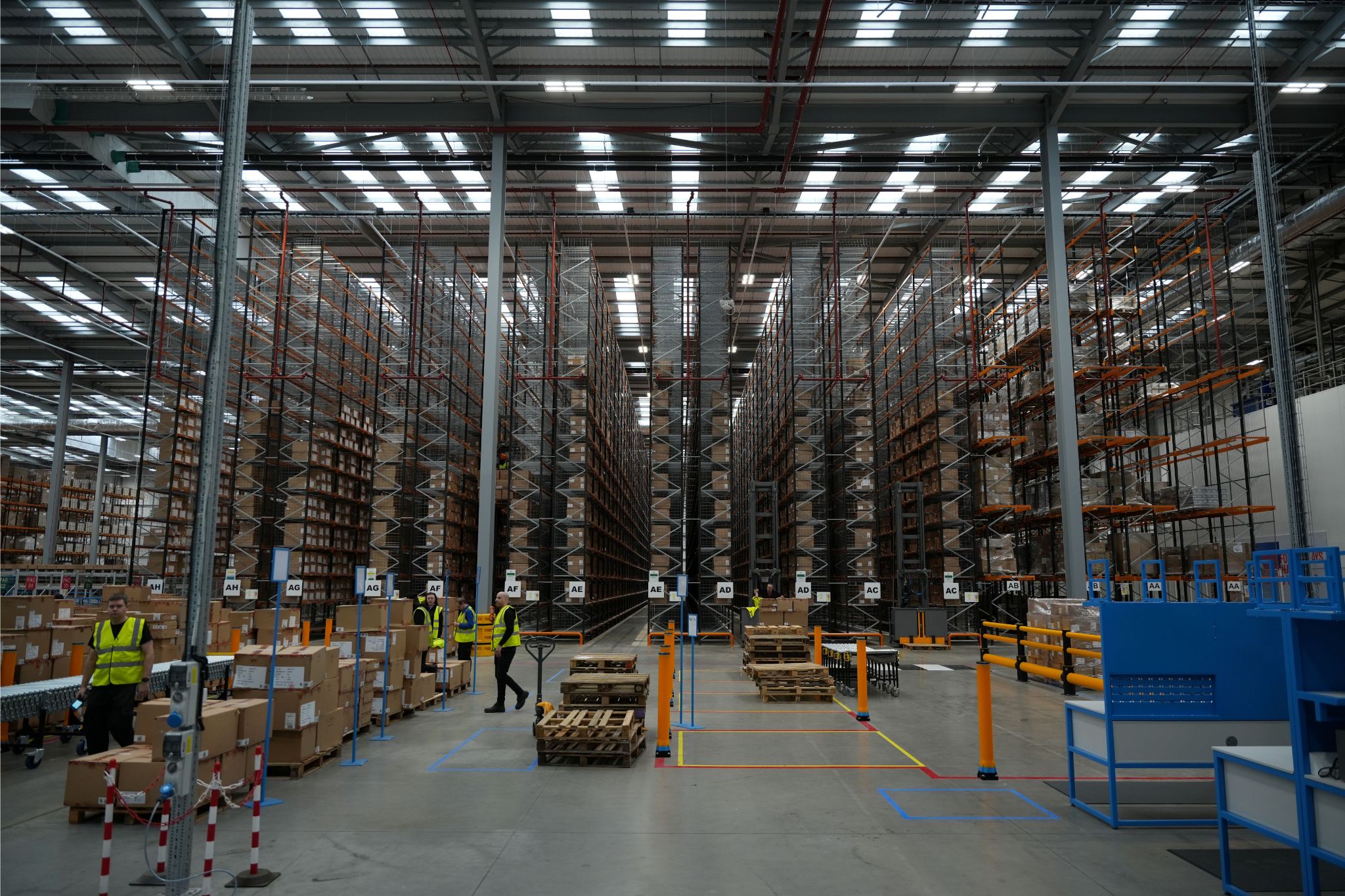
Under the agreement, Maersk will operate Columbia’s UK and Ireland Pick & Pack business from its existing multi-customer facility in Tamworth near Birmingham, UK. The new setup will replace Columbia’s current distribution setup serving the market from Cambrai, France, enabling a more localised and responsive supply chain for the UK&I region.

The Tamworth operation will support a broad product portfolio including footwear, apparel, accessories and equipment, and will serve all sales channels – retail, wholesale and e-commerce.

Over the years, we’ve developed a strategic partnership with Maersk, and it is super important for us to partner up with professionals in the field of logistics due to the complex nature of our supply chain. We’ve reached the level of business in the UK where we can now set up a facility dedicated to this market to serve the consumers and the customers faster

Matthieu Schegg, Senior Vice President and General Manager, Columbia Sportswear EMEA

“This agreement reflects the continued momentum in our partnership with Columbia Sportswear and highlights the value of integrated logistics solutions,” said Jason Walker, Chief Operating Officer for Maersk Contract Logistics.

“By moving fulfilment closer to the end market, we can support faster delivery times, improved flexibility and a more resilient supply chain.”

The operation will handle approximately 1.6 million inbound units annually, with around four containers received per week. Outbound volumes are expected to reach approximately 1.5 million units for B2B and 340,000 units for B2C shipments, supported by 10-15 outbound trailers per week. The facility will also manage returns and maintain an inventory of around 25,000 SKUs, with an average stock-on-hand of more than one million units.

Columbia Sportswear logistics

The dedicated space within Maersk’s Tamworth site will span approximately 8,000 square metres and is secured under a five-year contract. In addition to warehousing and distribution, Maersk will provide a broader suite of Logistics & Services solutions for Columbia in the UK, including customs handling, inland transportation, cross-docking and final-mile delivery for retail and wholesale shipments.

The new setup builds on the long-standing collaboration between Maersk and Columbia Sportswear, further strengthening the companies’ shared ambition to simplify and optimise global supply chains through integrated, end-to-end logistics solutions.

Light Euro Plastic Pallet Launched

goplasticpallets.com has launched the UK’s lightest Euro plastic pallet to date, designed as an affordable and sustainable alternative to traditional wooden Euro pallets. Weighing just 8.3kg, the SF 800 PEL is an efficient solution for cost-conscious logistics applications, exports and airfreight.

Measuring 1200mm x 800mm x 145mm, the SF 800 PEL is available in either 100% recycled HDPE or virgin material for those businesses adhering to certain hygienic regulations. It is also fully recyclable at the end of its working life. With consistent dimensions and three closed runners, this strong and robust lightweight plastic pallet is perfect for automation systems and has a racking load capacity of up to 200kg. A number of customisation options are also available, including branding and the choice of adding lips.

Designed to the exact dimensions of a traditional wooden Euro pallet, the new plastic pallet enables businesses to switch seamlessly from timber while immediately benefiting from improved hygiene, durability and export efficiency. As the pallet is ISPM15 compliant, it removes the need for costly and time-consuming heat treatment processes typically associated with wooden pallets used in international shipping. The SF 800 PEL also eliminates issues with debris, protruding nails and splinters, helping to improve workplace safety, protect goods and maintain a cleaner warehouse and production areas.

Dan Starnes, Sales Director at goplasticpallets.com, said: “We are excited to launch this innovative new pallet in the UK, courtesy of Smart-Flow. As the lightest Euro plastic pallet currently available on the market, it gives logistics and operations managers even greater choice when optimising their supply chains and reducing transport weight”.

This pallet is particularly well suited to applications where today’s medium-duty pallets with runners exceed what the task actually requires, offering a more efficient and cost-effective alternative without compromising on performance. It is ideal for a wide range of industries, including pharmaceuticals, food processing and packaging, where hygiene, consistency and reliability are critical throughout storage and distribution.

Heavy Duty Matters for Gear Units

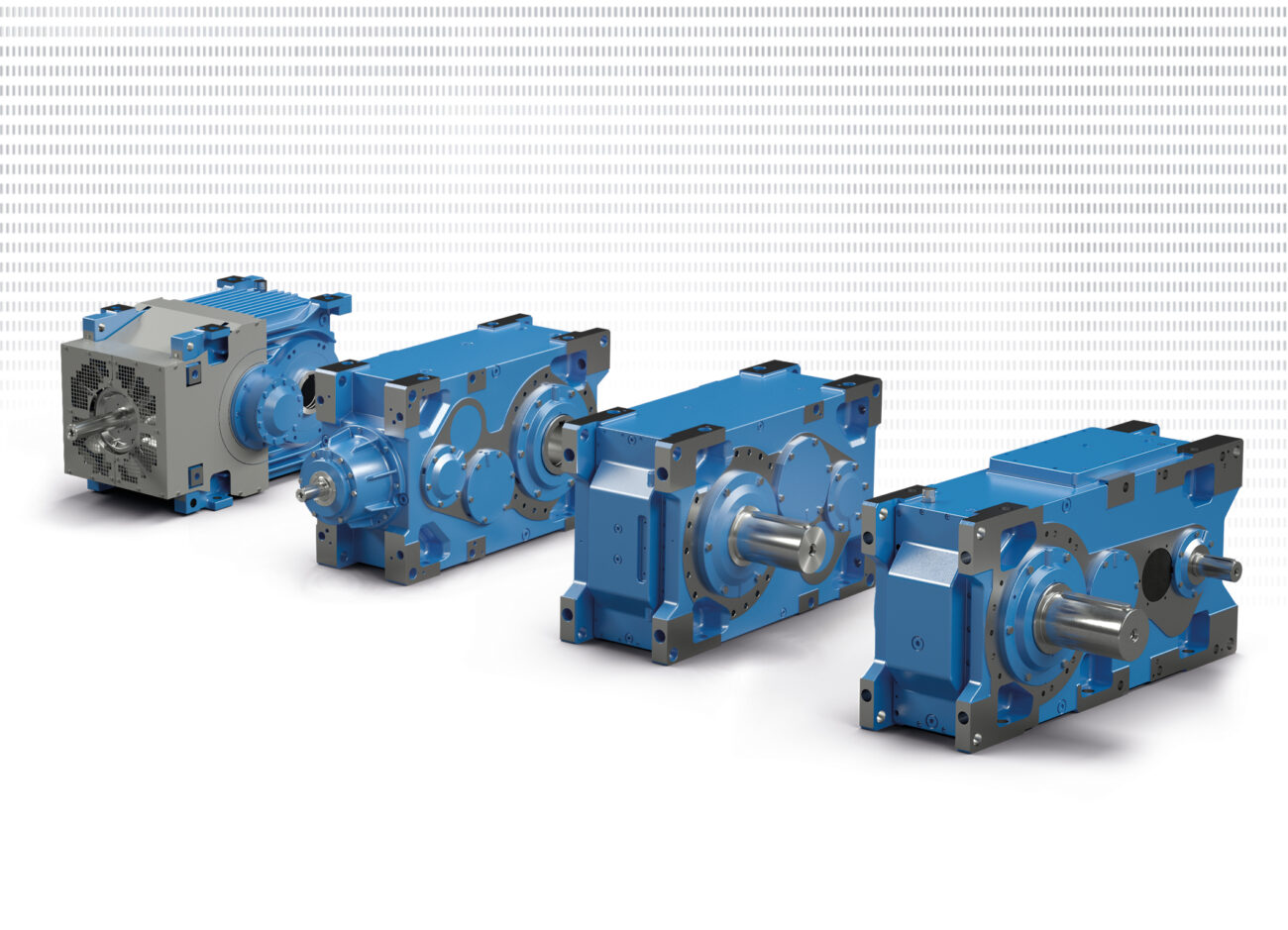
Industrial gear units have to be robust. Under demanding ambient conditions, they move extremely heavy loads and ensure the availability of applications such as container cranes or belt conveyor systems in quarries. Industrial gear units from Nord Drivesystems’ MAXXDRIVE® series ensure this with their robust design and application-specific adaptability. They are considered a benchmark in heavy duty matters.

In 2009, drive solution system supplier NORD launched its industrial gear unit portfolio for heavy duty applications. The MAXXDRIVE® series offers torques from 6,800 to 282,000 Nm. The components are available as right-angle gear units in the power range from 1.5 to 2,150 kW and as parallel gear units in the power range from 1.5 to 6,000 kW. Thanks to their design and adaptability, they are able to function reliably in demanding applications without unscheduled downtimes.

Robust design reduces wear

The industrial gear units feature one-piece UNICASE™ housings that withstand high radial and axial loads. They are manufactured in a single step, ensuring that all bearing seats are exactly flush with one another. This reduces the susceptibility to errors and increases the gear unit’s service life. The housings can accommodate large roller bearings, keeping friction and material wear to a minimum. In combination with case-hardened gearwheels that are precisely aligned with the shafts, the design ensures quiet running with low vibration. This allows the MAXXDRIVE® industrial gear units to remain durable even during continuous load-handling operations.

Application-specific adaptation ensures availability

With a high degree of configurability, solution provider NORD ensures that the industrial gear units can be precisely tailored to your application requirements. This allows for optimum operation with efficiency, low wear and, as a result, long lifetimes. MAXXDRIVE® comprises four product series that address typical requirements in various heavy duty applications: The compact MAXXDRIVE® XC reduces leverages in mixer and agitator applications. With an extended centre distance, the MAXXDRIVE® XD in lifting gear provides enough space to mount the rope drum and motor on the same side of the gear unit. With a J-shaped shaft arrangement, the MAXXDRIVE® XJ provides an additional input shaft position for confined installation spaces, for example in the running gears of cranes. A thermally optimised design makes the MAXXDRIVE® XT an option for belt conveyor systems, as it does not require any external cooling units.

Each industrial gear unit features several installation positions and mounting surfaces, allowing for precise use in various drive designs. NORD’s modular products also offer numerous features and options to round out the required set of functions. This includes reinforced bearings for increased radial loads, drum couplings for compensation of misalignments and brakes for controlled movements. Users therefore have the option of purchasing the entire heavy duty drive solution from NORD as a single-source provider.

Start Small, Win Big with AI

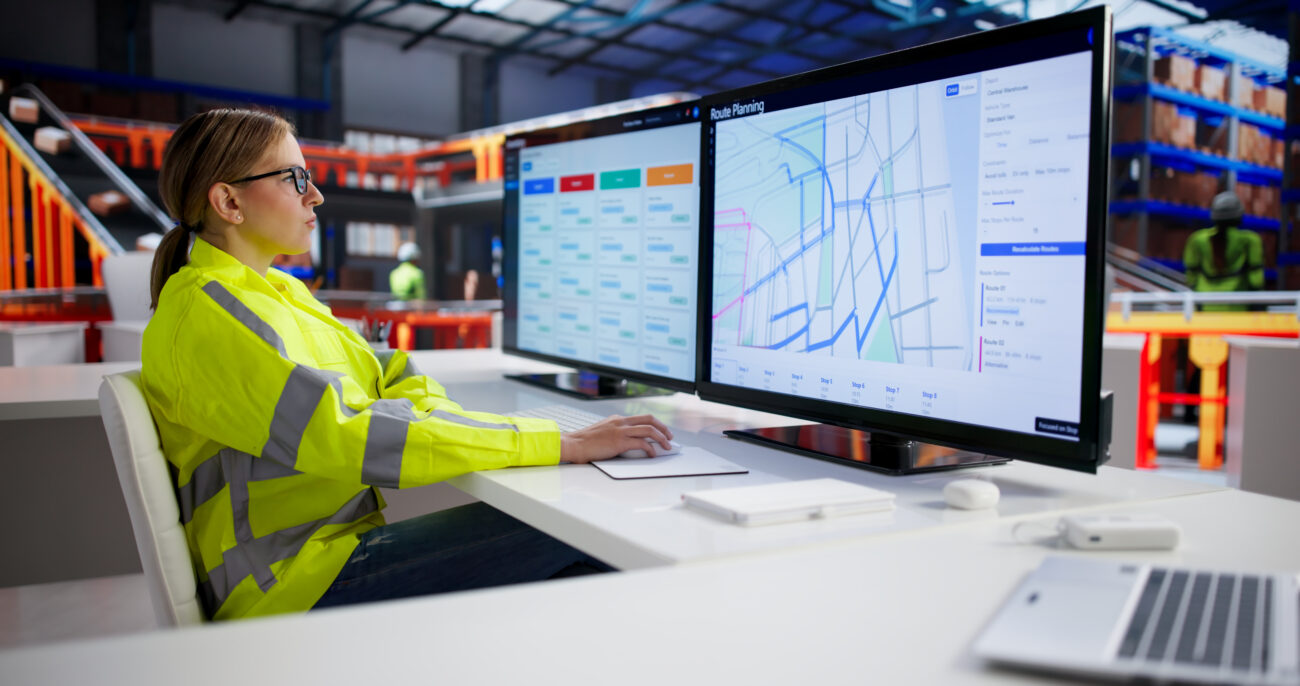
A realistic path to Artificial Intelligence in transportation and distribution can be found. Walk onto the operations floor of many transportation and distribution businesses today and you’ll still see a familiar scene: a planner with a clipboard, a whiteboard full of routes, and a team trying to stay ahead of whatever the day throws at them. This doesn’t suggest a failure to modernise, but a team trying to stay ahead of whatever the day throws at them.

It’s the reality of an industry where margins are tight and disruptions are constant. The cost of getting a decision wrong in this business can be painfully high. When every day feels like controlled chaos, few operators have the luxury of experimenting with unproven technology.

If this describes your operation, you’re not behind. You’re working within the practical constraints of transportation. And those constraints are exactly why AI adoption must be pragmatic, not revolutionary.

Artificial intelligence is beginning to earn its place on the operations floor, not through sweeping transformation, but through small, targeted wins that build trust over time. The fleets making the most meaningful progress aren’t the ones trying to reinvent their entire operation. They’re the ones choosing a single, well-defined problem and proving an AI tool can solve it reliably.

“You don’t need to rip up the clipboard to get value from AI,” says Ben Glossop (pictured, below), VP of Sales at Aptean, who spent over 14 years at routing specialist Paragon working directly with UK fleets, planners, and operators.

“The best run fleets aren’t necessarily the most digitised. They’re the ones that pick one challenge, prove an AI tool can solve it, and let success build trust before doing more. Give transport teams earlier insight and clearer visibility, and everything gets easier from there.”

The Gap Between ‘Important’ and ‘Action’

A recent study by industry-specific, vertical software provider, Aptean and independent research firm Vanson Bourne highlights a clear gap between belief in AI and actual deployment. Aptean 2026 Artificial Intelligence Research surveyed 325 transportation and distribution executives across the UK, US, Canada, Netherlands, France, and Germany, as part of a broader sample of 1,535 business leaders across five sectors.

The findings reveal a regional gap in confidence in AI versus follow-through. EMEA transport and distribution leaders are more likely than their North American counterparts to say industry-specific AI is critically important (35% vs 22%), yet less likely to have adopted it (41% vs 57%). European operators believe strongly in AI’s potential, but conviction isn’t yet translating into widespread deployment.

That hesitation aligns closely with confidence in the guardrails: fewer EMEA organisations report having regulatory and compliance reassurance in place (61% vs 74% in North America), clear procedures for handling AI errors (53% vs 65%), or ongoing monitoring of AI accuracy (59% vs 73%). In other words: belief is high, but trust in the framework around AI is still catching up.

“Operators increasingly want earlier warnings when something is going off plan, not after the fact,” Glossop adds. “They’re no longer satisfied with systems that just record what happened. They want tools that help them influence what happens next. Knowing there’s a delay on the M6 before it snowballs into three missed deliveries helps a planner consider what’s next and not just react.”

This mindset of looking for small, contained and visible wins from AI before broader rollout, is exactly what helps bridge the gap between – believing AI matters and deploying it with confidence.

What “Proof” Looks Like in Practice

“As part of the Aptean’s report, qualitative interviews were conducted alongside the survey data. One transportation provider’s story illustrates how operators are approaching AI in the real world,” says Glossop.

Rather than attempting a wholesale AI transformation, the company interviewed focused on one recurring challenge: costs arising from dispatch and route errors. They introduced AI capable of flagging not just equipment that had already failed, but equipment likely to fail soon. The system predicted that a vehicle carried a real probability of breaking down within the next 500 to 2,000 miles. Planners received early alerts when a vehicle’s failure probability crossed a threshold, allowing them to reassign loads before disruption occurred.

The impact was immediate. Error rates dropped by approximately 90%, directly reducing costly service failures and improving margins during a period of rising fuel costs. Reflecting on the rollout, the project’s sponsor admitted they wished they had moved from pilot to full deployment sooner, rather than waiting six months to see the results. This is what practical AI adoption looks like: one problem, one measurable win, and a clear path to scaling.

You’re Not as Far Behind as the Headlines Suggest

Across the full 325 strong transportation and distribution sample, 77% said the value of AI is clear, but hasn’t yet been realised in their own operation. That’s not a sign of stagnation; it’s a sign of realism. Where AI is already delivering, it is delivering in specific, practical ways. Respondents were more likely to report improvements in decision-making (47%) and reduced operating costs (44%) than in almost anything else. These are exactly the kinds of contained, measurable wins that come from picking one challenge, proving AI supports, not from a sweeping transformation.

The Metric That’s Still Stubborn: On Time Delivery

One finding stands out: transportation and distribution were the least likely of all five sectors researched to report a significant improvement in on time delivery or order fulfilment -just 12%. That’s striking, given on time performance is one of the clearest drivers of customer loyalty and repeat business in transportation.

“I don’t think that’s a sign AI doesn’t work. I think it’s a sign most organisations haven’t pointed it there yet. The gains so far have concentrated on operating cost and decision speed. That’s not a reason to wait. It’s a reason to be deliberate about which problem you tackle first.”

Be Your Own Customer Zero

Glossop’s advice to operators is simple: don’t start by asking, “How do we use AI in our business?” Start by asking, “What’s the one recurring challenge that costs us the most, be it in time, money, resources, or predictability?” It might be late running routes, empty miles or vehicle breakdown.

From there, apply the same discipline you’d use when hiring a new team member. Give it the right level of understanding and test it works within the business first. Don’t roll it out to drivers, planners, or customers until it earns your trust internally. Pilot it properly. A trial without a defined problem and a measure of success tends to drift into an interesting experiment that never took off. Be clear on who will use it and who will oversee it. Think of AI as an intern.

Once it delivers a tangible result, let that result do some persuading within the business. That’s how those interviewed as part of our research got to where they are: not through a single bold leap, but through enough small, provable wins to build business confidence. Interestingly, it’s often the point where businesses often admit they wish they’d moved faster.

One Win at a Time

The clipboard and the whiteboard are not the enemy. They are a perfectly useful way to run a transportation business – until the day a well-chosen, well scoped, AI tool proves it can do one part of that job better. At that point, the case tends to make itself.
The fleets making the most progress aren’t chasing transformation. They’re looking for one reliable win that can be scaled. In an industry built on reliability, predictability, and trust, that’s exactly the right way to start.

Warehouse Control System is Digital Nerve Centre

An increasing number of companies are investing in the automation of their intralogistics processes in order to enhance efficiency, resilience, flexibility and safety. One of the key factors for success, alongside having a professional partner and innovative hardware solutions, is choosing tailored control software. This ensures smooth operations and the seamless synchronisation of heterogeneous systems, optimising material flow. Integrated solutions such as Still’s iGo flow reduce the number of interfaces required, increasing transparency, scalability and the efficiency of warehouse and material flow processes.

A look behind the scenes of automated warehouses reveals that the process involves more than just moving goods around; it is also about the intelligent integration of data, processes and hardware. Smart sensors, scanners, barcodes, RFID tags and cameras are used to collect thousands of data points from stationary and mobile equipment, which are then analysed in real time by networked systems. This requires innovative software solutions, collectively known as WxS, which are precisely tailored to each project in order to seamlessly manage the various levels of the warehouse execution system (WES), warehouse management system (WMS) and warehouse control system (WCS).

Smart flow of data for a smooth material flow

In addition to the WMS, which is primarily responsible for warehouse and stock management, the WCS plays a particularly important role within the various software layers. This ‘pacesetter’ of automated material flows plans routes, identifies faulty items, prevents collisions and orchestrates interaction between stationary and mobile equipment. It thus enables precise just-in-time production supply.

“A modern WCS is the digital nerve centre of automated warehouse logistics. It orchestrates the interaction between conveyor systems, robotics and people in real time,”

explains Johannes Funke, Team Lead Sales & Engineering Automated Intralogistics Solutions at STILL. The WCS receives orders from various sources, such as the WMS, and translates them into specific control commands for the different hardware components. In this way, the WCS synchronises processes to ensure smooth operations and optimised, efficient material flow, laying the foundation for high throughput and consistent quality. However, if the WCS is not correctly sized, requirements are not clearly defined, or no WCS has been implemented, automation projects can quickly encounter difficulties.

Warehouse control system: Flexible control of automated warehouses

Therefore, companies are well advised to pay close attention to the control of their automated material flows and to incorporate this into project planning from an early stage. The integration of flexible and scalable control software should form part of the project tender and the selection of a suitable partner. Identifying the necessary and appropriate control levels for each individual case is part of the analysis and consultancy provided by a professional partner. This depends on the system’s complexity, the volume of material flows, and the specific requirements regarding throughput, transparency, and error handling.

As a general rule, however, the more flexible, the better. After all, automation is dynamic. Many companies start by automating individual sub-processes and then gradually increase their level of automation. And even if AGV fleets can operate in stand-alone mode without a dedicated WCS, such a system becomes necessary when an additional hardware component is integrated into the material flow that cannot be controlled via the fleet controller. This is because automated systems generate thousands of data points in milliseconds: shuttle systems send several hundred status and location updates per transport order, while AGV fleets constantly exchange location data via their central control system. Without a WCS, the very errors, bottlenecks and downtime that process automation is intended to prevent occur.

Scalability as a prerequisite for long-term success

The situation becomes even more challenging when systems from different manufacturers are required to interact. In such cases, in addition to a WMS and a WCS, a control system capable of orchestrating fleets from different manufacturers using standardised communication is also needed. For this purpose, so-called master fleet controllers are often used; these typically utilise the VDA 5050 communication standard to synchronise the various components. However, even these master fleet controllers can reach their limits as complexity and the associated flood of data increase. Therefore, it is advisable to use flexible, scalable software solutions from the outset that can adapt to individual requirements.

“Scalability is a decisive criterion for many companies when choosing the right software solution. And for good reason: control software tailored to individual customer needs enables ever-greater integration of processes and paves the way for the gradual automation of material flows,” – Michael Malik, Head of Intralogistics Solutions, STILL Germany.

Smart software reduces complexity and increases scalability

Today’s market offers a wide range of concepts and technical solutions for WxS systems, from stand-alone to cross-system and fully integrated solutions such as STILL iGo flow, which combine several control levels within a single system, reducing its overall complexity. Although opting for an integrated solution means phasing out existing systems and stand-alone solutions, the benefits of automation outweigh the drawbacks: fewer interfaces for data transfer and communication, as well as greater transparency thanks to a central database, enable efficient control of warehouse and material flow processes.

Errors and malfunctions can be responded to more quickly, and adjustments can be implemented more easily. This means that an integrated solution is easier to scale than automation systems comprising various individual systems. They can be expanded without difficulty to grow in line with the customer’s level of automation. In addition to simplifying the overall system, this is a significant advantage for many companies given the dynamic developments in automation technology. Furthermore, the convergence of WES, WCS and WMS reduces the number of systems and partner companies involved. This reduces implementation and maintenance effort, simplifies matters for the project team and shortens decision-making and coordination processes, ultimately lowering overall costs.

Raising Throughput for Tote-to-Person Fulfilment

Autonomous mobile robots specialist Geekplus has launched ‘RoboShuttle Hyper’, its next-generation tote-to-person climbing AMR solution.

Engineered for high-throughput operations, including B2C e-commerce order surges, fresh-food and cold-chain fulfillment, consolidation warehouse operations and micro-fulfillment centers (MFCs), RoboShuttle Hyper delivers up to 6,000 totes per hour per 1,000 square metres. The accompanying new Max Workstation enables a dual-point continuous tote-feeding mode that can exceed 800 totes per hour.

Throughput is a critical metric for fulfillment operators, and RoboShuttle Hyper was engineered to optimize it at every level. The system allows more robots to work in the same space at the same time without trading away reliability.

Raising throughput through greater concurrency

RoboShuttle Hyper climbs at up to 1.5 m/s. New motion-control algorithms, refined across years of real-world robot operation, give Hyper faster travel and tighter positioning accuracy when retrieving totes. Its 1:10 charge-to-discharge ratio helps maintain availability during peak periods.

Parallel horizontal and vertical climbing enables 50% higher concurrency than the industry norm. RoboShuttle Hyper supports concurrent operation of multiple robots across adjacent columns. Only two rack columns need to be locked, compared to the industry norm of four to six columns. RoboShuttle Hyper also enables dual-robot operation within the same column. The innovative double-deep, dual-pass, bidirectional retrieval design reduces climbing cycles and boosts both storage density and operational efficiency.

Two aisles running beneath a single rack increase robot path density by 30% over the industry average, reducing congestion and enabling faster dispatching. Geekplus’ intelligent scheduling system can coordinate up to 5,000 robots across 50,000 square metres and 3 million storage locations.

Reliability is reinforced through a column-rail-integrated system with decoupled beam loading, multi-layer fall protection limiting tote fall distance to 50 mm or less, and real-time tote misalignment detection and re-centering. RoboShuttle Hyper is also compatible with RoboSafe, Geekplus’ safety vest solution.

Tote-to-person AMR portfolio

Geekplus entered the tote-handling segment in 2018 and has continued to expand its technology portfolio, from its large/small robot architecture to the launch of RoboShuttle Air in 2024 and the introduction of Robot Arm Picking Stations in 2025. RoboShuttle Hyper joins RoboShuttle Air and RoboShuttle Flex in a three-solution portfolio designed to address different warehouse requirements:

A Jackpot for Every Warehouse

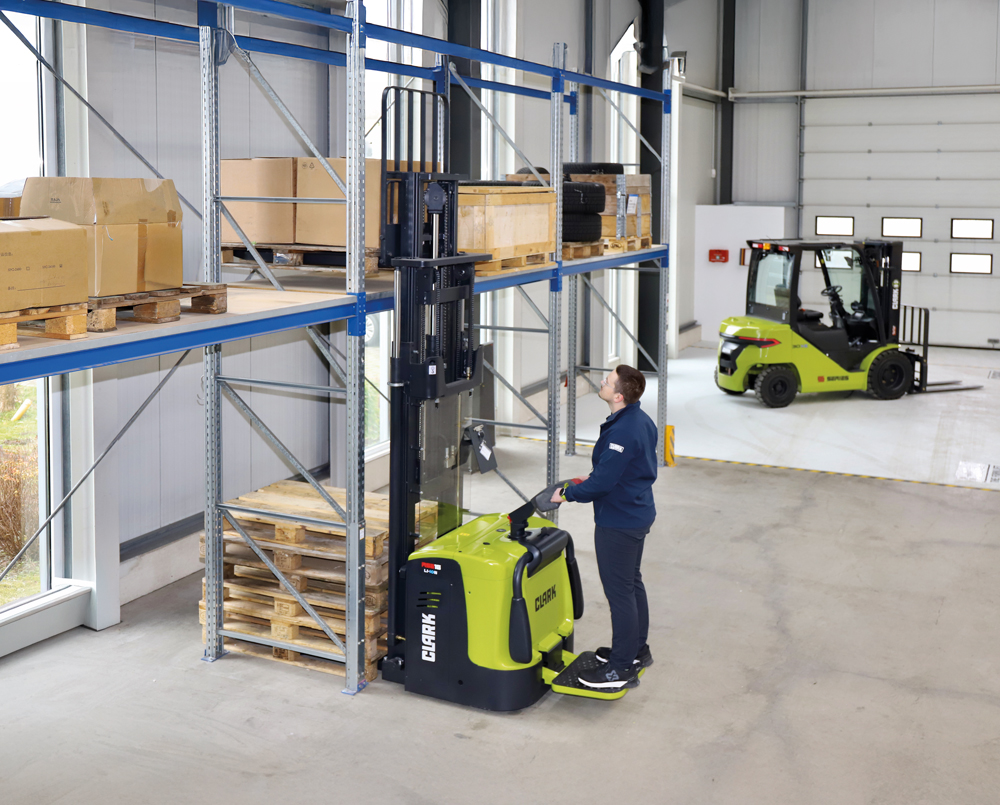
Following the launch of new electric low-lift pallet trucks, industrial truck specialist Clark is now bringing to market a completely new range of electric high-lift pallet trucks featuring state-of-the-art lithium-ion (Li-Ion) technology. The six new models offer load capacities ranging from 1200 to 1600 kg for the safe transport of pallets, as well as efficient storage and retrieval operations in industry, retail and logistics. Thanks to flexible designs and practical equipment options, the models can be tailored precisely to different customer requirements.

Depending on requirements, five manoeuvrable walk-behind models are available, as well as a model variant with a fold-out driver’s platform for longer transport distances. For use on uneven surfaces or on ramps, Clark also offers the high-lift trucks with an initial lift function. This provides additional ground clearance and enables efficient double-deck transport for the simultaneous loading and transport of two loads. For controlled access and protection against unauthorised use, a modern PIN code activation system is available as an option, depending on the model. All models in the new series are fitted with proportional lift as standard. This enables sensitive lifting and lowering of loads. This protects delicate goods and facilitates precise positioning at any lift height – particularly when positioning tall loads accurately between shelf beams.
 
The manoeuvrable BST12E high-lift truck, with a load capacity of 1200 kg, is an entry-level model ideal for light, occasional stacking and transport tasks. Thanks to its compact design and small turning radius, it can be manoeuvred safely even in confined spaces, whilst its slim design ensures excellent visibility of the load and fork tines. The particularly quiet drive system ensures a comfortable working environment in noise-sensitive areas.

Ergonomics and safety are enhanced by the intuitive controls for both left- and right-handed operators, an electromagnetic parking brake for secure holding on ramps, and a side-shifted tiller that increases the safety distance from the vehicle. Furthermore, the truck impresses with its maintenance-friendly overall design: easily accessible components reduce service times, and an integrated deep-discharge protection system protects the lithium-ion battery, ensuring long-term value retention.

Tightest of spaces

The BST12 and BST12i walk-behind high-lift trucks are designed for daily use in warehouses, production facilities and goods distribution centres, and are ideal for precise work in confined spaces. Whilst the BST12 is optimised for standard pallet transport and delicate storage and retrieval processes, the BST12i features an initial lift. This increases ground clearance for safe navigation of ramps and uneven floors and enables double-deck transport of two pallets – boosting throughput – with a total load capacity of up to 1200 kg. The compact dimensions of both models guarantee the operator an excellent view of the forks and load. Safe, ergonomic handling is ensured by the low, side-set tiller, which maximises the distance from the vehicle and is equally suitable for left- and right-handed operators. A creep speed function allows manoeuvring with the tiller raised at reduced speed in areas where space is limited. Optimal operating comfort is ensured by the tiller with an integrated TFT colour display, which clearly shows all essential vehicle information.

A robust chassis with a 4-point suspension, a low centre of gravity and adjustable support wheels ensures high driving stability and consistent ground contact. The enclosed drive motor, which is protected against dust and splash water, also enables quiet, low-maintenance operation. High availability in daily use is ensured by the standard, maintenance-free 24-volt lithium-ion battery (60 Ah), which allows for flexible top-ups. The vehicle can be easily charged at any 230-volt socket using the integrated charger. An electronic deep-discharge protection system protects the battery from damage and ensures a long service life for the cells.

High racking levels

The robust WSE16 and WSE16i high-lift forklift models are designed for demanding industrial applications and high handling capacity. These powerhouses offer fast work cycles, precise manoeuvrability and lift heights ranging from 2500 mm to 5600 mm, making them suitable for a wide range of applications in warehousing, production and logistics. Even the standard mast configurations up to 3500 mm come with full free lift as standard, allowing the load to be raised without altering the truck’s overall height – an invaluable advantage when passing through low gates or working in areas with low ceiling heights. For maximum flexibility at high lifting heights, triplex mast options are available for lifting heights of up to 5600 mm, which are also equipped with full free lift. Whilst the WSE16 is optimised for standard storage and retrieval processes, the WSE16i offers greater ground clearance on ramps thanks to its initial lift and allows for the double-deck transport of two pallets simultaneously.

The trucks are controlled via an ergonomic tiller, which, in conjunction with the standard proportional lift, enables sensitive lifting and lowering as well as precise positioning of goods. A multifunctional colour display provides information on the truck’s status, battery and operating hours. Variable fork lengths ranging from 1070 mm to 1600 mm are available to suit the specific application profile. A document holder is included as standard; further features, such as a scanner holder or a blue warning light, are also available.

Thanks to the creep speed function, the high-lift truck can be manoeuvred in a controlled manner through the narrowest of aisles at reduced travel speed, even with the tiller raised vertically. The safety tiller, positioned at the bottom left, ensures the optimum distance between the operator and the vehicle. The safety package includes a modern AC control system with a regenerative braking system, a stable 4-point support, an electromagnetic parking brake, an automatic lift cut-off and overload protection.

In terms of cost-effectiveness, these models feature CAN bus technology for rapid fault diagnosis. The one-piece service hood provides technicians with immediate access to the enclosed motor and brake unit. The vertically mounted drive motor ensures a small turning radius and, like the brake unit, is enclosed in a water- and dust-resistant housing. Maintenance-free lithium-ion batteries ensure availability during multi-shift operation, with customers able to choose between 24 V / 150 Ah (50 A charger) or 24 V / 230 Ah (100 A charger) versions.

Demanding ride-on applications

As the flagship of the new series, Clark presents the RSE16 electric high-lift truck, which has been specially developed for comfortable ride-on operation over longer transport distances. The RSE16 ensures a high level of operator comfort thanks to its optimally cushioned operator platform with a low step height of 175 mm, which effectively minimises vibrations and makes it easier to get on and off. Sturdy side safety bars provide additional support and can be locked into two different heights for ergonomic adjustment. The operator can adjust these bars directly from the platform. This ensures a secure grip and high stability when cornering. A proportional hydraulic system ensures that all lifting and lowering movements are carried out with the utmost precision, enabling loads to be positioned with centimetre accuracy. For safe manoeuvring in the tightest of spaces, this intuitively operated vehicle also features a creep speed function for pedestrian-operated mode, as well as a multifunctional colour display showing the vehicle’s status.

To ensure high handling capacity, a choice is available between standard mast configurations with lift heights ranging from 2500 mm to 3500 mm, and triplex mast configurations for lift heights of up to 5600 mm. These are fitted as standard with a free lift function for low clearance passages or ceiling heights. The combination of a sturdy mast design, compact geometry and a low centre of gravity ensures smooth handling, whilst the efficient AC drive motor minimises the turning radius. A comprehensive safety package comprising an electromagnetic parking brake, an automatic braking system, a safety approach switch and a lift cut-off reliably protects the operator.

The low-maintenance AC drive technology, CAN bus technology with fault diagnosis, and a one-piece service hood for quick access to components reduce servicing times to a minimum. The enclosed, dust- and water-protected motor and brake unit also guarantees a long service life. For demanding multi-shift operation, maintenance-free lithium-ion batteries with 24 V / 230 Ah or 24 V / 300 Ah, including an external 100 A charger, are available. Variable fork lengths ranging from 1070 mm to 1600 mm, along with practical options, round off the RSE16’s features: whilst a document holder is already part of the standard specification, scanner and stretch film holders are available as optional extras.

New Approach to ‘Good Development’

The phrase ‘good development’ is one that is heard frequently across the industrial and logistics sector, writes Ian Romano, Vice President, Head of Land & Development at Prologis UK.

Typically, ‘good development’ has been used to refer to delivering well-designed, high-quality buildings in connected locations that meet customer requirements. As the sector continues to evolve, however, we need to ask ourselves whether ‘good’ is still enough. The opportunity now is to redefine what good development looks like and establish a new benchmark for excellence across the industry.

Success in logistics development has long been measured by functional performance. Customers expect efficient, flexible facilities in strategic locations that support their operations and those fundamentals will always be essential. But exceptional development, however, won’t be defined solely by buildings that demonstrate functional efficiency. It should also be measured by the lasting value those developments create for customers, employees and the communities in which they are located.

Driving this shift will require a broader understanding of value creation in logistics development. Investment in design is no longer simply about aesthetics; it is about creating buildings, places and environments that can evolve alongside changing supply chains, emerging technologies and the evolving needs of businesses and the people who use them.

Attractive and Accessible

But value extends beyond the warehouse. It is equally about creating destinations where people want to work, and where surrounding communities experience tangible, lasting benefits. High-quality public realm, attractive landscaping, accessible green spaces and thoughtfully designed environments all contribute to developments that support customers, enhance employee wellbeing and integrate more successfully with local communities.

The continued evolution of the sector will also depend on placemaking becoming a core design principle rather than an afterthought. There is much the logistics industry can learn from the office, retail and leisure sectors, where creating environments that people actively want to spend time in has long been a core part of successful development. Maximising natural light, providing high-quality welfare facilities, incorporating attractive landscaping and creating welcoming and engaging public spaces should become standard features of our buildings and parks, rather than optional extras.

Designing great buildings and parks is not simply about improving aesthetics. It contributes directly to employee wellbeing, productivity and staff retention. As competition for talent intensifies, businesses increasingly recognise that the quality of the workplace environment is becoming a key differentiator.

Lasting Value

Accessibility is another area where our industry must continue to improve. Too often, employment opportunities are limited to those with access to a private vehicle. In doing so, businesses risk excluding large sections of the available workforce. Providing realistic alternatives through public transport, active travel infrastructure, car-sharing initiatives and better connectivity is not simply an environmental consideration – it is a commercial one. Access to a broader and more diverse labour pool strengthens customers’ ability to recruit, retain talent and grow.

The logistics sector has made significant progress over the past decade, but the next chapter will be defined by our willingness to continually raise standards. Excellence will not be achieved through one transformative innovation, but through incremental improvements; from better design and more adaptable buildings to stronger placemaking, enhanced amenities and improved accessibility.

If we embrace that mindset, continue to innovate and remain willing to learn from other sectors, we have an opportunity to redefine what ‘good development’ truly means. In doing so, we won’t simply deliver better logistics facilities, we will create places that generate lasting value for businesses, people and communities alike.

A.P. Moller to Acquire Moroccan 3PL Globex

A.P. Moller Capital has announced that its Emerging Markets Infrastructure Fund II and APM Capital Morocco Fund have signed an agreement to acquire a majority stake in Globex Investissement, a major Moroccan logistics company.

The Funds will establish a partnership with the Globex CEO and Founder, Omar El Kadiri, who will continue to lead the business alongside an experienced management team, ensuring strategic continuity as the company enters its next phase of growth. Mr. El Kadiri will support Globex’s evolution with a focus on sustainable growth and long-term value creation.

Globex is an established player in the Moroccan transportation and logistics sector, underpinned by exclusive local market licensing agreements (including with FedEx), with established market positions in express delivery, road freight, freight forwarding and customs brokerage.

A.P. Moller Capital’s strong sector heritage and experience in transportation and logistics along with its deep knowledge of the North African market, makes it an ideal partner to support Globex’s next phase of growth and reinforce its leadership position in the market.

Additionally, by leveraging A.P. Moller Capital’s knowledge and track record in sustainable investments, Globex will aim to become a green logistics leader in Morocco, delivering its Net Zero roadmap, including solar powered hubs, electric fleet deployment and CO₂ reporting tools underpinned by robust ESG governance standards.

Completion of the acquisition is subject to customary conditions precedent, including merger control clearance by the Moroccan Competition Council.

Kim Fejfer, CEO of A.P. Moller Capital, said:

“We are excited to partner with Omar El Kadiri through our investment which directly aligns with our core sector and geographic focus. Globex is an established market leader in transportation and logistics, a sector in which we have deep domain expertise and a strong regional presence, and Morocco is rapidly developing into the leading North African logistics hub, supported by strong macroeconomic tailwinds.”

Ghislane Guedira, CEO of APM Capital Morocco S.A, said:

“We’re delighted to announce our investment in Globex. With the combination of A.P. Moller Capital’s sector heritage and Globex’s strong management team, we look forward to supporting the company as it continues to strengthen its market position and contribute to the development of Morocco’s transport and logistics sector, while maintaining a strong focus on sustainability.”

Spotting Fraud in Reverse Logistics

A new criminal threat is exploiting reverse logistics, and retailers can’t always see it coming, writes Liselotte Reijrink, Sales Director UK & EU, ReBound Returns.

Retailers have poured resources into fraud prevention at the ecommerce checkout stage, with identity checks, authentication, and risk scoring all fairly standard. Unfortunately, fraud hasn’t disappeared, it’s just moved through the supply chain and is now targeting returns.

Operations and logistics teams are already handling increasing numbers of retail returns. Now, with more and more items sent back fraudulently, the operational burden on quality control practices is heavier, and it’s threatening the overall productivity and performance of reverse logistics processes.

At ReBound Returns, we analysed one million returned orders processed for retail clients between July 2025 and May 2026. We found £29 million worth of potentially fraudulent returns in that sample alone. It represents more than financial risk. It’s a signal that reverse logistics operations are being deliberately targeted, and the systems that retailers rely on weren’t built to catch it.

Online return rates are now close to 20% of sales, and in the USA alone that market is worth nearly $850 billion. The Merchant Risk Council currently ranks refund and returns policy abuse as the most common fraud type faced by merchants. As fraud rates scale, so does the additional pressure on the teams processing the items. More parcels need more thorough inspection, which takes more time and more warehouse space.

Why it’s hard to see returns fraud coming

Many returns are refunded before anyone physically inspects them. At the same time, customers don’t see returns fraud as a serious issue. Cifas, the UK fraud prevention service, found 17% of adults don’t think fraudulently claiming a refund is illegal. Among 16-24 year olds, more than a third said they’d be willing to do so. Without the right systems in place, most retailers have no way of knowing how exposed they actually are.

There are clues in the data if you know what to look for. For example, our research found that lead time is one such signal; a normal return has a median gap of 9.5 days between delivery and returns, but that jumps to 18 days for returns flagged as potentially fraudulent. Location is another signifier, with Poland and Denmark scoring the highest fraud rate in our dataset. Unfortunately, the data that would help to catch the problem is often spread across different systems, stores, and third-party marketplaces, none of it talking to each other. Operational teams are forced to make decisions without a clear view of what is coming back to the warehouse.

Tackling fraud without slowing returns management down

Standard returns systems weren’t built for the scale and sophistication of modern returns fraud. Most rely on static rules and manual review, with limited ability to predict behaviour or flag risks before a refund is issued. The operational cost of catching fraud, plus the cost of missing a fraudulent return, both fall on the same overstretched teams.

This is why we built ReBound Radar, breakthrough fraud prevention technology designed to detect and stop retail fraud in real time, without slowing down the process.

It combines physical verification, photographic evidence, and data-driven decisioning to detect and stop refund fraud in real time. This is achieved without accessing sensitive customer data. It helps operators to quickly inspect parcels, flag suspicious items, and capture photos with contextual operator comments. This evidence is then shared instantly via a custom-built API or through an enhanced Customer Support Portal, giving clear, defensible proof for refund decisions. The warnings happen before the refund goes out, not after the loss has already occurred.

The exposure to fraud has shifted from the sales process to the returns process. Most reverse logistics operations are still working against a problem that they cannot fully see or measure. Fraud prevention isn’t just tackling lost costs, it’s also protecting quality control practices and overall performance of the returns management process.

Subscribe

Get notified about New Episodes of our Podcast, New Magazine Issues and stay updated with our Weekly Newsletter.