Cargo Theft Is Getting Serious – And AI Is Helping

Cargo theft has always been a challenge for the logistics industry, but the nature of the threat is changing. As freight networks become increasingly digital, organised criminals are adopting more sophisticated methods to target valuable goods – and technology is giving them new ways to do it.

From corporate identity hijacking and fraudulent carriers to forged documentation and carefully planned infiltration of legitimate businesses, modern freight crime can begin long before anyone gets near a truck or warehouse. AI is adding another dimension, making convincing documents and digital identities easier to create.

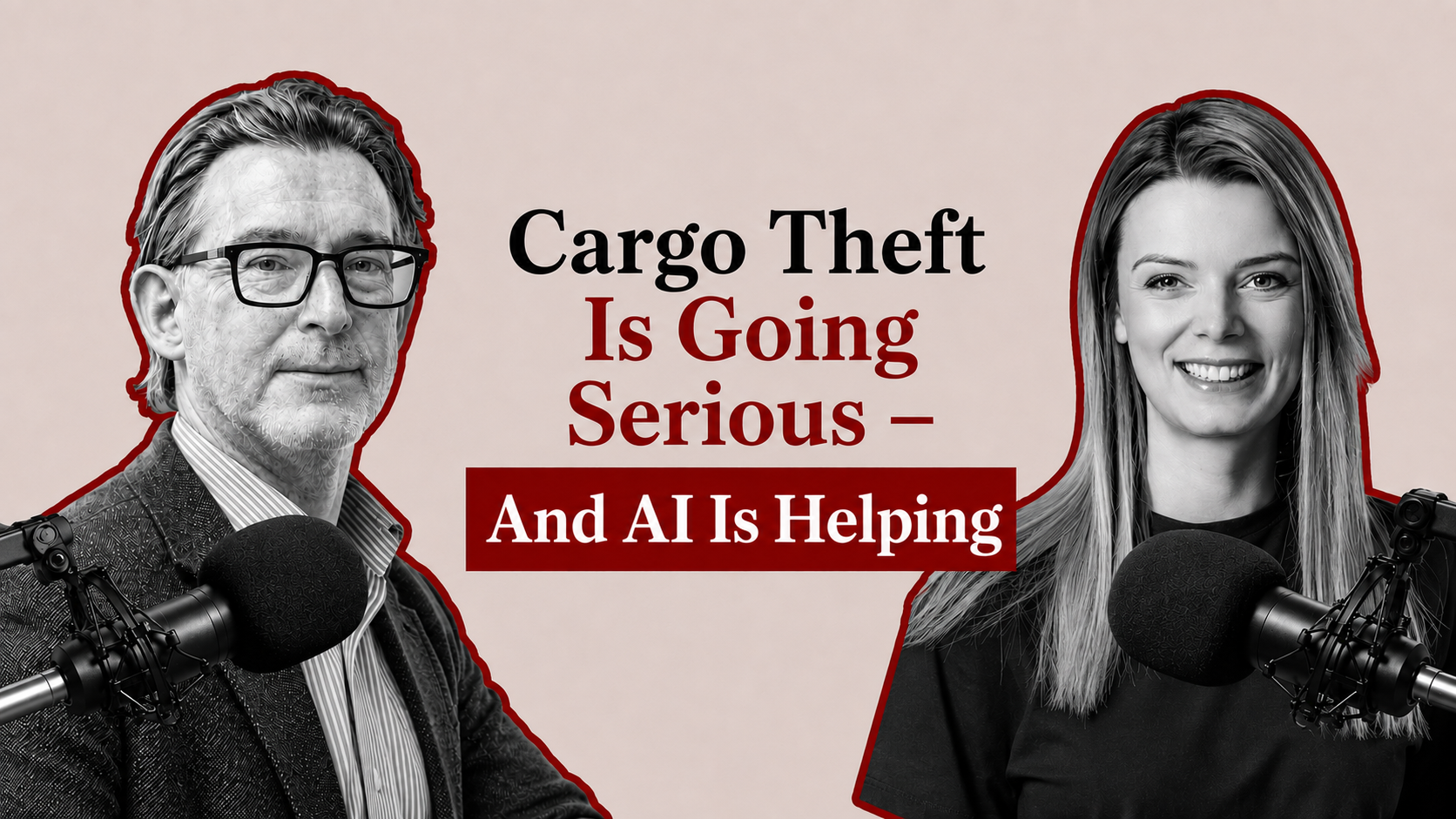
In the latest episode of Logistics Business Conversations, Peter MacLeod is joined by Ewa Węgorkiewicz from Trans.eu to examine how the threat is evolving and what shippers, freight forwarders, carriers and digital freight platforms can do to protect themselves.

A central theme of the conversation is the need to move beyond one-off checks. Rather than relying solely on documents supplied when a carrier joins a platform, Ewa explains how continuous verification can identify unusual behaviour and changing patterns that could indicate a potential security risk. AI therefore cuts both ways: while criminals can use it to make fraud more sophisticated, logistics platforms can use the same technology to detect suspicious activity at scale.

The episode also explores Trans.eu’s partnership with TAPA (Transported Asset Protection Association) and the role independently audited security standards can play in building greater trust across European road freight. This includes Trans.eu’s Trusted Carrier Exchange, which brings together companies looking to move high-value freight with carriers holding the highest TAPA TSR security certification.

But stronger security is about more than preventing theft. As customers and insurers place greater emphasis on verified supply chains, security credentials could increasingly become a commercial advantage – giving trusted carriers access to higher-value freight, stronger customer relationships and potentially better rates.

With AI accelerating both the threat and the industry’s ability to respond, the conversation asks what secure freight networks will look like in the years ahead – and whether continuous, largely invisible verification could ultimately become a standard part of moving freight.

Listen to the full episode of Logistics Business Conversations using the podcast player below.

Shuttle Technology and Integration Expertise

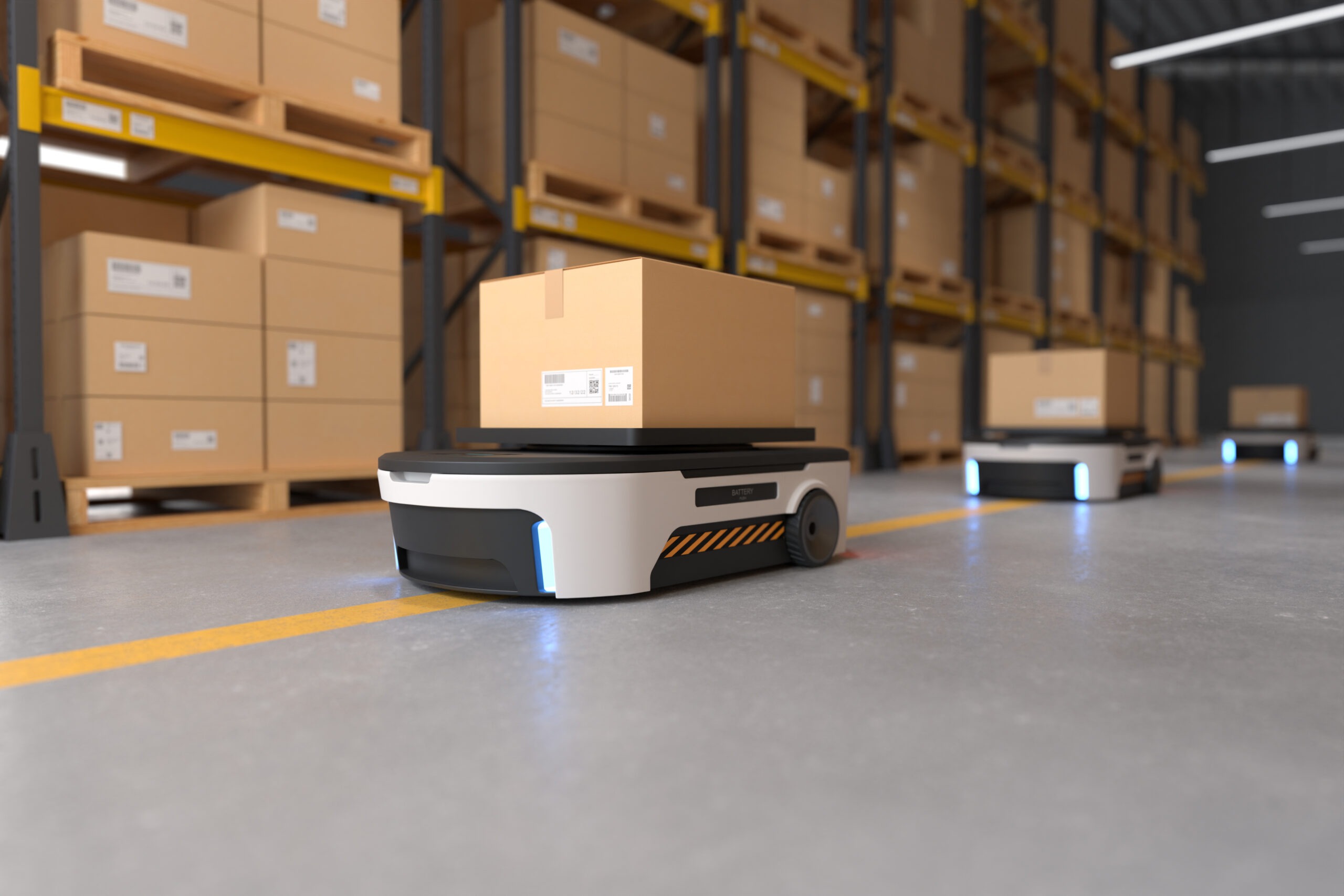
Two specialists, one seamless system: in a strategic partnership, Jungheinrich and Movu Robotics combine Movu’s four-way shuttles with Jungheinrich’s consulting, integration, software and service expertise. Customers thus gain high-density pallet warehouses and a seamless material flow from a single source.

Moving forward, Jungheinrich will be preferred integrator for Movu’s shuttle systems, while Movu becomes the preferred supplier for Jungheinrich. The aim is to jointly realise highly automated pallet warehouse solutions for customers even faster and more efficiently.

Rising space costs, complex brownfield situations and the need for greater storage density are driving demand for automated pallet warehouses. Four-way shuttle systems such as the Movu Atlas store and retrieve pallets multi-deep, making them one of the most sought-after technologies for high-density warehouses.

From shuttle technology to an integrated complete solution

The partnership makes shuttle warehouses faster to plan, easier to integrate and more efficient to operate. To this end, the two companies integrate the four-way shuttles directly into the Jungheinrich WMS and software ecosystem, which centrally manages inventory and optimises storage and retrieval. Standardised software interfaces shorten commissioning and connection to existing systems, while joint solution design deepens and speeds up quotation. Coordinated service processes also ensure reliable operation throughout the entire life cycle.

“Customers today no longer expect individual automation components, but seamless automation solutions. Together, we combine shuttle technology, software, integration and service into an overall system that fits seamlessly into existing warehouse structures,’ said Dr Tobias Harzer (pictured centre, below), Chief Automation Officer at Jungheinrich.

“Especially in sectors such as food & beverage, cold-chain logistics and 3PL, we are seeing sharply growing demand for high-density shuttle solutions.”

Connected processes from goods-in to dispatch

Customers benefit from a seamless automated material flow, from goods-in through the shuttle warehouse to dispatch. Shuttle systems, conveyor technology and mobile robots are orchestrated through an integrated Jungheinrich software stack providing full visibility, reduced complexity and a scalable foundation for future growth.

Movu shuttle systems are already installed at over 200 warehouses and in use in numerous Jungheinrich customer projects across Europe and North America. At Coppenrath & Wiese, for example, an automated warehouse for packaging materials is currently being built, bringing previously decentralised storage capacities together in a single central facility. At Mascot online in Almere, the Netherlands, an automated pallet warehouse with around 11,500 pallet locations is under construction. Ten Movu four-way shuttles ensure high storage density and fast provision of materials there. The warehouse supports the growth of a rapidly expanding retail company and forms the basis for the further expansion of its logistics processes.

“Four-way shuttle systems increasingly combine high-density storage with other functionalities like replenishing picking processes and sequencing goods for dispatch just in time, all within the same footprint,” said Noë van Bergen (pictured above, right), CSO of Movu Robotics.

“With this strategic partnership, we combine Movu’s innovative shuttle technology, its racking manufacturing capabilities as part of stow Group, and Jungheinrich’s integration, software and service expertise. Together, we make high-density automated warehousing easier to implement, more flexible to design and more scalable for future growth. End-users benefit from Jungheinrich’s comprehensive solution portfolio, from manual to fully automated solutions that grow with their requirements.”

More Than A Port

Tanger Med is a success story at the southern tip of Europe and MedHub is a big part part of the story. Paul Hamblin spoke to senior executives there to learn why.

Tanger Med has become one of the world’s leading maritime hubs. What are the key factors behind its success?

Location has been fundamental. Tanger Med sits on the Strait of Gibraltar, one of the world’s most strategic maritime corridors, connecting shipping routes between the Mediterranean and the Atlantic. This unique position allows the hub to serve as a gateway linking Europe, Africa and Asia. The Americas can be reached within around 10 days, Rotterdam is just three days away, and major Chinese ports are approximately 20 days distant. These advantages make Tanger Med an ideal transshipment and distribution platform for global trade.

Beyond its geographical advantages, what distinguishes Tanger Med from other ports?

A: Tanger Med is much more than a port. It has developed into a fully integrated industrial and economic ecosystem that combines world-class port infrastructure with extensive free trade and industrial zones. Today, more than 1,400 multinational companies operate within the wider complex. This integrated model has played a significant role in transforming northern Morocco into one of the country’s most important economic engines, attracting investment, creating jobs and supporting international trade.

What role does Medhub play within the Tanger Med ecosystem?

Medhub is the logistics free zone at the heart of the Tanger Med port complex and has become a major contributor to the hub’s success. It provides companies with access to more than 100 countries through the port’s extensive maritime connections. In addition, businesses operating from Medhub can reach a market of around one billion consumers across Europe and Africa.
The zone is designed to simplify operations for investors and logistics providers. It offers a single business stop, a unified customs area and currently spans 200 hectares, with a further 50 hectares planned to support future expansion and growing demand.

What kind of activity is taking place within Medhub today?

The scale of activity is substantial. In 2024 alone, more than 62,000 logistics flows passed through the site’s 20 warehouses, representing approximately $4.55 billion in goods. More than 100 logistics companies and distributors have established operations within the zone. Medhub has attracted a wide range of international brands and logistics specialists. Global companies such as Adidas, Decathlon, Renault and 3M operate from the site, while major logistics providers including Dachser, DHL, CEVA Logistics and DB Schenker have also established a presence there.

What warehousing facilities are available for companies looking to establish operations?

Medhub offers high-quality Class A warehousing specifically designed to meet the needs of international businesses. The warehouses range in size from 4,000 to 10,000 square metres and have been purpose-built to meet stringent regulatory and safety requirements. Facilities include advanced fire protection systems, smoke ventilation, dust-proofing measures, high floor-bearing capacities and generous storage heights. Warehouses provide 12-metre clearance and floor support of up to five tonnes per square metre. In addition, companies can benefit from a range of value-added logistics services, including picking, packing, storage, co-packaging, labelling, assembly and quality-control operations.

What additional infrastructure supports business operations at Medhub?

Alongside the warehousing facilities, Medhub provides modern office space ranging from 50 to 280 square metres. These offices are air-conditioned and designed to meet international security standards, allowing companies to establish both their operational and administrative functions within the same location.

What incentives are available to businesses that choose Medhub?

Medhub offers a highly attractive fiscal framework. Businesses benefit from exemptions on customs duties and VAT, as well as exemptions on registration and stamp duties relating to capital. There are also significant tax incentives, including exemptions on business taxes for up to 15 years and income tax exemptions for five years.

How does Medhub help simplify international trade and logistics?

One of Medhub’s core objectives is to reduce bureaucracy and make international trade as efficient as possible. Customs procedures have been streamlined to facilitate movement of goods through the zone. Companies can benefit from split certificates of origin for goods transiting through the port, while no customs declarations are required between the port and the logistics zone. The platform supports both world-to-world and world-to-Morocco operations, offering businesses exceptional flexibility in managing supply chains and regional distribution.

What message would you give to companies considering expansion into Africa?

The message to global players is simple: Morocco is the gateway to Africa and Medhub is the starting point.

Heatwaves: A Supply Chain Stress Test

This summer’s heatwaves have been impossible to ignore, writes Tim Moylan, Chief Growth Officer, Infios. Across Europe, soaring temperatures have disrupted travel, strained public infrastructure and changed daily life. They have also exposed something less visible: the growing pressure extreme weather places on supply chains.

Businesses may also need to prepare for more than rising temperatures alone. Scientists broadly agree that the Atlantic Meridional Overturning Circulation – the system of ocean currents that helps shape Britain and north-west Europe’s climate – will weaken as the planet warms, although there is continued debate about how quickly and severely. Even a weaker circulation could contribute to more volatile weather, combining extreme summer heat with greater exposure to cold winters and changing rainfall patterns.
Many shoppers will have noticed the immediate effects. Refrigerated cabinets in stores are occasionally taken out of service as cooling systems struggle with prolonged high temperatures. Bottled water, soft drinks and ice cream disappear from shelves faster than retailers can replenish them, while deliveries arrive later as transport networks contend with disruption.

Behind every empty shelf or delayed delivery lies a chain of operational decisions. Warehouse managers may adjust shifts or introduce additional breaks to protect employees, while transport operators reroute deliveries or work around affected infrastructure, including rail speed restrictions and increased road congestion.

These are sensible responses to increasingly common conditions. The question is no longer whether supply chains will face weather-related disruption, but how quickly they can adapt, including when conditions shift in less predictable ways.

Heat creates operational challenges at every stage

Extreme heat creates knock-on effects across warehousing, transportation, inventory management and fulfilment. Heatwaves can reshape consumer demand almost overnight. Sales of bottled water, ice cream, fans and air-conditioning units can surge while demand for other seasonal products falls. Retailers must replenish fast-moving inventory and reposition stock as buying patterns shift.

At the same time, delayed inbound deliveries, lower picking productivity and transport disruption can create bottlenecks. A problem at one stage can quickly affect inventory availability, warehouse capacity and customer delivery expectations elsewhere.
The challenge is not anticipating a heatwave. Weather forecasting is increasingly accurate. It is translating that forecast into timely decisions across procurement, inventory, warehousing, transport and fulfilment before disruption takes hold.

Greater weather volatility makes this more complex. Supply chains designed around familiar seasonal patterns may increasingly need to prepare for sharp changes in temperature, rainfall and transport conditions rather than assuming the past will remain a reliable guide.

Warehouses under pressure

Distribution centres are particularly exposed during heatwaves. Heat generated by equipment, automation, vehicles and densely stored inventory can push internal warehouse temperatures significantly above those outside. Protecting employee wellbeing may require additional breaks, task rotation, altered shifts or reduced physical workloads during the hottest parts of the day.

These are the right decisions, but each affects capacity. According to the World Health Organisation and World Meteorological Organisation, worker productivity decreases by 2% to 3% for every degree increase beyond 20°C in Wet-Bulb Globe Temperature – a measure of heat stress accounting for temperature, humidity, wind speed and sunlight. Even modest reductions in picking rates across multiple shifts can therefore create backlogs during demand peaks.

High temperatures can also affect equipment. Battery-powered vehicles and automated systems may require additional management, while teams must balance productivity with safe operating conditions.

Resilient warehouse operations therefore depend on flexibility. As labour availability, productivity and priorities change, operations must rebalance work without compromising employee safety.

Transport networks feel the strain

High temperatures can increase vehicle breakdown risks, place additional demands on refrigerated transport and contribute to delays across road and rail infrastructure. Refrigerated fleets must work harder to maintain controlled conditions, increasing energy consumption, while drivers may need more frequent breaks and infrastructure operators may impose rail speed restrictions.
For businesses operating just-in-time supply chains or offering narrow delivery windows, even small delays can have significant downstream consequences. When plans change, organisations must quickly reassess priorities, allocate available capacity and give customers realistic delivery expectations.

Preparing for greater weather volatility also means avoiding a narrow focus on heat. Colder winters, altered rainfall and sharper swings between conditions could each affect transport infrastructure differently, requiring plans that can adapt to multiple scenarios.

Cold chain operations face even greater risks

For organisations handling food, pharmaceuticals, healthcare products, cosmetics or chemicals, the stakes are higher. Maintaining temperature-controlled conditions throughout storage and transportation is critical to product quality, regulatory compliance and customer safety.

During extreme heat, refrigeration systems work harder, transportation becomes more complex and the margin for error narrows. Products may need to move faster through distribution centres, while businesses must identify and respond to disruption before it compromises product integrity or creates waste.

The risks can extend beyond temperature-sensitive goods. Adhesives, protective films and corrugated packaging may also become more vulnerable during storage and transport.

Visibility is only the starting point

Organisations have far greater visibility into their operations than they did a few years ago. They can identify delayed shipments, monitor warehouse activity and track inventory levels in near real time. But visibility alone does not solve disruption. Knowing that productivity has slowed only becomes valuable if an organisation can adjust labour, reprioritise orders, redirect inventory or revise transport plans accordingly.

This is where ‘Intelligent Supply Chain Execution’ becomes important. Traditional supply chains were designed around predictable conditions and optimised primarily for efficiency. In a world where disruption is constant, organisations need supply chains that can sense what is happening, determine the best response, act quickly and learn from each event.

Artificial Intelligence can support this shift by analysing operational data alongside demand patterns, inventory positions, transport constraints and weather forecasts. This can help organisations identify disruption earlier and make faster, better-informed decisions, while leaving human teams in control.

During a heatwave, this could mean anticipating demand increases, repositioning inventory, adjusting warehouse priorities as productivity changes or recommending alternative transport options when routes are affected. The same capabilities can support responses to other weather extremes. As conditions become more volatile, organisations must understand how different scenarios could affect demand, labour, inventory and transport, then coordinate their response across the operation.

The goal is to help teams make better decisions faster. The organisations that perform best during disruption are not necessarily those with the most information, but those that can turn it into coordinated action.

Preparing for a hotter future

Climate-related disruption is becoming another operating reality alongside geopolitical uncertainty, labour shortages and shifting consumer demand. The debate around the future of the Atlantic circulation illustrates why businesses cannot plan around a single, predictable climate scenario. While the precise effects remain uncertain, organisations need to prepare for a wider range of operating conditions.

Rather than treating each heatwave, cold spell or period of extreme rainfall as an isolated event, organisations should view them as tests of operational resilience. This means building supply chains that can adapt as conditions change, whether disruption stems from extreme weather, transport delays, unexpected demand or workforce constraints.

The businesses that thrive will not be those with contingency plans sitting on a shelf. They will be capable of sensing disruption early, making informed decisions quickly and acting with precision. Organisations cannot control the weather. They can, however, control how quickly and effectively they respond.

Driving Change: Respect for Women in Transport

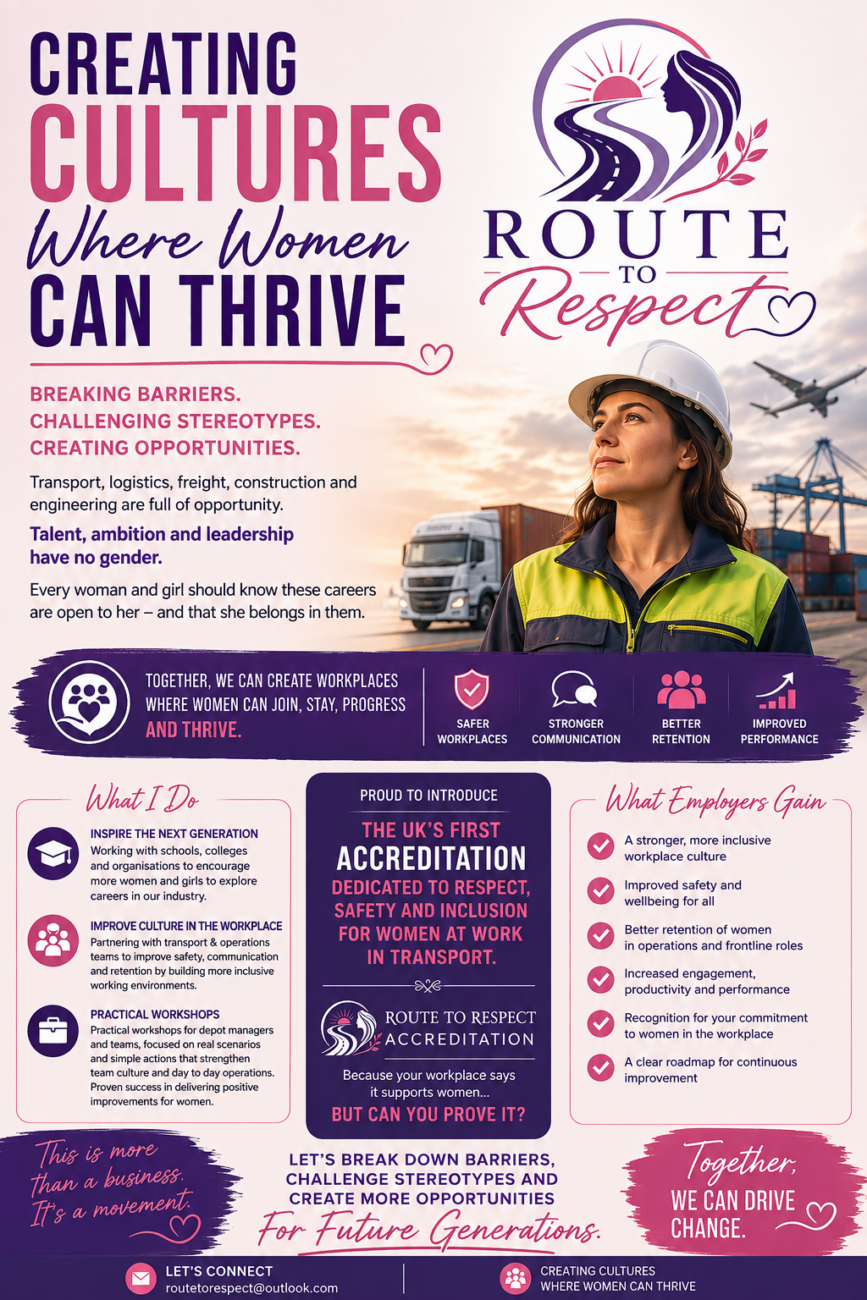
Breaking barriers, challenging stereotypes and creating workplaces where women can thrive are all key, writes Claire McKinlay of Route to Respect.

For generations, industries such as transport, logistics, freight, construction and engineering have been described as male-dominated. It is time to challenge not only that description, but the culture and perceptions that have allowed it to remain true for so long.

Talent has no gender. Ambition has no gender. Leadership has no gender. Every woman and young girl should know that these industries are open to her. Whether her ambition is to become an engineer, driver, operations manager, technician, logistics professional or future industry leader, she should feel that she has every right to take her place.

Throughout my career, I have seen first-hand the incredible opportunities these sectors can offer. I have also seen some of the barriers women can face when entering and progressing within traditionally male-dominated working environments. That experience became one of the driving forces behind Route to Respect.

Inspiring the Next Generation

One of my greatest passions is encouraging more women and girls to explore careers they may never previously have considered.
Young people are often asked at a very early age what they want to do with the rest of their lives. Yet how can they make informed choices if they are unaware of the opportunities available to them?

We need greater visibility. We need women already working within these industries to share their experiences, and we need young women to see that careers in transport, logistics, construction, freight and engineering are not simply ‘jobs for men.’ Sometimes, seeing someone who has already walked that road can be enough to make another young woman believe that she can walk it too.
But attracting women into these industries is only part of the challenge. We also need to create workplaces where they want to stay.

Recruitment Is Only the Beginning

Increasing the number of women entering transport and operational environments is important, but recruitment statistics alone do not create inclusion. What happens after a woman joins the organisation? Does she feel safe, respected? Is her voice heard? Does she have appropriate welfare facilities and PPE? Can she see opportunities to progress? And, perhaps most importantly, does the culture make her want to stay?

These are the conversations organisations need to be having if we genuinely want to improve female representation and retention.
Through Route to Respect, I work with transport and operational teams to improve safety, communication, inclusion and retention, with a particular focus on women working in operational and frontline roles.

Turning Conversation Into Action

My practical workplace workshops are designed for depot managers, frontline leaders and their teams. Rather than relying solely on policies and presentations, the sessions focus on real workplace scenarios and practical actions that can strengthen culture and improve day-to-day operations. I have seen the impact that this approach can have.

In my previous leadership role, focusing on the experiences of women and making practical improvements within the workplace delivered positive change. It demonstrated something important to me: improving workplace culture does not always require enormous interventions. Sometimes it begins with listening. Sometimes it is better communication. Sometimes it is recognising a problem that has simply become accepted as ‘the way things are.’ Small changes, when supported by committed leadership, can create significant improvements.

It’s about creating a workplace that makes women want to walk through it — and giving them every reason to stay.

Supply Chain’s Weakest Link?

We talk endlessly about supply chain visibility. But there is another form of supply chain visibility that perhaps deserves rather more attention: how exposed is your supply chain to cyber attack?

A new survey highlighted on logisticsbusiness.com recently makes for uncomfortable reading. Only 55% of businesses say they actively monitor cyber and technology risks across their supply chains. That seems remarkably low at a time when so much of logistics depends on interconnected digital systems.

The consequences of getting this wrong were demonstrated rather spectacularly last year. Marks & Spencer’s well-documented cyber attack in April 2025 caused widespread disruption, including the suspension of online orders. The company’s digital operations were badly affected for weeks, with the retailer eventually restoring online ordering only in June. M&S subsequently confirmed that some customer personal data had been taken, although payment details and passwords were not compromised. Arguably the reputational damage this caused will haunt them for much longer.

The Co-op suffered a cyber attack around the same time. Whilst its response was more contained, it still had to shut down parts of its IT infrastructure as a precaution. The disruption affected systems including stock monitoring and virtual desktops, with knock-on implications for the support of its stores and wider operations. Its food stores and home delivery services continued to operate, but the incident demonstrated just how quickly a cyber problem can become an operational problem.

And this is where I think the logistics industry needs to pay particular attention. Logistics companies routinely hand over sensitive information to third parties because they have to. Carriers need shipment details. Warehouse operators need inventory data. 3PLs need customer and order information.

Technology providers need access to operational systems. Visibility platforms, telematics, WMS, TMS, APIs and cloud services all create connections between organisations that are enormously valuable operationally – but potentially valuable to an attacker too.

The industry also has an awkward dependency simply cannot be overlooked: we rely more and more on connected digital systems to keep physical goods moving. The answer, of course, isn’t to stop connecting systems – as digital integration is fundamental to building the efficient, visible and responsive supply chains that businesses now expect.

But it does mean that cybersecurity should no longer be ignored, or simply regarded as somebody else’s problem. If your operation depends on a network of suppliers and technology partners, their security and not just your own is part of your resilience.

Incidentally, we’ve been rather busy these past few days putting the finishing touches to the August edition of Logistics Business magazine. The digital edition is live on our website now, while the print edition will be posted to subscribers over the next few days. As always, there is a heck of a lot of exclusive content in it – interviews, analysis and plenty of original insight that you won’t find anywhere else – and I’m particularly proud of this issue. It’s full of knowledge that can help your business run smarter and bring you competitive advantage.

But, to bring it all back to cyber security, always remember that there is little point building the world’s most optimised supply chain if someone else can simply switch it off.

Partners to Scale-up Autonomous Electric Freight

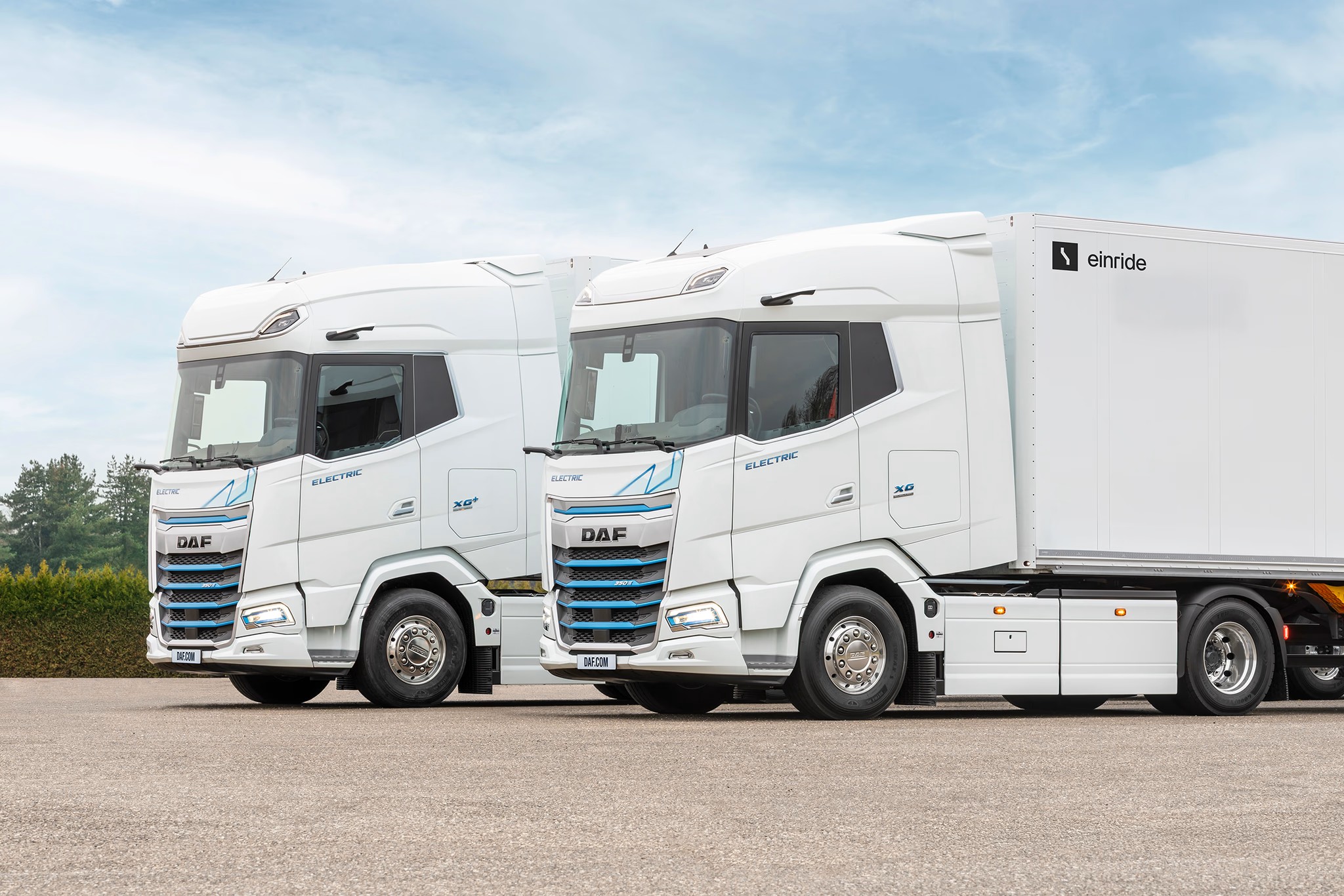
Einride AB, a technology company driving the shift to cost-efficient autonomous and electric freight, and DAF Trucks, a leader in truck manufacturing, today announced a joint initiative to integrate Einride’s autonomous driving system, Einride Driver, into DAF’s premium vehicle platform.

The collaboration marks a significant step toward the large-scale commercialization of SAE Level 4 autonomous electric freight transportation in response to industry challenges such as driver shortages and rising operating costs. Level 4 refers to a high level of driving automation in which the vehicle can independently perform repetitive driving tasks under predefined conditions, without any need for human intervention. In this way, available drivers can focus on activities in logistic operations where their expertise and judgement add the most value.

Integration of technology and electric truck platform

As a first step, Einride and DAF, together with experts from the Dutch independent research institute for applied science and innovation, TNO, will collaborate on defining and testing the integration of Einride’s autonomous drive system within DAF’s electric truck platform. This includes establishing the required interfaces to enable safe and scalable autonomous operations.

With the assistance of TNO, Einride and DAF are working closely with type approval authorities to ensure the platform is compliant for future expansion onto public roads. Initial tests and validation of key interfaces will be conducted during 2026, followed in 2027 by the integration and commissioning of Einride’s autonomous driving software, with all subsequent interface validation and functional testing performed on a DAF truck.

Automated driving strategy

This initiative builds on PACCAR’s automated driving activities, where significant experience has already been gained through the North American Autonomous Vehicle Platform (AVP) program. In parallel, PACCAR is advancing developments within the broader autonomous trucking ecosystem in collaboration with emerging full stack technology providers. This reflects the rapid evolution of scalable, software defined autonomy solutions for heavy duty transport. Insights from these programs provide additional opportunities to accelerate the development of autonomous capabilities within the DAF platform.

“By leveraging DAF’s decades of manufacturing excellence and market strength, we can expedite the global scale-up of Einride’s autonomous technology,” said Henrik Green, Chief Technology Officer at Einride. “This collaboration validates our vehicle-agnostic approach to autonomy and brings us one step closer to deploying safe, scalable Level 4 autonomy at commercial scale.”

“This collaboration is a testament to DAF’s commitment to innovation and future-proofing the logistics sector,” said Jeroen van den Oetelaar, DAF Trucks’ Chief Engineer and member of the board.

“By combining our premium truck platform with leading autonomous technology, we are actively shaping a more efficient, safer, and sustainable freight ecosystem.”

Battery Electric ReachStacker for Inland Terminals

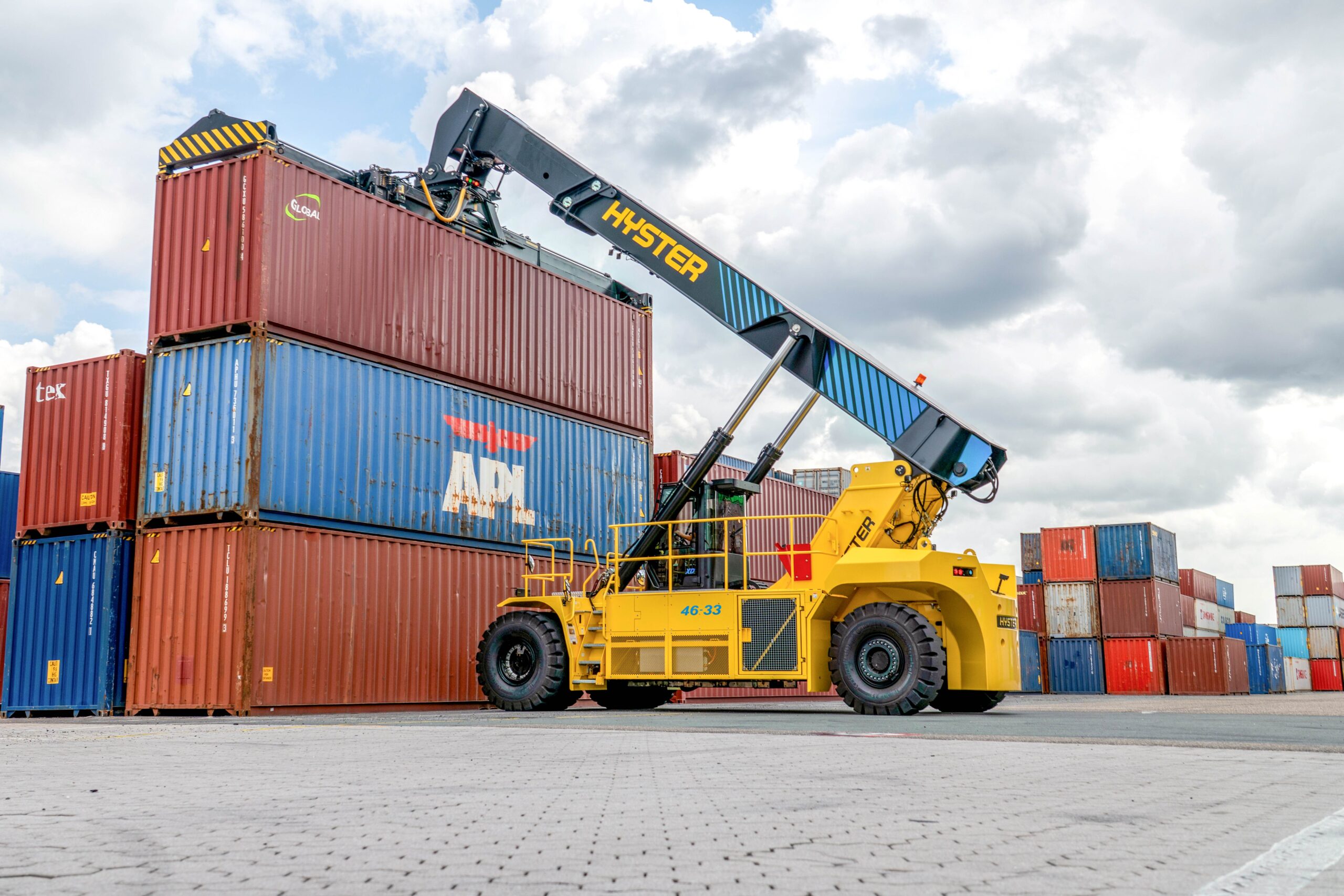
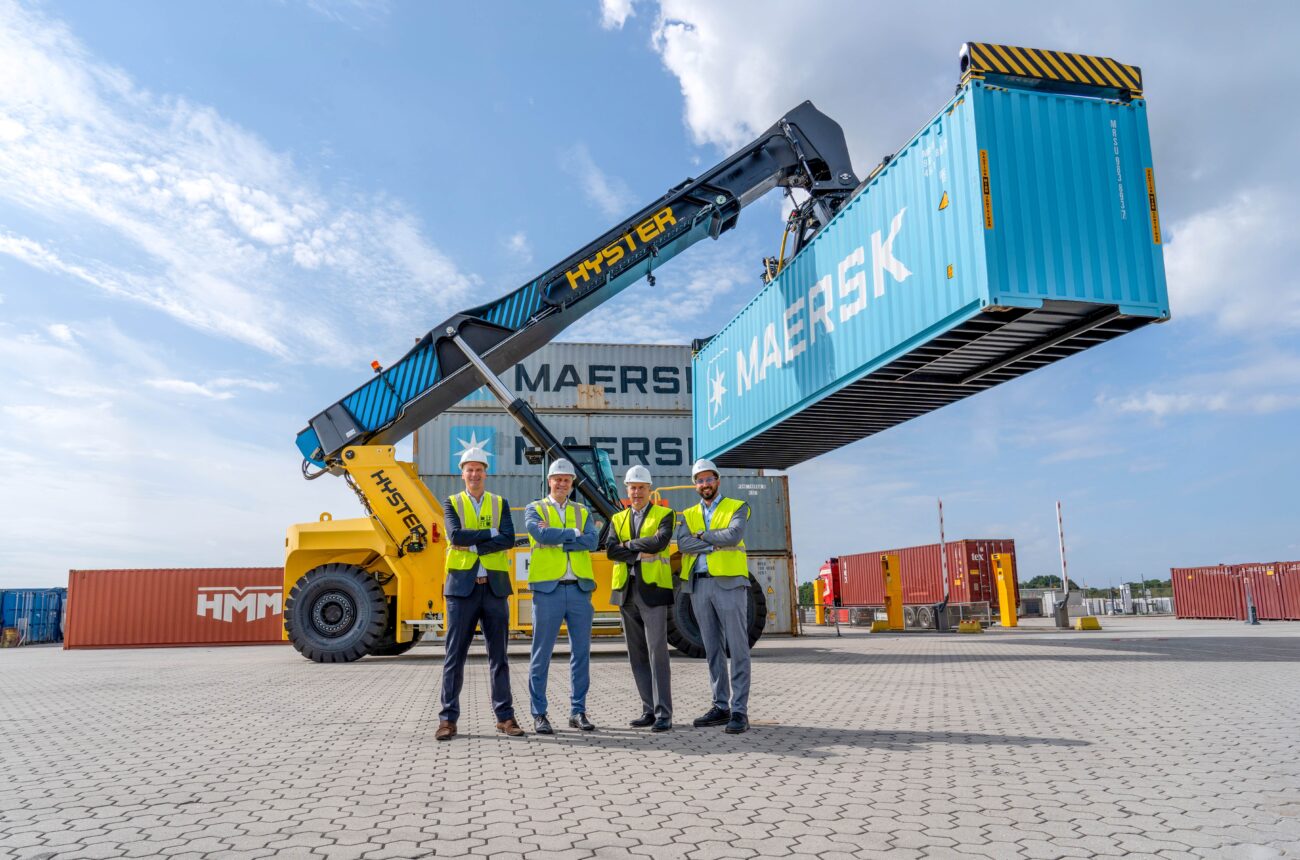
Inland Terminals Group and authorised Hyster dealer, Heffiq, announce the deployment of a battery electric ReachStacker at Terminal ITG Venray-Wanssum, in the Netherlands. Inland Terminals Group (ITG) will begin using the Hyster® RSJ46-33XDL battery-powered electric ReachStacker in August 2026, marking the beginning of a 24-month field development period to help further validate and refine the technology in real-world terminal operations. This battery-powered ReachStacker builds on the development of other Hyster electric container handlers and uses many common systems from previous projects, including the battery electric empty container handler pilot at Malta Freeport Terminals.

The electric ReachStacker is powered by four 130-kilowatt lithium-ion battery packs capable of supporting a full 8-hour shift. Two battery packs are placed on either side of the truck, and the full solution can be charged from 20% to 80% in approximately 4.5 hours when using the right charger. Shared software across Hyster electric lift trucks supports common displays, operator interfaces, service tools and diagnostics.

“Ports around the world are laser-focused on reducing emissions while maintaining high levels of productivity, and ITG is helping lead that transition in inland container transport,” said Lucien Robroek, President of Global Big Trucks, Hyster.

“Deploying this Hyster battery-electric ReachStacker with them is an important step in proving how this technology can support demanding real-world duty cycles in terminal operations while further refining the operator experience and supporting terminal operators’ progress toward lower-emission, more sustainable operations.”

ITG has an established track record of successful sustainability initiatives. The company was the first inland terminal operator in the Netherlands and Belgium to earn a third Lean & Green Star – a certification recognising results in reducing energy consumption and CO2 emissions.

“The commissioning of our first fully electric Hyster ReachStacker is an important step in making our material handling equipment more sustainable,” says Jan-Jaap Kroft, Sustainability Manager, Inland Terminals Group. “This investment contributes directly to our ambition to achieve an emission-free transport chain. Together with Hyster and Heffiq, we are continuing to build future-proof and sustainable terminal operations.”

The local authorised Hyster® dealer, Heffiq, has a longstanding relationship with ITG, providing equipment and service to keep terminal operations moving. Heffiq will handle all conventional maintenance requests and serve as the first line of response for service just as they would other Hyster equipment, with factory support available for high-voltage systems.

“The various terminals across the Netherlands and Belgium operated by the ITG have been valued Heffiq customers for several decades,” said Martijn Veerkamp, Commercial Director, Heffiq. “Sustainability is a key priority for both ITG and Heffiq. It is therefore fantastic to mark our strategic partnership with the delivery of their first battery electric Hyster ReachStacker. This is a major milestone and something we are extremely proud of.”

Dangerous Goods Transport Capability Expanded

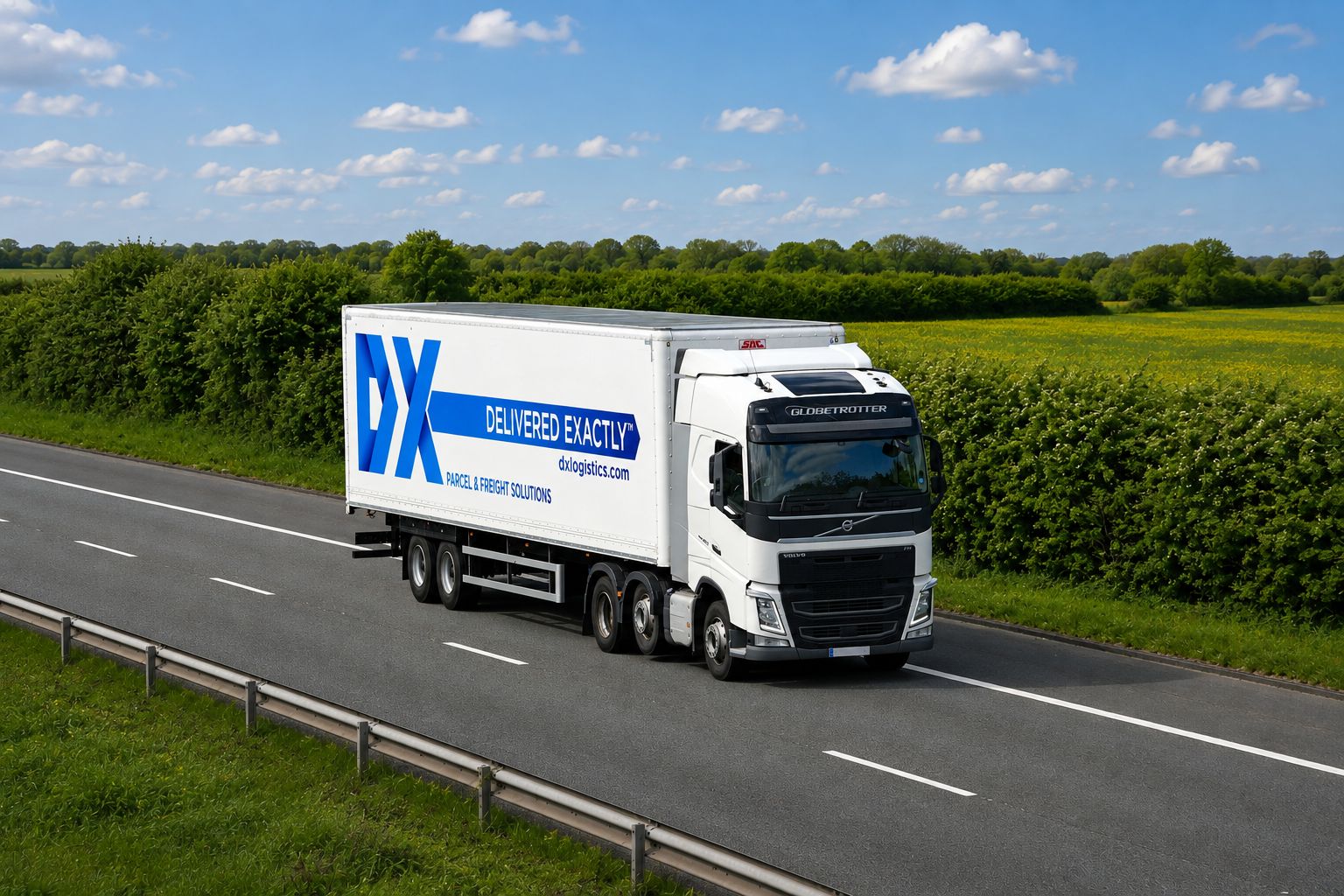
Parcel, freight, fulfilment and final mile logistics provider, DX, has announced the expansion of its dangerous goods transportation service. Operating wholly within the ‘Limited Quantity’ rules, the enhanced capability gives customers the ability to move more of their product range through a single integrated logistics partner. It is also part of the company’s ongoing plans to further develop the depth and scope of its operations.

From DX’s initial entry into the sector with its biological materials service, DX now supports the delivery of a wide range of approved dangerous goods through its parcel and pallet services. This spans paints and coatings, cleaning chemicals, aerosols, adhesives and sealants, lubricants and oils, as well as resins and solvents, industrial chemicals, lithium batteries and battery-powered equipment. DX is also able to assist customers whose goods fall outside its standard Limited Quantity service with alternative solutions, enabling them to maintain one point of contact and consignment visibility.

DX’s enlarged service covers Britain and is supported by a newly-launched online information hub. The hub is designed to give customers easy access to information about the service, enable them to check the eligibility of their products for transport through the DX network, and a direct route to guidance from DX’s dedicated in-house team. The hub will continue to evolve as the business introduces additional tools and resources for customers.

Ian Truesdale, Chief Executive Officer, commented:

“The expansion of our dangerous goods service means that customers will be able to move more of their products across the mainland UK with a single logistics partner. That reduces complexity while delivering operational and cost advantages for our customers. As our customers’ requirements continue to evolve, so does DX. Investing in specialist capabilities, such as Limited Quantity dangerous goods, enables us to support a broader range of delivery requirements while continuing to deliver the high levels of service our customers expect from us.”

Robotics Takes Centre Stage at INTRA-LOG Expo

Robotics applied to logistics, as a response to labour shortages and the need for greater productivity in operations across manufacturing, food and beverage, and retail, will be one of the main highlights of INTRA-LOG Expo South America 2026, the only trade show dedicated to intralogistics and automation in Latin America, to be held from September 15 to 17, 2026, in the Blue Pavilion at Expo Center Norte, in São Paulo, Brazil.

Now in its third edition, the event reflects the advance of automation across distribution centres, industrial operations, e-commerce and supply chains, at a time when autonomous mobile robots, automated storage systems, picking, material handling and artificial intelligence are gaining strategic relevance in companies’ productivity decisions. Logistics Business will be exhibiting.

The global robotics market is in a phase of strong expansion: according to Mordor Intelligence, it is estimated at US$88.27 billion in 2026 and is expected to reach US$218.56 billion by 2031, with a compound annual growth rate of 19.86% over the period. The study also points out that logistics and warehousing accounted for 39.10% of global applications in 2025, driven especially by fulfillment centers, e-commerce and autonomous mobile solutions that can be deployed with less need for major structural changes.

At INTRA-LOG Expo, this progress is reflected in the growing participation of global companies at the show: approximately 30% of exhibitors are from other countries, including developers, integrators and manufacturers of solutions — with China leading Asian representation within this group.

“The expansion of robotics is being driven by structural labour shortages, declining hardware costs, the growth of low-code platforms, industrial reshoring and the increased use of autonomous mobile robots in logistics and e-commerce. We want to foster this area, which has been growing significantly in Latin America, by promoting synergy among the leading global manufacturers and providers of robotic solutions to discuss concepts and applications in logistics operations across our region,” says Cassiano Facchinetti, managing director of INTERLINK Exhibitions, the event organizer.

Facchinetti notes that the growth of this segment of logistics automation led the organization to create the Robotics & Automation Summit, a content event to be held in one of the rooms dedicated to the show’s congresses, focused exclusively on robotics, industrial automation and advanced technologies for logistics and manufacturing.

Some of the main players in the global market have already confirmed their participation to discuss the sector, applications, trends and challenges in adopting robotic solutions in logistics operations. Confirmed participants include KUKA Roboter do Brasil, LIBIAO Robotics, Geek+, Dematic, STW and ABB Robótica Brasil. The discussion will be moderated by Rogério Vitalli, CEO and executive director of technology at the Advanced Robotics Institute (IAR).

Honouring leaders and cases in logistics and automation

The third edition of the INTRALOG International Forum, held alongside the trade show, will feature a significant new initiative: the INTRA-LOG SMART SOLUTIONS HONORS, an official tribute to CEOs and senior leaders of companies that stand out for innovative, highly transformative projects in intralogistics, automation, artificial intelligence, robotics, operational efficiency, ESG, technology, digital transformation, safety and ergonomics in Brazil.

The initiative will become part of the Forum’s content agenda. Each honoured executive will present their success case to an audience of nearly 200 professionals, sharing challenges, decisions, technologies applied, lessons learned and results from projects implemented in companies across different sectors of the economy.

With this, the INTRALOG International Forum expands its role as a platform for market education, knowledge exchange and dissemination of best practices. The cases to be presented reflect themes at the center of today’s logistics agenda: process automation, the use of artificial intelligence, robotics applied to material handling, digitalization of operations, productivity gains, sustainability, operational safety and new models of logistics excellence.

Eduardo Banzato, director of Grupo IMAM and ambassador of INTRA-LOG Expo, leads the curation of INTRA-LOG SMART SOLUTIONS HONORS and says the initiative strengthens the Forum’s role by turning practical cases into references for the sector.

“Brazilian intralogistics has extremely high-level projects taking place inside companies. By connecting the honours program to the Forum, we can turn these cases into learning for the market, recognizing those who execute in practice and offering the audience references that can be applied to the reality of operations in Brazil.”

The technical evaluation of the projects is conducted by the team of consultants from Instituto IMAM, considering criteria such as innovation, technology, ESG, robotics, artificial intelligence, operational efficiency, digital transformation, safety and ergonomics.
See the International INTRALOG Forum agenda and learn more about the honorees of the INTRA-LOG SMART SOLUTIONS HONORS.

The third edition of INTRA-LOG Expo will feature twice the exhibition area of the previous edition, occupy the Blue Pavilion at Expo Center Norte and is expected to bring together more than 400 brands and more than 8,000 visitors.

Subscribe

Get notified about New Episodes of our Podcast, New Magazine Issues and stay updated with our Weekly Newsletter.