Central Warehouse for Security of Supply

In Inzersdorf ob der Traisen, Austria, Netz Niederösterreich has commissioned a newly equipped central warehouse. In doing so, the grid operator for electricity and gas in Lower Austria is responding to increasing requirements for storage capacity, availability and efficient logistics processes. At the heart of the site is a high-performance storage concept with storage solutions from META, designed for maximum space utilization, clear material flows and a high degree of flexibility.

Netz Niederösterreich is the grid operator for electricity and gas in Lower Austria. The company ensures a secure and reliable supply – from house connections to regional distribution networks. As part of the EVN Group, Netz NÖ is a key enabler of the energy future through the integration of renewable energies, the expansion and digitalization of the grids and the safeguarding of supply quality.

In short: Netz NÖ creates the technical basis for ensuring that energy reaches Lower Austria safely at all times – today and in the future. 850,000 customer installations are supplied via our 56,400 km electricity grid, and 255,000 customer installations are connected to the gas grid.

These are impressive figures that clearly show how strongly Netz NÖ focuses on security of supply. This requires a well-organized and well-equipped central warehouse to ensure spare parts logistics in the most efficient way possible.

This is the case in Inzersdorf ob der Traisen, where META-Lagertechnik Austria implemented the customized storage solution in the central warehouse for Netz NÖ. Since as early as 1972, META-Lagertechnik Ges.m.b.H has been an expert partner for the Austrian market and has developed into a leading supplier of innovative storage solutions and state-of-the-art technology for efficient warehouse management and logistics.

Perfect system combination

In the Netz Niederösterreich central warehouse, all materials required for operations are stored, picked and quality-checked, including the calibration of meters for electricity, gas, water and heat. For the storage technology, the grid operator for electricity and gas in Lower Austria opted for a well-conceived system that is precisely tailored to the various stored goods from the electricity, gas, water and heat sectors and the associated requirements.
META MULTIPAL pallet racks are used for the optimum storage of palletized goods and heavier stored goods. A wide variety of goods are stored here. An additional part of the project was the rack location labelling.

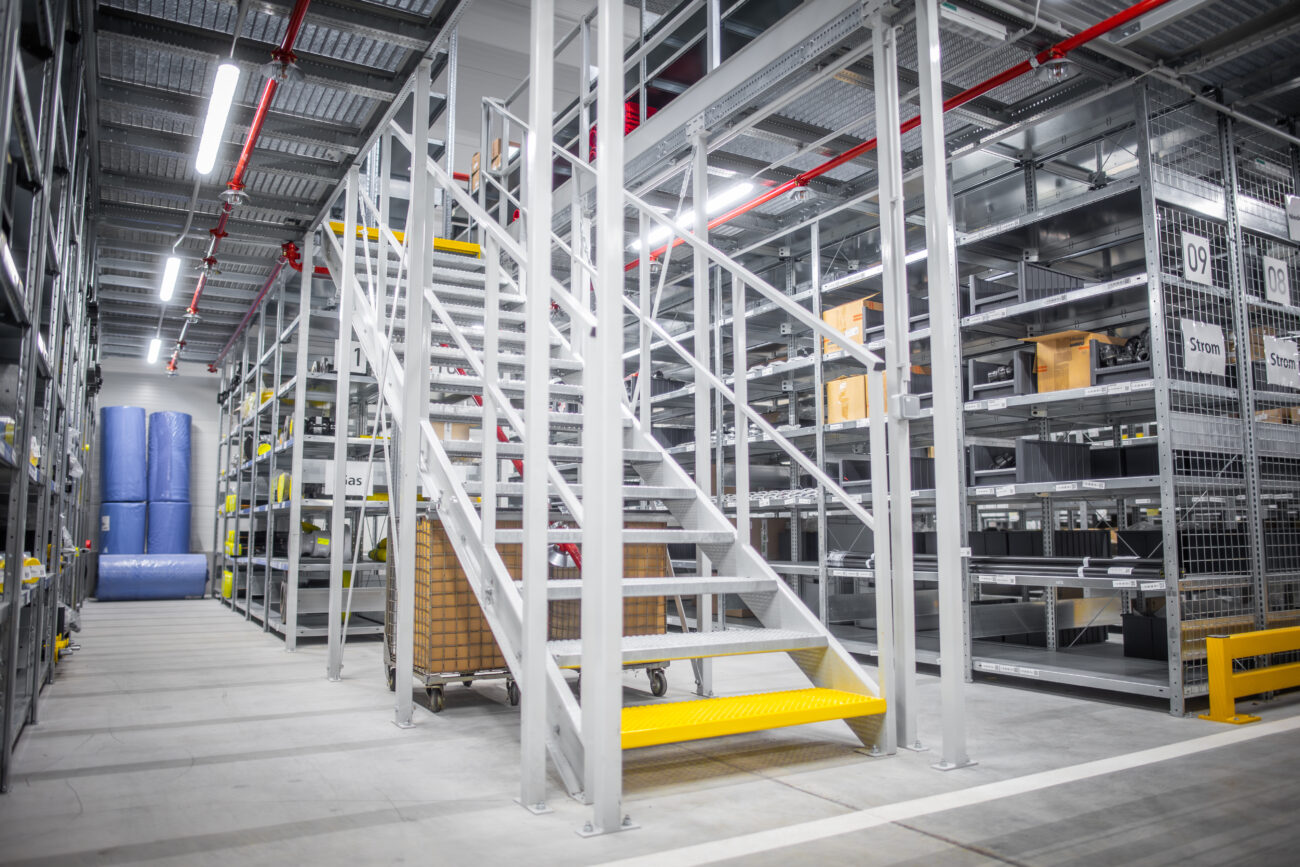
Small parts and spare parts are stored predominantly in the two-storey META CLIP shelving system, where they find their organized place in plastic crates, cartons or as bulk goods. Combined with the META steel construction solution and the optimally positioned staircase, the second level and every storage location are quickly accessible. The pivot gate installed by META at the pallet transfer point is characterized by unrestricted safety. Whether the gate is open, allowing loading from the outside, or closed, making the goods accessible from the platform side, comprehensive personal protection is ensured at all times.

This diversity of systems enables efficient use of the available space while ensuring clear storage structures and well-organized material flows.
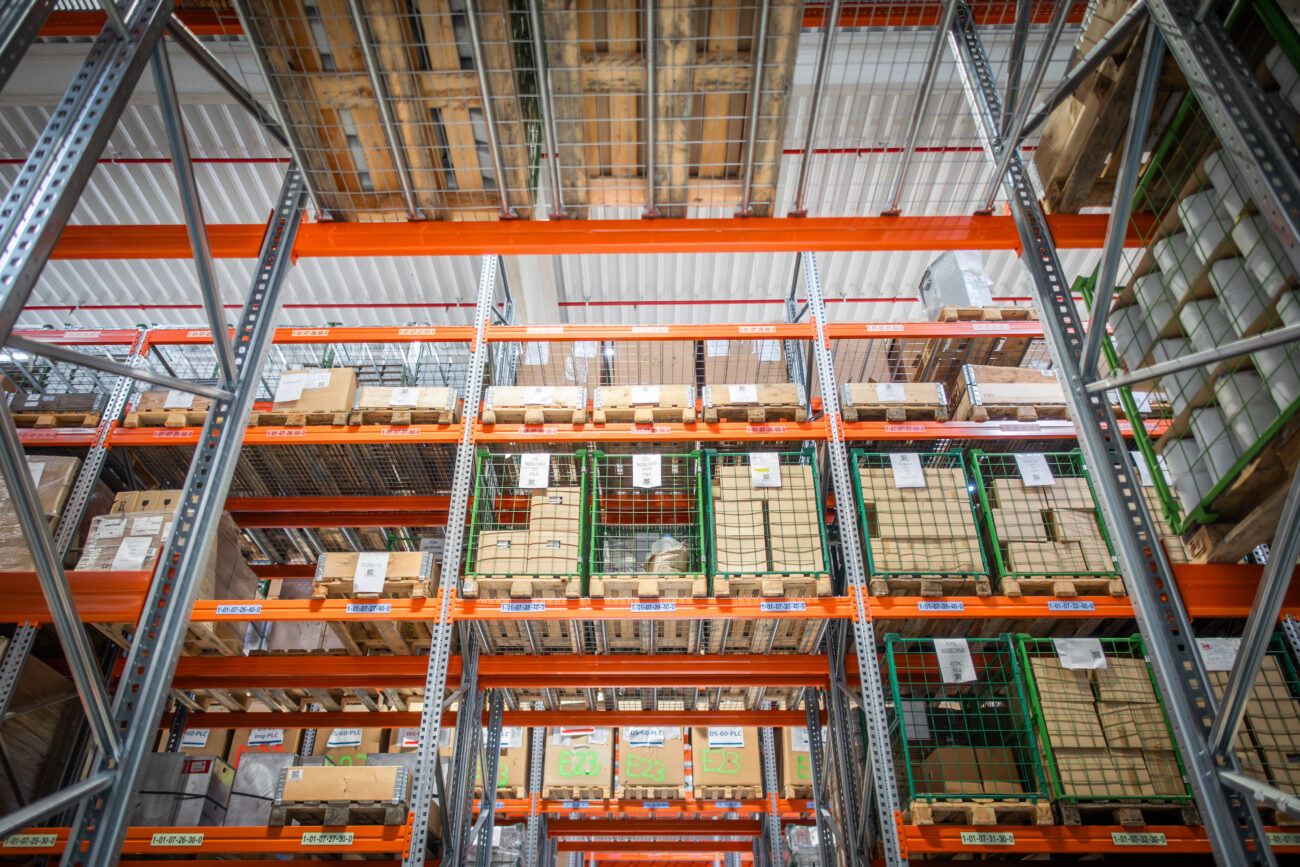
The entire storage concept was developed jointly by Netz NÖ and META at an early planning stage and consistently designed for future viability, flexibility and economic efficiency. One particularly important aspect was the option of relocating to a new warehouse in the future, as the current facility is a rented warehouse. Another key point was the QR code solution for simplifying bookings in the warehouse management system – every storage location is equipped with a QR code.

“The collaboration is excellent. We have short communication channels and fast response times, especially when it comes to expansions. The quotation phase usually takes only a few days, we quickly reach agreement, place orders promptly and installation is completed just as quickly. Quality is equally important: talking to each other, providing advice and finding solutions together. If something stands out, questions are asked and corrections are made. It is not simply a matter of implementing exactly what the customer wants; instead, ideas are actively contributed, including during the planning phase,” explains Stefan Mandl, Head of Materials Management at Netz NÖ. “That is how it should be, and that is how it should remain. We are currently also converting many decentralized warehouses, and fast responses are crucial for us.”

A particular challenge and, at the same time, an exciting change of pace for the storage technology expert META was the integration of the lighting as well as the joint development of a new rack location labeling system with the customer. Creative brainstorming was required here to ensure the best possible service and smooth processes.

“It was a genuine all-round carefree package. We took care of the complete planning, organized the delivery of goods, unloaded the trucks and were responsible for the entire installation through to processing and acceptance,” says Ronaldo Prade, Technical Sales at META Austria. “Even the label stickers and electrical work were part of our scope of responsibility. We were also technically involved in the sprinkler system, while the execution was carried out by specialized companies.”
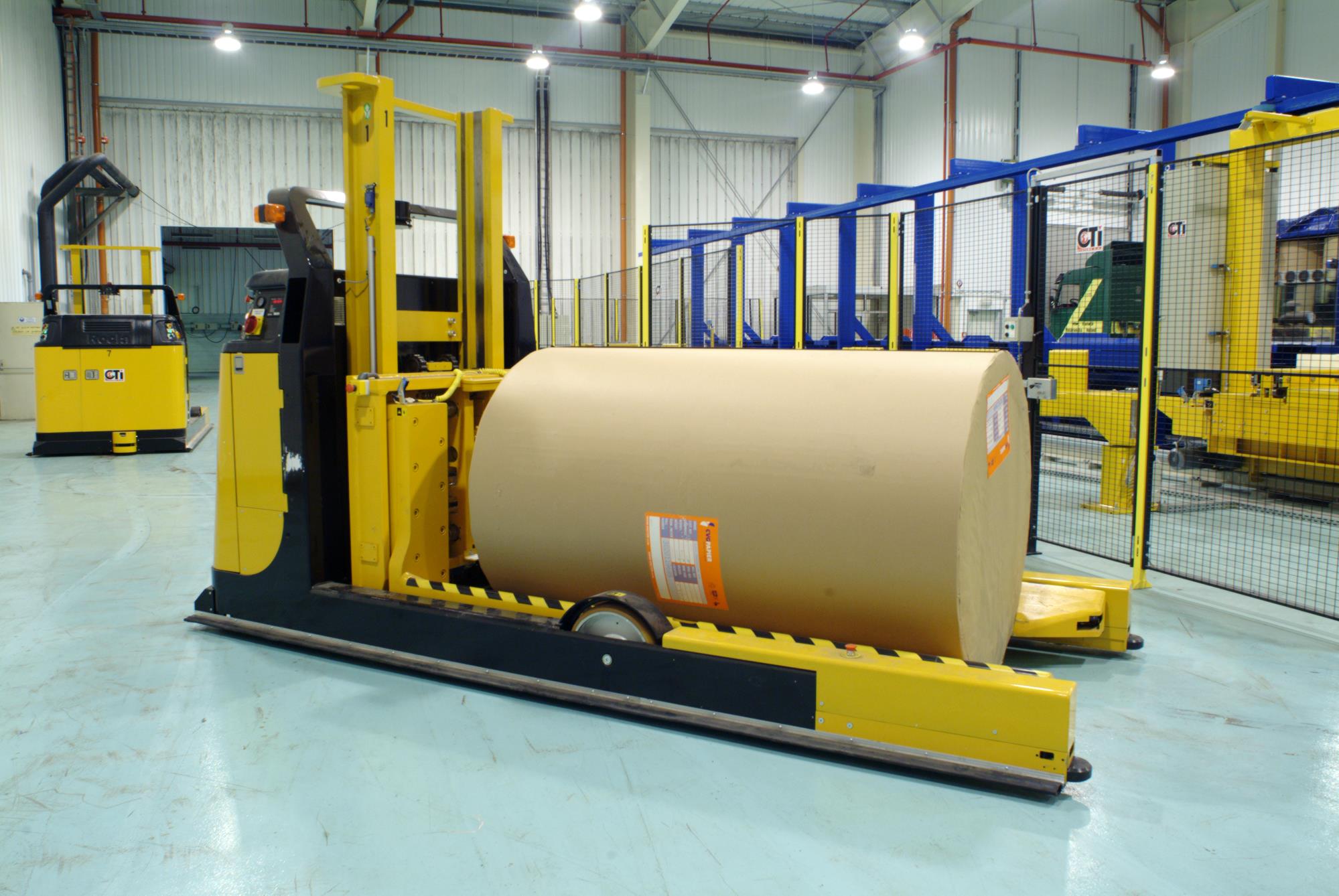
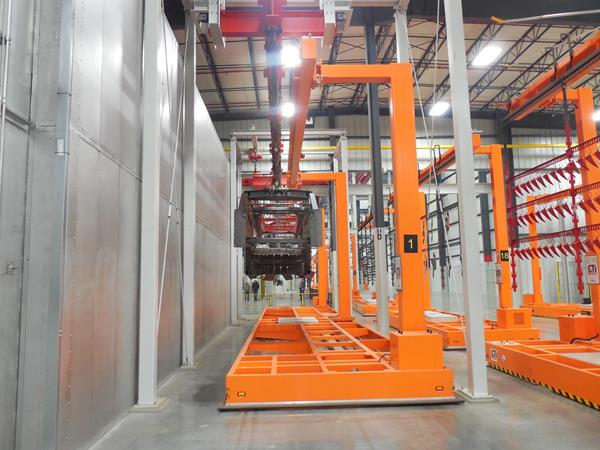
Growing Role of AGVs in Advanced Manufacturing

In every manufacturing facility, products spend time being made and time being moved. While production processes are often highly optimized, material handling can still create delays, bottlenecks, and unnecessary complexity.

To improve the flow of materials across the factory floor, more manufacturers are turning to Automated Guided Vehicles (AGVs). Whether transporting components, supplying assembly lines, or handling heavy loads, AGVs are helping manufacturers increase efficiency, improve traceability, and create more flexible production environments.CTi Systems of Luxembourg offer the following advice.

What is an Automated Guided Vehicle?

An AGV is a driverless vehicle designed to transport materials throughout a facility in a controlled and predictable manner. It moves independently, follows assigned routes, communicates with factory systems, and delivers loads without requiring an operator behind the wheel.

Beyond simple transportation, AGVs help streamline internal logistics, improve material flow, and ensure that components arrive exactly where they are needed, when they are needed. The way an AGV navigates depends on the application and the operating environment. Early AGV systems followed fixed paths using embedded wires or magnetic tape. Today’s vehicles use a variety of advanced navigation technologies, including laser guidance, LiDAR, vision systems, QR-code positioning, and natural feature recognition.

These technologies allow AGVs to move safely and accurately through dynamic production environments. The vehicle continuously monitors its surroundings, detects obstacles, and adjusts its movements accordingly. In many cases, it can automatically select an alternative route if its preferred path becomes unavailable.

This combination of precision, flexibility, and safety enables AGVs to operate efficiently even in busy manufacturing facilities where people, machinery, and vehicles share the same workspace.

Why Are Manufacturers Deploying AGVs?

Manufacturers today face a growing number of challenges. Production volumes must increase, delivery deadlines are becoming tighter, and skilled labour can be difficult to recruit for repetitive material-handling tasks. At the same time, companies are expected to maintain high safety standards while keeping costs under control. This is where AGVs can make a meaningful difference.

By automating the movement of materials, components, and finished products, AGVs help create a more consistent and reliable flow throughout the facility. Instead of relying on manual transport requests or fixed schedules, materials can be delivered exactly when and where they are needed, helping production teams focus on value-added activities.

AGVs also reduce dependency on forklift traffic and manual handling, contributing to a safer working environment. Because their movements are controlled and predictable, they can help minimize the risk of accidents, product damage, and production interruptions.

Another advantage is operational consistency. Unlike manual processes, AGVs perform the same task according to predefined rules every time. This helps improve process reliability, particularly in facilities where material availability has a direct impact on production performance.

For many manufacturers, the decision to deploy AGVs is not only about automation. It is about creating a smoother, safer, and more efficient operation capable of supporting future growth without increasing complexity. How customized AGV Solutions can tailor automation to specific manufacturing needs?

Most automation projects fall short for one simple reason: the technology is expected to fit the factory, rather than the factory’s requirements shaping the technology. There are no manufacturing facilities that operate in the same way Production layouts, products, workflows, and operational challenges differ from one site to another. As a result, a standard vehicle often addresses only part of the requirement.

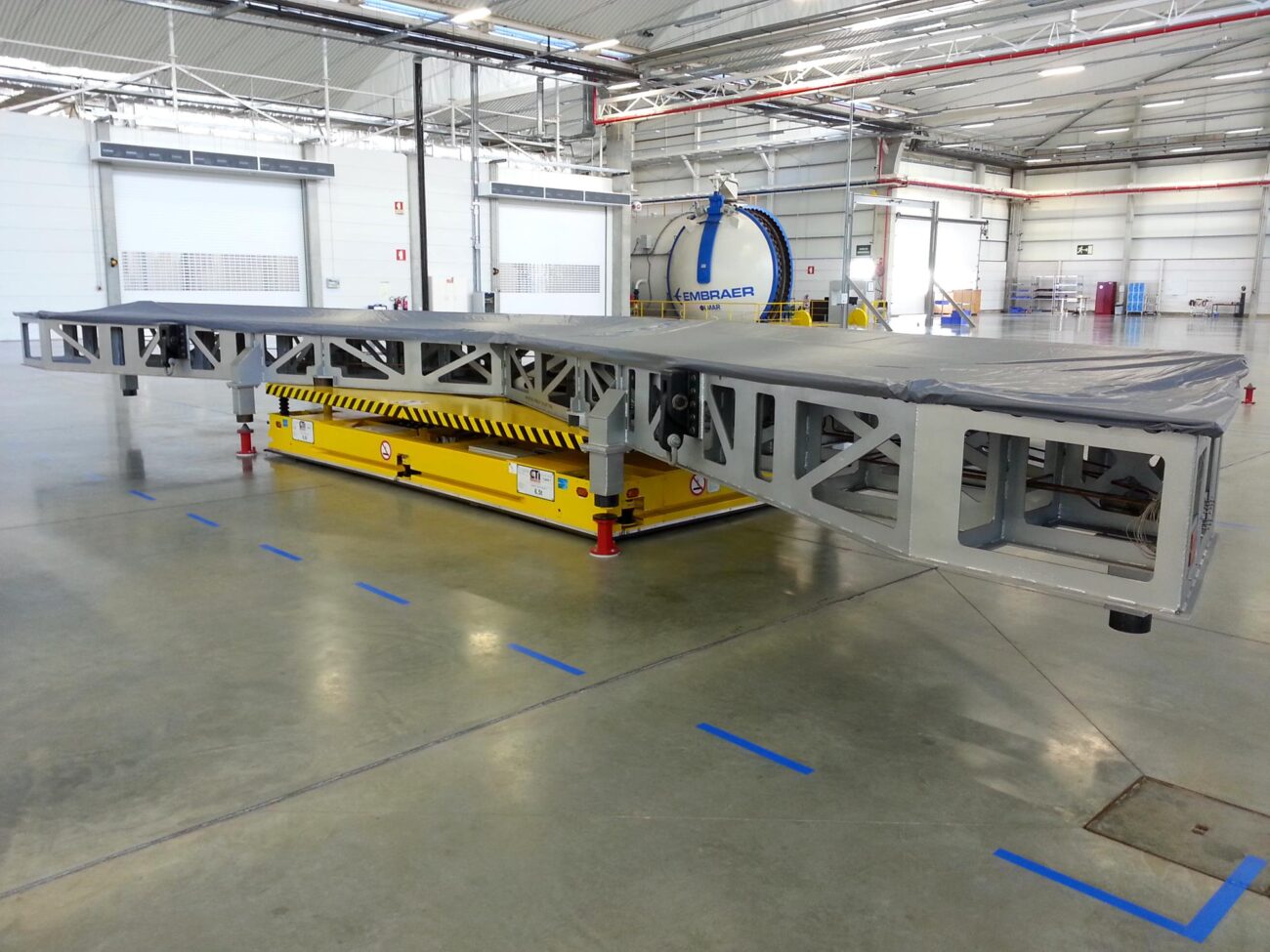
Customed AGVs are designed around a specific flow of materials, products, and information within the facility. The vehicle dimensions, payload, navigation technology, load handling interface, and software integration are all selected according to the operational requirements of the customer.

The objective is simple: to ensure that the AGV is engineered to become a seamless part of the existing production process. How do customized AGV solve manufacturers’ challenges? Many facilities operate in restricted spaces, require precise positioning, handle loads with unusual dimensions, or have strict safety and traceability requirements. In these situations, standard automation solutions often force compromises.

A tailored AGV solution can be developed to:

Transport exceptionally heavy or oversized loads.
Interface directly with assembly stations.
Automatically position products for manufacturing operations.
Operate safely in mixed environments with people and equipment.
Support complex production flows without disrupting existing processes.
The objective is not simply to automate transportation. It is to eliminate operational constraints, improve workflow efficiency, and create a more flexible manufacturing environment.

How can AGV support smart factories of tomorrow?

Modern AGVs do far more than transport materials between workstations. Connected directly to manufacturing execution systems (MES), warehouse management systems (WMS), and enterprise resource planning (ERP) platforms, they provide a real-time link between production planning and execution. Material deliveries can be triggered automatically based on production demand, ensuring components arrive exactly when and where they are needed.

The benefits extend beyond efficiency. Every movement performed by an AGV can be recorded, timestamped, and associated with a specific product, batch, or production order. For industries such as automotive, aerospace, and battery manufacturing, this level of traceability has become a significant competitive advantage. AGVs provide flexibility as production requirements change. Routes, destinations, priorities, and workflows can be adjusted through software rather than costly facility modifications.

As factories become more data-driven, AGVs are also contributing valuable operational intelligence. Fleet management systems can identify traffic congestion, monitor vehicle utilization, predict maintenance requirements, and optimize routes in real time. The result is a material handling system that continuously improves its own performance.

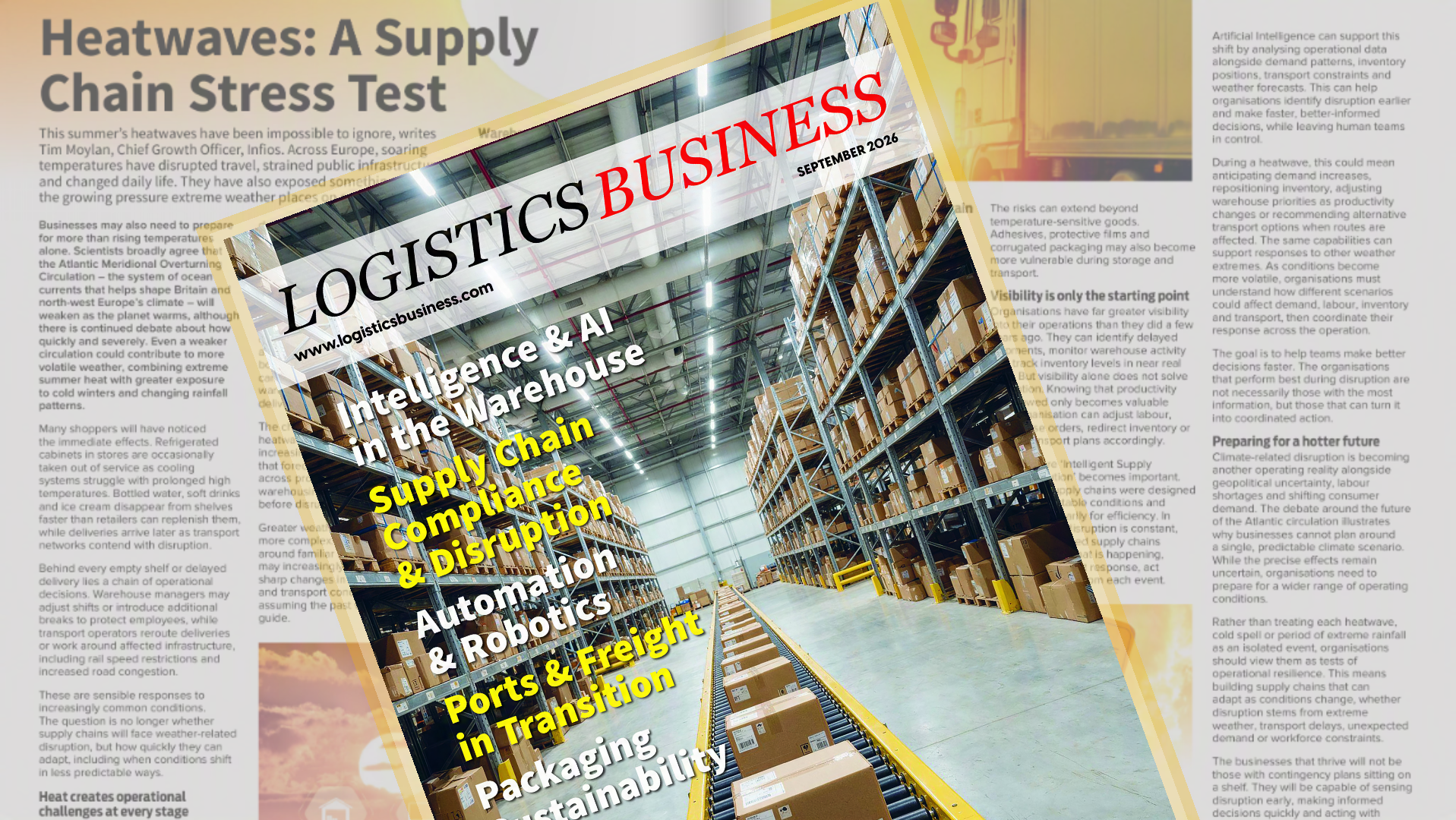
New Issue: Logistics Business September 2026

The September 2026 issue of Logistics Business is out now, bringing together our latest coverage of artificial intelligence, automation, supply chain resilience, sustainability and the technologies reshaping logistics operations. In this edition, we explore how these once-separate priorities are increasingly converging as businesses look for practical ways to improve efficiency, resilience and performance.

Artificial intelligence is a major theme throughout the issue, but we put the emphasis firmly on real-world applications rather than future promises. We examine AI in commercial transport, warehouse intelligence, compliance and decision-making, including our exclusive report from Motive’s Vision 26 conference in Nashville looking at how AI is already being used to improve fleet safety and reduce administrative workloads.

Against an increasingly unpredictable global backdrop, we also tackle supply chain resilience and disruption. We look at the impact of extreme weather on logistics operations, the changing demands of cross-border compliance, emerging fraud risks and the technologies helping businesses respond faster when disruption strikes.

In materials handling and intralogistics, we ask where warehouse automation goes next. From humanoid robotics and Physical AI to robotic sorting, AGVs and real-time operational data, we explore why the next competitive advantage may come not simply from adding more robots, but from making better decisions and creating more connected automation ecosystems.

Sustainability runs throughout the edition too. We look at the transition beyond diesel at container ports and how environmental performance is becoming increasingly intertwined with operational efficiency. In our dedicated packaging section, we explore sustainable packaging ecosystems, PCR strapping, right-sized packaging and the often-overlooked role of pallets in closed-loop supply chains.

Across 68 pages of exclusive features, interviews, case studies and industry insight, we take a closer look at a logistics sector in transition – with a particular focus on what businesses can do today rather than simply what might be possible tomorrow.

New EU Packaging Regulation Impacts Business

Research of British manufacturers and suppliers shows an overwhelming majority are rethinking packaging to comply with new EU rules.

The EU’s PPWR introduces a new framework for packaging circularity, including requirements for recyclability, recycled content and packaging minimisation. Many of the new measures will be phased in over the coming years and 12th August 2026 marks the general application of the new regulation for any business placing packaging on the EU market.

A survey of 200 British businesses throughout non-food supply chains, by logistics company Advanced Supply Chain, revealed that 93% have been affected or expect to be affected by the PPWR. The research found:

16% have already formatted packaging to comply
39% are currently making changes to packaging
32% are reviewing and assessing packaging formats
6% expect to be affected by the PPWR
Just 7% of businesses reported that the PPWR will have no impact on their packaging.

Stuart Greenfield (pictured, below), UK and European Sales Director at Advanced Supply Chain, commented: “We surveyed businesses across sectors including homewares, fashion, consumer electronics, footwear and many more, and the findings show just far-reaching the EU’s new packaging regulation has become.

“Although the PPWR is an EU regulation, it’s not unusual to see businesses applying PPWR principles to packaging used outside the EU. British businesses want to continue trading seamlessly with customers across Europe, and many are standardising packaging formats to support compliance, control costs and simplify retail logistics across multiple markets.”

As well as adapting packaging to comply with the PPWR, British businesses have also been contending with the impacts of the packaging Extended Producer Responsibility Scheme (pEPR). The scheme has introduced new fees for packaging waste, shifting the costs of managing packaging waste from local authorities to affected businesses.

Advanced Supply Chain’s research shows the pEPR has increased repackaging requirements for 70% of businesses, meaning 47% have seen growing levels of packaging waste. 37% also reported that the scheme has led to increased packaging errors, further impacting levels of packaging waste.

Packaging manufacturer Duo supplies retailers and brands across the UK and EU. Duo co-owner and commercial director, Anthony Brimelow, said:

“We’re seeing a growing number of British businesses prioritise packaging strategies that increase levels of recycled content, rightsize packages and focus on lightweight materials. The PPWR and pEPR are driving this trend, but the challenge is ensuring sustainability gains don’t come at the expense of packaging integrity. We expect this to drive innovation in advanced materials that deliver strength and efficiency.”

Greenfield concluded: “The pEPR is increasing the pressure on businesses to find the right packaging balance across product protection, customer experience, cost control and sustainability. We see this during the pre-retail stages of supply chains, where packaging plays a crucial role in getting products ready for sale.

“As supply chains adapt to the pEPR, we expect packaging waste linked to repackaging to decline. Many businesses are already revisiting their own supplier standards and compliance measures to reduce repackaging requirements, as products move from source of supply through to point of sale.”

The True State of AI Adoption in Logistics

About a year ago, PSI Software SE, in collaboration with the market research firm Civey, surveyed 300 logistics professionals and executives about their views on artificial intelligence in intralogistics. The results at the time painted a clear picture: a great deal of interest, a high willingness to invest — but very little use in day-to-day operations. Twelve months later, it’s worth taking a look at how things have actually turned out.

Phillip Korzinetzki, Director of Marketing & Communications at PSI Software SE – Logistics Business Unit (pictured, below), talks through the findings.

The study found that, at the time of the survey (July 2025), 15 per cent of companies were using AI in production in their warehouses. Another 41 per cent announced plans to invest in such solutions by 2028. The most important areas of application cited were warehouse optimization (44 per cent) and inventory management (33 per cent), followed by putaway, goods receipt, and returns management. The biggest hurdles — almost tied — were implementation costs, employee acceptance, and technical integration, each cited by around 40 per cent of respondents.

AI use is more niche than expected

Developments over the past year confirm the growing interest in AI in warehouses, but put into perspective the pace at which the announced investments are actually translating into productive applications. Artificial intelligence is increasingly being used by logistics companies — though primarily for administrative tasks. And those AI solutions that do make it into productive use tend to provide support in specific, clearly defined application areas — such as order picking or inventory analysis — rather than serving as a comprehensive warehouse management system.

Many initiatives remain at the demonstration stage without making the transition to regular operation. Solutions become productive when they integrate seamlessly into existing processes and quickly deliver concrete, measurable benefits. In this context, a decision-support approach is gaining traction: AI provides the basis for decisions, but the user continues to make the final choice. Pure ‘black box’ approaches find little acceptance in business-critical warehouse processes.

From pilot project to standard

The key is the ability to evolve AI from an innovation into a product that is affordable and immediately available to every customer — and that delivers immediately tangible added value. This is precisely an integral part of PSI’s future strategy. For example, Batch AI has become the first AI module to be integrated into the PSIwms standard. In practical use, this solution has helped customers reduce picking routes by about 30 per cent and increase picking efficiency by over 20 per cent. In the coming months, additional AI modules will be added that, following the example of Batch AI, will provide tangible optimizations for clearly defined tasks in day-to-day warehouse operations. The focus will be on quickly answering user questions, providing context-sensitive support for system operation, and accelerating the setup of logistics processes.

Conclusion: pragmatism beats vision

At first glance, the interim assessment may seem more sobering than hoped for. Upon closer inspection, however, it becomes clear that the use of AI in logistics is gradually taking shape. It’s also becoming evident that AI is not a silver bullet. Too much of a good thing can be overwhelming. Rather than radical system overhauls, it is the easily integrable pieces of the puzzle that offer operational benefits.

It’s Not About the Wrap

Sustainable packaging can be viewed as its own collaborative ecosystem. This is the concept of one major supplier, CMC Packaging Automation, an on-demand packaging company that customizes box dimensions to items for each order. This results in accurately sized packages that eliminate the need for single-use plastic padding while still protecting items during shipping. David Priestman attended the company’s Innovation Day (CID) in Umbria.

I’m not superstitious, so being informed that CMC have been involved with packaging machinery specifically for logistics and warehousing for thirteen years now (though it is over 40 years in the trade) just reinforces the fact that this Italian, family-run firm are truly immersed and centre-stage in the applications it turns its not inconsiderable inventiveness to.

“We listen to what the customer wants and don’t follow the competition,” says CEO Francesco Ponti. His company reported revenue of €170m last year and has 650 employees and an incredible 600+ patents. Following investment from KKR (global impact portfolio) in 2020 and via the Amazon Climate Pledge Fund in 2021 the company has been on a steep trajectory. Half of all sales are now in the USA.

Packaging Compliant

Complexity in picking and packing comes from having multiple items per box to be shipped. And today’s fulfilment centres face various challenges, including regulations, streamlined flows, labour shortages and reduced human touches, cost of consumables and transport, multi orders, same-day orders, oversized boxes and damaged returns.

Transition from Plastic to Paper

“There is too much packaging,” Tim Werkhoven of Mondi Packaging told the audience, to universal agreement. The EU’s Packaging and Packaging Waste Regulation (PPWR) is a comprehensive law that replaces the former directive. Waste is now legally defined and a potential liability. “We have a material choice based on machinery compatibility, not just a procurement issue,” Werkhoven added. “Cut waste, re-use and recycle.”

By the 2030s the recyclability of packaging must be greater than 70%. This will mean, for example, replacing rigid plastics with paper solutions and ending single-use plastics. “Minimal packaging and void space will therefore become bindingly provable,” Werkhoven concluded, preaching to the converted. “We need re-use targets for transport packaging and should only use recyclables.”

Scale Down to Minimum Size

Box-first or box-last? Pre-formed boxes are used when operators fill them with items so they can be used for multi-item orders. This set-up is often cheaper but means completed boxes are often not the right size as it is dependent on accurate dimension information and box-flow sequencing.

With a box-last format items usually travel via conveyor to the packaging machine, which automatically scans and measures so as to form a customised box. This saves on consumables costs, providing precise right-sizing without process errors (e.g. the wrong sized box arriving).

Shuttle Integration Synergy

Picking and consolidation with CMC’s plastic Vary-Tote enables packaging automation machines to be integrated with ASRS, AGVs and shuttle systems, with integration projects completed with Libiao, Exotec, AutoStore, Jindong and others.

The Vary-Tote is a real game-changer, with its unique design and functionality. It can fit inside the grid store and its base/floor/ opens automatically when the items inside are ready to be boxed by the automatic packaging machine, with the cardboard instantly and automatically catching and folding-close the order inside into a perfect, right-sized box, ready for labelling and despatch. Buffering and/or de-coupling of orders and end-of-line packing are carried out seamlessly – all possible with a ‘zero-touch’ process.

The AutoStore integration with CMC’s GeneSys machine has several major use cases, some as large as 50000 bins. In a goods-to-person system the Vary-Tote carries the items picked in the AutoStore to GeneSys and empties them onto the cardboard. This machine can package 800 cartons per hour and incorporates a weight scale, easy open function, dynamic box cutting, auto labelling and sorting. One GeneSys machine can replace four manual packers (assuming you can hire them in the first place), with a lower error rate.

The goal has been to make the integration between AutoStore and GeneSys leaner, particularly by utilising the Vary-Tote inside the grid, each placed inside an AutoStore tote. Users can execute several processes: order fulfilment, same day picking, multi-items. Buffering totes for despatch later means de-coupling pick and pack operations.

There is no conveyor between the grid and the pick face, only from the grid to GeneSys. Each Vary-Tote is brought to the pick station for inserting items, either by a worker or a robot. Single item orders can be picked and go straight to the packaging machine. All completed boxes head to the despatch area via sortation or AMRs for outbound. The result is a modular, extendable, less complex solution.

Less people, More skilled

Garden products company Neudorff is one happy customer. Tamer Memis, CEO of its ecommerce division, attended CID last year, saw and bought ‘CartonWrap’ machines to pack very small products, and is now recommending them. “We kill a lot, organically,” he joked, about herbicides! Neudorff’s ecommerce business only started in 2021 and only recently invested in automation.

“Packing is the most expensive process, with a time and cost per shipment. The cost per parcel is many times higher for packing than picking,” he explained.

Fit-to-size saves money in a fully automated set-up, from scanning to labelling. “We put the products on the conveyor and its gone. Fire and forget,” Memis enthuses. Less volume per parcel cuts courier rates. “Automation only succeeds if you treat software and hardware as one system. Our interface controls the order flow, with a tray split that maximises the machine’s share. We thought 75% of products would go on the CMC machine, but achieved 97%, so we can ship and sell even more.” The system can split an order into more than one tray if it means automating the process and no people packing the order. “Scale through tech, not people,” he advised.

One Vision (not fried chicken!)

CMC’s dream is to see a unified platform for adaptive, order-driven fulfilment: right size packaging, manual picking, robotic piece picking, storage and buffering – all orchestrated by software to reduce costs and manage configured execution paths, whether they be multi-item orders, single item or express. Sales Area Manager Marco Mozzaorecchi say the company offers, “a comprehensive, right-sized portfolio, with no void filling.”

Prima (verde) over Standard

The latest new machine from CMC is the GeneSys Prima. Francesco Ponti said, “we’re considered a ‘box last’ company, but brownfield sites often need ‘box first’ set-ups for manual packing. Right-size packaging is like playing Tetris, the data calculates the box size for every order.”

The new CMC cardboard box, also unveiled at the event, will be used for orders picked from the ASRS. The machine packs and closes the box without a separate lid, as the new internal flaps are incorporated into the cardboard in the side furthest from the picker. The machine closes and seals the box and the internal flaps also prevent shaking or movement of the products inside.
“The best thing about ‘box last’,” said Ponti, “is the code that calculates the volume.” The Super Vertical One, an ultra compact machine, is being launched. It does both ‘box first’ and ‘box last’. “It’s a game changer. It connects to anything. The product scan creates the data for packing.” The machine can be used for a peak-season boost to existing machines, or a standalone packaging ecosystem.

Forklift Dealer Celebrates Innovation

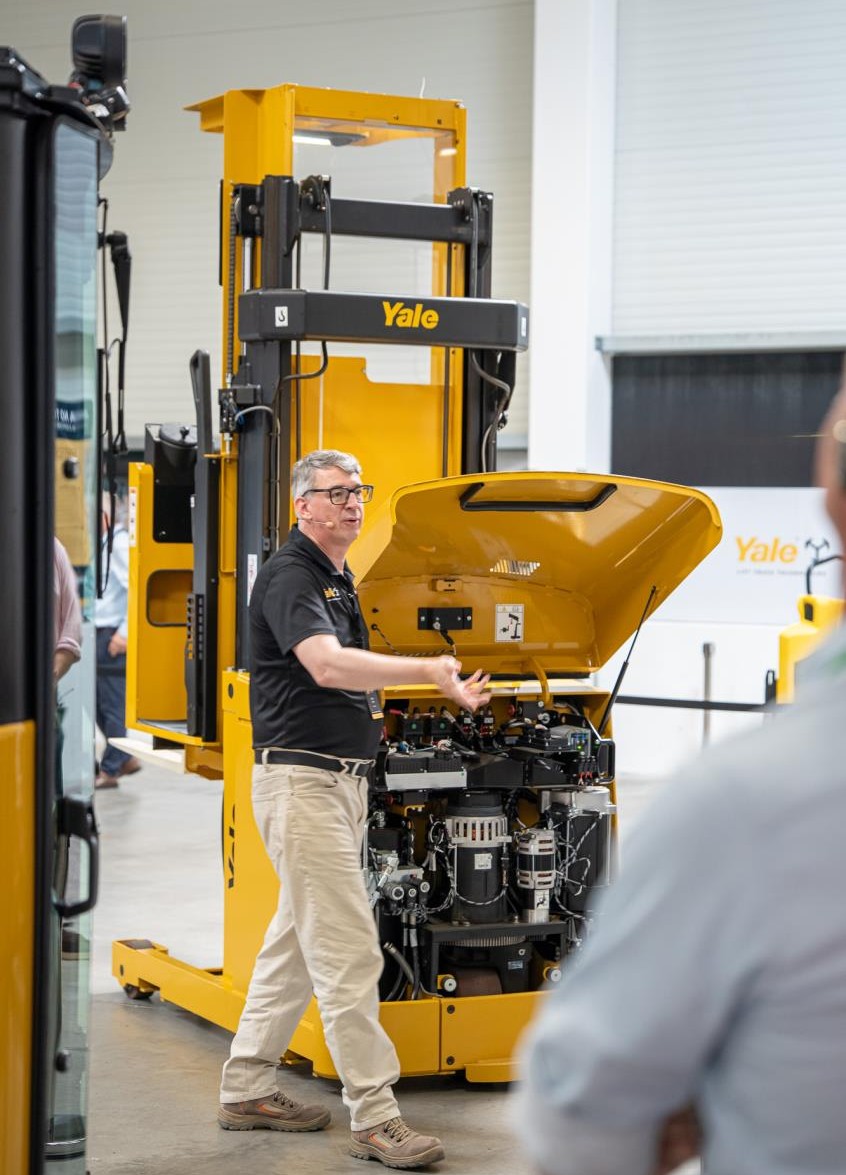
In June Yale Lift Truck Technologies hosted a dealer showcase event at its newly upgraded Frankfurt Experience Centre in Mörfelden-Walldorf, Germany. The invite-only event brought together selected dealers from across DACH and Northern Europe to explore a range of advanced technologies and engage in knowledge-sharing sessions designed to address the evolving demands of modern supply chains.

A key highlight of the event was an exclusive preview of the Yale Route Runner, a materials handling solution designed to optimise direct-to-store deliveries, offering significant potential improvements in operational efficiency and last-mile performance.

Dealers also had the opportunity to discover the recently launched Yale® MXLG series of lithium-ion forklifts, which combine efficiency and reliability for indoor and outdoor handling requirements, with a capacity up to 7-tonnes. In addition, attendees gained awareness around battery and charging technologies for Yale equipment which support customers in managing energy use and sustainability, while enhancing uptime.

The showcase event also focused on Yale Series N internal combustion engine lift trucks, designed with a choice of four distinct configuration options, to match different applications and optimise performance, while minimising costs and extending lift truck lifespans.

“This event was a reflection of the collaborative spirit that defines the Yale dealer network,” said Claus Herting, Area Business Director II, for Yale Lift Truck Technologies. “Together, we shared insights and explored innovations which will help to deliver customer-focused solutions. It truly highlighted the benefits of having global reach with a local touch.”

The regional presence of Yale dealers, together with a shared support model, enables them to respond quickly and effectively to customer needs. The Yale independent dealer network is empowered to support customers with strategy and allied products and services, while their local market and industry knowledge provides a deeper understanding of operational challenges. Continued dealer collaboration strengthens the whole network and helps enhance the consistency of service delivered to customers worldwide. It also enables Yale to focus on designing and manufacturing innovative, reliable, and efficient lift truck technologies.

From Parcels to Full-Service Supply Chain

For many businesses, DX has long been recognised for its express parcel and document delivery services. But today’s logistics market demands far more than simply moving packages from A to B.

Customer expectations are changing, supply chains are becoming increasingly complex, and businesses are looking for logistics partners capable of providing integrated services rather than isolated transport solutions.

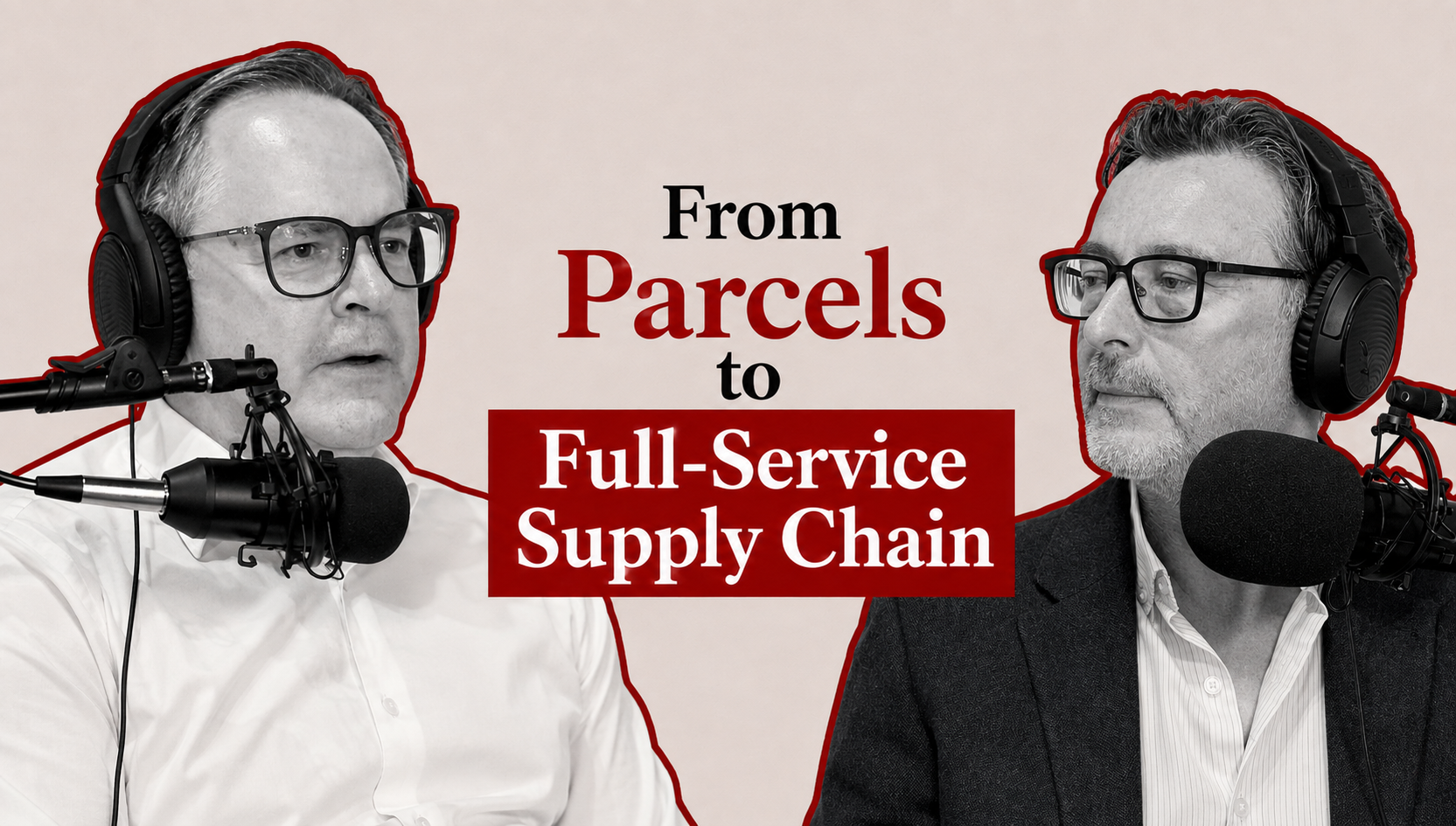
In the latest episode of Logistics Business Conversations, Peter MacLeod is joined by Ian Truesdale, CEO of DX Logistics, to discuss how the company is evolving into a broader logistics provider and the strategy behind its next phase of growth.

During the conversation, Ian reflects on his first year as CEO, explaining how the business is strengthening its operational foundations while expanding into warehousing, fulfilment, dedicated transport and same-day delivery. He also discusses the growing importance of combining multiple logistics services into a single offering, helping customers simplify increasingly complex supply chains.

The episode also explores DX’s investment in digital transformation, AI-enabled systems, infrastructure and strategic acquisitions, alongside wider industry topics including sustainability, collaboration, urban logistics and the future skills the sector will require.

Whether you’re interested in logistics strategy, supply chain innovation or how established businesses are adapting to changing customer expectations, this episode provides valuable insight into where the industry is heading.

Listen to the full conversation using the player below.

Automated Sustainable Packaging for Furniture

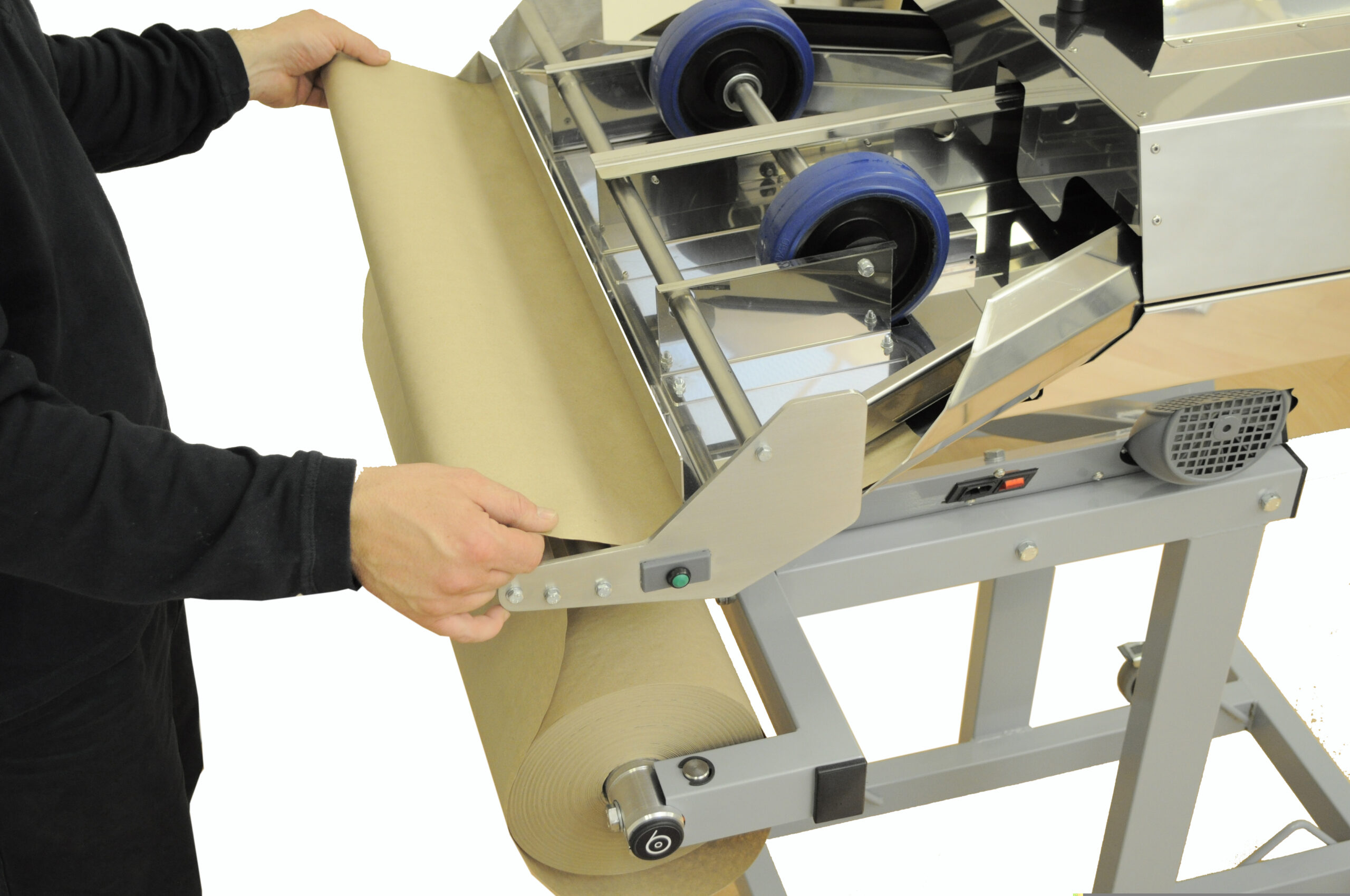
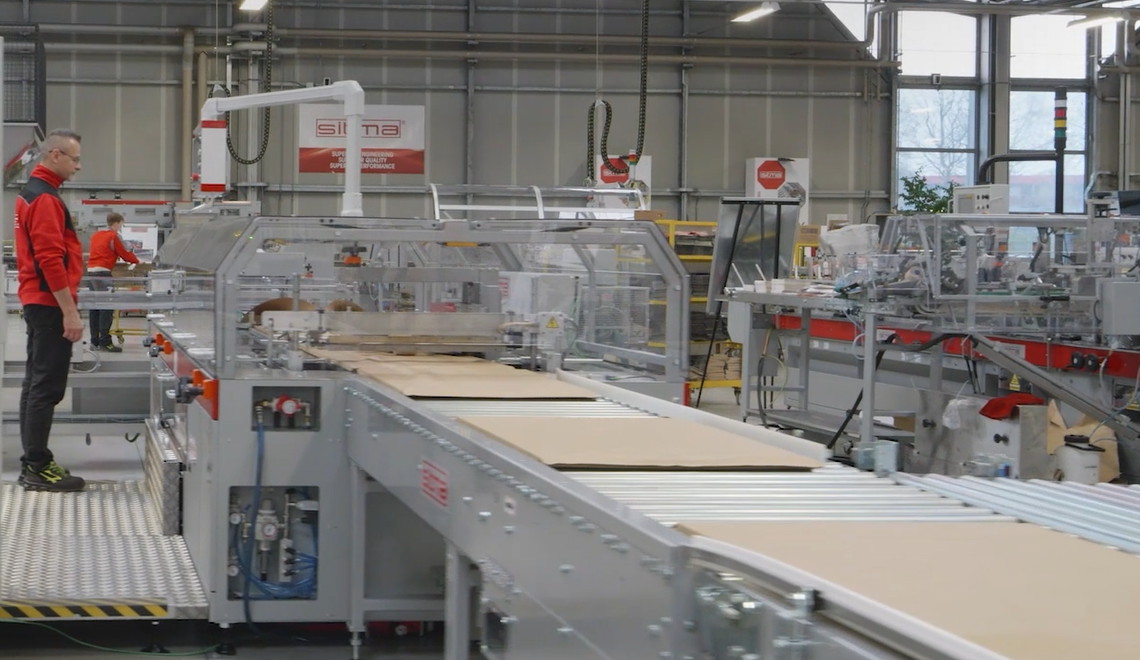
Sitma has launched FlatPack, an automated paper-based wrapping solution for furniture panels, designed as a primary packaging system to replace plastic packaging in industrial production environments.

Developed in collaboration with a leading global furniture manufacturer, FlatPack combines sustainability with industrial performance, enabling furniture manufacturers to reduce plastic use without compromising packaging protection, operational continuity, or logistics efficiency. Built on Sitma’s established expertise in paper-based packaging, the system has been engineered to meet the specific requirements of furniture manufacturing and distribution.

FlatPack enables manufacturers to move beyond plastic while maintaining industrial productivity. Through fit-to-size continuous motion primary packaging, the system delivers compact and secure packs that reduce material usage and support efficient logistics. At the same time, the inward-folded wrapping geometry allows for optimized palletization, improving space utilization and handling stability across the supply chain.

In addition to wrapping, FlatPack integrates complementary packaging operations within the same workflow. The system manages the insertion of instruction manuals and leaflets as well as the integration of hardware toolboxes or assembly kits, ensuring all product components are securely contained within the final package.

Unlike many paper-based alternatives, FlatPack is designed to perform consistently across real production and logistics environments. It ensures reliable product protection during storage, transport, and in-store handling, while maintaining a clean and uniform retail appearance. This makes it not only a sustainable solution, but also a practical and scalable approach for large-scale furniture manufacturing operations.

With the shift from plastic film to printable paper, FlatPack also transforms packaging into a functional communication surface. Manufacturers can integrate product information, instructions, branding, and sustainability messaging directly onto the pack, reducing additional materials while enhancing customer interaction at the point of sale.

“FlatPack represents a major step forward in combining sustainability with industrial performance,” said Stefano De Marco, CEO of Tecnau and Sitma. “With this solution, we enable manufacturers to eliminate plastic from primary packaging while maintaining the efficiency, protection, and scalability required in modern production and logistics environments. It reflects our commitment to delivering tangible, production-ready innovations that support our customers’ transition towards more sustainable operations.”

Built for modern production environments, FlatPack supports automated workflows and integration with existing packaging lines. Its flexibility allows manufacturers to adapt to different panel sizes and production requirements while maintaining consistent performance.

FlatPack represents a new standard in furniture packaging, where sustainability and industrial performance are no longer in conflict. By combining paper-based packaging, automation, and logistics optimization within a single solution, Sitma supports manufacturers in transitioning toward more sustainable operations, without compromise, from packaging to profit.

Warehouse Robots: The Next Huawei?

For years, warehouse automation has been judged on three chief metrics: productivity, labour savings, and ROI. But I have a feeling we’re about to add trust as a fourth.

The recent US move to restrict certain foreign-produced advanced robotic devices on national security grounds isn’t yet aimed at warehouse automation. But it still raises an intriguing question: what will happen should the same concerns reach our industry?

Autonomous mobile robots in modern warehouses don’t just move goods, they also generate data and are connected to cloud platforms. Suddenly, the country where a robot is built, who owns its software, and where all that sensitive data is stored become just as important as how many picks per hour it can achieve.

If you think you’ve heard this story before, remember what happened to Huawei a decade or so ago? What began as a debate about telecoms equipment quickly became a question of national security, trusted suppliers and strategic infrastructure. If warehouse robots are heading down the same path, the implications could be enormous.

Today’s robots are the product of a global supply chain. Motors from China, sensors from Japan, chips from Taiwan, software from the US, integration in Europe. The model works remarkably well. But governments around the world are becoming increasingly wary of relying on technology they don’t fully control.

This is likely to create a clear set of winners and losers. European and North American robotics companies may suddenly find that ‘Made Here’ is as powerful a selling point as technical performance. Cybersecurity consultants will be rubbing their hands – it’s always the lawyers and the consultants that seem to do well out of such crises, am I right? And systems integrators will have plenty of work helping customers navigate what may well become an increasingly fragmented market.

Others may be less fortunate. Chinese manufacturers have become genuine leaders in warehouse robotics, often offering exceptional technology at highly competitive prices. If geopolitics begins to trump engineering, if you’ll pardon the pun, market access could become a bigger challenge than product development.

And then there’s the consumer, good old you and me, right at the end of the food chain. Less competition usually means higher prices. More regulation often means slower innovation. And because warehouse automation has played a major role in making fulfilment faster and more affordable, a slowing of investment or rising of costs will mean we may eventually feel the impact too.

For years we’ve simply been asking whether a robot can do the job. Now we’re asking whether we can trust it. For now, based on the information I have in front of me, I’m not convinced warehouse robots are about to become the next Huawei. Conversely, I’m equally unconvinced they won’t.

Subscribe

Get notified about New Episodes of our Podcast, New Magazine Issues and stay updated with our Weekly Newsletter.