

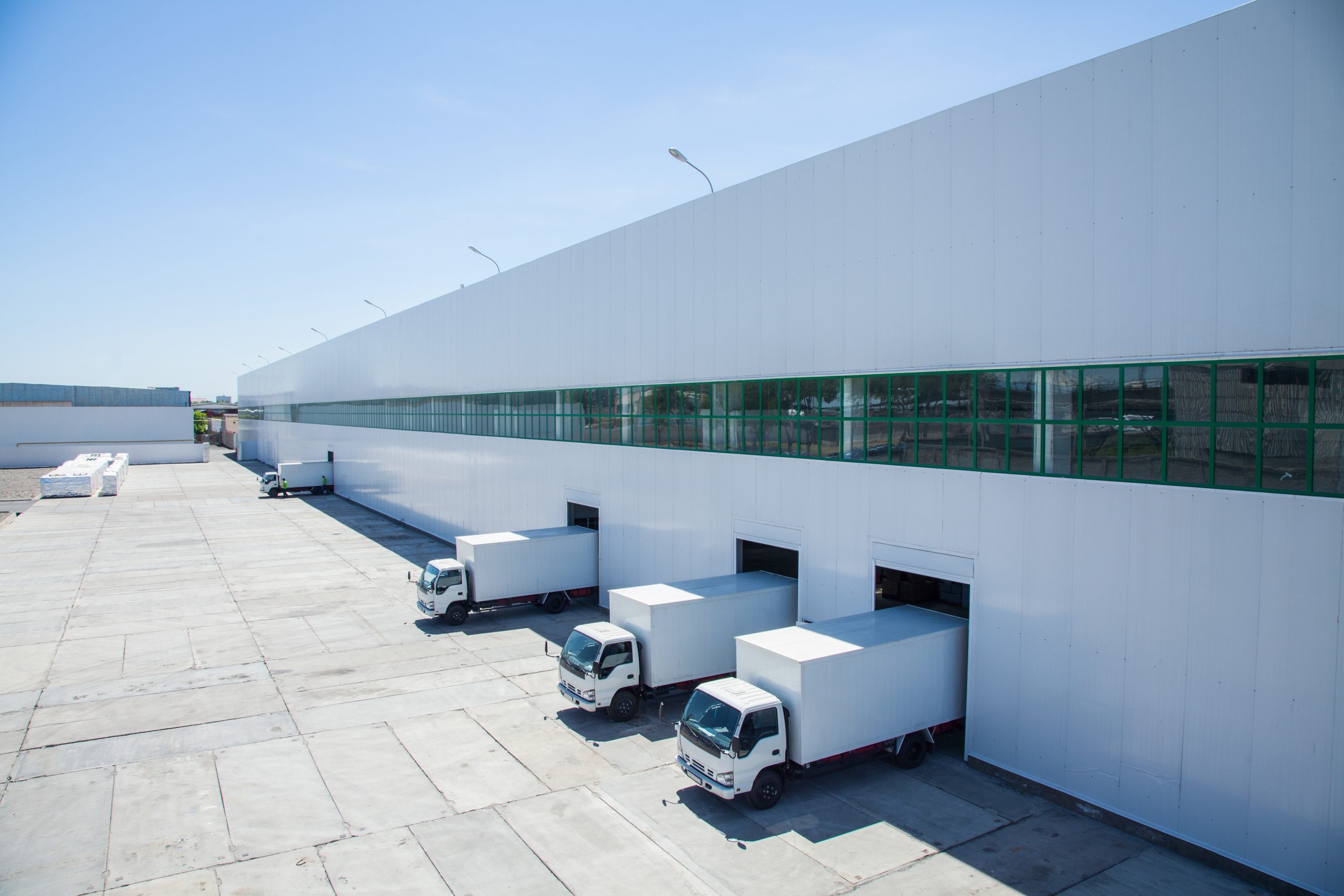
InVia Robotics is urging warehouse operators to stop using facility size as the main test for automation, arguing that workflow complexity, labour travel and peak-period pressure provide a more useful starting point.
In a blog published on 25 September 2026, the warehouse technology provider said automation for mid-sized operations does not necessarily mean installing a large fleet of robots or making a major capital investment. It highlighted warehouse execution system (WES) software as one possible first step, using real-time data to prioritise tasks, coordinate people and equipment, and respond to changing order conditions. ([inviarobotics.com](https://inviarobotics.com/blog/is-your-warehouse-too-small-for-automation-youre-asking-the-wrong-question/))
The company said operators should first examine daily order volumes, average order sizes, SKU density, pick-location strategies and peak demand. Labour analysis should include picking, replenishment, exception handling, overtime and temporary staffing, rather than focusing only on headcount.
For logistics professionals, the approach puts operational data ahead of technology selection. A small warehouse can still face high operating costs if staff spend too much time walking, resolving exceptions or working around poorly positioned inventory. InVia also said detailed task and scan data can reveal issues such as inefficient slotting, overfilled pick faces and bin locations that create unnecessary movement. ([inviarobotics.com](https://inviarobotics.com/blog/is-your-warehouse-too-small-for-automation-youre-asking-the-wrong-question/))
Phased route to automation
InVia’s proposed framework begins with baseline measurement and task orchestration through a WES. Once constraints are identified, operators can consider targeted hardware such as autonomous mobile robots (AMRs), while expanding the system only when operational results support further investment.
The staged model is relevant to UK and European retailers, manufacturers and third-party logistics providers that may need to improve throughput without redesigning an entire facility. It also offers a way to compare software-led improvements with physical automation against measurable costs, including travel time, errors, overtime and backlogs.
InVia cautioned that automation is not automatically appropriate for every operation. Its central recommendation is to define the bottleneck first, measure its cost, and then select the smallest intervention capable of improving performance.
Source: inviarobotics.com.

