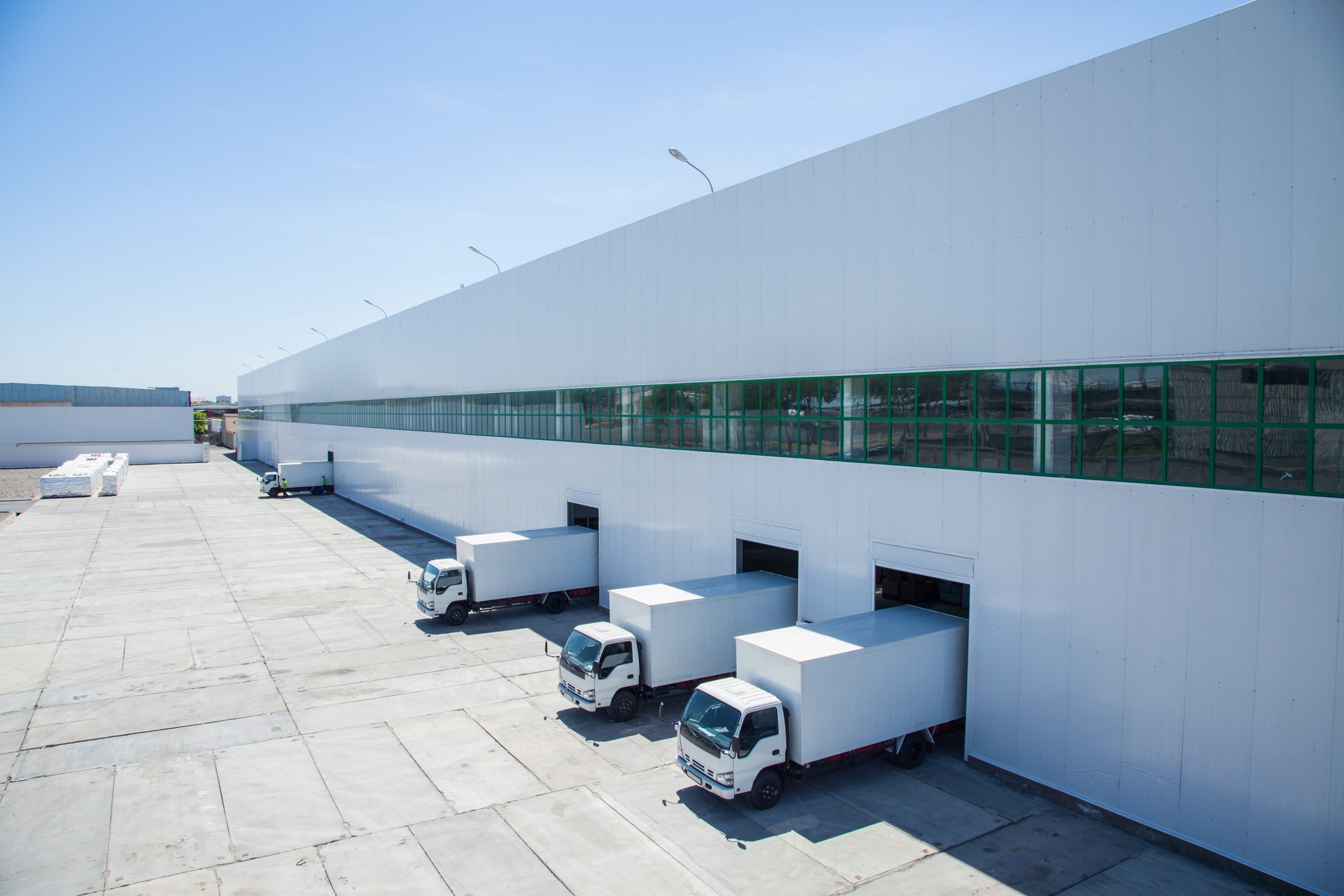
Vertical Warehouse Solves Space Constraints

Hira Industries has addressed a critical capacity challenge after outgrowing its previous warehouse infrastructure, investing in a high-density, vertically optimised facility that now ranks among the largest in the Gulf.

As the company expanded its global footprint across the GCC, India, Southeast Asia and the United States, increasing demand placed sustained pressure on storage and logistics operations. Limited floor space, combined with growing inventory volumes, required a strategic shift in how capacity could be scaled without expanding the physical footprint.

To overcome this challenge, Hira implemented a vertical storage strategy, extending racking systems to heights of up to 15 metres, and material storage up to 18 meters, in order to maximise available cubic space. Material handling specialist Combilift, alongside trusted local dealer Kanoo Machinery UAE, supported Hira with its warehouse transformation.

The team conducted a comprehensive site survey and in-depth operational analysis of Hira’s facility. After that, the Combilift warehouse design team developed an optimised layout tailored specifically to Hira’s operational requirements, ensuring smoother material flow, improved accessibility, and more efficient use of storage capacity. In addition, the articulated Aisle Master forklift was selected as the ideal handling solution due to its narrow-aisle manoeuvrability and high lift capabilities, enabling Hira to increase overall space utilisation while maintaining operational efficiency significantly.

“Our storage capacity has increased by almost a 40%,” highlighted Shyju Pillai, Warehouse and Logistics Manager at Hira Industries. As a result, pallet capacity has grown from approximately 1,000 pallet positions to nearly 4,000. Aside from the substantial increase in storage capability, this transformation has enabled Hira to operate at a scale that positions the facility among the most advanced warehouse environments in the region.

“A key challenge for us was space, particularly height,” said Umesh Unni, Operations Director at Hira Industries. “We needed a solution that allowed us to grow within our existing footprint while maintaining efficiency and control across the operation.”

A fleet of 4 Aisle Masters was introduced to support the new high-density layout. Designed for narrow aisle operation and high-level picking, the equipment enables efficient navigation and maximises accessibility across the full height of the racking system.

“When we expanded the plant, optimising space was critical,” added Pillai. “By going vertical and implementing the right equipment, we’ve been able to significantly increase capacity while improving the overall flow of materials.”

Safety and operational efficiency were central to the upgrade. Each Aisle Master incorporates integrated camera systems, laser guidance, and height preselection functionality, reducing operator strain and improving precision when placing and retrieving loads at height.

“The ability to preset lift heights and operate with added visibility has made a real difference,” Pillai continued. “It allows our operators to work faster and more safely, particularly when handling goods at height.”

The enhanced setup also allows for continuous movement between warehouse zones, supporting the handling of both raw materials and finished goods. This ensures consistent workflow across the operation and strengthens Hira’s ability to meet production demands and customer delivery timelines.

“This investment has not only increased our storage capacity, but also improved how we manage and move materials across the facility,” Unni concluded. “It’s a key step in supporting our long-term growth.”

By rethinking warehouse design and investing in vertical capacity, Hira Industries has turned a space constraint into a scalable logistics solution, reinforcing its operational resilience and supporting continued growth across global markets.
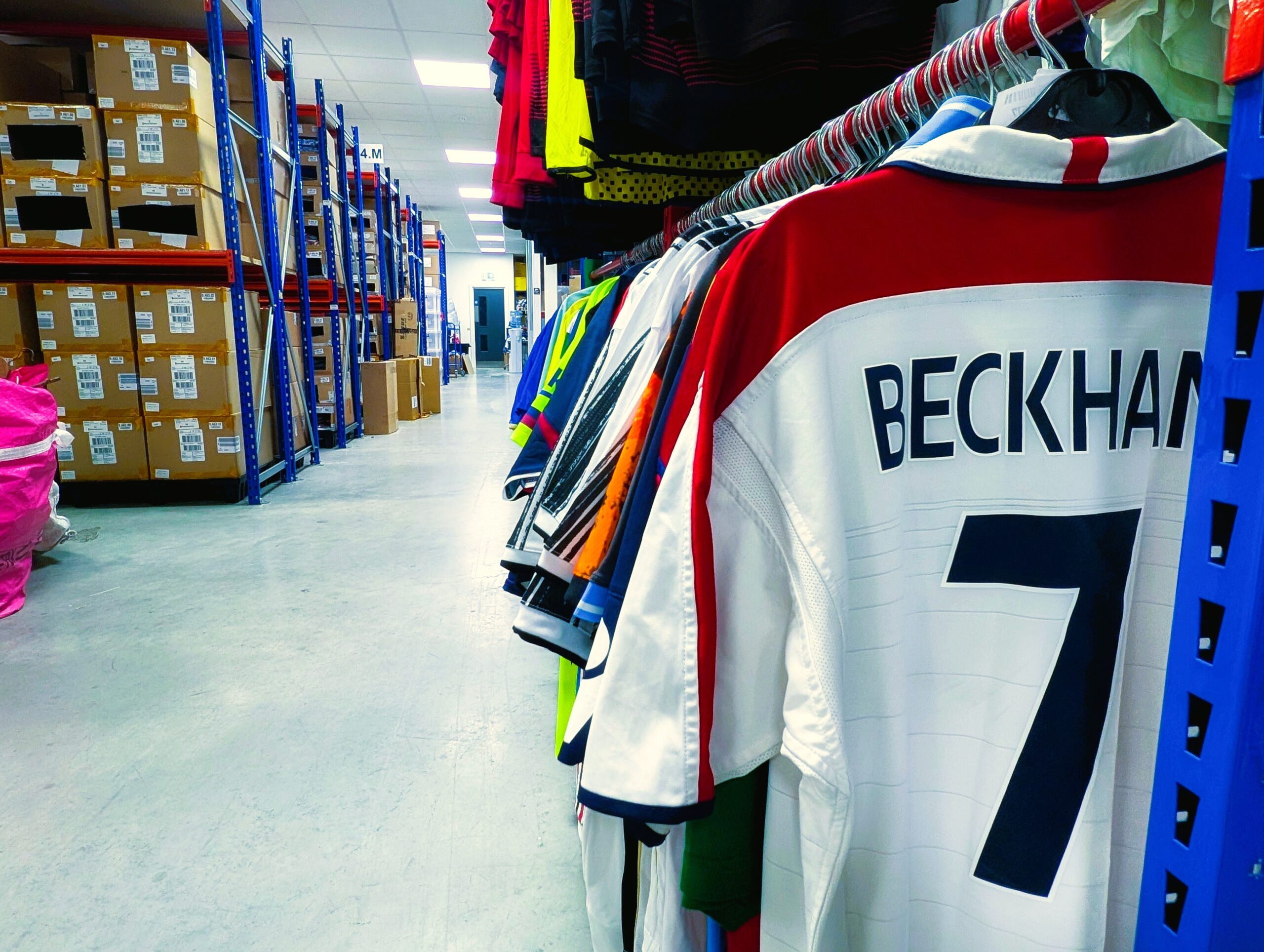

Football Shirts Shipped in World Cup Order Surge

Retailer Classic Football Shirts has recorded the busiest-ever period in its 20-year history as World Cup fever drove unprecedented demand from supporters around the globe.

Across June and July, orders dispatched by the Hyde, UK-based company rose 101 per cent compared with the same period in 2025. Central to helping CFS handle the surge has been its five-year technology partnership with Shipster, the Manchester-based multi-carrier shipping software provider for eCommerce retailers, warehouses and distributors, specialising in custom integrations.

This year, Shipster worked with CFS to integrate a Logopak/Adpak Ecommerce Auto Bagger into its eCommerce fulfilment operation, adding automated packing and label application for carrier collection. Shipster sends the relevant shipment and label data to the Logopak system, which prints and applies the shipping label as part of the automated packing process. For eligible orders, packing time was reduced from minutes to seconds.

During the FIFA World Cup, the combined setup helped CFS manage record order volumes, with the packing machine automatically packing almost two-thirds (64%) of all orders during the tournament.

The new record surpassed a previous high, set during the most recent Black Friday and Christmas trading periods. Demand during the World Cup was fuelled by supporters reliving iconic football moments and reconnecting with the teams, players and shirts that defined previous tournaments.

The biggest sales success of the World Cup was CFS’ new Away Days Mystery Box range. As demand began building ahead of the tournament, 23,830 Mystery Box products were ordered between May and August, including almost 10,000 England Mystery Boxes. Argentina shirts were among the strongest national team sellers, while Cape Verde also enjoyed an unexpected boost in demand following its performance against Spain.

Founded by friends Matt Dale and Douglas Bierton in 2006, CFS has grown from a student-house startup into a global ecommerce business serving customers in more than 130 countries and generating annual revenues of more than £30 million. The company houses a collection of more than one million authenticated football shirts and memorabilia items, including rare and historic shirts associated with icons such as Pelé, Diego Maradona, Johan Cruyff and David Beckham. Over the five-year partnership with Shipster, CFS has more than tripled warehouse productivity, enabling staff to process hundreds more orders every day.

Brandon Evans, Outbound Operations Manager at Classic Football Shirts, said: “The World Cup has always been one of the biggest moments in the football calendar for us. Every tournament creates a new wave of nostalgia as supporters reconnect with the teams, players and shirts that defined previous World Cups. Whether it’s a classic Brazil shirt, a memorable England kit or a shirt worn by one of football’s biggest icons, fans want to own a piece of those memories.

“This World Cup put our fulfilment operation under sustained pressure and Shipster made a massive difference. Without the automation and flexibility we’ve built into the operation with Shipster, we simply wouldn’t have been able to dispatch anywhere near the volume of orders we achieved and still maintain the speed and service our customers expect.”

Tony Cheetham, Founder and CEO of Shipster, said: “Major sporting events can create huge spikes in demand almost overnight, so retailers need systems that are fast, flexible and capable of scaling quickly.

“Classic Football Shirts has some unique operational challenges. It manages more than one million individual products, ships to customers around the world and regularly experiences sudden peaks in demand driven by tournaments, product launches and viral moments.

“Over the last five years, we’ve worked closely with the team to build a highly automated and increasingly sophisticated fulfilment operation that gives CFS the speed and flexibility to adapt as demand changes. That has ranged from routing and labelling to bespoke processes supporting products such as the hugely popular CFS Away Days Mystery Boxes, as well as international shipping infrastructure supporting its growing US retail presence. The World Cup provided the ultimate real-world test of that investment, and it delivered.”

Aldi Automated Distribution Centre Ramps-Up

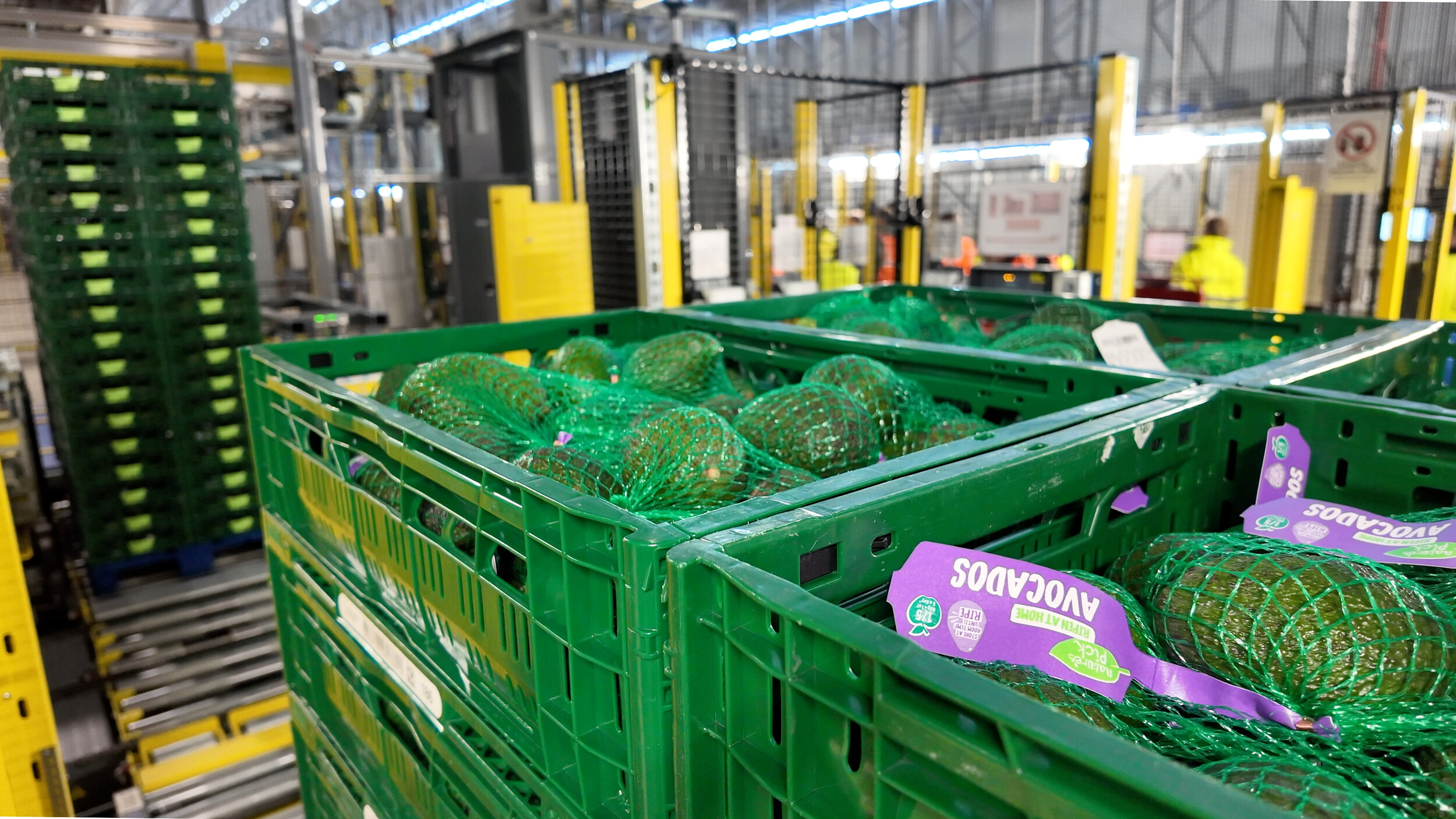
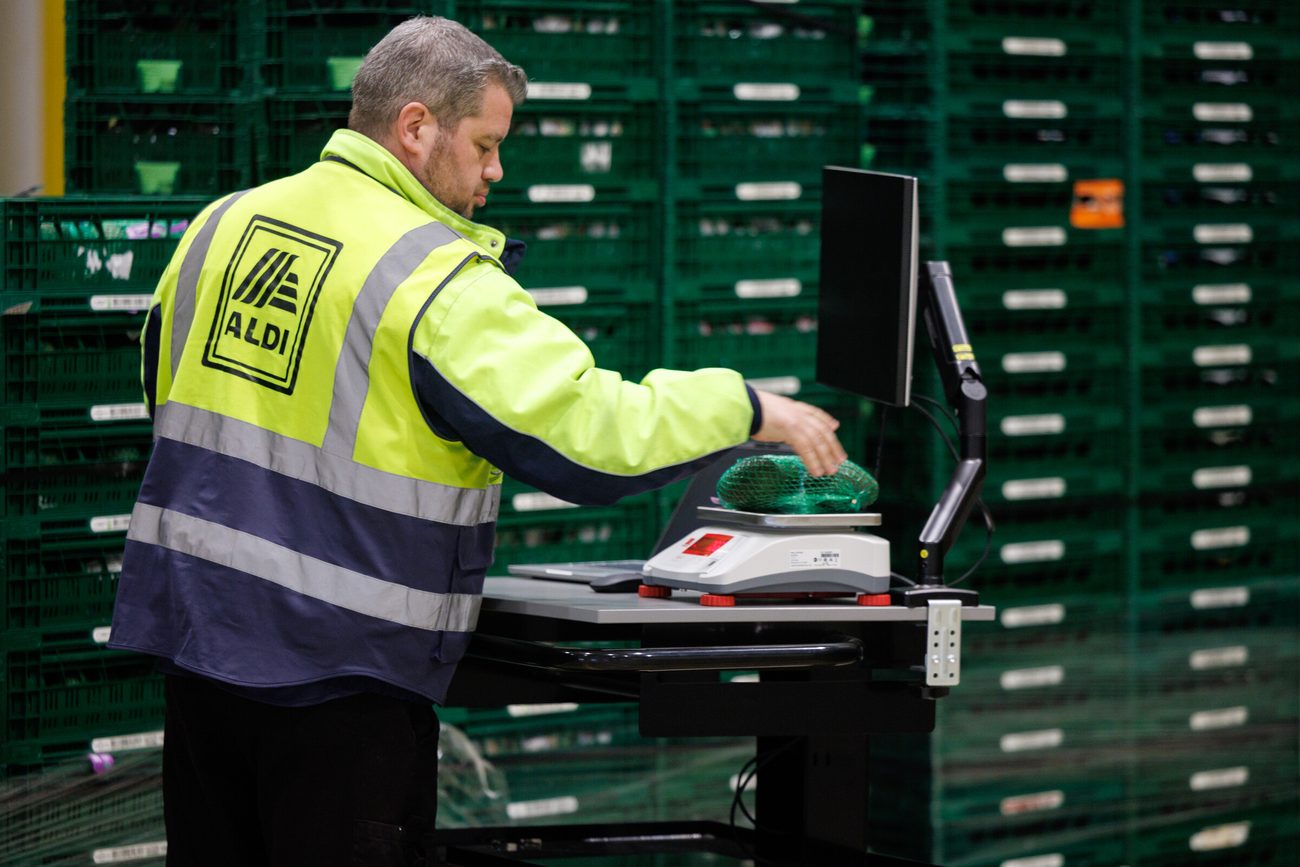
Aldi has begun handling fruit and vegetables at its Bardon Distribution Centre in Leicestershire, as the UK’s largest automated warehouse moves into its next phase of operation. The first pallets of produce, including ginger and avocados, were delivered to the site on Wednesday 16 September, with the first outbound pallet the following day.

The start of fresh produce operations follows the launch of operations at Bardon in May 2026. The UK’s biggest discounter has invested more than £500m in the site, which forms part of Aldi’s £1.6bn investment in Britain during 2026 and 2027. The facility is also the lowest carbon density warehouse across the Aldi South Group, with 19,000 solar panels installed on the roof.

Once fully operational in 2027, during peak periods more than 1.5 million kilograms of fruit and vegetables will move through the 1.3 million-square-foot site daily and more than 6,000 pallets of fresh produce will depart the Bardon Distribution Centre every day, bound for Aldi stores across the UK.

The latest automated technology being used at the site, delivered by technology partner Cimcorp, will help Aldi move fresh produce through the site more efficiently, while maintaining the different temperatures required to maintain the freshness and shelf life of products including salad leaves, bananas and soft fruit.

The investment will add capacity to Aldi’s distribution network as the supermarket works towards its long-term ambition of operating 1,500 UK stores. Once fully operational, the site will employ around 1,000 colleagues and have the capacity to handle nearly seven million pallets annually.

The fresh produce operation at Bardon spans three dedicated temperature-controlled areas, with chilled storage for products like apples and carrots, and a specialist banana room. In the chilled chamber, pallets are moved into high-bay racking until they’re needed to go to stores; then automated shuttles will call them down for dispatch.

As the UK’s third biggest retailer of fresh produce, Aldi sells an average of 2.2 billion fruit and vegetables every year, including over 300 million bananas, 80 million apples and 160 million potatoes. In July 2026 alone, Aldi sold 2,250 tonnes of British apples, making it the biggest customer of domestic apple growers. The retailer also has a target to increase the number of portions of fruit and veg sold by 14% by the end of 2027.

Jonathan Heaton, Regional Managing Director for Bardon at Aldi UK, said: “The start of fresh produce operations at Bardon is a proud moment for everyone involved in this project and marks a step change in how we serve our customers. Fresh produce is a vital part of our customers’ shopping, yet it presents one of the most complex challenges in grocery logistics, with products needing to move quickly and efficiently from suppliers to stores to maintain freshness. The technology we’ve implemented with Cimcorp allows us to handle enormous volumes while maintaining the precision and care that fresh products demand.

“This investment is about more than efficiency. By reducing the cost of moving products from our suppliers to our stores, we can continue to deliver the lowest prices on the market while ensuring customers always find fresh, high-quality fruit and vegetables on our shelves. As operations build over the coming weeks, Bardon will play an increasingly important role in Aldi’s supply chain, supporting our continued growth across the UK.”

Mikko Kumpulainen, System Planning Development Manager & Key Account Manager at Cimcorp, said: “Fresh food logistics present unique operational challenges that require specialised technology and expertise. This distribution centre demonstrates how intelligent automation can manage high volumes while maintaining the flexibility needed for a complex grocery environment.

“Our automation allows Aldi to respond more effectively to changing demand patterns while supporting long-term growth. Ultimately, the goal is simple: ensuring high-quality fresh products are available for consumers whenever they visit their local store.”

Robot field service emerges as a critical test for automation at scale

The robotics industry is paying increasing attention to what happens after machines have been installed, as robot field service emerges as a potential bottleneck for wider adoption.

The issue is straightforward: a robot can be successfully built, sold and deployed, but still create operational problems if a sensor, actuator or control system fails far from the manufacturer’s engineering team. A fault occurring early in the morning at a customer site may require rapid diagnosis, replacement parts and a trained technician, rather than a remote software update.

The challenge is particularly visible in environments such as commercial kitchens, where robots are expected to operate continuously and downtime can affect the customer’s ability to deliver services. The same principle applies to other sectors using increasingly complex automation, including warehouses, distribution centres and manufacturing sites.

Service capability must develop alongside deployment

For logistics operators, the lesson is that purchasing and installation are only the beginning of a robot’s operational life. Maintenance coverage, spare-parts availability, technician training, remote monitoring and clear escalation procedures all need to be considered when evaluating an automation project.

This could influence how warehouse robotics contracts are structured. Service-level agreements may need to define response times, parts availability and responsibilities for software, electrical and mechanical faults. Operators may also need to assess whether suppliers can support equipment across multiple sites and regions, rather than relying on a small number of specialist engineers.

A stronger field-service model could help reduce unplanned downtime and give operators greater confidence when deploying automation beyond a single facility. It may also create demand for third-party service networks capable of supporting robots from multiple manufacturers.

The wider point is that robotics success will depend not only on performance during normal operation, but also on how quickly and effectively problems are resolved. As deployments grow, the ability to maintain machines in the field is likely to become a central part of the business case for automation.


Source: roboticstomorrow.com.

LNG Tanker Transits Through Strait of Hormuz Resume Amid Conflict

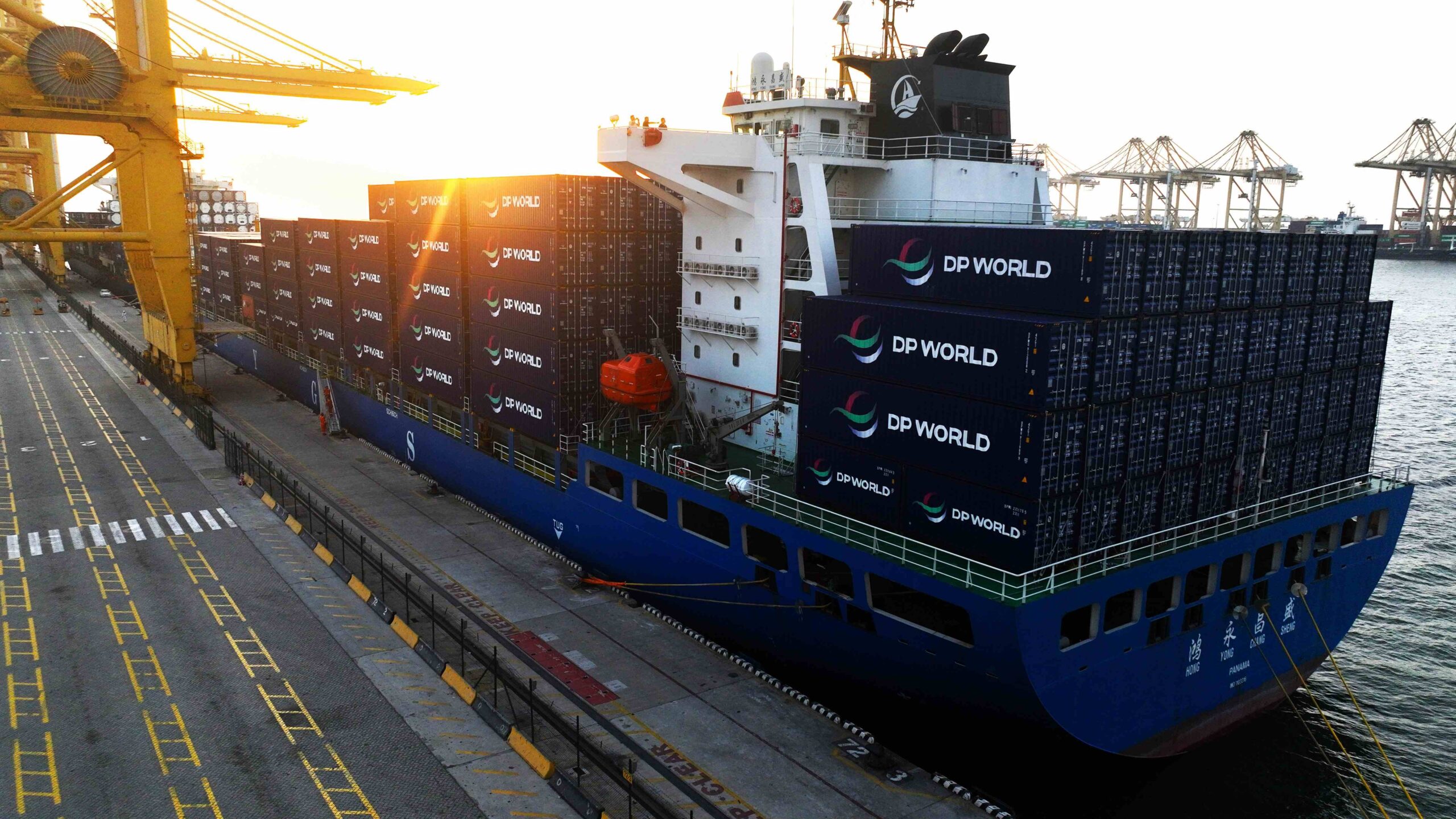
Visible LNG tanker transits through the Strait of Hormuz have increased over the past week, with several Qatar-linked vessels emerging from the waterway despite the continuing US-Iran conflict.

No visible transits by Qatar-linked LNG carriers, or vessels carrying cargoes from Qatar’s Ras Laffan terminal, were recorded in August. Movements have since resumed, although some vessels may have made undetected passages after switching off their Automatic Identification System (AIS) transponders.

GasLog Skagen was reported outside the strait off Sri Lanka on 27 September with a Ras Laffan cargo, after operating inside the Gulf on voyages from Qatar to the United Arab Emirates and Kuwait. Al Shamal also reappeared outside the waterway after carrying a Qatar-origin cargo, while Mesaimeer and Al Ghashamiya were reported to have left the Gulf with Ras Laffan cargoes.

Other vessels, including Al Samriya, Al Daayen and Shandong Redwood, have also been observed outside the strait or completing voyages to destinations in Asia. At least one Qatar-linked LNG carrier, Al Mafyar, was reported to have re-entered the waterway in ballast last week.

Supply-chain implications

The movements do not indicate that the route has returned to normal. Vessel tracking remains incomplete because of dark transits, while operators continue to face the risk of attack and disruption in one of the world’s most important energy corridors.

For European energy buyers, shipping lines, terminal operators and freight planners, the situation adds uncertainty to LNG availability, voyage timing, insurance and contingency planning. Any sustained reduction in traffic could lengthen supply routes, increase freight and security costs, and intensify competition for alternative cargoes.

The latest activity suggests that some LNG shipments are moving again, but the reliability of the corridor remains difficult to assess while conflict continues and AIS visibility is inconsistent.


Source: marinelink.com.

Why logistics resilience now depends on infrastructure flexibility

Logistics resilience is often discussed as though it can be bought at short notice: add another carrier, increase safety stock, lease extra warehouse space or activate an alternative route. Those measures have value, but they do not solve the harder problem. When infrastructure is fixed, slow to expand or difficult to substitute, the operating model may remain fragile even when contingency plans look comprehensive on paper.

Recent uncertainty around shipping through the Strait of Hormuz, delays surrounding Heathrow’s potential third runway and the continuing debate over warehouse automation all point to the same strategic issue. Capacity is only resilient when it is usable, accessible and replaceable. A second theoretical option is not a genuine alternative if it depends on the same congested gateway, requires unavailable handling equipment or cannot support the required service level.

For logistics leaders, the priority should therefore move beyond counting suppliers and routes. The more important question is: how much operational choice has the network actually preserved?

Map the infrastructure dependencies that cannot be replaced quickly

Most organisations have a reasonable view of their direct logistics suppliers. Fewer have a detailed understanding of the infrastructure beneath those relationships. A carrier may be diversified, but its services could still rely on the same port, airport, rail terminal, road corridor, border crossing or energy supply.

This creates hidden concentration risk. Several apparently independent transport options may converge on one physical bottleneck. The same is true inside the warehouse. Multiple customer channels may depend on one automated storage system, one controls platform, one specialist maintenance team or one building with limited expansion potential.

A useful resilience review should identify these dependencies at asset level. For each critical flow, businesses should record the infrastructure involved, the time required to replace it, the practical alternatives available and the conditions under which those alternatives would fail. The objective is not to eliminate every dependency. That would be unrealistic and expensive. It is to distinguish manageable exposure from exposure that cannot be mitigated within the required recovery window.

Plan for capacity that is genuinely usable

Disruption planning often overstates the value of nominal capacity. A different port may have available slots, but not the right equipment. An alternative airport may have runway capacity but lack the handling, customs or road connections needed for a particular product. A secondary warehouse may have floor space but no labour pool, charging infrastructure or systems integration.

Capacity planning must therefore include an operational qualification process. That means testing whether an alternative site or mode can handle the actual product range, volumes, cut-off times, documentation requirements and peak conditions. It also means establishing commercial access before disruption occurs. A route that only becomes available after a crisis begins may be too late, too expensive or too congested to support the business.

Multimodal planning should be treated in the same way. Road, rail, short-sea and air options should not be listed merely to demonstrate diversity. They should be assessed against specific disruption scenarios, including lead times for switching, equipment availability, terminal capacity, border requirements and the knock-on effects for inventory and customer commitments.

Clear triggers are essential. If a chokepoint is disrupted for three days, what changes? At seven days, does the business switch mode, ration capacity or reallocate stock? At fourteen days, which customers or product lines receive priority? Decisions made in advance are more reliable than emergency choices made when every operator is competing for the same scarce alternatives.

Do not let automation create a new single point of failure

Warehouse automation can improve throughput, safety and labour productivity, but it can also make flexibility harder if the design is too tightly matched to one forecast or operating pattern. The key question is not simply whether a building is large enough for automation. It is whether the system can adapt when volumes, product dimensions, order profiles, labour availability or network flows change.

Before committing to a highly integrated solution, operators should examine the consequences of partial failure. Can manual processes continue at a reduced rate? Can equipment be bypassed? Are critical spare parts available locally? Is there more than one qualified maintenance provider? Can software changes be made without lengthy re-engineering? What happens if a customer’s profile changes faster than the automation’s payback model assumed?

Modularity is not automatically the answer, and manual operations are not automatically more resilient. The right design depends on the required service level and the cost of interruption. However, a system that delivers maximum efficiency only under a narrow set of conditions may be less valuable than one that can operate at 70 or 80 per cent capacity across a wider range of scenarios.

That trade-off should be made explicitly. Resilience has a cost, but so does inflexibility. A lower headline cost can conceal greater exposure to downtime, specialist support shortages and expensive redesign.

Build flexibility before the disruption

Infrastructure decisions are difficult to reverse. New airports, terminals, roads, rail connections and warehouses take years to plan and deliver. Automation investments can lock in layouts, processes and technology choices for a decade or more. By the time a weakness becomes visible in operational performance, the window for a low-cost correction may have closed.

Boards and supply-chain leaders should therefore treat flexibility as a design requirement rather than an emergency response. This could mean reserving expansion space, maintaining compatible manual capability, qualifying secondary sites, negotiating priority access to alternative modes or staging automation in smaller increments. It may also mean accepting some underused capacity as an insurance premium against severe disruption.

The strongest networks will not necessarily be those with the most assets. They will be those with the greatest ability to switch between assets, modes and operating methods without losing control of service, cost or compliance. That requires investment, but it also requires better questions during planning: which choices will remain open, which dependencies will become permanent and how quickly can the business change course?

Geopolitical chokepoints, delayed infrastructure projects and ambitious automation programmes are different issues on the surface. Operationally, they expose the same weakness: a logistics model that has optimised around capacity it cannot easily replace. Resilience begins when businesses identify those constraints early, define the triggers for action and build credible alternatives before the network is under pressure.

A.P. Moller Takes Majority Stake in Euroports

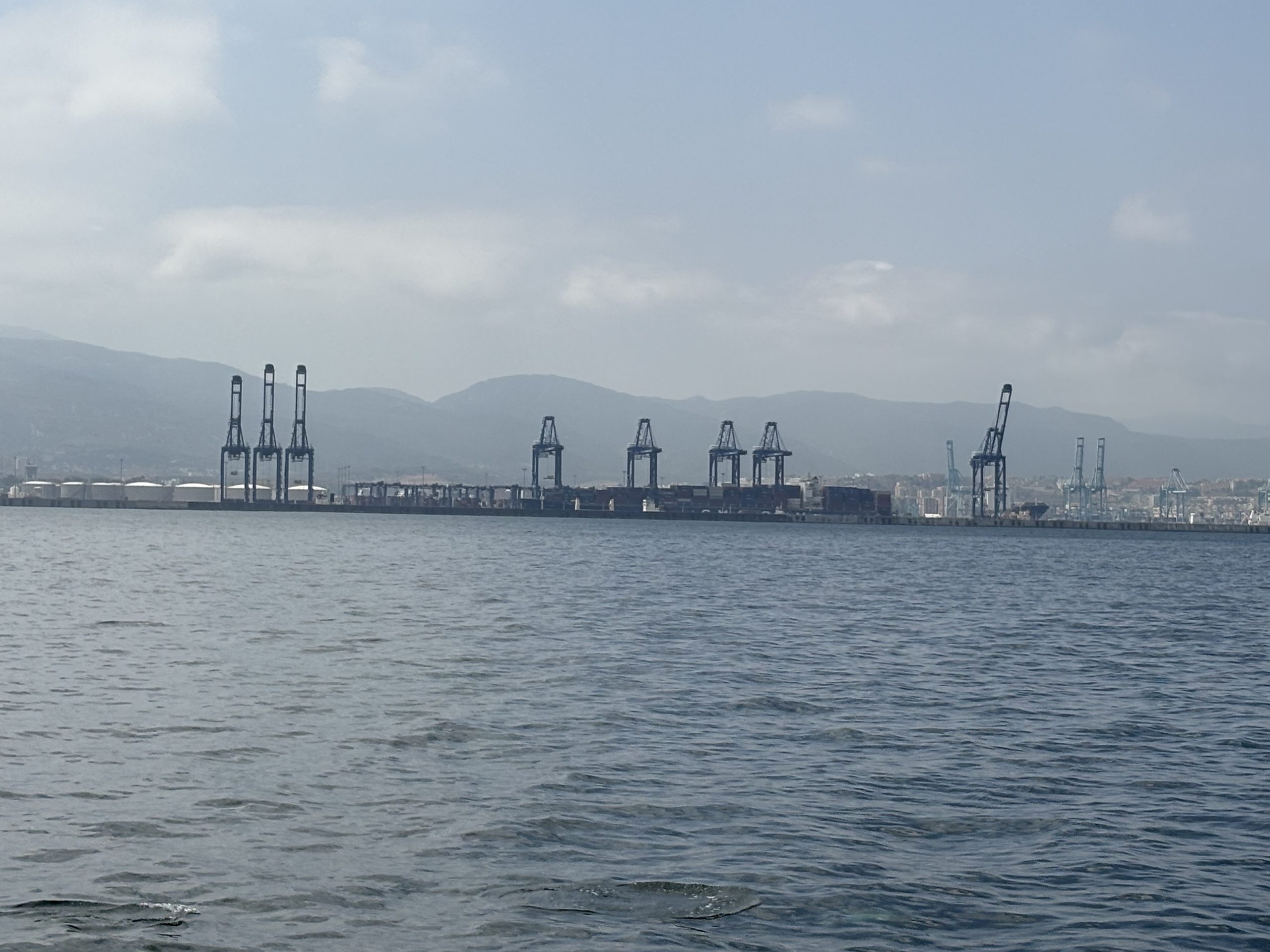
Through a separately managed fund vehicle, A.P. Moller Capital has entered into a definitive agreement to acquire a majority stake in Euroports Group, a port terminal operator and provider of logistics solutions.

Following completion of the transaction, A.P. Moller Capital will become the majority shareholder in Euroports alongside SFPIM and PMV, who will remain shareholders, supporting the company’s long-term development.

Euroports operates more than 50 deep-sea and inland port terminals across 10 European countries and China. The company handles more than 70 million tonnes of bulk, breakbulk and liquid bulk cargo each year, including fertilisers, agribulk, sugar, fruit, forest products, metals and minerals. Euroports employs around 3,000 people.

The company also operates and manages Manuport Logistics, an independent freight forwarding business active in more than 20 countries. Manuport Logistics will continue to operate under its own brand and pursue its growth plan as part of the wider Euroports platform.

The new consortium led by A.P. Moller Capital’s majority ownership will jointly support Euroports, while preserving the company’s existing management structure, governance framework and strategic direction. The current management team has successfully achieved stable growth over the years and will continue under the new ownership structure.

The shareholders will support management’s plans to expand Euroports’ activities, broaden its footprint and help attract additional customers and volumes, while maintaining standards of service and a strong commitment to responsible growth and long-term value creation for all stakeholders. The investment follows A.P. Moller Capital’s investment in BERGÉ Logistics, a leading port infrastructure and logistics company in Spain, and further expands its growing European presence in transportation and logistics infrastructure.

Commenting on the transaction, Koen Van Loo, CEO at SFPIM, said:

“SFPIM welcomes the entry of A.P. Moller Capital into Euroports’ shareholder base. The financial strength and operational expertise of A.P. Moller Capital reinforces the future of Euroports, a logistics player vital to the Belgian economy. In partnership with PMV, SFPIM is committed to supporting Euroports’ responsible and sustainable growth, ensuring the development of its infrastructure and long-term value creation. SFPIM reaffirms its role as a key investor in anchoring strategic assets in Belgium.”

Commenting on the transaction, Michel Casselman, General Manager at PMV, said:

“We are very pleased to welcome A.P. Moller Capital to the shareholder base of Euroports. The arrival of a leading global investor such as A.P. Moller Capital confirms Euroports’ strong position and the quality of the business that has been built over the years. Together, we are committed to supporting Euroports in its continued growth and to strengthening its long-term development in a responsible and successful way.”

Kim Fejfer, Managing Partner and CEO at A.P. Moller Capital added:

“In a changing world, resilient supply chains and secure trade flows are increasingly essential to economic stability and growth. As one of the largest non-containerized port-infrastructure operators in Europe, Euroports, plays a critical role in facilitating the movement of essential commodities through infrastructure that underpins European industry, food systems and manufacturing. We see significant long-term value in combining Euroports’ strong operational platform with A.P. Moller Capital’s industrial expertise and long-term investment approach. Together with SFPIM, PMV and the management team, we look forward to developing Euroports’ position as a leading provider of critical logistics infrastructure and helping ensure that important trade flows remain efficient, reliable and resilient.”

Joe Nielsen, Partner at A.P. Moller Capital, said:

“Euroports is a substantial ports and logistics platform with a diversified terminal network that provides its customers with resilient supply chain opportunities and exposure to essential cargo flows across Europe. We are excited to support the next phase of Euroports’ growth as we build on these strengths to broaden the company’s footprint and attract new customers and volumes.”

Frédéric Platini, CEO Euroports Group said:

“Euroports plays a vital role in global logistics networks, with critical infrastructure assets and a compelling service offering for essential commodities. This transaction marks the beginning of a new chapter for Euroports, providing a strong basis to continue its growth trajectory, pursue new opportunities and build on the solid foundations that have underpinned its success to date.”

Completion of the transaction is subject to the satisfaction of customary closing conditions, including receipt of regulatory and other third-party approvals.

Mid-sized warehouses urged to assess automation by workflow, not floor space

InVia Robotics is urging warehouse operators to stop using facility size as the main test for automation, arguing that workflow complexity, labour travel and peak-period pressure provide a more useful starting point.

In a blog published on 25 September 2026, the warehouse technology provider said automation for mid-sized operations does not necessarily mean installing a large fleet of robots or making a major capital investment. It highlighted warehouse execution system (WES) software as one possible first step, using real-time data to prioritise tasks, coordinate people and equipment, and respond to changing order conditions.

The company said operators should first examine daily order volumes, average order sizes, SKU density, pick-location strategies and peak demand. Labour analysis should include picking, replenishment, exception handling, overtime and temporary staffing, rather than focusing only on headcount.

For logistics professionals, the approach puts operational data ahead of technology selection. A small warehouse can still face high operating costs if staff spend too much time walking, resolving exceptions or working around poorly positioned inventory. InVia also said detailed task and scan data can reveal issues such as inefficient slotting, overfilled pick faces and bin locations that create unnecessary movement.

Phased route to automation

InVia’s proposed framework begins with baseline measurement and task orchestration through a WES. Once constraints are identified, operators can consider targeted hardware such as autonomous mobile robots (AMRs), while expanding the system only when operational results support further investment.

The staged model is relevant to UK and European retailers, manufacturers and third-party logistics providers that may need to improve throughput without redesigning an entire facility. It also offers a way to compare software-led improvements with physical automation against measurable costs, including travel time, errors, overtime and backlogs.

InVia cautioned that automation is not automatically appropriate for every operation. Its central recommendation is to define the bottleneck first, measure its cost, and then select the smallest intervention capable of improving performance.


Source: inviarobotics.com.

Heathrow third runway target faces four-year setback

Heathrow Airport has warned the UK Government that its proposed third runway may not be operational until 2039, four years later than the current target, according to reports published on Saturday 26 September.

The airport is understood to have told ministers that meeting the 2035 deadline is not achievable under the existing planning and regulatory timetable. The Department for Transport said the target had “always been ambitious” and that it would continue working with stakeholders on the project.

The proposed expansion is based on Heathrow Airport Limited’s north-west runway scheme. The Government confirmed in November 2025 that the proposal would form the basis of the project, with the stated objective of bringing a third runway into operation by 2035.

For logistics operators, the delay could extend the period in which Heathrow’s existing runway capacity remains constrained. Heathrow is the UK’s largest air-cargo airport and an important hub for time-sensitive, high-value and international freight. Additional runway capacity is intended to strengthen passenger and freight links, but the latest warning means airlines, forwarders and shippers may need to plan around current capacity limits for longer.

It may also affect decisions on routing, charter capacity, airport diversification and inventory planning. Businesses using Heathrow as part of European or intercontinental supply chains could face a longer wait before any increase in belly-hold and dedicated cargo capacity becomes available.

The Government’s consultation on a draft Heathrow Expansion National Policy Statement closed on 1 September 2026. Parliamentary scrutiny is continuing, with ministers expected to consider consultation responses and committee recommendations before setting out the next steps.

Until the planning process advances, the 2039 date remains a potential revised timetable rather than a formally confirmed opening date. The project’s progress will remain significant for UK connectivity, airport competition and the resilience of freight flows through Britain’s main international hub.


Source: feeds.bbci.co.uk.

Rethinking Traffic in Logistics Parks

Recurring vehicle queues at logistics facilities have long been treated as infrastructure problems, usually addressed by increasing entrance capacity or adding monitoring technology. As logistics parks become more automated and interconnected, traffic conditions increasingly reflect what is happening across the wider operation.

Andrei Iacobiță, managing director at expert systems integrator IESYS, explores how systems engineering and an integrated Traffic Management System (TMS) can help facilities manage vehicle flow more effectively.

Traffic engineers have long understood that congestion rarely starts where vehicles eventually come to a stop. On motorway networks, queues develop progressively as demand, infrastructure constraints and control strategies interact across the network. Logistics facilities are beginning to behave in much the same way. A queue at the gate may be the first visible sign of disruption, but the underlying cause can sit much deeper within the operation, from loading bay availability and warehouse throughput to internal routing or vehicle processing times.

Capacity is operational

For an industrial facility, traffic capacity is not simply a measure of how many vehicles can pass through the entrance. It also depends on whether the wider operation can absorb fluctuations in demand, while maintaining stable flow.

A distribution centre may comfortably handle a steady stream of arrivals throughout the day, for example, but the same infrastructure can behave differently when vehicles arrive within a concentrated time window. Longer loading times reduce throughput, waiting times increase and the facility gradually loses its ability to absorb additional demand. Increasing gate capacity may relieve pressure at one point, but it does not address this underlying loss of operational capacity.

This makes operational indicators increasingly important. Throughput, average vehicle speed and dwell time, alongside queue length and vehicle processing time, can show that conditions are deteriorating before disruption becomes visible. For engineers and operators, the priority is therefore to understand how much variation the whole facility can accommodate while maintaining stable flow, rather than judging capacity by physical infrastructure alone.

Timing matters

The timing of operational information can determine how effectively a logistics facility responds to changing traffic conditions. Decisions made during site design can therefore have a lasting impact on how well the operation performs once vehicles begin moving through it.

The positioning of automatic number plate recognition (ANPR) cameras, video analytics and other vehicle identification technologies determines how early an approaching vehicle can be recognised, classified and connected to the relevant operational process. If that information is available soon enough, it can support routing decisions, loading preparation or access control before congestion develops.

Its value increases further when vehicle data is shared with the TMS and the software managing warehouse activities, dock scheduling and dispatch operations. This is where the TMS moves beyond a standalone traffic application. By exchanging information with these systems, it can act as an orchestration layer across the facility, coordinating vehicle movements with operational capacity rather than simply recording traffic after the event.

The distinction is important: information received after a queue has formed can help explain the disruption, but information received while there is still time to respond can help prevent it.

One operational picture

Logistics facilities already generate much of the information needed to explain delays, but it is often distributed across separate systems. Warehouse management, traffic management, access control and vehicle identification tools may each be working correctly while still providing only part of the operational picture.

Connecting these systems through the TMS allows operators to see how events in one part of the facility affect another. A queue at an exit gate, for example, might initially suggest a traffic capacity problem. When viewed alongside warehouse and dispatch data, it could instead point to delayed loading, documentation issues or an imbalance in vehicle arrivals.

This changes how operational problems are investigated. Engineers can move beyond checking whether individual systems are functioning correctly and examine the relationships between events across the site. The result is a clearer understanding of how the facility is behaving and where intervention is needed.

For logistics parks, traffic performance will increasingly depend on how well vehicle movements are connected to the operational processes behind them. The TMS provides the link between those moving parts, turning information from separate systems into a shared operational picture that supports earlier, coordinated decisions. This gives operators the opportunity to respond to emerging constraints while there is still time to influence the outcome.

Subscribe

Get notified about New Episodes of our Podcast, New Magazine Issues and stay updated with our Weekly Newsletter.